Skis
Head Kore 94 TI Review: A Metal-Laminate All-Mountain Ski for Advanced Skiers
The Head Kore 94 TI swaps the series' dual carbon laminate for two sheets of metal. Here is what that changes on snow, and who the ski suits best.
Introduction
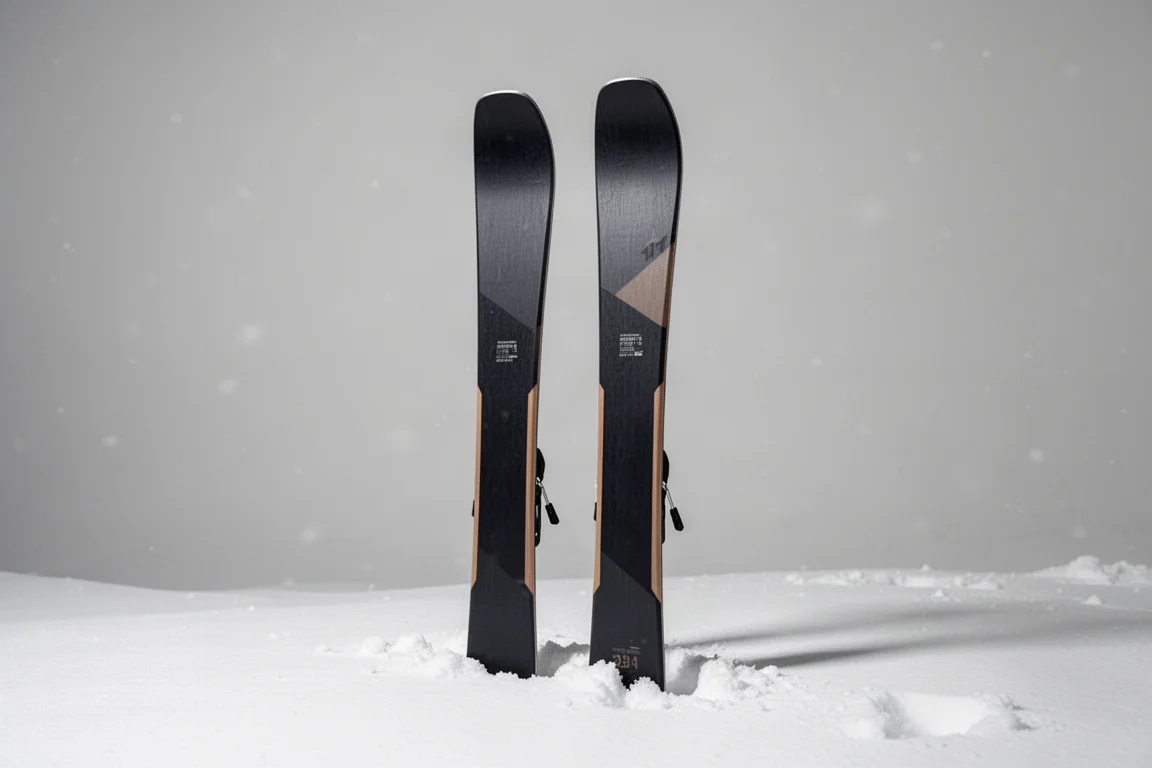
The Head Kore 94 TI marks a clear shift for the Kore series. Where earlier Kore skis leaned on a dual carbon laminate for a light, energetic feel, this generation moves to a dual metal construction. It is a deliberate step toward the mainstream of all-mountain ski design, and it changes the personality of the ski in ways that are easy to notice on snow.
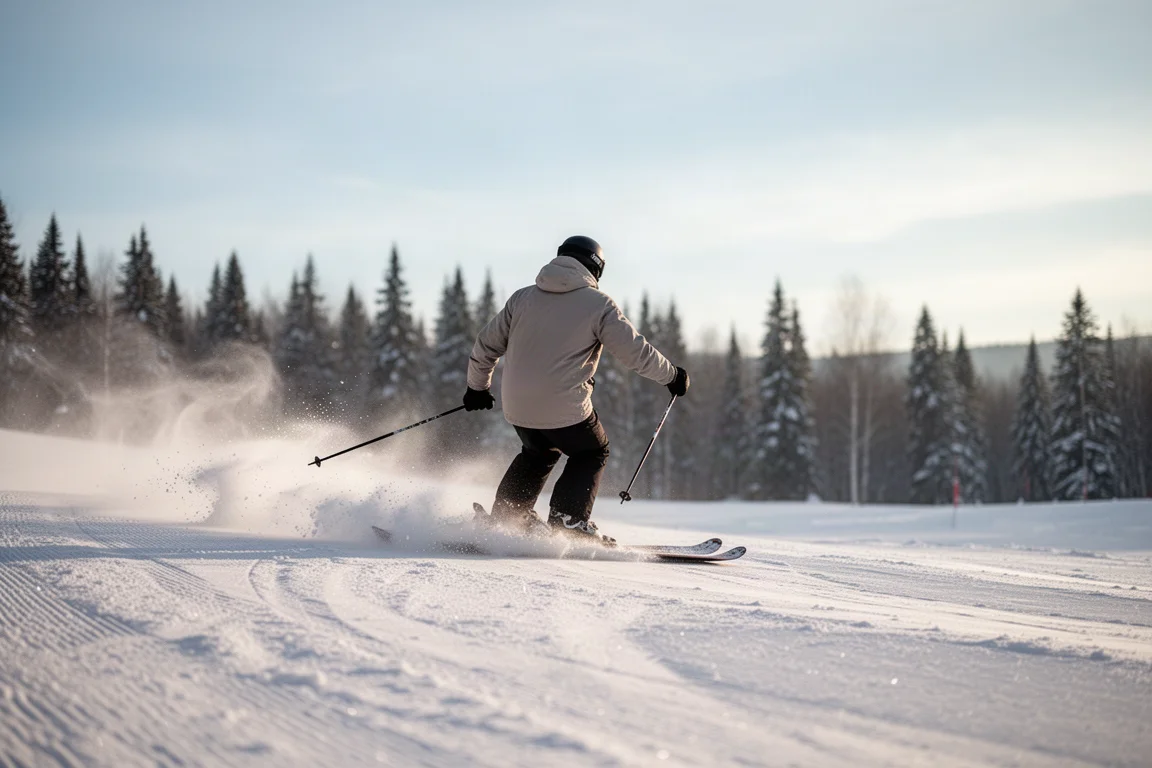
At 184 cm the ski weighed 1,955 g on the scale, a notable figure for a Kore ski. The mid-90s waist width puts it in the range that handles both firm groomers and softer snow, which is where most all-mountain skiers spend their time.
Who the Head Kore 94 TI Is For
This ski lands in the advanced and expert category. The weight sits close to the 2,000 g mark, the flex is stiffer, and it asks for more input to get what you want out of it. That said, it is not overly demanding for an intermediate, though pushing past the camber can be difficult for a less experienced skier.
The clearest fit is a skier who rides a mix of firm and soft terrain, including the day-long swings between the two that are common in New England and Vermont. It is built to be an all-encompassing ski rather than a specialist.
Construction: From Carbon to Metal
The headline change is the switch from a dual carbon laminate to two sheets of metal. Head also builds the core from a blend of Karuba and beech, where the denser beech adds power to the lighter Karuba. A graphene laminate sits in the layup, and a flax hybrid top sheet adds another damping layer while improving durability by reducing chipping and scratching.
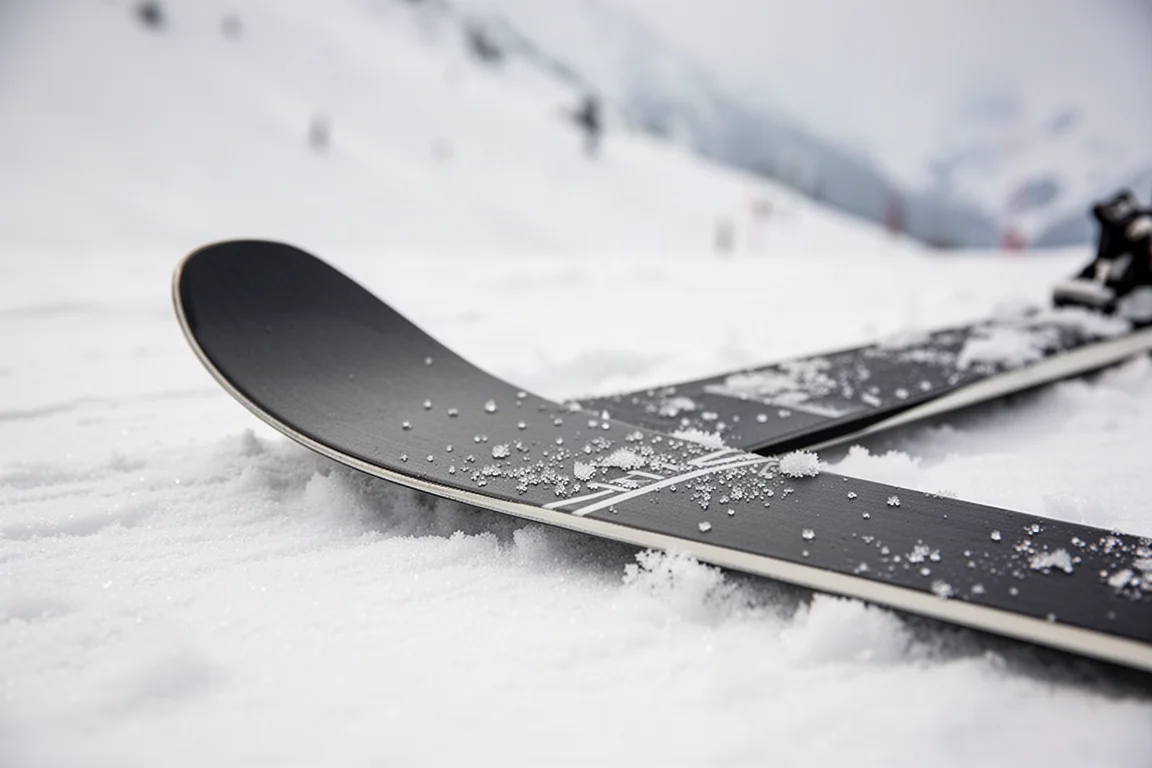
That combination is why the ski carries more weight than previous Kore models, and it is also why the ride feels quieter and more settled. Metal is easier to keep consistent in production than carbon, and consistency across a pair of skis matters as much as any single specification on a spec sheet.
Flex, Camber, and Shape
The flex profile is rounder and more even than the very stiff carbon-based Kore skis of the past. That change shows up most clearly in softer snow, crud, chop, bumps and trees, where the ski deflects less and does more of the work instead of asking the skier to hold it steady.
To keep the ski feeling energetic despite all that damping, Head builds in a significant amount of positive camber underfoot. It is a dramatic camber profile, and it is what balances the metal, the beech and the flax.
Shape follows the rest of the Kore series, where wider models get more taper and rocker. The 94 sits between the 88 and the 100. The widest point is pulled down slightly for better flotation in the shovel, there is not much rocker in the tail, and the rounded tail helps release turns and makes edge-to-edge transitions easier, especially in softer snow.
Main Strengths on Snow
On snow, the Kore 94 TI is a capable carver and very predictable both on trail and off. It does what you ask of it and stays consistent from tip to tail. It does not stand out in one single area, whether that is groomer carving or powder flotation, but it has a well-rounded personality that suits a wide range of days.
The mid-90s waist is a useful place to be when conditions mix firm and soft snow, and the two sheets of metal make that mix easier to manage. This shape and construction have been described as an all-around option for East Coast terrain that can handle any conditions, and that description fits the build well.
Things to Consider Before Buying
Weight is the first thing to weigh up. At 1,955 g in the 184 cm length, this ski sits close to the 2,000 g mark, and that is a real change for anyone coming from an older Kore. The stiffer flex also asks for more input from the skier.
The trade-off for the new construction is energy. Skiers who loved the lively, vivacious feel of the carbon-powered cores may find this ski less excitable, even though it is more predictable and consistent.
Skill level matters too. It is not overly demanding for an intermediate, but pushing past that camber can be a challenge for skiers who are still building confidence on edge.
It is also worth knowing where the ski now sits in the market. With two sheets of metal, it competes more directly with skis such as the Enforcer 94 and the Blizzard Anomaly 94 than with lighter options like the Blaze 94 or the Ripstick 96, which are closer in character to the older Kore series.
Buying Advice
Buy the Kore 94 TI if you want a dependable, consistent all-mountain ski that handles mixed conditions without demanding constant correction. It rewards a skier who wants the ski to absorb some of the variability of crud, chop and bumps rather than fighting through it.
If your priority is a light, energetic ski with a lively flex, the older carbon-based approach or a lighter ski in this width class will feel more familiar. If your priority is predictability, stability and a shape that works from firm groomers into softer snow, this ski delivers exactly that.
Conclusion
The Head Kore 94 TI is a well-executed first year for Head’s new metal-laminate direction. It gives up some of the carbon-era liveliness in exchange for consistency, damping and a rounder flex that more skiers will find easy to work with. For advanced and expert skiers who ride a mix of firm and soft conditions, it is a genuinely well-rounded choice.
Product link
View more details for Head Kore 94 TI
This product is mentioned in the review. Check the specifications, options, and compatibility before buying.
View more details for Head Kore 94 TIFurther reading
Related Reviews
Skis
Armada Anti Matter 82 W Review: A Light, Approachable All-Mountain Carver
Armada's Anti Matter 82 W pairs a lightweight Karuba and carbon build with an easygoing all-mountain shape, aimed at intermediates through lighter-footed advanced skiers.
Skis
Armada Anti Matter 88W Review: A Light, Playful 88mm All-Mountain Ski Plus Two Alternatives
The Armada Anti Matter 88W returns unchanged in spirit from its Reliance 88C days, and it remains one of the most versatile 88mm skis around. We also look at the Nordica Santa Ana 87 and Anti Matter 92 W as alternatives.
Skis
Armada ARV 100 vs Atomic Bent 100: Which 100mm Freestyle Ski Should You Buy?
Two of the best all-mountain freestyle skis of the season compared: one leans playful and park-ready, the other holds up better everywhere else.