Ski Reviews
The 2026 Head Kore Collection: Six All-Mountain Skis, Rebuilt From the Ground Up
The entire unisex 2026 Head Kore lineup swaps carbon for two sheets of titanal, adding a smoother, friendlier feel across all six widths.
Introduction
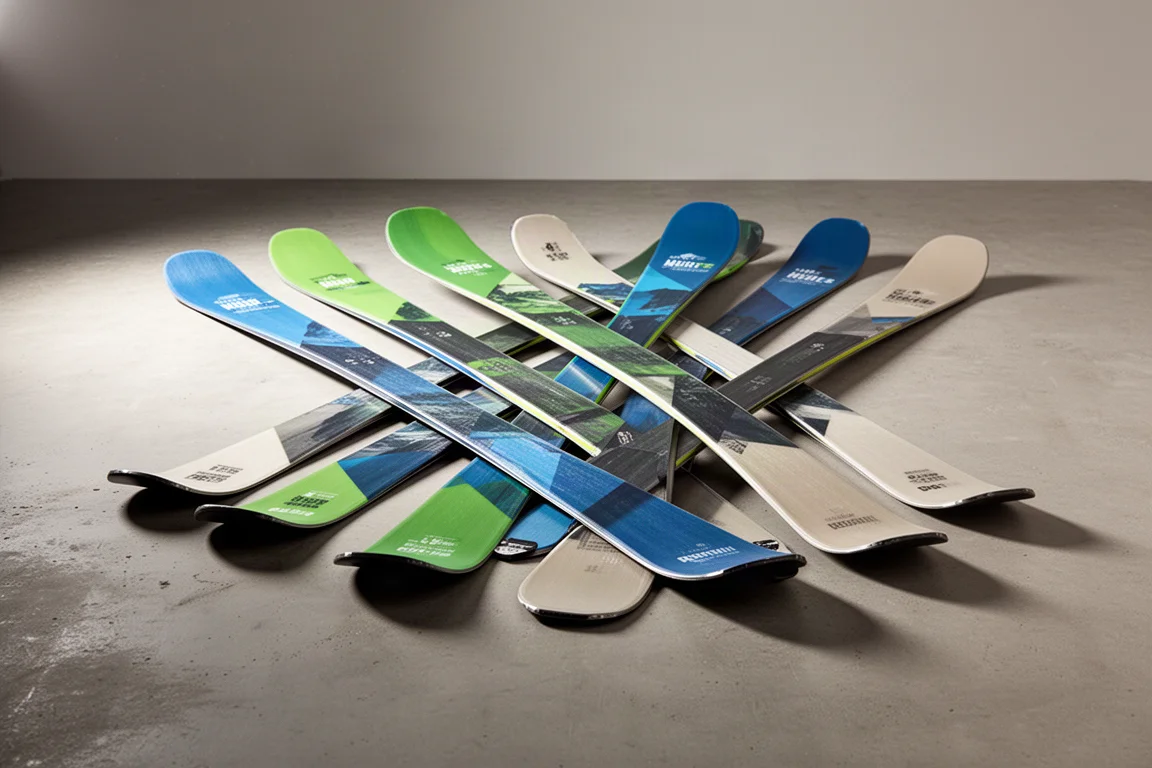
The 2026 Head Kore collection is one of the most significant ski redesigns in recent memory. Since the line first appeared around 2018, Kores have stood apart for being exceptionally light and exceptionally stiff, with performance built heavily on carbon. For 2026, Head has changed nearly everything except the name. The new skis move to a traditional two-sheet-of-titanal construction, and the result is a lineup that is smoother, more predictable, and far more approachable than the outgoing models.
If you loved the old carbon-powered, energetic feel, this news may sting a little. But the new Kores open the line up to a much wider audience, and several of them are now among the easiest recommendations in their class.
What Changed: Construction, Weight and Shape
The biggest story is under the top sheet. Instead of two full layers of carbon, the new Kores use a wood core blending karuba (a light, energetic wood) with denser beech, sandwiched between two sheets of metal. A full layer of flax and a graphene laminate carry through from the old design, with the tips built mostly from graphene and flax to keep the front end light, precise and energetic. The metal ends right at the contact point, and the top sheet, made mostly of flax, makes the transition visible.
Head reportedly made the move partly because carbon proved difficult to produce consistently from ski to ski, generating quality-control waste. The titanal laminate delivers a more consistent flex pattern and overall performance.
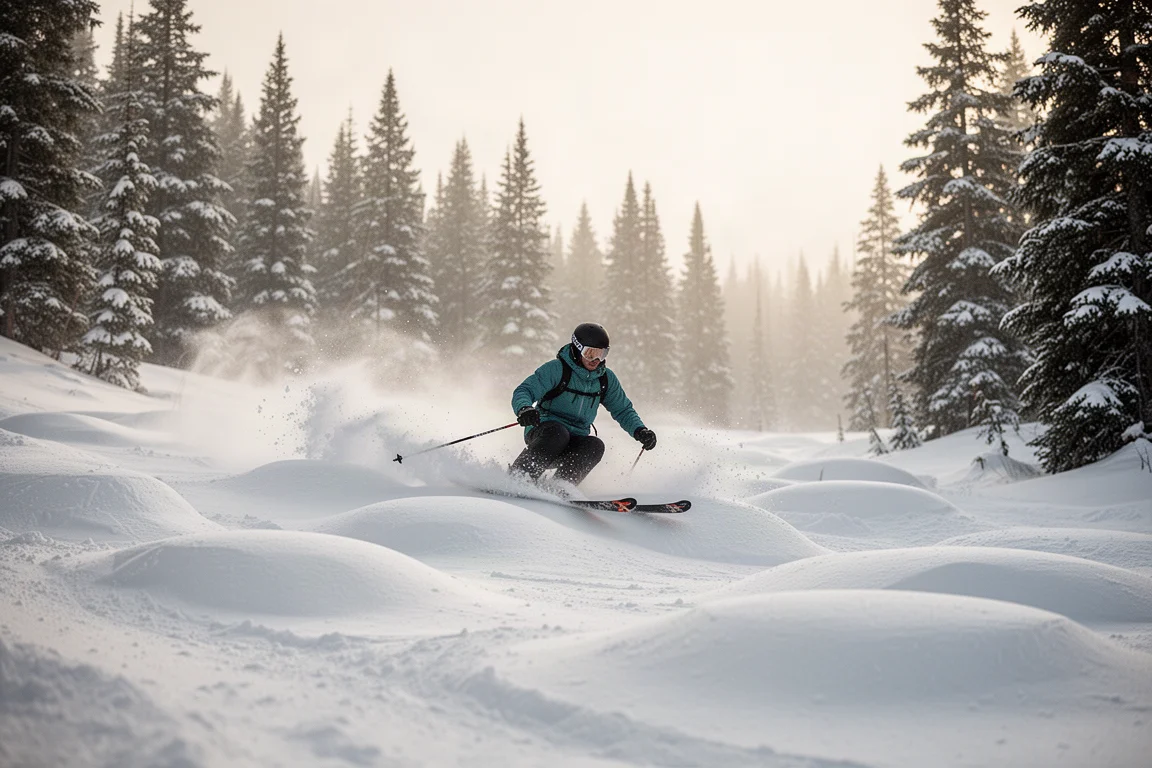
The skis are heavier than the models they replace, but not heavy. In the 177/179 lengths, the Kore 88 weighs about 1,818g, the 94 about 1,928g, the 100 about 1,941g, and the 106 in the 184 about 2,140g. Weights for the 112 and 118 were not yet available. Shape changes are subtler: the new skis have both higher camber height and longer rocker length. The all-mountain-to-freeride break also shifts down the line, from the old 99/105 boundary to the 100, meaning the 100 and up lean more toward soft-snow performance.
Head Kore 88: Quick, Predictable, Bump-Friendly
The Kore 88 keeps the lightning-quick character of the old Kore 87 while trading some of that carbon snap for a damper, more traditional feel. It excels in bumps, trees and tight terrain, and it is easy to place exactly where you want it thanks to a softer flex and lower weight.
It does not match the raw power and tenacity of a heavier 88 like an Enforcer 89 or Mantra 88, and it prefers shorter, two-footed turns to being stood on hard. Think of it as a lighter, more usable 88 in the wheelhouse of something like an Atomic Maverick 88, with a crisp underfoot feel and genuine all-mountain versatility.
Head Kore 94: The New Default All-Mountain Pick
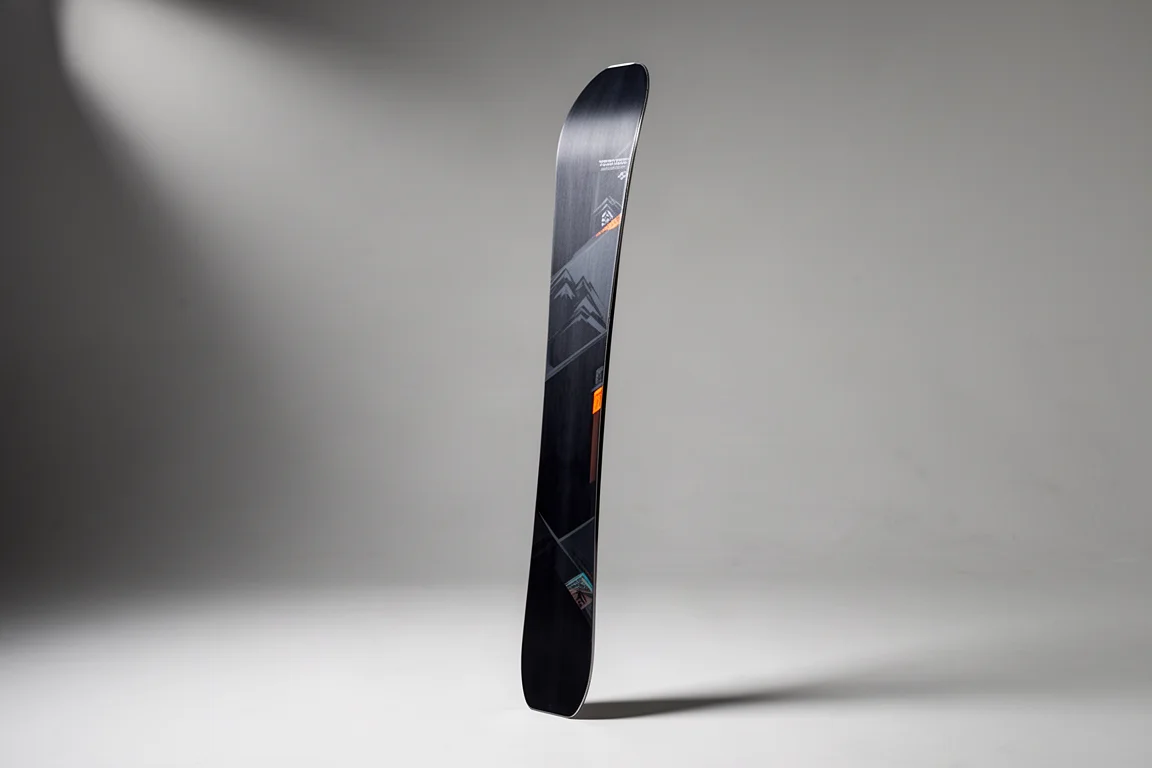
The Kore 94 might be the most important ski in the new lineup. It offers the smoothness, vibration damping and stability of a two-metal ski while remaining surprisingly easy to ski. Where skis like the Enforcer 94 demand full effort and aggression, the Kore 94 delivers similar benefits in a friendlier, more supple package.
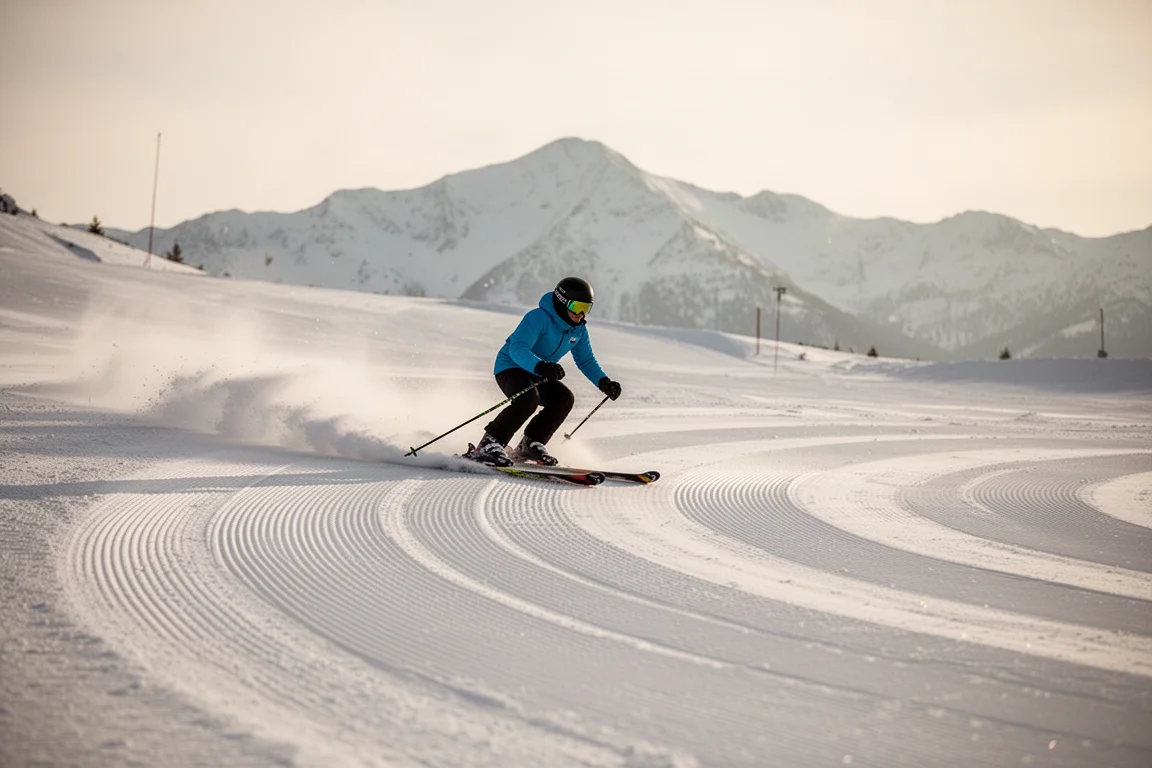
It works for progressing intermediates who want dampness without being overpowered, and it is far more supportive than the old Kore 93 was for lighter skiers with good technique. Unless you are a very heavy, race-background skier who wants maximum edge grip, it is hard to think of a skier this ski would not suit. It has become the kind of ski you recommend when someone simply does not know which all-mountain ski to buy.
Head Kore 100: The Soft-Snow Turn Begins
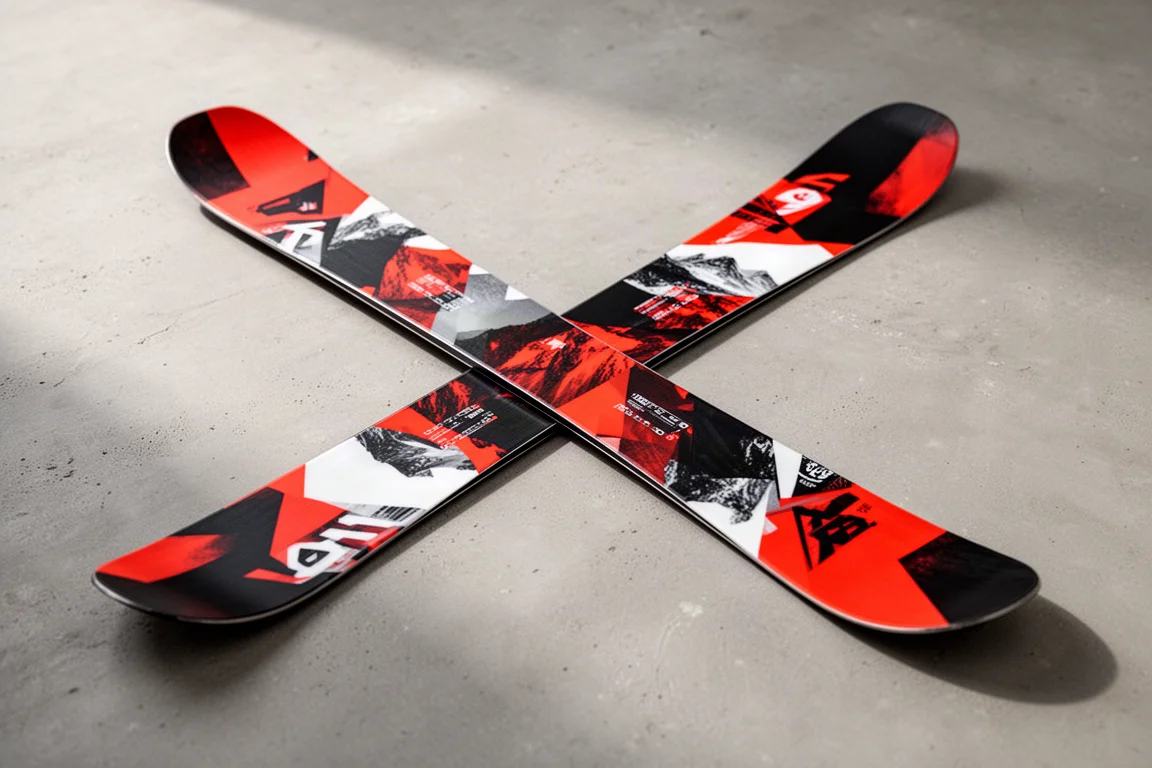
The Kore 100 marks the new freeride threshold in the line. Compared to the outgoing Kore 99, it gains more tail rocker, more taper, and a slightly pin-tailed, sharper tail that releases turns more easily. The tip grows less aggressively than before, making turn initiation easier in soft snow with a surfier, smearing character while staying quick and agile underfoot.
It still makes clean, deep, rounded arcs at moderate speeds and mid radii, something the previous generation did not do particularly well. Chatter is minimal and the ski feels connected to the snow. It does not push you into the backseat or punish mistakes, and it rewards skiers who want to explore trees, woods and bowls. For snowier regions, the 100 is likely the better one-ski pick than the 94.
Head Kore 106: The Vermont Sweet Spot
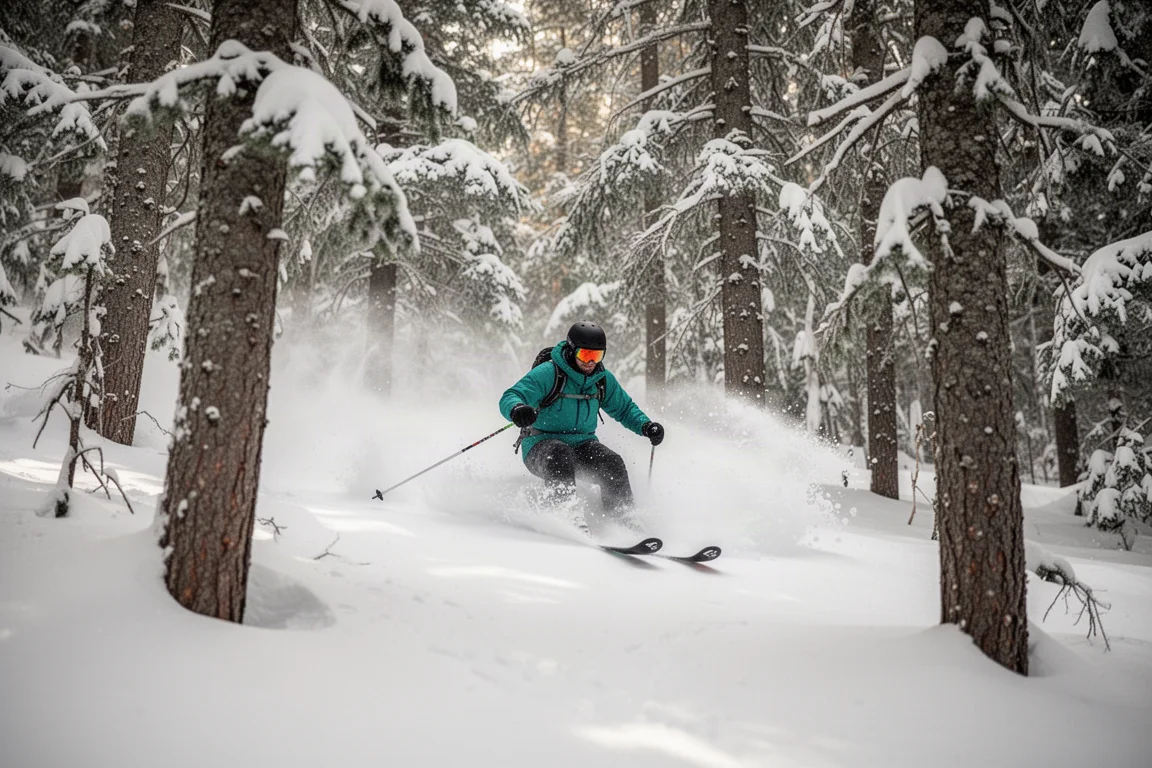
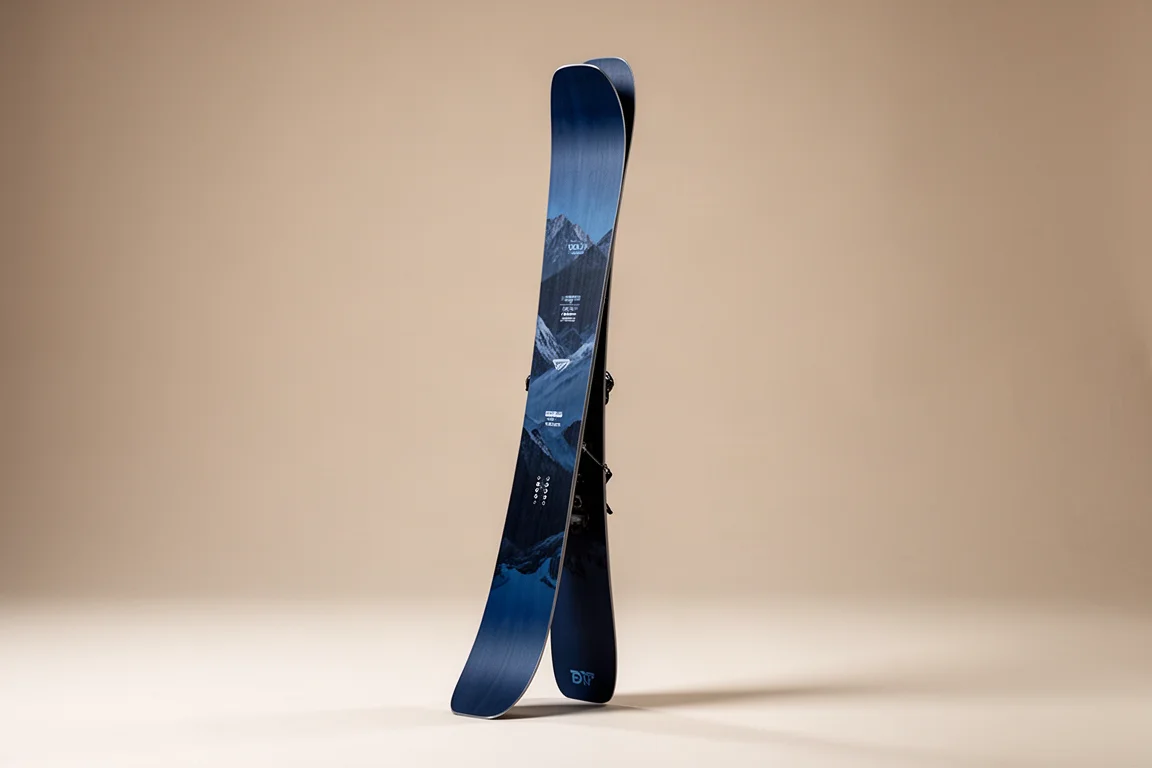
Skied in roughly five to six inches of fresh snow per day over a multi-day cycle, the Kore 106 handled deeper snow mobility, tight technical glades, and broken, cruded snow at speed without complaint. It is easy to move from turn to turn even in tighter areas, with a surfy, forgiving character.
It is not as snappy or energetic as lighter non-metal skis like the QST 106, which trades away some rebound for smoothness. That give-and-take is the core trade-off of the new line: less quickness, more dampness. For East Coast-style mixed conditions where a 106 should work and does, this ski makes a lot of sense.
Head Kore 112 and Kore 118: Built for Deep Days Out West
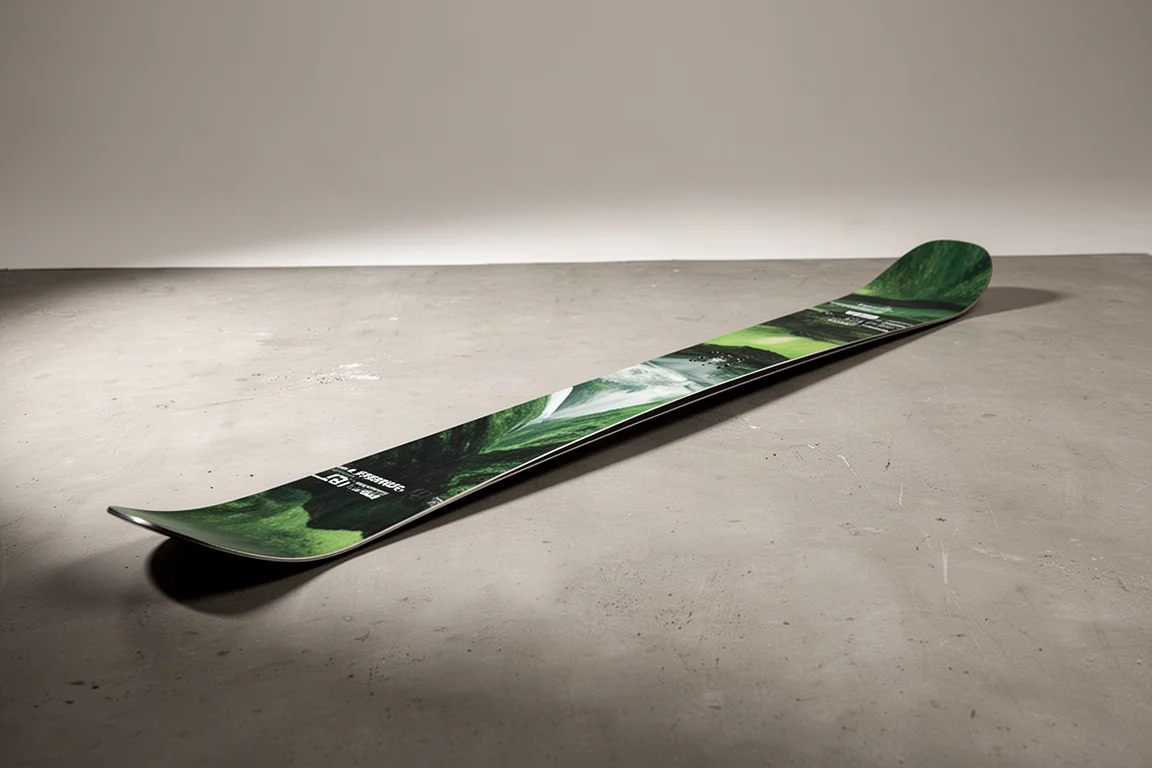
The Kore 112 was the most contested ski in the group, with testers fighting over who got to ride it in deeper snow. The extra rocker and taper versus the 106 cut through settled snow effortlessly. Compared to the outgoing Kore 111, though, the new ski gives up some crispness on firmer snow and variable conditions; the 111 was stronger on trail and on soft snow over firm bases.
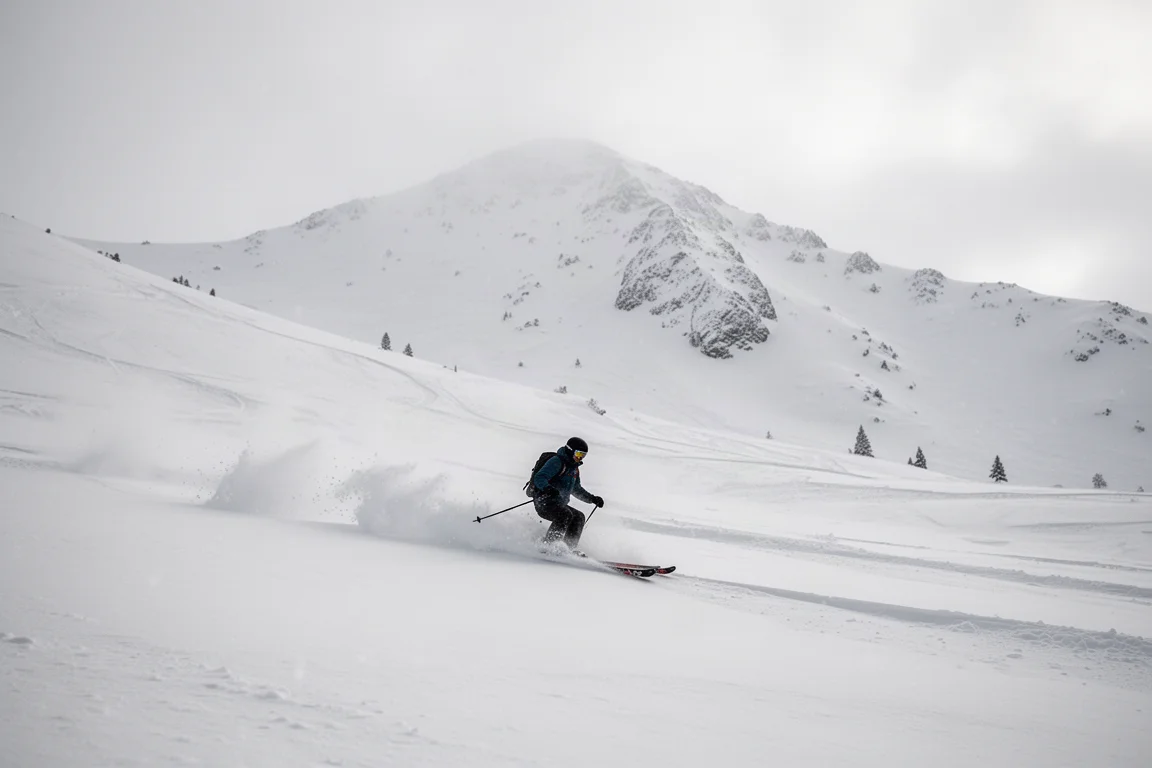
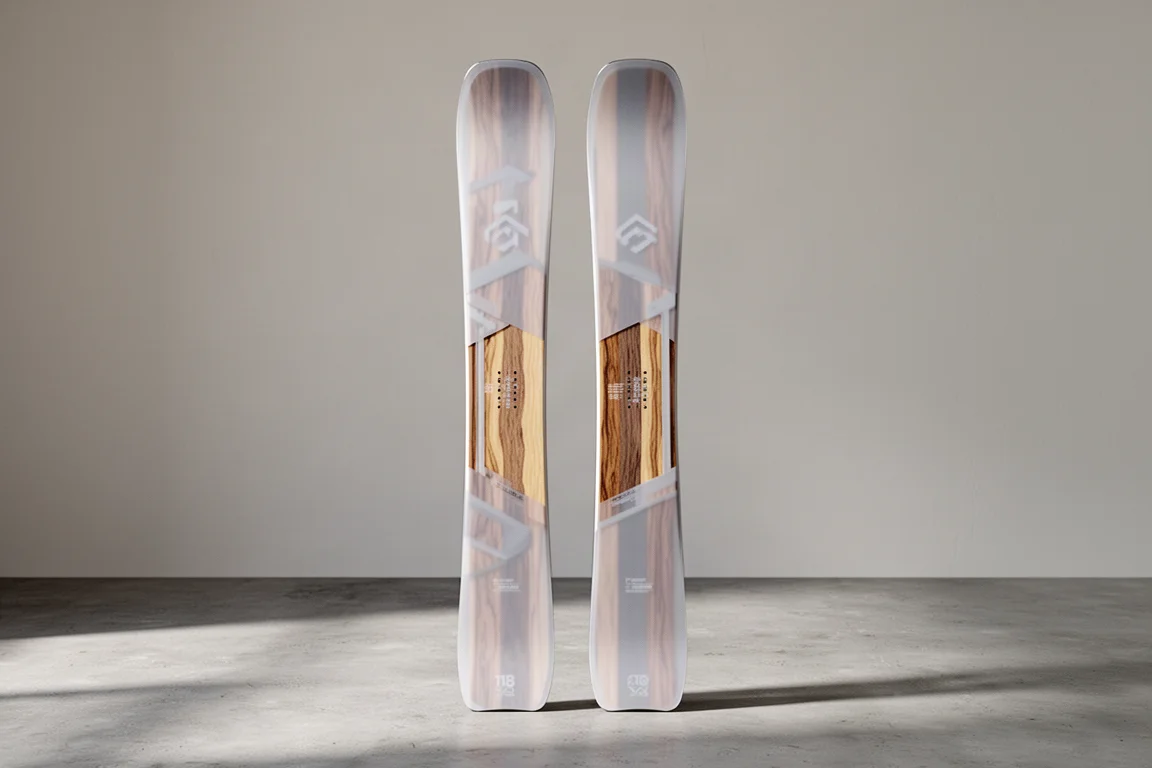
The practical takeaway: a 112 does not need to work everywhere, and for many regions the 106 is the better year-round choice. The 112 and 118 make most sense as out-west skis or dedicated powder-day tools. The 118 jumps significantly in both rocker and turn radius, with a massive 24.3-meter radius that makes it a genuine specialty ski even by Alaska standards.
Buying Advice
Choosing within the 2026 Kore line comes down mostly to snowfall and terrain. The 88 suits Eastern skiers and bump and tree specialists. The 94 is the safest all-around pick for most skiers and most resorts. The 100 and 106 shift the balance toward soft snow, with the 106 being the widest ski that still makes sense in mixed-condition regions. The 112 and 118 are best reserved for deep-snow destinations.
Conclusion
The 2026 Head Kore redesign is a fundamental change, not a progression. The line loses some of the carbon-driven energy and stiffness that made the old Kores distinctive, and some skiers will miss that character. What Head gains is consistency, dampness, and a collection that almost anyone can ski well. For the majority of buyers, that trade is worth making, and the new Kores are now easier to recommend than ever.
Further reading
Related Reviews
Ski Reviews
Armada Antimatter 108 Review: A Freeride Ski Built for Speed and Deeper Snow
The Armada Antimatter 108 carries over the beloved Declivity X 108 shape with new construction that adds compliance in soft snow and composure in crud, aimed squarely at strong, aggressive skiers.
Ski Reviews
Armada Antimatter 92 vs Invictus 92: Two All-Mountain Skis Compared
A closer look at two Armada all-mountain skis, one playful and nimble, the other composed and smooth, to help you pick the right one for your skiing.
Ski Reviews
Armada Antimatter 92W Review: A Smoother Take on a Proven All-Mountain Footprint
The Antimatter 92W keeps the trusted Reliance 92Ti footprint but softens the ride with a new metal construction, making it more versatile in softer snow without losing on-trail grip.