Skis
Head Kore 104 TiW Review: Inside Head's 2026 Freeride Rebuild
The 2026 Head Kore 104 TiW swaps carbon for metal laminates, adding stability and range while keeping a smooth, powerful feel on snow.
Introduction
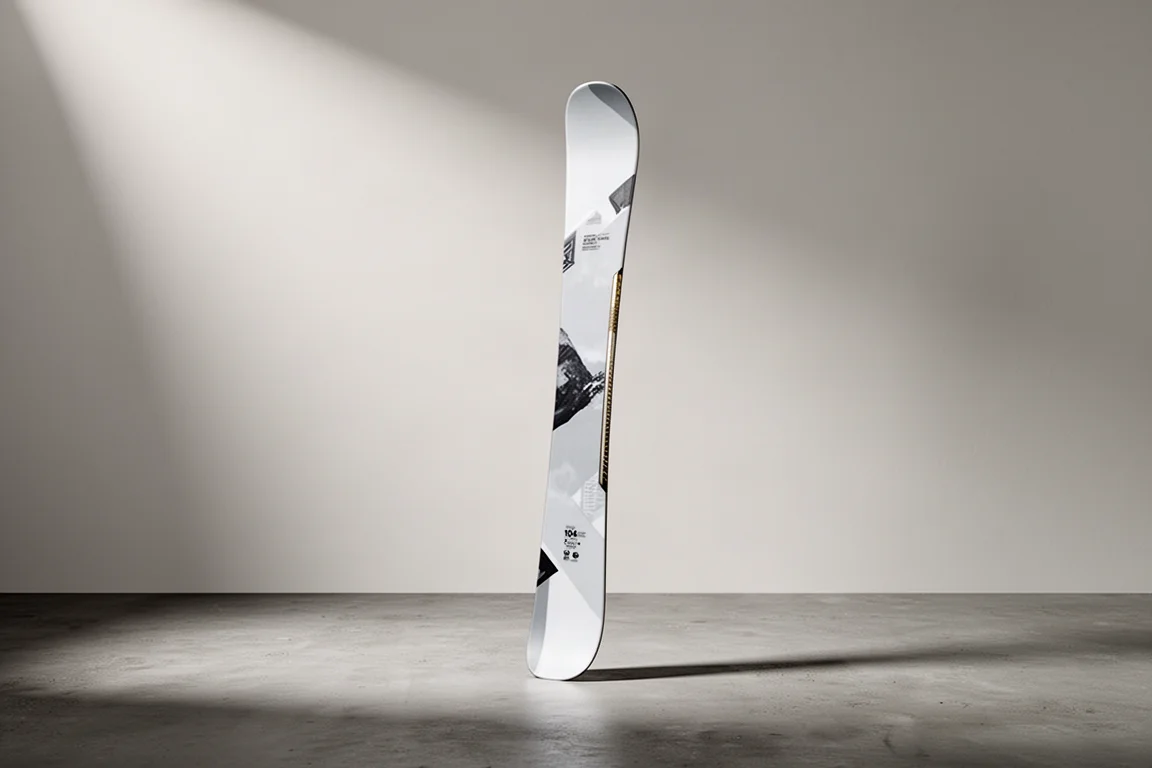
Head has rebuilt its Kore collection for the 2026 season, and the changes go well beyond new graphics. Earlier Kore models leaned heavily on carbon, which kept them very light and very stiff. The new generation switches to a titanal and metal-laminate construction. That single decision reshapes how the skis behave on snow and is the main reason the Kore 104 TiW deserves a closer look.
Head splits the new line into two families. The black models are positioned as unisex skis, while the white models, including this 104 TiW, carry a women’s label. In practice the two are built very similarly. Both use two sheets of metal along with graphene and other elements, and the meaningful difference comes down to the wood core. The black skis pair beech with karuba. The 104 TiW pairs poplar with a synthetic PET material, which yields a slightly lighter and slightly softer-flexing core.
Who This Ski Is For
The 104 TiW lands in upper-advanced and expert territory. Its flex is softer than the unisex build, but it is still relatively stiff, and that shapes who gets the most out of it. Intermediate skiers are likely to find it demanding, particularly since this width class offers plenty of lighter and softer alternatives.
Experienced skiers who want a ski that stays composed when they push the pace are the natural audience. Lighter skiers should not dismiss it either. At a lighter body weight, the softer core reads as supple and smooth rather than punishing, while the ski still delivers a genuinely powerful ride.
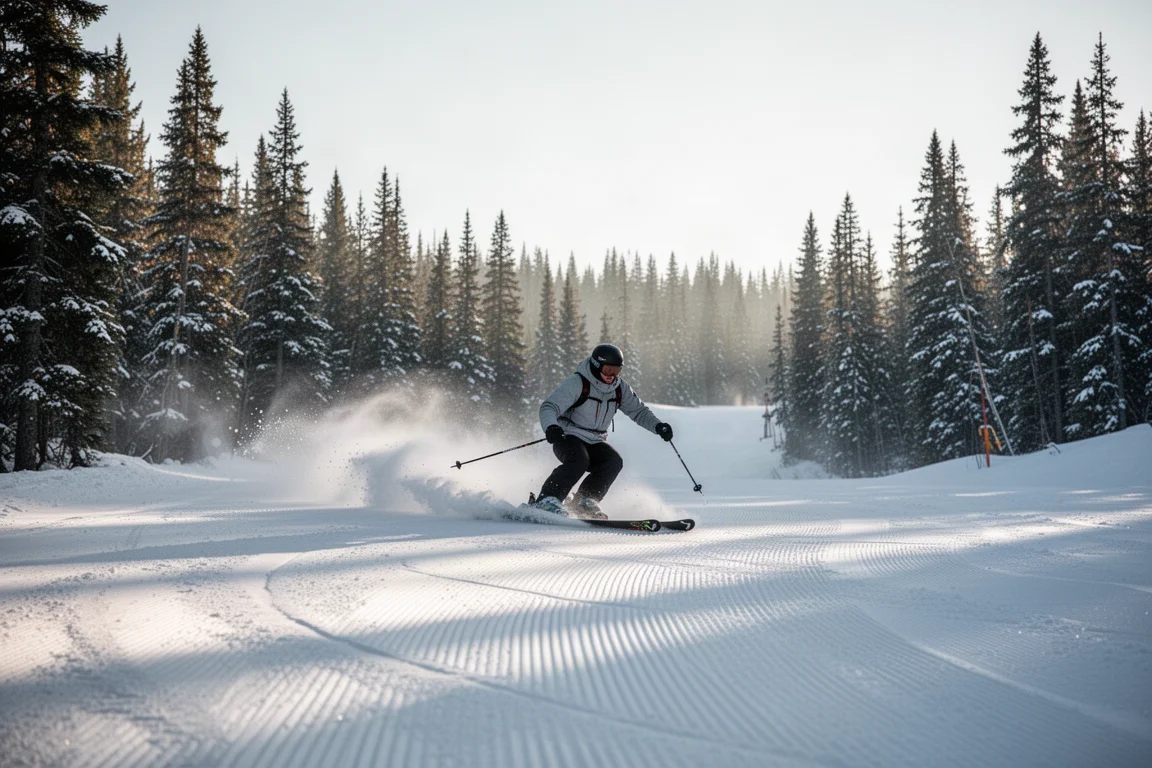
Anyone shopping in this width should also weigh how much of the season happens on groomers versus soft snow. A 104 mm waist is versatile, but this remains a freeride-oriented platform rather than a dedicated carving ski.
Main Strengths
The headline strength is balance. The 104 TiW feels smooth and supple underfoot, yet it stays strong enough to satisfy a hard-charging skier. That combination is uncommon in a category that often forces a choice between a light, lively ski and a damp, stable one.
Two sheets of metal give the ski a planted feel at speed, and the shape keeps it maneuverable when the terrain tightens up. The result is a ski that can carve a groomer, work through trees, and hold together when you open up the throttle. For a ski measuring 104 mm underfoot, that range is a real asset.
That versatility is what makes the 104 TiW easier to recommend than earlier Kore models. Previous versions could feel like a specialized tool, and some skiers found them prone to deflection. The new build is more well-rounded and more likely to suit a broad range of strong skiers.
Construction and Materials
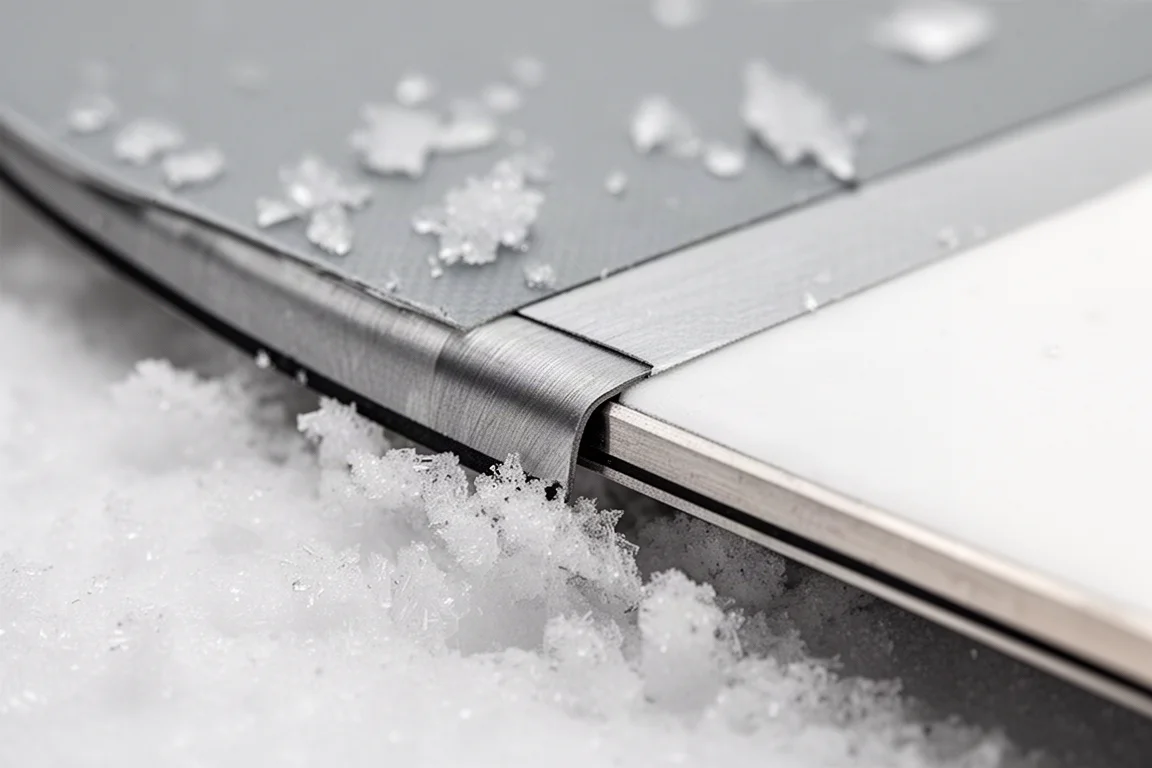
The metal laminates are the heart of the redesign. Two sheets of metal run through the ski, supported by graphene and other structural elements, and together they deliver the damp, stable character the old carbon-heavy builds did not have.
That shift shows up clearly on a scale. A 170 cm Kore 104 TiW weighs 1,915 g. Previous Kore skis were notably light, so this is a real departure. In the wider market the ski now sits around the middle for weight, and in the women’s segment it leans toward the heavier side, where lighter builds are more common.
Shape and Turn Radius
The shapes carry over from earlier Kores with only minor tweaks. Waist widths were adjusted slightly and the naming shifted a little, but place the new ski next to an older one and the outline will look familiar.
Underfoot the ski is cambered. The tip has a moderate amount of rocker in both length and splay, and the tail follows suit, with a touch more rise than before. Early taper at both ends is a long-standing Kore trait, and it pays off by making the ski more forgiving and more maneuverable in tight terrain. The widest points sit forward and back, then taper inward toward the tip and tail.
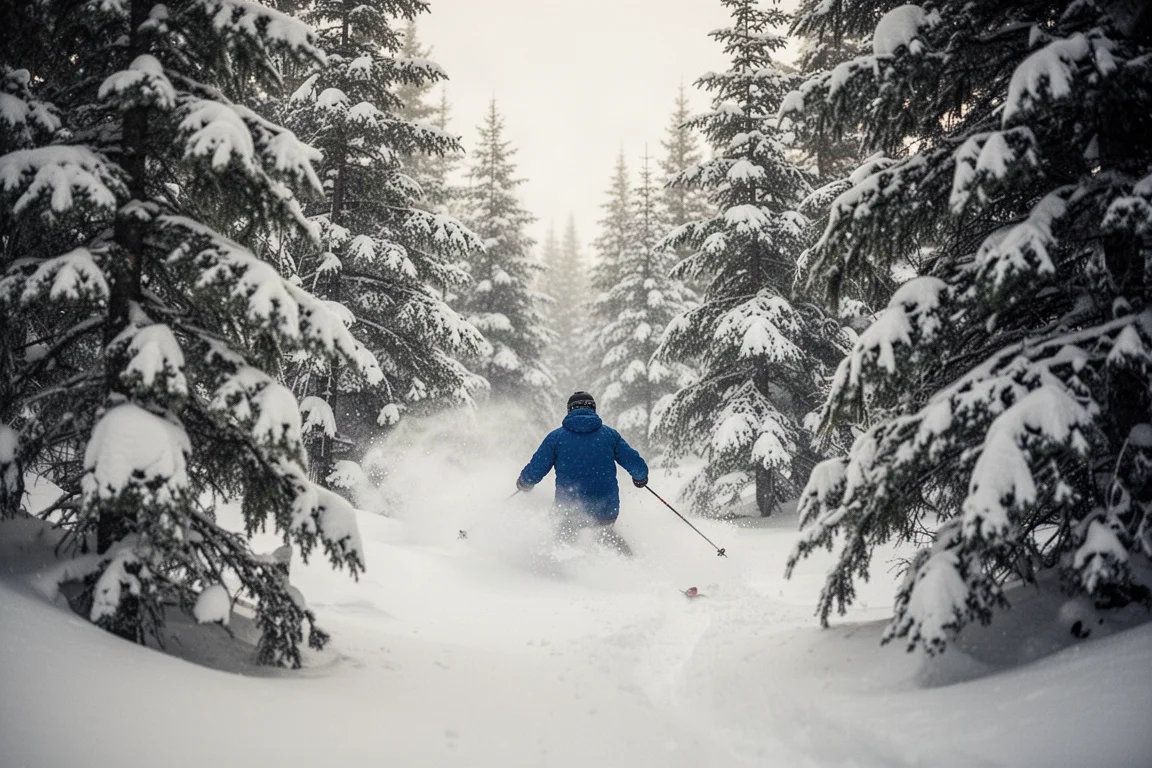
The payoff of that shape is a 15.1 m turn radius. A turn radius that short is welcome on a ski this stable, because it keeps the ski feeling agile even with a stiffer flex and two sheets of metal in the build.
Things to Consider Before Buying
Weight is the first thing to think through. Because the new construction adds mass, the 104 TiW is not as easy to flick around as earlier Kores. It can still handle tight trees and quick direction changes, but it asks for a more deliberate input from the skier.
Flex is the second consideration. Even in its softer women’s build, the ski is relatively stiff. Skiers who want a forgiving, low-effort ride will be better served elsewhere, and there are plenty of lighter and softer options in this width.
Weight and Stiffness
At 1,915 g in a 170 cm length, the 104 TiW is no longer a featherweight. That is a deliberate trade. The added mass is what produces the stability and the composed feel at speed, and it is also what makes the ski less playful in tight terrain than the models it replaces.
Buying Advice
If you are an upper-advanced or expert skier looking for one ski that covers groomers, trees, and fast open terrain, the 104 TiW is a strong candidate. It is a genuine freeride platform at 104 mm underfoot, and its combination of a smooth flex and a stable, metal-backed build is hard to find in a single package.
If you are an intermediate, or if your priority is a light and easygoing ski, the lighter and softer alternatives in this width class are the better match. The 104 TiW rewards a skier who already has solid technique and wants a ski that will keep up.
Sizing deserves attention. The 170 cm length came in at 1,915 g, and a 177 cm length also worked well for a lighter skier. Lighter male skiers should not overlook this model simply because of the women’s label. The build sits close to the unisex Kore, so flex and weight matter far more than the label on the topsheet.
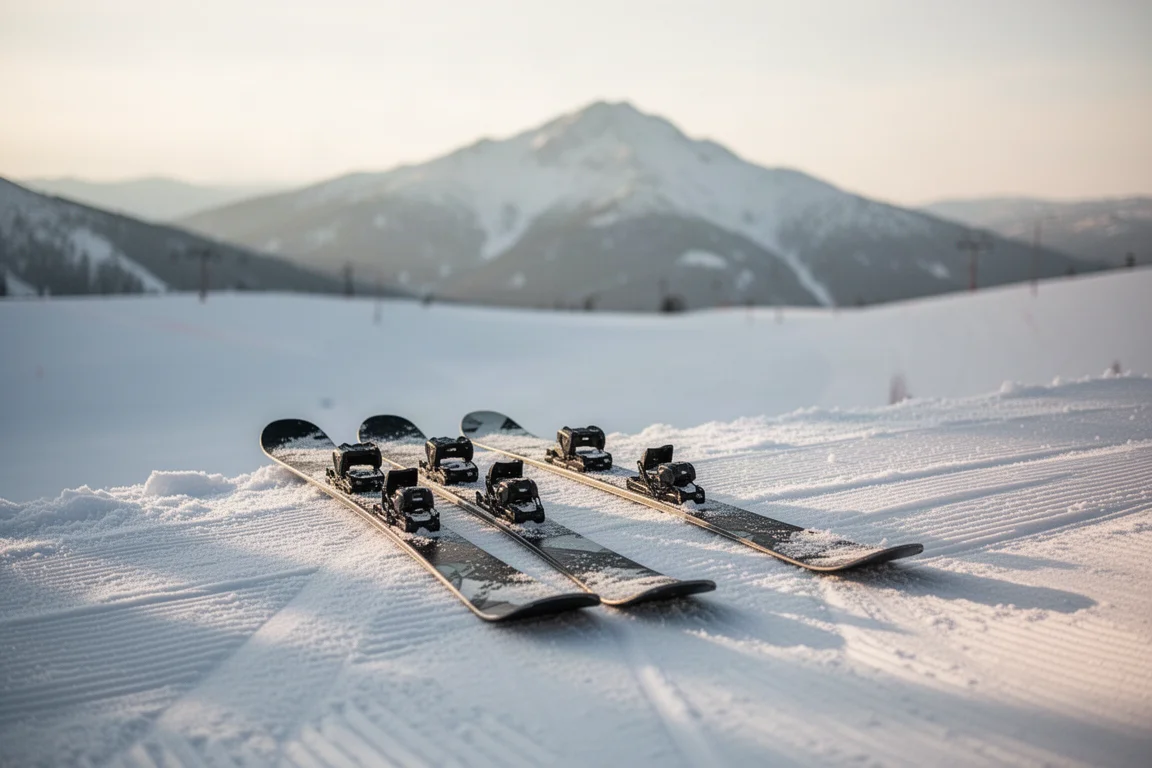
For most buyers the practical question is simple: does the extra weight buy you something you actually want? If stability, dampness, and speed are priorities, the answer here is yes. If lightness and playfulness come first, this is not the ski to chase.
Conclusion
The 2026 Kore 104 TiW is a meaningful departure for Head. Trading carbon for metal laminates adds weight and stiffness, and in return the ski gains stability, dampness, and a much broader range of use. It is no longer a niche tool built for one specific kind of skier. It is a strong freeride ski that can carve, maneuver, and hold up at speed, and for upper-advanced and expert skiers who want one ski to do a lot, that is an appealing package.
Product link
View more details for Head Kore 104 TiW
This product is mentioned in the review. Check the specifications, options, and compatibility before buying.
View more details for Head Kore 104 TiWFurther reading
Related Reviews
Skis
Armada Anti Matter 82 W Review: A Light, Approachable All-Mountain Carver
Armada's Anti Matter 82 W pairs a lightweight Karuba and carbon build with an easygoing all-mountain shape, aimed at intermediates through lighter-footed advanced skiers.
Skis
Armada Anti Matter 88W Review: A Light, Playful 88mm All-Mountain Ski Plus Two Alternatives
The Armada Anti Matter 88W returns unchanged in spirit from its Reliance 88C days, and it remains one of the most versatile 88mm skis around. We also look at the Nordica Santa Ana 87 and Anti Matter 92 W as alternatives.
Skis
Armada ARV 100 vs Atomic Bent 100: Which 100mm Freestyle Ski Should You Buy?
Two of the best all-mountain freestyle skis of the season compared: one leans playful and park-ready, the other holds up better everywhere else.