Skis
Head Kore 103 Review: A Lightweight Freeride Ski for Advanced Skiers
The Head Kore 103 pairs a lightweight carbon build with a tapered, rockered shape. Here is what advanced and expert skiers should weigh before buying.
Introduction
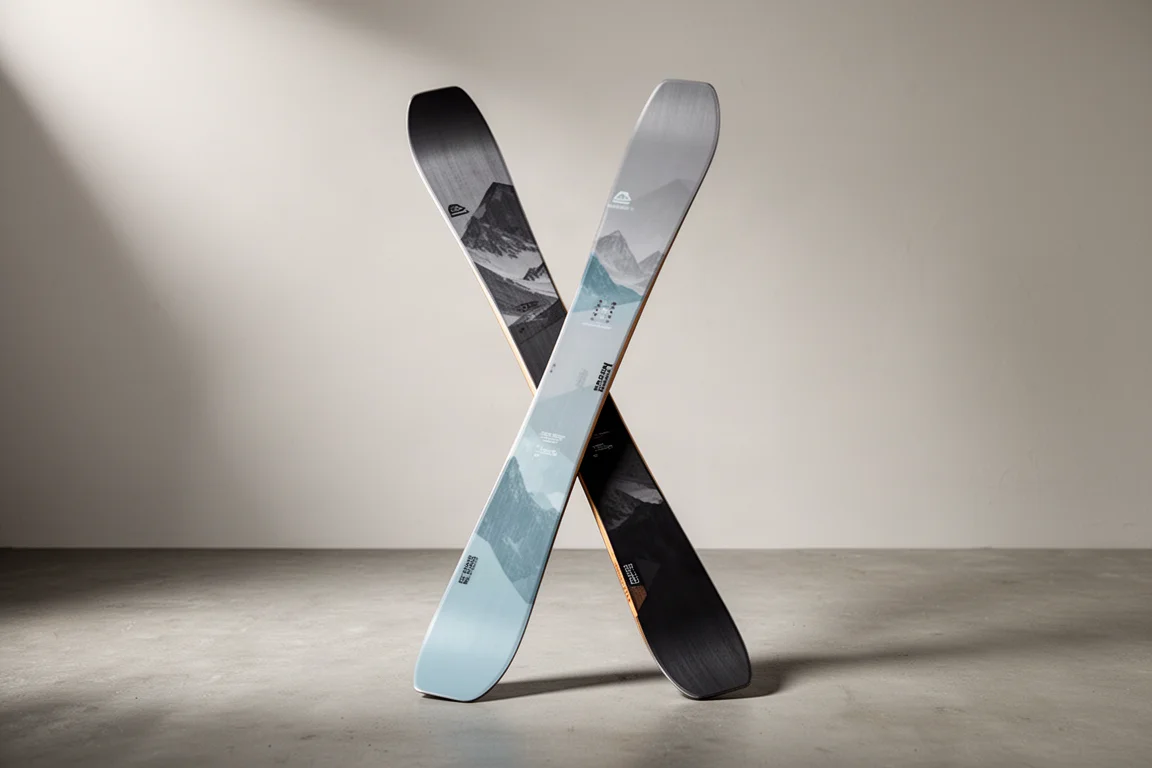
The Head Kore 103 is the wider end of the Kore range, and it carries over structurally unchanged from the previous model year with only minor graphic updates. That continuity is worth noting, because it means the ski you read about today is the same platform skiers have been riding, not a redesign that needs a season of validation.
At 103 mm underfoot, this model sits past the middle of the Kore line and starts to lean toward softer snow. The design brief is unusually broad: high performance, low weight, and versatility across a wide range of conditions and terrain, with a shape that still borders on the directional side rather than a full freeride build.
That combination makes the Kore 103 a useful reference point for anyone moving from a narrower all-mountain ski toward something wider, without committing to a heavy freeride platform.
Who This Ski Is For
This is a ski for advanced and expert skiers who mix conditions and terrain. The carbon construction rewards a balanced stance and a good set of skills, so it is not the most forgiving choice for a newer skier stepping straight onto a 103 mm waist.
It also works well as a stepping stone into lighter weight freeride skis. Riders who prefer a shallower edge angle and a flatter ski will find it easy to move around, while those who want to stand on the ski and drive it hard will still get a strong response.
Main Strengths and Construction
The build starts with a lightweight Karuba wood core. One flat layer of carbon sits on the bottom, and one curved layer sits on top. Curving carbon adds a dimension to the material, and that produces an exponential increase in stiffness compared with a flat sheet. The result is a ski that feels stiff, very responsive, and agile.
Weight is a genuine strength here. At 170 cm the ski measures 1,609 g, which is light for this width and for the level of performance it delivers. That low weight is what makes the ski so easy to maneuver, and it is a big part of why the platform floats as well as it does.
The maneuverability is the hallmark of the Kore series, and the 103 continues it. It moves easily underfoot at low edge angles, then comes around predictably when you commit and stand on it.
Shape, Taper, and Rocker Profile
As Kore models get wider, they gain more taper and more rocker. The 103 follows that pattern. The widest point of the ski is brought down into the forebody, and the sidecut begins there, which is what allows the shorter 15.2 m turn radius. Meanwhile the shovel sits angled outward, giving the ski the surface area it needs for flotation in soft snow.
There is still positive camber underfoot, paired with longer rocker than the narrower Kore models. The tail rocker is moderate rather than dramatic: there are skis with more splay and a more pronounced bend, but a flatter tail is what keeps this model working across a multitude of conditions and terrain instead of specializing narrowly.
Taper in the tail is also brought further toward the tip, which shortens both the turn radius and the effective edge. That is why the 103 feels shiftier and more mobile than the slightly narrower Kore 97, and it is a deliberate design choice rather than a side effect.
Performance Across Conditions
Get this ski up on edge and it is very powerful for its weight, provided you stay balanced over it. Ride it flatter at a shallower angle and it stays incredibly agile and easy to move. That range is the core appeal: one ski that can be driven hard or ridden casually without feeling like a compromise in either mode.
In soft snow, the combination of a lightweight build and the tapered, rockered shovel makes it an exceptional floater. The shape is amenable to flotation and playfulness while still holding enough structure to carve a turn on groomers, which is the balance the Kore 103 is built around.
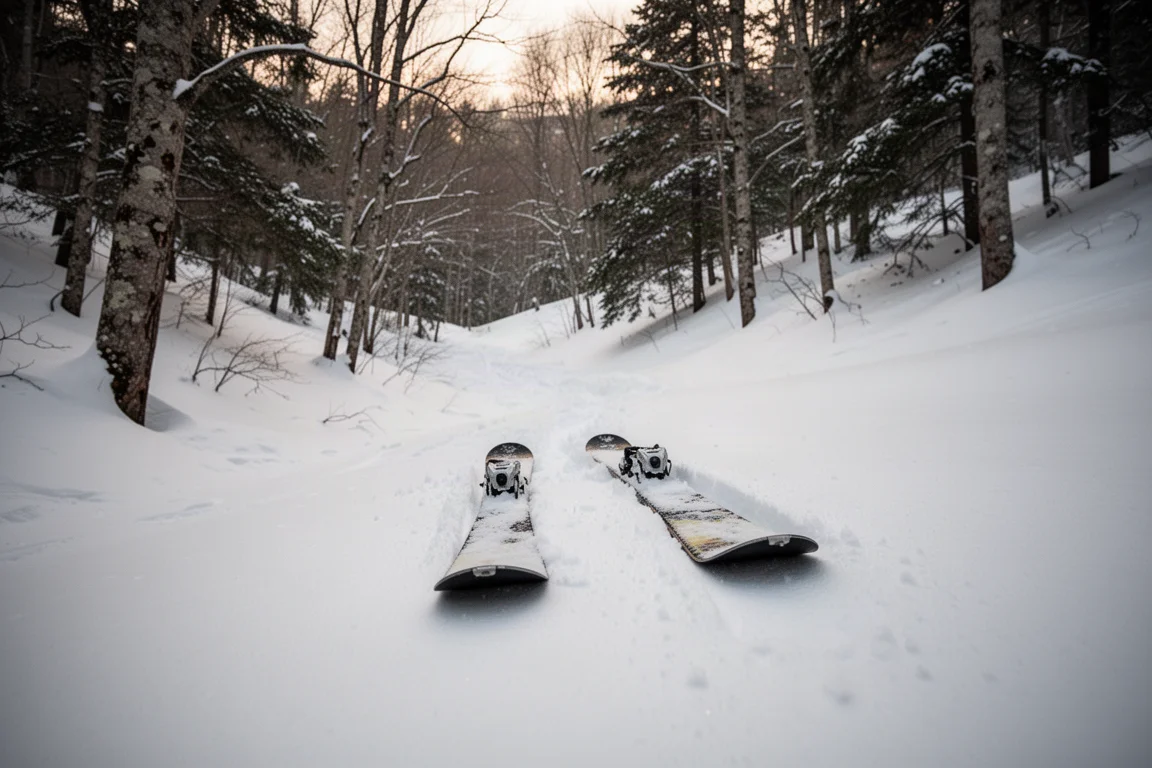
For skiers who spend their season moving between groomed runs, chopped snow, and softer off-piste terrain, that mix of attributes covers a lot of ground.
Things to Consider Before Buying
The carbon construction feels different from a ski with metal or from a simple wood core with no additives. Two full sheets of carbon at this width produce a distinctly stiff, business-like ride, and it is worth being honest about whether that is the feel you want.
These skis are not the most playful option in the category. The 103 does move toward a more freeride-oriented rocker profile, which adds some creativity to how it can be ridden, but the overall character stays more focused than a dedicated park or jib ski.
The flatter tail is another point to weigh. It keeps the ski versatile, but skis with longer, more dramatically bent rocker profiles will offer more splay and a looser feel in deep snow. Expect the Kore 103 to ask for a balanced, skilled pilot rather than to flatter a casual one.
Buying Advice
Match this ski to the conditions you actually ride. If your days are mostly hardpack and you want a narrower platform, the Kore 97 is the closer fit. The 103 is designed for skiers who mix conditions and terrain and want a soft snow emphasis without giving up groomer performance.
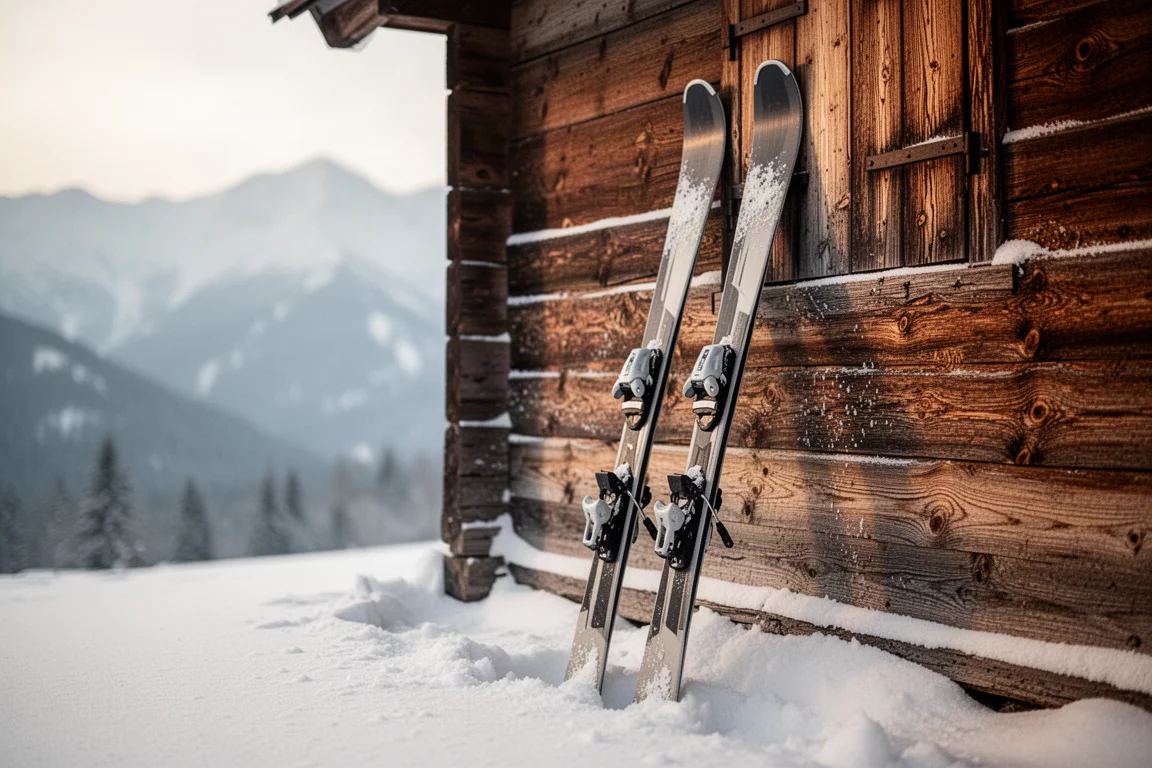
Length matters as much as shape here. At 170 cm the ski comes in at 1,609 g, so sizing up adds width and stability while keeping the overall package light for its class. Advanced and expert skiers who want one ski for a wide range of days will get the most out of it, while anyone still building technique should consider whether the stiffness suits their current level.
If you are looking for a lightweight freeride ski that stays capable on groomers, this is a sensible place to start. If you want maximum float and a looser tail, look at shapes with more splay before deciding.
Conclusion
The Head Kore 103 is a light, stiff, highly versatile ski with a clear soft snow lean and a shape that keeps it useful everywhere else. Its strengths are real: low weight for the width, strong edge hold when driven, and effortless maneuverability at lower edge angles. Its demands are equally clear, since the carbon build rewards balance and skill and does not offer the playful, loose feel of a more heavily rockered design. For advanced and expert skiers who want one ski to cover mixed conditions, it is a well-rounded choice worth serious consideration.
Product link
View more details for Head Kore 103
This product is mentioned in the review. Check the specifications, options, and compatibility before buying.
View more details for Head Kore 103Further reading
Related Reviews
Skis
Armada Anti Matter 82 W Review: A Light, Approachable All-Mountain Carver
Armada's Anti Matter 82 W pairs a lightweight Karuba and carbon build with an easygoing all-mountain shape, aimed at intermediates through lighter-footed advanced skiers.
Skis
Armada Anti Matter 88W Review: A Light, Playful 88mm All-Mountain Ski Plus Two Alternatives
The Armada Anti Matter 88W returns unchanged in spirit from its Reliance 88C days, and it remains one of the most versatile 88mm skis around. We also look at the Nordica Santa Ana 87 and Anti Matter 92 W as alternatives.
Skis
Armada ARV 100 vs Atomic Bent 100: Which 100mm Freestyle Ski Should You Buy?
Two of the best all-mountain freestyle skis of the season compared: one leans playful and park-ready, the other holds up better everywhere else.