Power Tools
Hart vs Makita Reciprocating Saw: Budget vs Premium Compared
A side-by-side look at the Makita XRJ05 18V LXT brushless reciprocating saw and the Hart brushed reciprocating saw, covering weight, features, cutting performance, and value.
Introduction
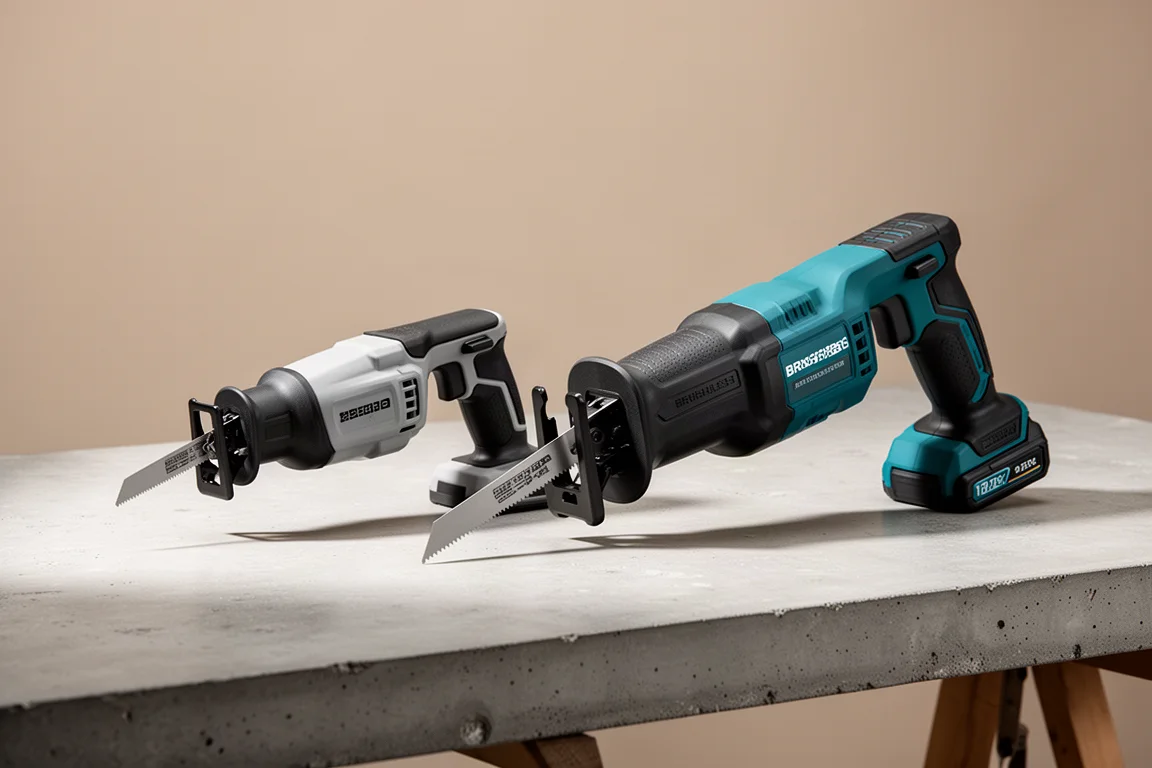
Budget cordless tools keep getting better, and a head-to-head look at two reciprocating saws makes that clear. In one corner is the Makita XRJ05 18V LXT, a heavy-duty brushless saw that sits alongside premium competition. In the other is the Hart brushed reciprocating saw, a homeowner-grade tool with a far friendlier price tag. Here is how they compare on weight, features, cutting performance, and overall value.
The Two Saws at a Glance
The Makita XRJ05 is a bare-bones heavy-duty brushless saw: two speed settings, no orbital action, and a straightforward no-nonsense design. Its retail price sits around $200 tool-only, putting it in the same class as higher-end offerings from other major brands. The Hart, by contrast, is a standard brushed reciprocating saw aimed at regular home use.
Weight is where the difference is most obvious. Measured with the same Diablo blade and a fully charged 4Ah battery in each, the Makita comes in at 8 pounds 7 ounces, while the Hart is dramatically lighter at about 5 pounds 6 ounces. Length is different too: about 16 inches for the Makita versus roughly 14 and a half inches for the Hart, measured from the body to the blade tip with the shoe excluded.
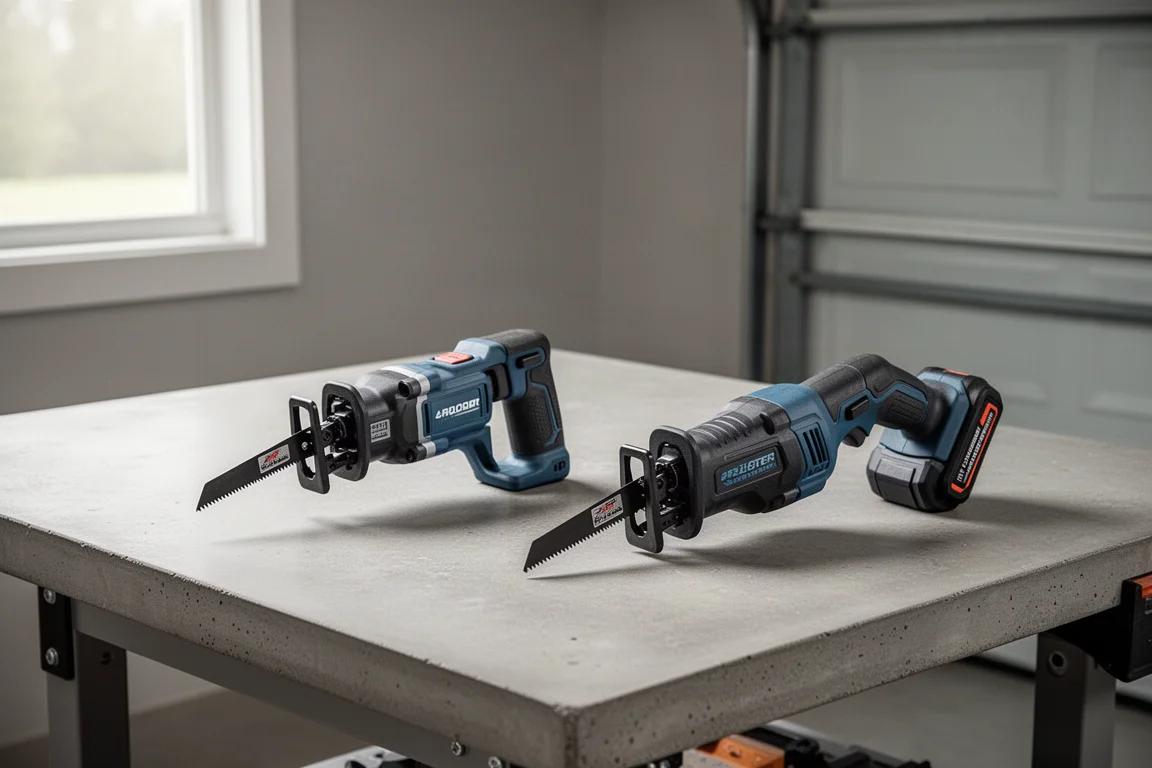
That weight saving makes the Hart surprisingly light, maneuverable, and comfortable to handle, especially for smaller cutting jobs around the house.
Features That Make a Difference
The Hart wins on one detail in particular: its blade release. A lever on the side lets the blade drop right out without reaching your fingers into the clamp, so nothing gets jammed or stuck. It is one of the favorite blade release designs in this class, and some saws from other premium brands offer similar setups.
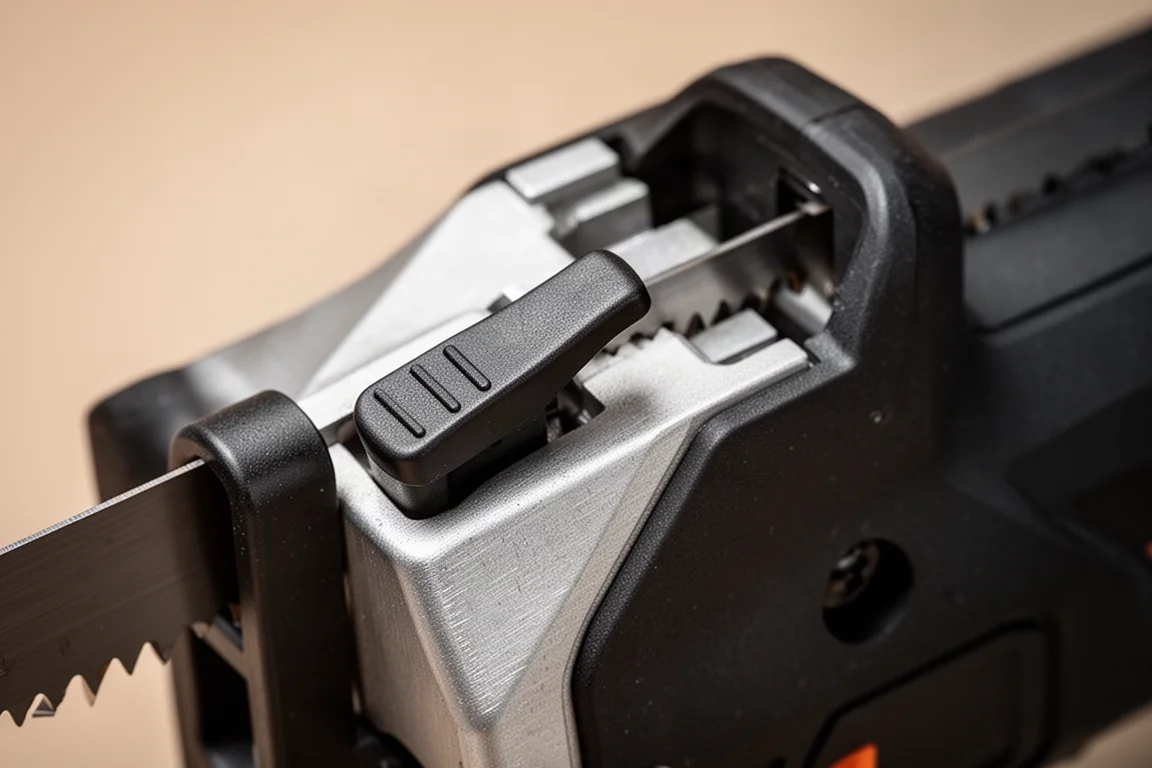
Beyond that, the Hart keeps things simple. There is no shoe release, so the shoe is fixed in place, and there is no speed adjustment, just a lock and unlock trigger.
The Makita offers more flexibility. Its shoe is adjustable and can even be removed, and its blade change system rotates to eject the blade and hold the clamp open, which allows for genuine one-handed blade changes. It also adds a speed 1 and speed 2 switch along with a lock position. In short: more features, more weight, more money.
Cutting Performance and Battery Life
With fresh Diablo blades and fully charged 4Ah batteries in both saws, the same series of cuts produced a clear pattern. The Makita recorded faster cutting times, but the Hart kept up respectably for its price point.
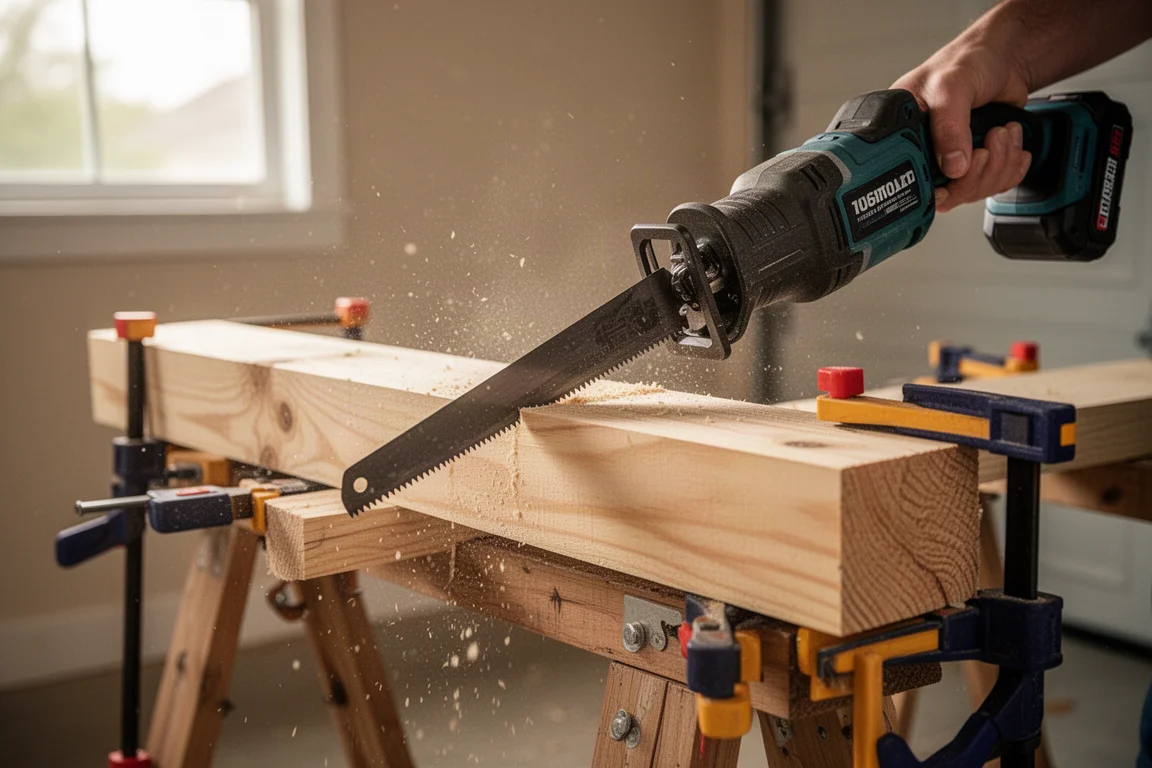
Battery recovery also favored the Makita. After the test cuts, the Hart’s battery dropped a bar and the motor area felt noticeably warm, though the indicator recovered after the battery sat and balanced out. The Makita still showed four bars after completing the identical cuts.
The Half-Inch Detail That Matters
One subtle spec turned out to matter a lot. With the same length blades installed, the Hart extends 4 inches of usable blade at full stroke, while the Makita extends 4 and a half inches. That half inch is exactly why the Hart stalled at the end of deeper two-by-four cuts during testing: the blade simply could not reach all the way through at full extension, while the Makita’s longer reach handled it.
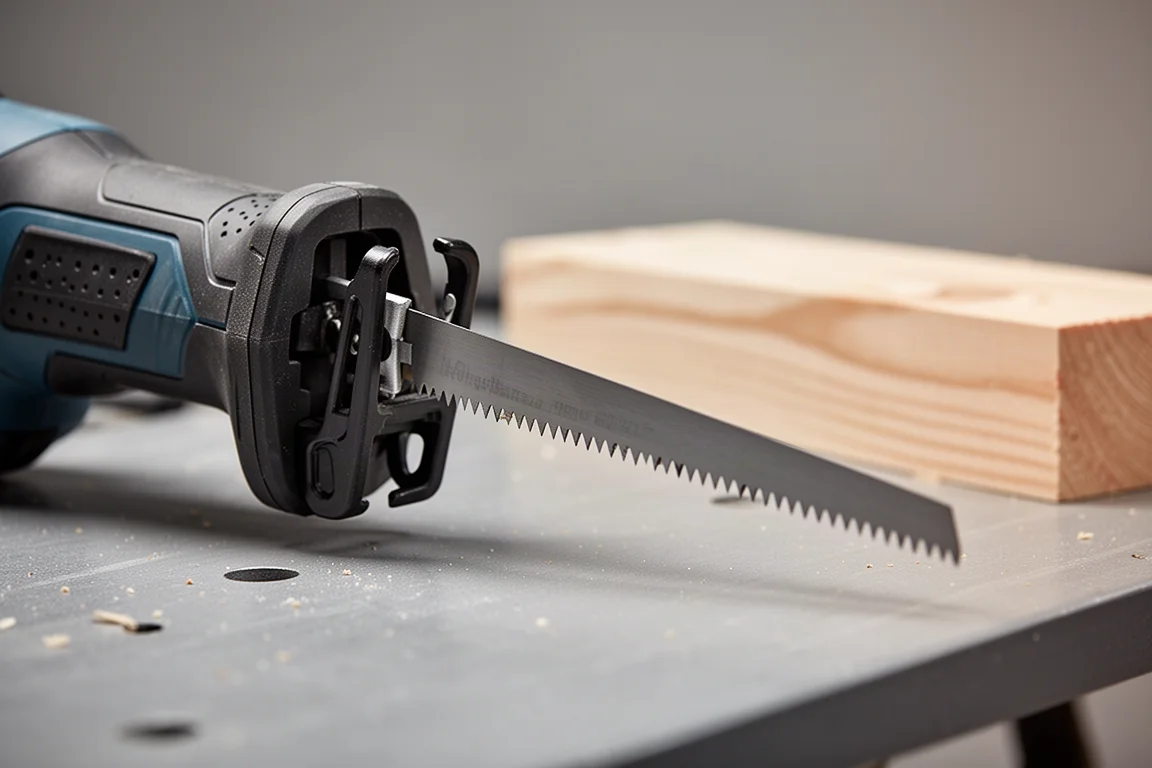
If your project involves cutting through a stack of two-by-fours, or demo work like cutting studs out of a wall, that extra reach can save serious time and frustration. For cutting smaller material, the Hart’s light weight and comfortable handling make it easy to live with, and it keeps cutting steadily as long as the blade is not binding.
Which One Should You Buy
These two saws are not really in the same category, and the price gap reflects that. The Makita XRJ05 runs about $200 tool-only and delivers faster cuts, a longer blade stroke, adjustable shoe, two speeds, and one-handed blade changes. The Hart lists at around $79 tool-only, and at the time of testing it was on sale for about $109 bundled with a 4Ah battery, some blades, and a charger, which is strong value for occasional home use.
If you need a workhorse for demanding demolition and deeper cuts, the Makita’s extra capability justifies the premium. If you mostly cut smaller stuff and want something light and affordable, the Hart is genuinely surprising for the money.
Conclusion
The Makita XRJ05 is the faster, more capable saw with the features to match its price. The Hart is lighter, shorter, easier on the wallet, and better than its budget positioning suggests, with the caveat of a shorter blade reach that shows up on deeper cuts. Matching the tool to the job is what makes either choice a good one.
Product link
View more details for Makita XRJ05 18V LXT Brushless Reciprocating Saw
This product is mentioned in the review. Check the specifications, options, and compatibility before buying.
View more details for Makita XRJ05 18V LXT Brushless Reciprocating SawFurther reading
Related Reviews
Power Tools
Best 1-Inch Pistol Impact Wrenches: Three Heavy-Duty Options Compared
We compare three 1-inch pistol impact wrenches, from a budget-friendly Harbor Freight model to a premium Caterpillar unit, to help you choose the right one.
Power Tools
Best 3/4-Inch Impact Wrenches 2026: Five Contenders Compared
We compare five 3/4-inch impact wrenches across price and performance, from a budget Amazon option to Snap-on's most powerful model yet.
Power Tools
Best Budget Cordless Tools 2026: Walmart Finds That Punch Above Their Price
We tested five cordless tools from Walmart, including a high-torque impact wrench that trades blows with Milwaukee and a $35 duster that outperforms its price class.