Power Tools
HART Tools at Walmart: What's Worth Buying and What to Skip
We tested a wide range of HART tools, from shop vacs and combo kits to jigsaws, sanders, palm routers, and 40V outdoor gear, to separate the buys from the skips.
Introduction
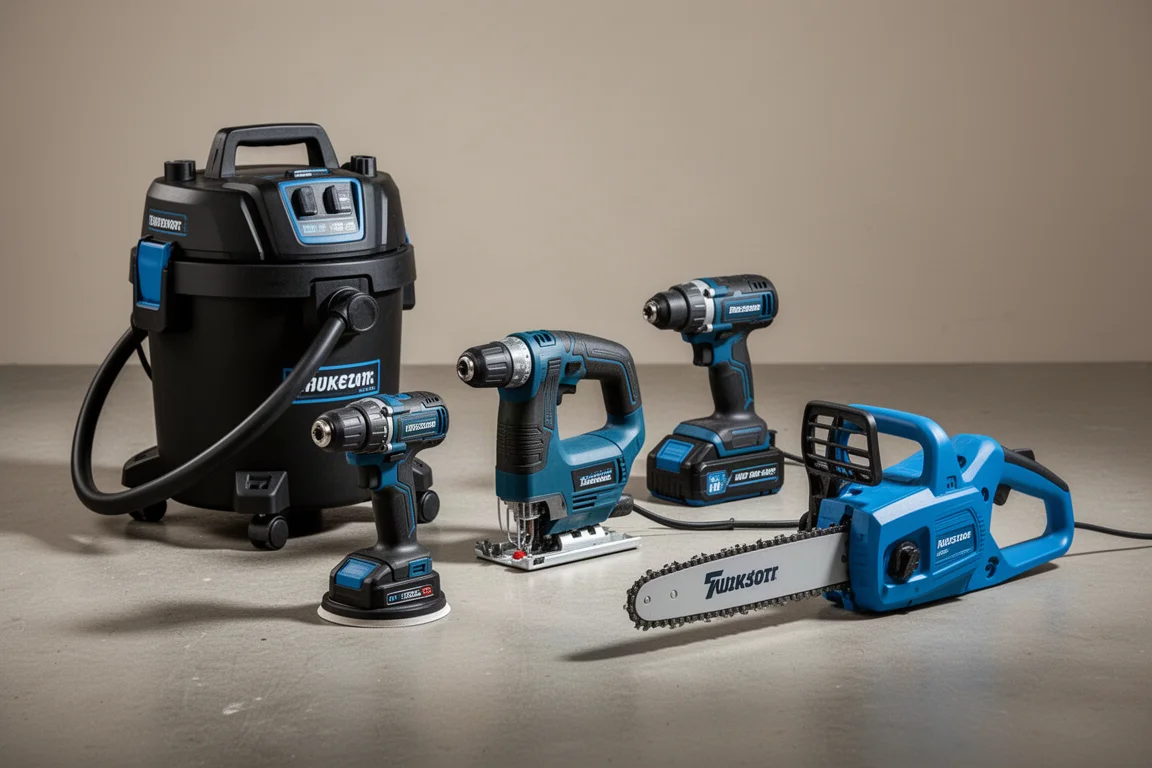
HART sits at the entry-level end of the TTI family, the same parent company behind Milwaukee, Ryobi, and Ridgid. It is sold almost exclusively through Walmart, and the lineup has grown far beyond the small selection most shoppers expect. We picked up a broad spread of the catalog, from shop vacs and combo kits to woodworking tools, air compressors, hand tools, and 40V outdoor equipment, and put everything through practical shop testing.
The verdict across the board: HART is uneven. Some tools genuinely outperform their price point, while others feel like compromises you should not make. This guide walks through the standouts, the surprises, and the ones we would leave on the shelf.
What HART Gets Right
Before the individual picks, one pattern emerged across nearly every tool we tested: the ergonomics and feature sets on the woodworking side were better than expected for the money. Variable speed triggers, positive bevel stops, and thoughtful handle shapes showed up on tools costing a fraction of what established brands charge. The flip side is that small batteries and inconsistent charger designs hold several products back, and the 20V battery platform is nowhere near as mature as Ryobi’s.
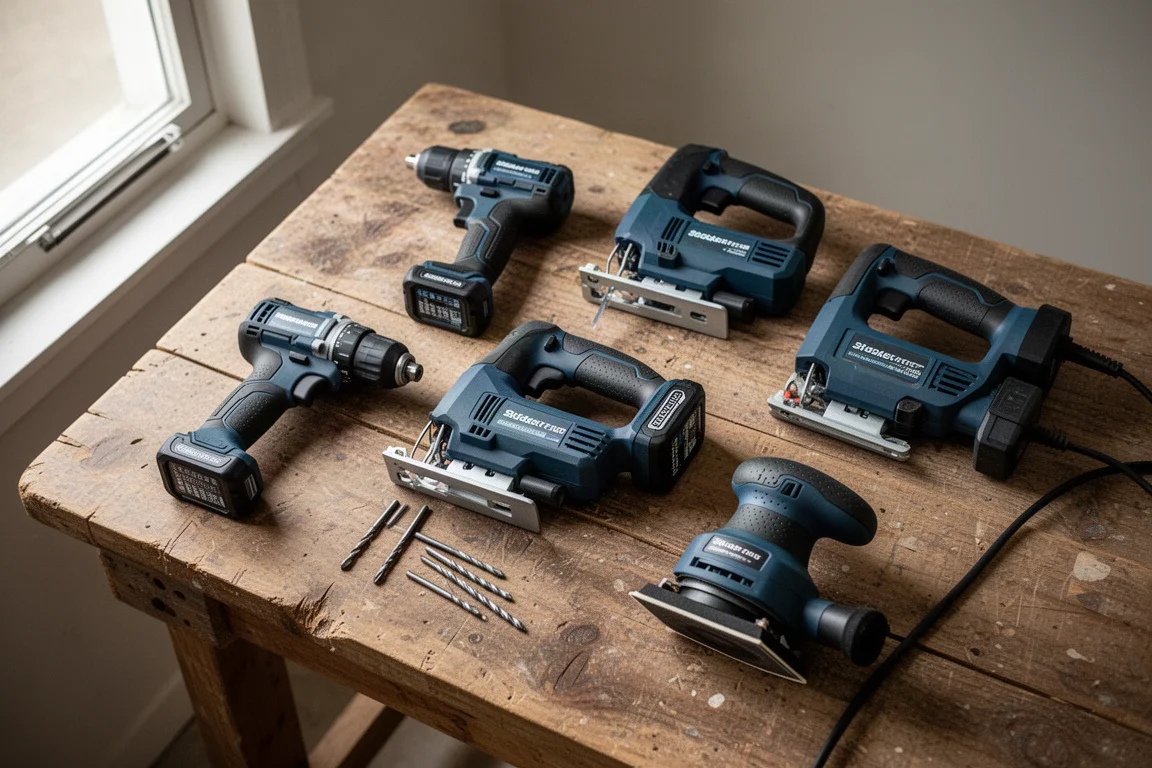
If you are starting from zero and just need affordable basics, HART has a few genuine gems. The picks below are the ones that earned their place.
The 12-Gallon Wet/Dry Vac
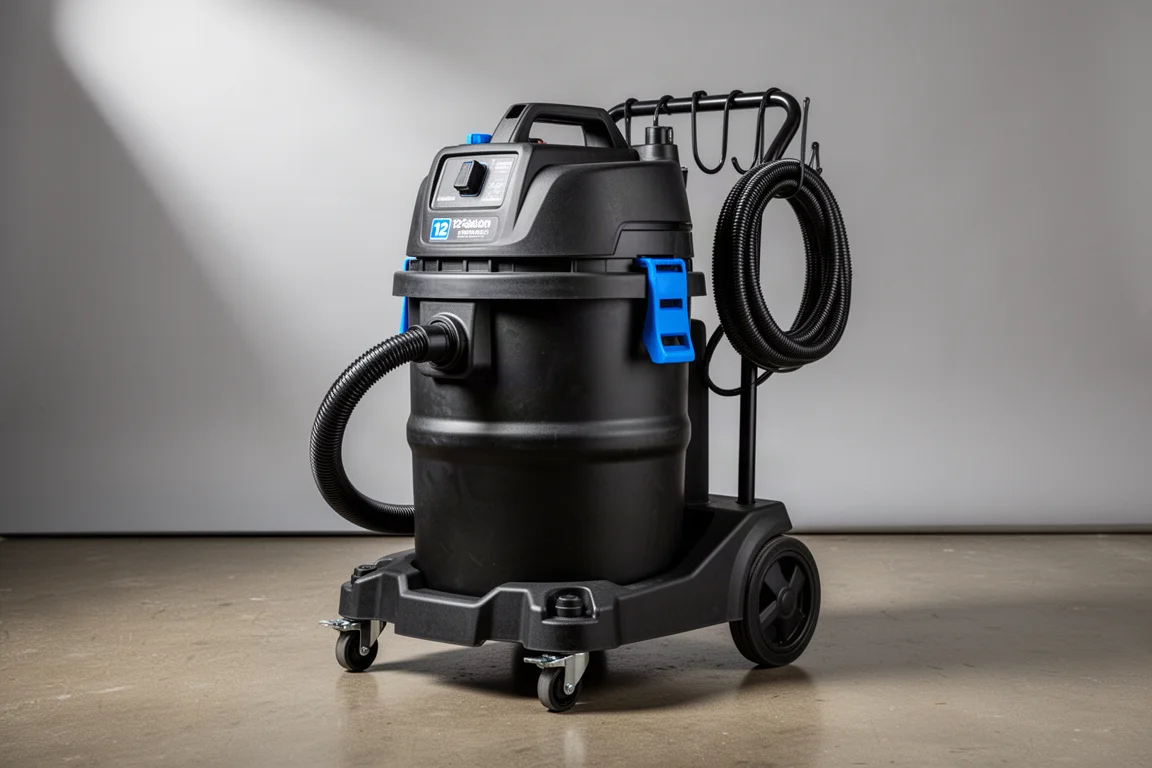
The 12-gallon wet/dry vac was one of the most impressive purchases of the day. At $108 it is one of the pricier items in the lineup, but it brings features most budget shop vacs leave out. It ships with a dust bag insert, which adds a second layer of filtration and keeps debris away from the filter, meaning you keep maximum suction for longer. In testing, there was no noticeable loss of suction even after a full dust cleanup session.
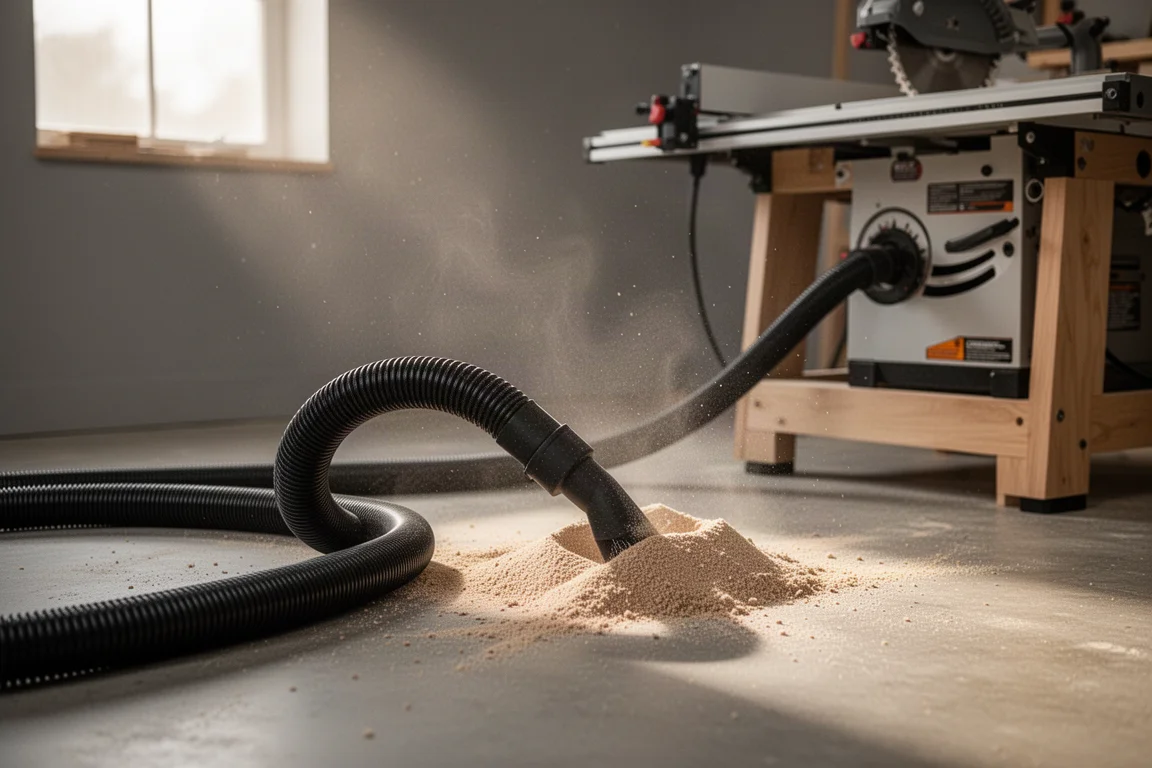
The build quality feels comparable to Ridgid or Ryobi, not comically cheap, and there is storage on top and below for accessories. The accessory holders on the front are loose, which is annoying, and the bags appear to be proprietary, so factor in ongoing bag purchases. Still, if you are setting up a first workshop and want a shop vac that does not feel like a downgrade, this one is easy to recommend.
The 3-Tool Combo Kit
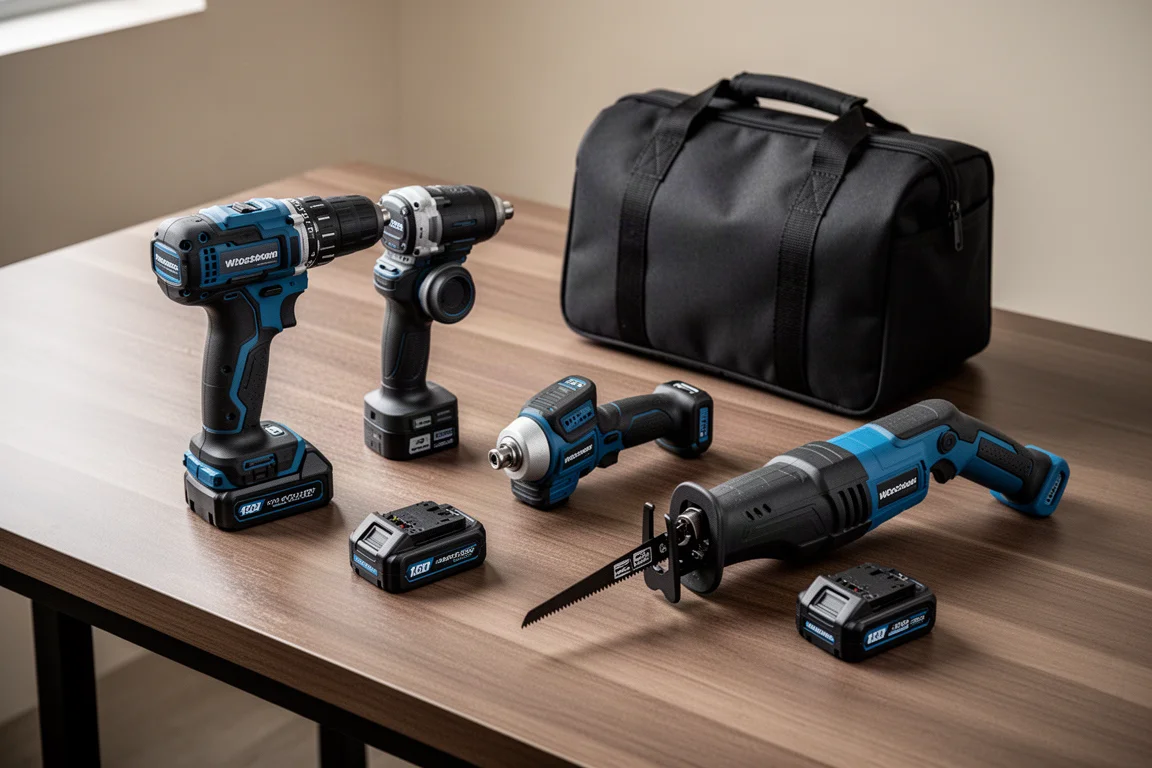
The three-tool combo kit with a drill, impact driver, and reciprocating saw lands at $178 with a carrying case, two batteries, and a charger. The impact driver is the highlight here: variable speed on the trigger, decent power for fastening, and light in the hand. For a first impact driver, it is a solid buy.
The reciprocating saw is the weak link. Vibration felt reasonable and the overall design resembles the Ridgid equivalent, but the included 1.5Ah batteries stalled out after just two or three cuts in 2x material. A fully charged battery should not die mid-cut on basic lumber, and that is a real limitation of what ships in the box.
One genuine annoyance: the charger is a plug-in brick rather than a wall or bench charger, and there is no slide-in battery interface. We ended up buying the four-bank wall charger separately just to make charging tolerable. As a starter kit for light-duty home use, it works, but set expectations low for the recip saw.
Brushless Options vs the Brushed Kit
HART also sells a brushless drill and a brushless impact driver individually. The brushless drill runs about $98 and the brushless impact driver about $128, each sold with a battery. Side by side with the brushed combo kit versions, the brushless tools feel meaningfully better: the drill has a metal chuck, noticeably more torque, and maintained force through a paddle-bit hole in 2x material that visibly dulled the cheaper drill.
The brushless impact driver is compact and stubby, sounds healthier under load, and features the easy slide-in bit holder that the brushed version lacks. The one concern is an audible rattle inside the housing, which kept it out of an outright recommendation. At roughly the price of the entire three-tool kit for just two tools, the value math is tight. If you only need a drill, the $98 brushless drill is a genuinely good price; the impact driver is a maybe.
The Cordless Jigsaw
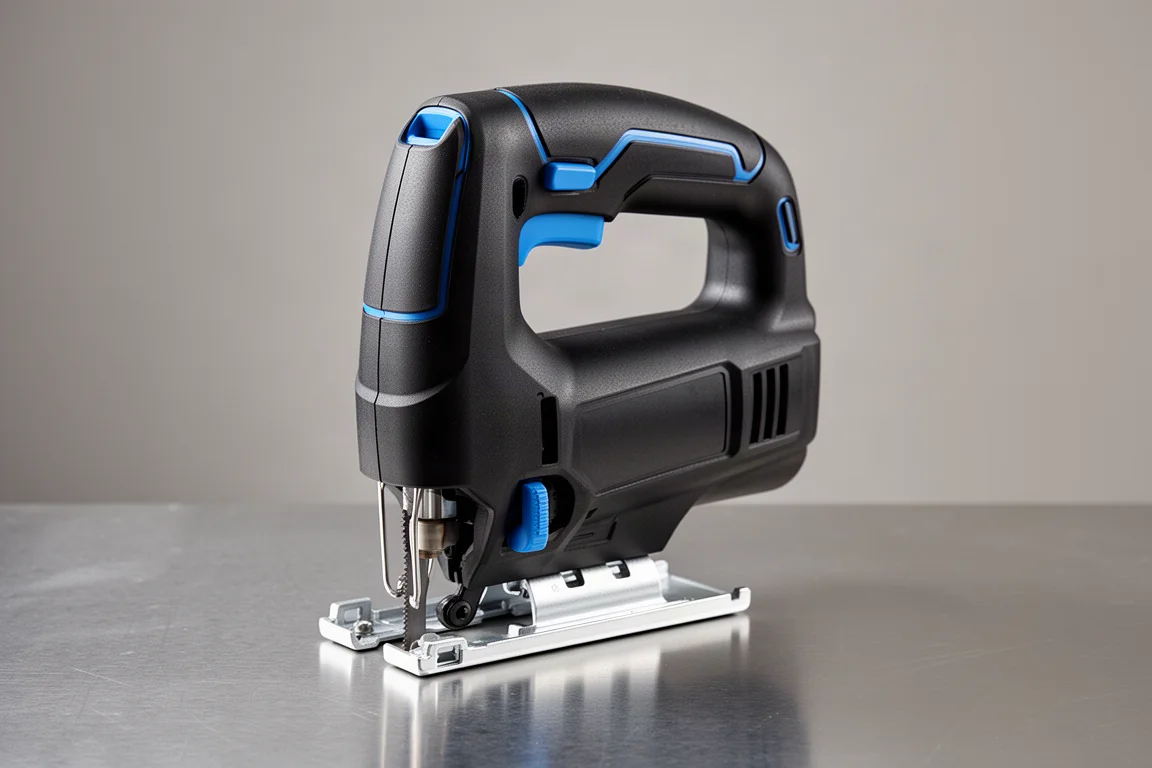
The $65 cordless jigsaw was the biggest surprise of the entire haul. For that price it packs features you rarely see on budget saws: variable speed via a slider rather than a dial, four orbital-action throw settings, positive stops on the bevel, a locking D-handle, and a large, easy-to-grip plastic tab for tool-free blade changes. The blade inserts sideways and locks down securely.
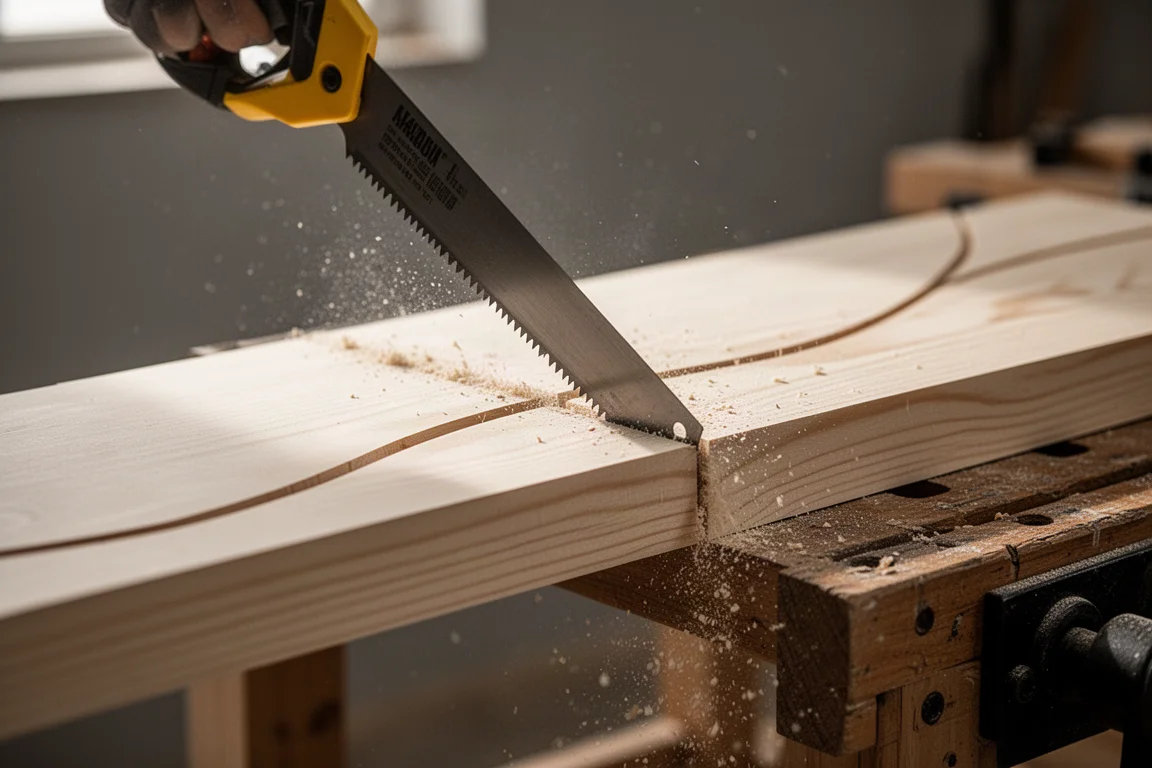
In cutting tests on pine, the saw stayed square through curves and produced clean results with the included blade and a 2Ah battery. It does not have huge power reserves, but for the price and feature set, it is an easy buy and arguably the best value in the whole HART cordless lineup.
The Orbital Sander
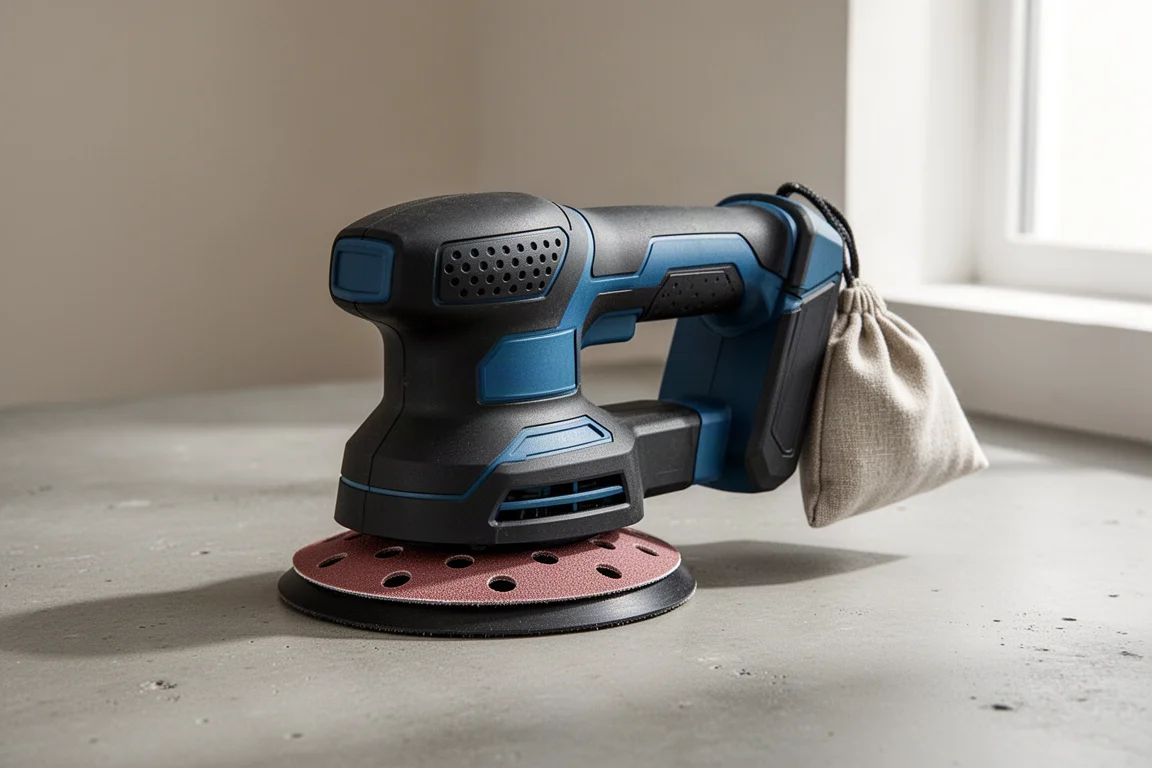
The battery-powered orbital sander sells for $56 and comes with a dust collection bag and a starter set of sandpaper. We are normally skeptical of cordless sanders, which tend to be tall, top-heavy, and hard to control close to the work surface. This one gets the shape right: a low-profile body that keeps your hand near the material instead of perched on top of a tower.
There is no variable speed, and the included sandpaper looks mediocre, but in use it did not scoot around the workpiece and dust collection was better than expected. As a first or early sander for a home shop, it earns its spot.
The Cordless Palm Router
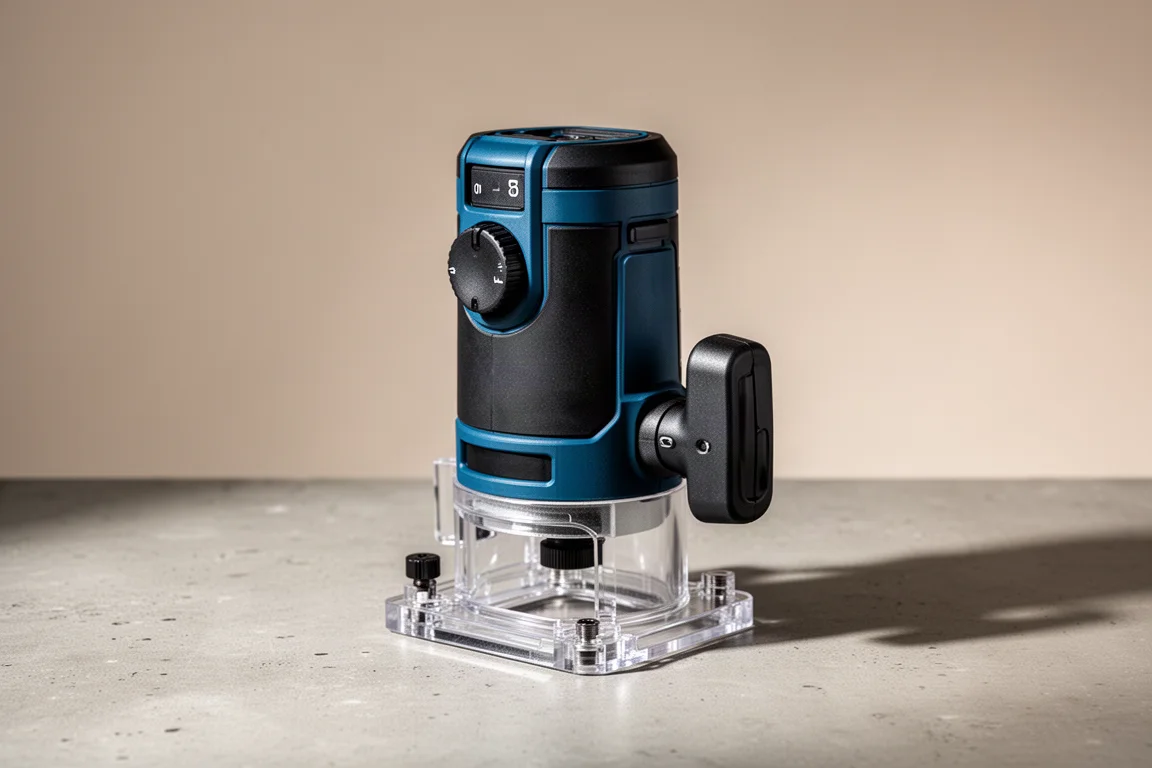
At $79 without a battery, the cordless palm router borrows heavily from the older Ridgid design, and that is largely a good thing. It has the large, easy-to-flip plastic tab for removing the base, an Acme-thread depth adjustment for precise templating work, a thick acrylic base plate, and a clearly labeled spin direction. It is also notably compact; some competing palm routers are nearly twice as wide.
Two design quirks hold it back: the power switch sits on the end rather than the side, so you cannot easily shut it off one-handed, and there is no positive stop, which is forgivable at this price. On the plus side, the unusually tall collet nut makes bit changes much easier to manage. If you do not own a palm router and want an affordable cordless option for light routing and template work, this is a decent buy.
Things We Would Skip
Not everything earned a recommendation. The circular saw has genuinely poor ergonomics, with all the weight dipping out of your hand to the right and a trigger button that is hard to reach for larger hands. The rolling storage box is $89 with thin, flexing plastic, no gasket, and a handle with too much play to be job-site ready; fine as a stationary shop box, but it will not survive truck-bed abuse. The mechanics tool set at $158 is padded out: of 215 pieces, the vast majority are non-impact bits and nut drivers, with only eight wrenches. A Gearwrench set or Harbor Freight’s Icon line is a better spend.
The job site stand light at $89 feels cheap across every component, the lighting line is fragmented across incompatible chargers and plug types, and the hanging work light has a non-rotating hook that borders on a design flaw. The 20-gallon air compressor at $230 is quiet and compact with a flat top that stows well, but the packaging overstates what it can run; stick to short-burst tools like nail guns, not sanders or continuous-demand tools.
The 40V Chainsaw and Outdoor Lineup
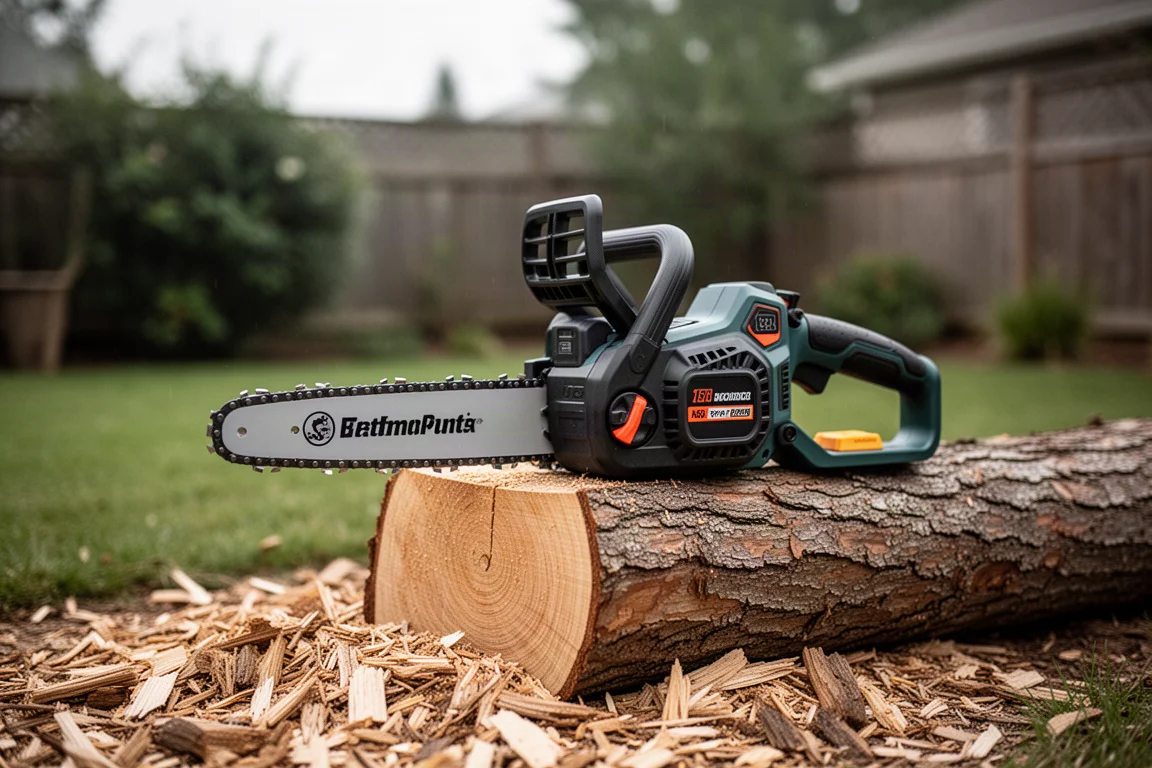
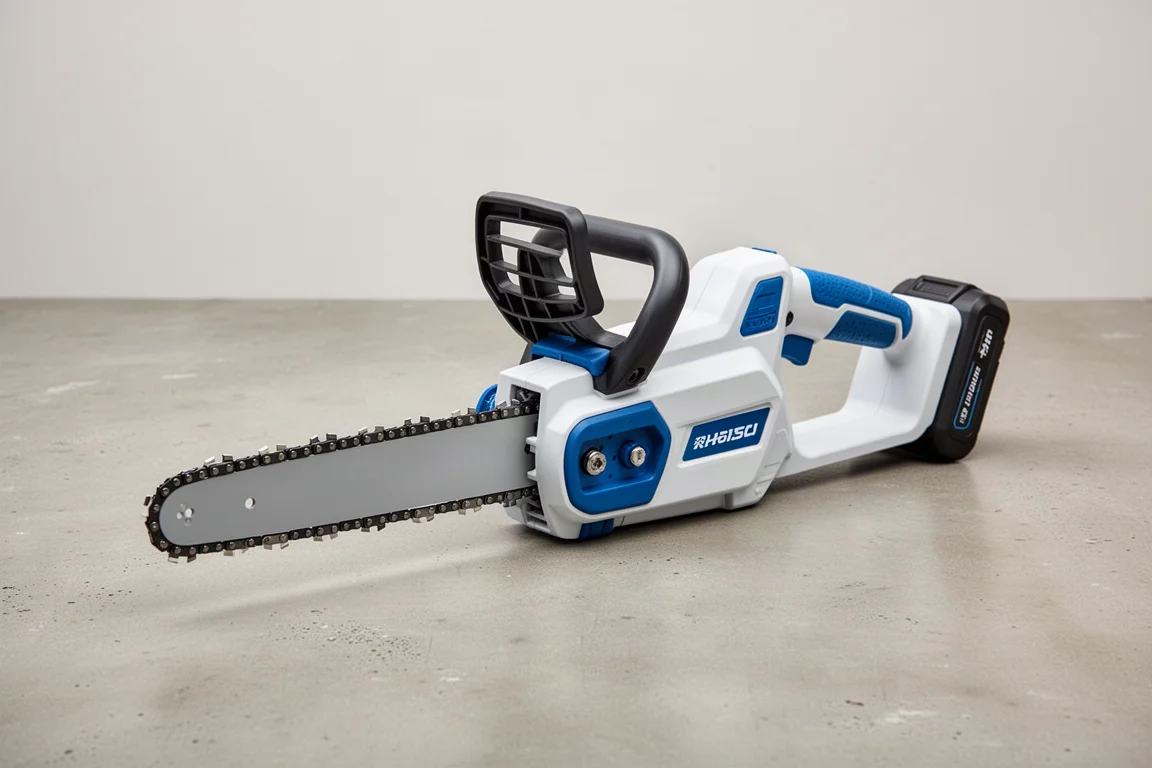
The 40V outdoor line includes a chainsaw and a leaf blower and trimmer combo at $200, each sold with battery and charger. The trimmer came out ahead: it is light, ergonomically simple, and cut through everything in testing without fuss, though the line advances with every trigger pull rather than using a bump feed, which wastes string. The blower feels heavy and poorly balanced in the hand, with an adjustable handle that exists mostly for packaging reasons.
The chainsaw has a better sound than most budget electrics and a tidy onboard storage slot for the included wrench, but it puts the safety brake on the thumb trigger rather than the traditional top guard position, and it lacked the power to finish cuts in thick hardwood, stalling mid-log. With a 4Ah battery and a brand-new 40V platform, run time and confidence in the ecosystem are both limited. The white housing on the outdoor tools also shows dirt badly. If you need a light-duty trimmer, the combo has merit; for serious cutting, look elsewhere.
Buying Advice
HART makes sense for a specific buyer: someone starting out, working on light-duty home projects, or already committed to the Walmart ecosystem who wants affordable tools for occasional use. The jigsaw, orbital sander, wet/dry vac, and palm router are the strongest picks and compete well on value. The brushed combo kit is serviceable if you go in knowing the recip saw and small batteries are the weak points.
If you are a daily user, a professional, or someone who needs proven battery reliability, the mainstream brands remain the better long-term investment. Battery availability, charger consistency, and platform maturity are HART’s biggest structural weaknesses, and no single tool is compelling enough to overlook them.
Conclusion
HART is far more than a shelf of disposable tools, but it is not a brand you should buy into blindly. A handful of products, particularly the jigsaw, sander, palm router, and shop vac, deliver genuine value at their price points. The rest of the catalog ranges from acceptable-for-the-price to actively frustrating. Buy the standouts, skip the filler, and you can build a respectable starter shop without overspending.
Further reading
Related Reviews
Power Tools
Best 1-Inch Pistol Impact Wrenches: Three Heavy-Duty Options Compared
We compare three 1-inch pistol impact wrenches, from a budget-friendly Harbor Freight model to a premium Caterpillar unit, to help you choose the right one.
Power Tools
Best 3/4-Inch Impact Wrenches 2026: Five Contenders Compared
We compare five 3/4-inch impact wrenches across price and performance, from a budget Amazon option to Snap-on's most powerful model yet.
Power Tools
Best Budget Cordless Tools 2026: Walmart Finds That Punch Above Their Price
We tested five cordless tools from Walmart, including a high-torque impact wrench that trades blows with Milwaukee and a $35 duster that outperforms its price class.