Power Tools
Hart HPI W25 vs the Mid-Torque Field: Is Walmart's First Brushless Impact Wrench a Smart Buy?
Hart's new 20V brushless mid-torque impact wrench goes head to head with Milwaukee, Ridgid, and Ryobi to see where its $170 price tag actually lands.
Introduction
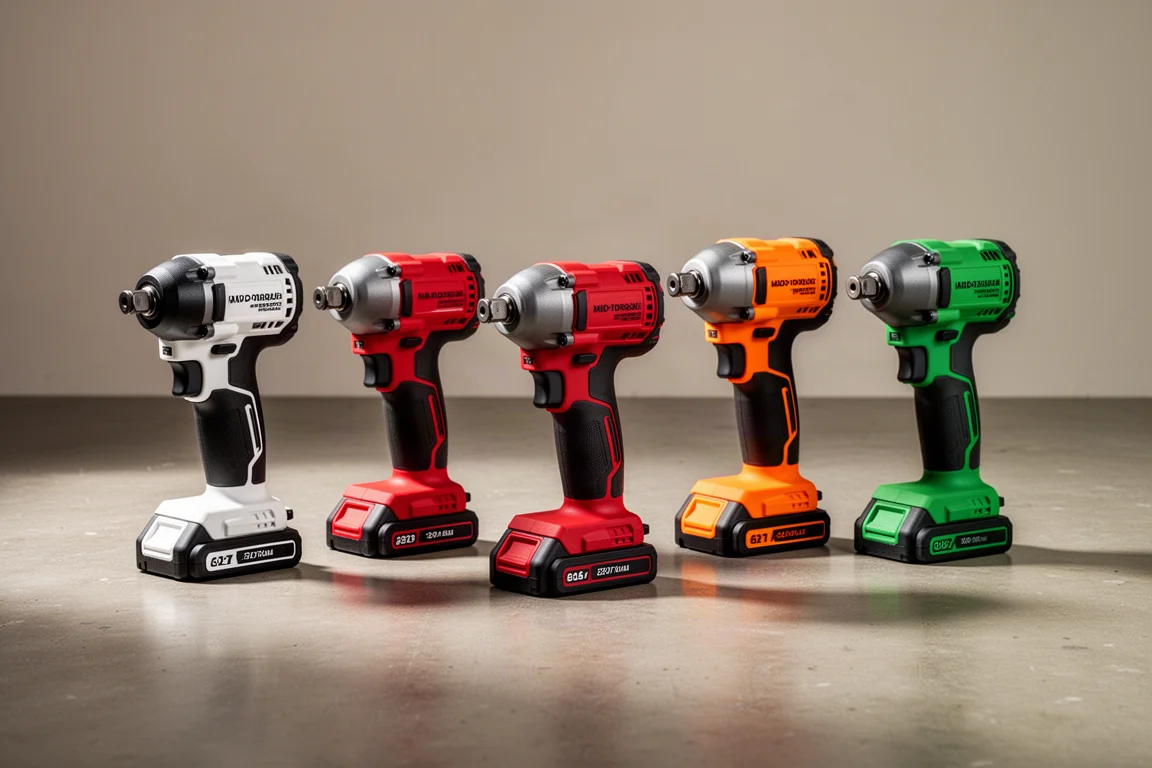
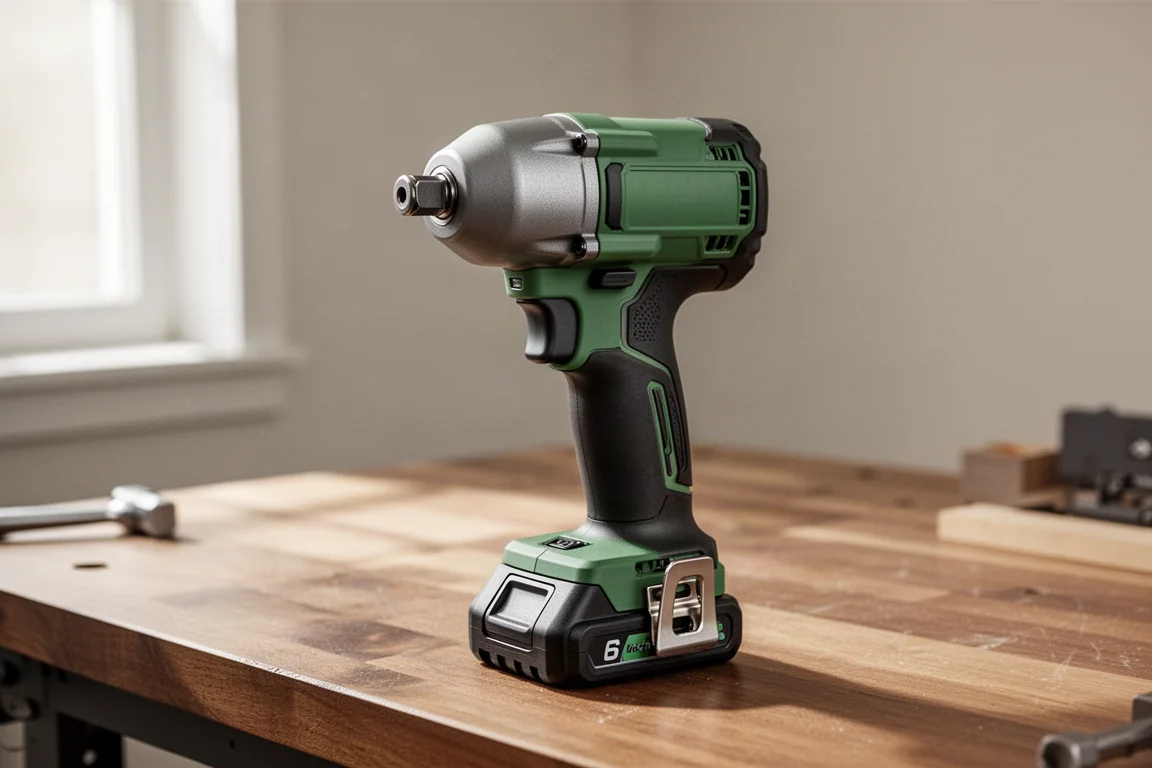
Hart, Walmart’s cordless tool brand, recently released its first brushless impact wrench, the HPI W25. It is a 20V brushless mid-torque that sells as a $170 bare tool, with the cheapest battery-and-charger kit we could spec coming in around $245 to $246. Those are notable numbers: Milwaukee mid-torques used to cost about that much as bare tools, and Hart’s own 40V brushless chainsaw is cheaper in both kit and bare-tool form.
On paper, the most eye-catching figure is a 600 foot-pound rating, which is the lowest number Hart provides for this tool. That invites a harsh comparison against Milwaukee’s mid-torque, which claims 650 and 550 foot-pounds depending on the model. At 7.2 inches, the Hart is also noticeably longer than the Milwaukee. Interestingly, both brands come from the same manufacturer, TTI, which made a head-to-head test especially tempting. We ran the new Hart against Milwaukee’s latest, the most recent Ridgid mid-torque, and a few other relevant models to see where the savings, if any, really are.
How the Testing Worked
Three test series shaped this comparison. Working torque measures sustained nut-busting performance over a run. Max torque in ten seconds of reverse shows how quickly each tool reaches its peak, using the median of three runs. Finally, a best-case scenario test gives each tool 15 seconds and records the best result achieved.
All figures come from the same controlled bench setup, so the numbers are directly comparable across the field.
Hart HPI W25: The New Budget Brushless Contender
The HPI W25 posted a working torque result of about 351 foot-pounds, landing right between the two Milwaukee mid-torque values. In the max torque test it reached 392 foot-pounds, again between the Milwaukee models. It does not quite match their torque curves, but it reaches similar peak numbers, meaning it can loosen many of the same fasteners, sometimes just a bit more slowly.
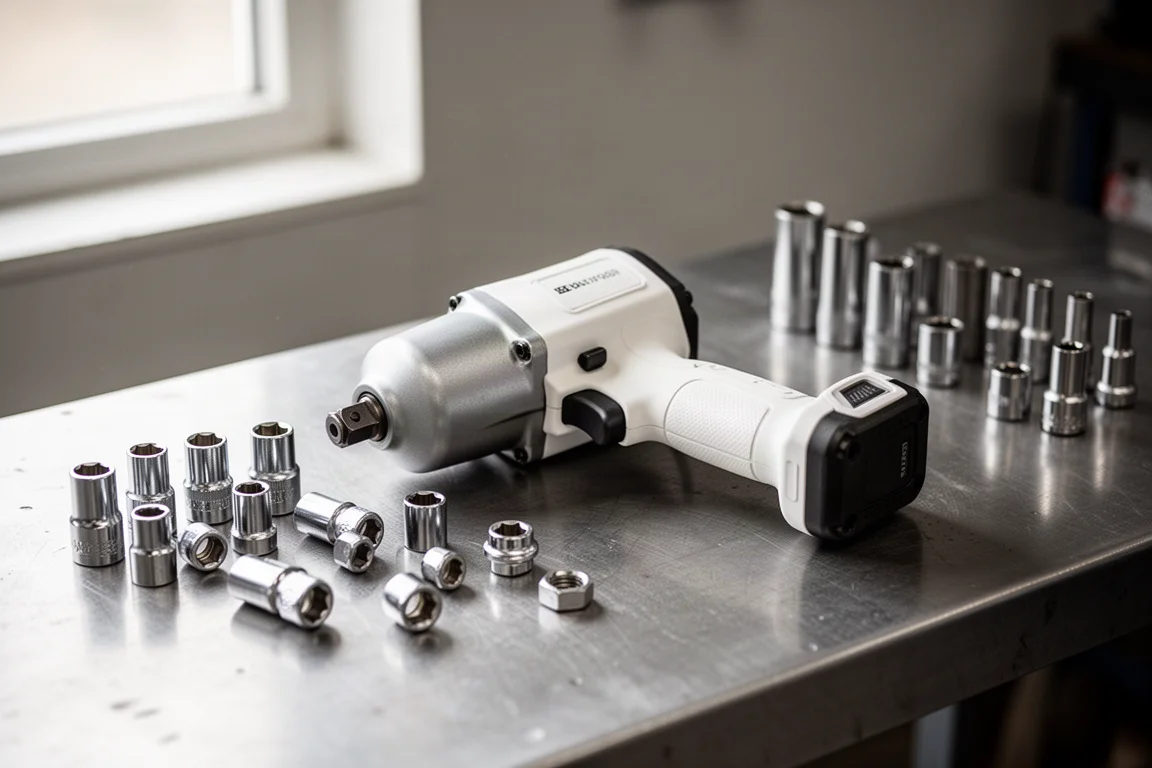
In the best-case 15-second test, it managed 462 foot-pounds against a field best of 479. Across all three tests, it scored 35, 39, and 46 points, totalling 302.2 points, or about 77 percent of its claim when scored against advertised figures. One quirk worth knowing: despite being brushless, it sounds the most “brushed” of any brushless tool in this group. Also note that its 600 foot-pound claim is a breakaway-style figure, and unlike some competitors, Hart does not advertise a separate max torque number, which makes the headline spec look tougher than the tool’s real-world standing.
The 7.2-inch length matters too. It delivers about 64.2 foot-pounds per inch of the space it occupies, a useful way to judge a mid-torque where compactness is part of the point.
Ryobi P262: The Value Benchmark
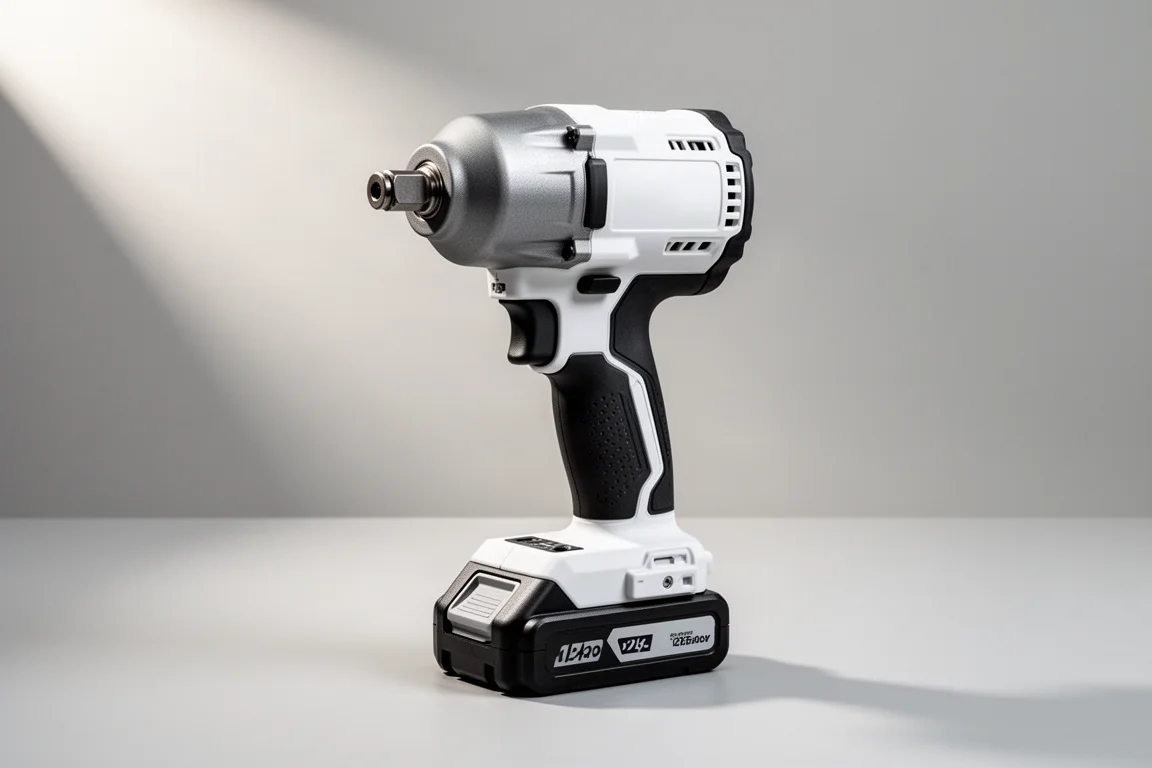
Here is where things get interesting. The Ryobi P262 is rated for 450 foot-pounds max and 600 foot-pounds breakaway, the same breakaway figure as the Hart. Both tools are 7.2 inches long with similar weights, and both are made by TTI. The Hart appears to use heavily borrowed internals from the Ryobi, and with a 6Ah battery the Ryobi essentially produces the same or slightly higher numbers.
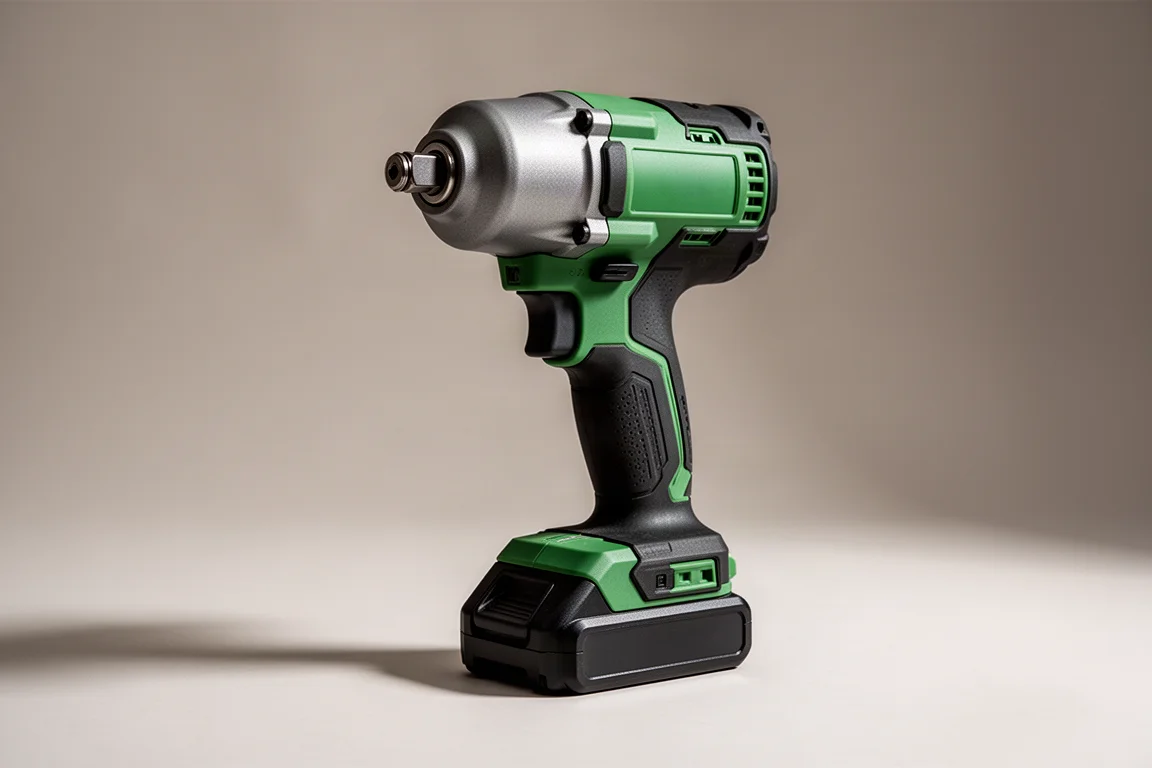
The scoring reflects that: the Ryobi finished just above the Hart, and if the Hart carried the same 450 max rating, the two would score nearly identically. The decisive difference is price. At launch, the Ryobi cost less than the Hart’s $170, and it can often be found for $130 to $140. Backed by a much larger cordless platform, it is simply the better buy for most shoppers right now.
Ridgid Mid-Torque: The Shorter Sibling
Until the Hart arrived, the Ridgid mid-torque was the newest TTI-built model in this class, and it shows. It is a bit shorter than the Hart, and in the max torque test it made up ground with 430 foot-pounds, helped by 3,800 impacts per minute versus the Milwaukee’s 3,100. Its working torque runs were very similar to the Hart’s 351.
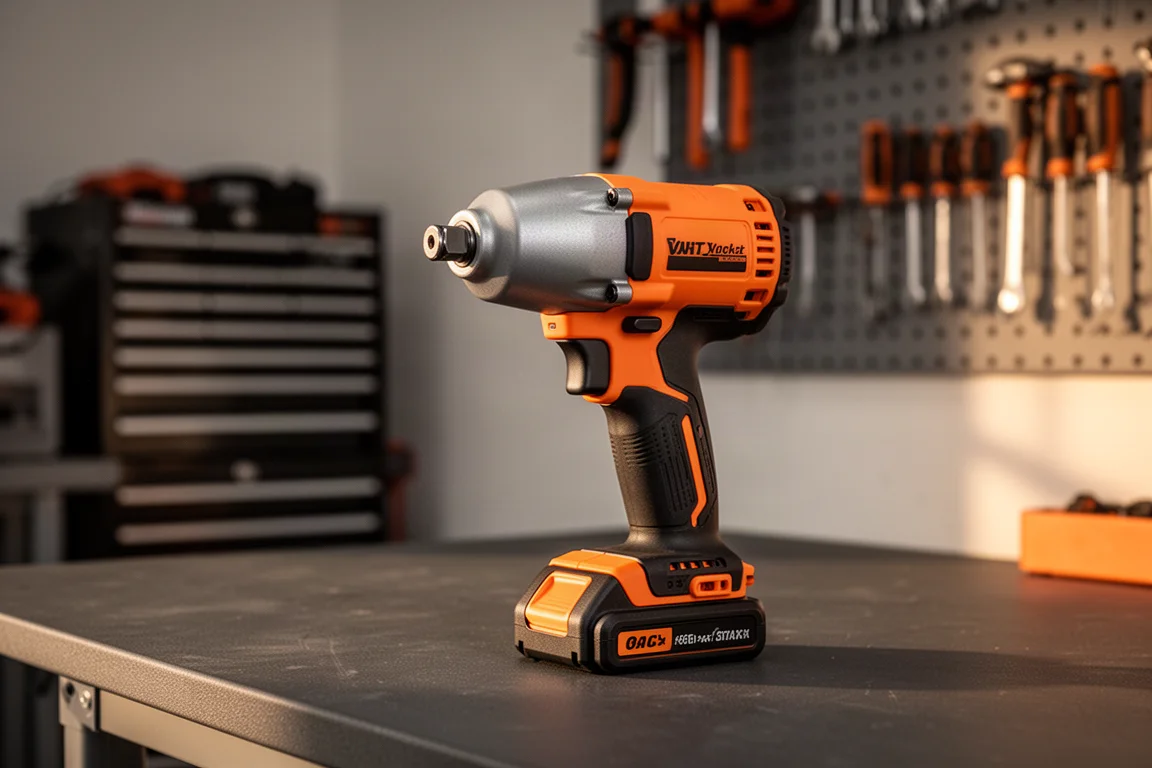
It ranked ahead of both the Hart and the Milwaukee models in the overall standings, which makes it a strong option if you want newer-generation performance in a more compact package.
Milwaukee 2960 and 2962: The Established Standards
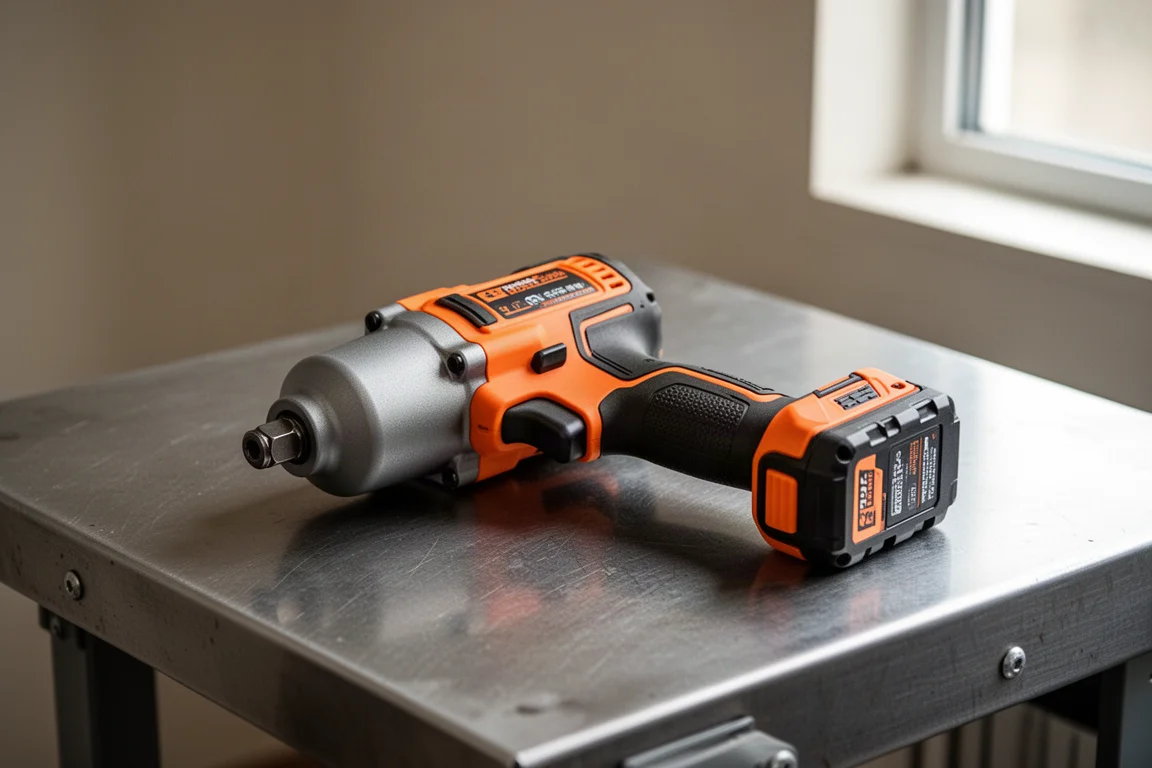
Milwaukee’s two mid-torques anchor this field. The 3/8-inch 2960 and the half-inch 2962 both sell for $219 as bare tools. In working torque they posted 360 and 337 foot-pounds, with the 3/8-inch model making later gains in the run. Their claimed 650 and 550 foot-pound figures remain the strongest on paper in this comparison.
These are the tools the Hart gets measured against, and they still hold up well. You pay more, but you get proven performance, tighter packaging, and the benchmark torque curves that the newer challengers are still chasing.
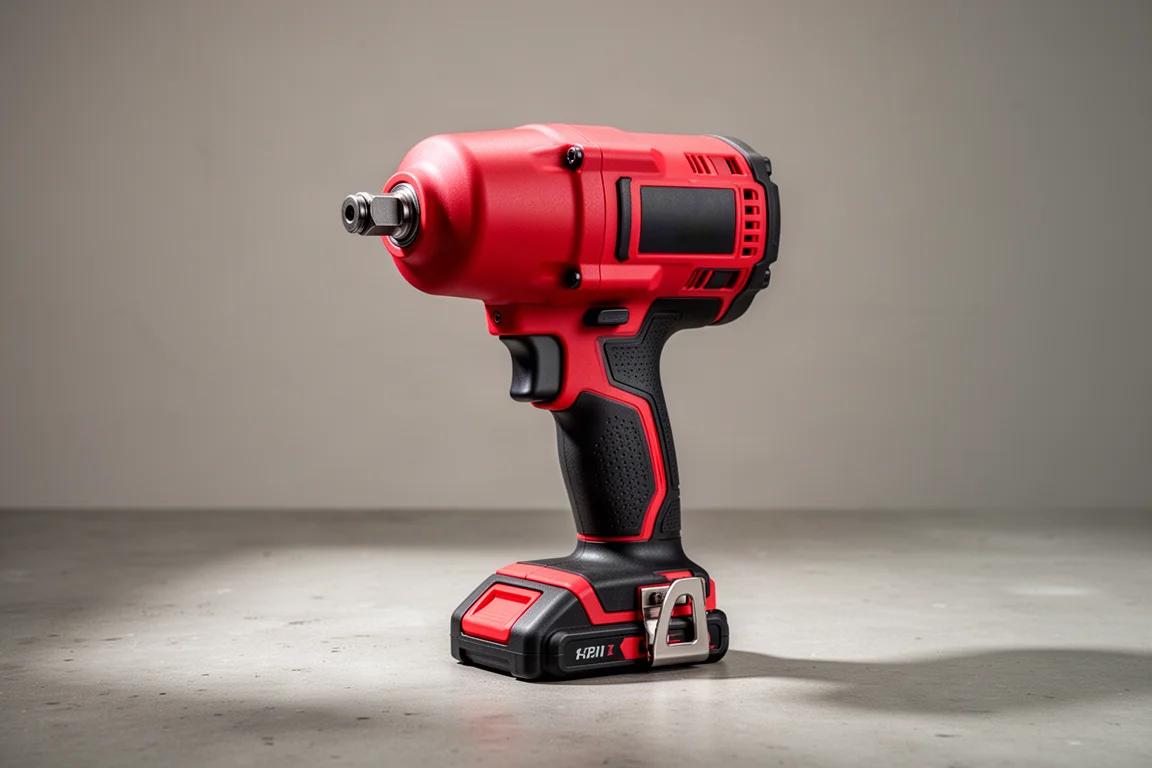
Hart HPI W01: How Far the Brushed Model Falls Behind
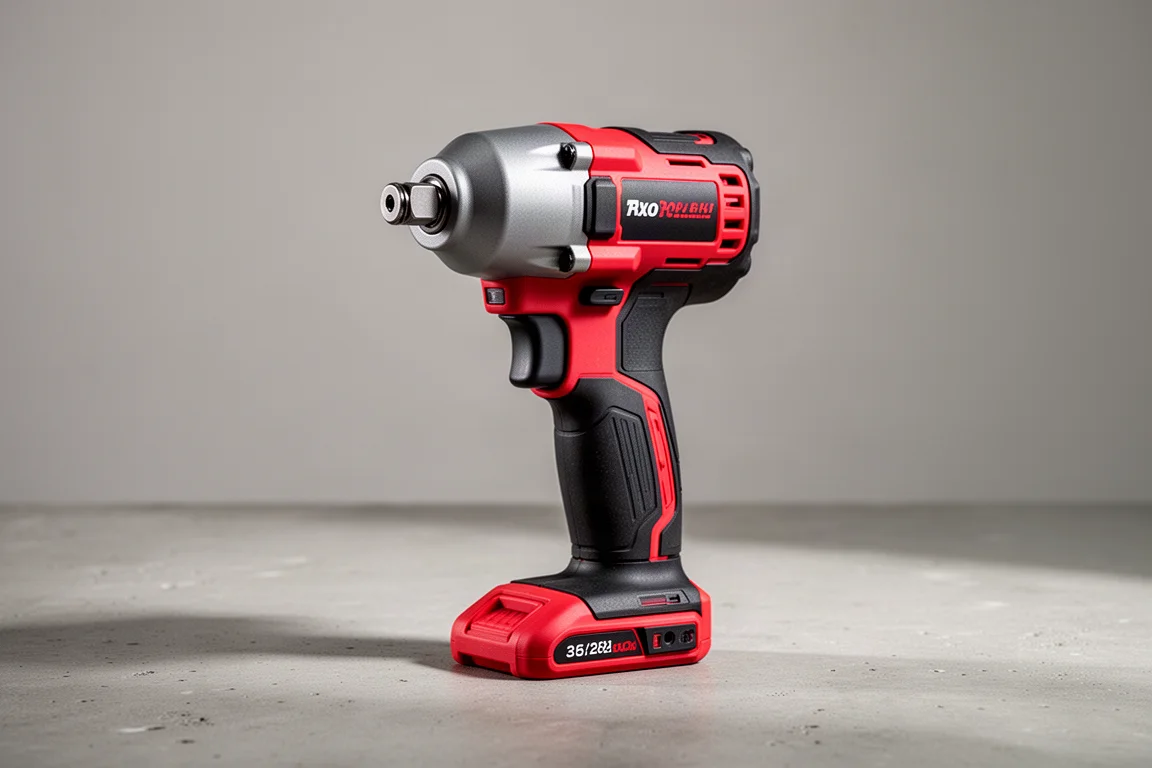
For context, Hart’s existing brushed HPI W01 is over an inch longer than the new W25, which is a meaningful difference in a mid-torque. In direct runs, the new brushless model delivers roughly 1.75 times the performance of the brushed tool for around 40 percent more cost.
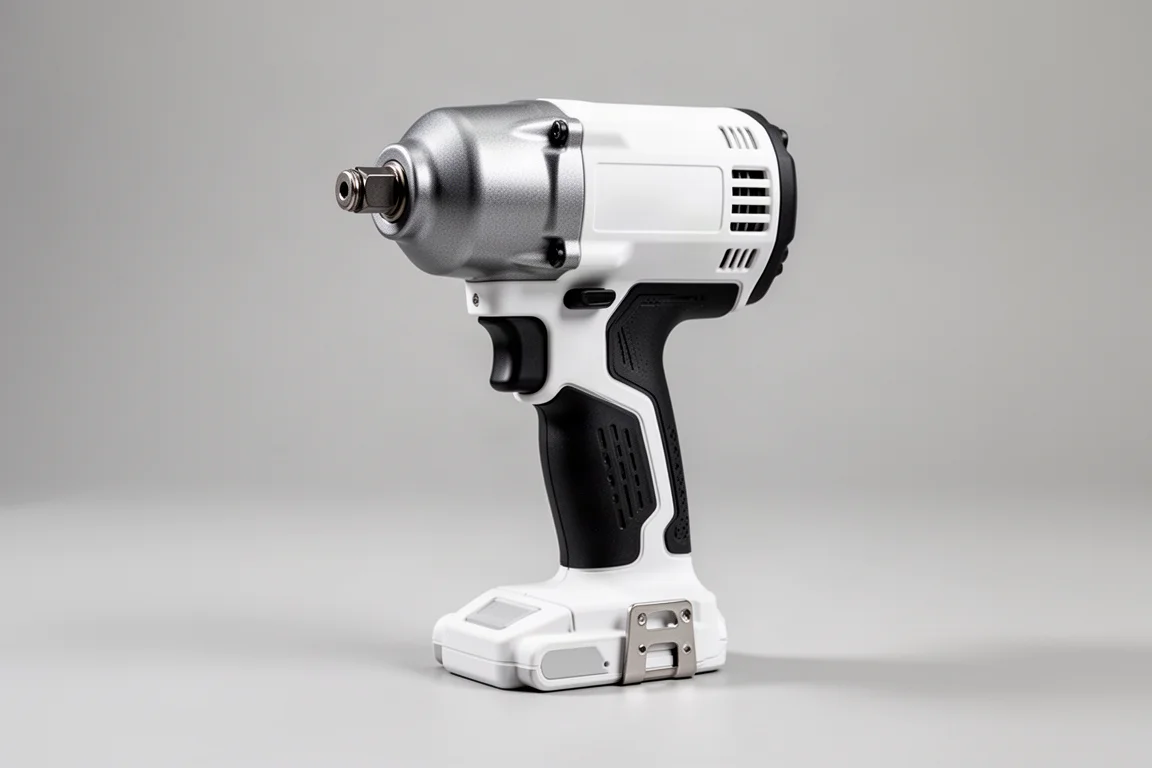
That is a genuine upgrade, and if you already own Hart batteries, the W25 is now the most powerful impact wrench available in the Hart line by a wide margin.
Buying Advice: Which Mid-Torque Makes Sense for You
If you already own Hart batteries, the math changes completely. The HPI W25 gives you effectively a Ryobi P262-class impact wrench on the platform you already have, and that is worth celebrating if Hart is your ecosystem. As a powerful upgrade within the line rather than a market leader, it does its job well.
If you are starting fresh, the picture is clearer. The Ryobi P262 offers essentially the same performance for $130 to $140 when found on sale, plus a far larger battery platform. The Ridgid delivers the strongest all-around numbers of the newer TTI models in a shorter body, and the Milwaukee options remain the premium benchmarks at $219 bare. At $169 for a Walmart-shelf impact wrench, the Hart’s pricing is aggressive, and that works against it outside its own ecosystem.
One last thought: Hart still has no half-inch high-torque impact wrench in its lineup. If the brand ever fills that gap, the platform becomes far more interesting for serious automotive work.
Conclusion
The Hart HPI W25 is a legitimately capable mid-torque that lands just under the Ryobi P262 in testing, with similar breakaway ratings, identical length, and shared TTI internals. Its weakness is not performance but pricing: the Ryobi matches it for less, and the Ridgid and Milwaukee models offer stronger or more refined alternatives. Buy the W25 if you are invested in Hart batteries; otherwise, the competition currently offers better value or better performance for similar or lower money.
Further reading
Related Reviews
Power Tools
Best 1-Inch Pistol Impact Wrenches: Three Heavy-Duty Options Compared
We compare three 1-inch pistol impact wrenches, from a budget-friendly Harbor Freight model to a premium Caterpillar unit, to help you choose the right one.
Power Tools
Best 3/4-Inch Impact Wrenches 2026: Five Contenders Compared
We compare five 3/4-inch impact wrenches across price and performance, from a budget Amazon option to Snap-on's most powerful model yet.
Power Tools
Best Budget Cordless Tools 2026: Walmart Finds That Punch Above Their Price
We tested five cordless tools from Walmart, including a high-torque impact wrench that trades blows with Milwaukee and a $35 duster that outperforms its price class.