Flashlights
Hardware Store Flashlight Showdown: DeWalt, Ozark Trail, Husky and Cobalt Compared
Four hardware store flashlights measured for real output, throw, runtime, charging speed and durability to see where your money goes furthest.
Introduction
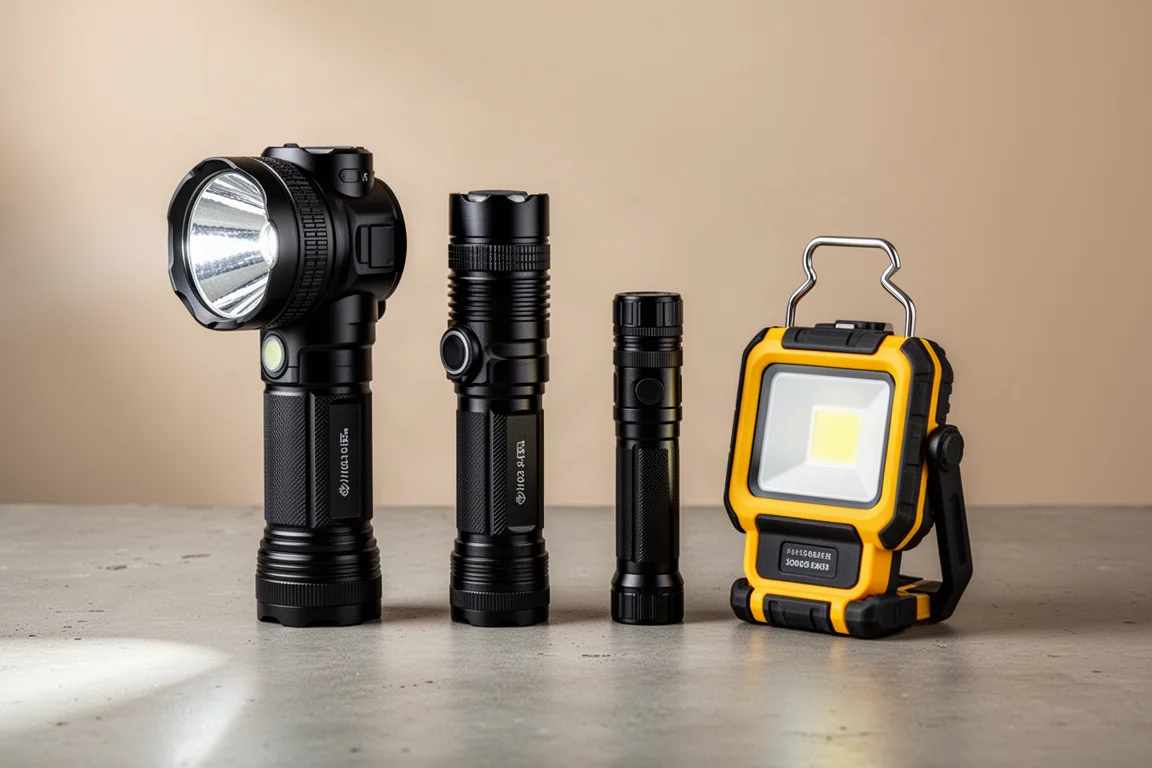
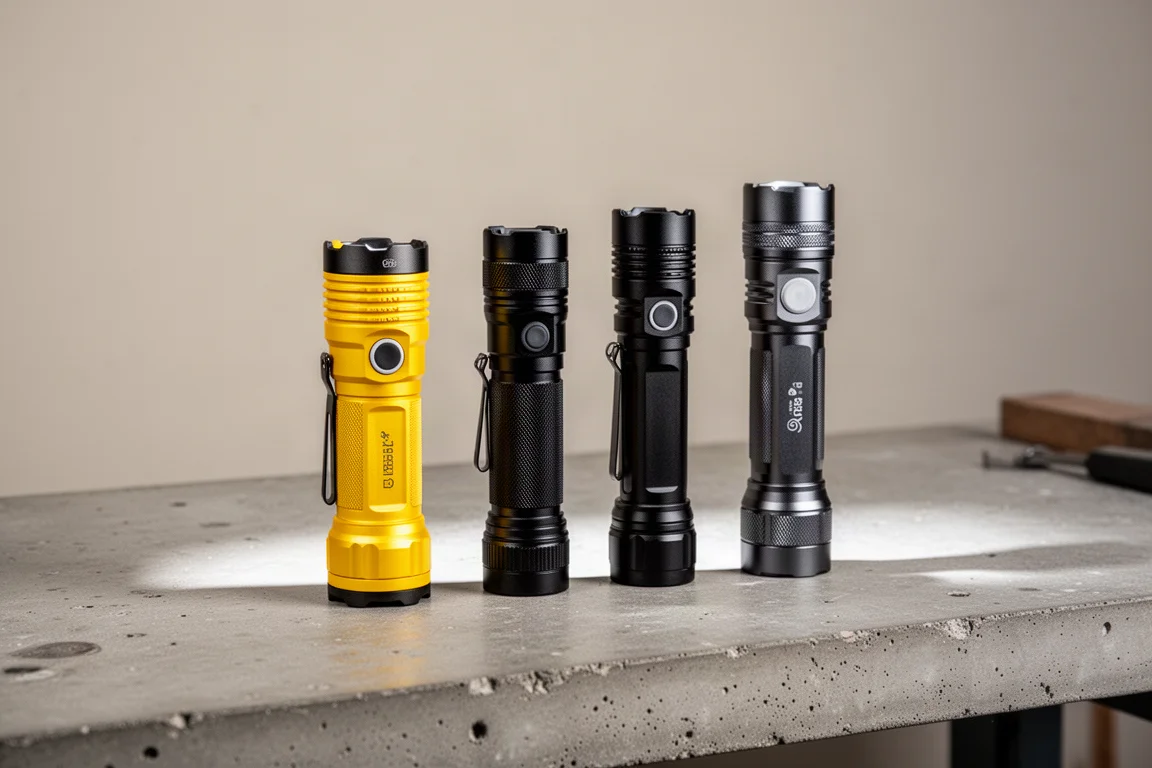
Big-box hardware stores stock their own flashlight brands alongside the names you already know, and it is fair to ask whether those store brands waste your money or quietly outperform their price. To find out, we picked up four options: the Ozark Trail 2500 lumen rechargeable flashlight from Walmart, the Husky 3000 lumen flashlight from Home Depot, the Cobalt 3000 lumen flashlight from Lowe’s, and the new DeWalt DCL 183 from Ace Hardware. Each was measured for real light output, candela or throw distance, runtime behaviour, charging speed, and durability through repeated drop testing.
How We Tested
Every light was run through the same routine. We measured actual lumen output over the first minutes of use, peak candela to estimate throw distance, runtime in high mode until the light died, and charging speed on a meter. Durability was scored through three drops each from increasing heights, with further punishment for survivors. The results below reflect those measurements rather than package claims.
Ozark Trail 2500 Lumen Rechargeable Flashlight
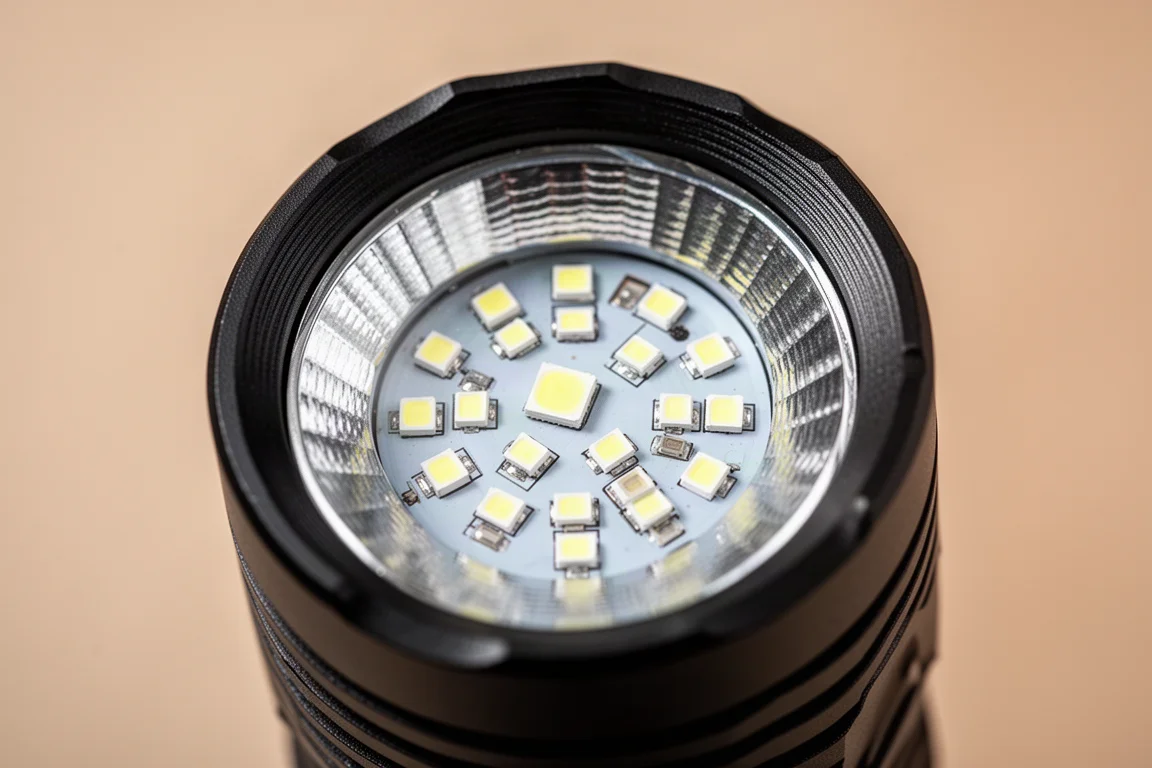
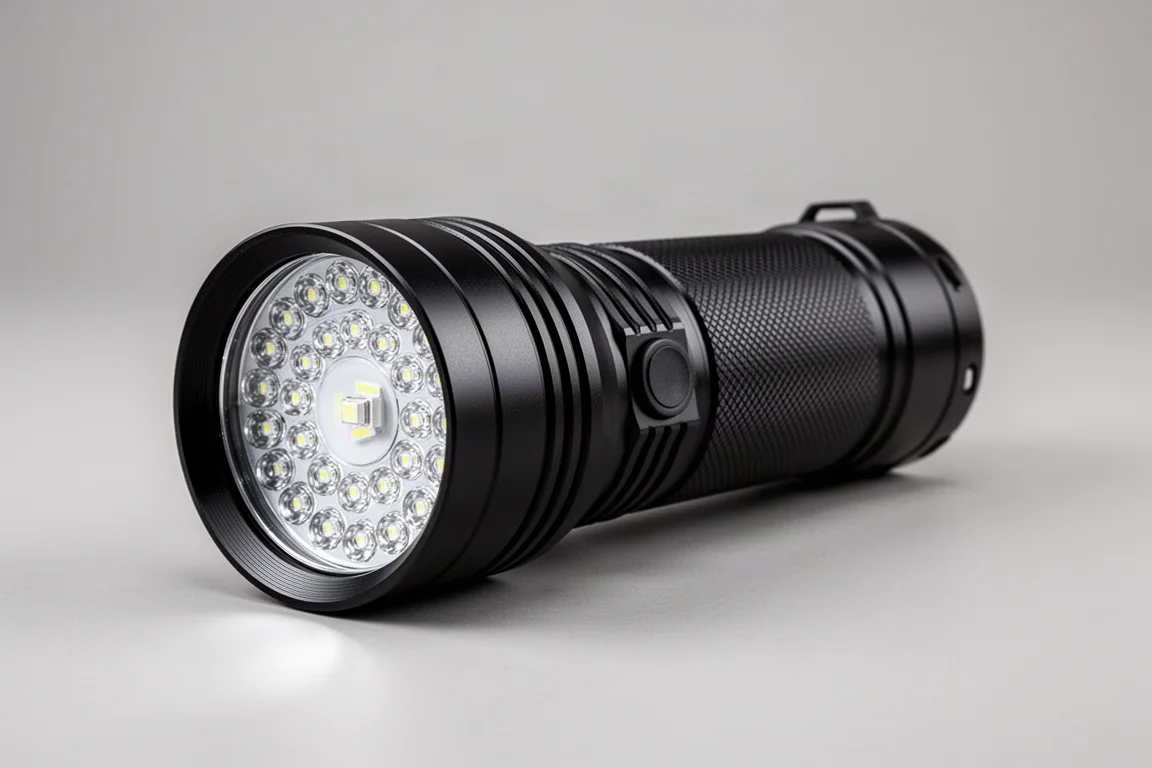
At $20, the Ozark Trail is Walmart’s highest-spec rechargeable option, and it immediately looks interesting thanks to a radial array of LED chips out front. That design looks cool, but it means there is no focus adjustment, and the lithium cell is fixed in place rather than removable. Charging runs at about 1 amp, which is standard but on the slow side.
In testing, it started near 2,500 lumens, dipped to roughly 2,300 by the 30-second mark, then oddly climbed back up to the 2,200 to 2,300 range before falling off again. Averaging that behaviour gives an honest figure of about 2,140 lumens, so it never truly delivers its claimed 2,500. Candela measured around 2,500, which works out to roughly 100 meters of throw. During runtime it faded to the lowest sustained output of the group, hovering near 300 lumens and dying first at just over 2 hours. Charging took about 3.5 hours, which is still reasonable at this price.
The verdict: impressive hardware for the money, but the output figure is more marketing than reality. Durability was solid, surviving one to two drops from 18 feet, good for an 8 out of 10.
Husky 3000 Lumen Flashlight
The Husky from Home Depot costs $40 and is a genuinely chunky light rated at 3,000 lumens. It does have focus adjustment, and holding the power button triggers a temporary turbo mode up to 4,000 lumens that falls off right around the ANSI F1 standard line. Peak candela reached about 12,300, good for roughly 220 meters and the best throw of the store brands at the time of testing.
The odd part is the battery. Instead of a standard cell, Husky uses a proprietary plastic shell with the battery inside, which can be charged outside the light but adds size, cost, and steps for no real benefit. A standard 26650 or 21700 cell would do the same job in a smaller body, and opening the shell confirmed a 5,000 mAh 26650 inside. Charging is the dealbreaker: 0.75 amps peak, spending most of its time at half an amp, means about 8 hours to charge, among the slowest ever recorded for a light this size.
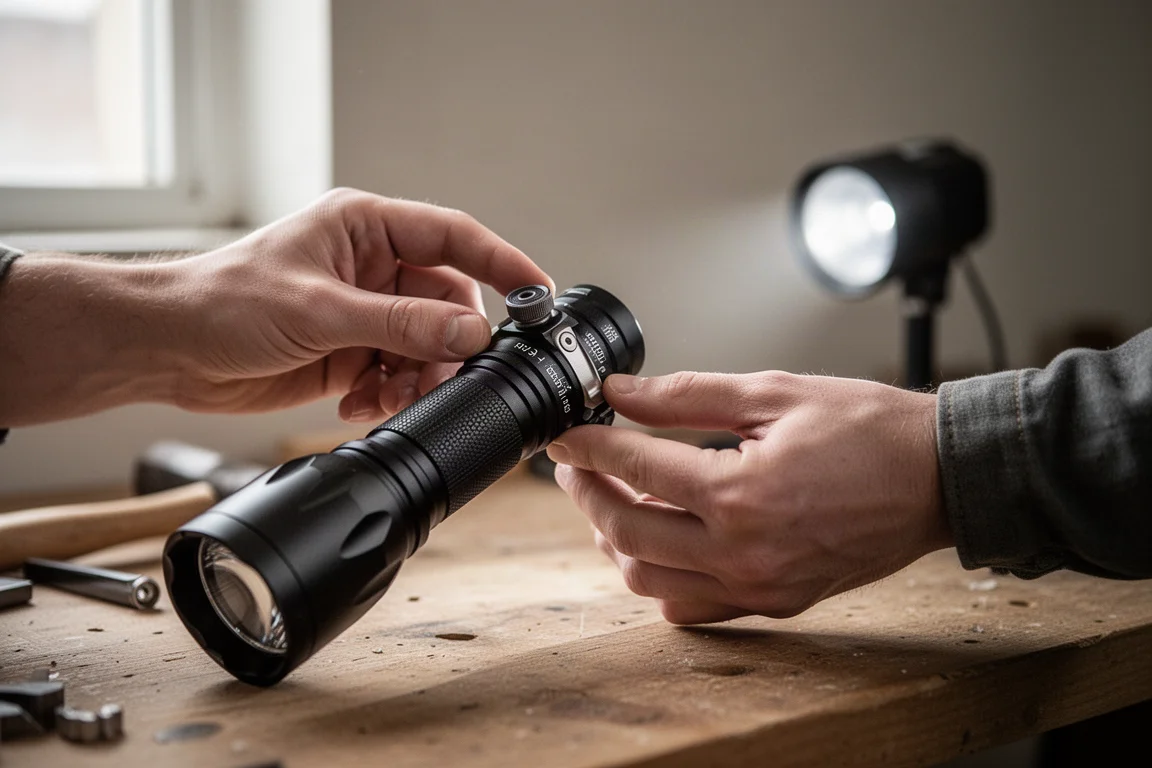
Output behaviour was quirky in a familiar way: it climbed to the 3,300 to 3,400 range before settling back around 2,500. Essentially, it does roughly what it says, floating around its advertised figure rather than holding it. Runtime was strong early, still around 1,600 lumens at the 10-minute mark, then living in the 500 to 600 lumen range before dying just short of 2.5 hours. Like the Ozark, it survived one to two drops from 18 feet, scoring 8 out of 10.
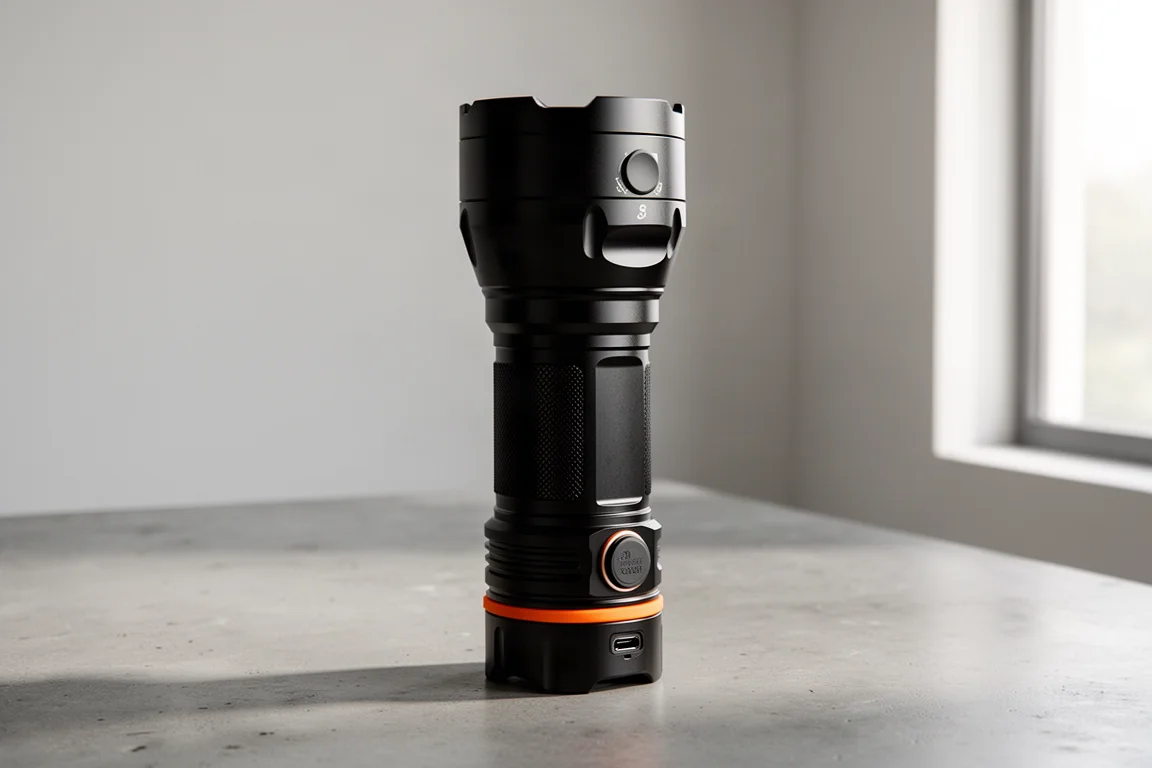
Cobalt 3000 Lumen Flashlight
For $43 at Lowe’s, the Cobalt looks similar to the Ozark and even shares interchangeable tail caps and rubber charge port covers, but it uses a single high-power LED instead of a cluster, which enables focus adjustment. Better still, it takes a removable 4,000 mAh extended-length 21700-style cell, and charges at around 2 amps, more than twice the pace of anything else here.
Performance is where it earned its keep. It delivered 3,400-plus lumens out of the gate and held steady around 3,270 at the 30-second mark and beyond, above its 3,000 lumen claim with no falling off. With focus adjusted, it reached about 19,300 candela, roughly 277 meters of throw, the best in the group. It also ran the longest, hovering near the DeWalt’s sustained output level before tapering toward the end at just about 4 hours total. Charging took only 2 hours.
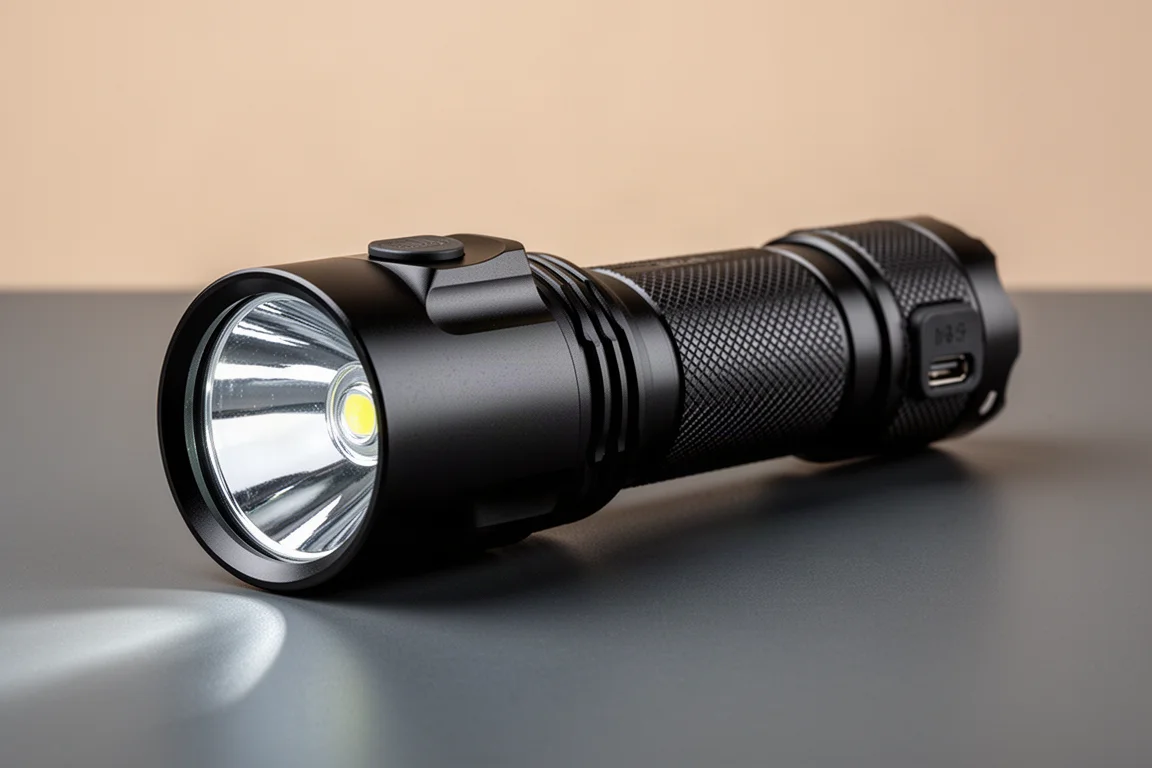
Durability matched the Ozark at one to two 18-foot drops before failure, an 8 out of 10. Taken together with its honest output, removable battery, and fast charging, this was the standout of the whole test.
DeWalt DCL 183
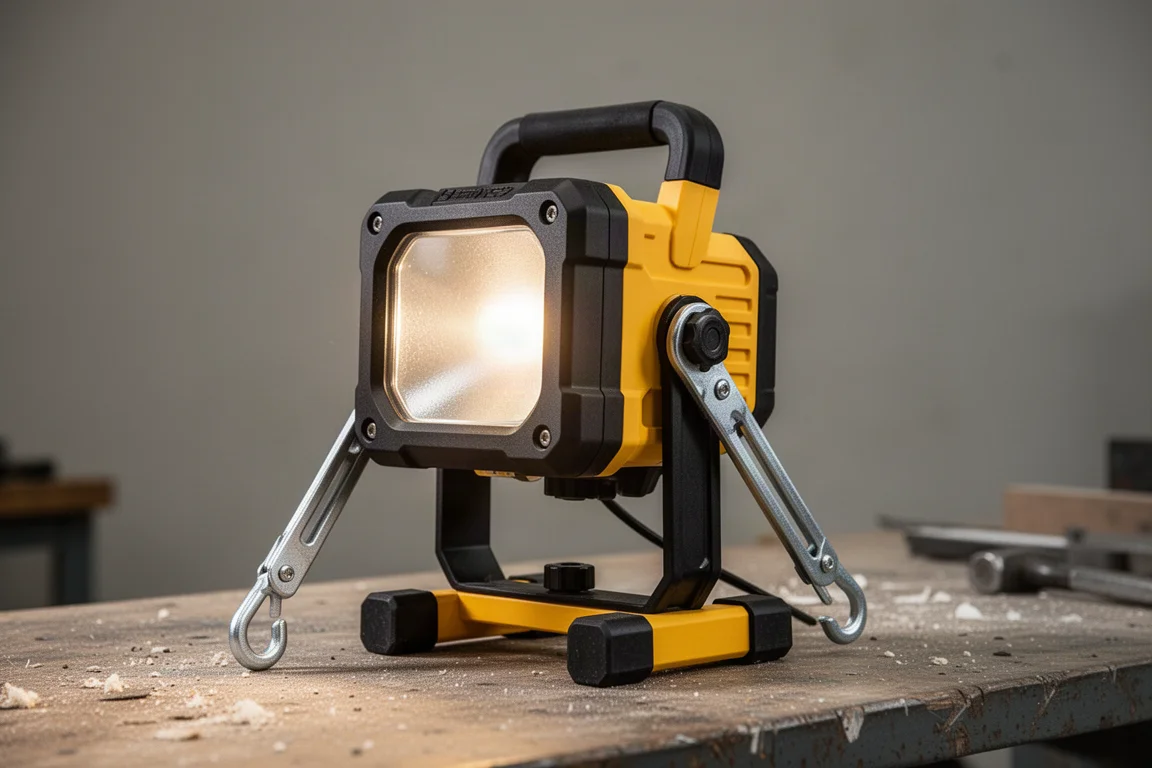
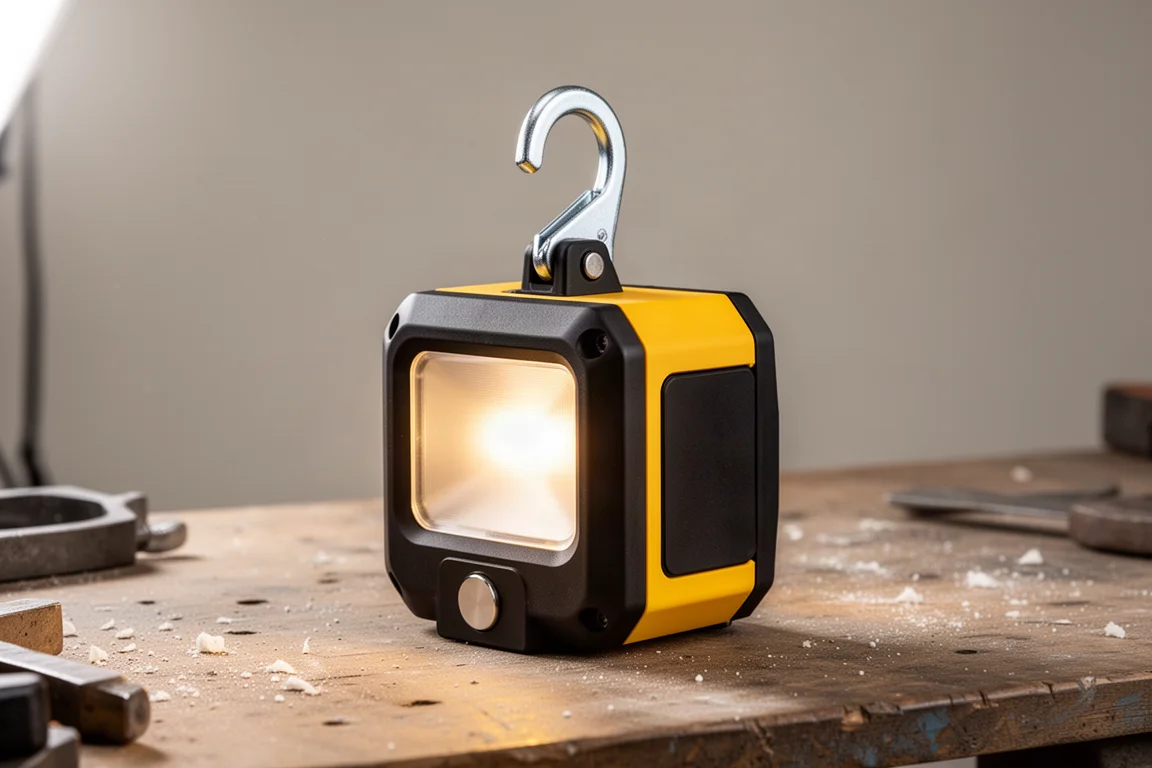
The DeWalt DCL 183 costs $79 at Ace Hardware and also around $79 elsewhere, and it plays a different game: 1,000 advertised lumens in a compact job-site format rather than a lumen brute. It is built like a solid block of thick-walled aluminum, with a steel folding hook, a decent base magnet, a diffused lens with a lower Kelvin color temperature, and an unadvertised side work light that put out a genuine 300 lumens in testing.
On the numbers, it made 1,080 lumens, holding steady after the first 30 seconds with no meaningful drop, about 106 percent of its claim. Candela measured about 7,900, roughly 177 meters, which throws surprisingly well for its class. Runtime was rock solid at exactly 440 lumens until nearly 3 hours, then it simply shut off with no dimming, a behaviour very similar to the closest comparable Milwaukee light. Charging is fast, up to 2.5 amps, which with the included cable and a high-amperage wall adapter can mean a full charge in under 1.5 hours.
Durability is where it embarrassed the rest. It survived three drops each from 6, 8, 12, 18, and 20 feet, kept going through further drops, and then endured several minutes of being spiked on the ground before giving up, leaving more marks on the concrete than on the light itself. Along with the Husky, it earns a 9.5 out of 10. Dust and sawdust do not stick to it, and it feels like a tool rather than a gadget.
Overall Buying Advice
Measured in lumen-minutes, the total sustained light delivered per charge, the Husky leads at about 8,000, the Cobalt follows at 7,700, the DeWalt manages 5,000, and the Ozark Trail sits at 4,170. If raw output per dollar is your goal, the Cobalt is the clear pick: the most sustained lumens, the most honest output versus its spec, the best throw, one of the fastest charging times, a removable battery, and the longest runtime. If you want a durable, stable, fast-charging work light with useful extras like the magnet and side light, the DeWalt justifies its premium, and beating it realistically means spending 90 to 100 dollars on the competition.
The Husky is close behind the Cobalt but is let down by the 8-hour charge time and the oversized proprietary battery shell. The Ozark Trail is fine at $20, just temper your expectations about that 2,500 lumen label.
Conclusion
Store-brand flashlights are not a waste of money. The Cobalt 3000 outperformed its spec on nearly every measure and lasted longest, the Husky delivers bright output with frustrating charging, the Ozark Trail is a decent budget buy, and the DeWalt DCL 183 shows what extra money buys: build quality, stability, fast charging and extreme durability. Match the light to what you actually need and every one of these can be the right choice.
Further reading
Related Reviews
Flashlights
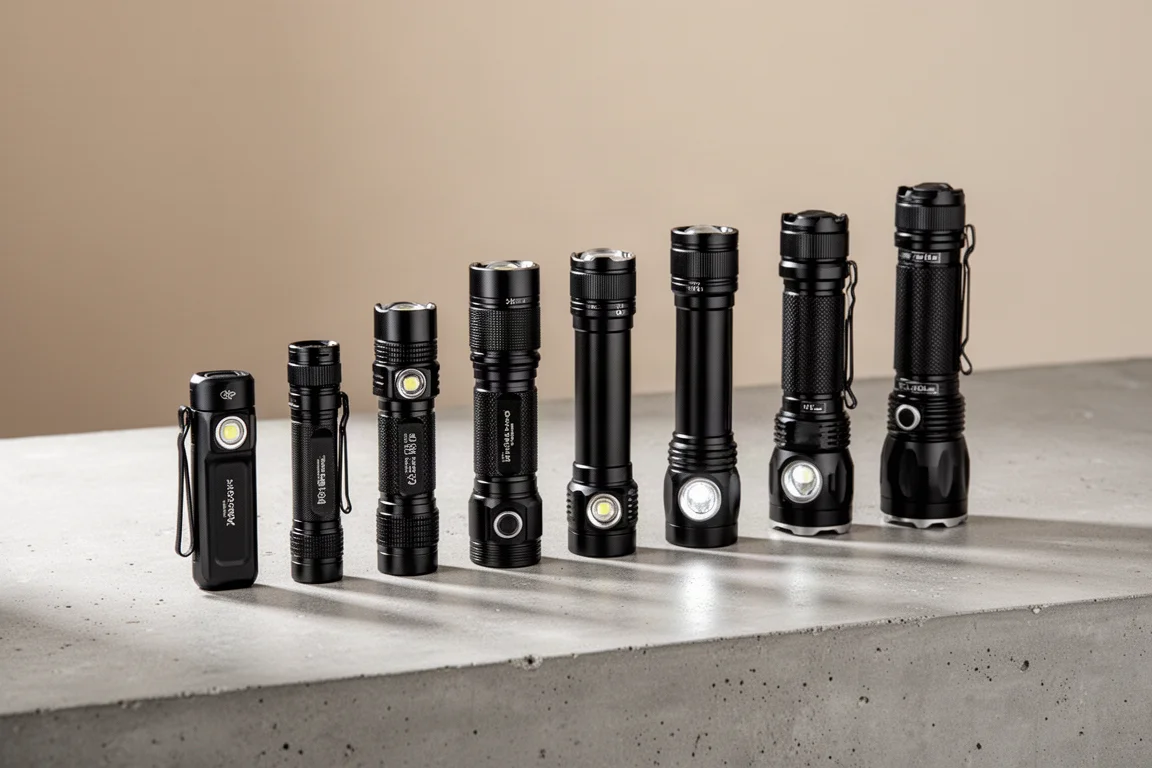
Best Flashlights 2026: Brightness, Battery, and Value Compared
We tested 18 flashlights across a wide price range to find the best performers in brightness, battery life, and durability.
Flashlights
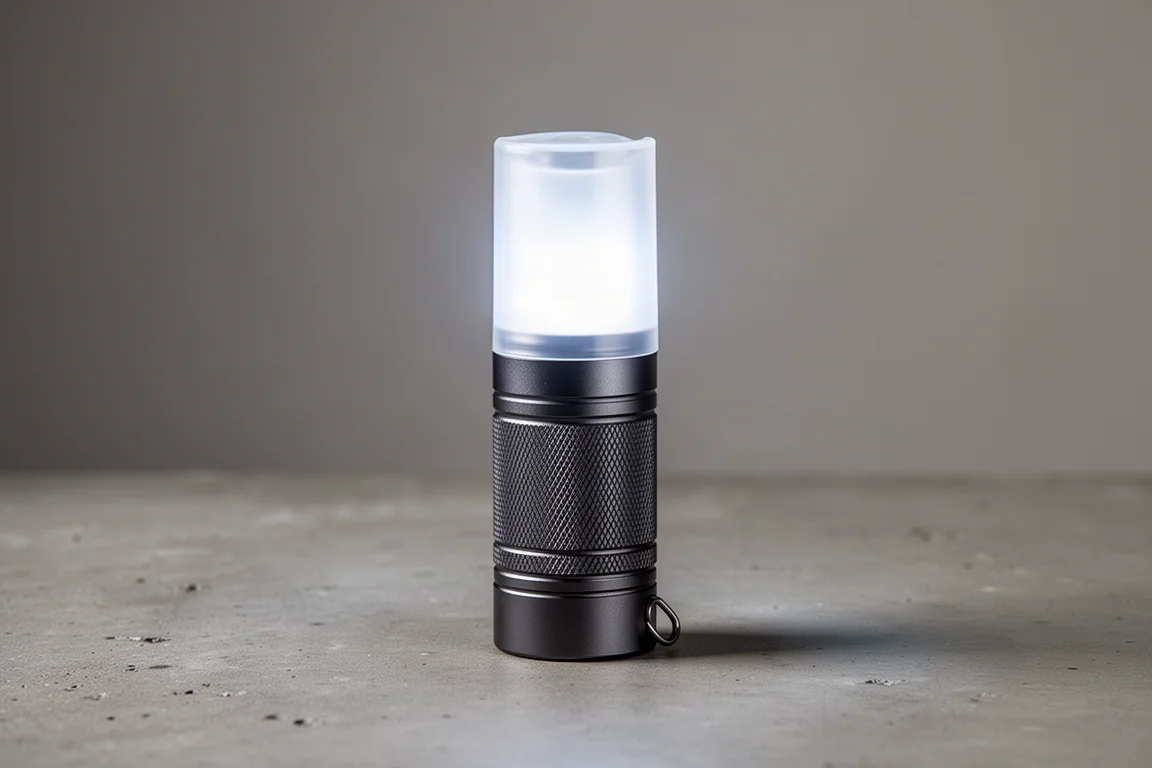
Nitecore LA10 Review: A Tiny 2-in-1 Lantern That Nails the Basics
The Nitecore LA10 pairs a pocket-sized lantern with a single AA battery, a magnetic tail cap and a five-year warranty. Here is where it shines and where it struggles.
Flashlights
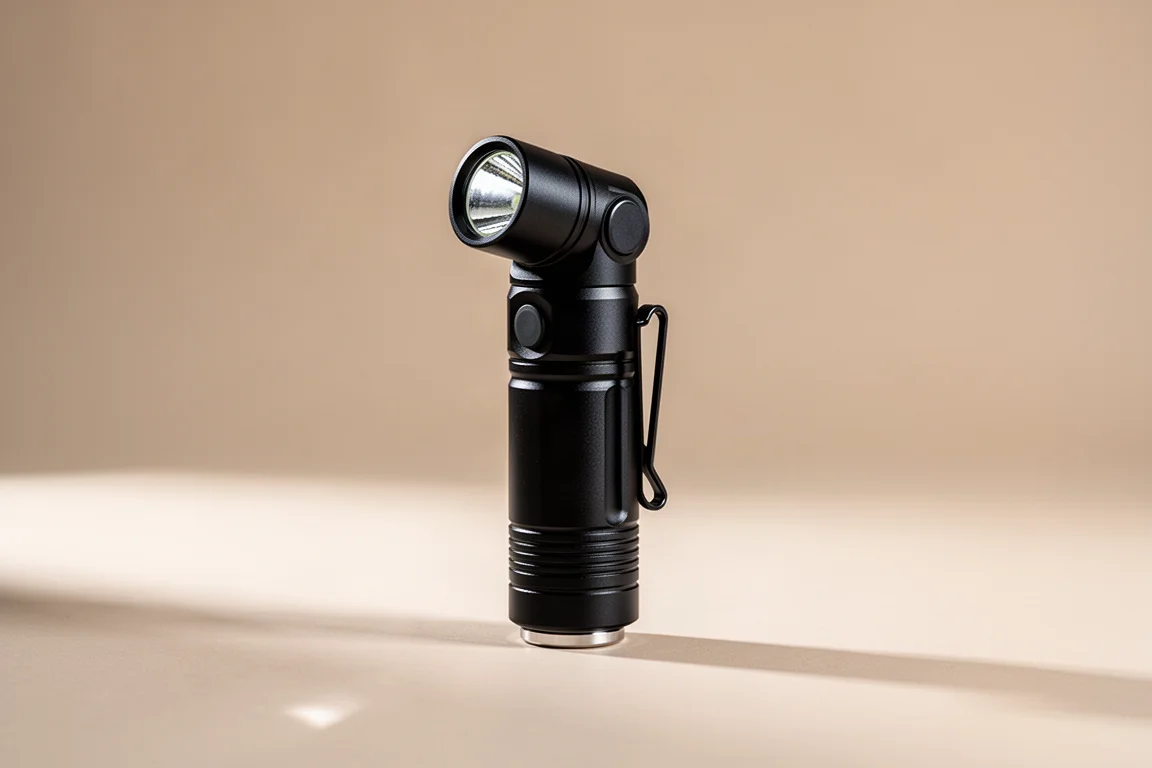
Wuben G5 Review: A Compact Everyday Carry Flashlight
The Wuben G5 is a small, rechargeable flashlight with a pivoting head, magnetic base, and color modes. Here is how it performs as an everyday carry light.