Hand Tools
Harbor Freight vs Stiletto: 14 oz Titanium Framing Hammer Comparison
A budget 14 oz titanium framing hammer goes head to head with a long-serving Stiletto to see where the money is really saved, and where it is not.
Introduction
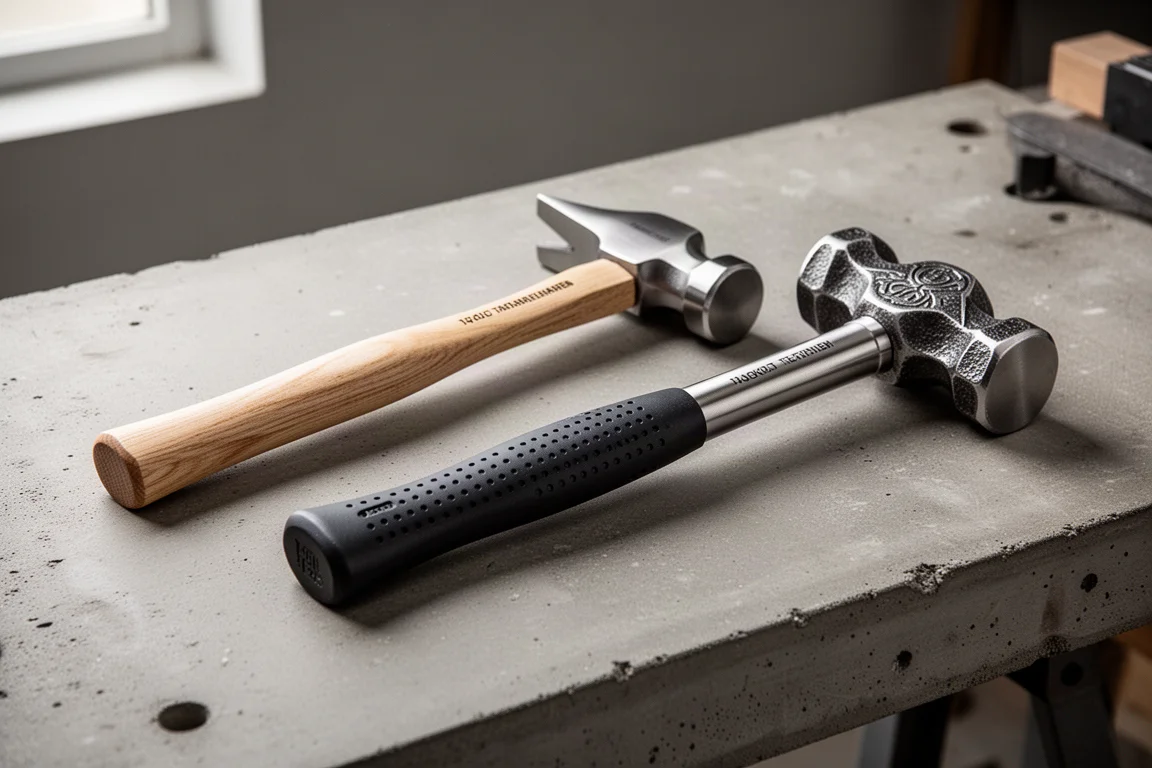
A 14 oz titanium framing hammer for around $60 is an interesting proposition, especially when a veteran 14 oz Stiletto titanium hammer, carried daily for roughly two decades, is sitting right next to it. That is exactly the comparison on the table here: the new budget option from Harbor Freight against a long-trusted premium tool.
The perspective behind this comparison comes from a career carpenter, on the tools since age 19, who has swung plenty of hammers across remodels and additions. One lesson came early: a heavy hammer is not always the answer to heavy output. For much of a career of framing, the lighter 14 oz titanium head proved to be a genuine shoulder saver, which is why the lightweight titanium category matters at all.
Does It Do the Job?
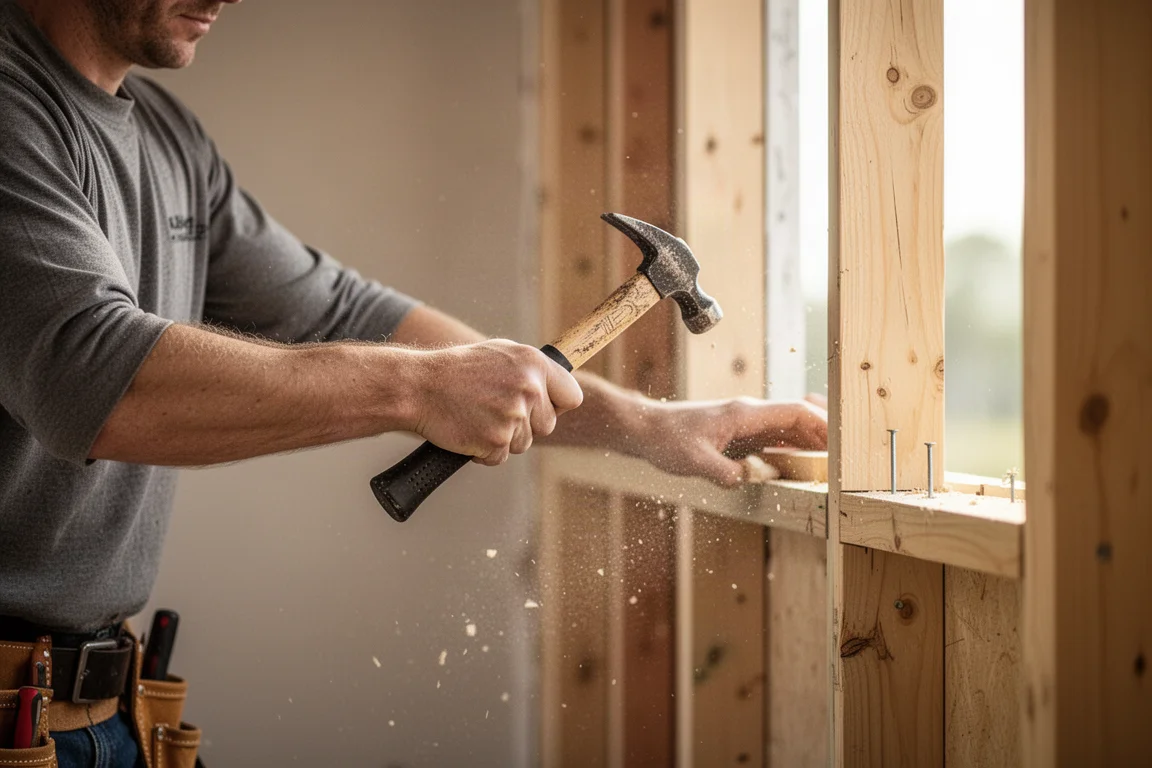
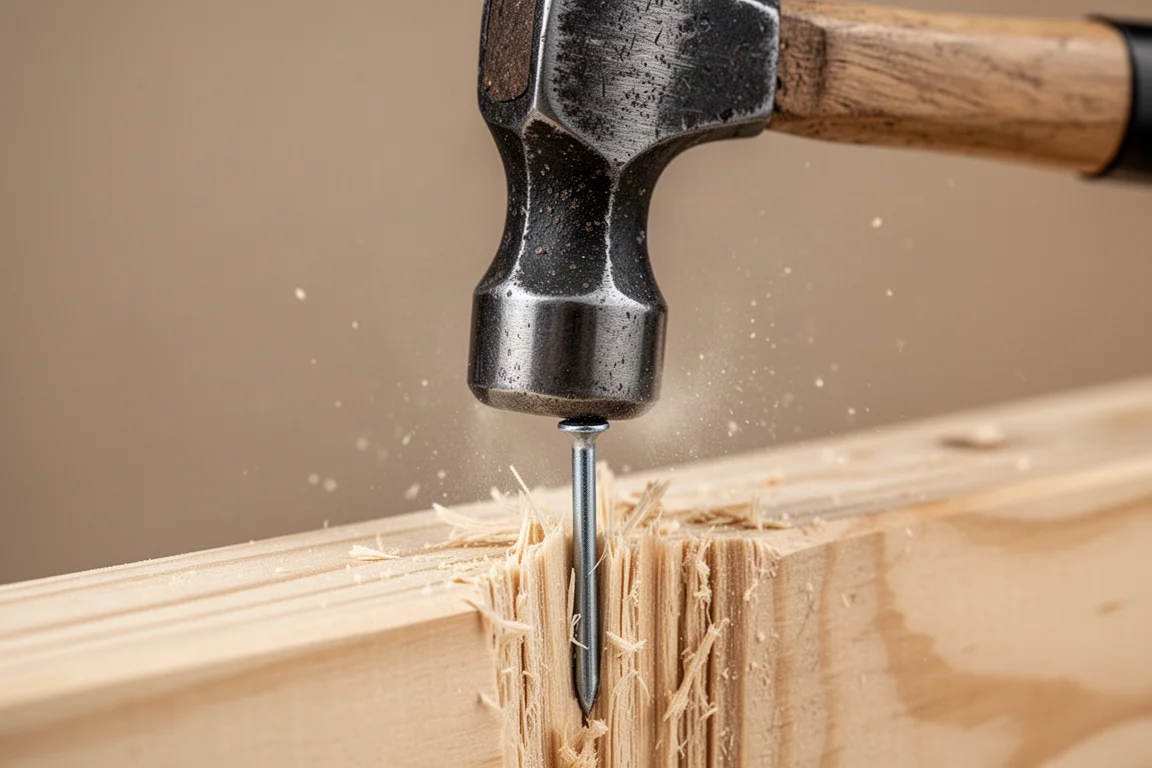
First, the fundamentals. The Harbor Freight hammer’s magnetic nail holder works: you can drop the nail in and start it one-handed. And yes, a 14 oz titanium hammer will drive nails and get framing work done. It simply does not do it with the same authority as a heavier tool; three blows where a heavier hammer needs two is a known trade-off, and everyone buying light already knows that.
More interesting is the toughness test. The Harbor Freight head was wailed against mild steel, rebar-style, and came away about as sharp as sandpaper from the mill finish, then was blunted around the face perimeter without damage. The takeaway: this is genuinely hard titanium. Speed can compensate for less mass in a hammer blow, right up to a point, but the head itself held up well in a hostile environment.
Where the Stiletto Still Wins
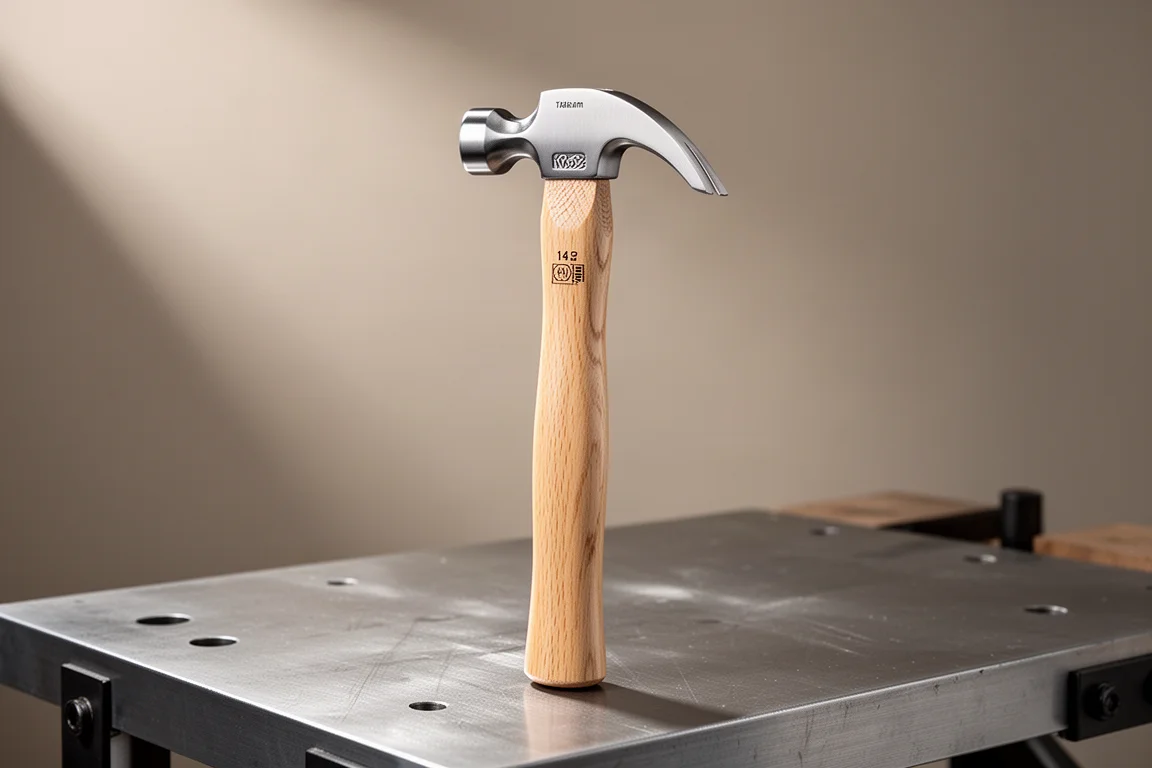
The Stiletto has been in daily service for roughly 25 years, and it shows its age in a fair way. It is a first-generation model with a steel face bonded onto the titanium, and after about 20 years that face has smoothed off, which is normal wear. In the air, the two hammers feel remarkably similar in swing, which says a lot about how close the budget option is.
The differences show up in the handle. The Stiletto’s hickory handle stores a little energy through flex, a subtle rubber-band quality in a slimmer profile that feels alive in the hand. The Harbor Freight handle is oversized, stiff, and lifeless by comparison, with no possibility of flex. That said, it is a fixable problem: plenty of carpenters sculpt hammer handles to fit with a sander anyway, and this handle is a reasonable candidate for the same treatment.
Fit, Finish, and Small Details
On looks, the budget hammer leans hard on decoration. There is too much pointless ornament on the head, and it frankly reads as cheap, which is honest since it was cheap. The Stiletto is far more restrained. Two small details stand out in the Stiletto’s favor: a reduced cross-section right behind the eye, a subtle touch that looks and works better, and the Harbor Freight’s overstrike protection cheeks, which sit a little further down the handle and protect better against overstrikes, but are bulky and feel like a first iteration that may never be refined.
The casting and forging quality is close enough between the two that the discrepancies do not make much practical difference. The interior of the Harbor Freight claw is intentionally rough with a nice contrast against the polished exterior, and the inside cutting edges are nice and sharp, which matters more than most buyers realize.
Nail Pulling and Handle Longevity
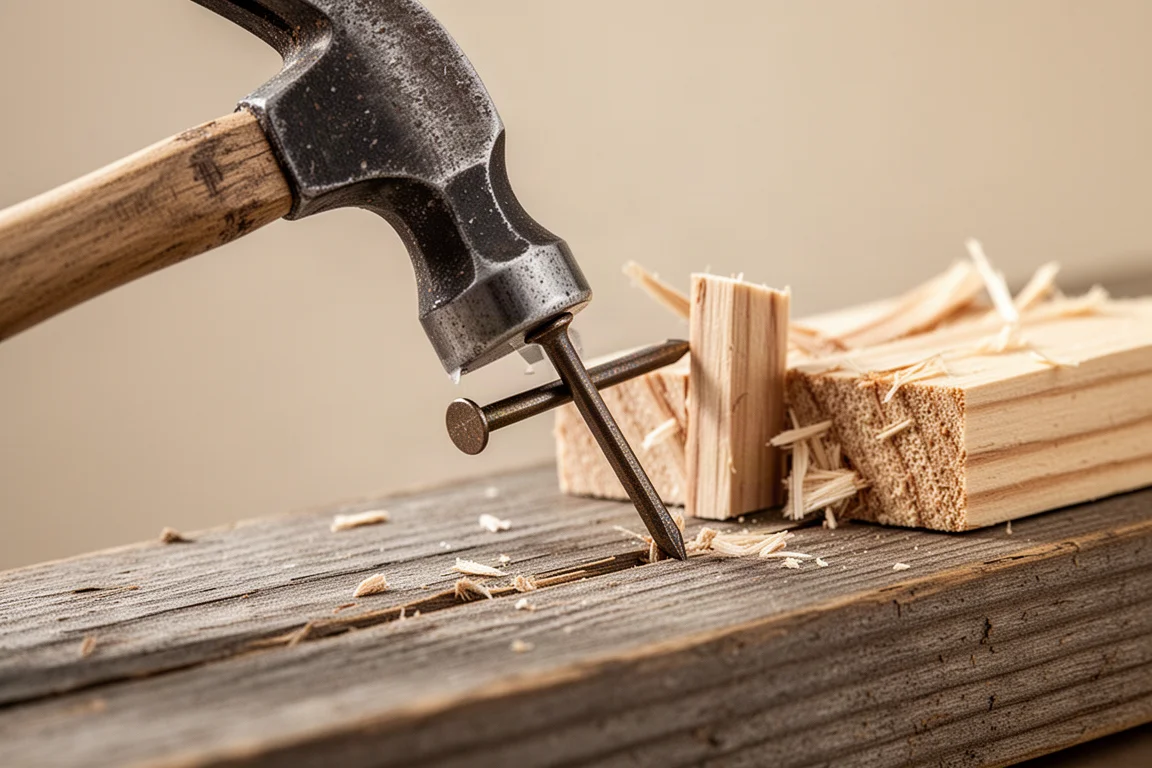
Nail pulling is where claw design earns its keep. The sharp inner edges of the budget hammer’s claw get a good purchase on a nail and walk it out incrementally, and flipping the hammer sideways to pull saves the handle from stress. A wooden-handled claw will eventually break if you always pull straight back; the trick is pulling nails sideways whenever possible, or using a fulcrum block under the head to multiply leverage on big nails.
There is real longevity data on the Stiletto side: the original handle lasted about 15 to 19 years of professional use before being voluntarily replaced six years ago. That kind of handle life says the tool was used correctly and maintained, and it is a fair benchmark for what a well-treated titanium hammer can deliver.
Buying Advice
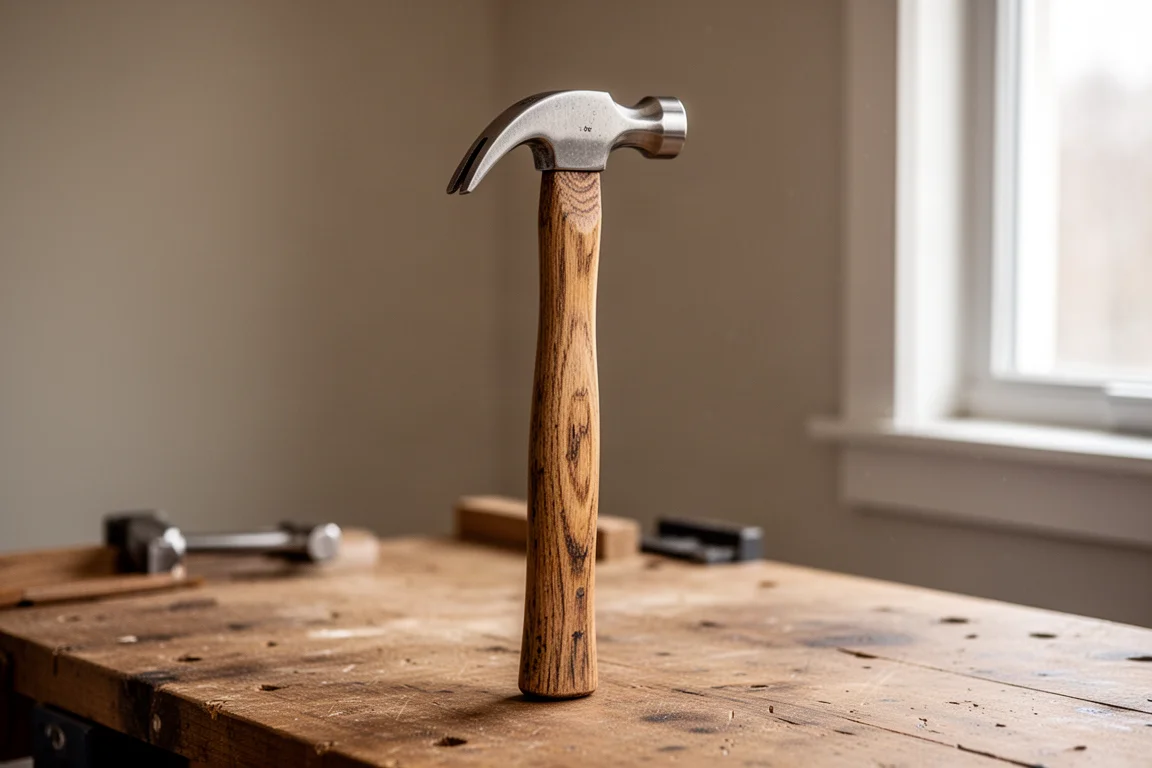
If you need to save money, save money. The Harbor Freight 14 oz titanium hammer performs the core job: it drives nails, the magnetic nail starter works, the titanium is genuinely hard, and the claw pulls nails well. With a grinder and a few minutes of handle sculpting, the worst of its ergonomic complaints can be sanded away.
But saving money is not the only consideration when buying a tool. A hammer has to feel right in the hand, respond the way your body expects, keep up with your productivity, and offer some satisfaction in how it looks. Beauty is not nothing. The hammer you carry defines your work, so do your own testing, talk to your mentors, and look at what the carpenters around you are swinging before you commit.
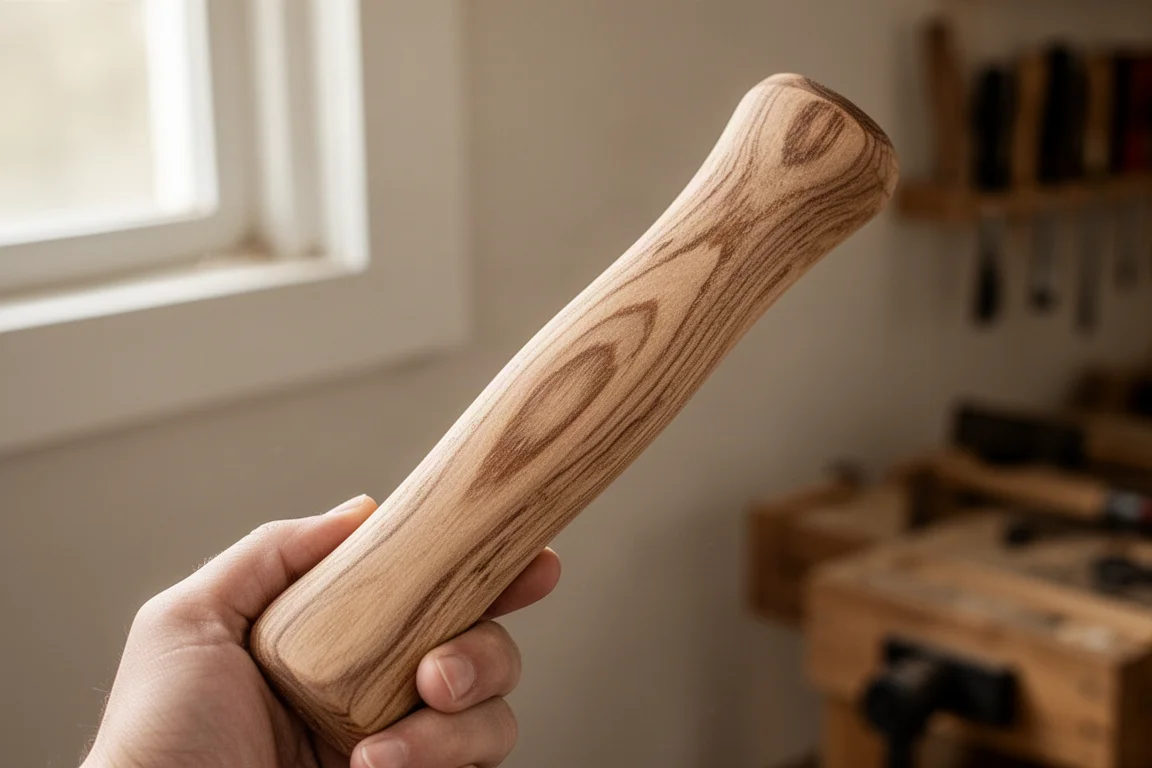
One more thing worth knowing before you pick any wooden-handled hammer: check the grain. Slope of grain is the biggest failure variable. If the grain runs across the width or depth of the handle instead of straight down its length, the handle will eventually snap. Grain orientation matters too: a test with matched white oak strips suggested flat grain, with growth rings running across the handle, is stronger than vertical grain. The Stiletto’s handle is a textbook example of flat grain with tight growth rings, and the budget hammer’s handle is also a good example of deliberate flat-grain orientation.
Conclusion
The Harbor Freight 14 oz titanium framing hammer is a legitimate value tool: hard, functional, and easy to recommend if the budget matters and you are willing to reshape the handle. The Stiletto remains the better daily driver for feel, refinement, and proven long-term service. Both prove the same core idea: a 14 oz titanium hammer is a shoulder-friendly way to frame, and the real decision is how much polish you are willing to pay for.
Further reading
Related Reviews
Hand Tools
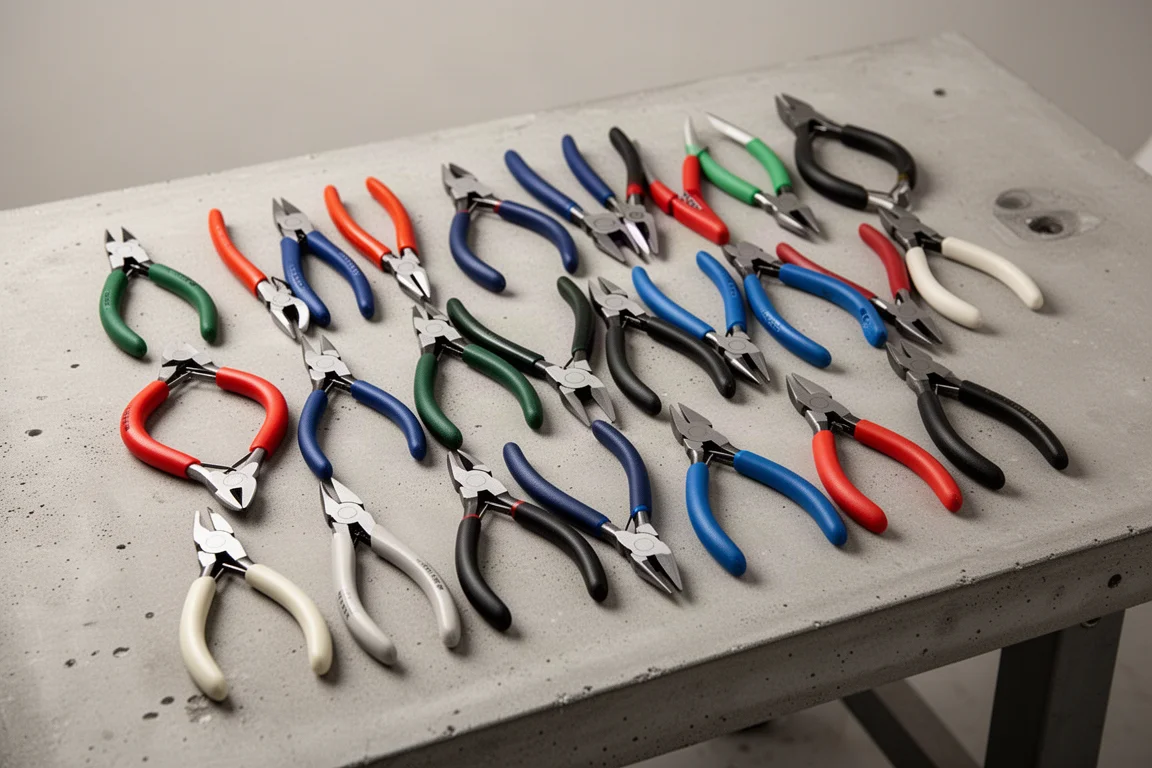
Best Diagonal Cutters 2026: 16 Pliers Tested for Cutting Power and Durability
We put 16 diagonal cutters through nail, screw, drill bit, and hex key tests to find the best value picks for your toolbox.
Hand Tools
Best Hex L Key Sets 2026: Nine Sets Tested for Real-World Torque
Nine hex L key sets from budget to premium, tested for torque, fit, and durability. See which sets deliver real performance and which ones to skip.
Hand Tools
Best Locking Pliers 2026: Top Picks Tested for Grip and Durability
We tested 18 brands of 10-inch locking pliers for grip strength, jaw bite, build quality, and ease of release to find the best options for tough jobs.