Tool Storage
Harbor Freight vs Cobalt Mini Tool Box: Two Tiny Boxes, Two Very Different Lids
Two mini tool boxes that rode a wave of Black Friday hype: one with the best cover design, one with smoother fundamentals. Here is how they compare and what to actually store in them.
Introduction
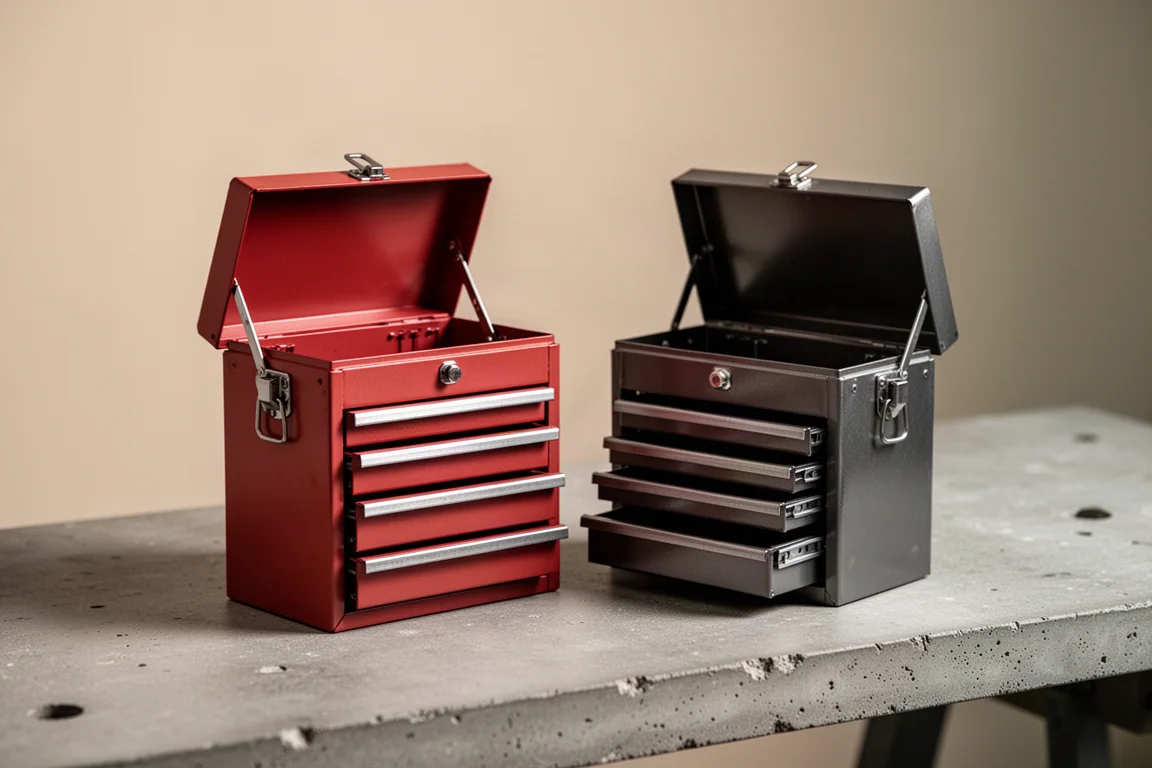
Every once in a while, a product goes viral for reasons nobody can fully explain. These mini tool boxes, sometimes originally marketed as jewelry boxes, are exactly that. The concept has been around for years, but around Black Friday they surged in popularity, partly because Harbor Freight was selling its version for around ten dollars and partly because tiny versions of familiar things are simply charming.
The question that never goes away with products like this is a practical one: what do you actually do with it? We spent time with the Harbor Freight and Cobalt versions to figure out which one is better built, and whether either earns a permanent spot on your bench.
What is a mini tool box, really?
Think of a full-size rolling tool chest scaled down to sit in your palm. Steel construction, multiple small drawers, side slides, and a lid on top. The form factor is nostalgic and cute, which is a big part of the appeal, but charm alone does not fill a tool box.
The real question is capacity and access. These boxes cannot take everything from a given workspace, so the items inside need to be genuinely small. That constraint shapes what the box is useful for.
The lid is where they differ most
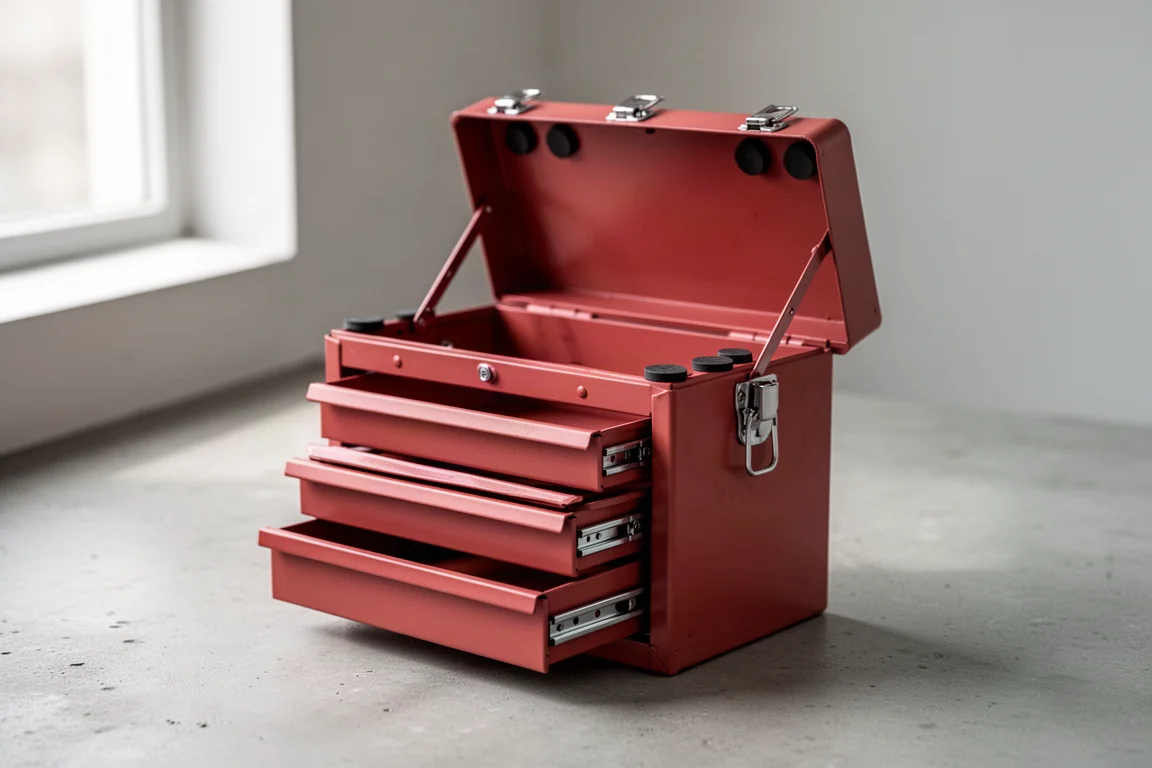
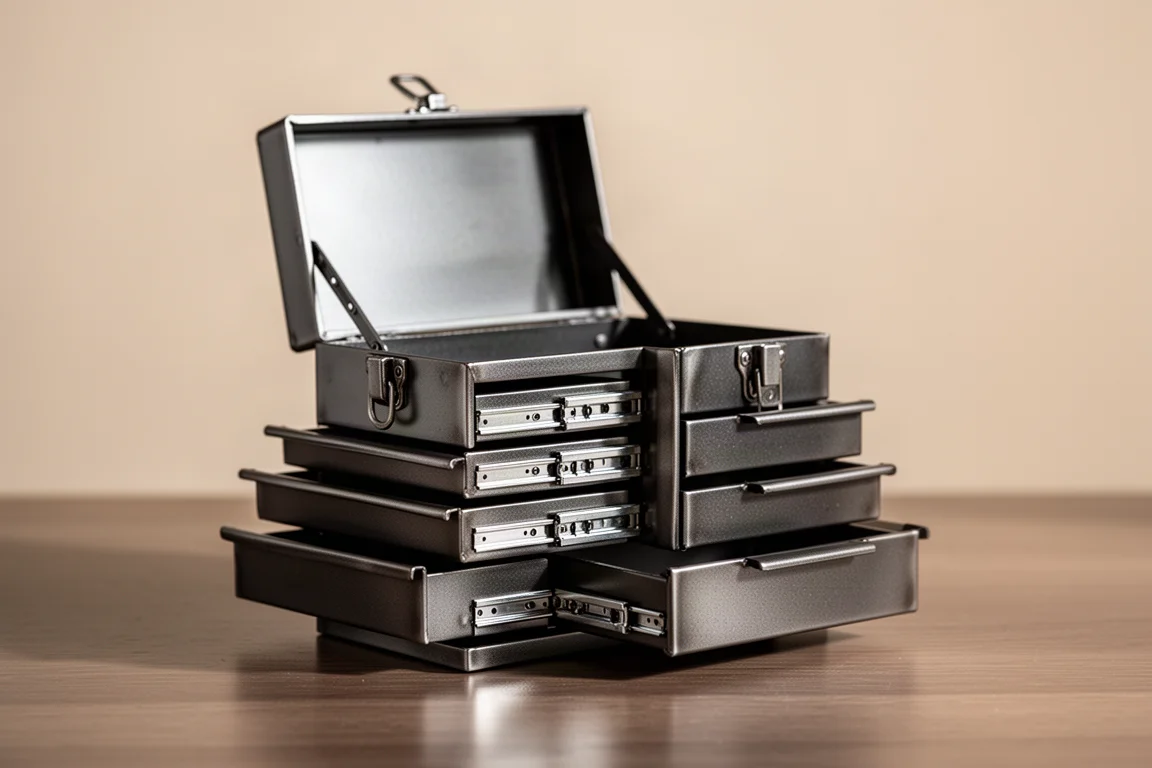
The Harbor Freight version has, in our view, the best and most affordable cover design of the two. The lid stays up on its own, stopping at a fixed position, and it comes with small rubberized dampeners. That means you can leave the box open while still reaching the drawers, which is exactly what you want during use.
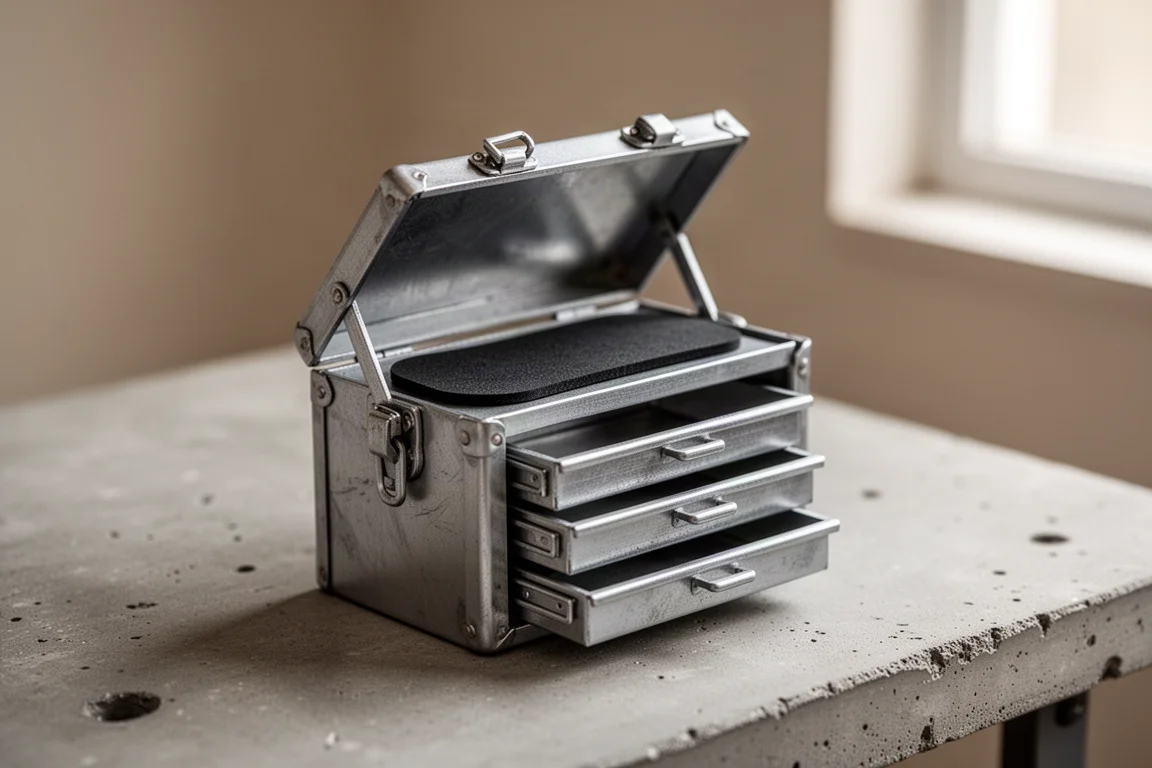
The Cobalt lid behaves differently. It flips all the way over and slams down, and once it is up, clearance behind the box gets tight. It works, but it is less forgiving in day-to-day use.
The small electronics challenge
One practical use case we tested was storing sensitive small electronics. Compact items like a digital caliper, a compact digital torque handle, scales, thermal imaging gear, laser distance measuring tools, or a handful of charging ports and cords can actually fit, and the drawers are genuinely good for keeping quick-access items out of sight but within reach.
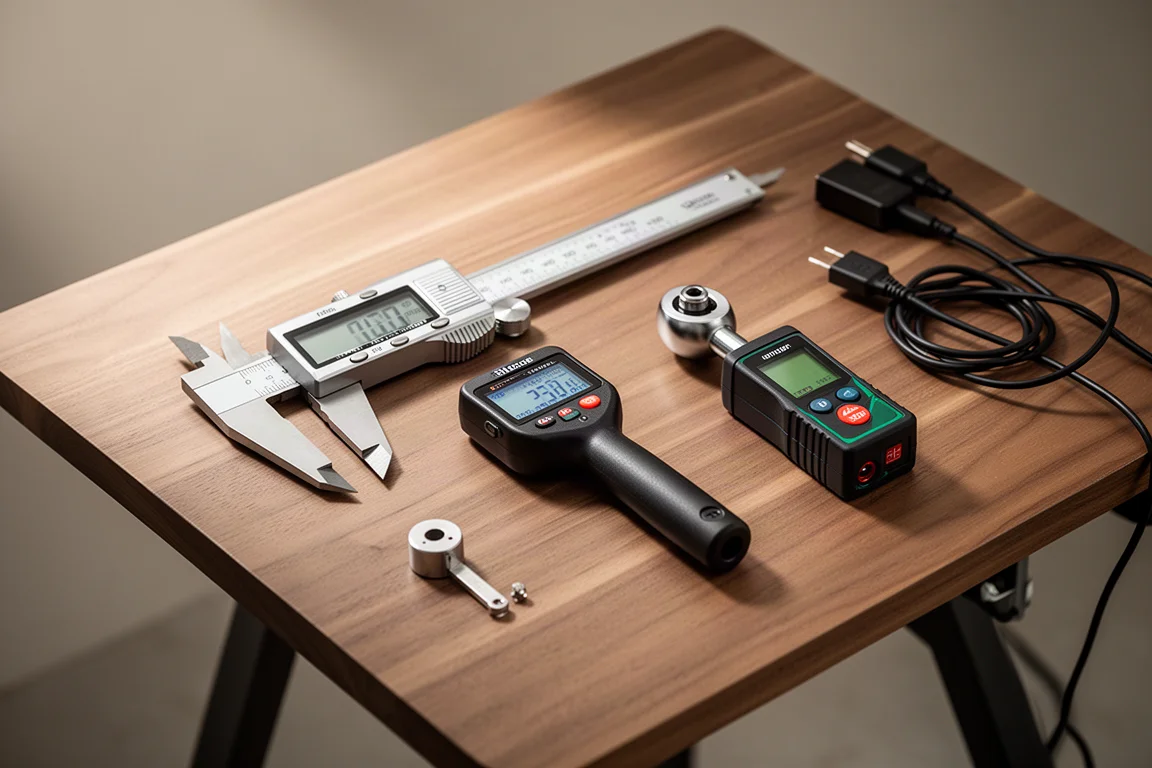
The limitation is depth. In the bottom drawer, larger items like a compact night vision device or a non-contact temperature probe fit, but the drawers do not extend fully, so anything pushed toward the back becomes awkward to retrieve. You may find yourself reaching in and prying items out. A digital angle gauge, for example, only fits in the middle of the top drawer, and in the Harbor Freight box it can even stop the lid from closing because the top surface is narrower.
Everyday usability
Both boxes have drawer slides on the sides, which is a thoughtful design detail at this size. The Harbor Freight slides are not the smoothest, but the overall drawer experience is solid for the price. Both versions are heavy metal boxes, which is impressive at this scale.
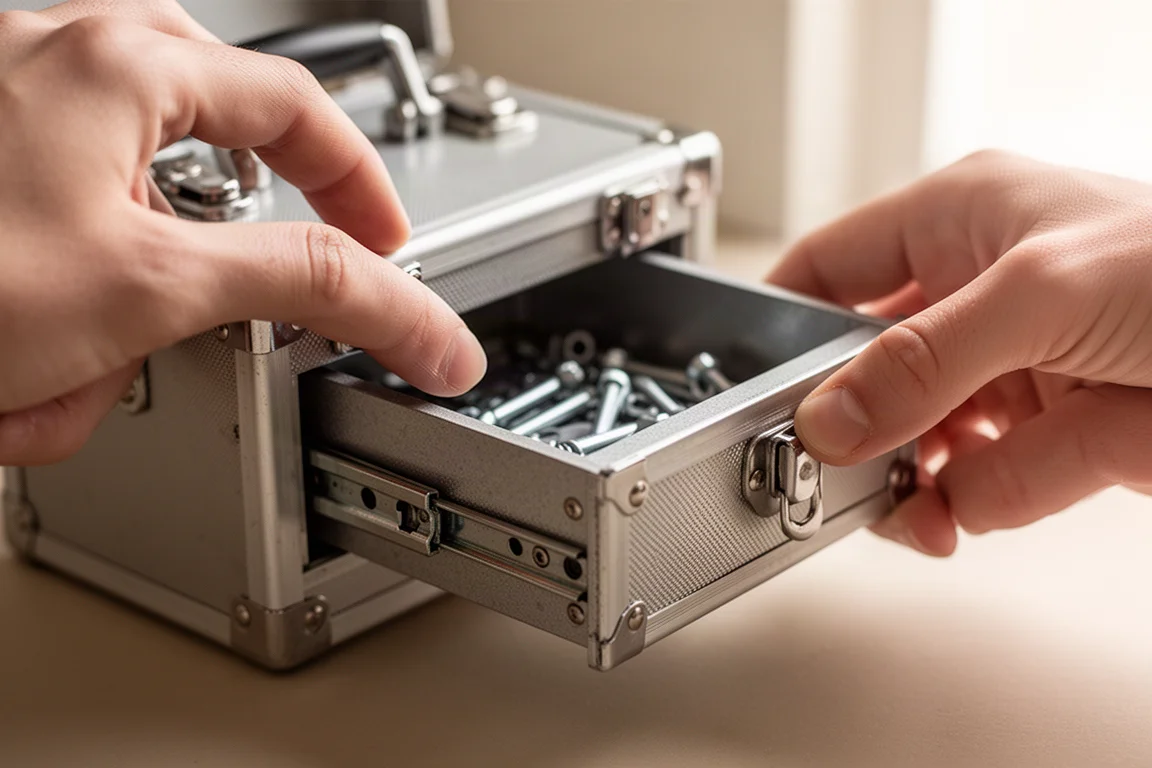
There are things to keep in mind. There is no lock, so this is not a secure place for a wallet or valuables. And be honest with yourself after a few weeks: is it genuinely convenient, or just too small? A fair amount of these purchases may come down to liking the box because it is cute.
Buying advice
The Harbor Freight box has been seen selling at the low end for around ten dollars, and with coupons it is easily under twenty dollars. The Cobalt version tends to run around the same, depending on current pricing. Both sold out quickly around Black Friday, but they have returned to stock in many places, which is good news if you are considering one.
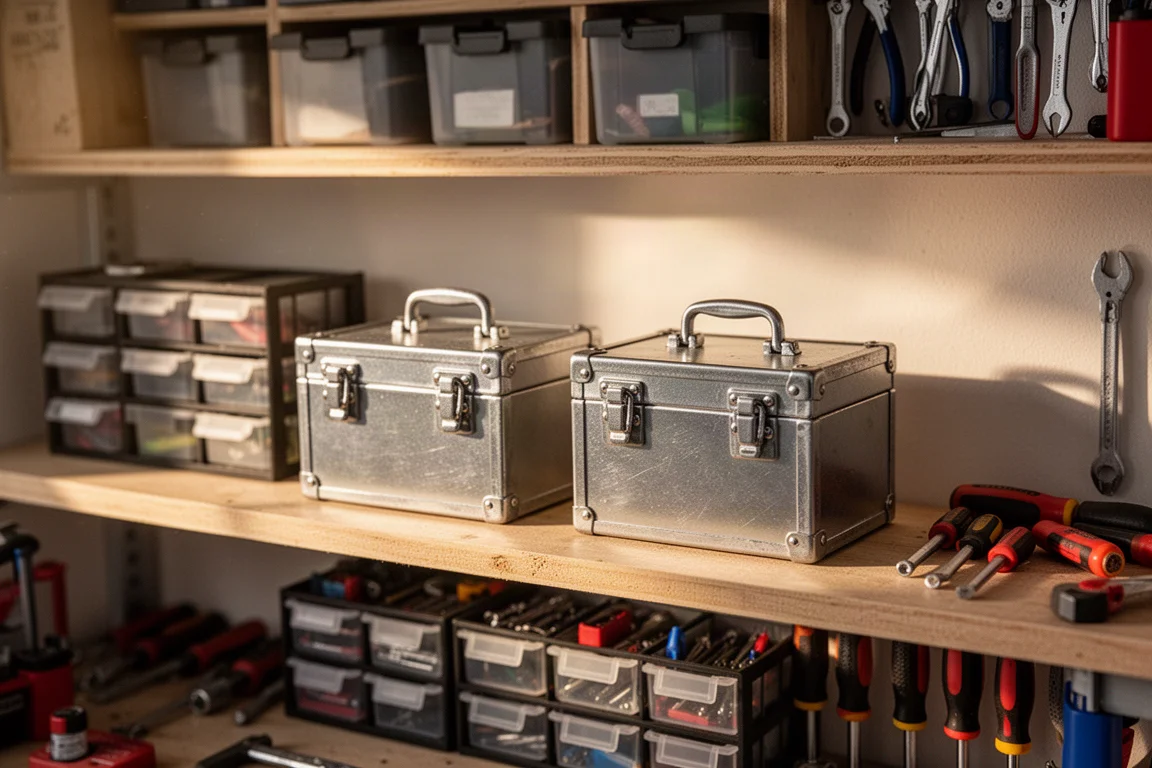
If you want one, buy it for the Harbor Freight-style lid that stays open, and only if you already own small, shallow items that need a home. If you own one and have found a clever use for it, you are ahead of most of the crowd.
Conclusion
Both mini tool boxes are well-made, affordable, and undeniably fun, but they are easier to buy than to find a purpose for. The Harbor Freight version edges out the Cobalt thanks to its self-supporting lid and better cover design. If small parts organization is a real need in your workspace, either box can work, just go in with realistic expectations about depth and access.
Further reading
Related Reviews

Tool Storage
Hilti ProKit Modular Storage System Review: A Sturdy, Stackable Tool Storage Solution
The Hilti ProKit modular storage system offers durable cases, a heavy-duty trolley, and a simple nesting latch design for professionals who need reliable tool organization.
Tool Storage
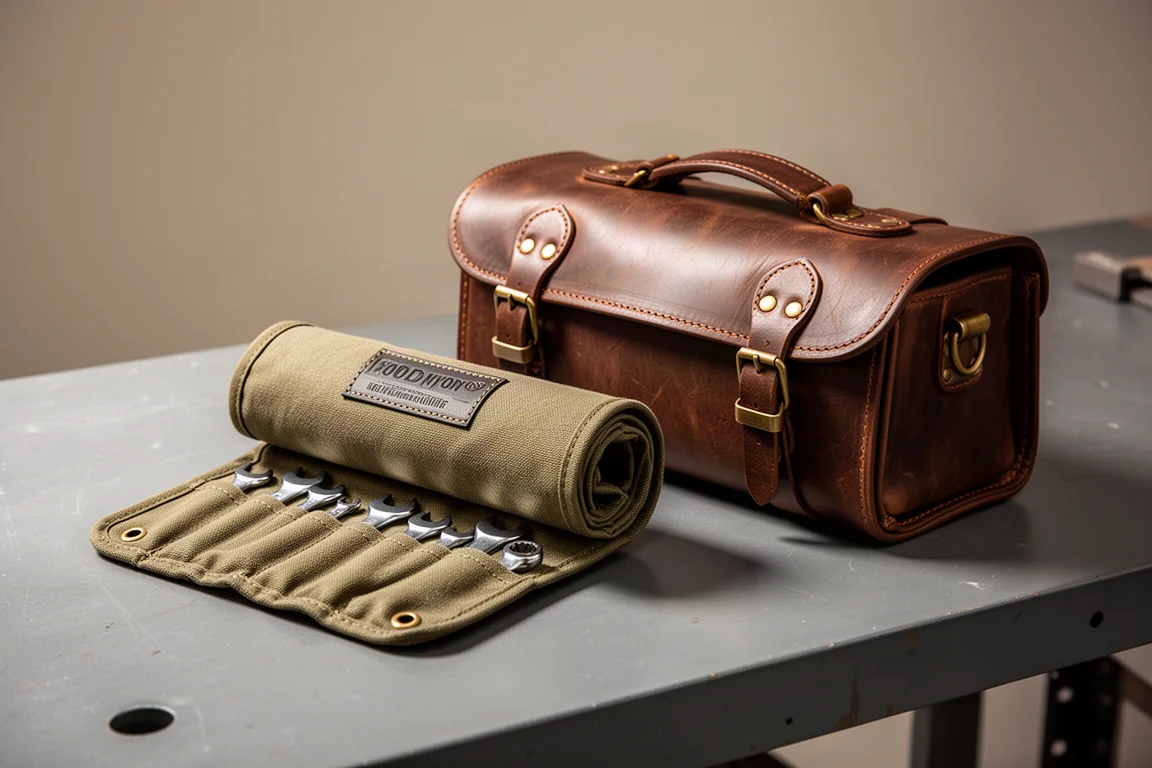
Atlas 46 Tool Rolls: Yorktown Mini and the Leather Classic Compared
Two tool rolls from Atlas 46 for different mindsets: a compact mini roll built for vehicle-based kits, and a heavy leather version for those who appreciate old-world craftsmanship.
Tool Storage
Atlas 46 vs Bucket Boss Tool Roll: Two Ways to Roll Your Tools
A first-impressions comparison of a premium American-made tool roll and a budget-friendly alternative, covering fabric quality, stitching, zipper layout, and storage design.