Hand Tools
Harbor Freight Pittsburgh Composite Ratchet: A Budget Tool With a Surprising Purpose
These inexpensive composite-handled ratchets from Pittsburgh are not insulated tools, but they make real sense for battery work when used with care.
Introduction
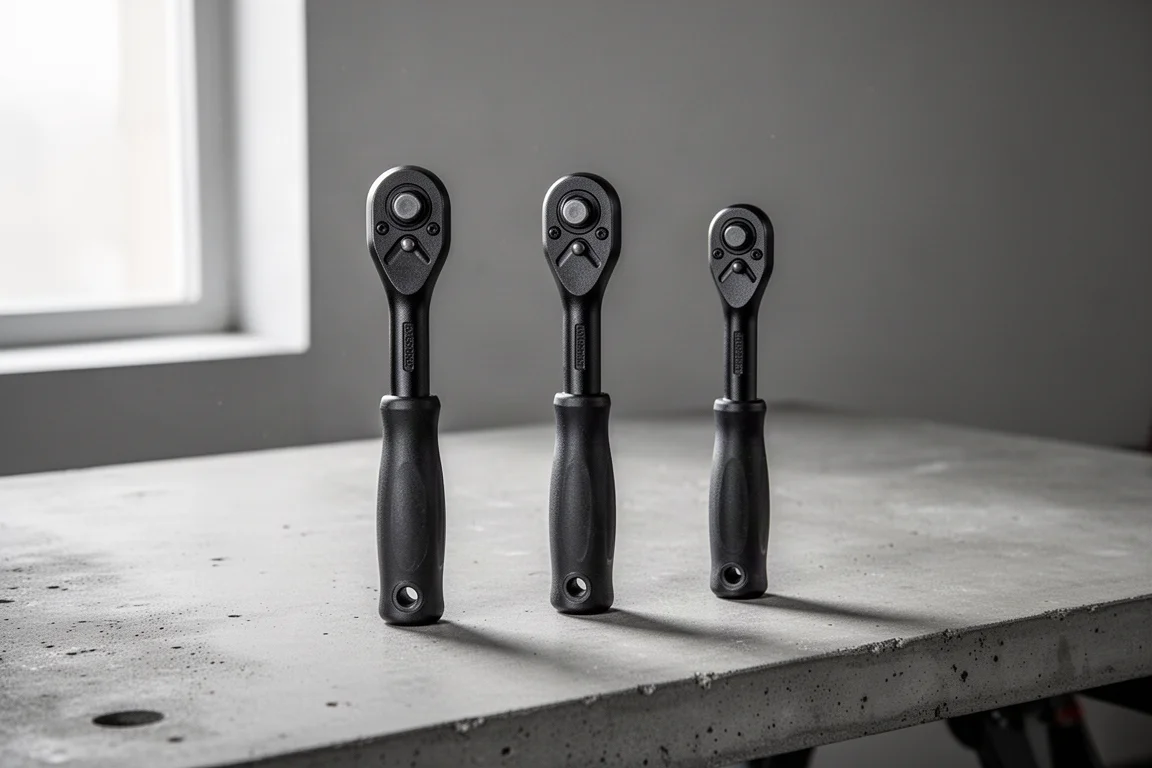
Harbor Freight’s Pittsburgh teardrop composite ratchets, sometimes sold as the quick release composite ratchet, have earned attention for an unusual reason. They look and feel like insulated tools, and many buyers pick them up specifically for work around car batteries. At around 12 to 17 dollars depending on size, that is a very small outlay for a ratchet that keeps you from accidentally bridging a battery terminal with bare metal.
The important caveat up front: these ratchets carry no voltage rating at all. They are coated tools, not certified insulated ones, and anyone who needs a genuine 1,000-volt rating should look at properly rated tools instead. Used within their real purpose, though, they are a genuinely useful addition to a battery-side toolkit.
Who This Product Is For
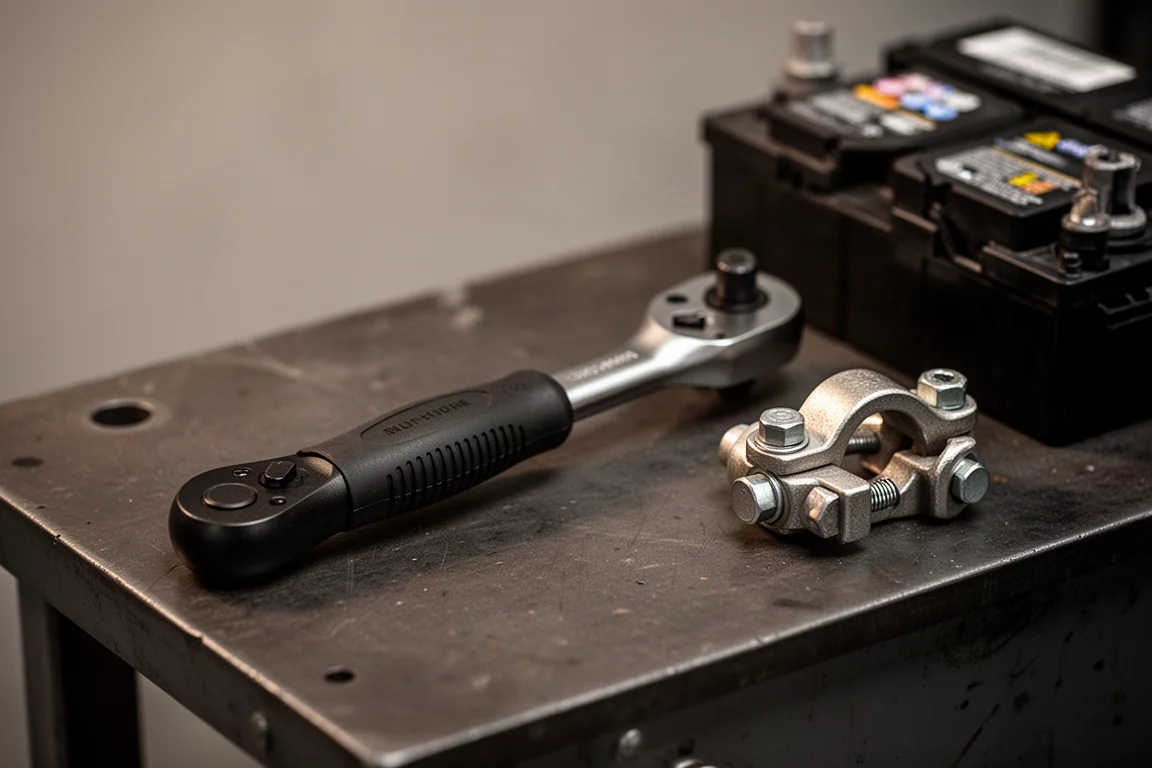
These ratchets are aimed at people who do regular work around 12-volt systems: removing battery hold-downs, disconnecting terminals, or installing accessories like kill switches. In those situations a standard steel ratchet laid across both posts can short the battery, throw sparks, or damage the electrical system. A coated handle dramatically reduces that risk for ordinary battery-level voltages.
They come in three common drive sizes: 1/4 inch for roughly 12 dollars, 3/8 inch for about 15, and 1/2 inch for around 17. That pricing makes it easy to keep one dedicated to the battery kit without much thought.
Things to Consider Before Buying
The most important thing to understand is what the coating is not. Harbor Freight does not claim any voltage rating for these ratchets. In testing, a high-voltage, very low-current source could be felt jumping right through the handle, which says a lot about how far the protection goes. For anything beyond battery work, this is not the right tool.
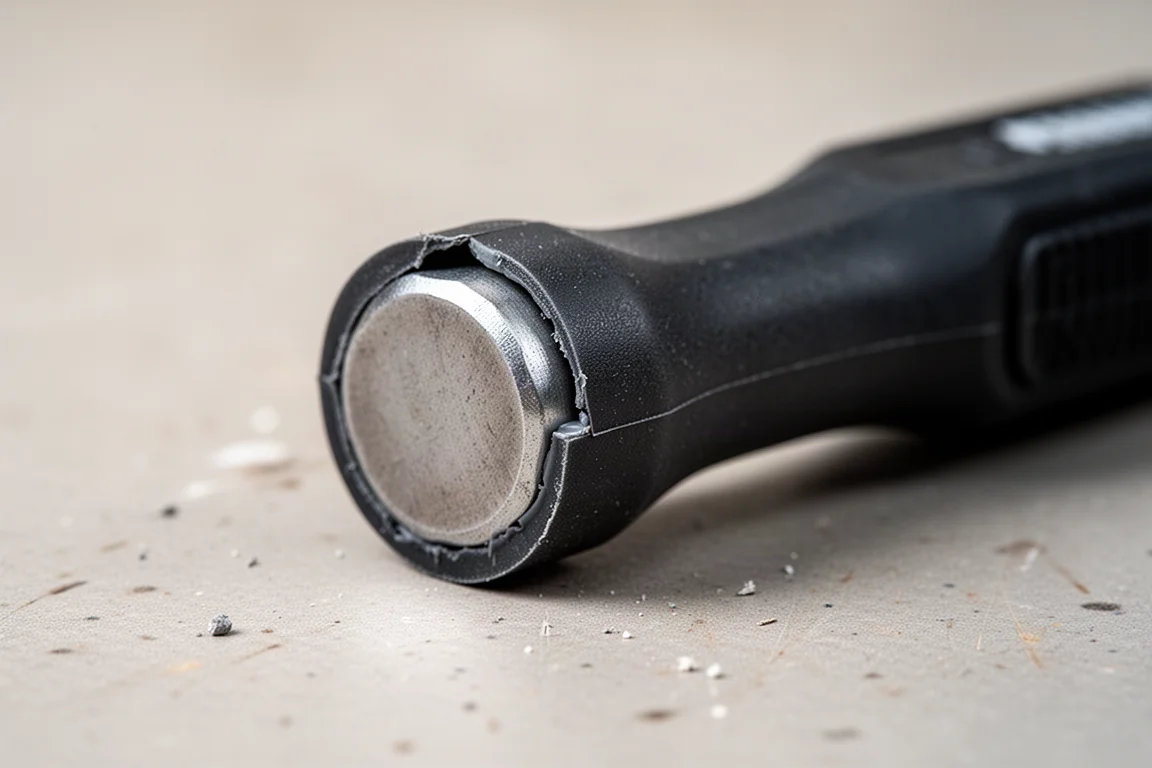
The coating thickness is also uneven. A close look inside a cut-open handle shows the distance between the core steel and the outer plastic varies, getting noticeably thin along a seam. That thin spot is a plausible weak point, which reinforces the message: treat these as spark-and-short reducers for 12-volt work, not as insulated hand tools.
What Is Really Inside
A magnet sticks firmly along the entire handle, so there is definitely metal in there. The construction appears to be a steel core wrapped in a polypropylene-style coating, with a harder plastic layer running down over that and terminating at an end cap. The finish on the underlying metal is rough and unfinished, which is unsurprising at this price.
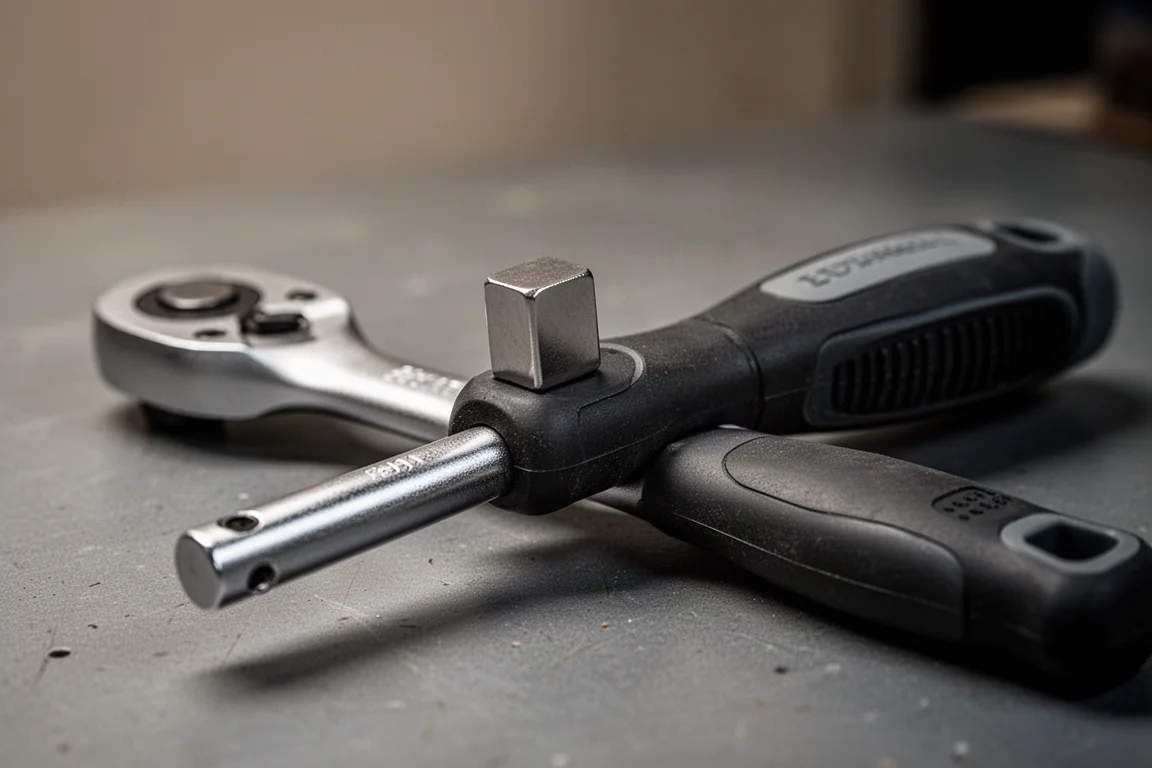
Compared with a true insulated tool that contains no metal at all in the handle area, the difference is clear. It is also worth noting that even comfort-grip handles on ordinary ratchets offer essentially no electrical protection, so the coating here, while not rated, still puts these ahead of a bare vinyl grip.
Buying Advice
If your goal is a dedicated ratchet for battery terminals and low-voltage automotive electrical work, the 1/4 inch size is an easy recommendation for the battery kit. The quick-release mechanism and composite grip make it pleasant to use, and the low price means you will not hesitate to leave it in the box with the jumper cables.
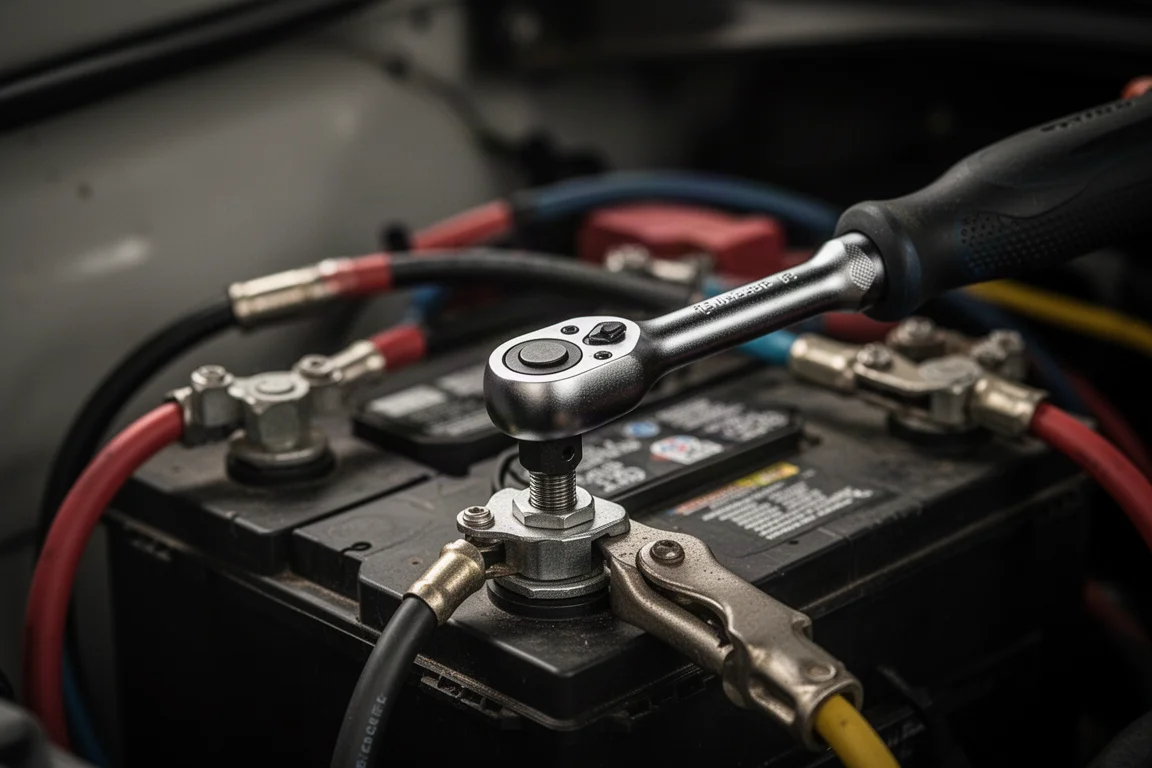
If you need certified protection for mains voltage or higher-energy work, buy a properly rated insulated tool instead. But for the specific, common scenario of working near a car battery without shorting it out, these Pittsburgh ratchets deliver a lot of practical value for the money.
Conclusion
The Pittsburgh composite ratchets are not insulated tools, and they should never be treated as such. They are inexpensive, well-shaped ratchets with a coating that meaningfully reduces the risk of shorting a 12-volt battery during ordinary maintenance. Within that honest scope, they are one of the more sensible small purchases for a home or shop battery kit.
Product link
View more details for Harbor Freight Pittsburgh Composite Ratchet
This product is mentioned in the review. Check the specifications, options, and compatibility before buying.
View more details for Harbor Freight Pittsburgh Composite RatchetFurther reading
Related Reviews
Hand Tools
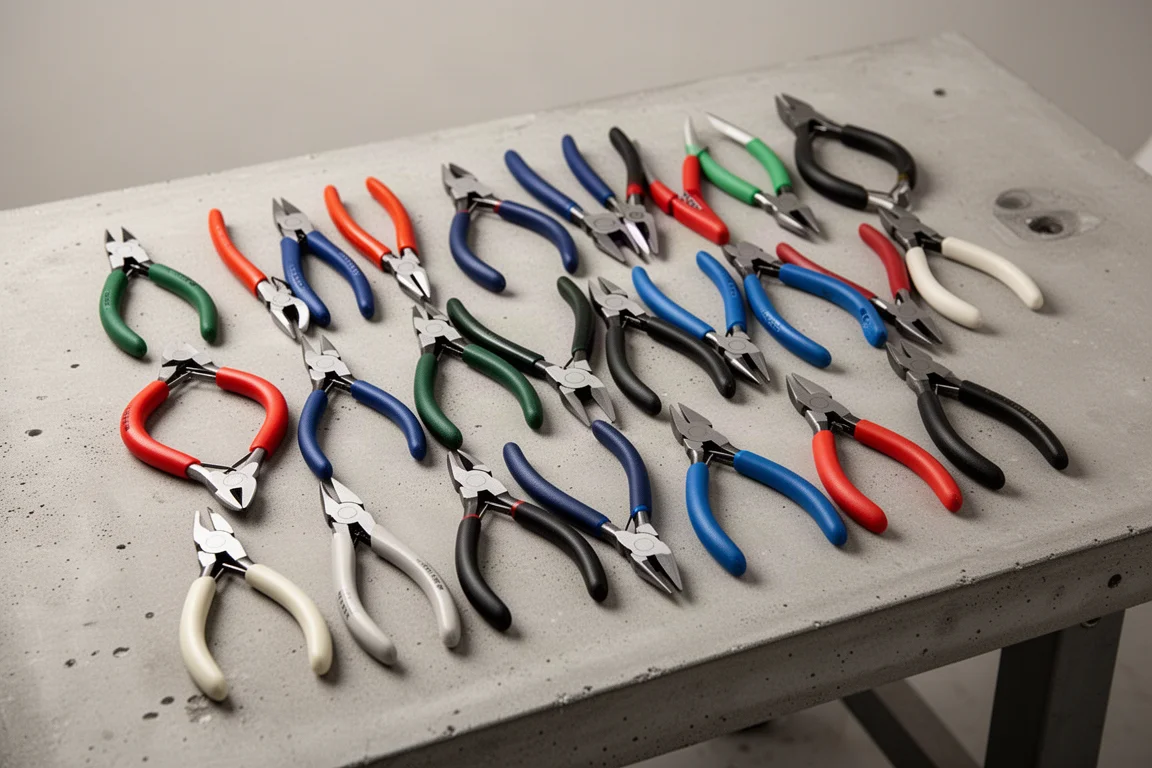
Best Diagonal Cutters 2026: 16 Pliers Tested for Cutting Power and Durability
We put 16 diagonal cutters through nail, screw, drill bit, and hex key tests to find the best value picks for your toolbox.
Hand Tools
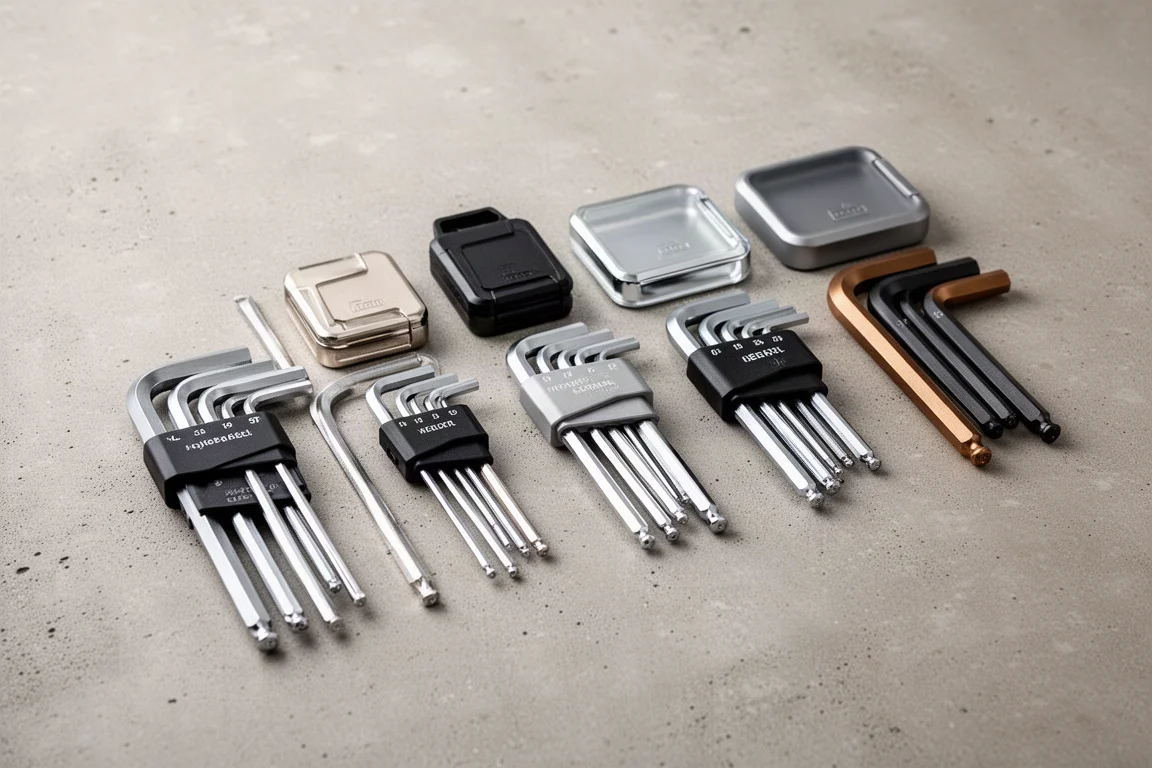
Best Hex L Key Sets 2026: Nine Sets Tested for Real-World Torque
Nine hex L key sets from budget to premium, tested for torque, fit, and durability. See which sets deliver real performance and which ones to skip.
Hand Tools
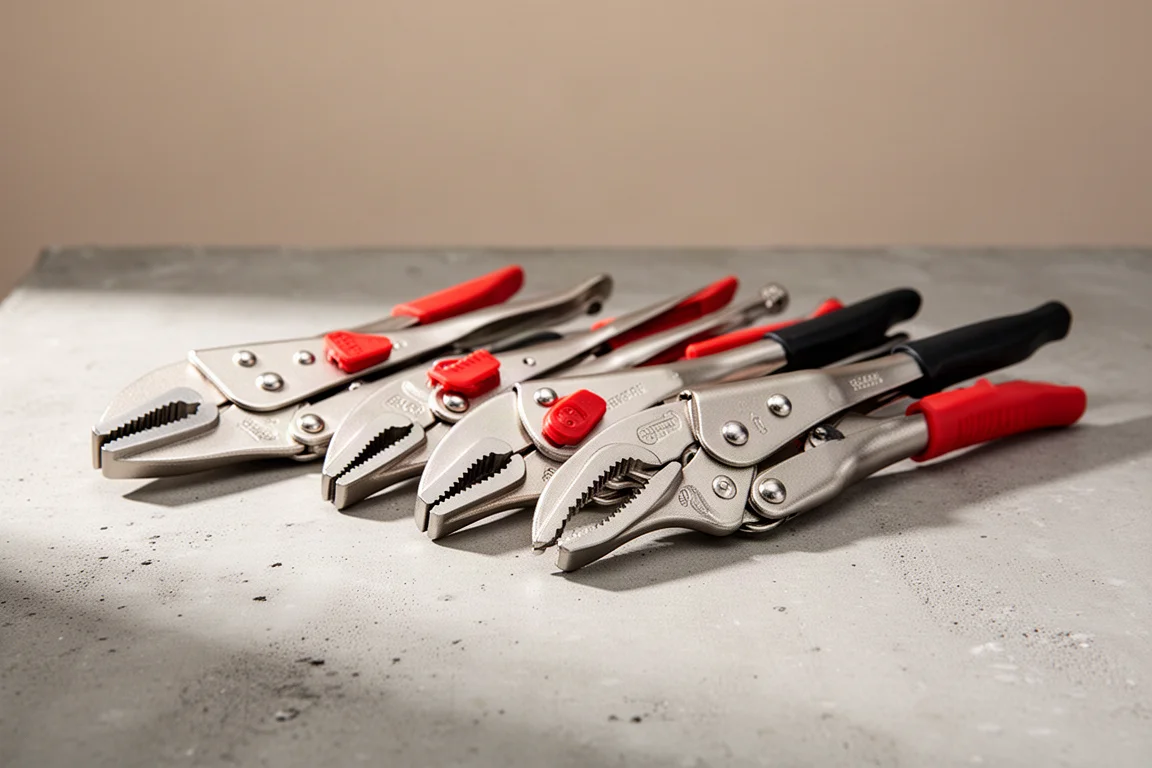
Best Locking Pliers 2026: Top Picks Tested for Grip and Durability
We tested 18 brands of 10-inch locking pliers for grip strength, jaw bite, build quality, and ease of release to find the best options for tough jobs.