Power Tools
Three New Harbor Freight Hercules Saws Tested: Sidewinder, One-Handed and Full-Size Reciprocating
We look at Harbor Freight's newest Hercules circular saw, one-handed reciprocating saw, and full-size reciprocating saw, covering strengths, trade-offs, and who each one suits.
Introduction
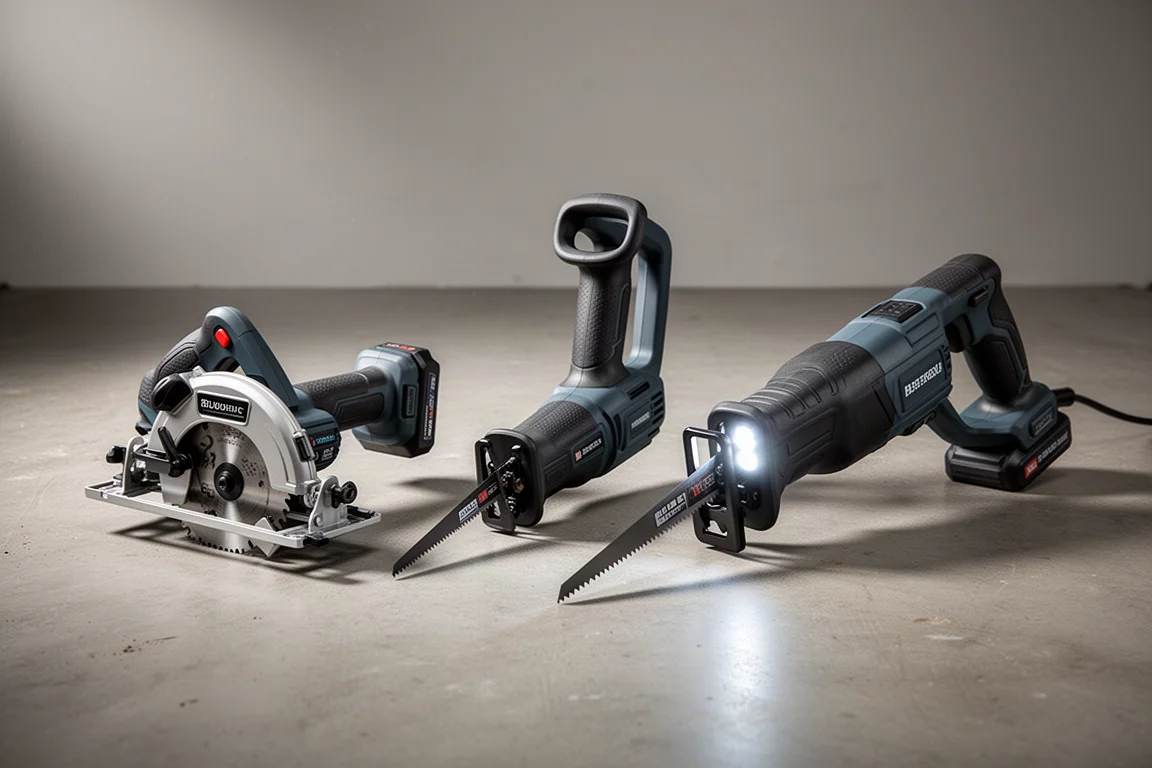
Harbor Freight’s Hercules line has been turning heads with its recent releases, and three new saws add to that momentum: a Sidewinder circular saw, a one-handed reciprocating saw, and a full-size reciprocating saw. Each one has genuine strengths, and each one comes with a trade-off you should know about before buying. Here is how they stack up for real cutting work.
Hercules Sidewinder Circular Saw
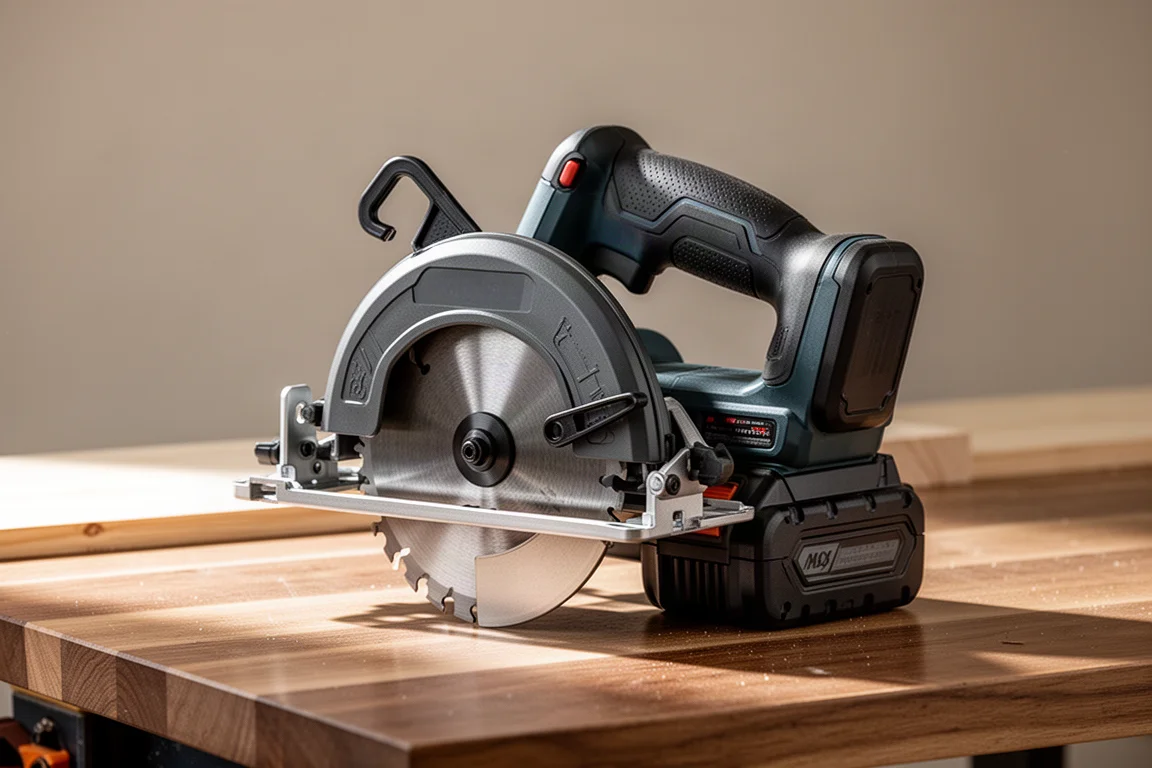
The Sidewinder runs at 5,000 RPM with a maximum cut depth of 2.5 inches at 90 degrees and 1.875 inches at 45 degrees, and it weighs just 7.4 pounds. It is fully brushless, includes a rafter hook on top, and features large, easy-to-read adjustment numbers that make bevel and depth changes simple. The blade sits on the right side, which right-handed users who prefer right-side blades will appreciate, though some riders of the rear-handle persuasion may prefer a left-side blade.
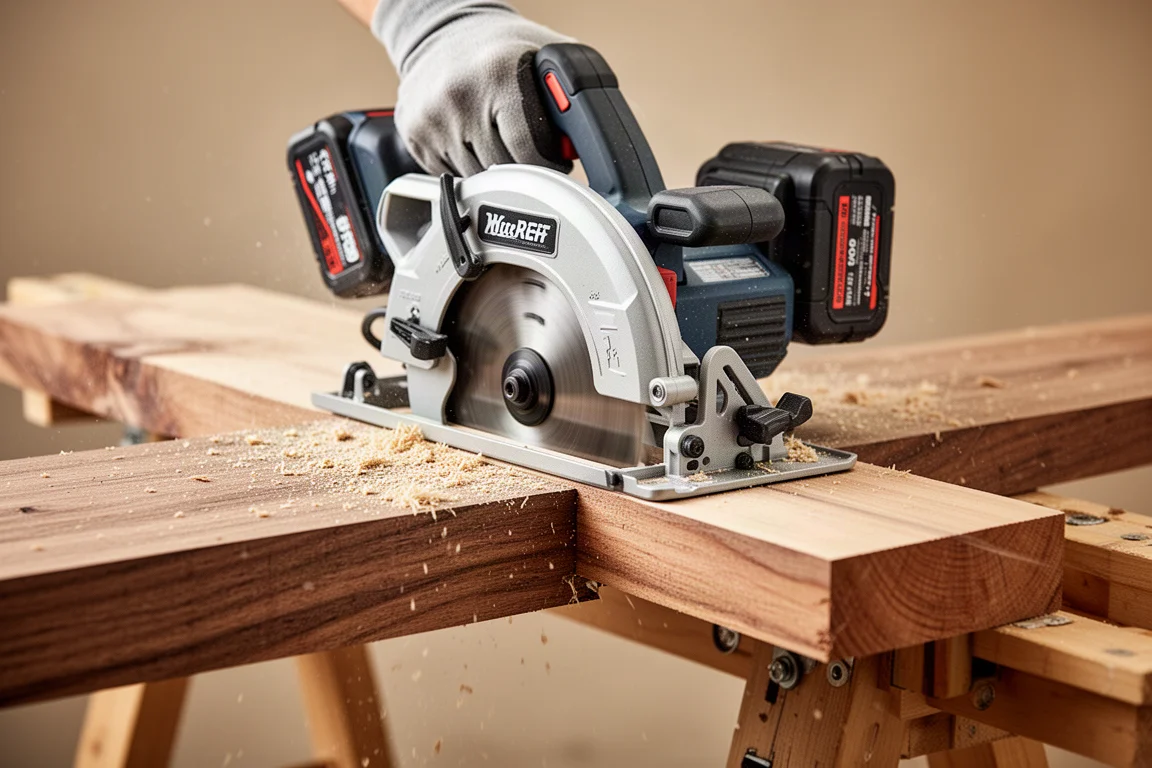
In testing with a metal-and-wood demolition blade and a fully charged 8Ah battery, the saw struggled when it hit nails and stainless screws embedded in a board, stalling twice. It also leaves a fair amount of dust sitting on top of the workpiece despite a decent dust-blowing feature. For basic cuts in MDF, plywood, and clean lumber, it performs fine; just do not expect it to power through hidden fasteners the way more powerful saws do.
Hercules One-Handed Reciprocating Saw
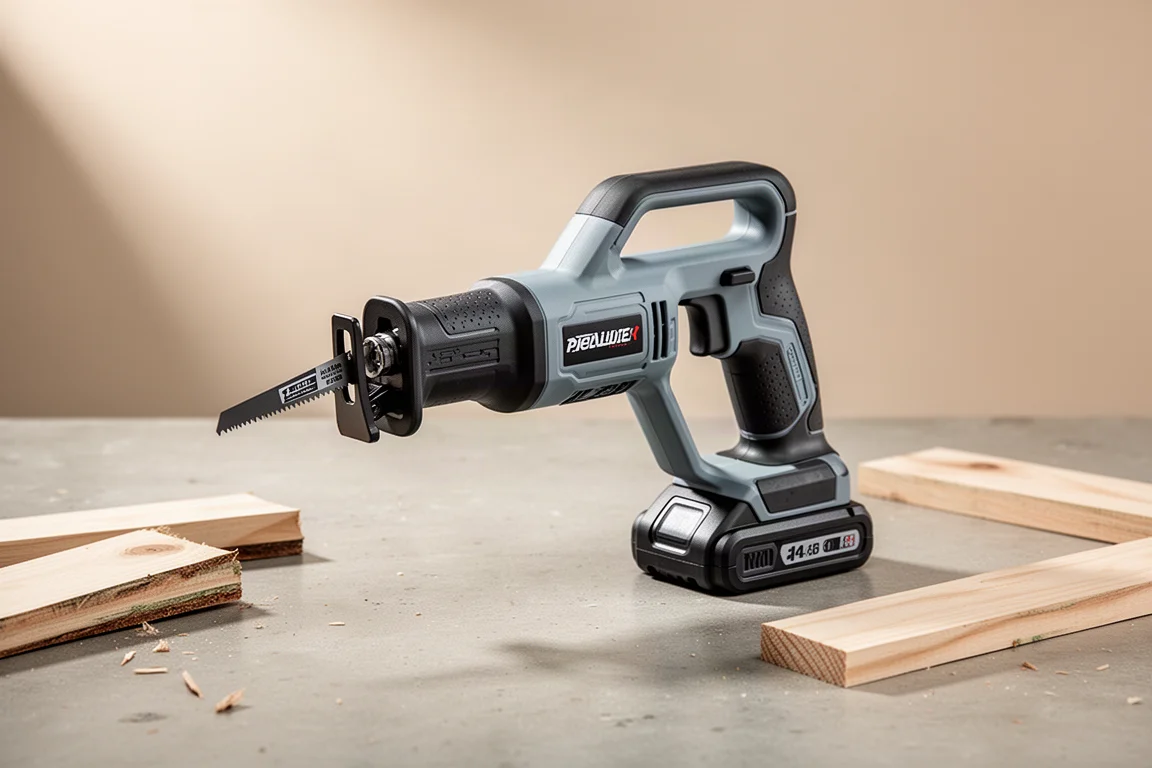
This one-handed recip saw is slightly larger than many competing one-handed models, particularly around the top grip area, but it stays light and easy to maneuver. It delivers a 7/8-inch stroke length at 3,000 strokes per minute, and build quality is solid, including a metal collet that makes blade changes simple.
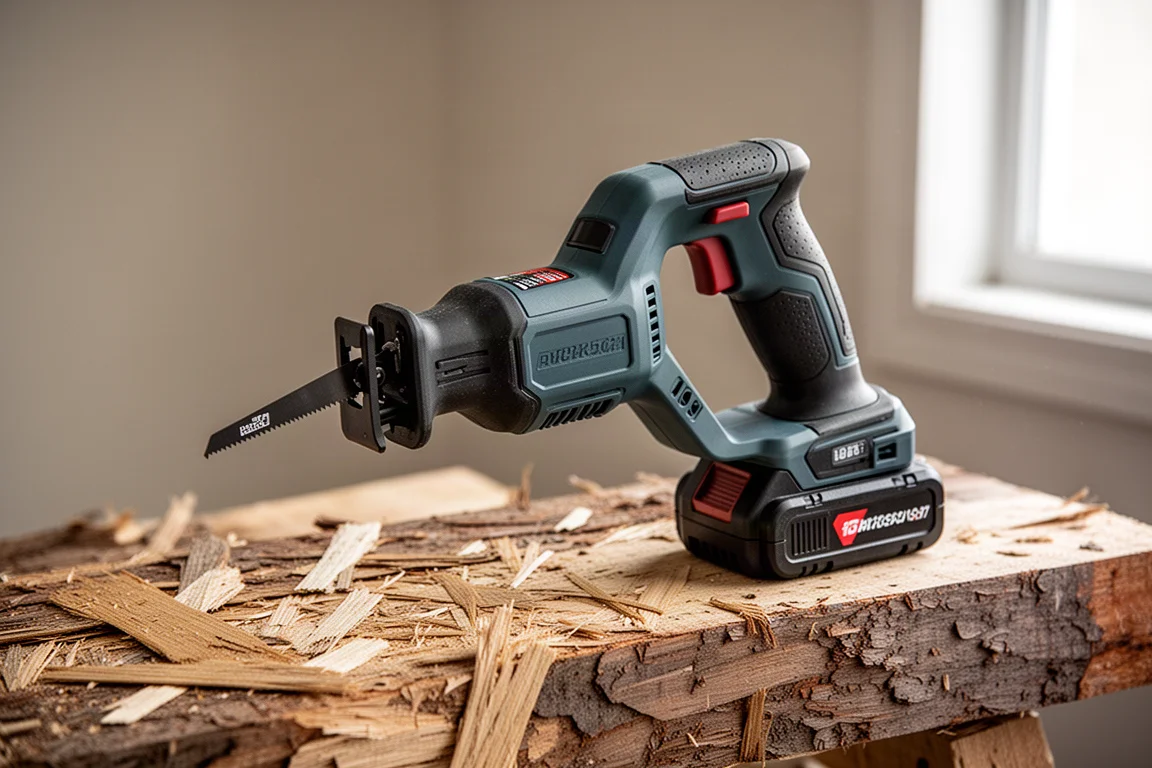
It is designed for compact use, so pairing it with a standard 5Ah battery rather than a large pack keeps the balance right. There is a comfortable rest on top for a supporting hand, and it offers a surprising amount of orbital action for its size. It is not the fastest recip saw available, but with light downward pressure it did not bog down, and it felt good in the hand overall.
Hercules Full-Size Reciprocating Saw
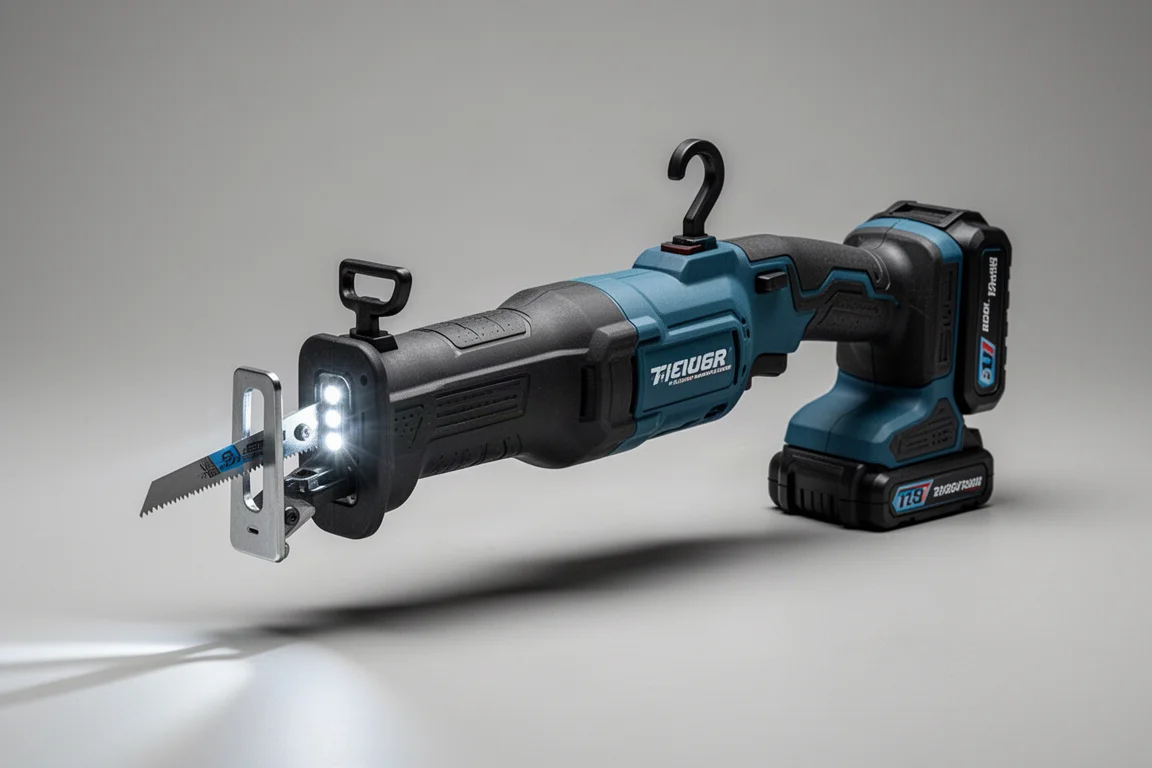
The full-size recip saw steps up to a 1-1/8-inch stroke length while keeping the same 3,000 strokes per minute, and it is remarkably light at just 6.3 pounds. The LED light on the front is a welcome addition, and the shoe is exceptionally easy to adjust with the press of a button. A quick-release lever opens the blade clamp smoothly, and once locked in, the blade has very little play, which speaks well of the build quality. A rafter hook is included here as well.
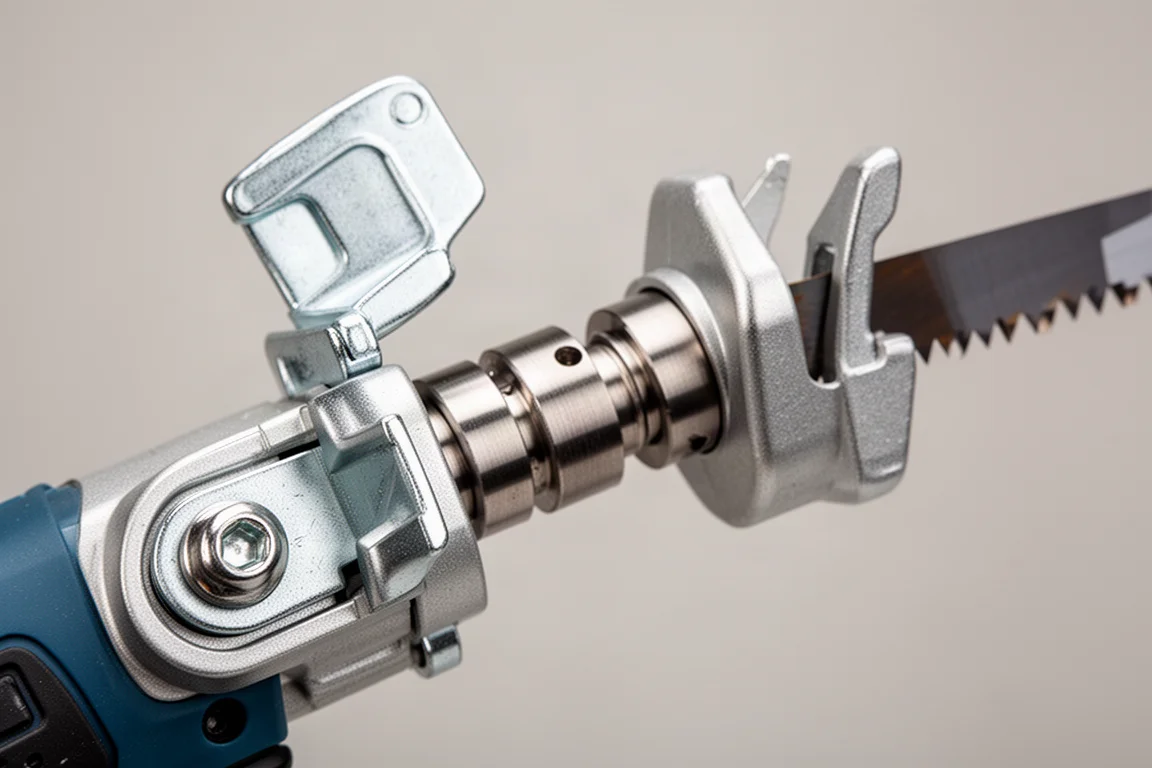
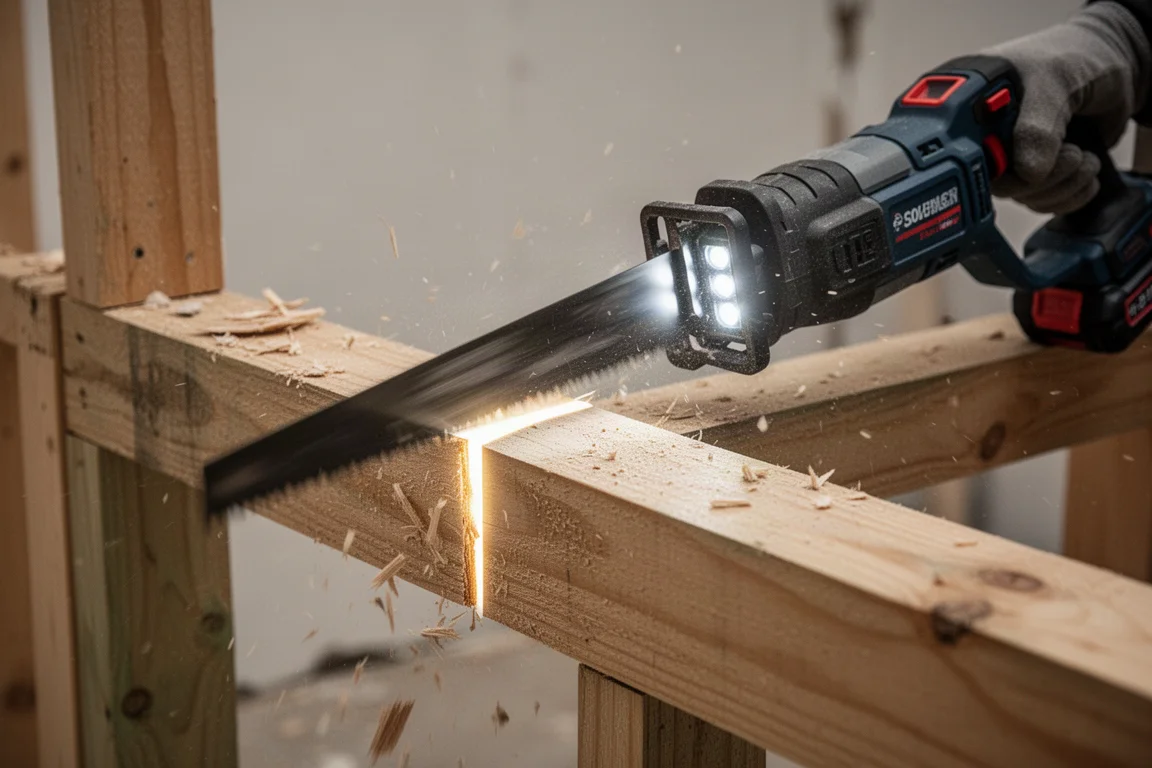
The notable omission is an orbital switch or knob: this saw is in orbital action all the time. For demolition work in wood, treated lumber, and pipe, that aggressive stroke works great. But when cutting thick metal with a heavy-duty blade, the constant orbital vibration becomes uncomfortable. Some competing saws omit orbital action entirely, which avoids this problem when cutting metal. Whether always-on orbital is a deal-breaker depends entirely on how you plan to use the tool.
Which One Should You Buy?
If your cutting is mostly straightforward, the Sidewinder circular saw handles basic work in sheet goods and clean lumber without issue, though its underpowered performance in fastener-laden boards is worth weighing against its otherwise appealing design. The one-handed recip saw is the easiest recommendation of the three for versatility in a compact package. The full-size recip saw is the pick for demolition-focused users, provided you can live with permanent orbital action and the vibration it brings when cutting metal.
Conclusion
All three Hercules saws bring thoughtful features like brushless motors, rafter hooks, easy adjustments, and strong build quality at approachable prices. Match the saw to your actual workload: the Sidewinder for light circular-saw duty, the one-handed recip for compact versatility, and the full-size recip for demolition work where its always-on orbital stroke is an asset rather than a drawback.
Further reading
Related Reviews
Power Tools
Best 1-Inch Pistol Impact Wrenches: Three Heavy-Duty Options Compared
We compare three 1-inch pistol impact wrenches, from a budget-friendly Harbor Freight model to a premium Caterpillar unit, to help you choose the right one.
Power Tools
Best 3/4-Inch Impact Wrenches 2026: Five Contenders Compared
We compare five 3/4-inch impact wrenches across price and performance, from a budget Amazon option to Snap-on's most powerful model yet.
Power Tools
Best Budget Cordless Tools 2026: Walmart Finds That Punch Above Their Price
We tested five cordless tools from Walmart, including a high-torque impact wrench that trades blows with Milwaukee and a $35 duster that outperforms its price class.