Workshop Tools
Harbor Freight Doyle 6-1/2 in. Vise: A First Look at a Solid Bench Upgrade
Harbor Freight's new Doyle vise replaces the much-maligned Central Forge with ductile iron construction, replaceable jaws, and a genuinely usable anvil at a budget-friendly price.
Introduction
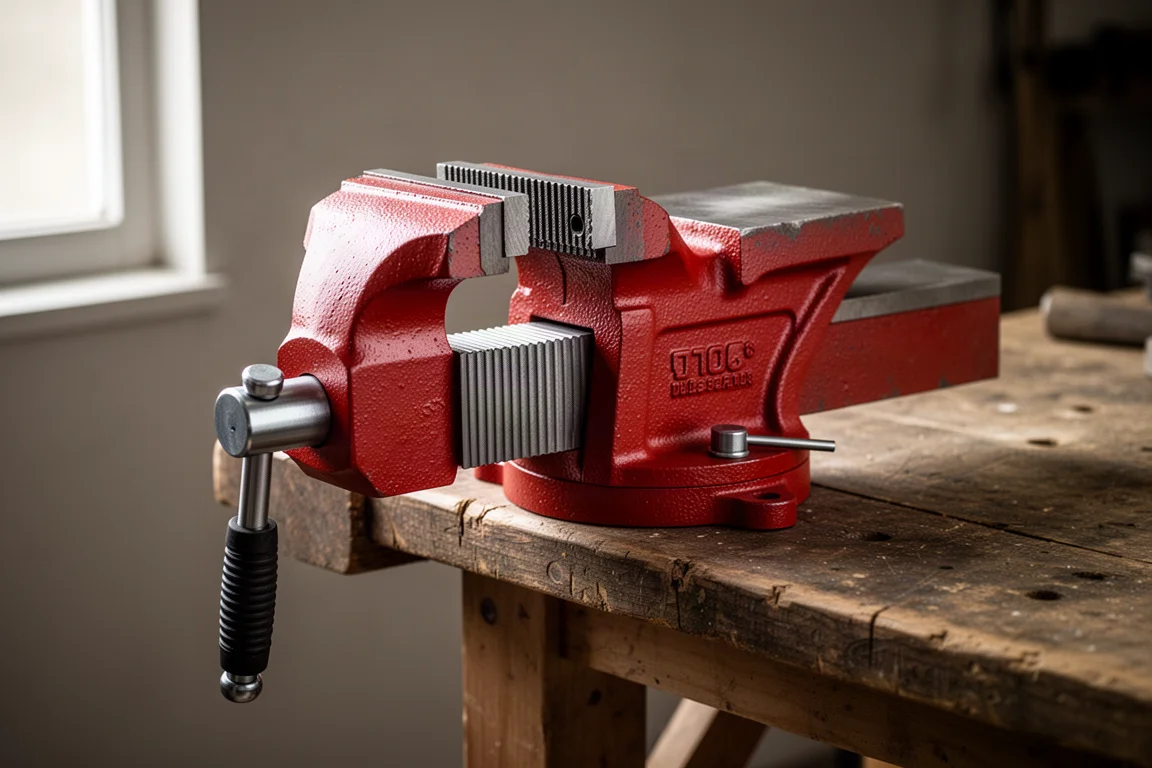
Harbor Freight has been stepping up the quality of its tool lines, and the new Doyle vise series is a good example of that push. The 6-1/2 in. Doyle replaces the old Central Forge vise, a cast iron model with a notorious reputation for snapping unexpectedly. The new Doyle is built from ductile iron instead, which bends rather than breaks under stress, and the difference is easy to see even in a quick first look.
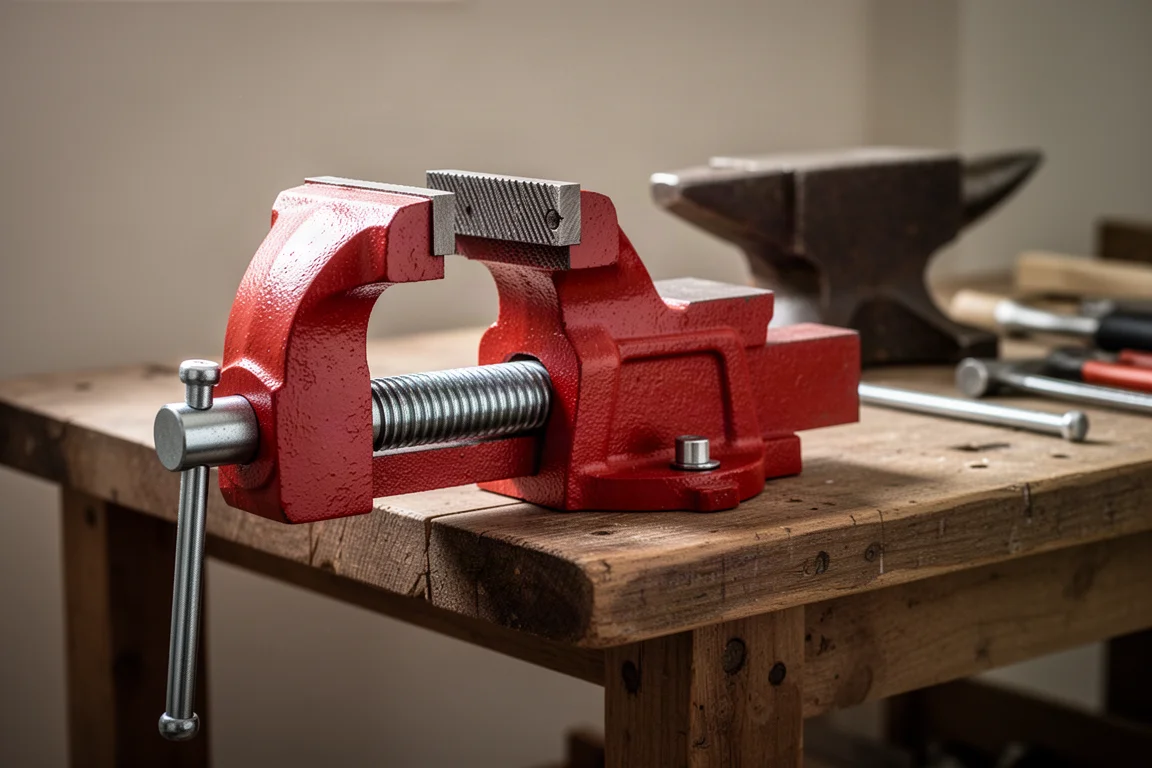
One odd quirk: Harbor Freight rarely undersells its own products, yet the marketing calls this a 6-inch vise while the casting itself reads 6-1/2 in. That extra half inch is not mentioned anywhere in the official listings, which is strange for a company that usually leans the other way. It is a small point, but it reinforces that this vise measures up to, and slightly beyond, what the label promises.
What Stands Out
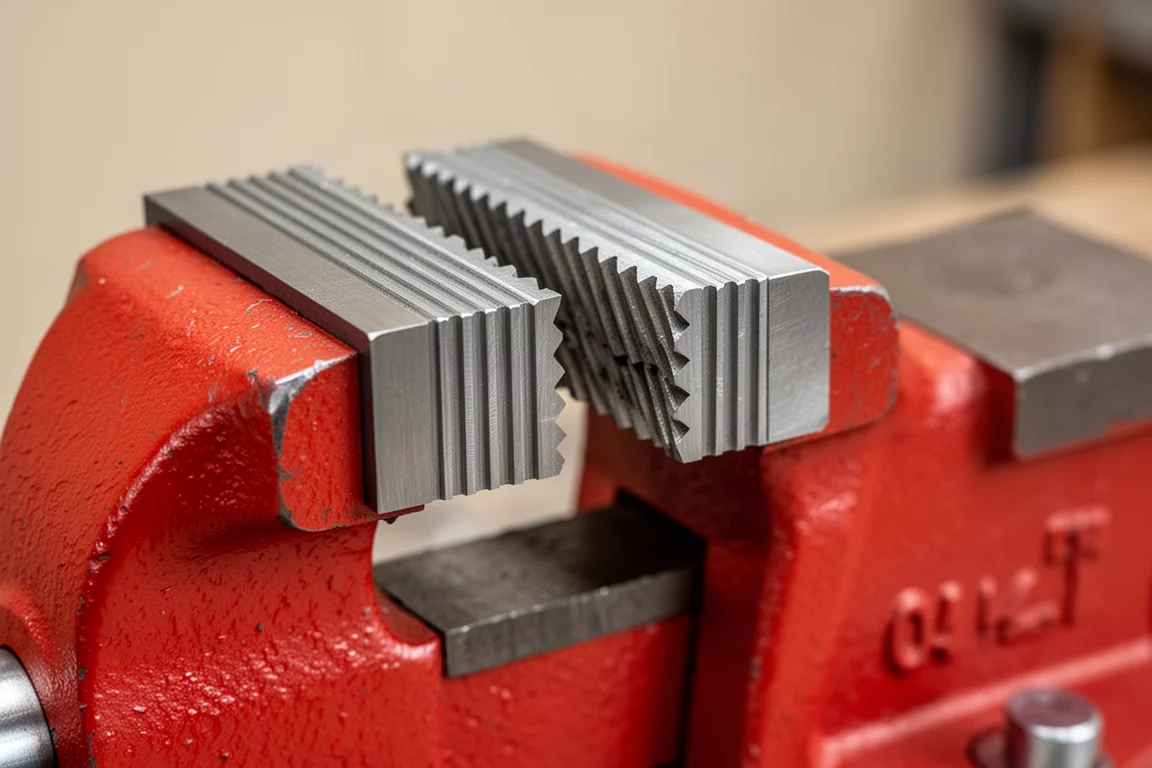
The first thing worth noting is the pipe grippers built into the jaws, along with replaceable jaw faces. If you work with softer materials, you can fit copper or rubber soft-face inserts over the serrated jaws and protect your workpiece. That flexibility is a real plus at this price point.
The handles are wrapped in rubber, which makes clamping and releasing noticeably easier on the ears. Instead of a hard metal clank with every turn, the grip absorbs the noise, a small touch that makes the vise more pleasant to use over a long session in the shop.
Build Quality and Materials
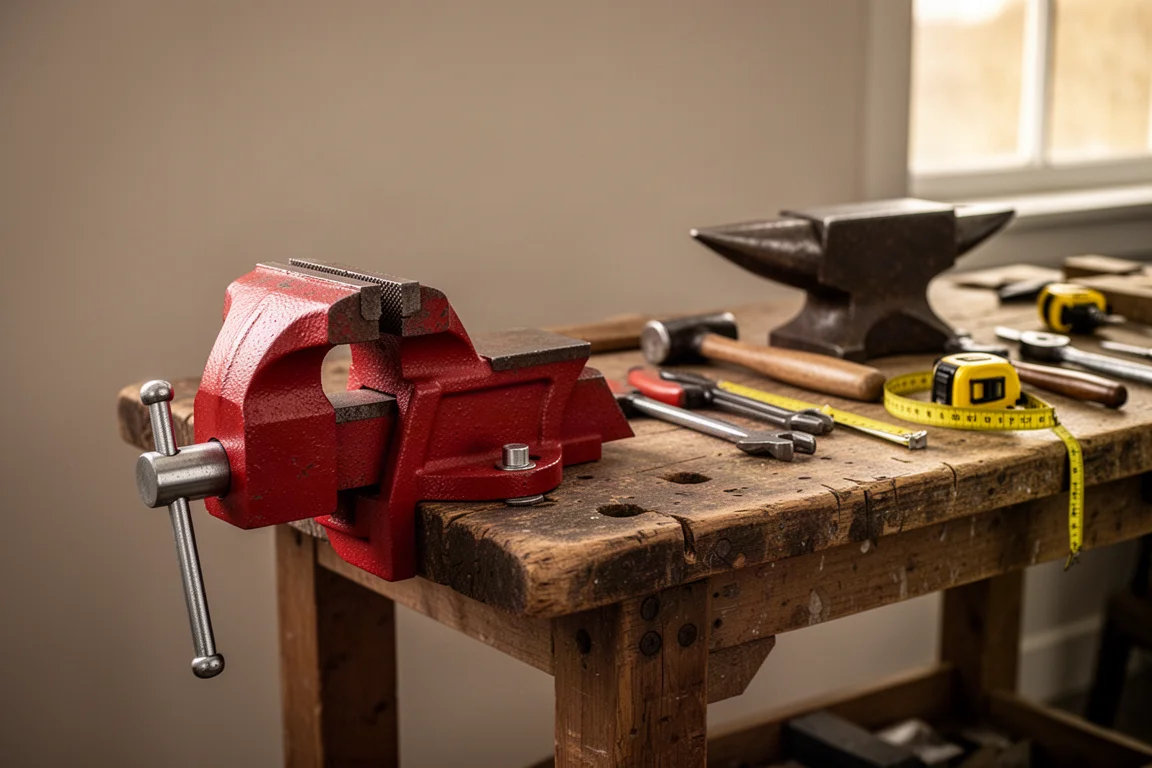
The construction feels solid throughout. There are no sharp edges or unfinished spots where the casting came out of the mold, which is a common issue with cheaper cast products. The red Doyle sits in roughly the same class as the old blue Central Forge, but the comparison is not close: the old cast iron versions had a habit of cracking with little warning, while ductile iron flexes instead of failing.
A decent-size anvil sits on the back, finished with a small cap to give it a clean, complete look. It is not a large anvil, and it may not replace a dedicated blacksmith setup, but it is there when you need it for light straightening and forming work.
Checking Under the Paint
Cheaper vises have sometimes come out of the foundry with voids in the casting that were later filled with non-metal material before painting. A close inspection of the Doyle, including checking the body surface directly, turned up nothing under the paint. The casting looks clean and consistent, with no hidden filler anywhere on the body.
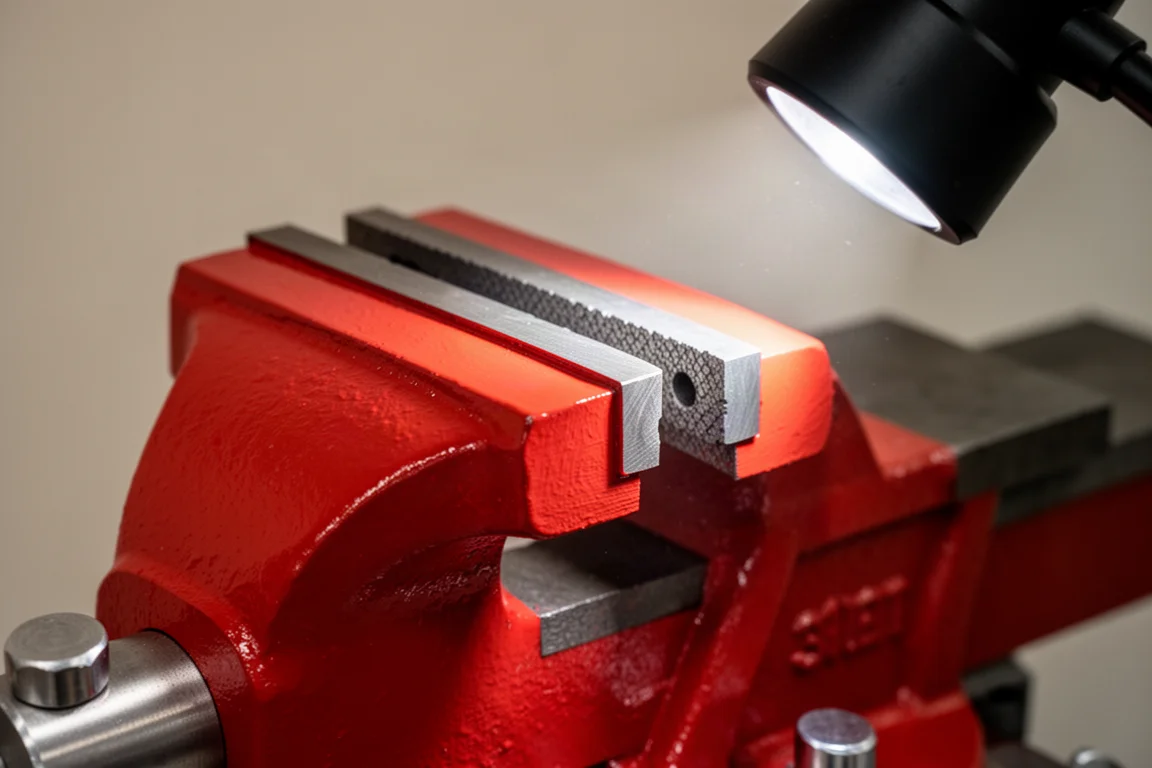
For a budget vise, that kind of transparency matters. Casting voids are one of the classic failure points in cheap workshop vises, and the Doyle passes the skin-level check without raising concerns.
How It Compares to Wilton
Some people call the Doyle a clone of the Wilton. Side by side, the resemblance is not obvious. A comparable Wilton runs around $530 versus roughly $200 for the Harbor Freight vise, and the Wilton is a noticeably blockier design, especially in the head. The Doyle’s body shape is closer to the Wilton, while the head recalls the rounder Wilton bullet-style vise, which sells for around $840. It is less a clone and more a morphing of the two designs.
Interestingly, both Wilton models are also ductile iron, which shows how respected that material is even in high-end vises. The Doyle uses the same construction philosophy at a fraction of the cost.
Is It Worth the Price?
At full price around $200, this does not feel like a bad deal. A more conservative estimate puts it as clearly worth $150, and $200 still seems fair, especially compared to the inflated prices people ask for used vises and anvils on Craigslist and Facebook Marketplace. If you can snag one of the now-rare 20% off coupons, bringing the price down to around $160, it becomes a no-brainer.
For anyone tempted to hold out for USA-made tools, keep in mind that a domestic vise in this class would cost far more. If the budget is there, that choice is yours, but the Doyle makes a strong case for the value-oriented buyer.
Conclusion
The Harbor Freight Doyle 6-1/2 in. Vise is an easy pickup at a reasonable price, built from ductile iron that bends rather than snaps, with replaceable jaws, rubber-cushioned handles, and a usable rear anvil. It is a clear step up from the Central Forge it replaces, and with a coupon in hand it is one of the better value propositions in the budget workshop vise market.
Product link
View more details for Harbor Freight Doyle 6-1/2 in. Vise
This product is mentioned in the review. Check the specifications, options, and compatibility before buying.
View more details for Harbor Freight Doyle 6-1/2 in. ViseFurther reading
Related Reviews

Workshop Tools
Best Drill Tap Sets 2026: Top Picks Tested for Speed and Strength
We tested 17 drill tap sets to find the fastest drilling, strongest threading, and most durable options for your workshop.

Workshop Tools
Cool Shop Tools 2026: Five Clever Upgrades Worth a Closer Look
A practical look at five workshop tools that solve real problems, from smarter drill bits to a safer table saw guard.

Workshop Tools
Cool Tools for the Workshop: Five Smart Upgrades Worth Trying
A practical look at five workshop tools that make measuring, drilling, marking, and sawing easier, from a clever square to a top-tier bandsaw fence.