Hand Tools
Best Budget Socket Sets and Go-Bag Tools: A Practical Harbor Freight Build
A socket-focused tool kit built around affordable Quinn and Pittsburgh gear, plus a few Tekton and Icon extras worth adding.
Introduction
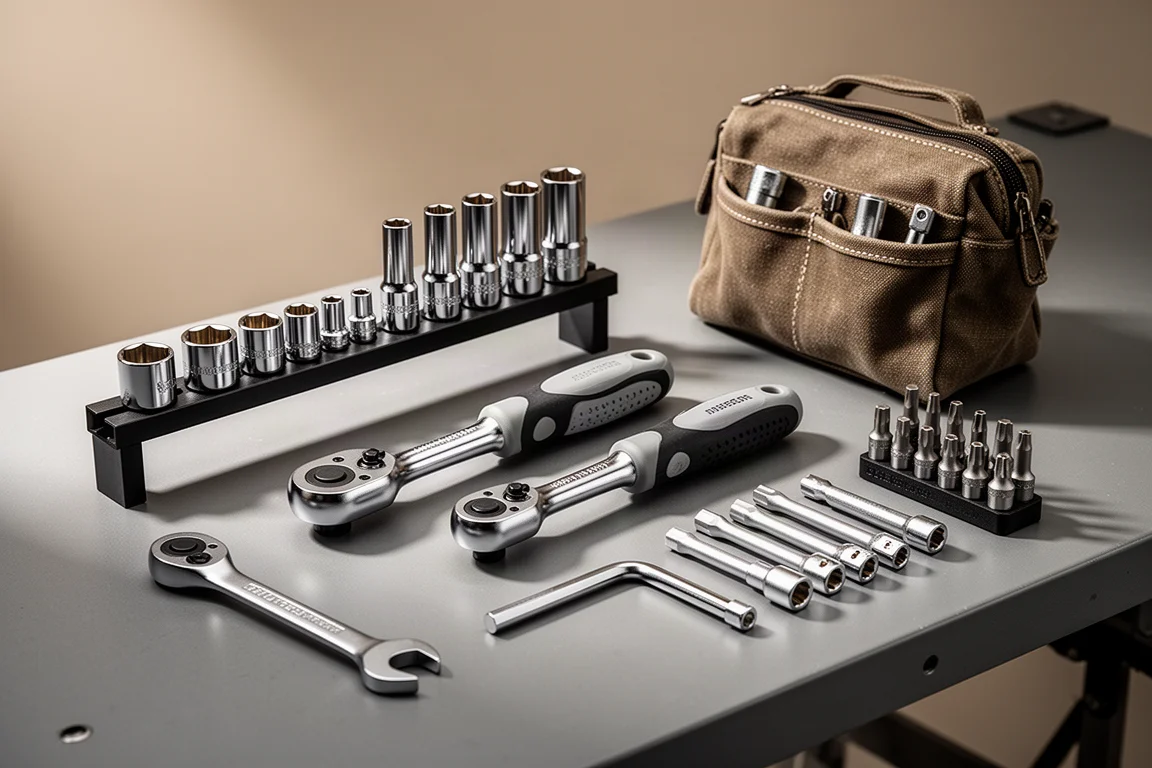
Sometimes the best tool haul is not one big purchase but a handful of small, well-chosen ones. On a recent trip during a 30% off sale on items under twenty dollars, a complete socket-focused kit came together for around fifty dollars: three Quinn socket sets, two Pittsburgh ratchets, and a few non-Harbor Freight additions from Tekton and Icon.
The result is a surprisingly capable go bag. No pliers, no screwdrivers, strictly sockets, ratchets, and extensions, all fitting into a bag smaller than you might expect. Here is what made the cut, what did not, and one simple hack that makes the bundled socket rails genuinely usable.
Quinn Socket Sets: The Core of the Build
The Quinn single socket sets in 1/4 in, 3/8 in, and 1/2 in drive were ten, eleven, and thirteen dollars respectively on sale. That alone makes them an easy recommendation, but there are details worth knowing before you pick your sizes.
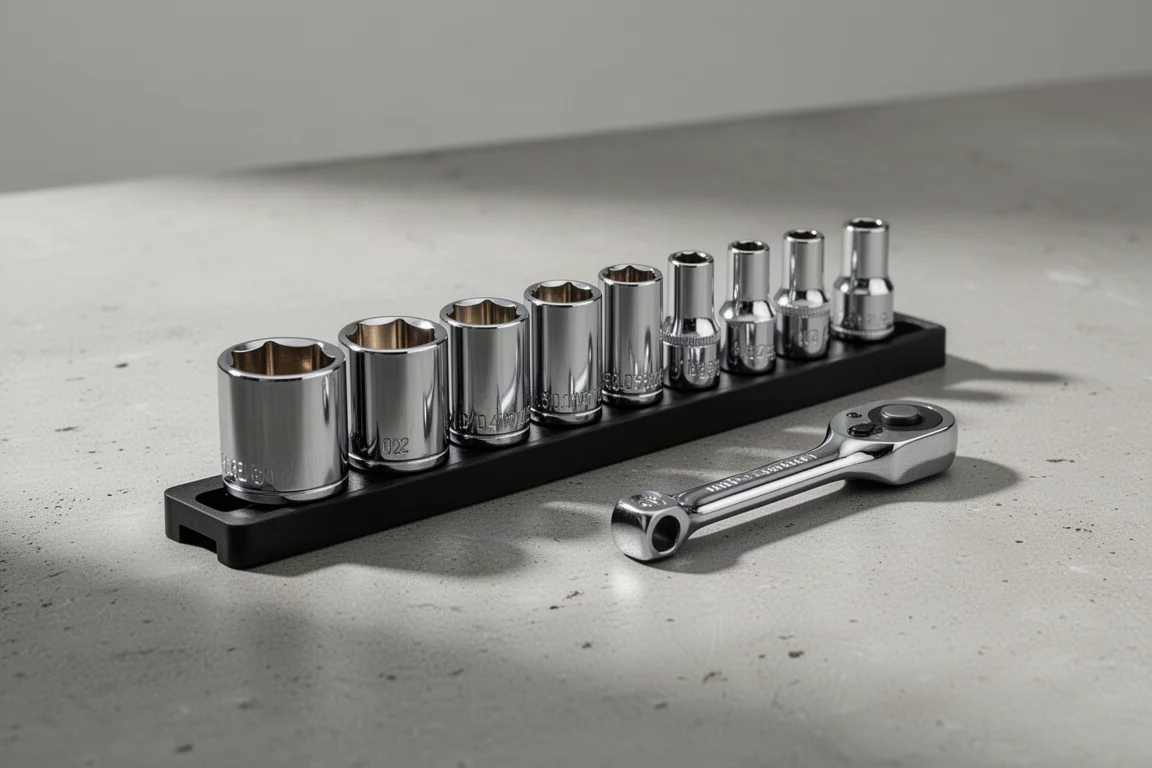
The first thing to check is the point count. The standard-depth Quinn and Pittsburgh sockets in 3/8 in and 1/2 in drive use 12-point sockets, which many people prefer to avoid. The deep sockets in both drives stay 6-point, which is a real advantage if you care about contact on fasteners. The 1/4 in set is 6-point throughout, based on the deep metric set that was picked up.
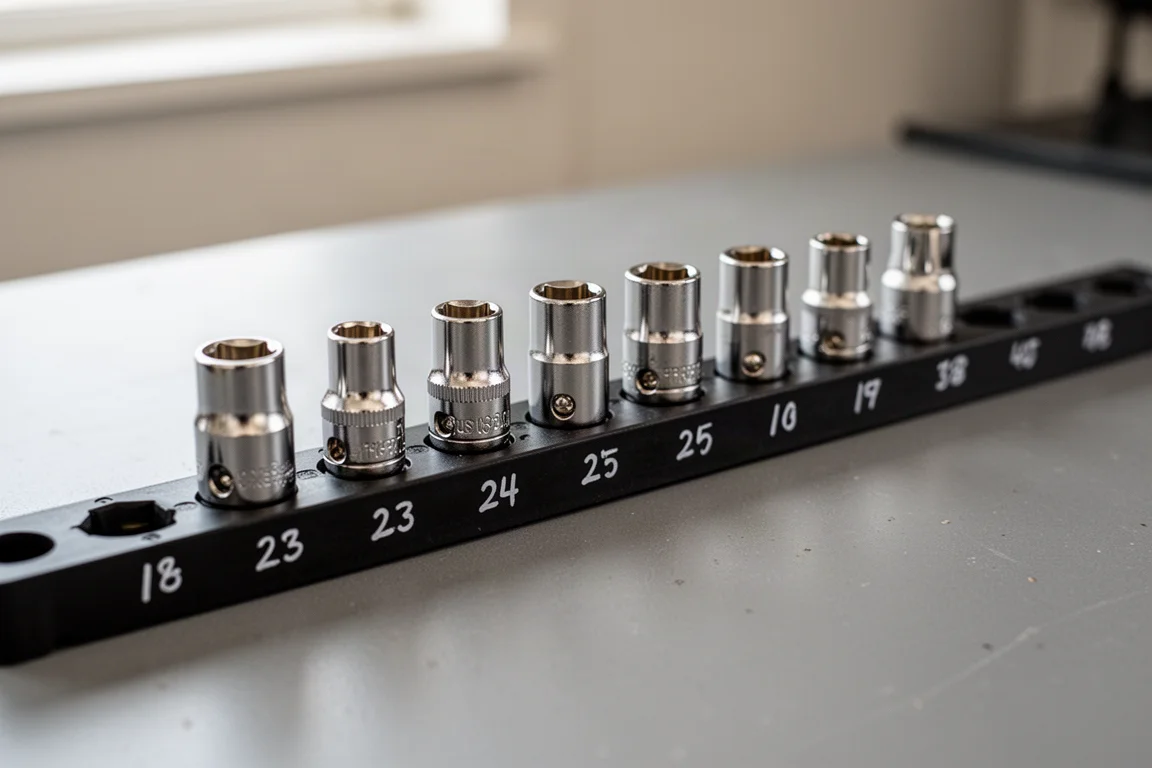
Size range is the second thing to know. The standard-depth set runs 10 to 17, skips 18, goes to 19, then skips 20 and 21 before landing on 22. So you do get a 22 mm socket, but there are a couple of skips in the middle. The deep sets run 10 to 19 with no skips.
One more note: the 1/2 in set is heavier duty, but its size range is identical to the 3/8 in set. If you want a wider half-inch range, you have to step up to the Icon single half-inch set, which lists at about $55. For this build, the 1/2 in set was skipped as redundant.
Quinn quality feels a step above Pittsburgh for only about two dollars more, and the sets carry a lifetime warranty with free socket rails included.
Pittsburgh Colored Sockets: A Skip
The Pittsburgh color-coded sockets are the same price as the chrome versions and appear to be the same sockets underneath. Some people genuinely love the color coding, but two things count against them here.
First, brand-new in the bag on the way home, they already picked up noticeable dings before touching a single bolt. Tools do not need to be pretty, but if you are buying them specifically for the color coding, arriving blemished is a bad start.
Second, the color coding is not synchronized between sizes. The 10 mm in the 3/8 in set is not the same color as the 10 mm in the 1/2 in or 1/4 in sets. The color sequence is the same across sets, but you cannot memorize a color per size. That makes it a solution without much of a problem, and this one earns a skip.
Pittsburgh Flex Head Ratchet
The Pittsburgh flex head ratchets are excellent for the money at twenty dollars list, around fourteen with the 30% discount. They are a little heavier than the stubby options, which makes them slightly less ideal for a compact go bag, but the flex head adds real reach-and-angle flexibility in tight engine bays.
If your bag has room, one of these rounds out the ratchet lineup nicely.
Pittsburgh Composite Teardrop Ratchet
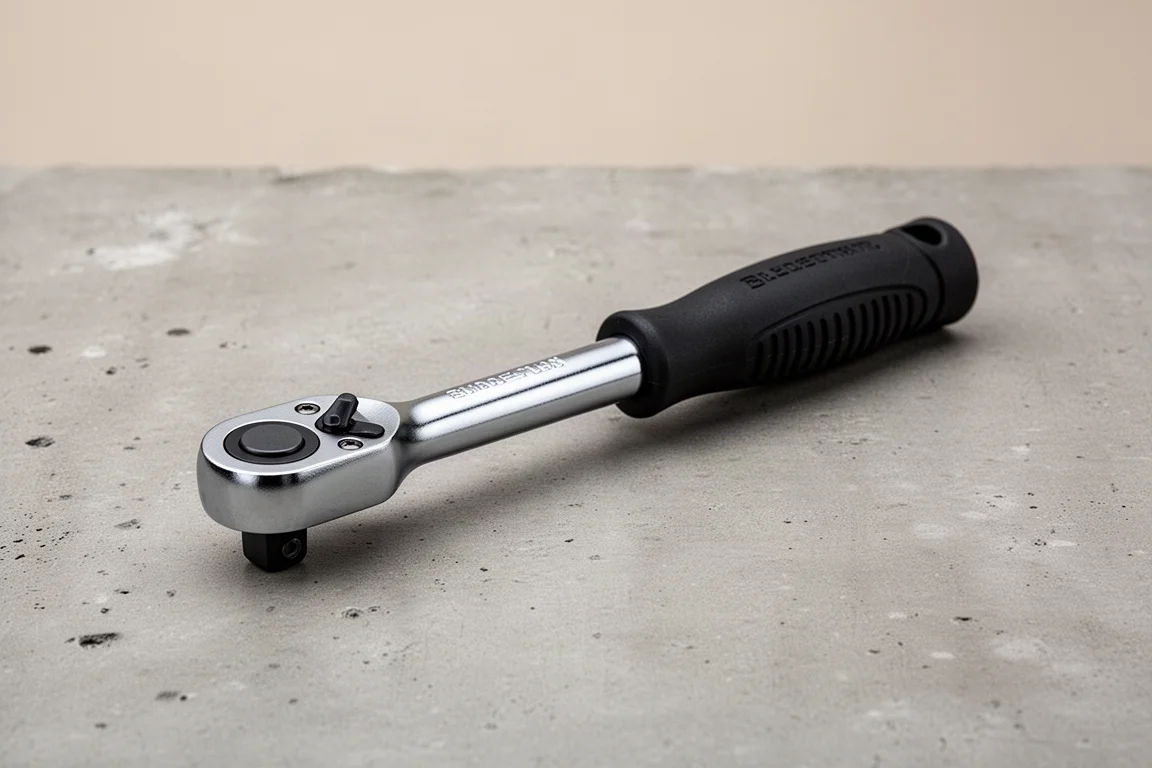
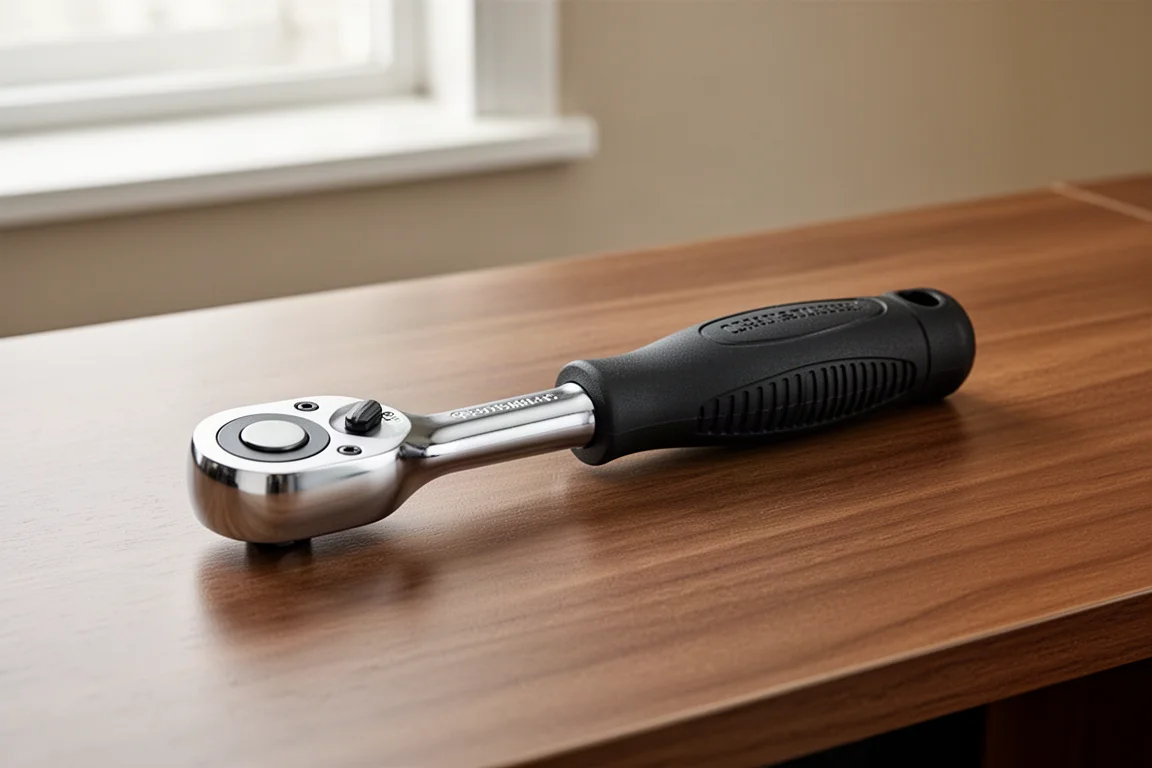
Some people prefer the Pittsburgh composite teardrop ratchets over the comfort-grip style. The mechanisms look identical, so performance should be the same; it mostly comes down to whether you want a traditional ratchet shape or a softer composite grip.
At nine and eleven dollars on sale, roughly twenty dollars for a pair, they were an easy add to the build. Both styles are inexpensive, so pick based on hand feel.
Turning the Bulky Socket Rails into Slim Go-Bag Rails
The Quinn and Pittsburgh socket sets come with socket rails that work fine in a drawer, but the bulky versions are barely usable in a bag. The good news: they convert into slim rails with a few cuts, and you avoid spending another ten or fifteen dollars on a proper socket rail.
There are two rail types. The ones with a bar across the top are easy: snip the top bar off with flush cuts, drill a small hole near the end, and thread a zip tie through to stop sockets from sliding off. Then trim the remaining clips flush on both sides and you have a low-profile rail that holds sockets surprisingly well.
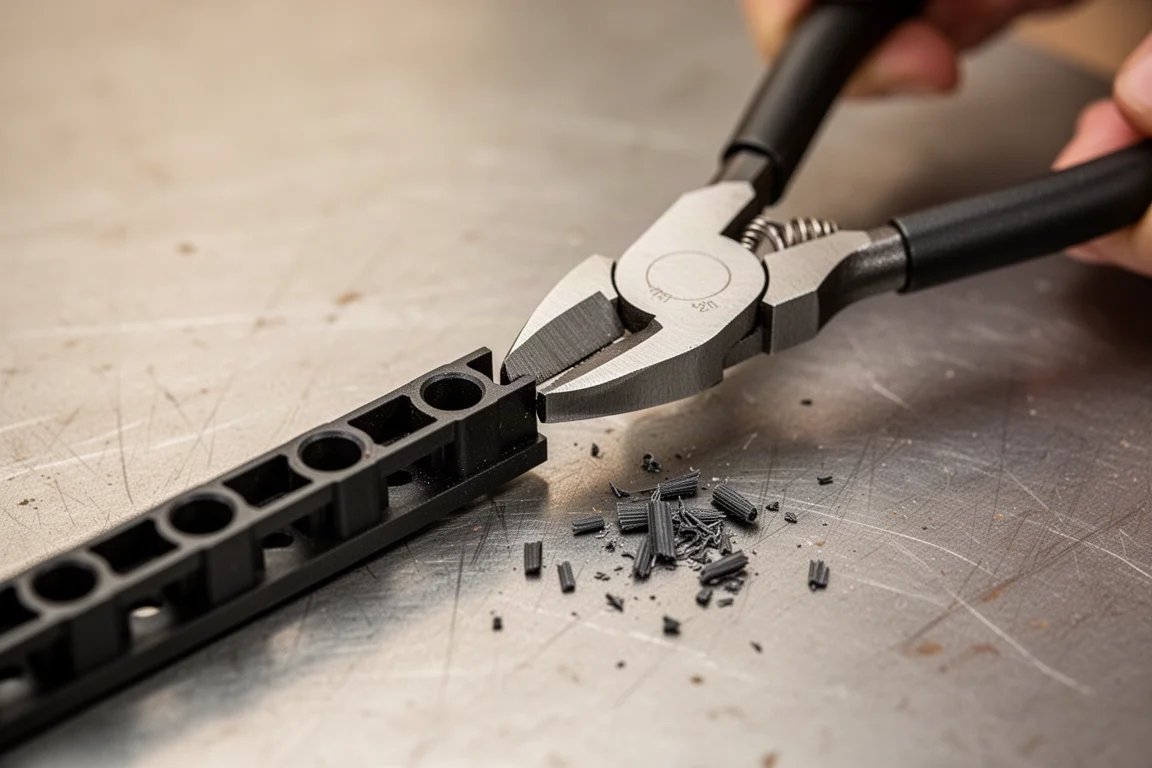
The rails without the top bar take more work. Getting the sockets off requires pliers, and each clip needs its sides trimmed down with side cutters or a file so sockets slide on and off without a fight. It is a bit of a hassle, but it works, and a silver Sharpie on the black plastic makes marking sizes easy.
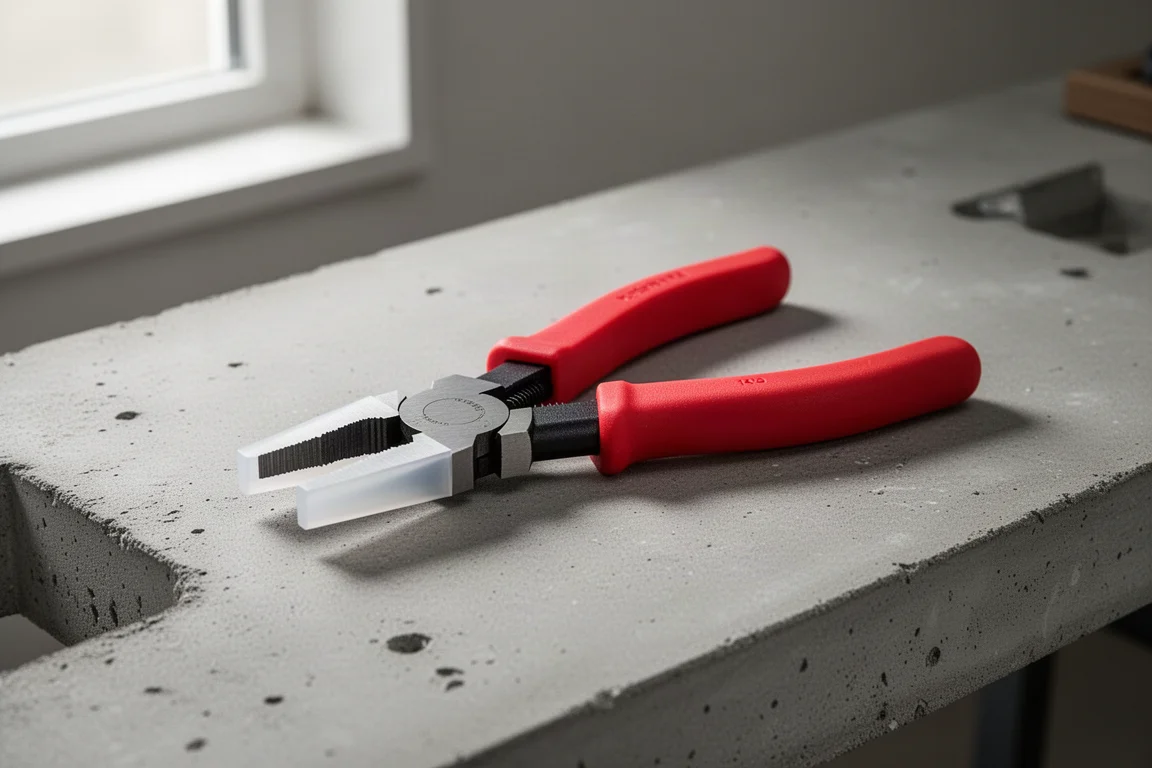
A pair of Sunoda assembly pliers handled the stubborn socket removal without warping anything. They are genuinely good, and comparable pliers from other brands do the same job.
Tekton Extras: L Wrench and Nut Drivers
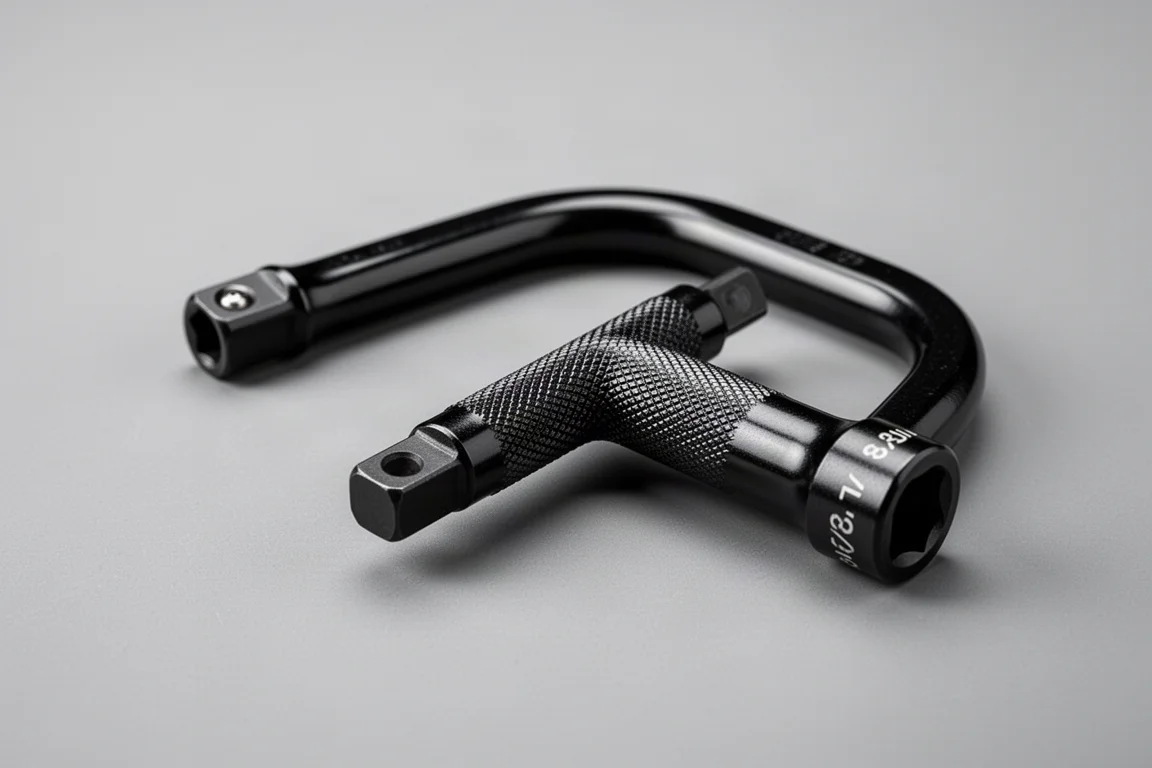
Two new Tekton pieces are not Harbor Freight tools, but both earn a place in the bag. The 3/8 in L wrench is around ten dollars, beautifully made with excellent knurling. Slide any 3/8 in socket onto it and you get a compact, high-torque turning tool. The long end even accepts a cheater bar, and the short end works as a wobble.
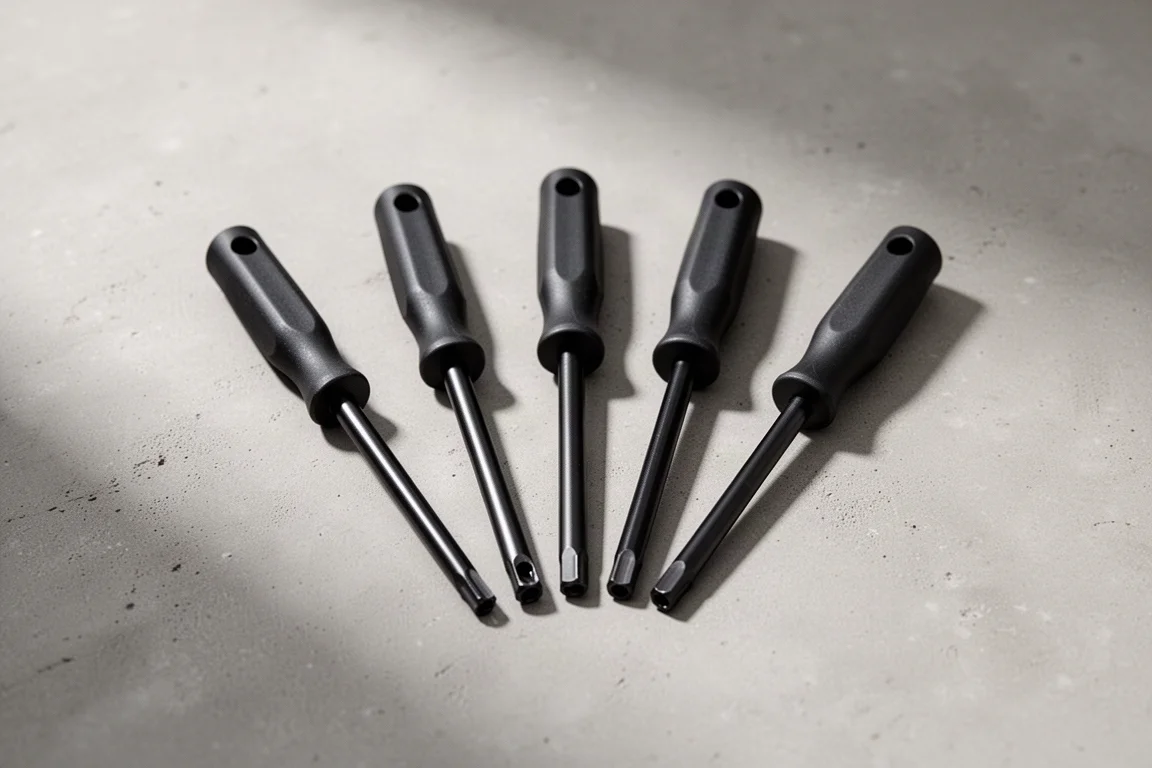
The Tekton 1/4 in nut drivers, at fifteen dollars, are also beautifully made. Not a Harbor Freight tool, but very good quality for the price and a sensible bag addition.
Stubby Ratchets: Tekton vs Icon G2
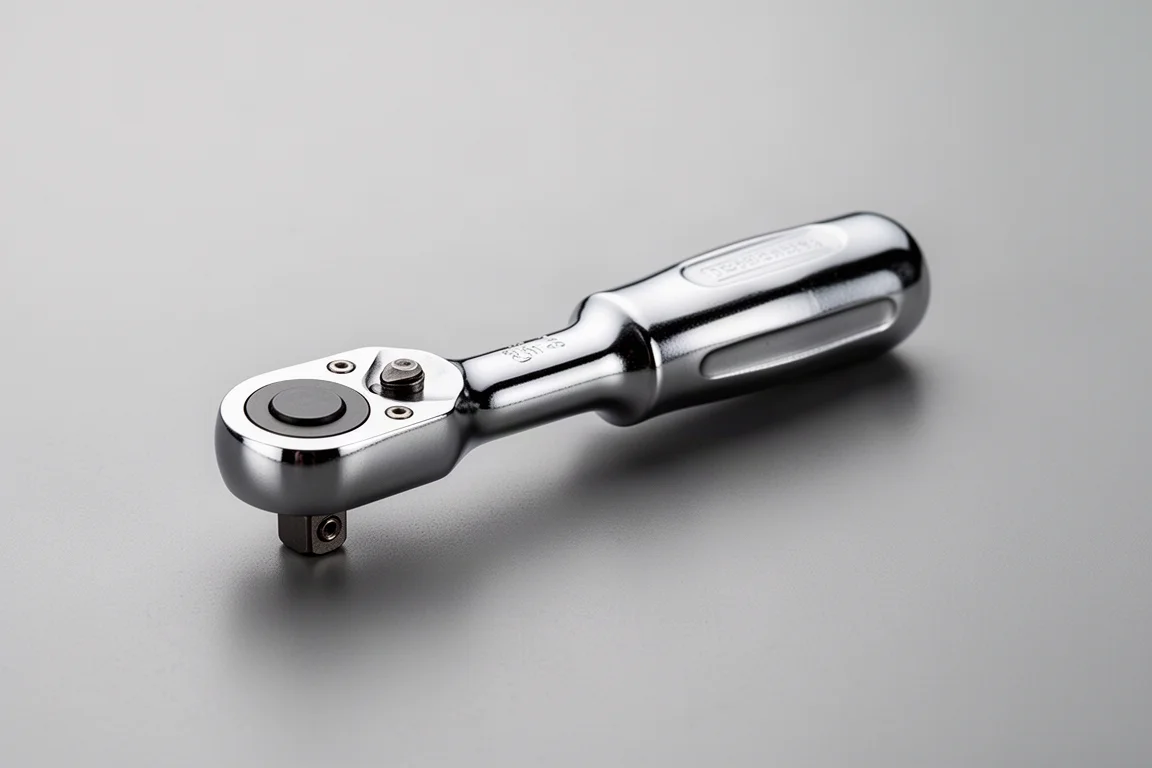
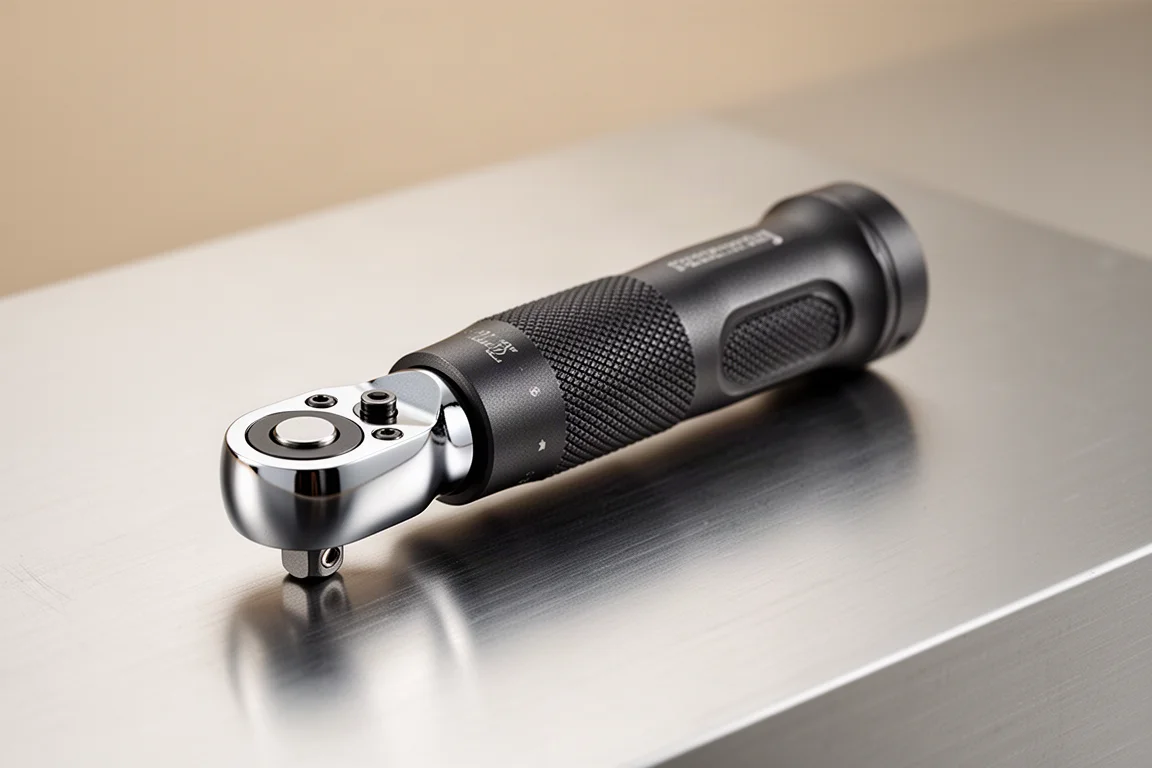
For a compact go bag, a stubby ratchet is essential. The new Tekton stubby ratchet has a clever trick: a 1/4 in male interface on the back of the handle, so you can attach the Tekton handle or any 1/4 in extension to turn it into a longer ratchet.
That said, the new Icon G2 stubby ratchet is the better-feeling ratchet of the two. It lacks the extendable trick, but it is the preferred pick for feel and finish. Having one of each in the bag costs little and covers both bases.
Building the Go Bag
The final tally is deliberately modest. Around thirty dollars for the three socket sets, about the same for the colored sets (skipped here), twenty dollars for the two teardrop ratchets, fourteen for the flex head, and a few more for the Tekton pieces, with the bag itself discounted under the same sale.
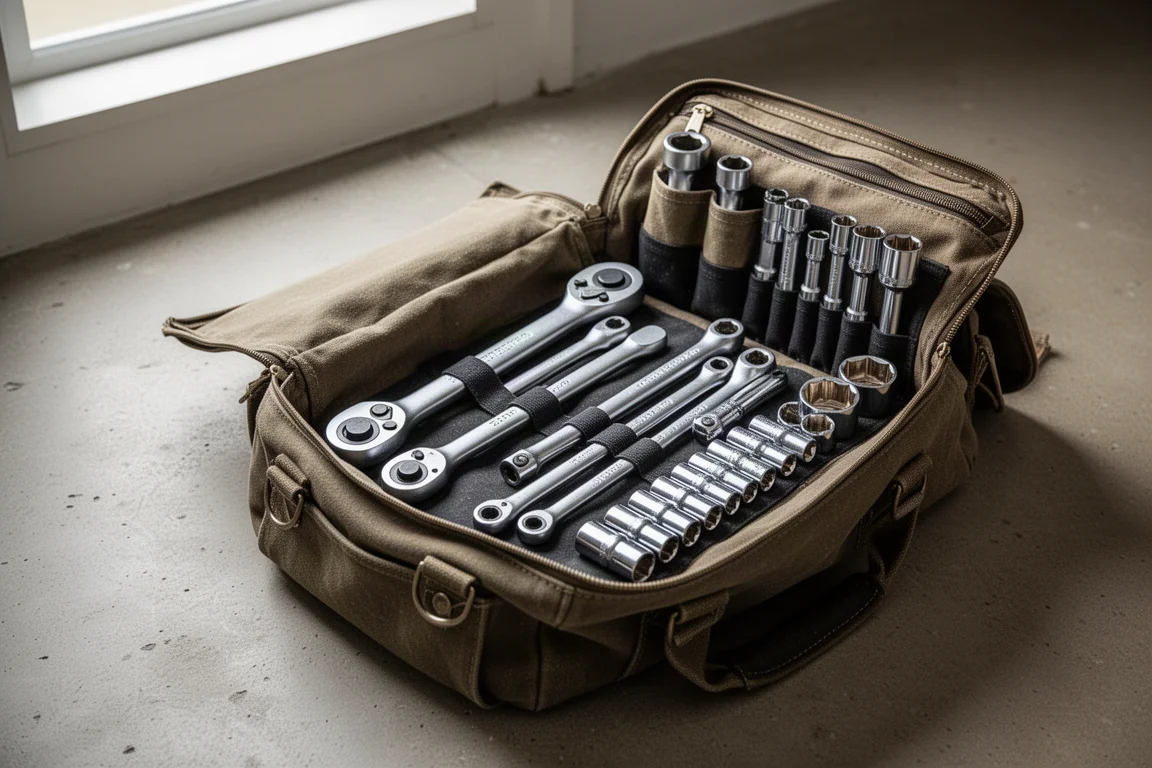
The packed bag holds ratchets, a couple of extensions for each drive, the modified slim socket rails, the L wrench, and the nut drivers. Dropping the sockets into a drawstring pouch keeps everything organized and lets the whole kit fit into a much smaller bag. The result is a socket set that can handle nearly anything, with Quinn quality backed by a lifetime warranty.
Conclusion
A fifty-dollar budget does not have to mean compromised tools. The Quinn socket sets offer excellent value, especially the 6-point deeps, the Pittsburgh ratchets perform well at their price, and a few minutes with flush cutters turns the bundled rails into genuinely useful go-bag hardware. Skip the colored sockets unless the color coding truly appeals to you, and consider the Tekton and Icon pieces as inexpensive quality upgrades that make the kit feel complete.
Further reading
Related Reviews
Hand Tools
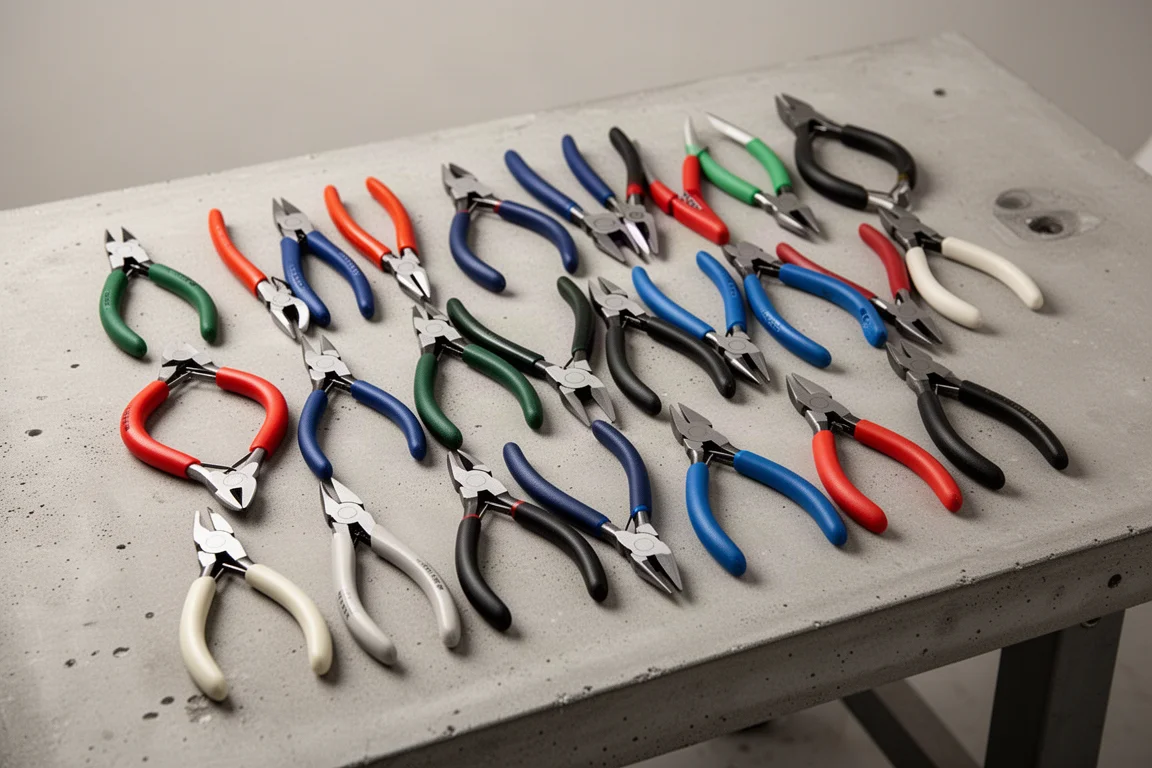
Best Diagonal Cutters 2026: 16 Pliers Tested for Cutting Power and Durability
We put 16 diagonal cutters through nail, screw, drill bit, and hex key tests to find the best value picks for your toolbox.
Hand Tools
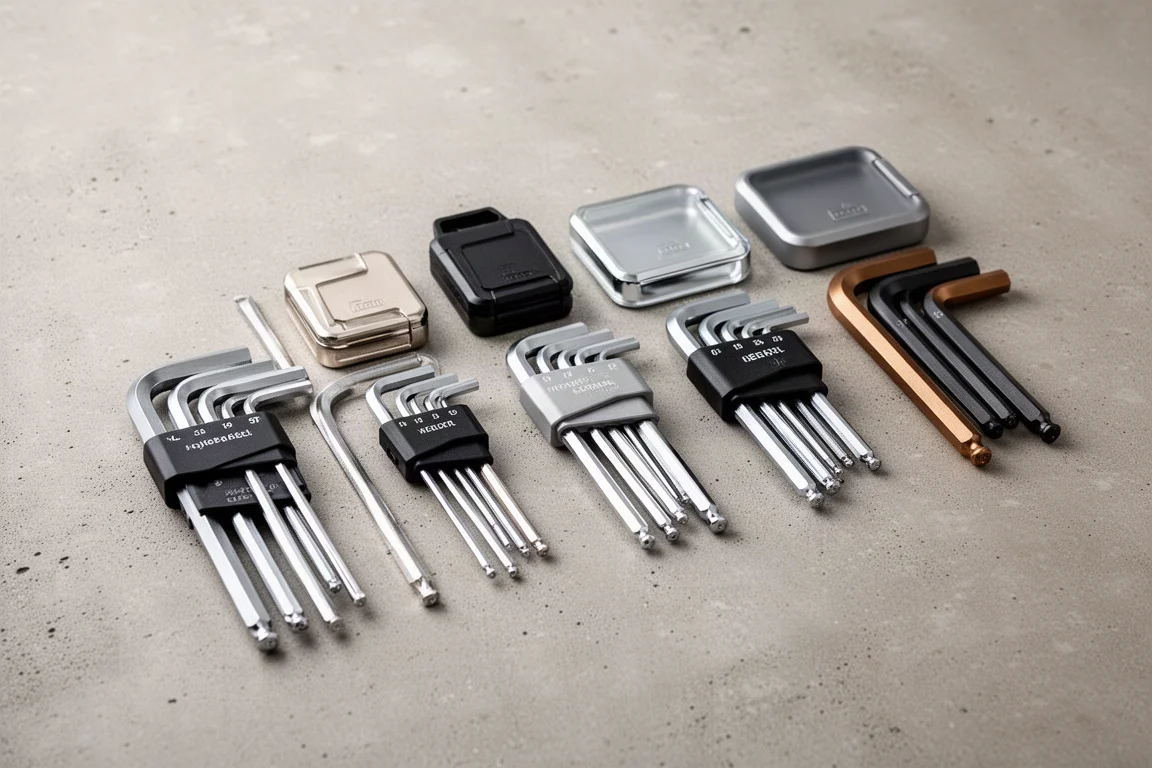
Best Hex L Key Sets 2026: Nine Sets Tested for Real-World Torque
Nine hex L key sets from budget to premium, tested for torque, fit, and durability. See which sets deliver real performance and which ones to skip.
Hand Tools
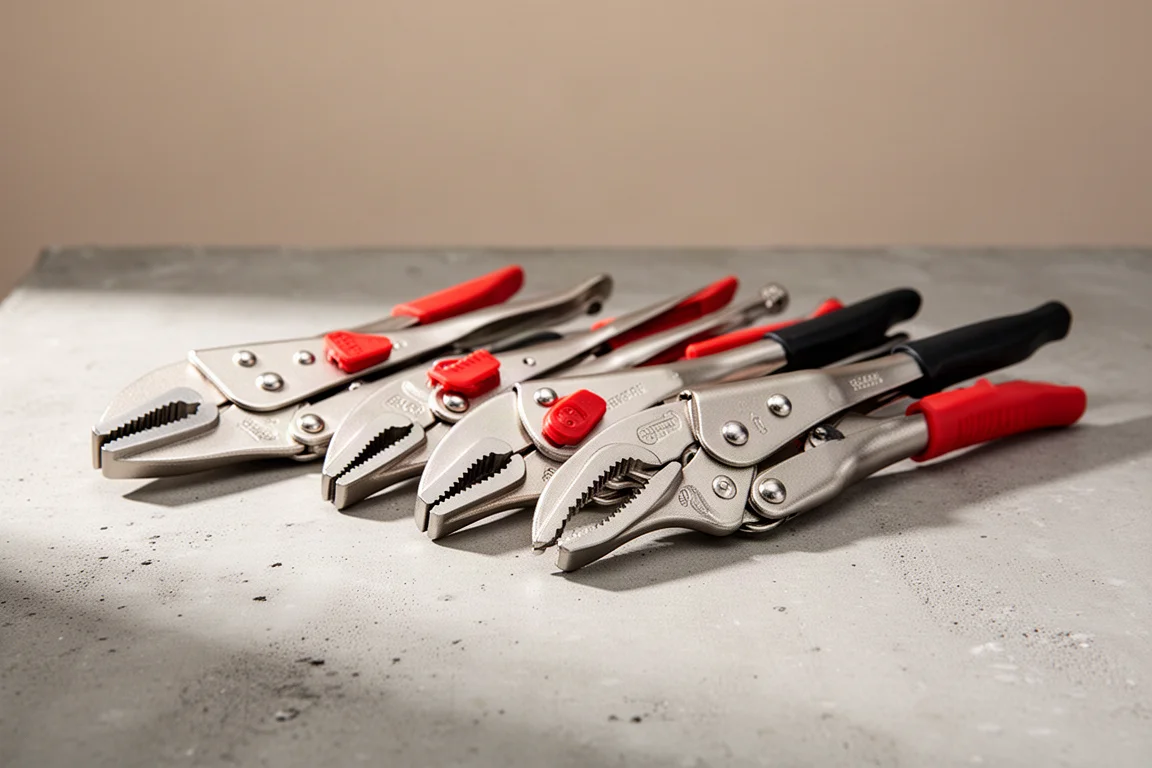
Best Locking Pliers 2026: Top Picks Tested for Grip and Durability
We tested 18 brands of 10-inch locking pliers for grip strength, jaw bite, build quality, and ease of release to find the best options for tough jobs.