Power Tools
Harbor Freight Bench Grinders Explained: Which of the Four Models Makes Sense for Your Bench
The Harbor Freight bench grinder lineup has been reshuffled, with a new top-tier Hercules and a full Bauer ladder underneath it. Here is what changed and which model fits your workshop.
Introduction
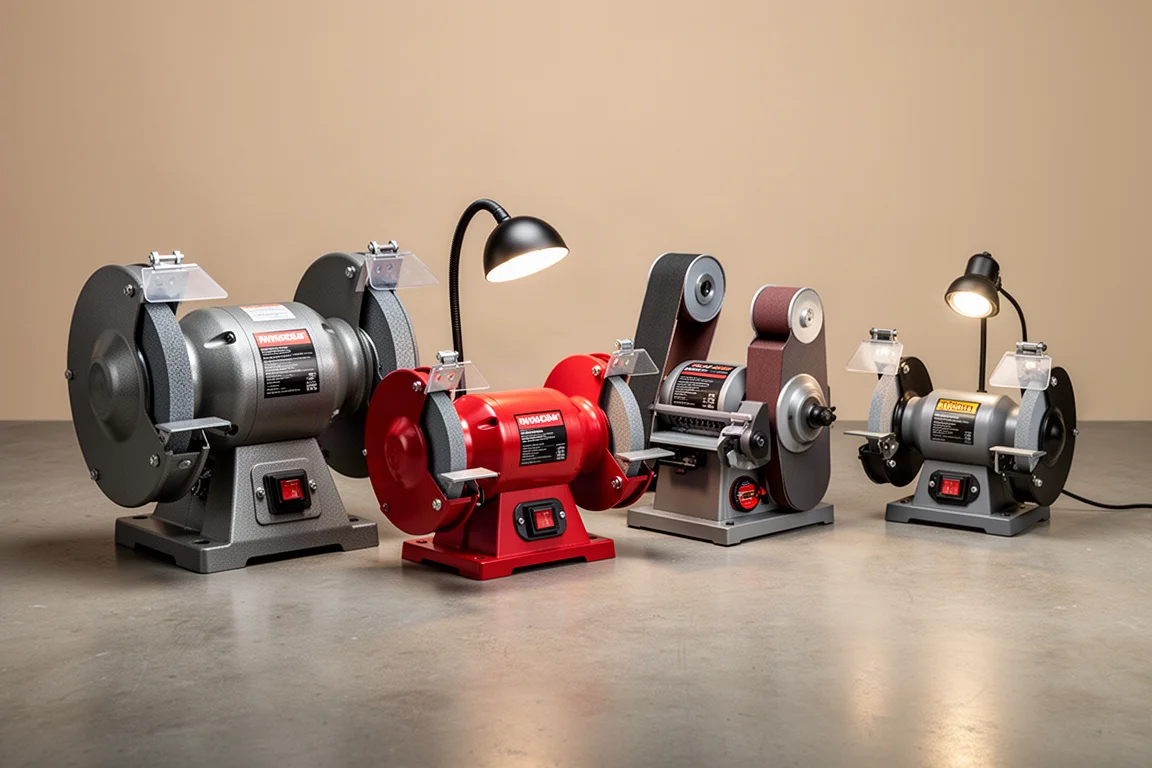
The bench grinder shelf at Harbor Freight has been through some odd changes lately. Models got upgraded, then pulled, then replaced with machines that look completely different. The short version: the old Central Machinery grinders gave way to the Bauer and Hercules tiers under a good-better-best structure, and now the top-end Hercules has been stripped back and rethought entirely. Four models currently matter, and each one suits a pretty specific kind of buyer. This guide walks through what changed, what each grinder is actually good at, and which one belongs on your bench.
How the Lineup Changed
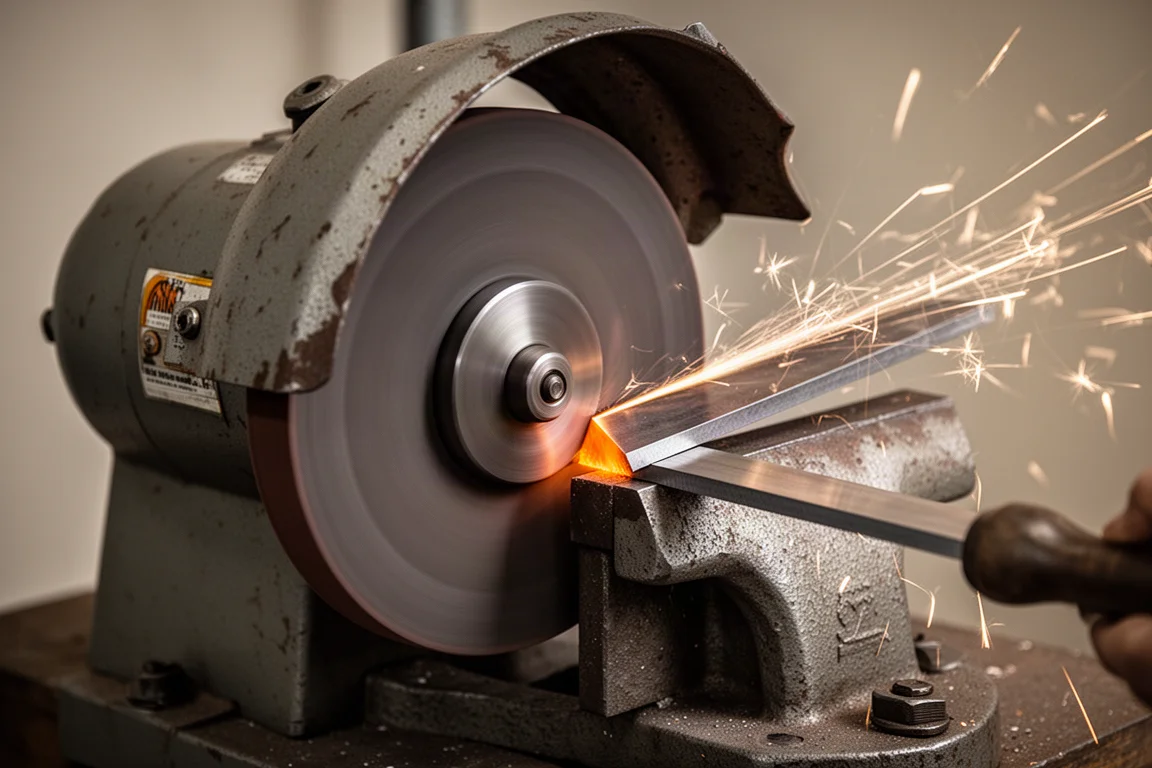
The original Hercules bench grinder was, on paper, everything you could want: variable speed, a gooseneck work light, and a rating of just under one horsepower. It launched with plenty of fanfare, then mysteriously ended up in clearance. The replacement that followed is a very different animal: no variable speed, no gooseneck, but a full one horsepower rating.
The reasoning behind the change is straightforward. The goal for the new Hercules was to recreate the feel of the old-school professional shop grinders, the kind that had no lights or frills, sometimes not even guards. You flipped the switch and they simply worked, for years. That philosophy shows in the new machine: big, beefy, and built to feel like a workhorse.
Meanwhile, the old Hercules design effectively lives on in the Bauer line, which now spans everything from a budget model to prosumer-grade machines.
Top of the Line: Hercules Bench Grinder
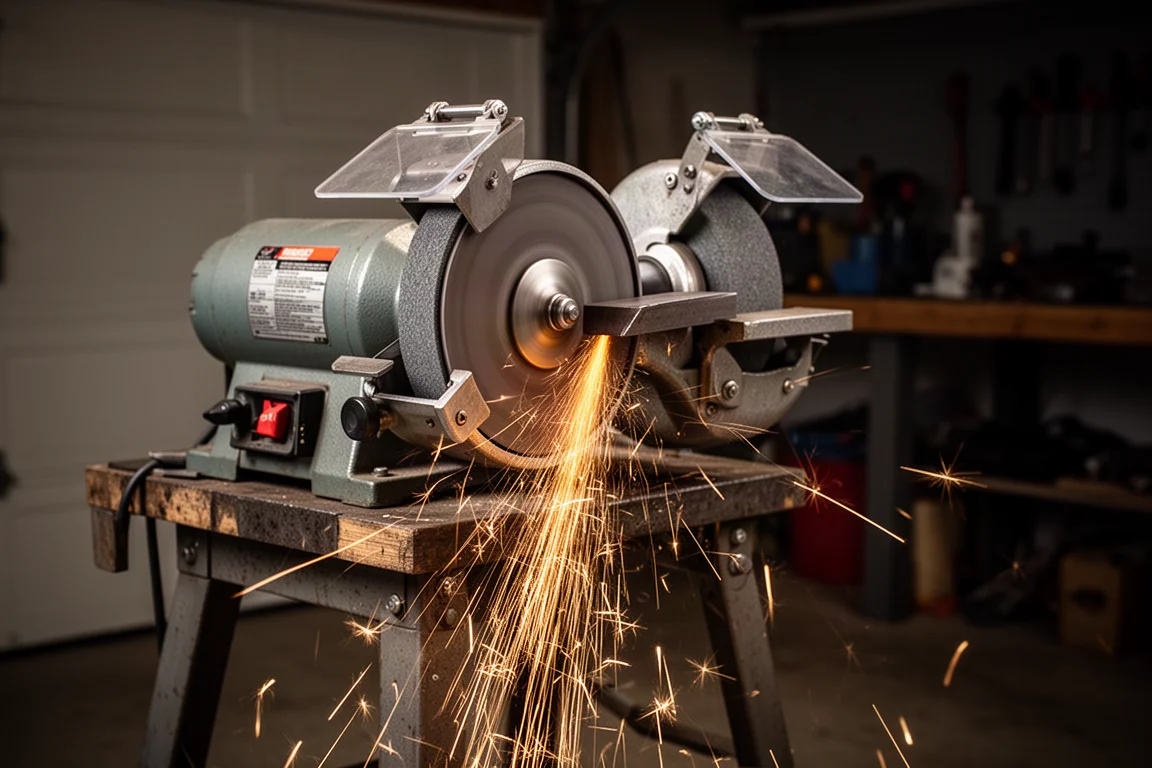
The new Hercules is a serious piece of hardware. The motor is large and heavy, the plate stands proud with a nice relief, and the whole machine feels solid in a way the previous variable-speed version did not quite manage despite its impressive spec sheet.
In hands-on use, it chewed through cobalt steel without bogging down, even when pushed hard, and left a surprisingly smooth finish on the workpiece. Run it the way you should run any grinder: on first use, or after changing wheels, stand clear and let it spin up for a minute to confirm nothing is imbalanced before getting close.
One gripe: the safety lockout insert is fiddly and eats into the already limited working space. It pops out to allow the switch to work, and many users would happily trade it for a simple bolt.
If you are serious about grinders and want something that feels like it will last, this is the one to watch.
The Prosumer Sweet Spot: Bauer 8-Inch Bench Grinder
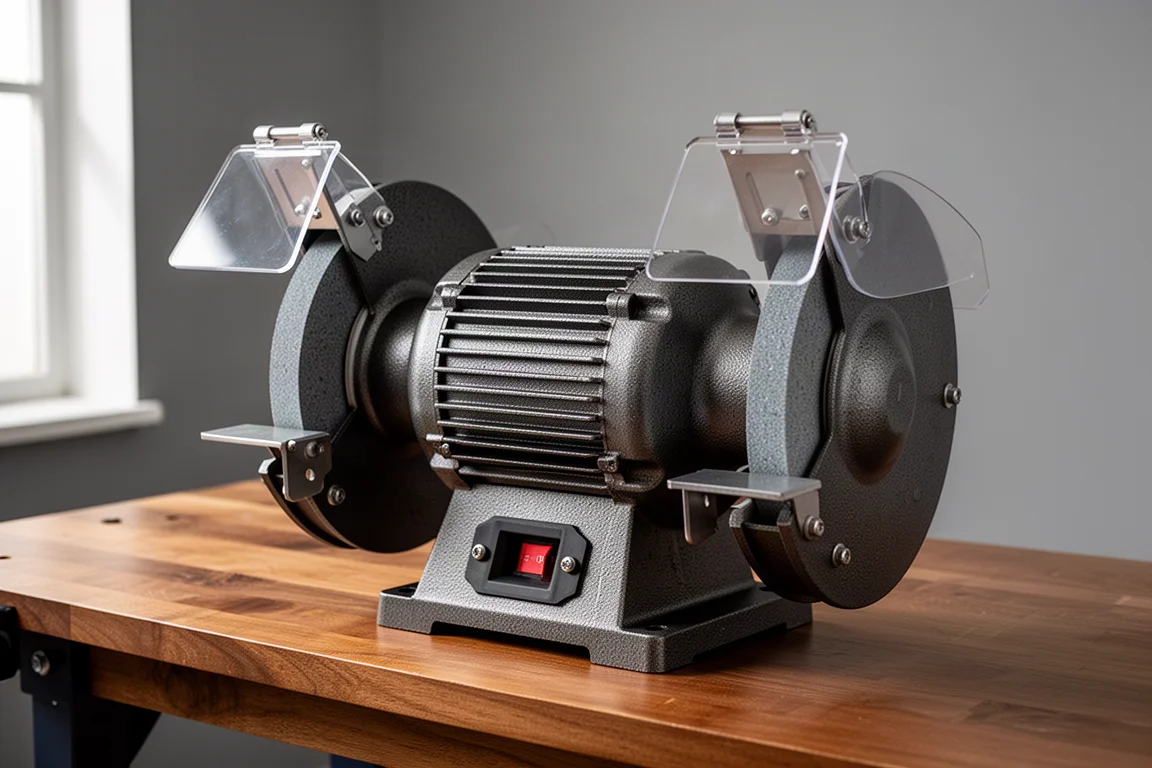
Here is where the logic of the old variable-speed Hercules makes sense for most home users. In a professional shop, you can dedicate separate machines to every task: full-speed grinders, low-speed grinders, belt grinders, and buffing stations. At home, you have limited space and one machine has to do several jobs. That is exactly what variable speed buys you.
The Bauer at the top of that line is rated at three-quarter horsepower and is closely related to the outgoing Hercules design. Some sources suggest it is essentially the same machine re-rated, possibly because it was not truly producing the higher figure. Either way, as a homeowner-grade grinder this one is a genuinely strong deal, and it slots in as the practical middle of the range.
The Niche Pick: Bauer Belt Sander Combo
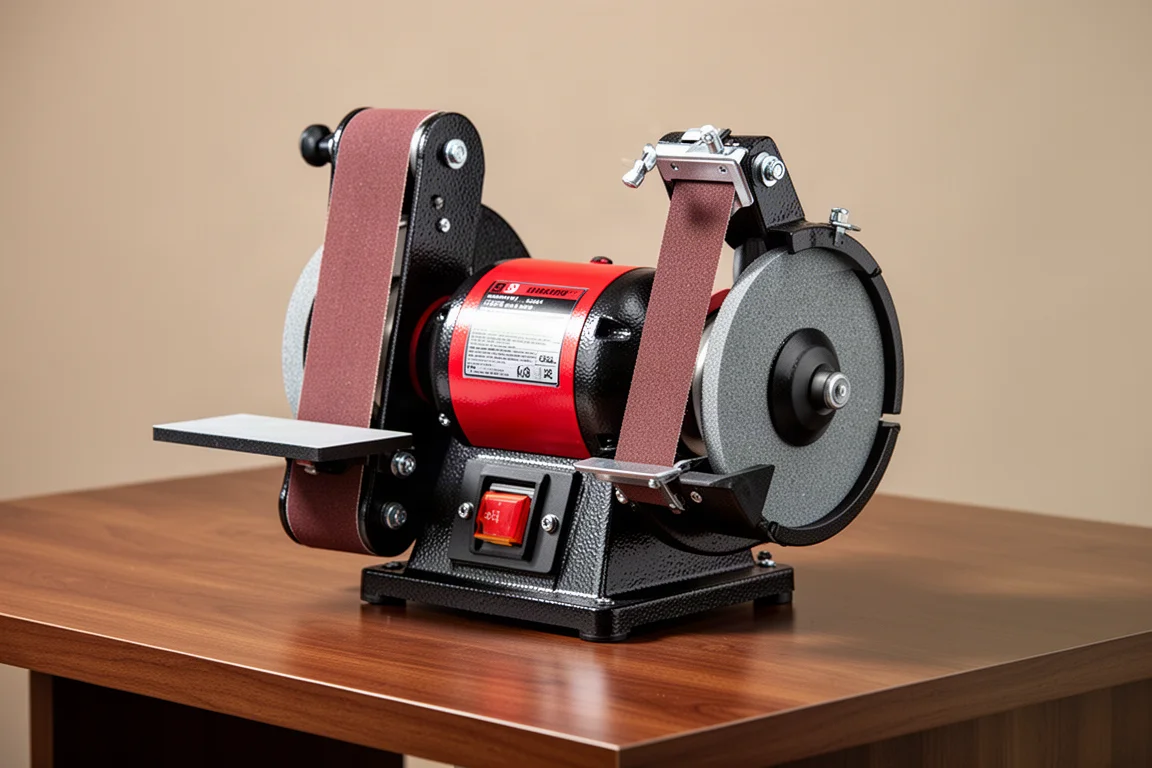
This one is unusual: a three-quarter horsepower bench grinder with a belt sander built in. It is a specialist tool, and the power it delivers for the format is genuinely impressive.
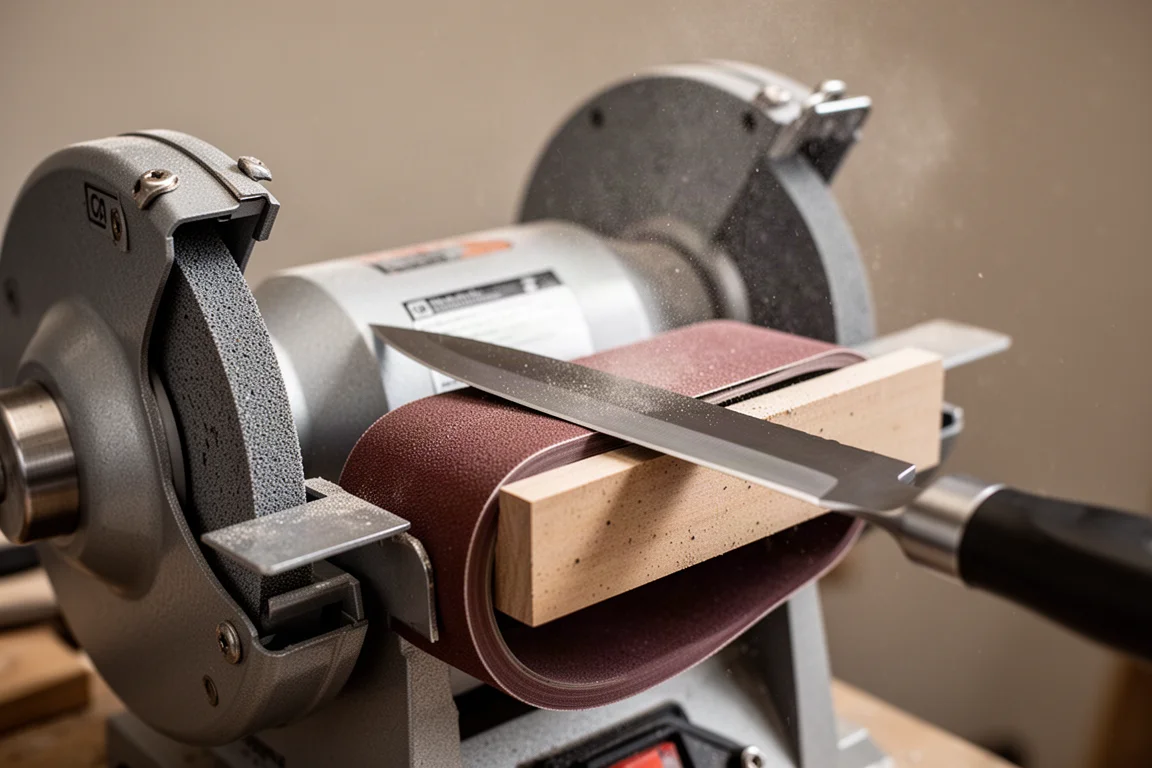
It is aimed squarely at people who do a lot of sharpening. Knife work, lawnmower blades, and similar edge tasks are where the belt shines. The flat platen behind the belt lets you get in and produce a smooth, even edge, something a wheel alone cannot do as easily.
At a higher price than the rest of the lineup and single speed, it is not for everyone. But if sharpening is a regular part of your workload, it is a very cool tool that earns its spot.
The Budget Pick: Bauer 6-Inch LED Grinder
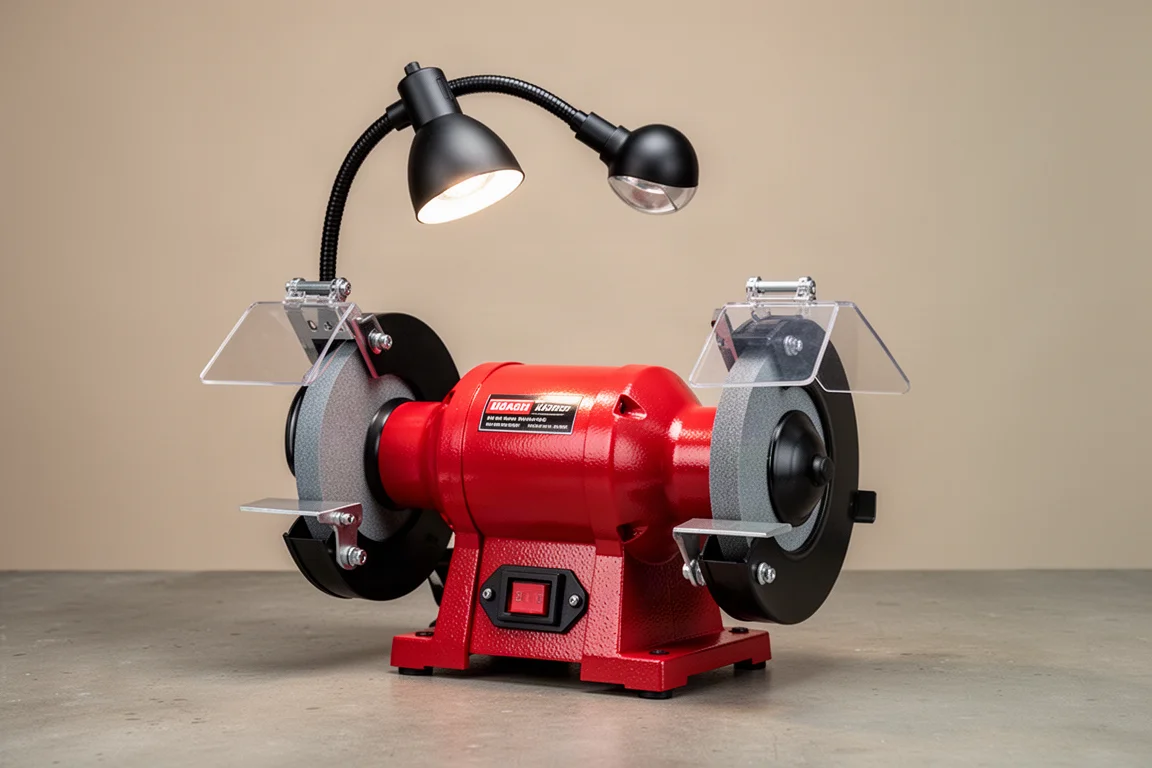
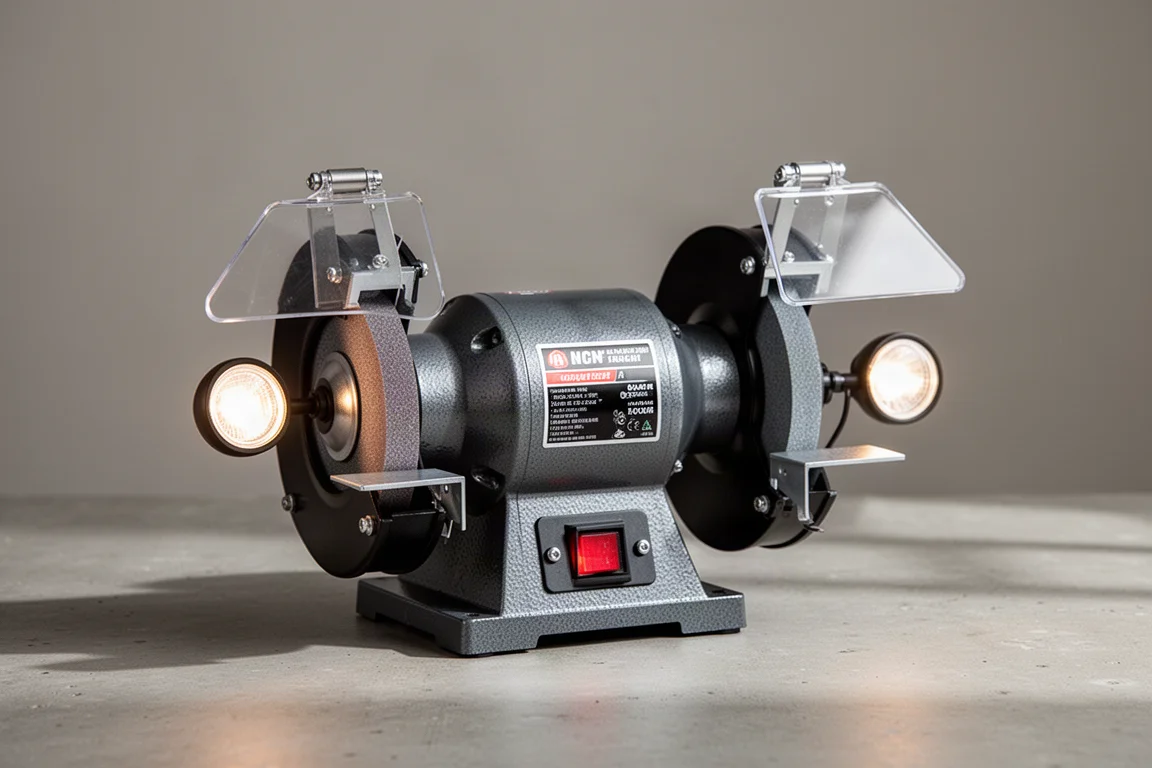
At the bottom of the range sits a very affordable grinder that trades away the gooseneck work light but adds built-in LED lights in each side, powered by small batteries. The lights are small and easy to miss, and the battery-powered approach is not the most appealing system.
The trade-off is simple. This machine is single speed and lacks the gooseneck, but stepping up to the version with the gooseneck costs roughly fifty dollars more. Some buyers will happily pay that; others will not. If your budget is tight and you mostly need a grinder that spins and removes metal, this one covers the basics.
Stands and Foot Pedal Switches Worth Considering
Two accessories deserve attention before you set up any of these grinders.
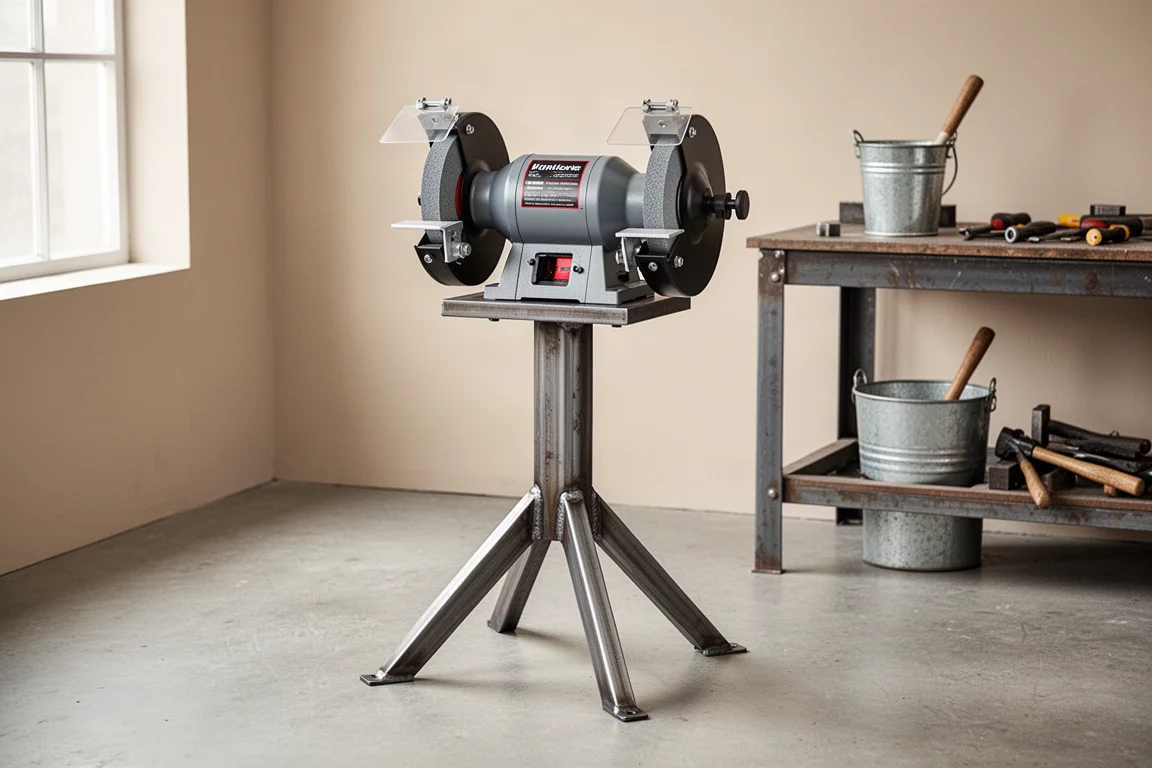
Harbor Freight offers two stand options. The newer universal bench grinder stand is very sturdy with nice spread legs, but those legs can get in the way when you want to work up close on the machine. The alternative stand style is a bit more forgiving in that respect. On the subject of cooling trays: the tiny trays fitted to the front of many grinders are next to useless. A simple can used as a quench pot, filled with water or oil depending on your work, kept beside the grinder does the job far better.
Foot pedal switches are the other decision point. There are two types available, and one is clearly better suited to a bench grinder. Avoid the power-maintained pedal that toggles on and stays on. What you want is a momentary switch: the grinder runs only while the pedal is depressed. Step up, press the pedal, and work with both hands on the piece. Step away or hit trouble, and it spins down immediately. That safety margin is worth real money.
Conclusion
The reshuffled lineup actually makes choosing easier. The new Hercules is the pick for anyone who wants a no-frills, workhorse grinder with a full one horsepower rating. The Bauer three-quarter horsepower model is the sensible prosumer middle ground, especially valuable if variable speed matters for your mixed home tasks. The belt sander combo is a niche but excellent choice for heavy sharpening duty, and the budget LED model handles the basics for very little money. Match the machine to how often you actually grind, and any of these can be the right call.
Further reading
Related Reviews
Power Tools
Best 1-Inch Pistol Impact Wrenches: Three Heavy-Duty Options Compared
We compare three 1-inch pistol impact wrenches, from a budget-friendly Harbor Freight model to a premium Caterpillar unit, to help you choose the right one.
Power Tools
Best 3/4-Inch Impact Wrenches 2026: Five Contenders Compared
We compare five 3/4-inch impact wrenches across price and performance, from a budget Amazon option to Snap-on's most powerful model yet.
Power Tools
Best Budget Cordless Tools 2026: Walmart Finds That Punch Above Their Price
We tested five cordless tools from Walmart, including a high-torque impact wrench that trades blows with Milwaukee and a $35 duster that outperforms its price class.