Kitchen Knives
Hanasuki Knives Reviewed: Musashi and Fujimoto Put to the Test
Two hanasuki knives tested on duck, fish, beef, and onions to see how far this poultry-specialist blade stretches beyond its main job.
Introduction
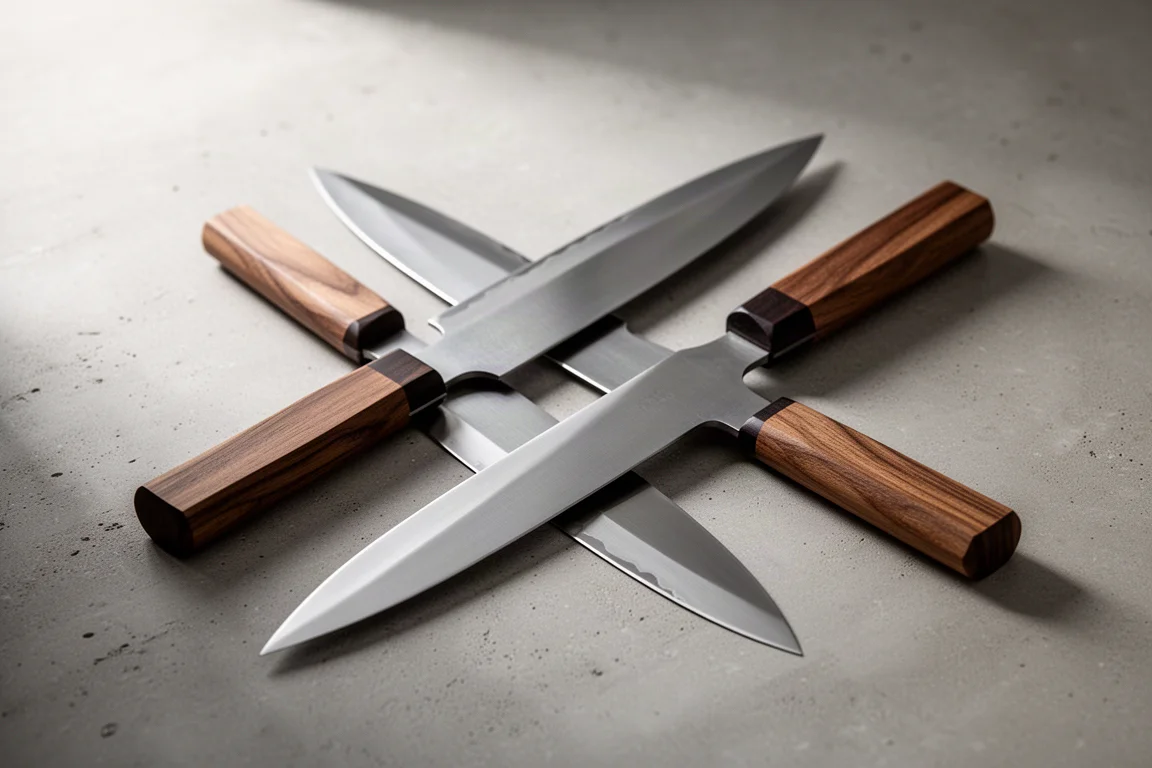
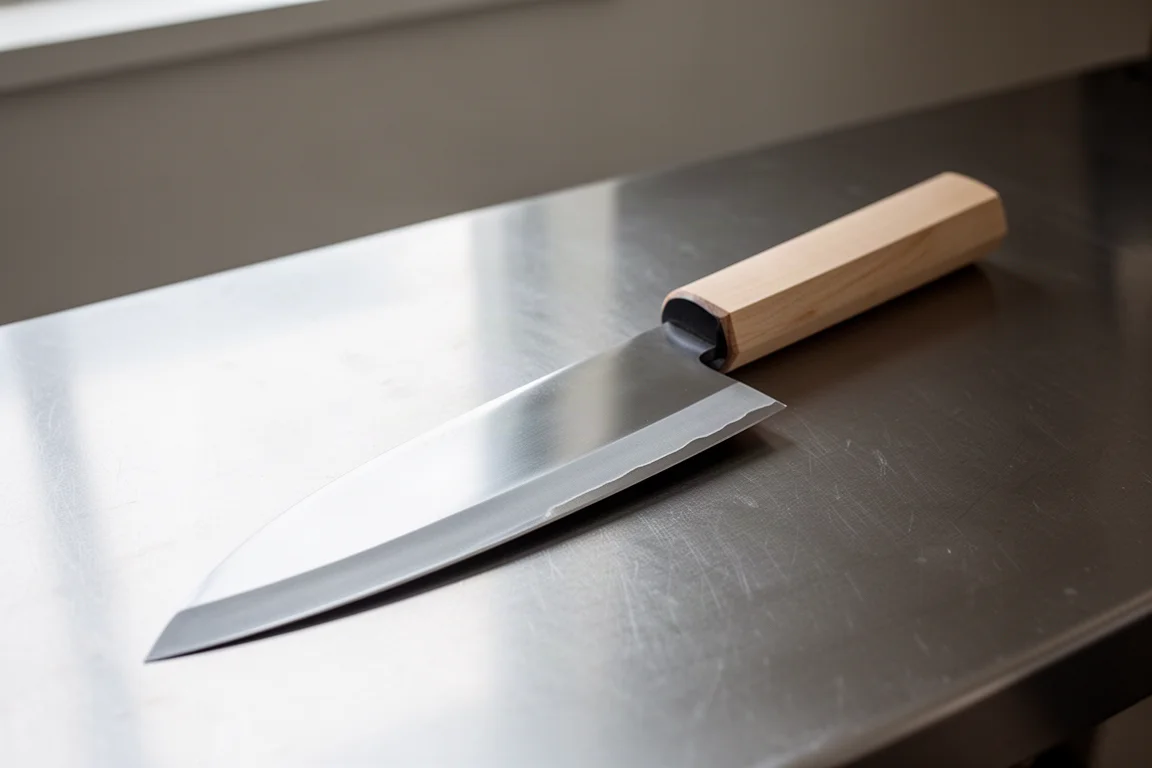
The hanasuki is a Japanese knife designed around one very specific job: breaking down poultry. That sounds like a one-trick tool, but spend some time with one and the story changes. The thicker, tougher blade that makes it so good around chicken bones turns out to be useful for a surprising range of kitchen work, from fish to beef trimming to everyday vegetable prep.
We put two hanasuki knives, one from Musashi and one from Fujimoto, through a real kitchen workout: breaking down a whole duck, filleting a mackerel, trimming silver skin from beef, and dicing an onion. Here is how they held up and who each one suits.
Why the Hanasuki Handles Bones Differently
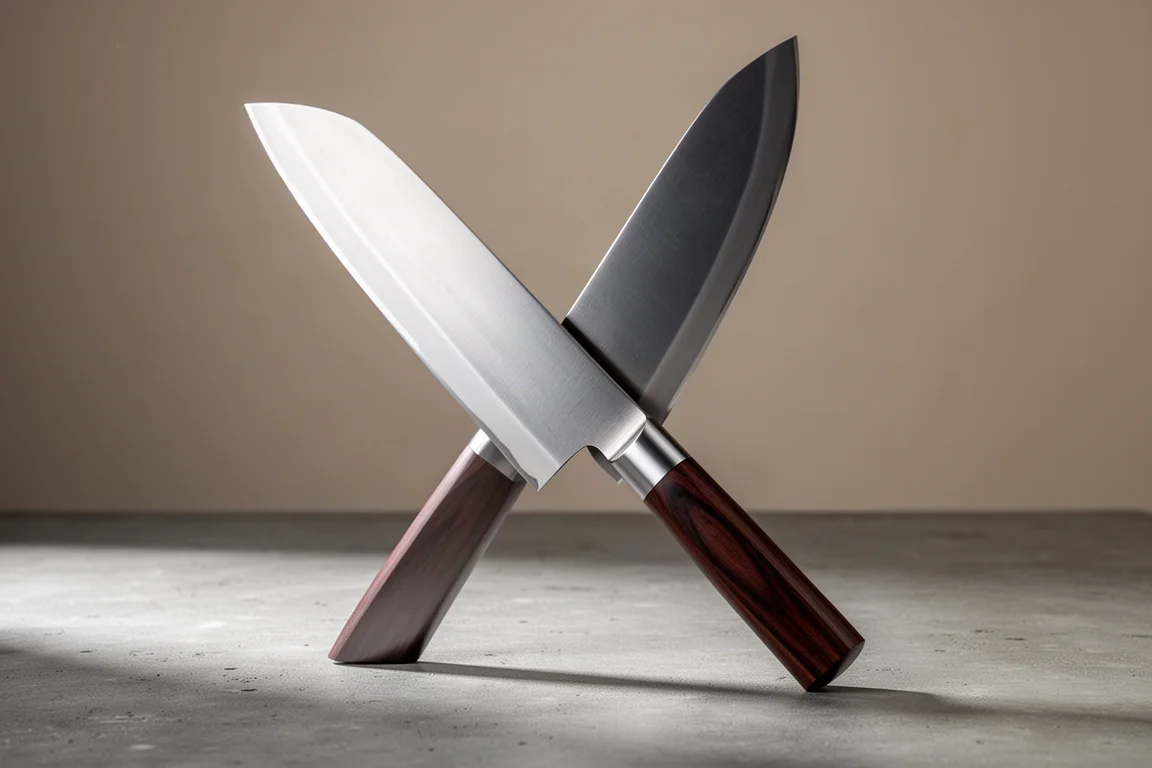
Most Japanese kitchen knives want nothing to do with bones, and for good reason: their hard steel and thin edges chip easily. Hanasuki knives are built differently. They use a thicker blade, which makes them tougher, while the hard steel still holds a wicked sharp edge.
The practical technique that follows is simple: use the heel of the blade like an axe when working through joints, and keep the front of the blade for fine slicing through meat and skin. If any damage happens, it lands on the back end of the blade, preserving the sharpest part of the edge. The thickness also has a second benefit, keeping the edge from snagging on bones when you ride the bevel along them.
Testing on Poultry: Breaking Down a Duck
Duck anatomy mirrors chicken closely, and hanasuki knives are designed for any bird: duck, goose, turkey, quail, guinea fowl, pigeon. The duck breakdown showed where these knives shine. The process starts with the breasts, locating the keel bone down the middle as a guide line, then riding the top of the bevel along the bone so the edge lifts clear rather than snagging.
From there, the legs pull away naturally from the ribcage along a visible seam of white meat, and the knife follows that line with minimal pressure, letting the blade do the work instead of driving the edge into bone. Separating the thigh from the leg is remarkably reliable: a line of fat marks the joint, and pushing the blade down along that line goes right through the joint every time. Even the wings come off cleanly using the heel through the knuckle gap, never trying to cut through bone itself.
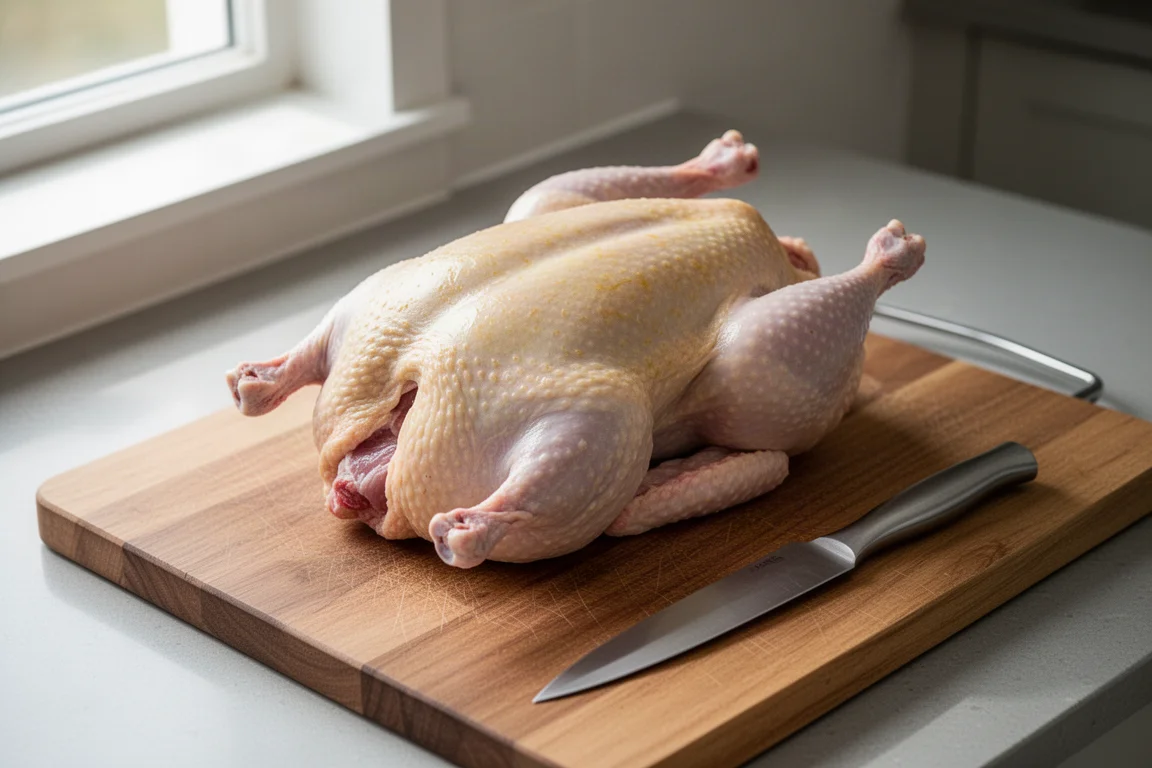
For anyone breaking down birds regularly, this is the knife’s home territory. It is also worth saving the carcass: roasted at a low temperature to render the fat, the bones make a rich poultry stock, the rendered fat is excellent for cooking or for slowly roasting duck legs, and even the pope’s nose holds useful fat.
Off-Script: Filleting a Mackerel
Next came the unorthodox test: fish. The Fujimoto hanasuki took this one on, and it turned out to be a better fit than expected. This model runs a little thinner than most hanasuki knives, which makes it more reasonable as a multi-purpose blade.
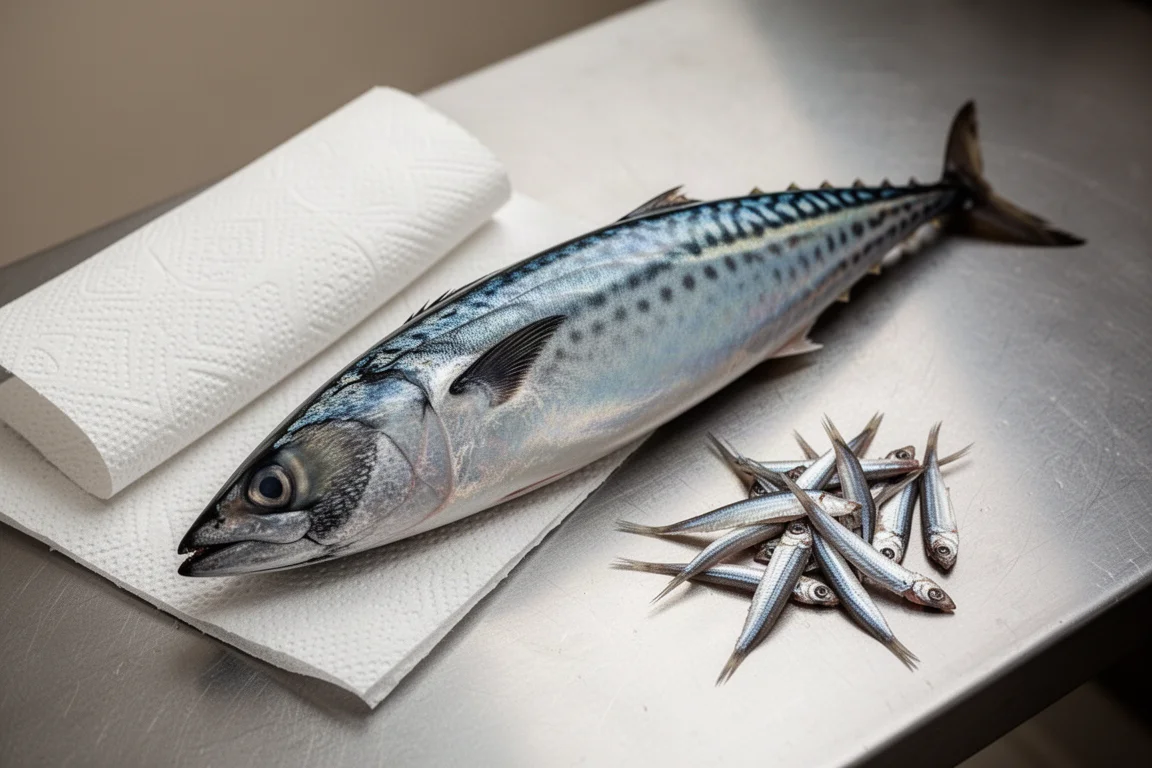
The stiffer, thicker profile works much like a deba, but with an important advantage: it is double-sided, so it does not tend to travel in one direction the way a single-bevel knife does. The length also suits smaller fish well. Working a mackerel from the dorsal fin down to the spine, then repeating on the other side, produced two clean fillets with the tip of the blade bumping along the vertebrae as a guide.
Trimming Beef and Silver Skin
Beef trimming was the least natural fit, but still workable. The tip does a good job piercing and starting an incision under the silver skin, and the blade slid underneath cleanly to lift it away. The honest critique: the blade is a bit thick to get really fine underneath sinew compared with a dedicated boning knife.
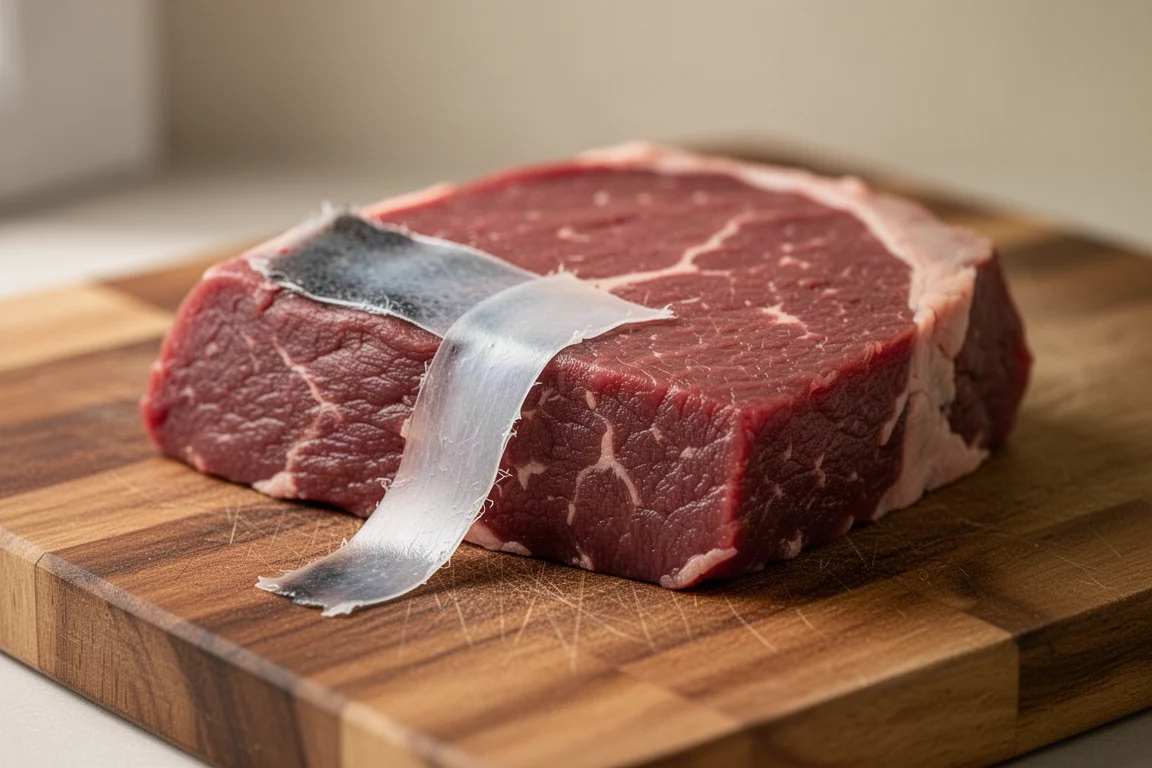
There is also a flexibility trade-off to understand. A hanasuki is not bendy like a typical boning knife, and its taller profile is less ideal for working around curves. But if the goal is simply cleaning up grocery-store cuts of meat, those features matter less than you might expect. The trimmings are worth saving too: roasted alongside bones with shallots, garlic, and thyme, they make a excellent jus for finishing a roast.
View more details for Musashi Hanasuki
Everyday Utility: Dicing an Onion
The final test was everyday vegetable work, and this is where the hanasuki quietly earns a place in a minimal knife set. The taller heel lets you get into a chopping motion without bashing your knuckles, and the Fujimoto’s bevel is ground thin right behind the edge, so the thicker blade still passes through an onion without trouble.
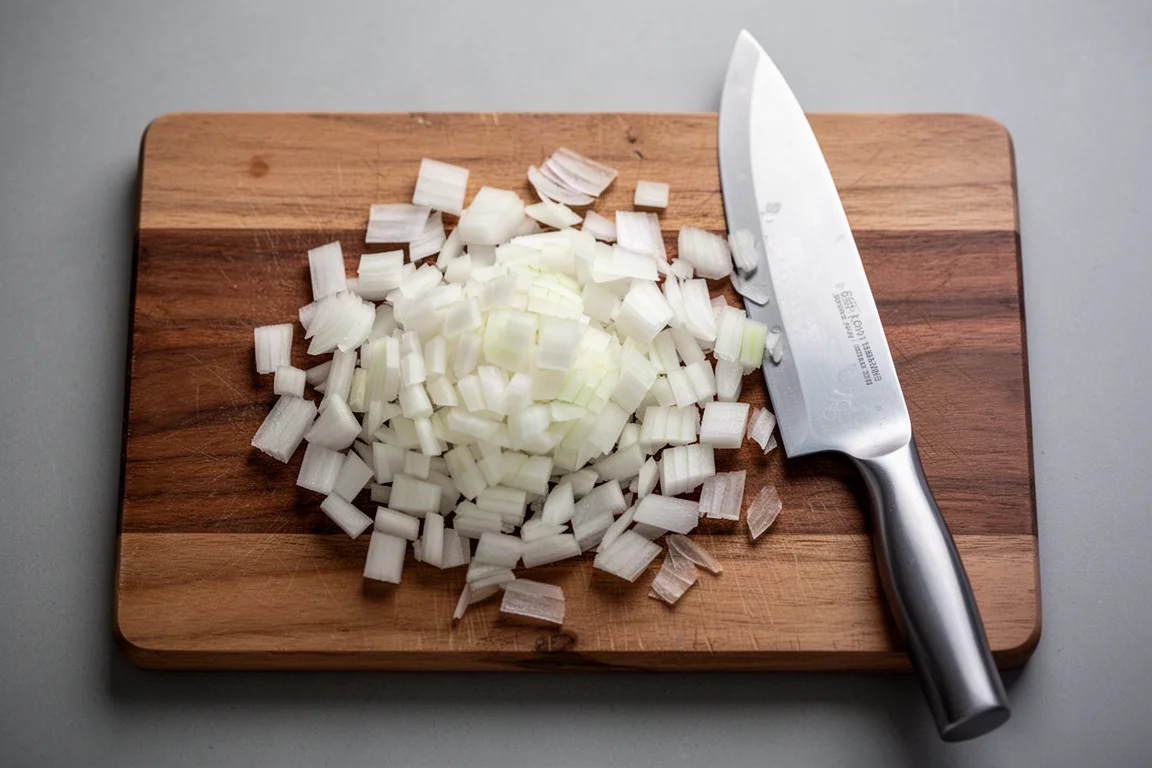
For customers who want to keep their knife set lean, a hanasuki covering butchery and utility-knife duty makes genuine sense. The slightly thicker blade does not pass through food quite as smoothly as a dedicated utility knife, but the onion dice came out clean.
View more details for Fujimoto Hanasuki
Buying Advice: Which One Should You Choose?
If your main interest is breaking down birds or small game, either knife will excel; that is what the hanasuki was designed for. If you want the most multi-purpose version, the Fujimoto’s thinner profile makes it the more comfortable all-rounder for fish and vegetable work. The Musashi handles the heavy poultry work confidently and covers the rest well.
If you are a hunter or regularly break down whole animals or primal cuts, a dedicated boning knife is still the better tool for serious butchery. And if your job involves chickens all day, as in a yakitori restaurant, the hanasuki is quite literally the perfect knife for the task. For everyone else who wants one capable knife that handles butchery plus a range of smaller jobs, a hanasuki is an easy recommendation.
Conclusion
The hanasuki is far from a one-trick pony. It is phenomenal at taking apart any bird, surprisingly good on smaller fish, serviceable on beef trimming, and capable enough as a utility knife for daily prep. The Musashi is the confident poultry specialist, while the Fujimoto’s thinner blade stretches furthest across multiple roles. If you want one knife that handles butchery and a lot more, both deserve a close look.
Further reading
Related Reviews

Kitchen Knives
Best Chef's Knives 2026: 27 Popular Options Tested and Ranked
A comprehensive review of 27 chef's knives ranging from $18 to $380, with honest assessments of handle comfort, blade balance, and real-world performance.

Kitchen Knives
Best Chef's Knives Under $75: Two Tested Recommendations
Two practical 8-inch chef's knives that balance sharpness, comfort, and durability without premium pricing.

Kitchen Knives
Best Chef's Knives 2026: 27 Options Tested and Ranked
A comprehensive review of 27 chef's knives ranging from $18 to $380, with honest assessments of handle design, balance, blade profile, and real-world performance.