Running Gear
Half Marathon Gear Test: Garmin, Hoka and Nank Kit Put to Work on a Twisty London Course
Seven pieces of running gear tested at a lively London half marathon, with honest notes on GPS accuracy, heart rate, comfort and value.
Introduction
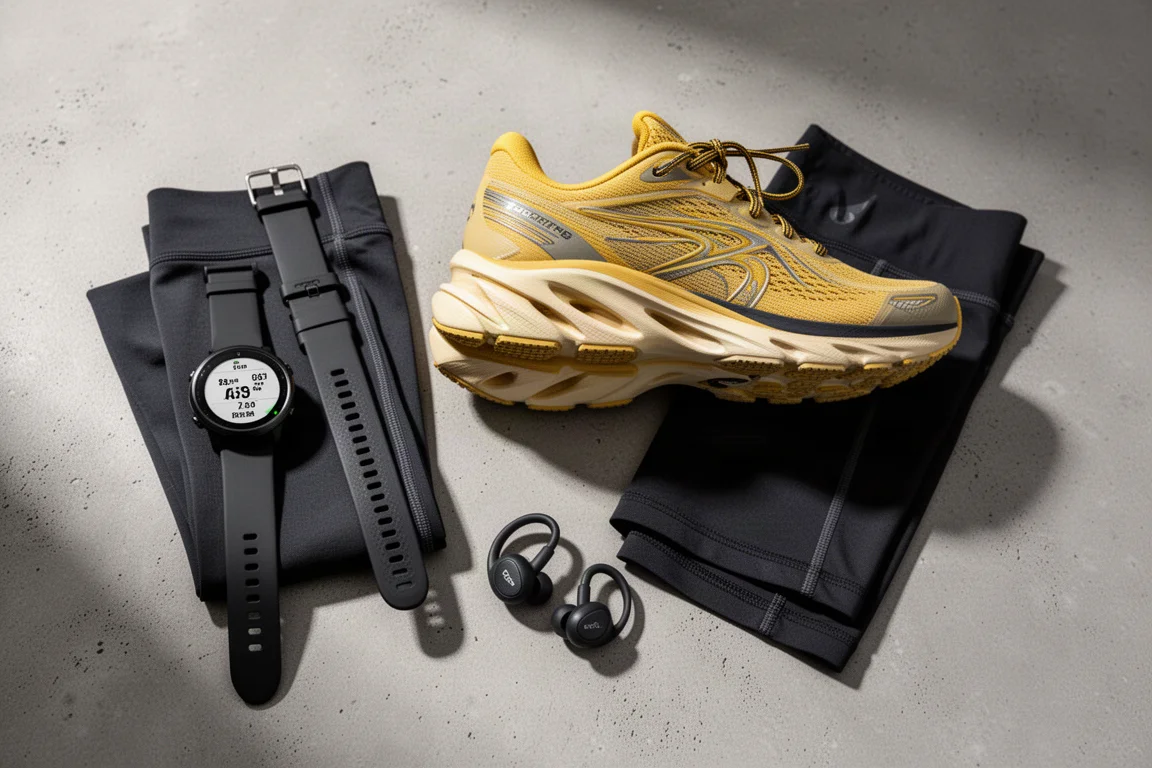
A twisty, well-supported London half marathon is a surprisingly good lab for running gear. Sharp corners test GPS accuracy, crowds test open-ear headphone loudness, and a hard 13.1 miles tests everything else. This roundup covers two Garmin GPS watches, a pair of race shoes, half tights, clip-on open headphones, and a chest strap setup, all used during a real race rather than a test loop.
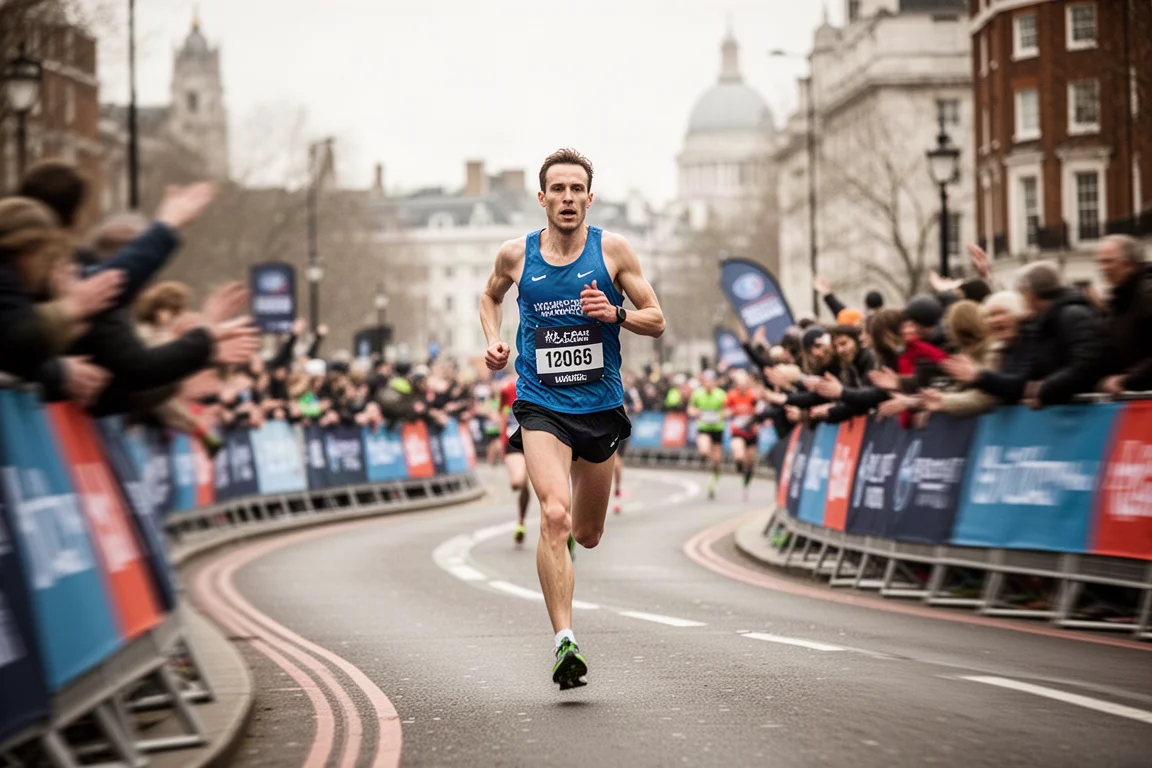
The race itself was run in 1:41:12, a controlled effort a few weeks after a spring marathon, which is exactly the kind of run where kit either helps you keep going or gets in the way. Here is how each piece held up.
The GPS Head-to-Head: Forerunner 570 vs Forerunner 265
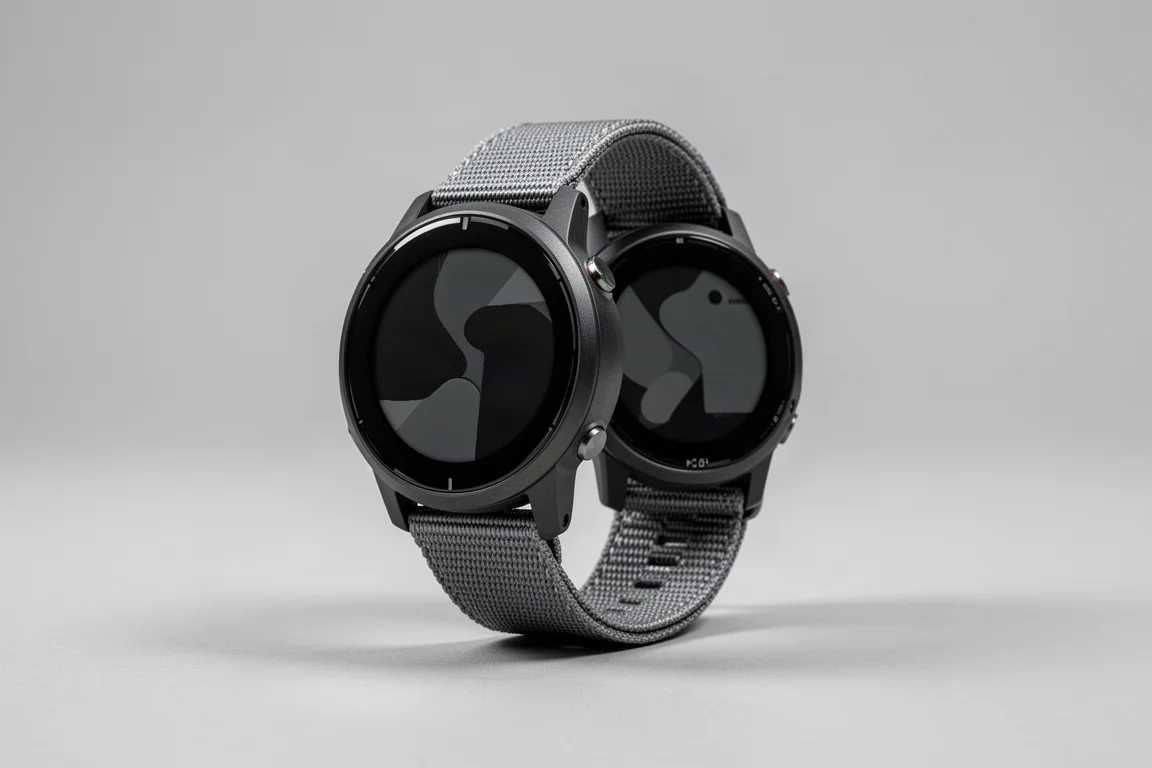
Both watches were run in multiband GPS mode on the same twisty course, and the difference came down to pacing confidence. The Forerunner 570 beeped much closer to the on-course lap markers throughout, and its total distance was more likely to reflect what was actually run. The Forerunner 265 consistently beeped well before the markers, making it the harder watch to pace a race with.
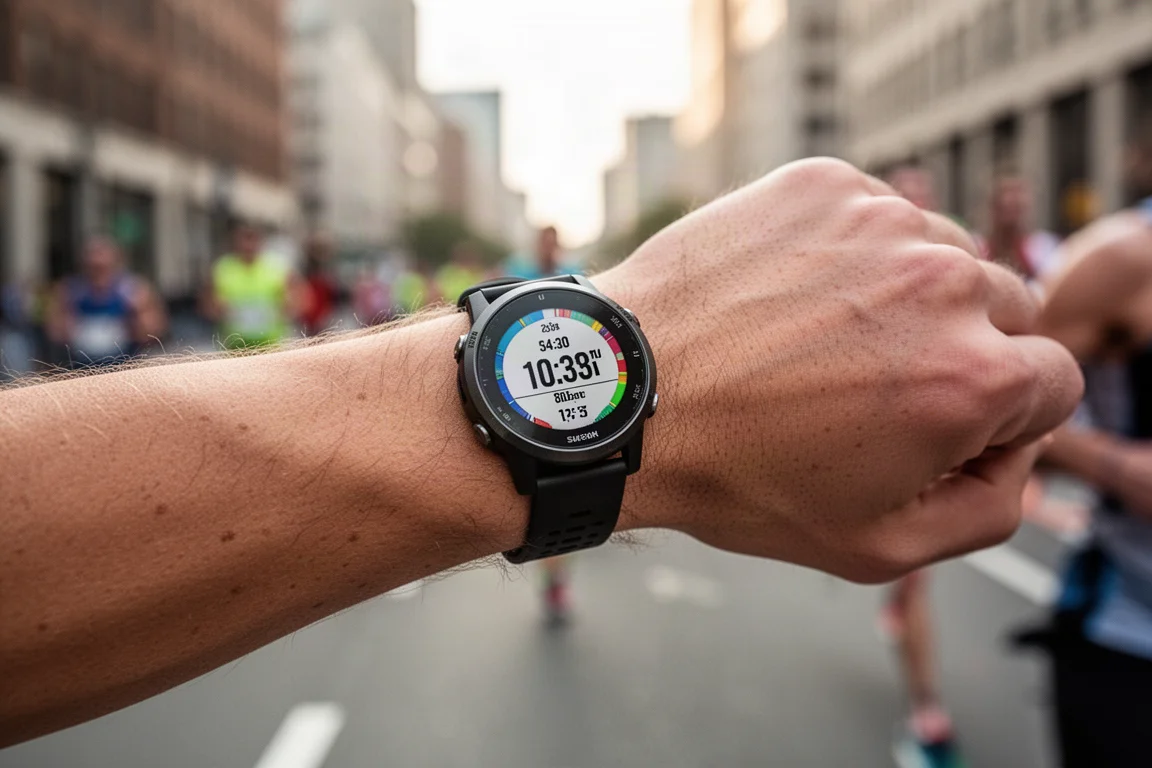
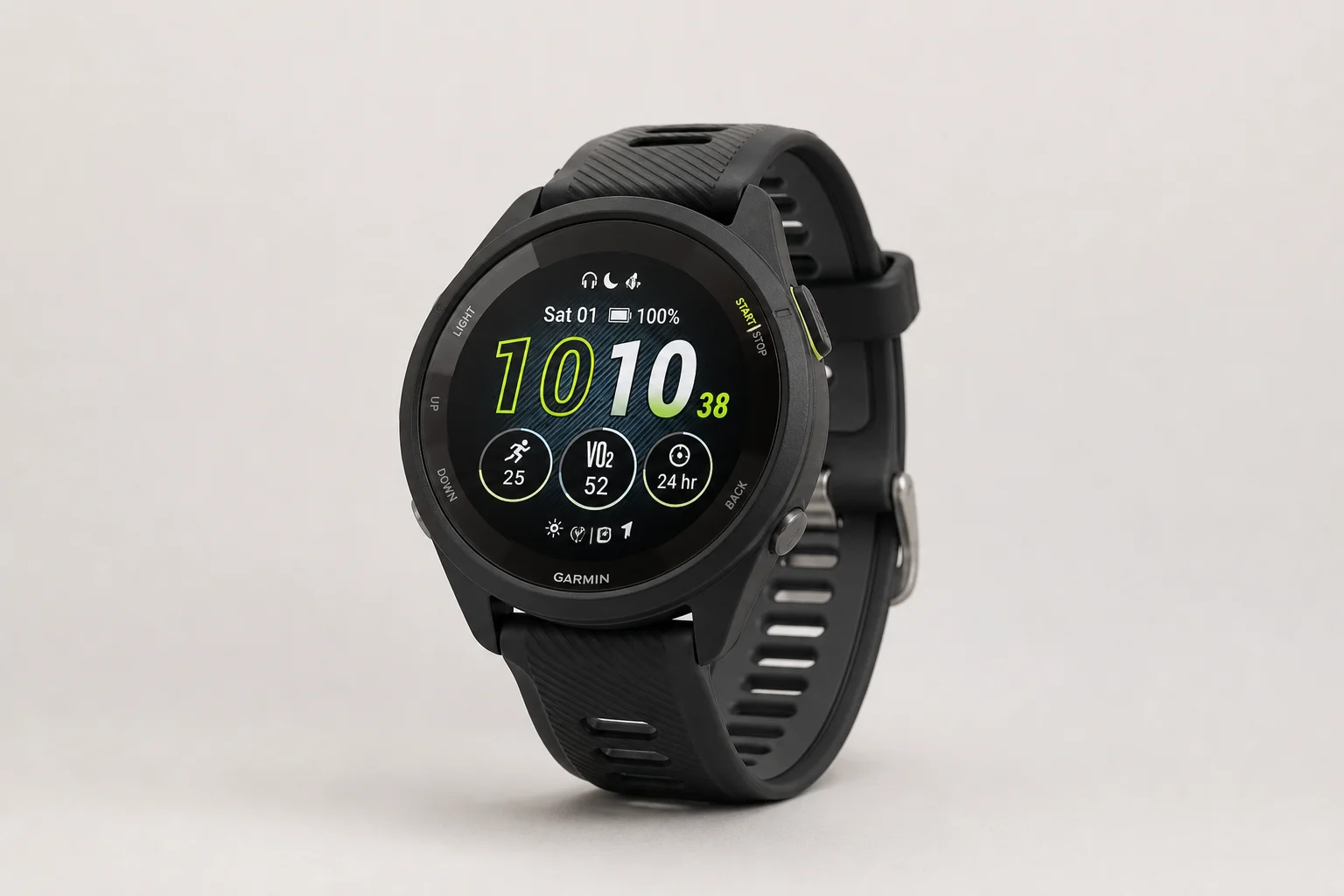
The actual GPS tracks look remarkably similar, with no glaring errors from either watch. The biggest upgrade on the 570 is the new design with a larger, noticeably brighter 1.4-inch screen, the largest Garmin offers in its sports watches. Even on an overcast race day, the difference was obvious, and it is most noticeable in bright sunlight.
On battery, both are listed at 14 hours in multiband GPS mode, and both outperformed that with the screen always on. The 570 drained at a rate suggesting roughly 14.5 hours of GPS use, while the 265 suggested around 18 hours, so the older watch remains the stronger choice if battery life is the priority.
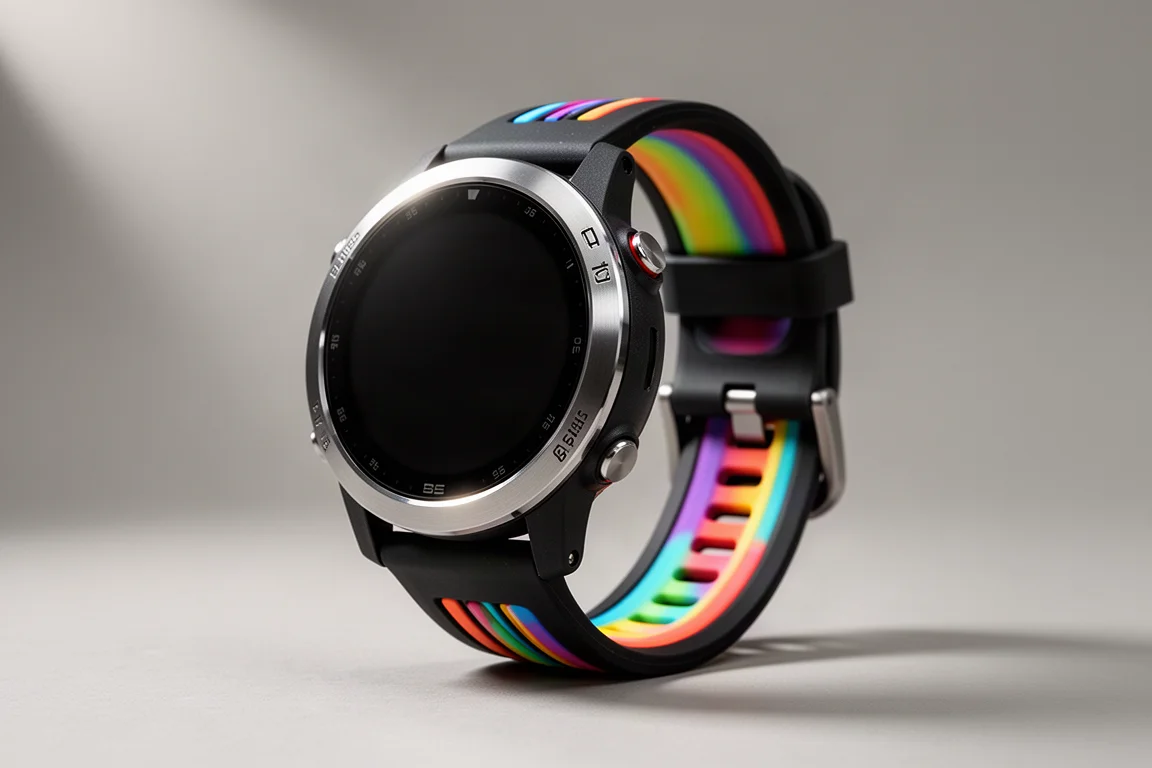
The 570 is the better pick for racers who want accurate pacing and the best display Garmin offers. The 265, meanwhile, is still a very clear screen and a watch that has performed well over long stretches, now with the advantage of longer battery life.
Heart Rate Check: Optical Sensors vs Chest Strap
A Coros Pace 3 sat in a back pocket, linked to a Garmin HRM 200 chest strap, providing a reference for the watches’ wrist-based optical sensors. Both watches stayed bang in line with the chest strap throughout the race, within a beat or two.
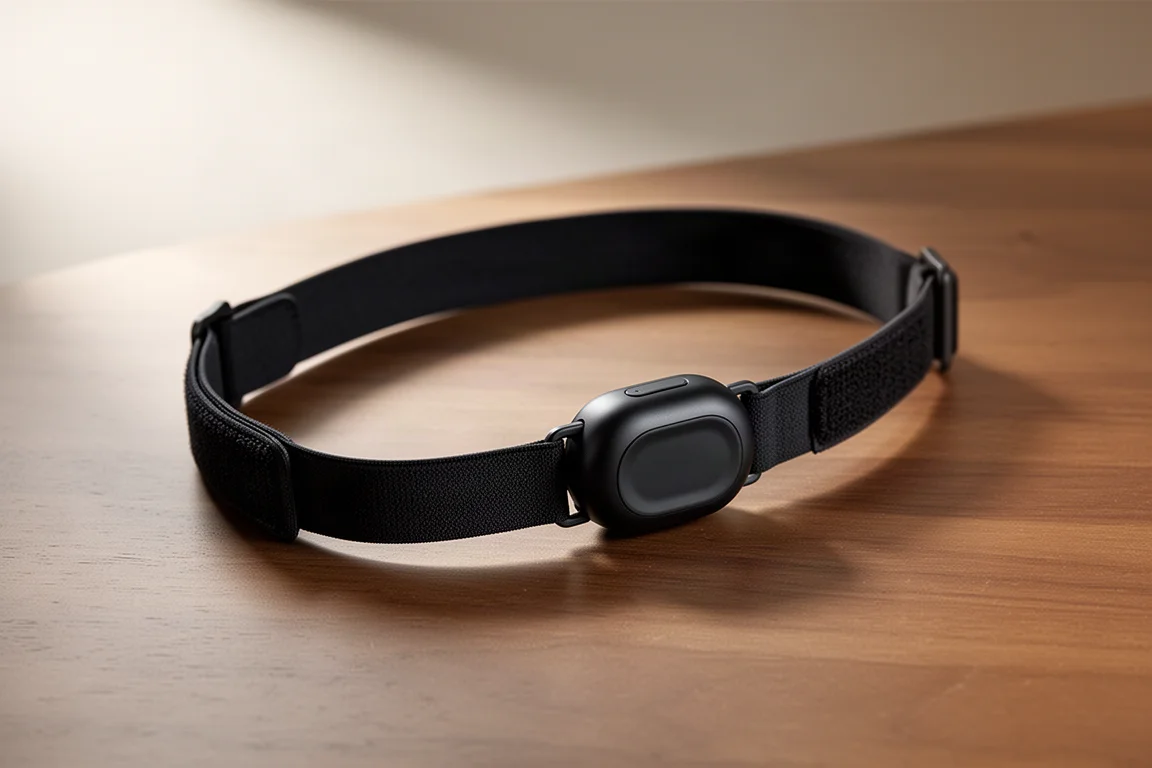
The only hiccup was the Forerunner 570 taking a couple of minutes to lock onto the correct heart rate at the start. After that, there was nothing to separate them. The Pace 3 itself worked cleanly as a data logger, though the comparison here is really about the chest strap versus wrist optical accuracy, and the wrist sensors came out very well.
Race Shoe: Hoka Cielo X1 2.0
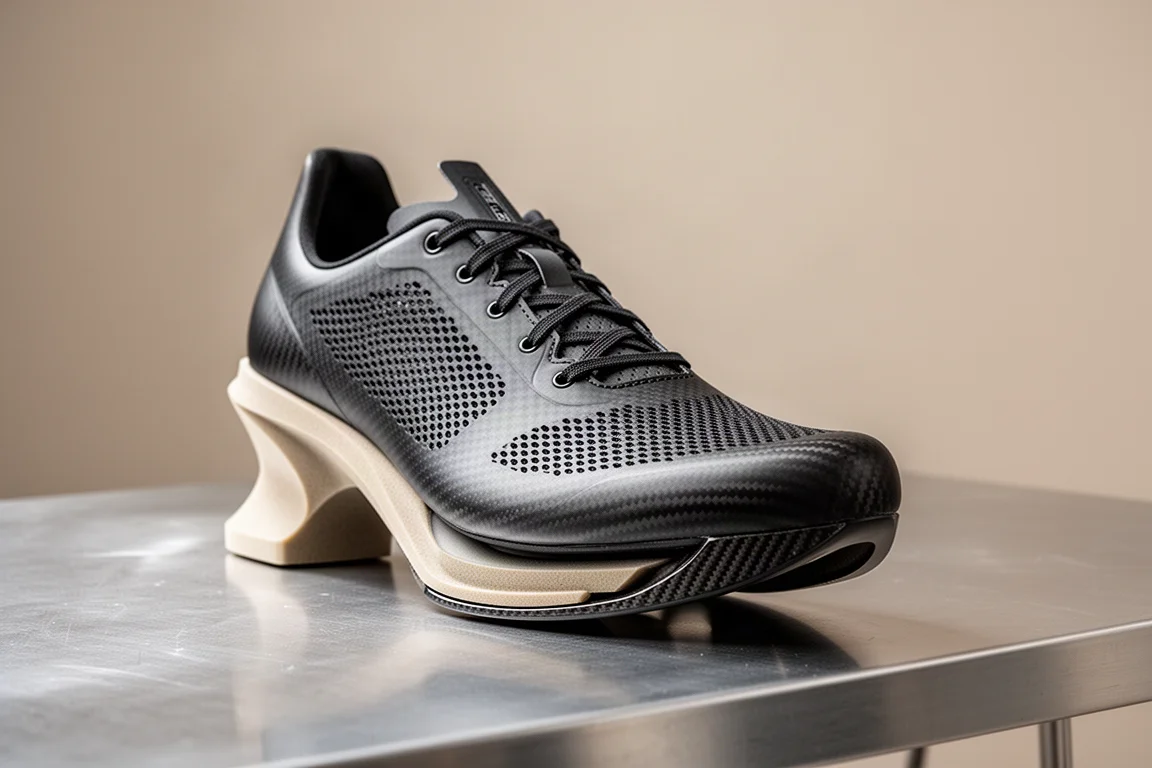
The Cielo X1 2.0 is a really good shoe. It is bouncy, fast and feels lightweight, and on this race it helped keep the legs turning over: springy in the first half, less so on the downhills, and nicely light on the uphills.
It has handled hard training well too, including an eight-times-3K session off 1K floats before a spring marathon. One caveat: races in this shoe so far have come right after marathons, so it has yet to be raced fully fresh. It is a shoe worth revisiting when chasing a personal best.
Half Tights: Hoka Novele
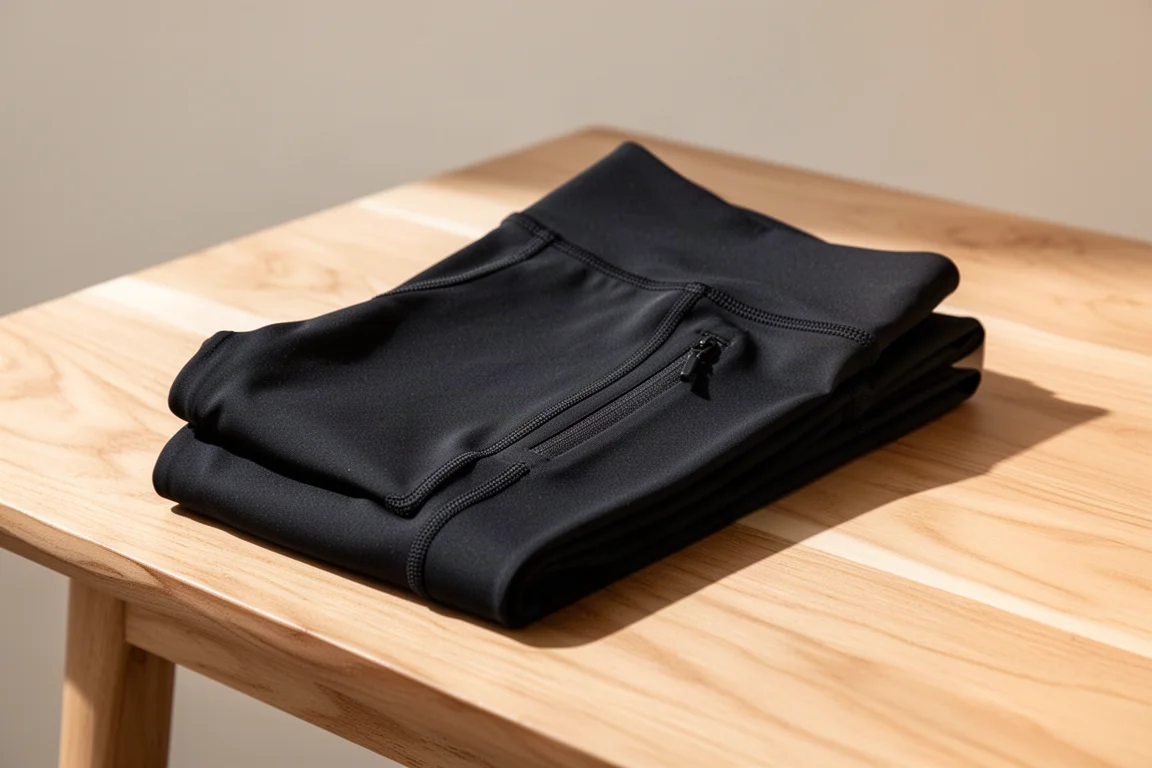
The Novele half tights are very comfortable with genuinely good storage. There is a large drop-in side pocket that held a phone during the race, a zip side pocket with a small opening but plenty of internal space for gels, and a pull-through pocket at the back that works as one big pocket with two points of access.
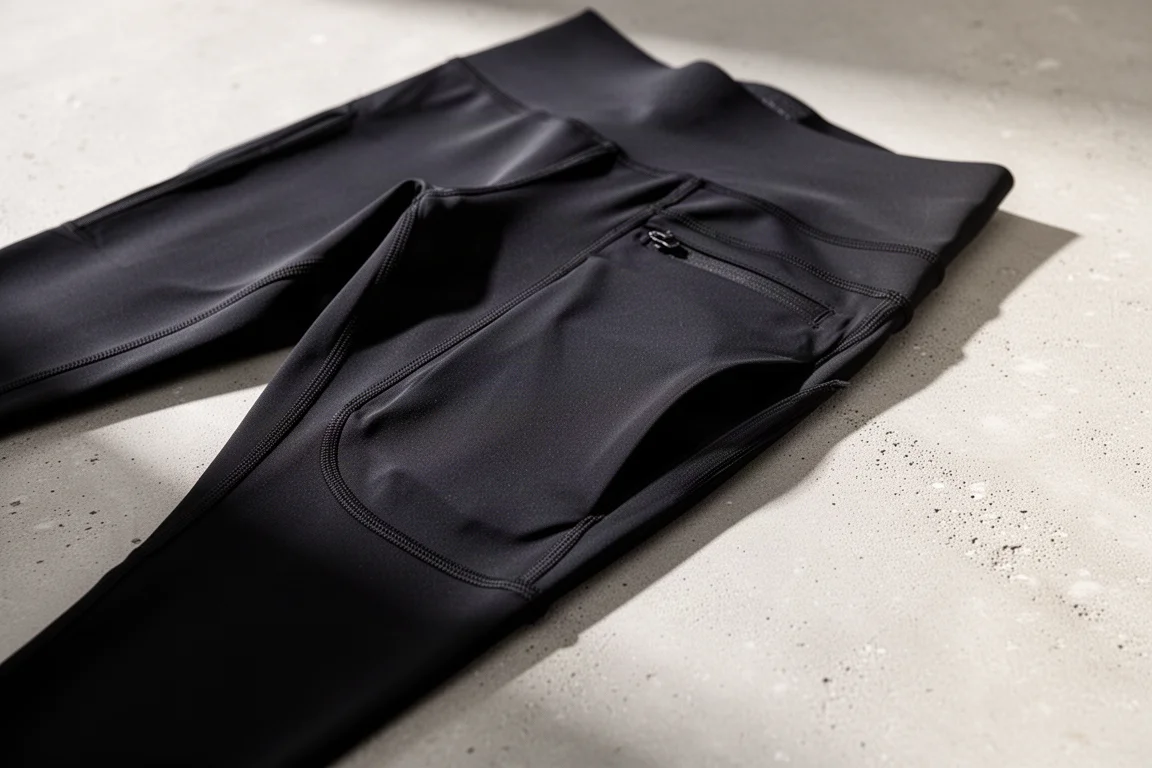
For shorter races, these are an easy recommendation. For a full marathon, runners who carry a lot of sports drink may find the storage slightly short, but for half marathon distance and below they are hard to beat.
Headphones: Nank Ultra Clip-On Open Earbuds
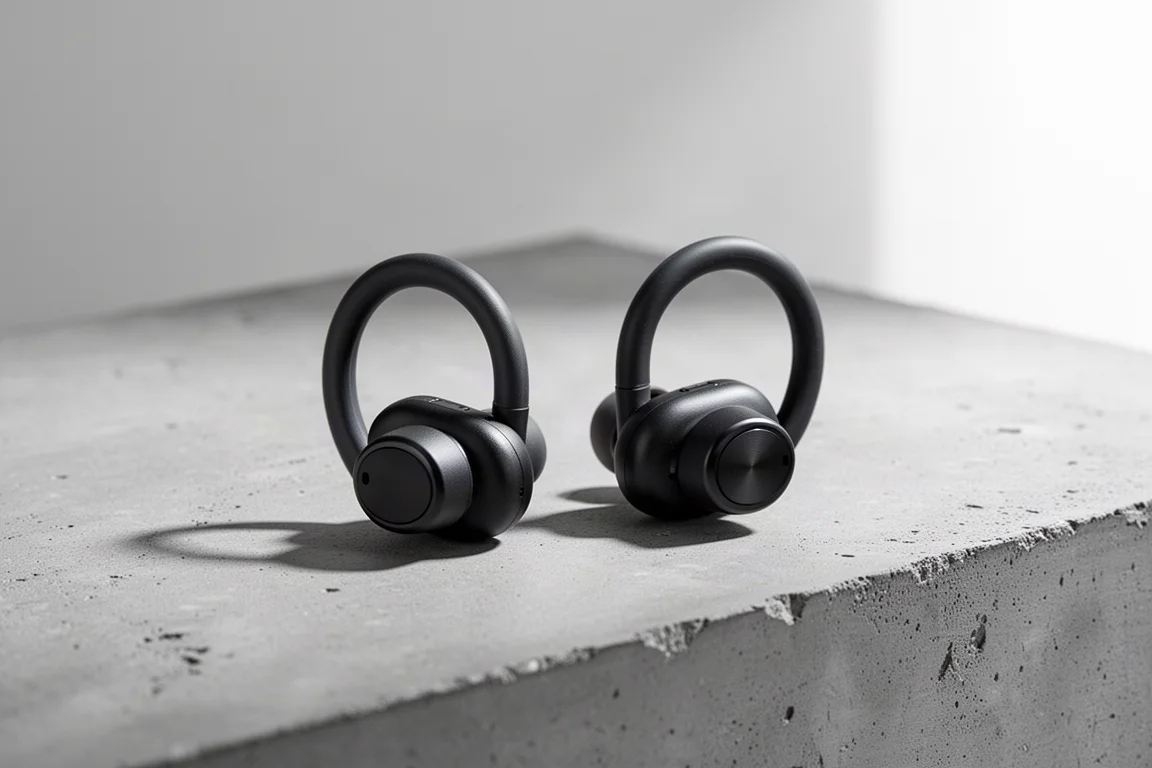
The Nank Ultra headphones are pretty good value, largely because they are almost always on sale rather than sold at their RRP. At around £60 or $80, they sit well below premium open-ear options like the Bose Ultra Open Earbuds, which offer better sound quality.
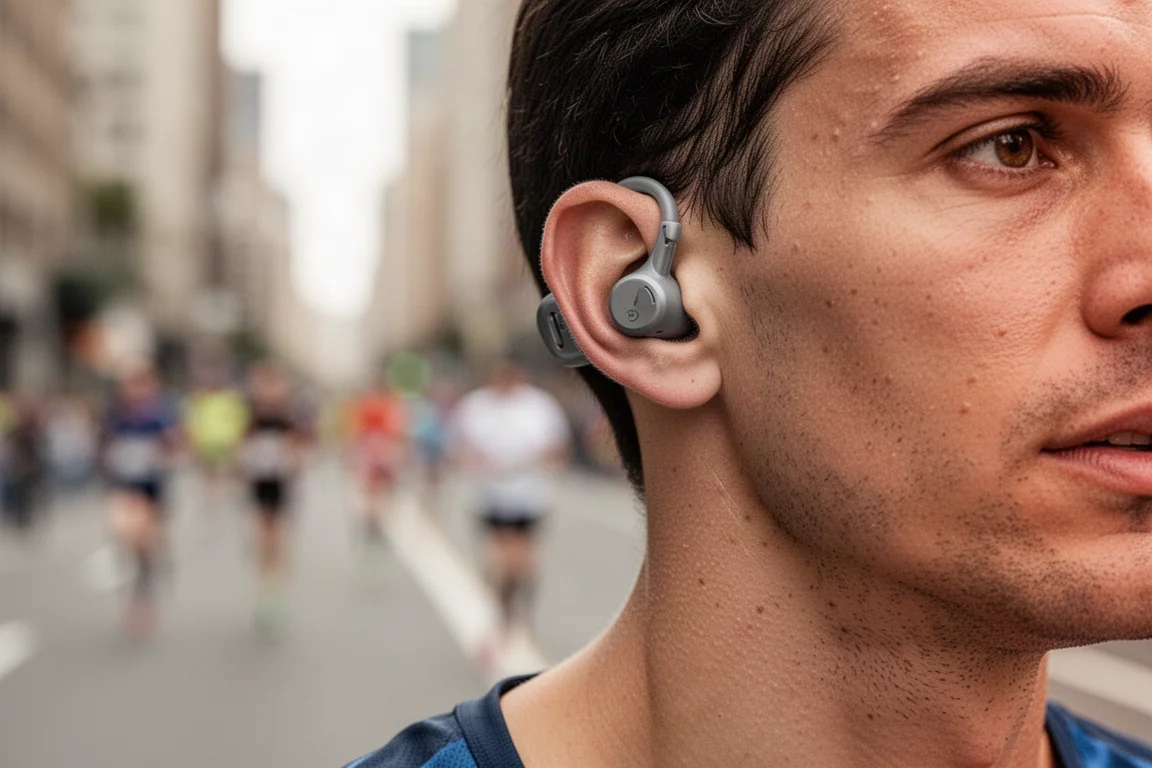
The sound is decent and the battery life is solid. They are reasonably loud for open headphones, and even over loud course cheers, music still came through for motivation in the second half. The weak point is the touch panel controls, which are fiddly and did not always register commands. Still, they are a solid budget option if you want clip-on open headphones without paying flagship prices.
Buying Advice
If you are choosing between the two watches, pick the Forerunner 570 for better race-day pacing accuracy and the brightest display, or the Forerunner 265 if battery life matters more. Pair either with a chest strap if you want heart rate you can trust from the very first stride. For racing kit, the Cielo X1 2.0 earns its place as a fast, bouncy race shoe, the Novele half tights are a comfortable storage win for shorter races, and the Nank Ultra are a sensible budget route into open-ear listening, as long as you can live with fussy touch controls.
Conclusion
Across a twisty, crowded half marathon, this kit split cleanly into standouts and compromises. The Forerunner 570 proved the more trustworthy race pacer, the Cielo X1 2.0 and Novele half tights made the miles easier, and the Nank Ultra delivered serviceable open-ear audio at a friendly price. For runners building a race-day setup, each of these deserves a spot on the shortlist.
Further reading
Related Reviews
Running Gear
Best Running Caps 2026: Nine Tested Options for Summer and Winter
A comprehensive guide to nine running caps tested across different conditions, from lightweight summer options to waterproof winter choices.
Running Gear
Best Running Caps: A Guide to Summer and Winter Options
A comprehensive review of nine running caps for different conditions, styles, and preferences, from lightweight summer options to waterproof winter choices.
Running Gear
Best Running Gear 2026: Five Picks That Earn Their Place
Five running upgrades covering heart rate, audio, fuelling, carrying and weather protection, with the trade-offs worth knowing before you buy.