Kitchen Knives
Which Gyuto Size Do You Actually Need? Four Japanese Knives Compared
A practical look at gyuto blade lengths and four Japanese knives that cover different kitchen tasks, from intricate prep to all-round chopping.
Introduction
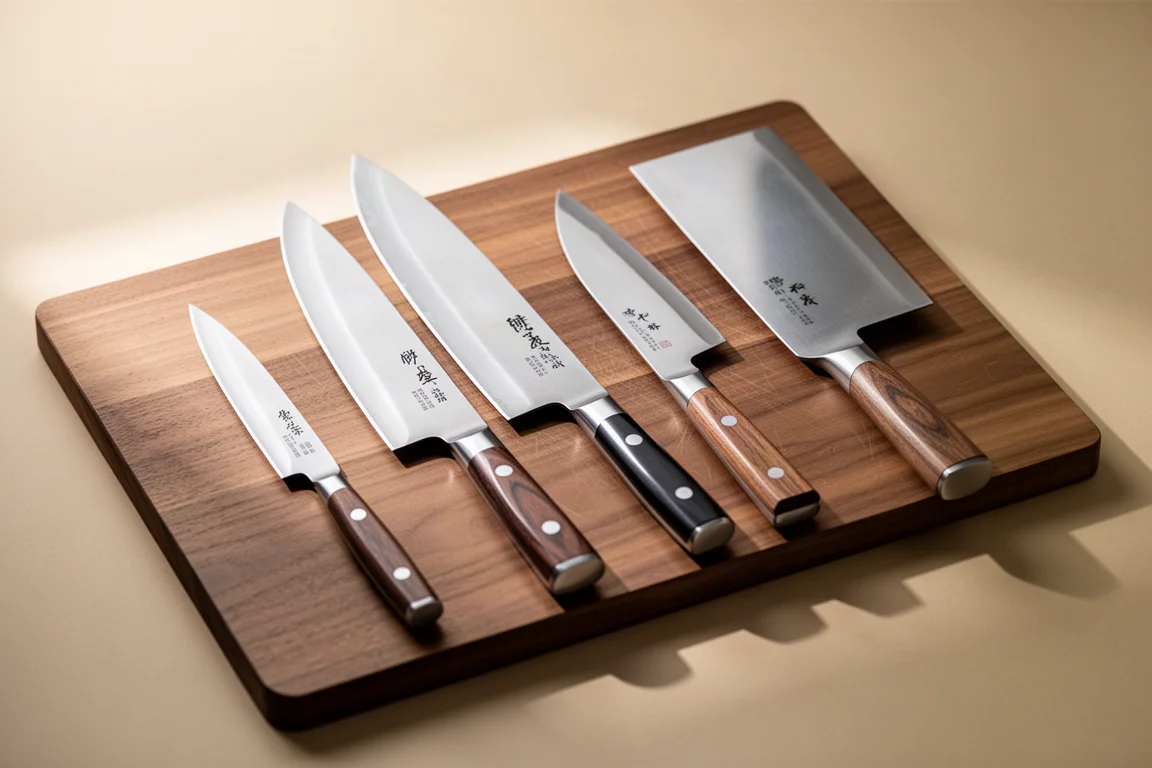
Gyuto sizes can feel confusing when you are choosing your first serious Japanese knife. The common lengths are 180mm (about 7 inches), 210mm (about 8.2 inches), and 240mm (about 9.5 inches), with the 300mm (about 11.8 inches) appearing less often. The short answer: longer knives are generally more versatile, but the best choice depends on how you chop and what you cook. Here is how the sizes compare, and four knives that illustrate the range.
The 180mm Gyuto: Precision for Small Tasks
The 180mm is the shortest of the common gyuto sizes, and it shines on small, intricate work. Brunoise cuts, shallots, and garlic are all easy to handle because your hand sits closer to the tip, giving you more control over the front of the blade.
The trade-off is blade geometry. With less blade height, a 180mm tends to get thick relatively quickly, which makes harder ingredients like sweet potatoes more challenging. Many 180mm gyuto also have a very sweeping profile with little flat spot, which makes an up-and-down chopping motion less enjoyable.
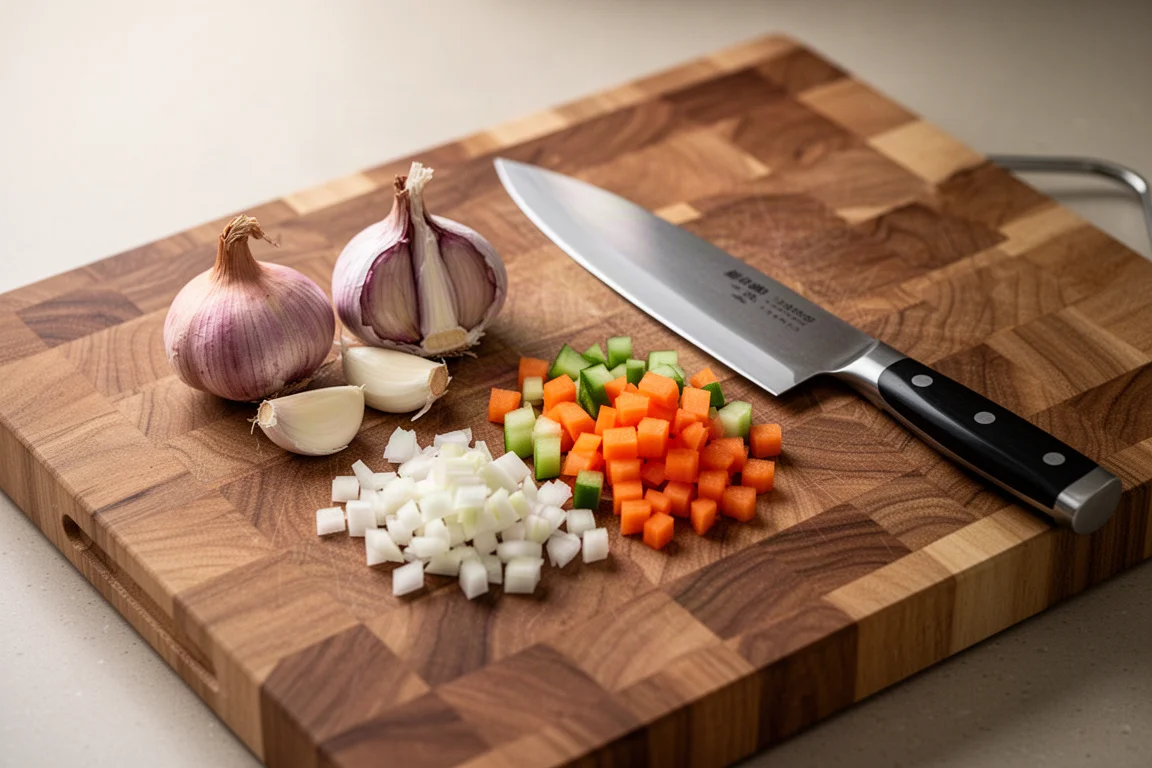
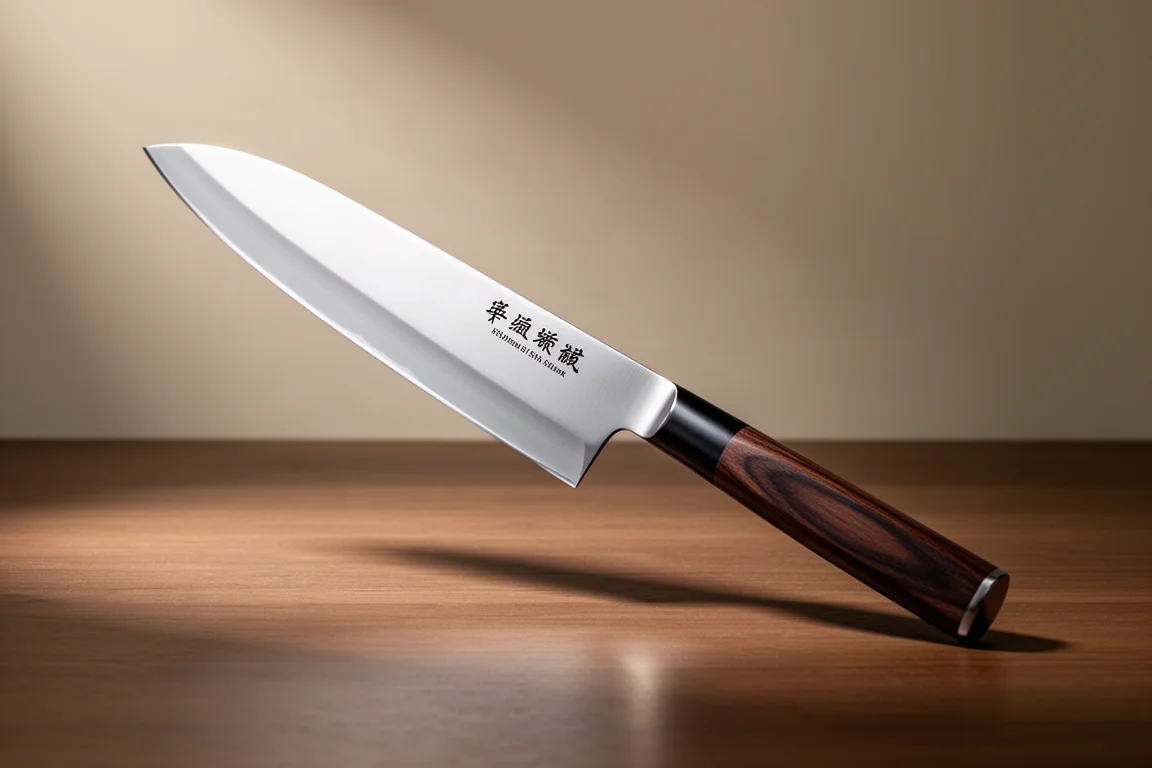
That said, there are exceptions. The Konosuke Gyuto 180mm is razor sharp with genuinely nice blade geometry, and it glides through sweet potatoes with surprising ease. It even carries more flat spot than is typical for the size, putting its handling closer to some 210mm knives. Just remember that each knife is different, so compare on a knife-to-knife basis rather than judging by length alone.
Why Grip and Usable Edge Length Matter
If you are buying your first nice Japanese knife, you are probably also learning proper technique, and that changes the math on length. The correct hold is a pinch grip, where your fingers rest on the blade just in front of the handle rather than gripping the handle alone. It gives you far more control.
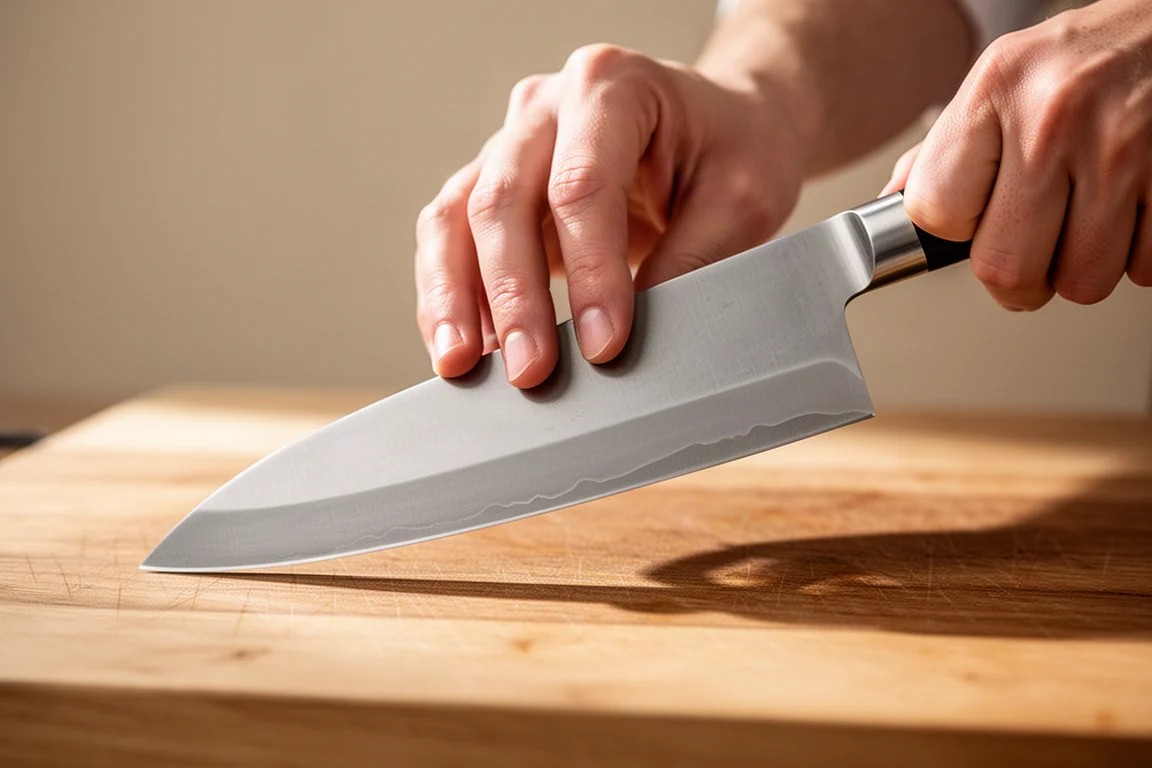
The catch is that a pinch grip consumes an inch or so of usable edge. A 180mm effectively becomes a 5.5-inch blade, a 210mm drops from 8 to about 7 inches, and a 240mm goes from 9.5 to roughly 8 to 8.5 inches. Once you grip this way, longer knives feel much easier to work with, and anything shorter starts to feel cramped.
The Fujin Algami Super 240mm Gyuto
A 240mm gyuto is generally the most versatile profile. Because there is more blade length to work with, most 240s offer both a usable flat spot and a sweeping tip, so you can rock chop and push chop comfortably with the same knife. Shorter blades usually force a compromise between the two.
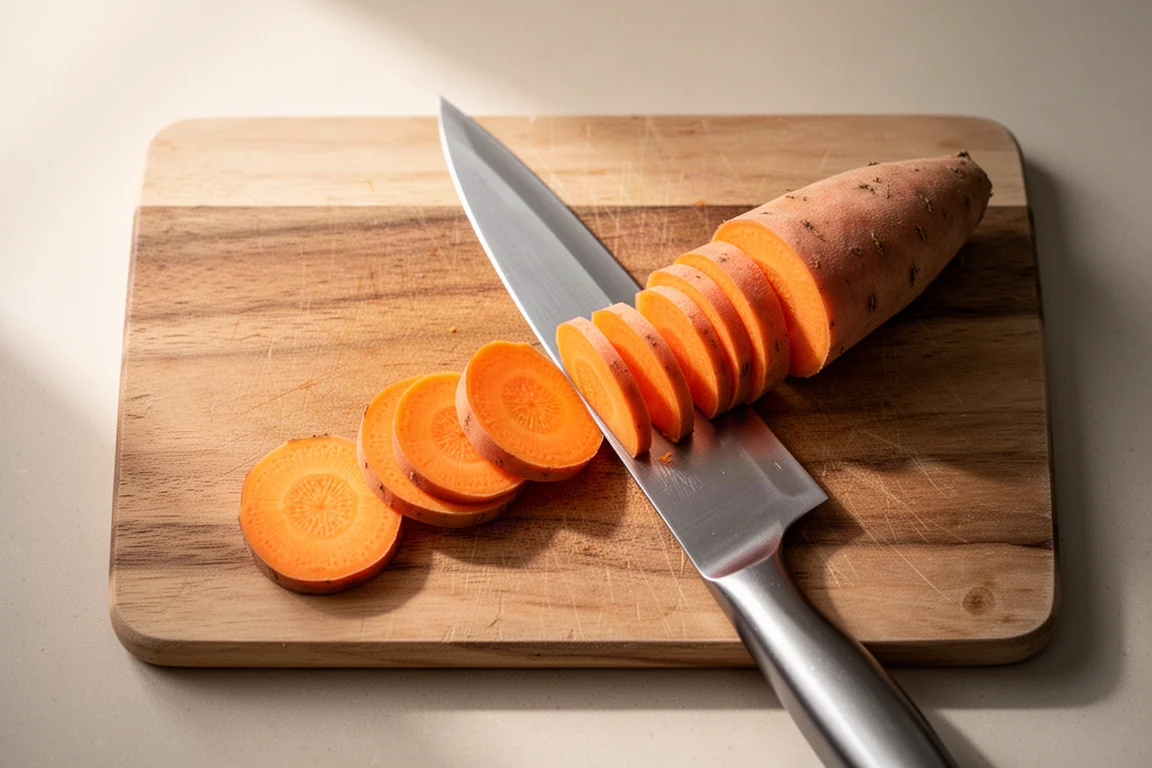
The Fujin Algami Super 240mm Gyuto has a flat section near the heel that sweeps upward toward the tip, and it makes quick work of hard ingredients like sweet potatoes. The 240 is the length many experienced cooks reach for most of the time at home, and it tends to feel less unwieldy than people expect.
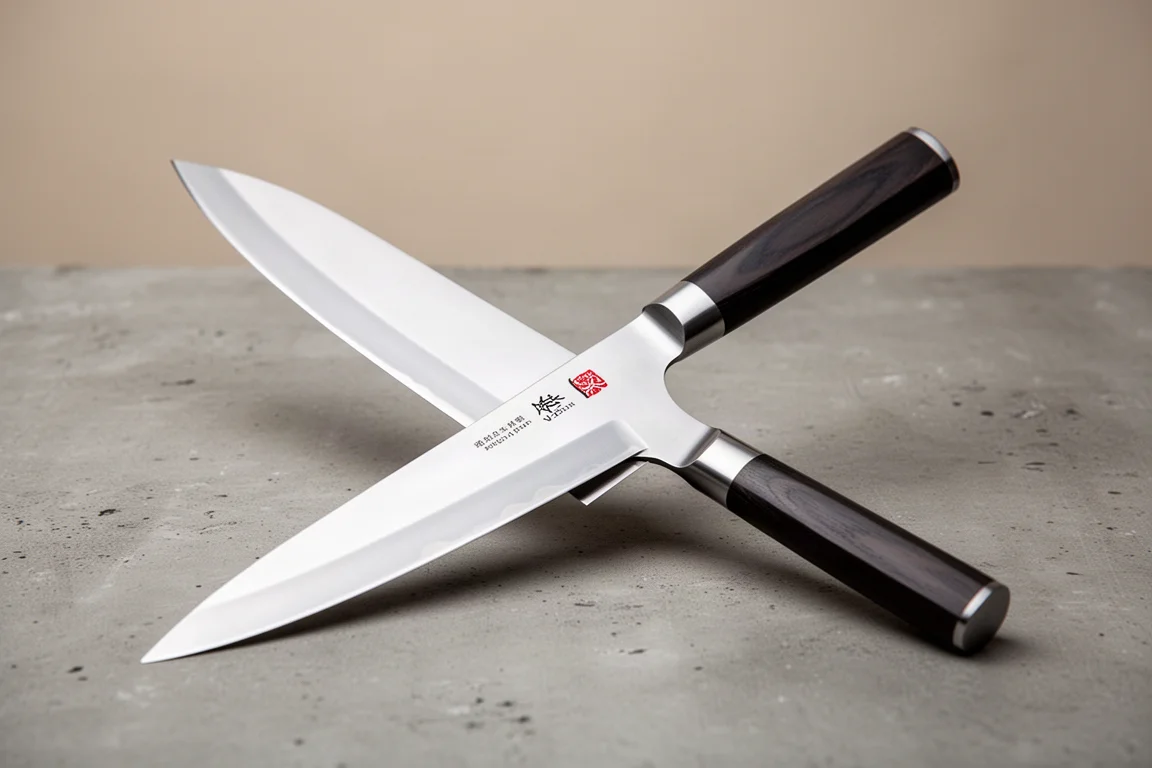
The Hatanosan Bunka
A bunka sits in the middle ground of knife sizes, and it is a good example of how a shorter knife can still earn a permanent place on the counter. The Hatanosan Bunka has become a daily driver for all kinds of prep, filling the role many cooks previously handed to their 240mm gyuto.
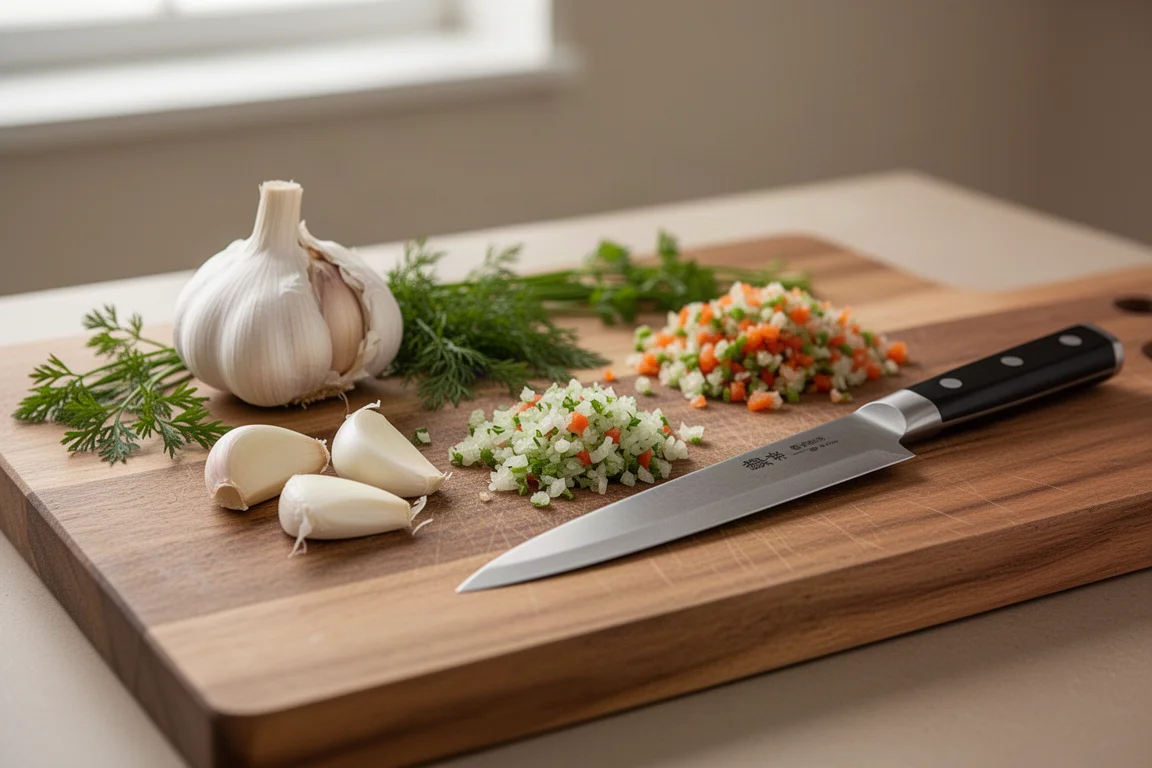
If you are building a well-rounded knife kit, a mid-size knife like a bunka, a nakiri, or a 180mm gyuto covers the tasks where a longer blade feels like too much, while a 210mm or 240mm gyuto covers the rest.
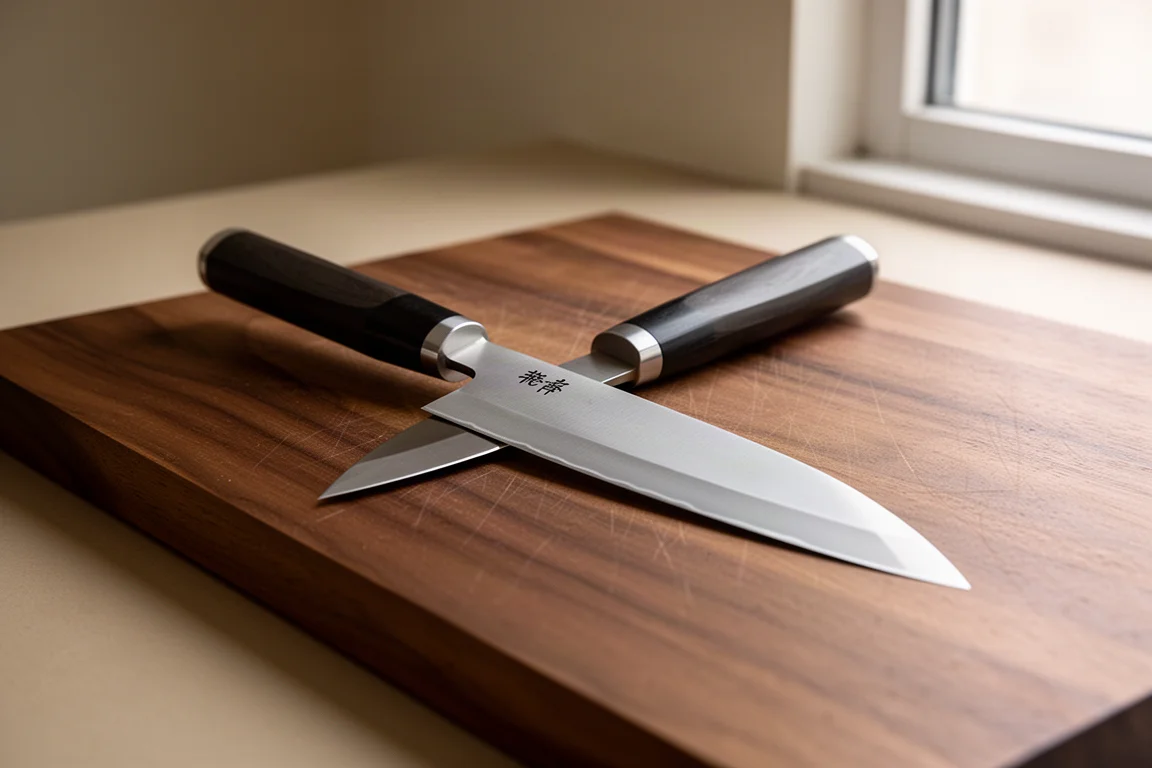
The Shirokamo Nakiri
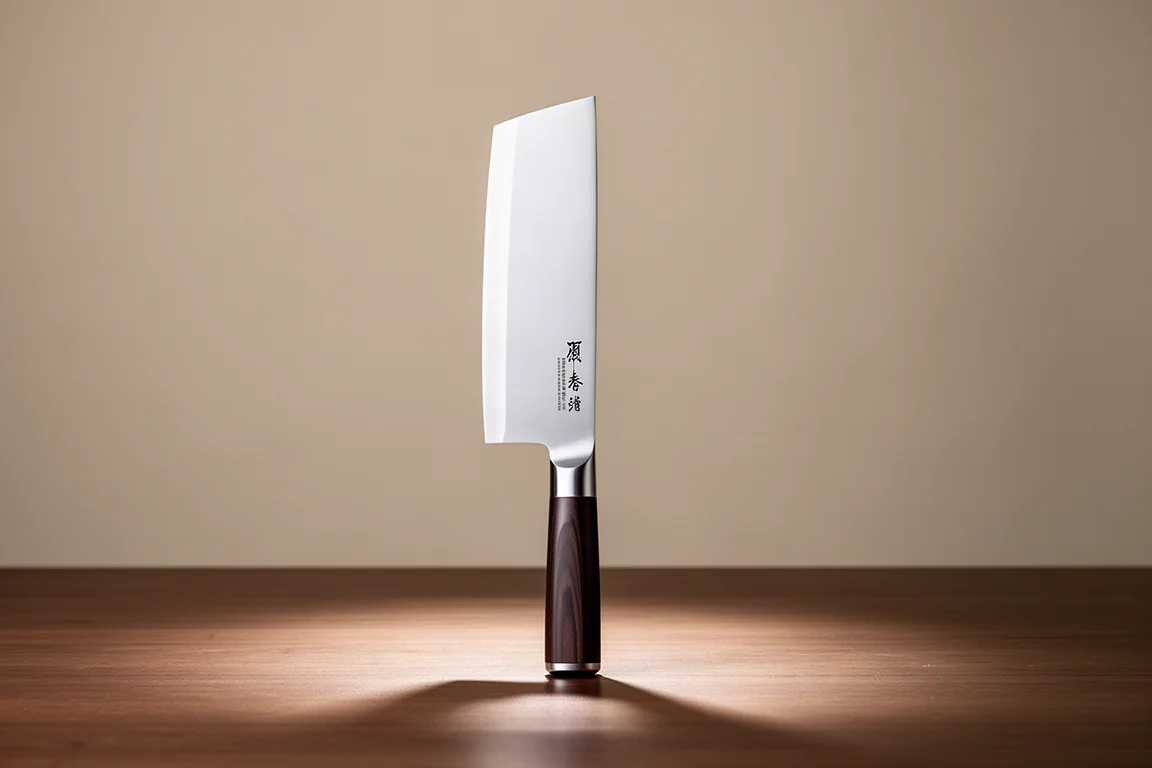
The Shirokamo Super Tall Nakiri is a beautiful vegetable-focused option and a favorite in any serious knife collection. As a nakiri, it is built for up-and-down chopping, though its profile has relatively little flat spot compared with a typical 240mm gyuto. If you are primarily an up-and-down chopper, it is worth handling before you commit, but as a dedicated vegetable knife it earns its place.
What About the 300mm?
In theory, the 300mm should be the only knife you need, since longer generally means more versatile. In practice, it is over the top even for cooks with a decade of professional kitchen experience. It is genuinely fun to use and handles carrots without trouble, but fine work like mincing garlic feels heavy and awkward with a blade that long. It also costs noticeably more, and as a rule the longer the knife in the same series, the higher the price.
Buying Advice
Longer knives are generally more versatile, and most people adapt to a 240mm faster than they expect. If you find yourself constantly wishing your current 6 to 7 inch knife had more reach, that is a clear sign to go longer. If you are happy with your current size, there is no need to force the change.
A balanced kit usually includes a small petty-style knife, a mid-size option like a bunka, nakiri, or 180mm gyuto, and something longer like a 210mm or 240mm gyuto. If this is your first quality knife and you want maximum versatility, a longer blade simply lets you do more.
Conclusion
The right gyuto size comes down to technique and cooking style. The 180mm rewards precise, small-scale work, the 240mm is the most versatile all-rounder, and mid-size knives like a bunka or nakiri cover the tasks in between. Compare individual knives rather than lengths alone, and do not be afraid of going longer than you think you need.
Further reading
Related Reviews

Kitchen Knives
Best Chef's Knives 2026: 27 Popular Options Tested and Ranked
A comprehensive review of 27 chef's knives ranging from $18 to $380, with honest assessments of handle comfort, blade balance, and real-world performance.

Kitchen Knives
Best Chef's Knives Under $75: Two Tested Recommendations
Two practical 8-inch chef's knives that balance sharpness, comfort, and durability without premium pricing.

Kitchen Knives
Best Chef's Knives 2026: 27 Options Tested and Ranked
A comprehensive review of 27 chef's knives ranging from $18 to $380, with honest assessments of handle design, balance, blade profile, and real-world performance.