Gravel Bikes
Guava Ace Review: A Customizable Gravel Bike Built for Fun, Not Watt Claims
The Guava Ace pairs a longer, lower race position and 54 mm tire clearance with unusually deep customization options, in a range that launches with three high-end builds.
Introduction
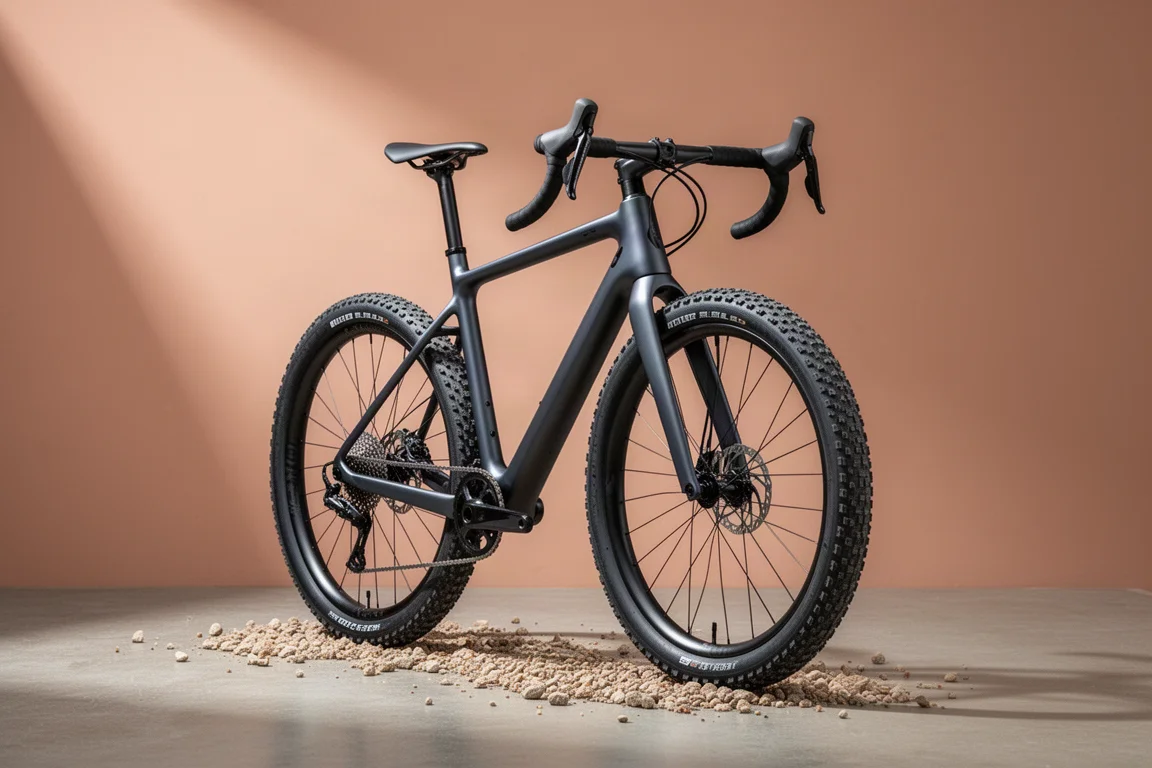
Gravel bikes have spent the past few seasons chasing aerodynamics, wind tunnel numbers and watts saved at a given speed. The Guava Ace takes a different route. Guava is a Barcelona-based brand founded in 2022, with its own shop in Girona, and the Ace is its newest gravel platform. It is still a quick bike, with a longer and lower riding position than the model it replaces, but Guava is upfront that the frame has not been through CFD modelling or wind tunnel testing and makes no claims about watts saved at a set speed. The pitch instead rests on customization, sensible component choices and a ride that is easy to live with. This review looks at who the Ace suits, where it stands out, and what to weigh up before buying.
Who the Guava Ace Is For
The Ace is aimed at riders who want a fast gravel bike but are not shopping for a flagship-tier project build. Tire clearance has grown to 54 mm front and rear, up from 45 mm previously, which opens up rougher terrain and chunkier rubber than the outgoing model could take. The position is deliberately longer and lower than before, so it rewards riders who like to sit stretched over the front end and push a steady pace.
It also suits buyers who care about getting the fit right the first time. Because Guava sells directly, component choices such as stem length, bar width, crank length and chainring size are made at the point of purchase rather than after the bike arrives.

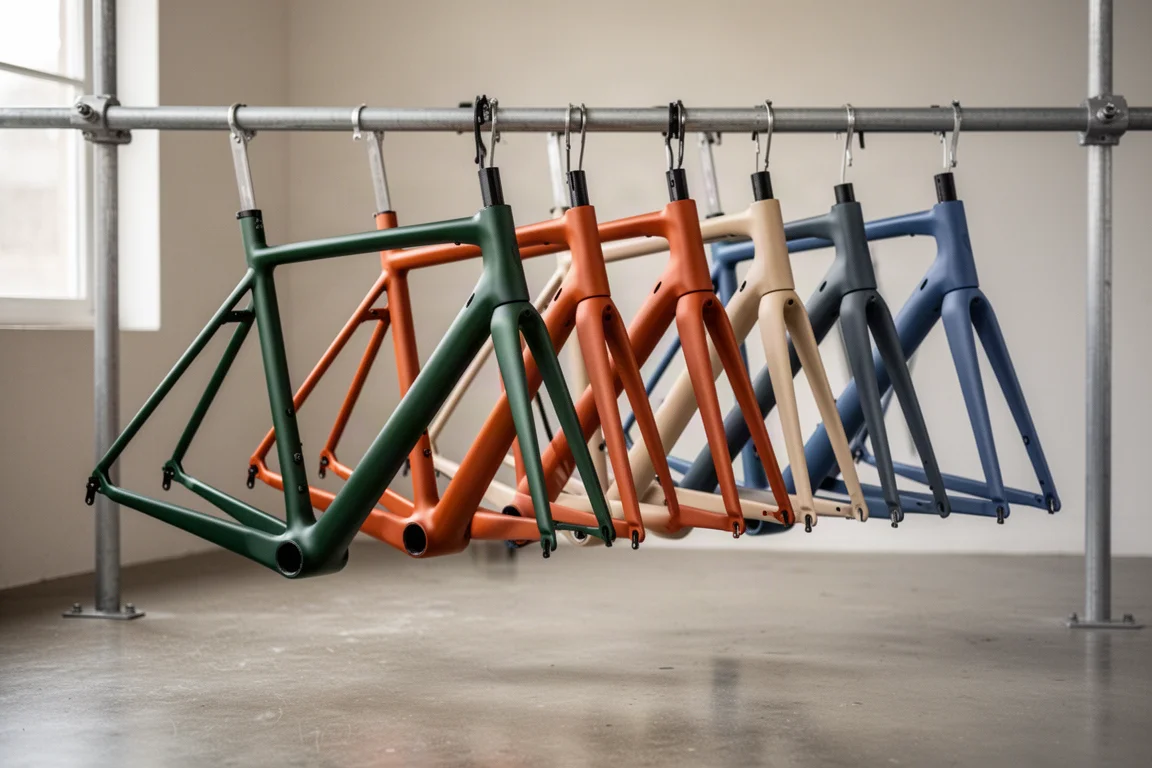
Customization extends to the finish as well, with 12 solid block color options available. That is a rare amount of choice for a production gravel bike, where two or three paint options is often the ceiling. For riders who want a bike that does not look like every other bike at the trailhead, that breadth matters.
Main Strengths
The Ace is built around a handful of clear priorities: a racy but stable ride, a cockpit that is genuinely easy to work on, and a buying process that helps riders avoid expensive part swaps later.
Ride Quality and Handling
The frame is built from Kammtail airfoil tubing across the fork, head tube and seat tube, and Guava claims a 900 g frame weight, with a complete bike weight of 8.4 kg for the GRX Di2 build. On the size medium, the head angle sits at a relatively slack 70.5 degrees. Combined with the big 50 mm tires fitted to the launch builds, the result is handling that feels stable rather than sharp, holding the line you choose instead of reacting to every rock and rut.
That stability is arguably the right call for most riders. A bike that tracks straight and stays planted lets you carry speed over rough gravel with more control, even if it feels less eager than a twitchy race frame. Comfort is strong too, helped by the 27.2 mm seat post and the high-volume tires, which soak up rocky sections well.
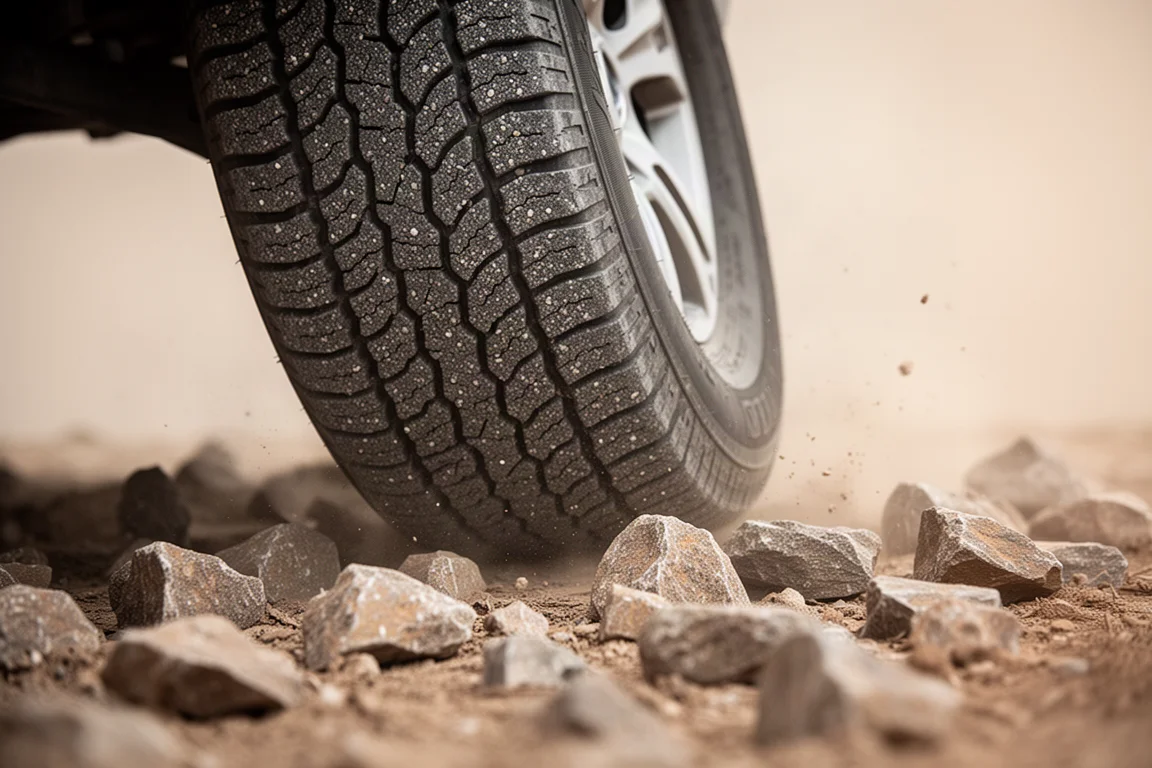
Traction is the trade-off to know about. The Vittoria Terreno T50 tires fitted as standard have a low-profile tread, so they lose bite in mud and the rear wheel can lock up fairly easily under hard braking on wet, greasy trails. Tires are a personal choice and an easy swap, so this is a preference point rather than a flaw.
Customization and the Skim Fit System
New for the Ace is an integration with a web app called Skim. Riders enter detailed body measurements along with information about flexibility, mobility, height, riding frequency, riding history and the kind of bikes they are used to, then complete a body scan. The system processes that data using input from bike fitters and supporting studies to recommend a frame size and component choices, so buyers are less likely to end up with the wrong stem length or bar width.
Skim is clear that it is not a replacement for a professional bike fit, and it does not tell you where to position your saddle or how to set up your cleats. What it does is get the fundamentals in the right ballpark at the moment of purchase. It is free to the end rider, and Guava frames that as part of the value story, since getting the size and components right up front avoids spending money on replacement parts later. In practice the recommendations came out close to what a rider would likely choose anyway, and any suggestion can be overridden. The system is independent of Guava and is expected to appear on other bikes over time.
Value and Build Options
Three builds are available at launch, all using Guava’s own carbon wheels and Vittoria Terreno T50 tires, and all set up as 1x drivetrains. The GRX Di2 build tested here costs 6,399 euros, with a Force AXS build at a similar figure and a SRAM Red AXS build also offered. That is not cheap, but it undercuts the top-tier custom programs from the biggest brands while still including carbon wheels as standard.
The frames also carry mounting points for a front derailleur if you want to run a 2x setup, and there are no-nonsense touches throughout: a threaded bottom bracket, a 27.2 mm seat post, and a one-piece cockpit that separates easily. Cables are hidden but not fully integrated, which means you can change a stem or bar width without bleeding the brakes.
Cheaper builds, possibly with a Rival AXS groupset, are expected in the future and should improve the value proposition further. For now, the range sits firmly at the high end.
Things to Consider Before Buying
The aero shaping on the Ace is cosmetic rather than data-driven. Guava has not run CFD modelling or wind tunnel testing, so there are no efficiency figures to compare against dedicated aero gravel bikes. The shallow rims do make the bike easy to handle in windy conditions, and it never feels slow, but it is not designed to be a pure aero race machine. Riders who want published watt savings should look elsewhere.
Launch availability is limited to the three high-end builds, so budget-focused buyers may want to wait for the cheaper options to arrive. Tire choice is another consideration: the standard low-profile tread is quick and comfortable on dry surfaces but gives up grip in mud, and swapping tires is the simplest fix.
Handling is stable rather than reactive. That is a deliberate choice and works well for most riders, but anyone expecting razor-sharp race geometry may find it slower to change direction than they would like. The longer, lower position is also worth taking seriously, since a stretched front end and a slammed cockpit on the test bike made for a fairly aggressive setup.
Buying Advice
The Ace makes the most sense for riders who value customization and easy ownership as much as outright speed. Twelve color options, component choices made at purchase, a cockpit you can service without touching the brakes, and a threaded bottom bracket add up to a bike that is straightforward to live with long term.

Using the Skim system before ordering is the single most useful step, particularly for direct-to-consumer buyers who cannot test ride first. Getting the frame size, stem length, bar width and crank length right up front avoids the cost and hassle of replacing parts later, and any recommendation can be adjusted if you already know your preferences. If your priorities are published aerodynamic data and the sharpest possible race handling, other bikes will serve you better. If your priorities are fun, comfort, fit confidence and a bike that stands out, the Ace is a strong option worth considering.
Conclusion
The Guava Ace is a good gravel bike. It does not aim to win a wind tunnel argument, and it does not pretend to. What it offers is a stable, comfortable and genuinely enjoyable ride with room for 54 mm tires, backed by a buying process that puts fit and customization first. The high-end launch builds keep it out of budget territory for now, but the promise of cheaper options and the depth of personalization on offer make it a compelling choice for riders who want a fast gravel bike that feels like their own.
Product link
View more details for Guava Ace
This product is mentioned in the review. Check the specifications, options, and compatibility before buying.
View more details for Guava AceFurther reading
Related Reviews
Gravel Bikes
3T Exploro Ultra Review: A Fast Gravel Bike Built for Big Tyres
A close look at the 3T Exploro Ultra, an aero carbon gravel bike designed around wide tyres, with road-like handling, a 980 g frame and genuine rough-terrain capability.
Gravel Bikes
3T Extrema Italia Review: Aero Gravel Speed With Room for 57 mm Tires
The 3T Extrema Italia pairs an aero frame with huge tire clearance, Italian-made carbon and a more comfortable ride than the RaceMax. Here is what to know before buying.
Gravel Bikes
3T Race Max 2 Italia Review: An Aero Gravel Race Bike Made in Italy
A closer look at the second-generation 3T Race Max 2 Italia, covering its aero updates, ride character, tire clearance, internal storage and who it suits.