Gravel Bikes
Guava Ace Review: A Customizable Carbon Gravel Bike Built for Fun, Not Watt Claims
The Guava Ace pairs a light carbon frame and 54 mm tire clearance with deep customization and a fit-focused buying process. Here is what it does well and what to weigh first.
Introduction
Gravel riding has spent the past few years chasing aerodynamic efficiency, and with it a long-running debate about what the spirit of gravel is supposed to mean. Guava has taken a deliberately different route. The Barcelona-based brand, founded in 2022 and with a shop in Girona, has launched the Ace, a new gravel bike built around fit, customization and everyday usability rather than wind tunnel numbers. There are no CFD modelling claims and no watts-saved figures attached to the frame.
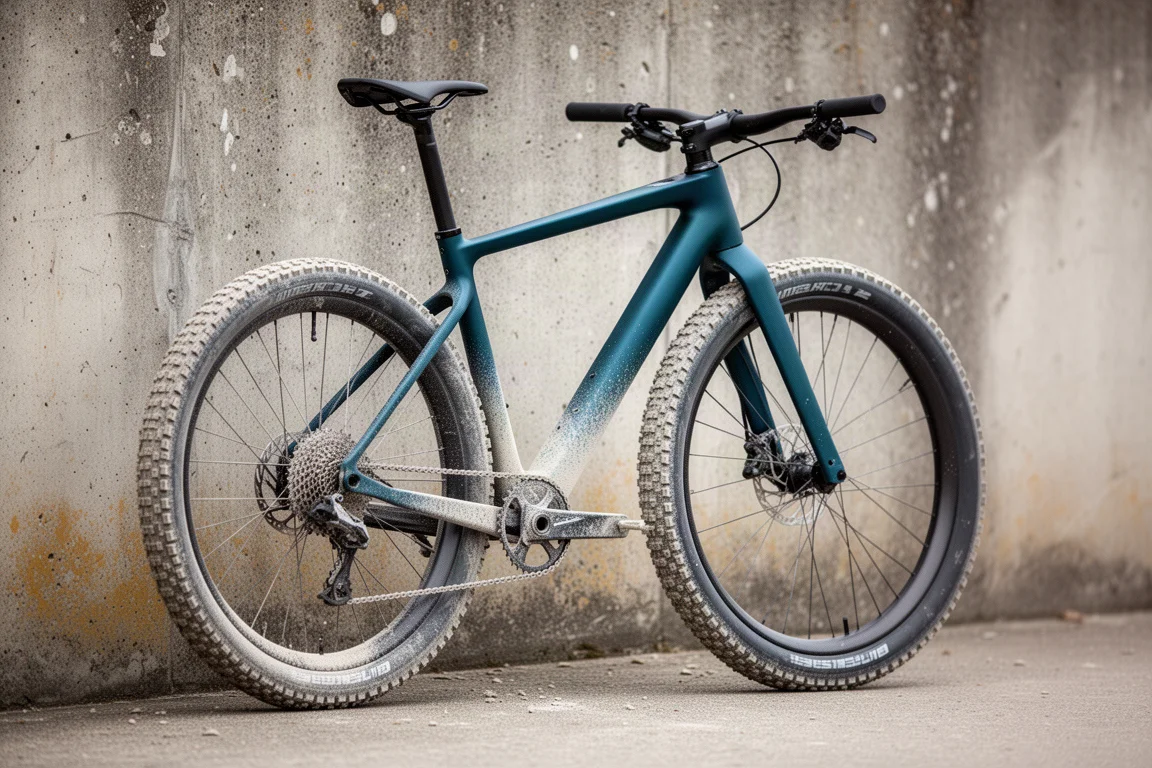
The Ace shifts to a longer, lower and racier riding position than Guava’s previous gravel platform. Tire clearance grows to 54 mm front and rear, up from 45 mm, and the fork, head tube and seat tube use Kammtail airfoil tubing. Guava claims a 900 g frame weight and 8.4 kg for a complete bike in the Shimano GRX Di2 build. Three builds arrive at launch, all 1x and all fitted with Guava’s own carbon wheels and Vittoria Terreno T50 tires: GRX Di2, SRAM Force AXS and SRAM Red AXS. Cheaper models are planned for later. The GRX Di2 build is priced at 6,399 euros, with the Force AXS build at a similar level.
Practical details round out the package: a 27.2 mm seat post, a threaded bottom bracket, and front derailleur mounting points for riders who later want a 2x setup. The handlebar and stem look integrated but separate easily, and the cables are hidden rather than fully integrated, so a stem length or bar width change does not require bleeding the brakes.
Who this product is for
The Ace is aimed at riders who want a fast-feeling gravel bike but do not want to pay for aerodynamic development they will never be able to measure. The position is low and stretched, which suits riders who are comfortable with a race-oriented setup, and the stable handling makes it a sensible choice for anyone covering long, loose or rocky surfaces where holding a line matters more than rapid direction changes.
It is also a strong option for riders buying directly from the brand. Guava allows stem length, bar width, crank length, chainring size and paint to be chosen at the point of purchase, and 12 solid block colour options are available. Riders who have struggled to get the right fit from an online purchase will find that flexibility more useful than a marginal aero gain.
Main strengths
Frame, weight, and build options
The headline numbers are competitive. A claimed 900 g frame weight and 8.4 kg complete weight put the Ace in the same conversation as many premium gravel bikes, and the build list avoids obvious weak points: Guava’s own carbon wheels and Vittoria Terreno T50 tires on all three launch builds, a 27.2 mm seat post that adds compliance, and a threaded bottom bracket that is straightforward to service at home.
The 1x drivetrains keep the cockpit and chainline simple, while the front derailleur mounts leave the door open for a 2x build. The separable bar and stem design is a genuinely useful touch: hidden cables look clean, but because they are not routed through the headset bearings, swapping a stem or changing bar width stays a manageable job.
For riders who keep a bike for years and change parts as their position evolves, that combination of standards is a quiet advantage. It also means the Ace can be adjusted without a workshop visit or a brake bleed, which matters if you like to experiment with reach and bar width.
Handling and comfort on gravel
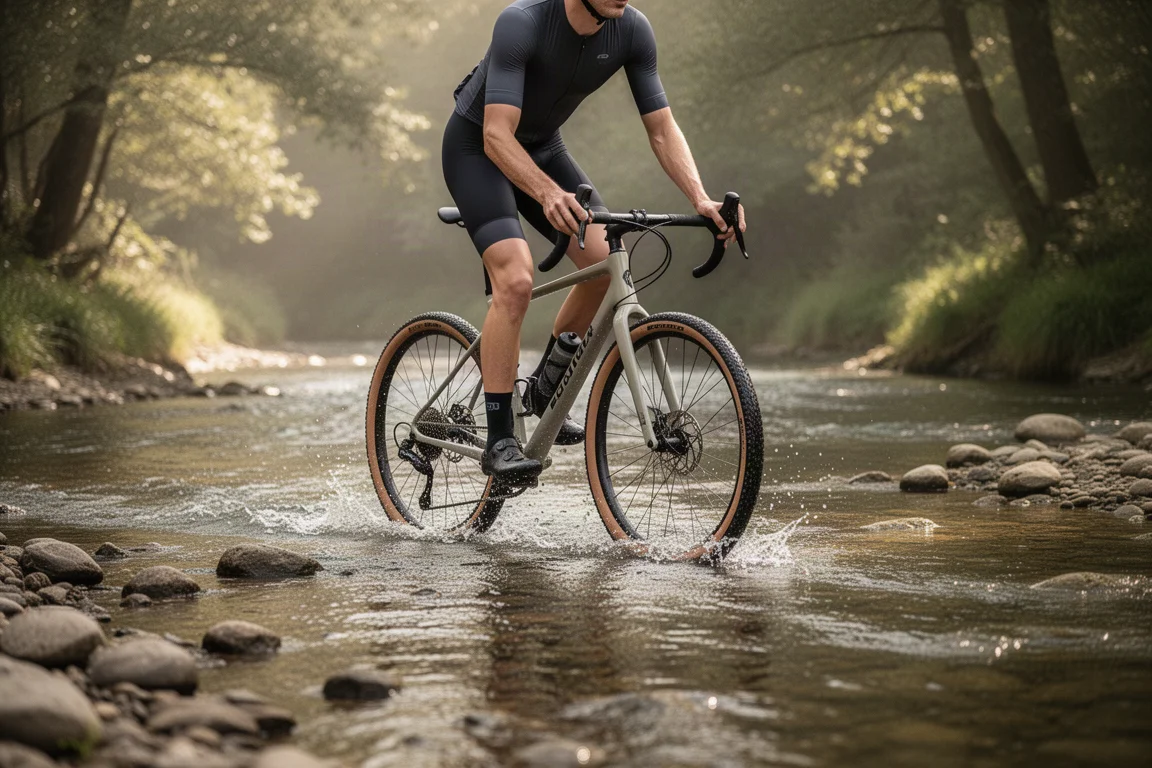
On the move, the Ace feels stable rather than sharp. The size medium frame runs a 70.5 degree head angle, and with a 100 mm stem and the 50 mm tires, the front end holds its line well instead of skipping off rocks and ruts. That calmness is easy to underestimate: on rough gravel it lets a rider carry speed with fewer corrections and less fatigue.
Comfort is a clear strength. The 27.2 mm seat post and the large-volume tires smooth out chunky, rocky sections, and the bike never feels harsh. On mixed surfaces it clips along at a good pace on both gravel and tarmac, and the shallow rims keep it predictable in crosswinds. It is not an aero bike and does not pretend to be, but it never feels slow either.
Things to consider before buying
The Ace is not aimed at riders who want proof of aerodynamic performance. Guava is open about the fact that the frame has not been through CFD modelling or wind tunnel testing, so anyone who cares about measured savings at a given speed should look at bikes built around that claim.
Tire choice is worth thinking about up front. The Vittoria Terreno T50 has a low-profile tread, which rolls quickly but offers limited bite in mud, and the rear wheel can lock easily when the brakes are grabbed on wet trails. Tires are personal and easy to swap, but riders who spend a lot of time on wet or muddy ground may want a more aggressive option from the start.
Pricing is another consideration. At 6,399 euros for the GRX Di2 build, the Ace sits in premium territory, and only high-end builds are available at launch. Cheaper models are planned, which should improve the value story over time. It is also worth remembering that the fitting tool recommends components based on body data, but it is not a substitute for a professional bike fit.
Buying advice
Guava’s customization process is the most distinctive part of buying this bike. The brand has integrated a web app called Skim, which asks for detailed body measurements along with height, flexibility, mobility, riding frequency, riding history and the types of bikes a rider is used to, then takes a body scan and uses data from bike fitters and studies to recommend frame size, stem length, bar width and crank length. It costs nothing to the end rider.
The recommendations can be overridden, and the app is clear that it is not replacing a professional bike fit. Its value is in getting the basics right at the point of purchase, so a buyer is less likely to spend money later replacing a stem, bar or crank set that was the wrong size from the start. Skim is an independent system that launches with Guava, and the same approach could spread to other direct-to-consumer brands.
Picking the right build and setup
All three launch builds share the same frame, wheels and tires, so the decision comes down to groupset preference and budget. GRX Di2 and Force AXS sit at a similar price, while the SRAM Red AXS build moves further up the range. Riders who want a lower entry point should watch for the cheaper builds that Guava has said are coming.
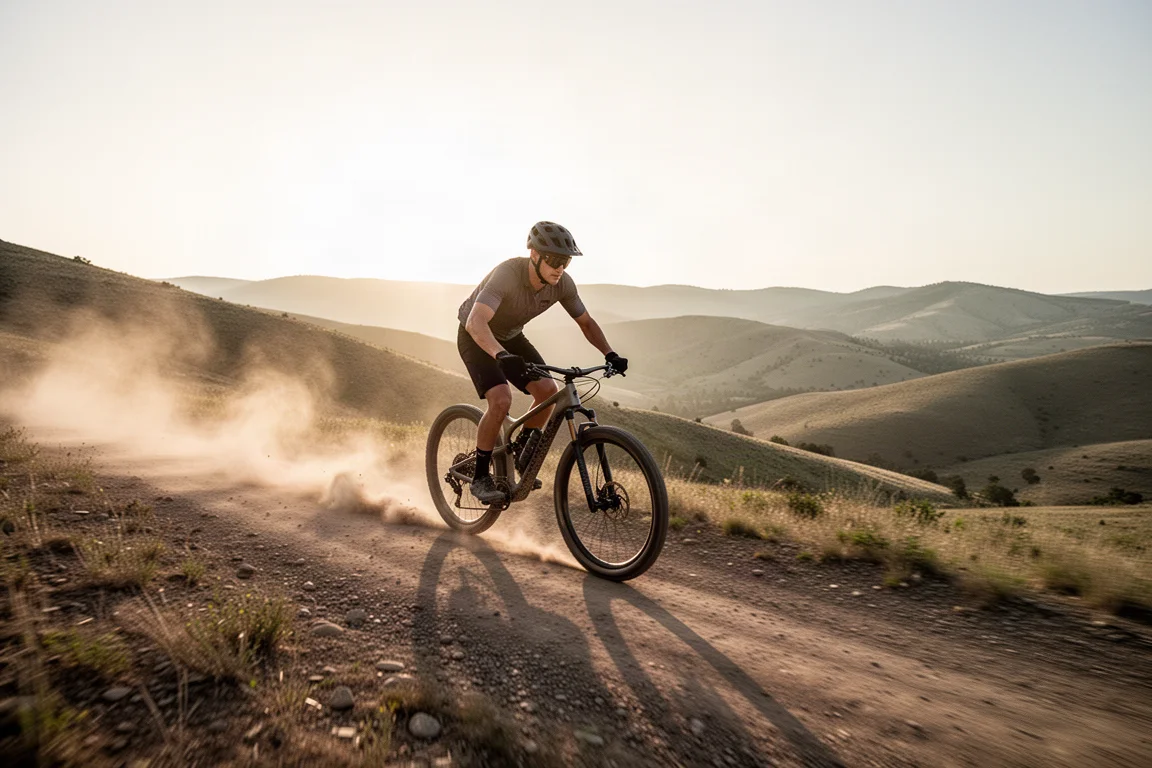
Whichever build you choose, the parts that shape fit and comfort stay the same: the 27.2 mm seat post, the wide tire clearance and the separable bar and stem. Spending time on the fit recommendations and choosing component sizes deliberately will have a bigger effect on how the bike feels day to day than the groupset badge on the down tube.
Conclusion
The Guava Ace is a good gravel bike, and its appeal is easy to explain. It is fun, stable, comfortable and easy to live with, and the customization programme addresses the biggest risk of buying a bike online, which is getting the size wrong. Riders who chase every saved watt will find more targeted options elsewhere, but anyone who wants a fast, capable gravel bike with a personal setup and a clean, serviceable design should put the Ace on the shortlist.
Product link
View more details for Guava Ace
This product is mentioned in the review. Check the specifications, options, and compatibility before buying.
View more details for Guava AceFurther reading
Related Reviews
Gravel Bikes
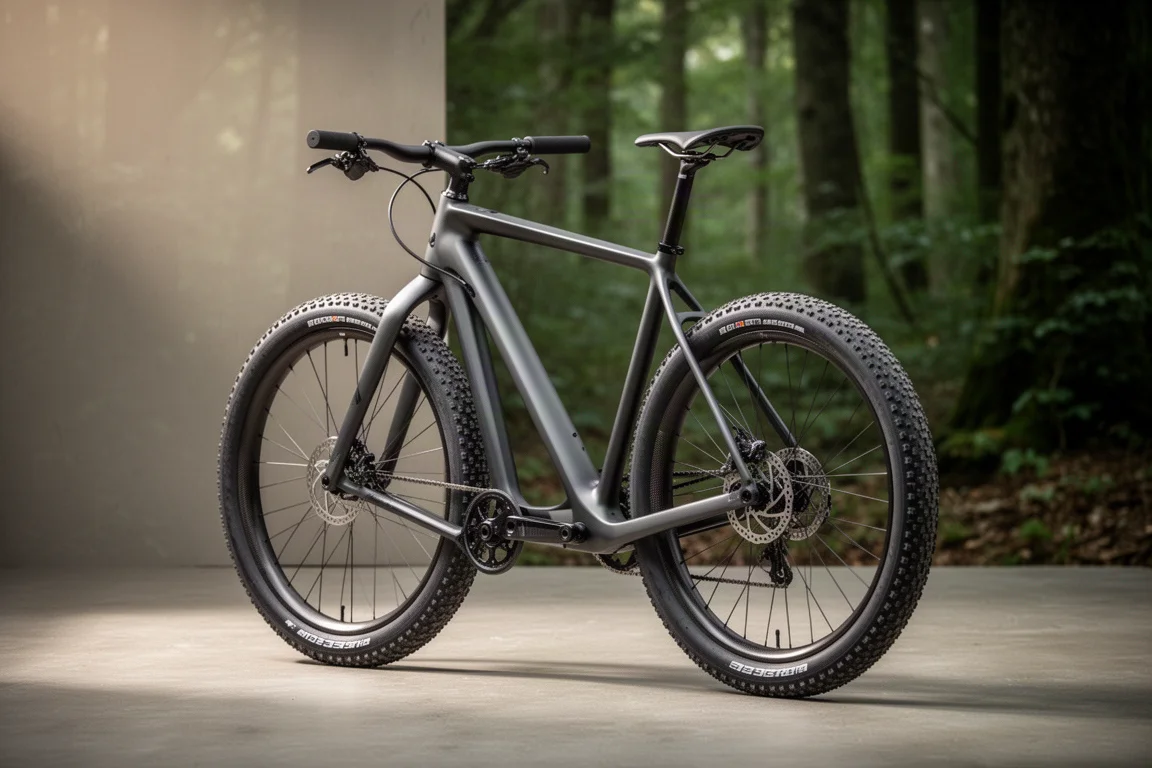
3T Exploro Ultra Review: A Fast Gravel Bike Built for Big Tyres
A close look at the 3T Exploro Ultra, an aero carbon gravel bike designed around wide tyres, with road-like handling, a 980 g frame and genuine rough-terrain capability.
Gravel Bikes
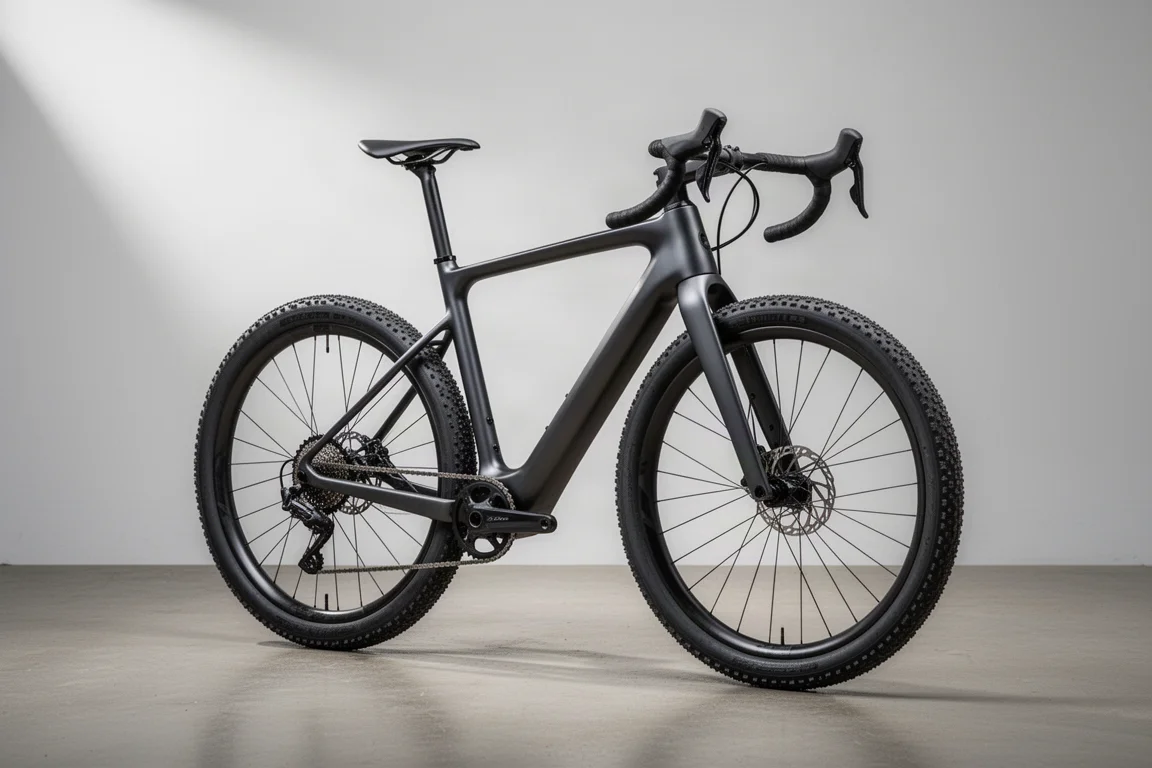
3T Extrema Italia Review: Aero Gravel Speed With Room for 57 mm Tires
The 3T Extrema Italia pairs an aero frame with huge tire clearance, Italian-made carbon and a more comfortable ride than the RaceMax. Here is what to know before buying.
Gravel Bikes
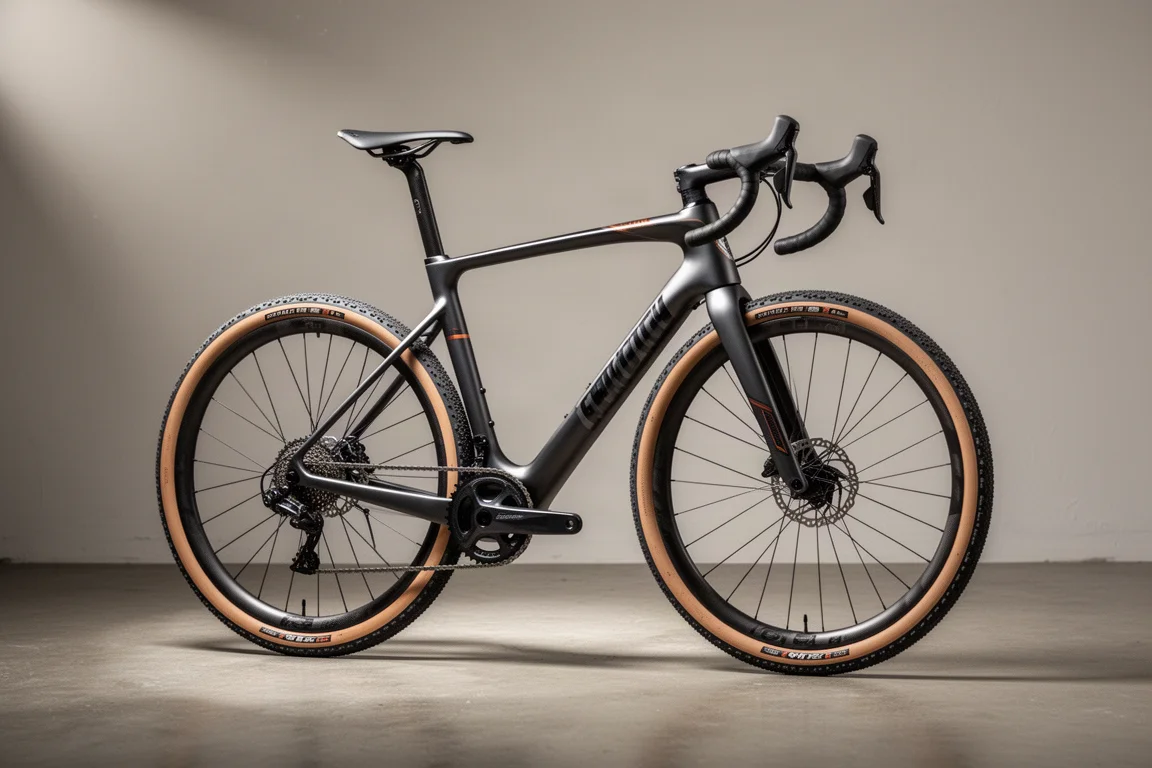
3T Race Max 2 Italia Review: An Aero Gravel Race Bike Made in Italy
A closer look at the second-generation 3T Race Max 2 Italia, covering its aero updates, ride character, tire clearance, internal storage and who it suits.