Outdoor Cooking
Grill Roasted vs Deep Fried Turkey: The Outdoor Cooking Gear Worth Buying
Seven tested tools cover both ways to cook a turkey outdoors: grill roasting on charcoal or deep frying over propane. Here is what each one does well.
Introduction
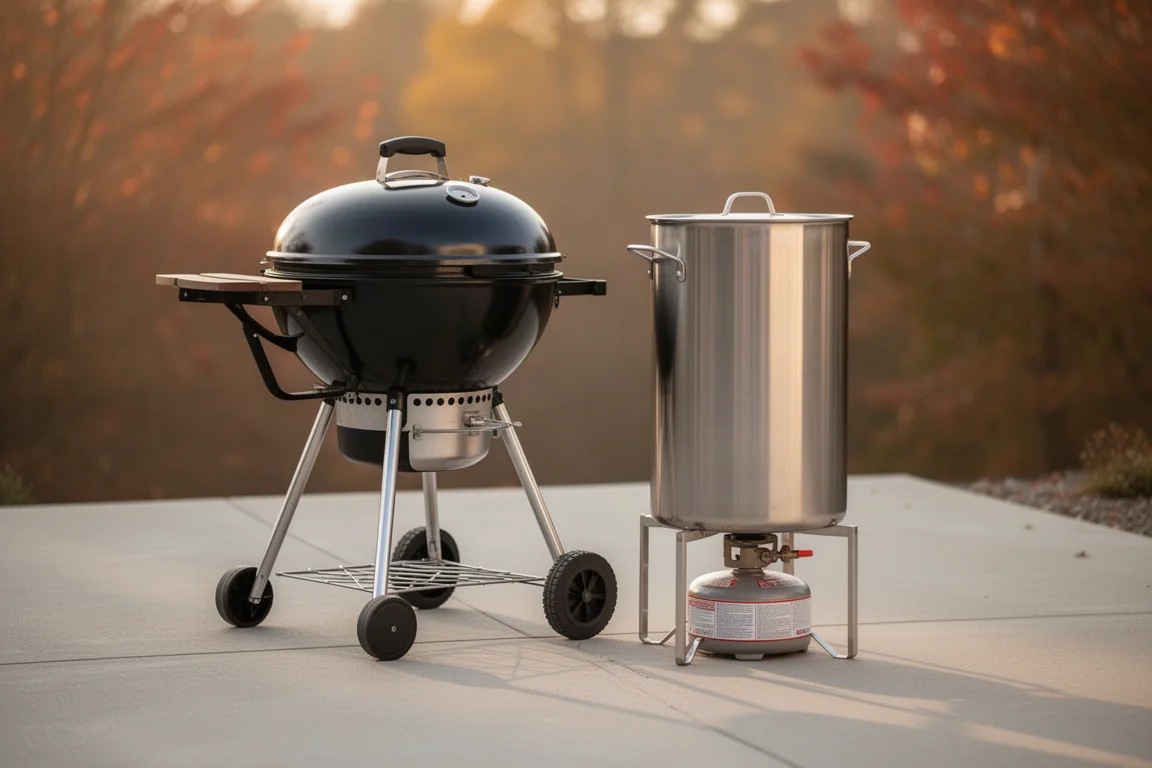
Turkey season brings the same question every year: roast in the oven, or take the bird outside? Grill roasting and deep frying both free up precious oven space for sides and pies, and each delivers a genuinely different bird. Grill roasting gives you an evenly browned, hands-off result that tastes like an oven roast with only a whisper of smoke. Deep frying produces crackly, bronzed skin over juicy meat in a fraction of the time. Both approaches benefit from well-chosen gear, and the seven products below cover everything from the grill itself to the gloves you lower the bird with.
Grill Roasting a Turkey Outdoors
Grill roasting is more approachable than it sounds. The turkey is not grilled in the burger sense; it roasts over indirect heat with a pan of water underneath to catch drips, so the flavor stays classic and only lightly smoky. Setup is simple: a foil roasting pan with about three cups of water sits on the bottom grate, unlit charcoal is divided on both sides, and lit coals go on top to build slow, even heat over roughly two hours. The bird cooks undisturbed until a probe alarm signals it is done.
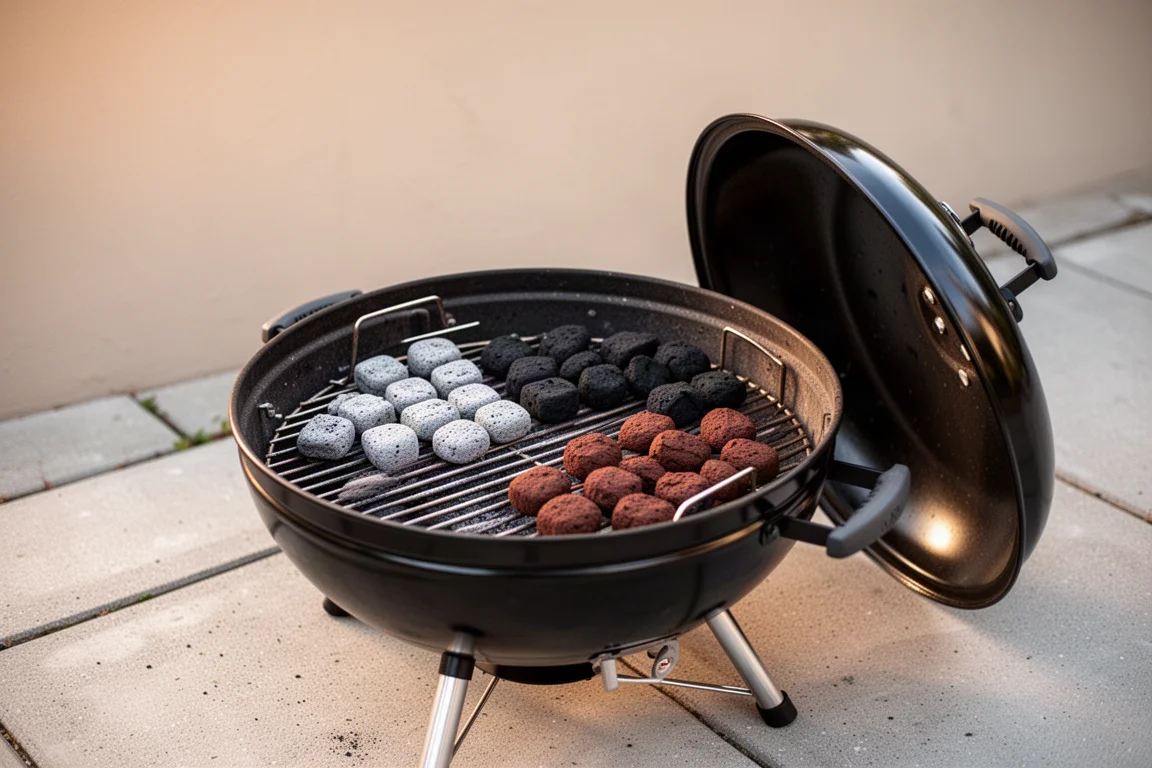
The payoff is a uniformly browned bird, because coals on both sides send heat up and over the turkey. No flipping, no rotating, no babysitting.
The Weber Performer Charcoal Grill
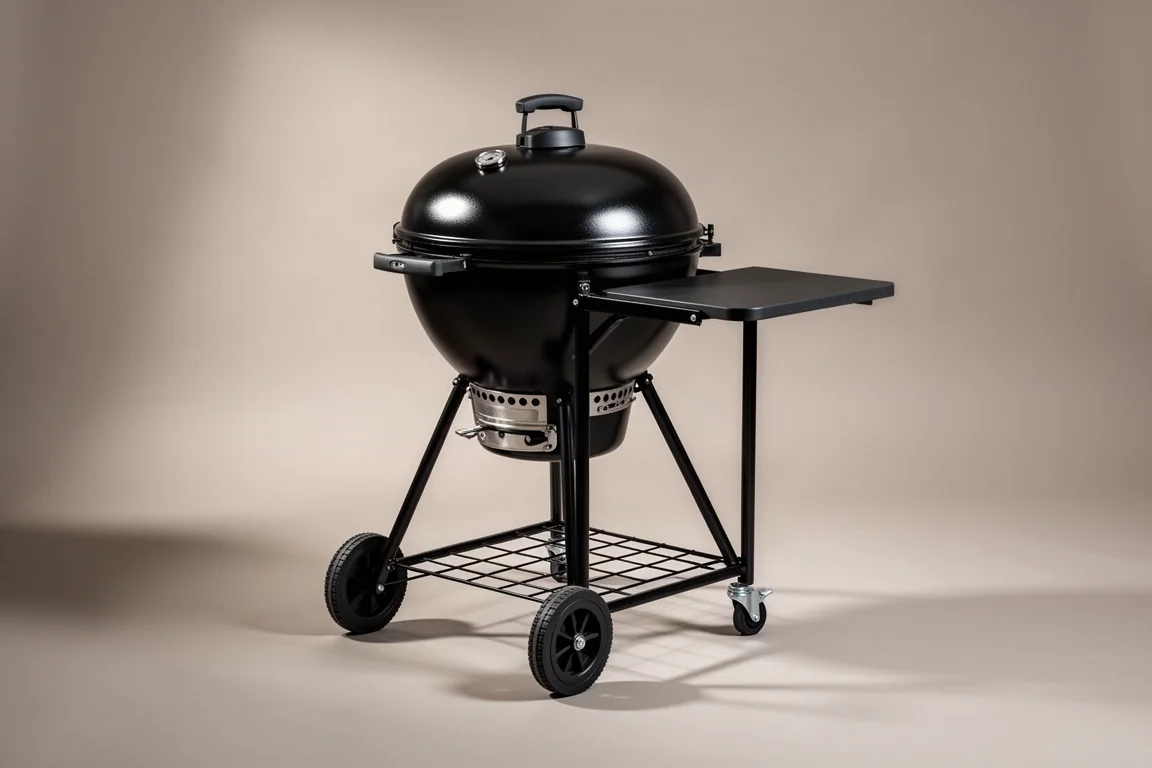
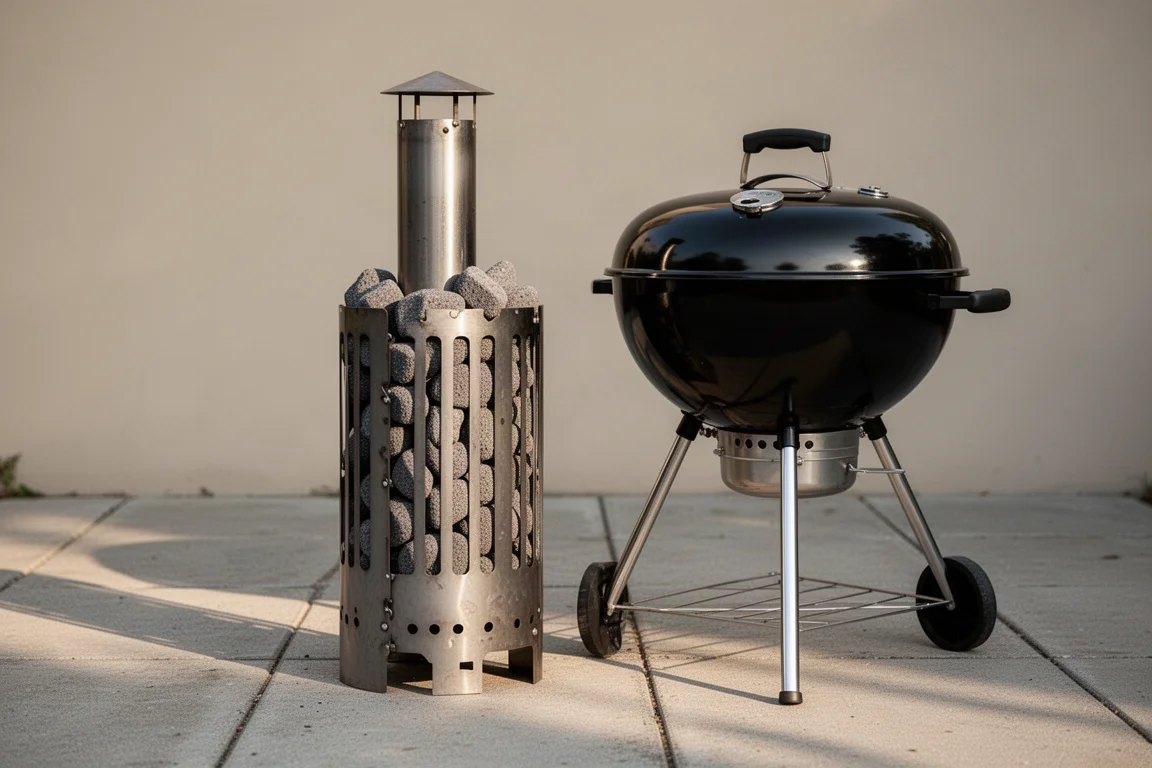
The Weber Performer was the favorite in testing, and the same brand also took the Best Buy spot with a nearly identical base grill. The Performer adds a rolling cart, so you never need a separate table, along with a set of small but meaningful control features. Assembly was manageable for one person in about 45 minutes, and the moderate 22.5-inch grate diameter is large enough to cook for a whole party without taking over the patio.
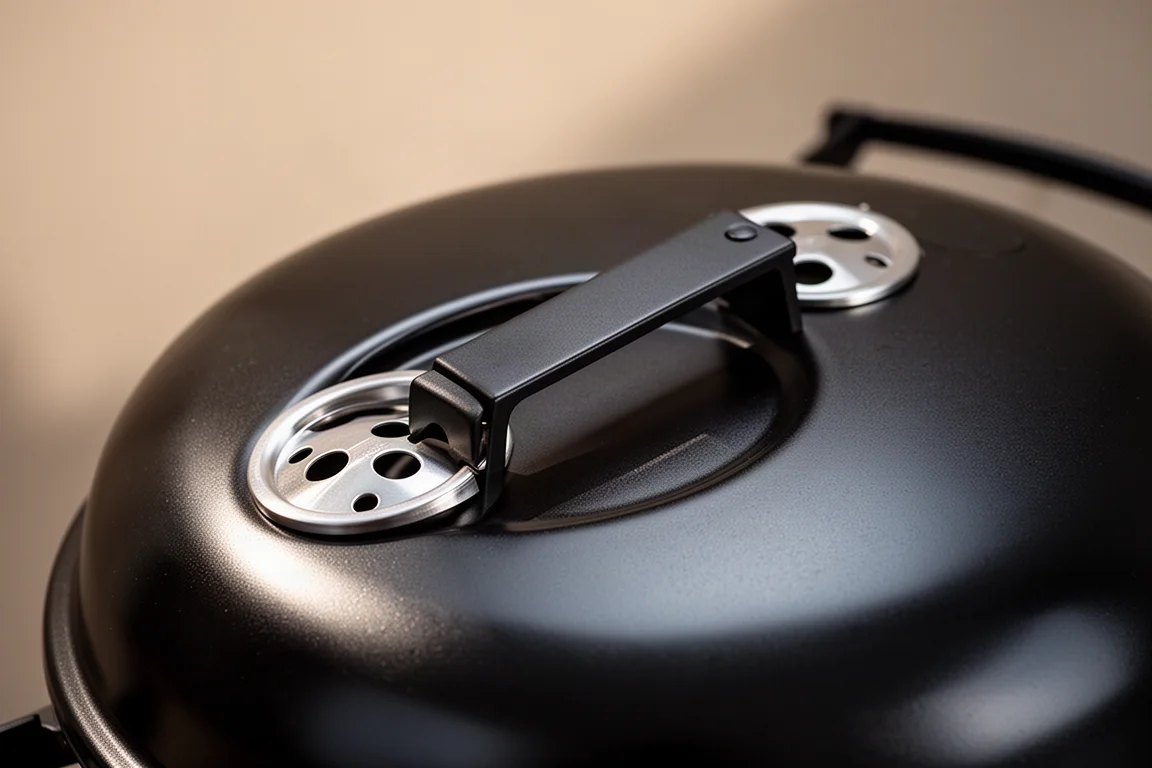
The real story is airflow control. An offset lid vent lets you direct where smoke and heat travel inside the grill, while a bottom vent lever adjusts from fully closed to fully open. Close both vents when you finish and the fire extinguishes itself; open them wide and the temperature climbs. That level of control is what separates real charcoal cooking from just dropping burgers on the grate, and it also leaves room to rig the grill for low and slow barbecue.
The Supporting Gear That Makes Grill Roasting Easy
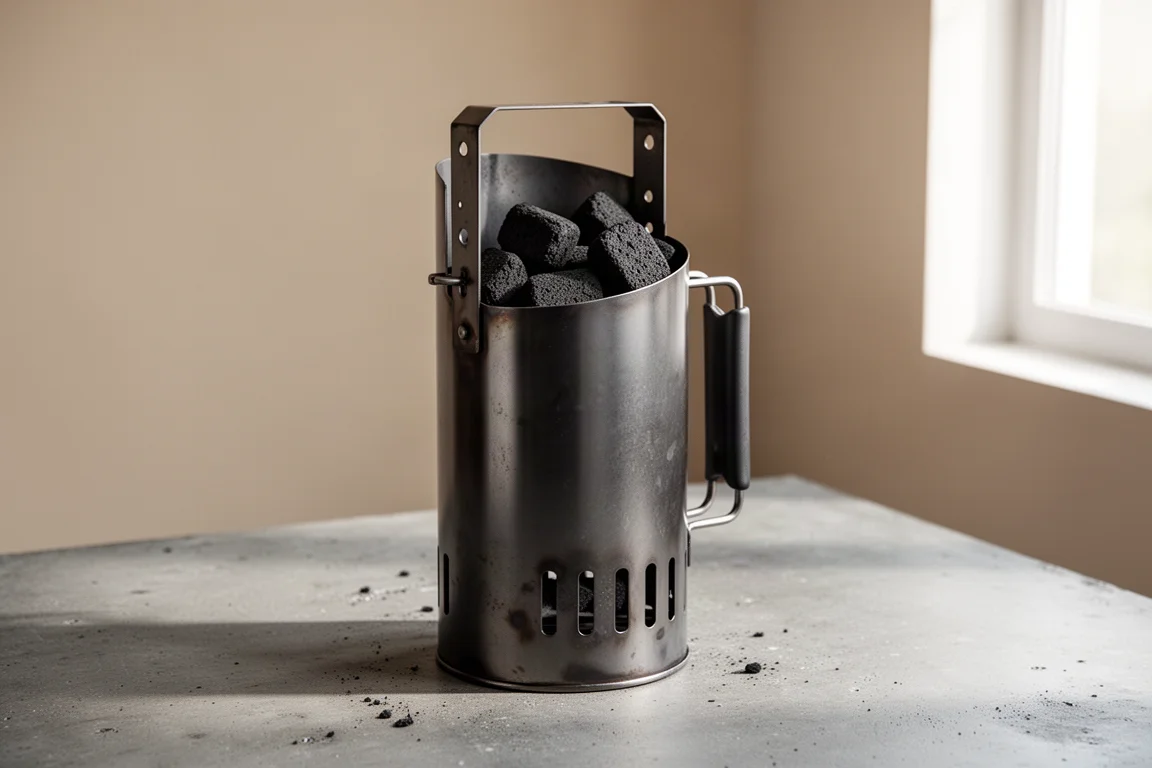
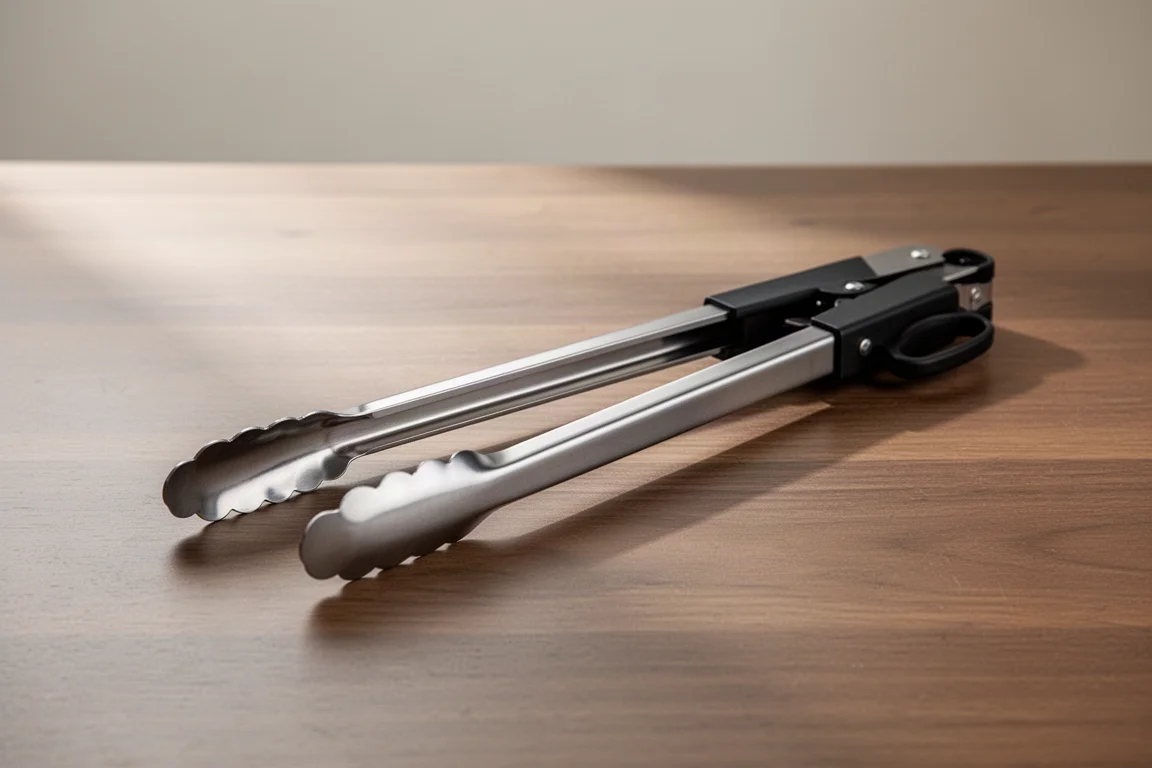
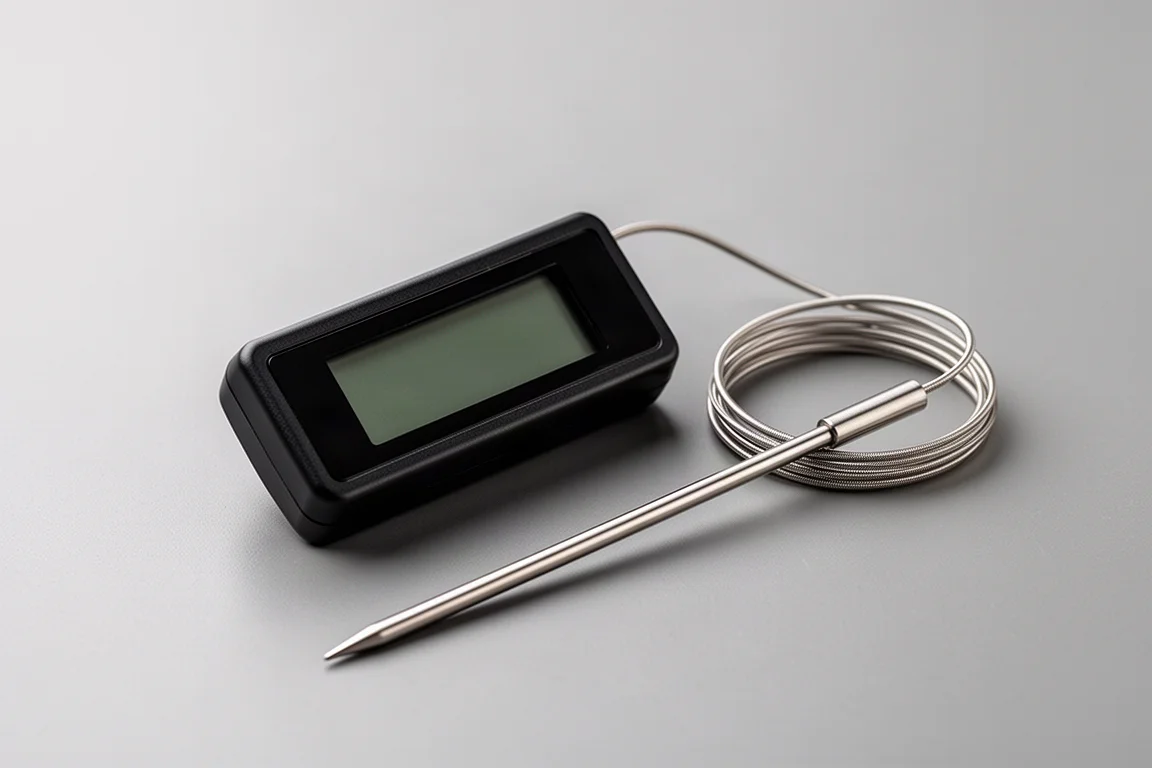
Half the charm of grill roasting is how little attention it needs once the fire is set, and a few inexpensive tools make that possible. A chimney starter filled about half full gets the coals going, and its heat shield and stays-cool handle matter a lot when you are pouring lit coals. Long locking tongs let you arrange hot coals one-handed. And a remote probe thermometer threaded through the hood vent tracks the breast temperature so you never have to keep lifting the lid.
The lid thermometer on a charcoal grill only reads air temperature near the top, which is a rough guideline at best. A probe in the meatiest part of the breast, set to beep at 160 degrees, is what actually tells you the bird is ready.
Deep Frying a Turkey Safely
Deep frying is the fast, dramatic option. The skin comes out crispy, crackly, and deeply bronzed while the meat stays tender and juicy, and the whole cook takes roughly three to four minutes per pound. A 12 to 14 pound bird finishes in about 35 to 50 minutes, fast enough to cook two turkeys in the time it takes to roast your sides inside.
Safety is the serious part. Fry only on a flat, level surface away from structures, never in rain or snow, and only with a fully thawed bird; frozen pockets cause dangerous oil eruptions, and many house fires start exactly this way. Rule of thumb: one day of refrigerator thawing for every four pounds, confirmed with a temperature check. Keep flames below the pot so splatter cannot reach them, turn the gas off at both the burner knob and the propane tank whenever the bird goes in or out, and pat the turkey dry before lowering it slowly with the dedicated hook and rack.
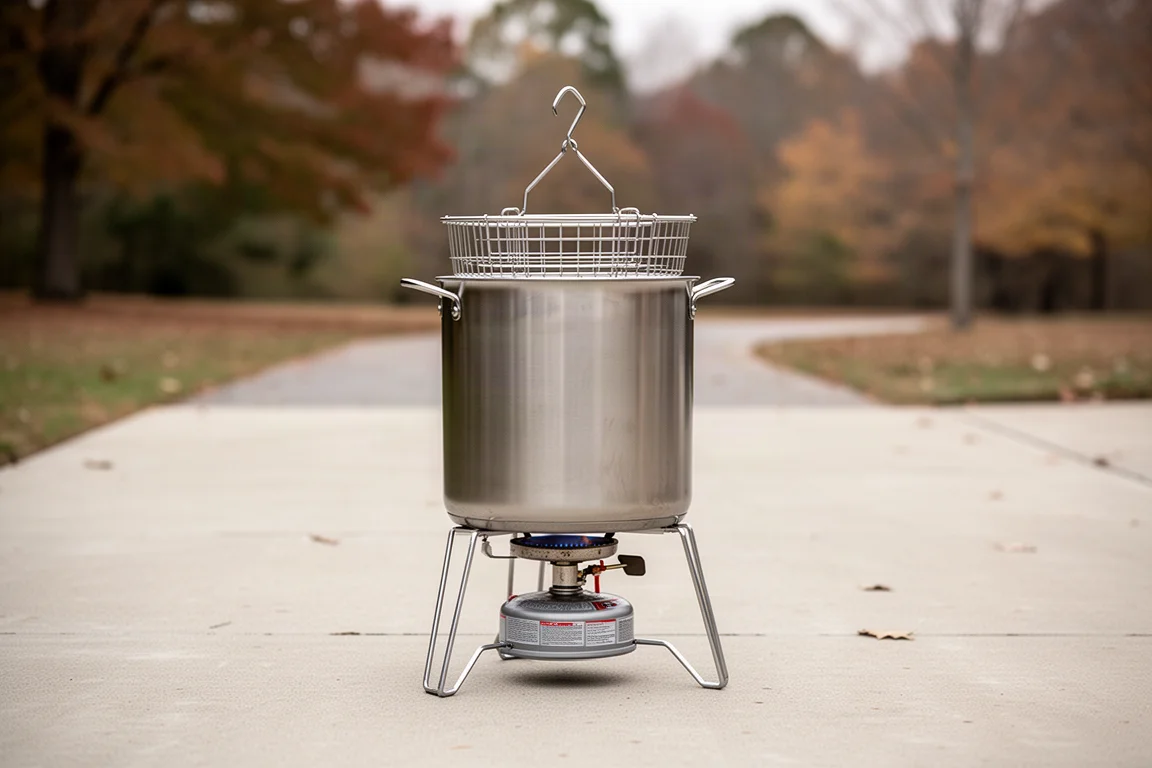
The Bayou Classic Turkey Fryer Pot and GasOne Propane Burner
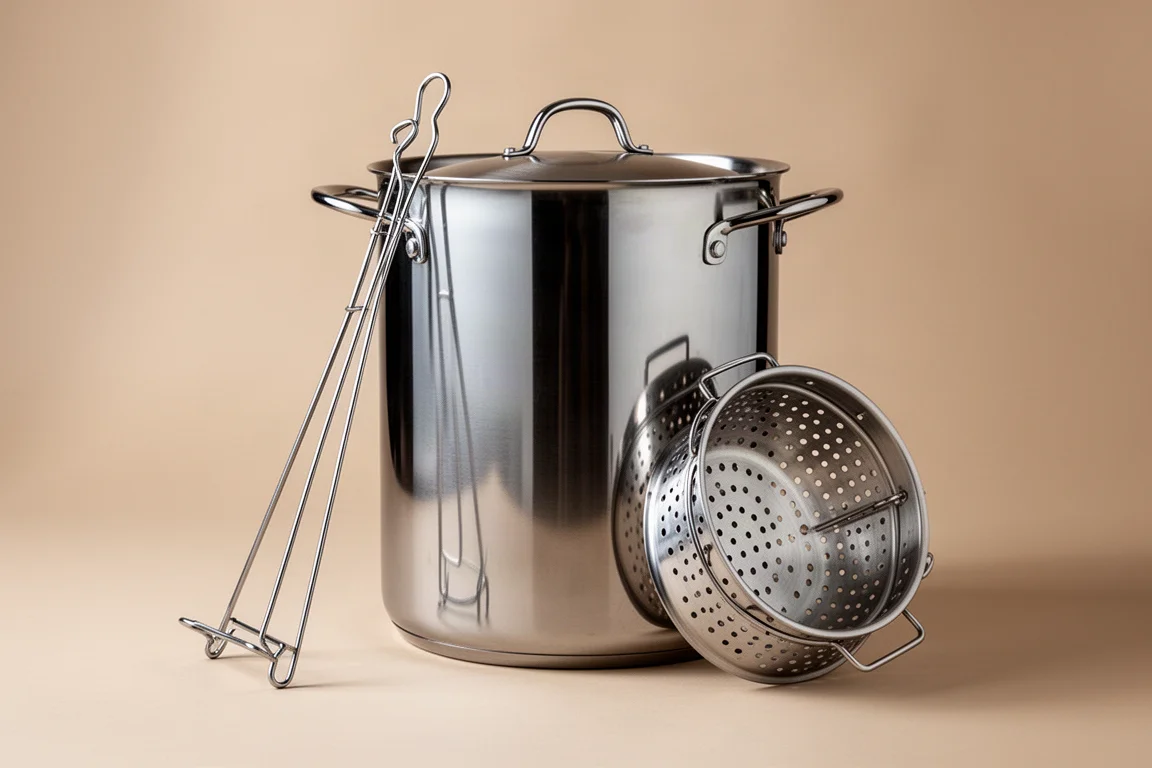
The winning fryer setup pairs a Bayou Classic pot with a GasOne burner, and the pot’s height is the key detail. Turkey fryer pots are much taller than a typical lobster pot to give the oil headroom: when the turkey goes in, it displaces the oil upward, and you never want it anywhere near the rim. Stainless steel was the preferred material because it is far more durable over time than aluminum, which matters when leaking oil anywhere near a flame is the worst-case scenario. The included perforated flat rack and lifting hook made lowering and raising the bird simple, and the generous strainer basket turns the pot into a crawfish boil, tamale, or lobster party machine.
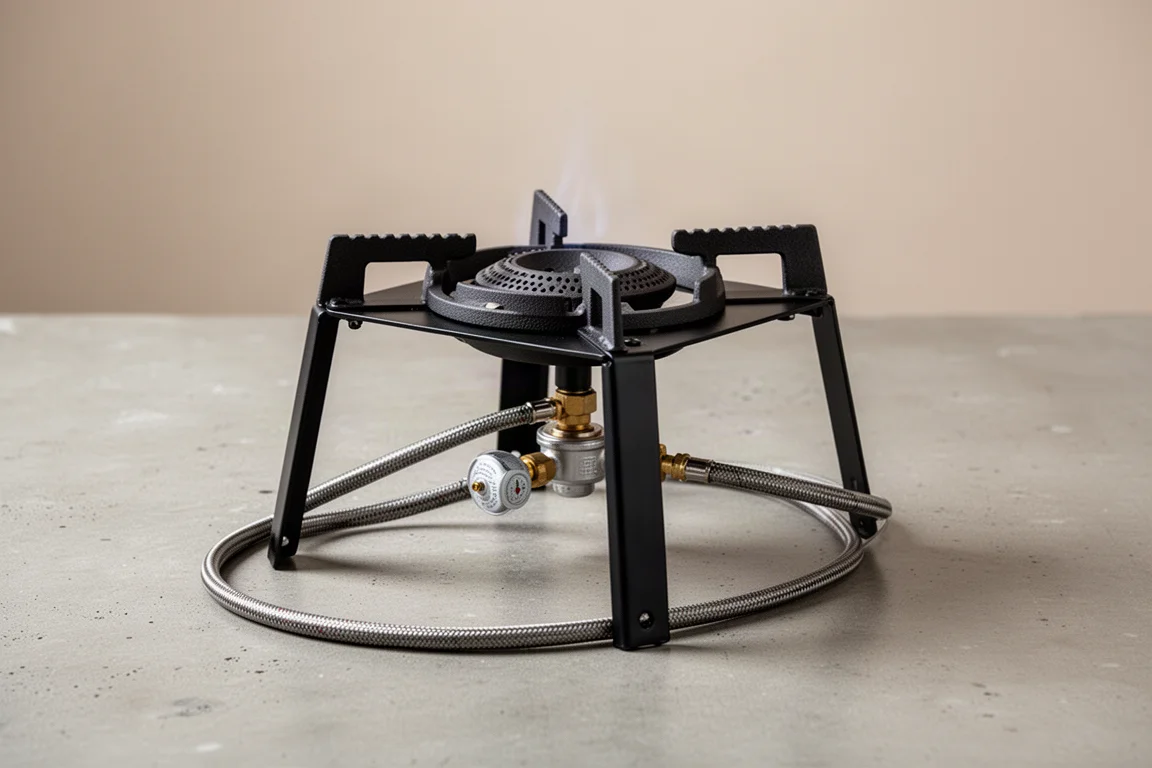
The GasOne burner earned its win on stability and usability. The pot sits securely without wobble, something not every tested burner could claim, and the flame stays adjustable through the whole cook to hold oil between 300 and 315 degrees. A competing burner with a safety cutoff that shut itself off every 15 minutes turned the cook into a constant relighting chore, which is exactly what this setup avoids.
Hands-On Protection: Steve Raichlen Grill Gloves
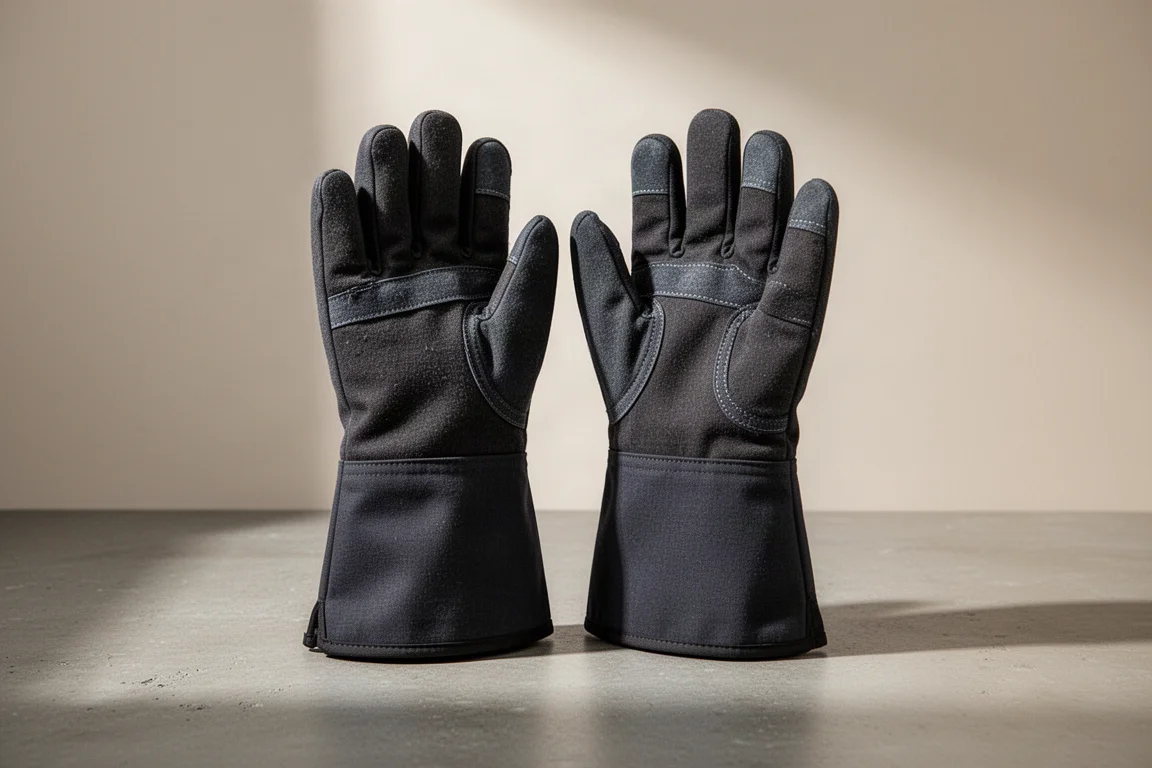
Lowering a turkey into hot oil is the moment you want real coverage, and the Steve Raichlen grill gloves extend all the way up past the elbows. That length matters more than it sounds: it keeps forearms protected while you hold the lifter out over the pot and lower the bird slowly, and the same gloves work fine for charcoal work on the grill side of the operation.
Grill Roasted or Deep Fried: How to Choose
Both birds were cooked side by side, and the differences come down to attention and volume. Grill roasting is set-and-forget: build the fire, thread the probe, walk away for two hours, and come back to an evenly browned, classic-tasting turkey that most guests would never guess came off a grill. Deep frying is hands-on but fast, with showstopping crackly skin and the option to keep frying birds back to back if you are feeding a crowd.
Whichever way you go, both methods share the same holiday bonus: your oven stays free for pies, sides, and everything else. After years of cooking turkeys outdoors, the conversion to outdoor turkey cooking is hard to argue with.
Conclusion
Grill roasting rewards patience and rewards you with an effortless, evenly browned bird; deep frying rewards preparation and delivers speed and crackly skin. The gear above covers the full path for either route, from fire control to the final lift out of the oil, so the only real decision left is which kind of turkey you want on the table.
Further reading
Related Reviews

Outdoor Cooking
Traeger Wood Pellet Grill Review: Versatile Outdoor Cooking for Every Season
A practical look at what makes Traeger wood pellet grills stand out for home cooks seeking versatility beyond traditional barbecuing.
Outdoor Cooking
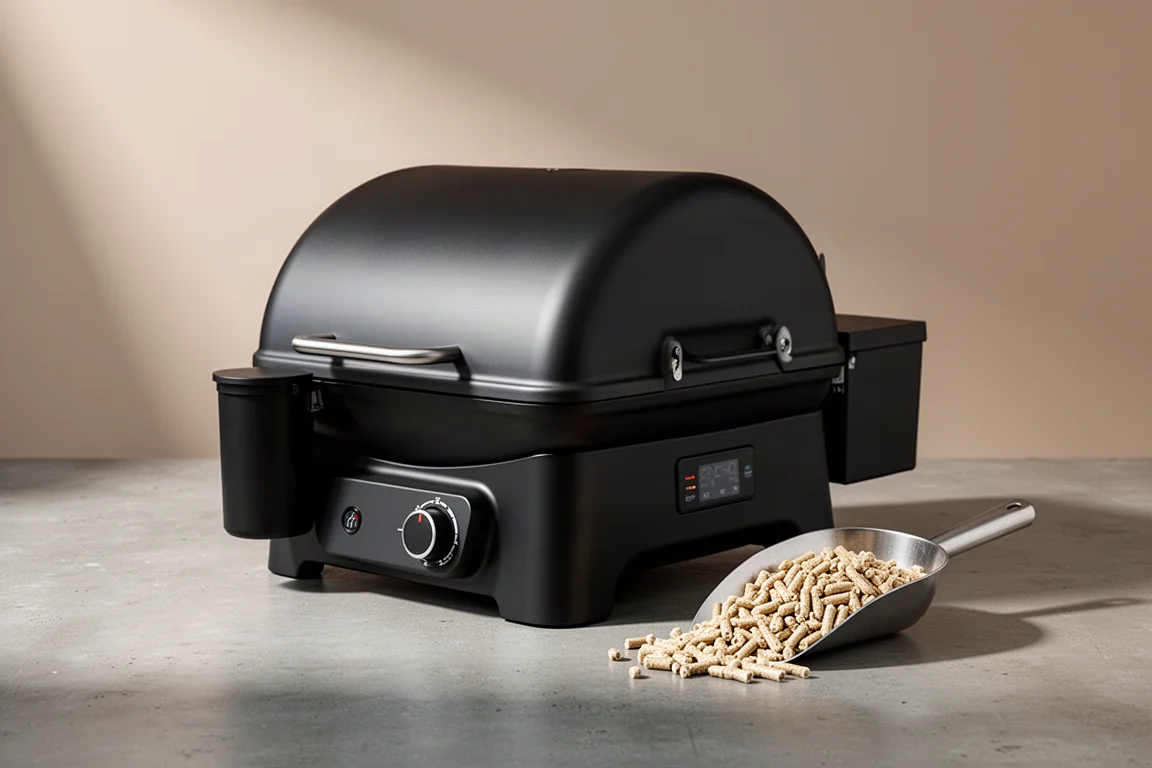
Ninja Wood Fire Barbecue Review: Smoky Flavour With Real Weeknight Speed
A compact electric grill with a built-in pellet smoker, quick repeatable cooking, and a cooking area worth checking before you buy.
Outdoor Cooking
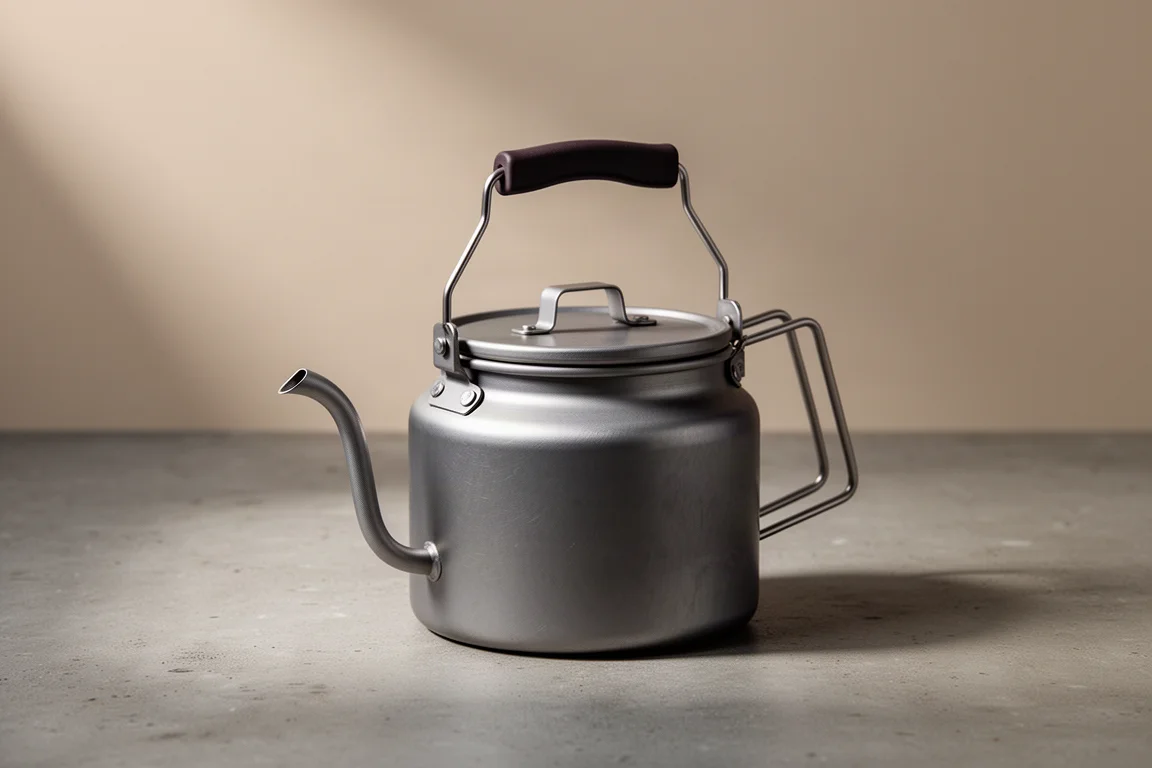
Trangia Kettle 30 oz Review: An Ultralight Camp Kettle With One Real Catch
A 6.2 oz aluminum camp kettle for around $25 with excellent pouring and a plastic hardware compromise worth understanding before you buy.