Power Tools
Greenworks 24V Circular Saw Review: A Surprising DIY Performer
A detailed hands-on look at the Greenworks 24V circular saw, including cutting performance, dust extraction, battery life, and what to know before buying.
Introduction
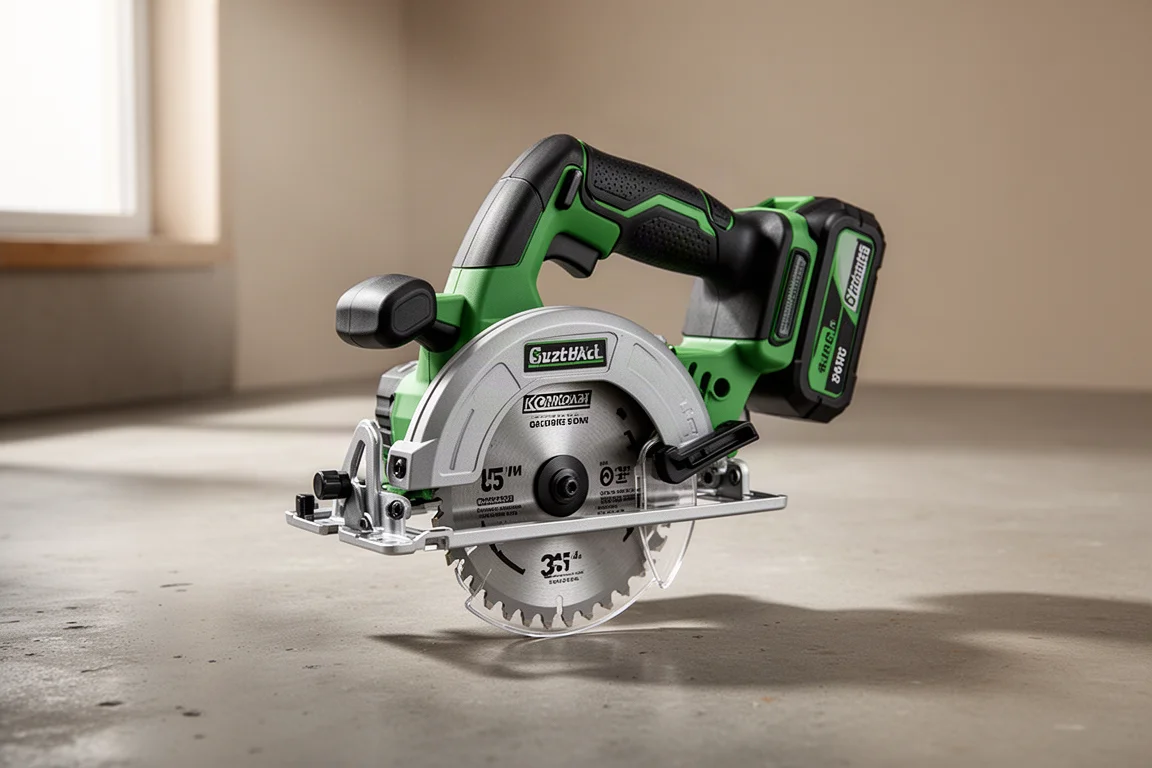
The Greenworks 24V circular saw positions itself squarely at the home and DIY buyer, and after putting it through a full range of cuts, it earns a closer look than its budget positioning might suggest. Greenworks is a larger company with retail presence beyond online marketplaces, and the tool carries a three-year warranty, which adds a layer of confidence you don’t always get with cordless saws sold this way.
The big question for any DIY saw is simple: will it take whatever you throw at it at home? We pushed this one through cross cuts, rips, bevels, sheet goods, and dust extraction tests to find out.
What’s in the Box
The kit comes with two blades: a 24-tooth blade for general construction and a 40-tooth blade intended for plywood and plastics. Having two blades included is a nice touch, though both are factory blades, and most users will eventually upgrade to a premium aftermarket blade for cleaner cuts.
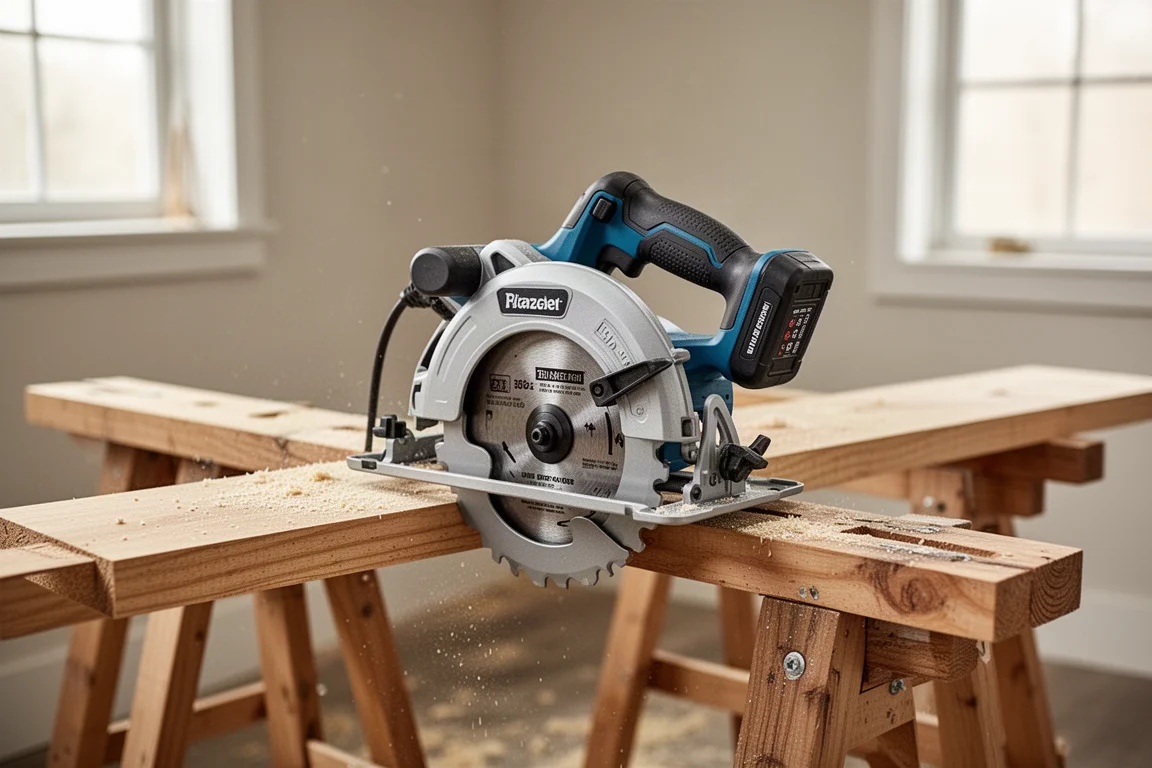
You also get a rip guide included with the saw. One important detail: the guide has some forward and backward play in it. When tightening it down, push it fully forward or pull it fully back before locking it in. If you tighten it with slack in the middle, you can put the saw into a bind, which is the likely cause of the online complaints about the saw not working properly with the guard. The included guard is welcome, but the shoe itself is stamped steel, which is normal for a saw at this price point.
Setup Tips Before Your First Cut
The first thing you should do is check that the saw is cutting at a true 90 degrees using a square. If it’s out of square, the blade position can be adjusted, but note that sawdust accumulation around the bevel stop can affect your 90-degree cuts over time, so clean that area before returning to precision work.
Two features stand out at this stage: the saw has a soft start and an electric brake. Those are typically features of higher-end saws, and having both here is genuinely useful for a DIY tool.
Cutting Performance
Cross cutting through dimensional lumber is where this saw behaves exactly as expected. With clean technique, it cuts very well. Push too hard and it will bog down, which is normal for this class of saw on a 4 amp hour battery.
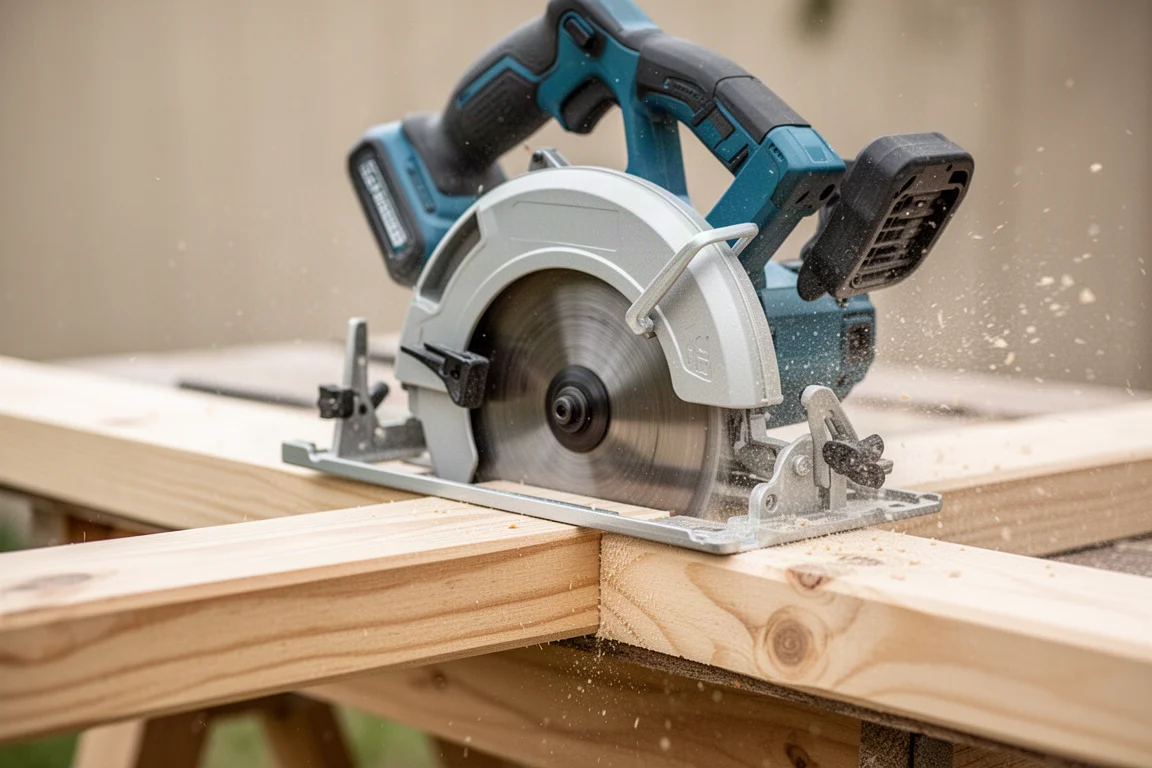
The bevel capability goes to about 50 degrees, which is enough range for most trim and framing work. A 45-degree cut requires a slow, patient pace, but it completes cleanly, and the performance on a smaller battery was honestly competitive with what you’d expect from bigger-name platforms.
Ripping a 2x10 pushes a DIY saw, especially with a smaller battery, but it handled it without issue. Blade changes are straightforward thanks to an onboard tool and an arbor stop.
Bevel Cuts and Angle Accuracy
The saw cuts to about 50 degrees at maximum bevel, and the mechanism only stops against a fixed rest point, so keep that area free of sawdust to maintain accuracy. When cutting at angles, make sure the blade guard is out of the way before starting.
One behavioral note worth appreciating: the overload cutout triggered only when the saw genuinely bound up in the wood. During heavy pushing where the motor slowed, it did not cut out, which is the right balance for a DIY tool.
Dust Extraction
Dust extraction with dimensional lumber was excellent, easily one of the most pleasant surprises of the test. On sheet goods like OSB, it’s a different story: performance is mediocre, and chips tend to kick up toward your hand area. That’s fairly normal for lower-end saws.
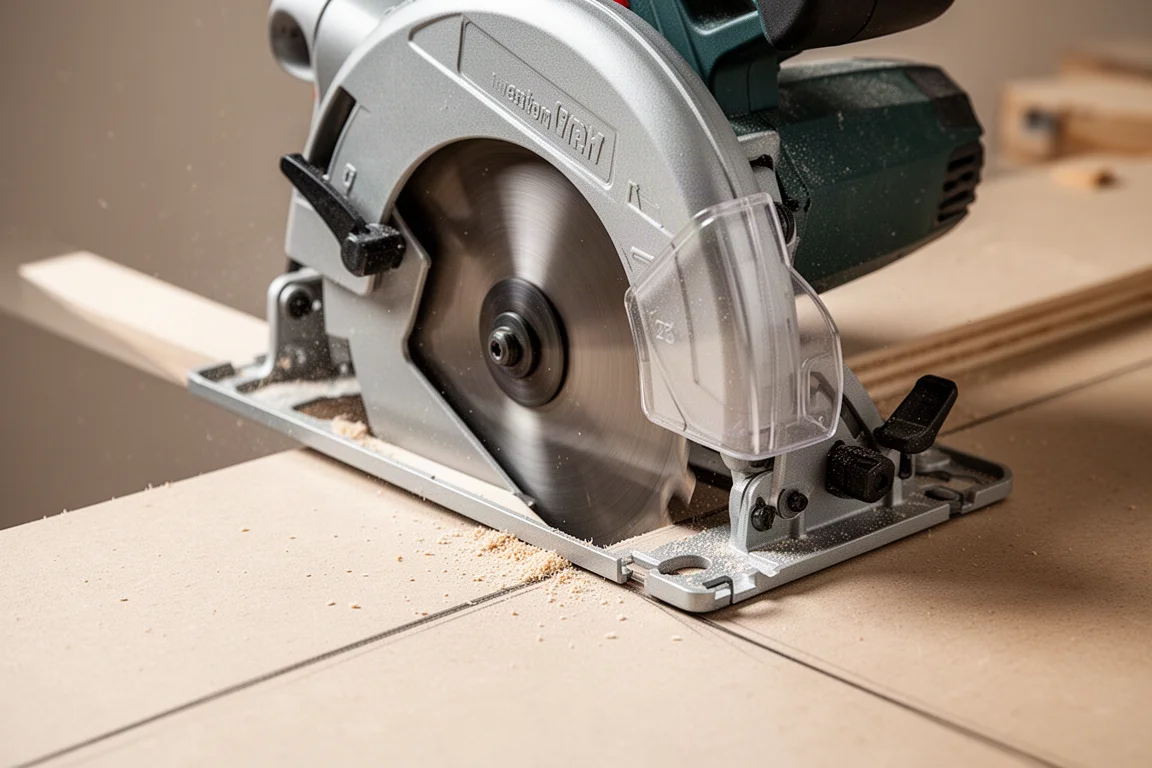
If you’re cutting OSB without a vacuum connected, it may actually help to remove the dust port entirely so debris doesn’t funnel back toward you.
Battery Life Considerations
The kit includes a single 4 amp hour battery, and this saw is a higher-consumption tool that goes through batteries quickly. Nearly a full battery was used across the testing cuts, so this is not the tool to complete a deck project in a day.
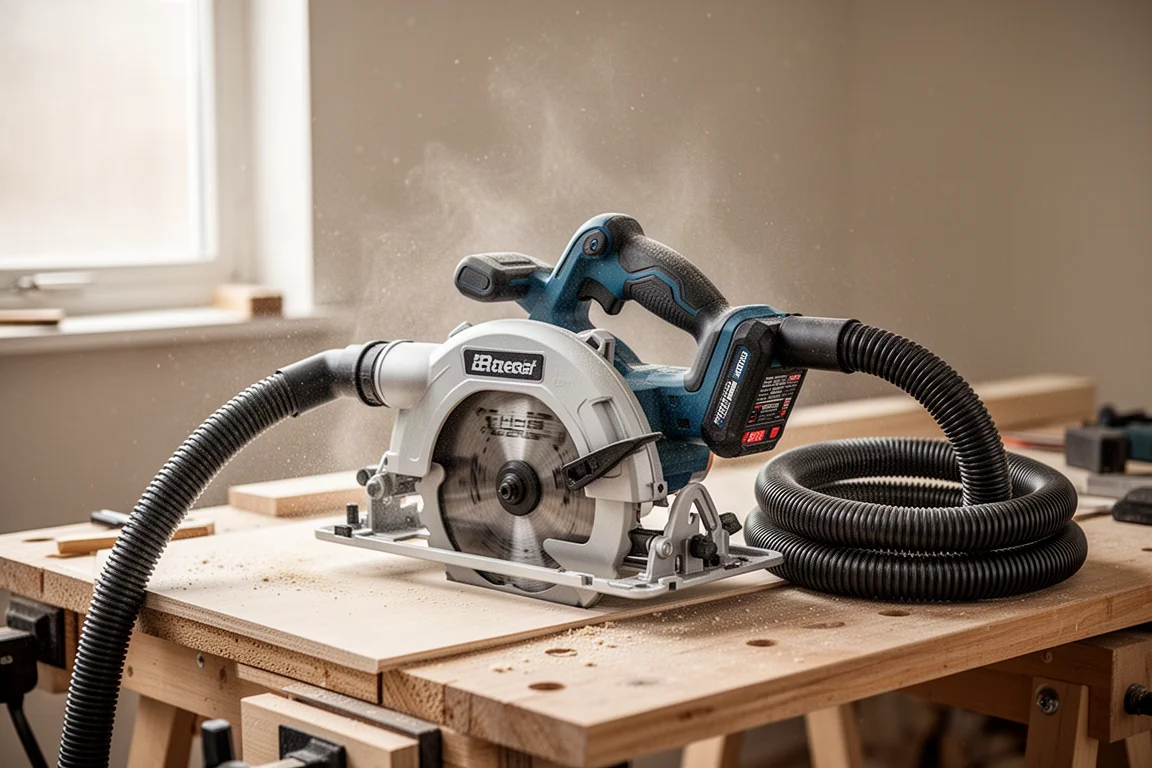
If there’s one significant drawback, it’s that the kit ships with only one battery. The practical advice: buy multiple Greenworks tools and favor the larger 4 amp hour batteries, since that’s where this platform performs best. A two-battery kit would make this an even stronger package, though it would cost more.
Things to Consider Before Buying
The shoe is stamped steel rather than machined, the rip guide has some slop, and battery consumption means you’ll want spares. The clear lower guard is plastic, but that’s been standard across this category for years, and it holds up to normal use.
On the positive side, you get soft start, an electric brake, decent dust collection on lumber, and surprising overall performance for the price. Long-term durability is always the hardest thing to assess from a single unit, but the three-year warranty helps offset that uncertainty.
Buying Advice
This saw makes the most sense for homeowners and DIY buyers who already plan to build out a small Greenworks 24V collection. With multiple batteries rotating through the system, the quick consumption becomes much less of an issue. If you’re buying it as a standalone, one-battery tool for a large project, temper your expectations or add a second battery.
Conclusion
Overall performance with a 4 amp hour battery was genuinely surprising, and the saw earns a four out of five stars. The minor gripes around the shoe and guide are offset by a lot of quality for the money. For a home DIY user who wants a capable cordless circular saw without spending premium-brand money, this is an easy recommendation.
Product link
View more details for Greenworks 24V Circular Saw
This product is mentioned in the review. Check the specifications, options, and compatibility before buying.
View more details for Greenworks 24V Circular SawFurther reading
Related Reviews
Power Tools
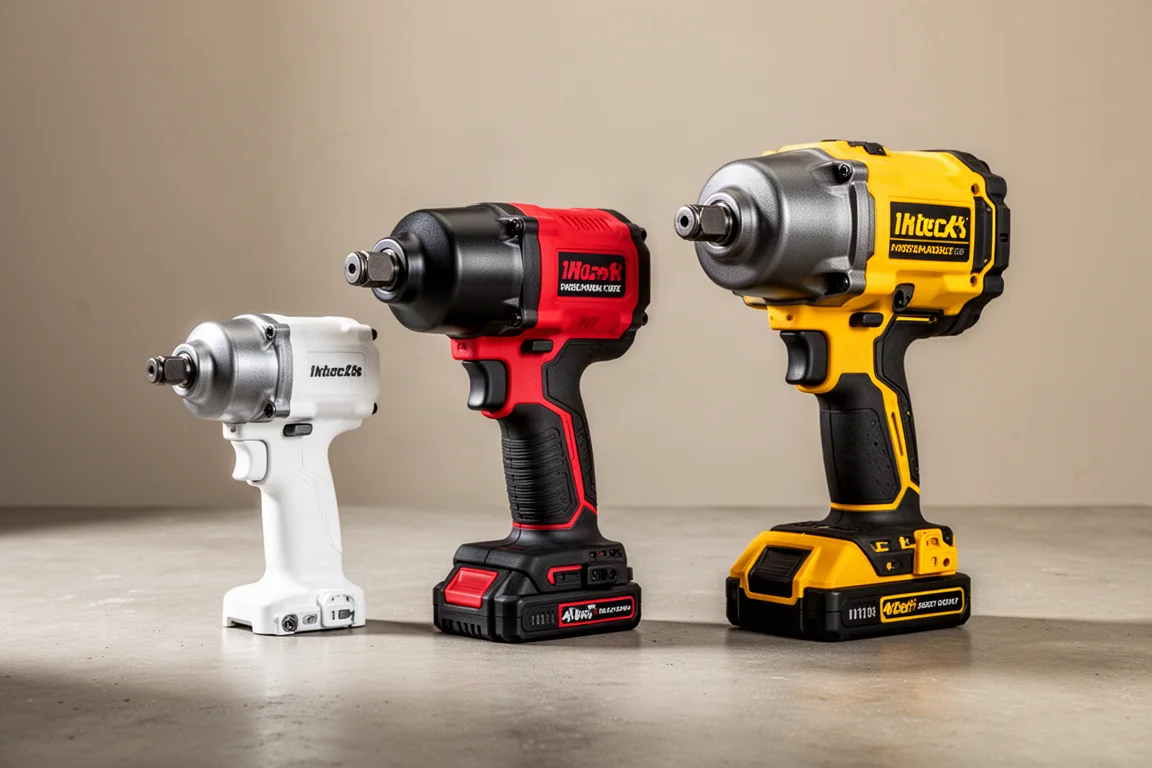
Best 1-Inch Pistol Impact Wrenches: Three Heavy-Duty Options Compared
We compare three 1-inch pistol impact wrenches, from a budget-friendly Harbor Freight model to a premium Caterpillar unit, to help you choose the right one.
Power Tools
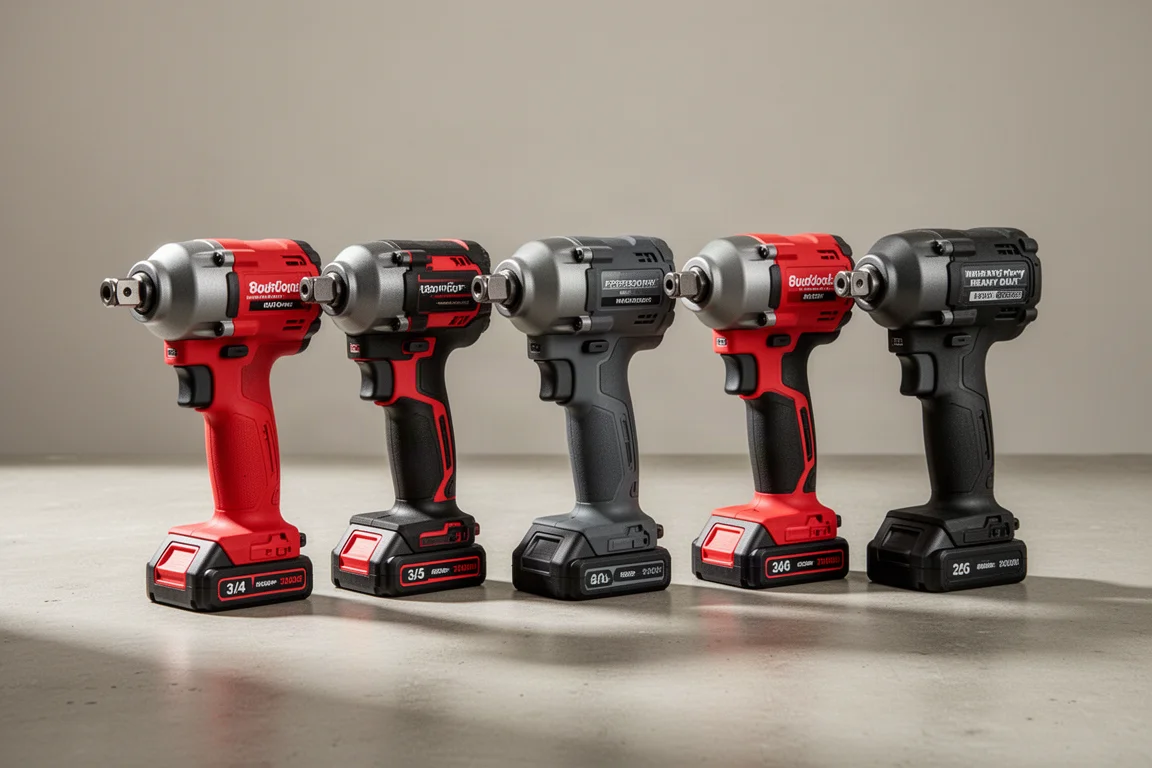
Best 3/4-Inch Impact Wrenches 2026: Five Contenders Compared
We compare five 3/4-inch impact wrenches across price and performance, from a budget Amazon option to Snap-on's most powerful model yet.
Power Tools
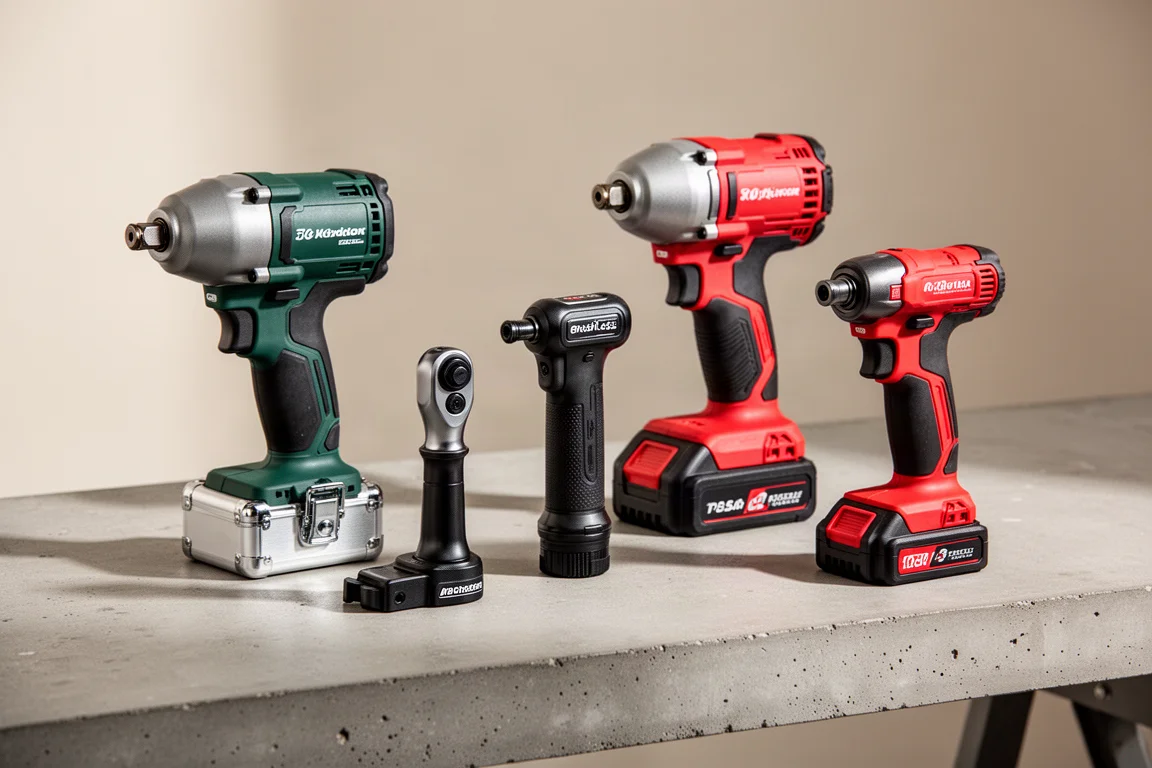
Best Budget Cordless Tools 2026: Walmart Finds That Punch Above Their Price
We tested five cordless tools from Walmart, including a high-torque impact wrench that trades blows with Milwaukee and a $35 duster that outperforms its price class.