Backpacking Gear
Great Divide Trail Gear: Standout Pieces From a 1,100 km Thru-Hike
Seven lightweight backpacking pieces that held up over 36 days and 1,100 km on the Great Divide Trail, with the strengths and trade-offs worth knowing before you buy.
Introduction
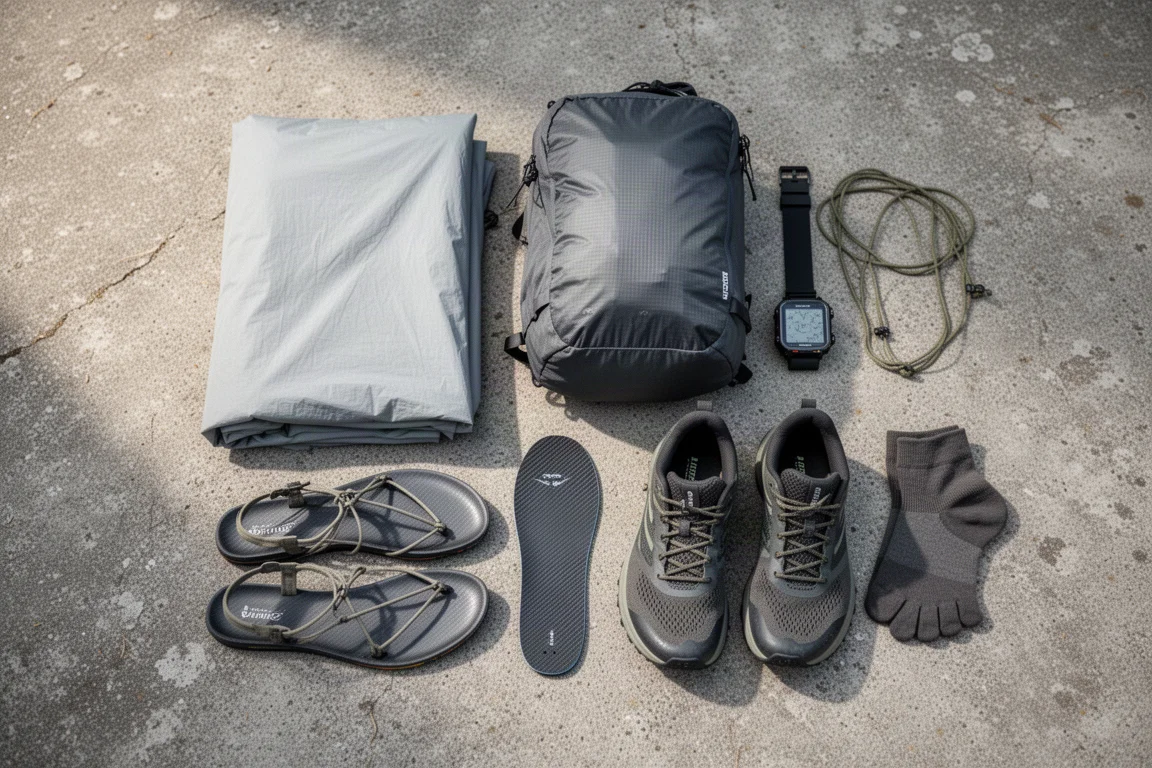
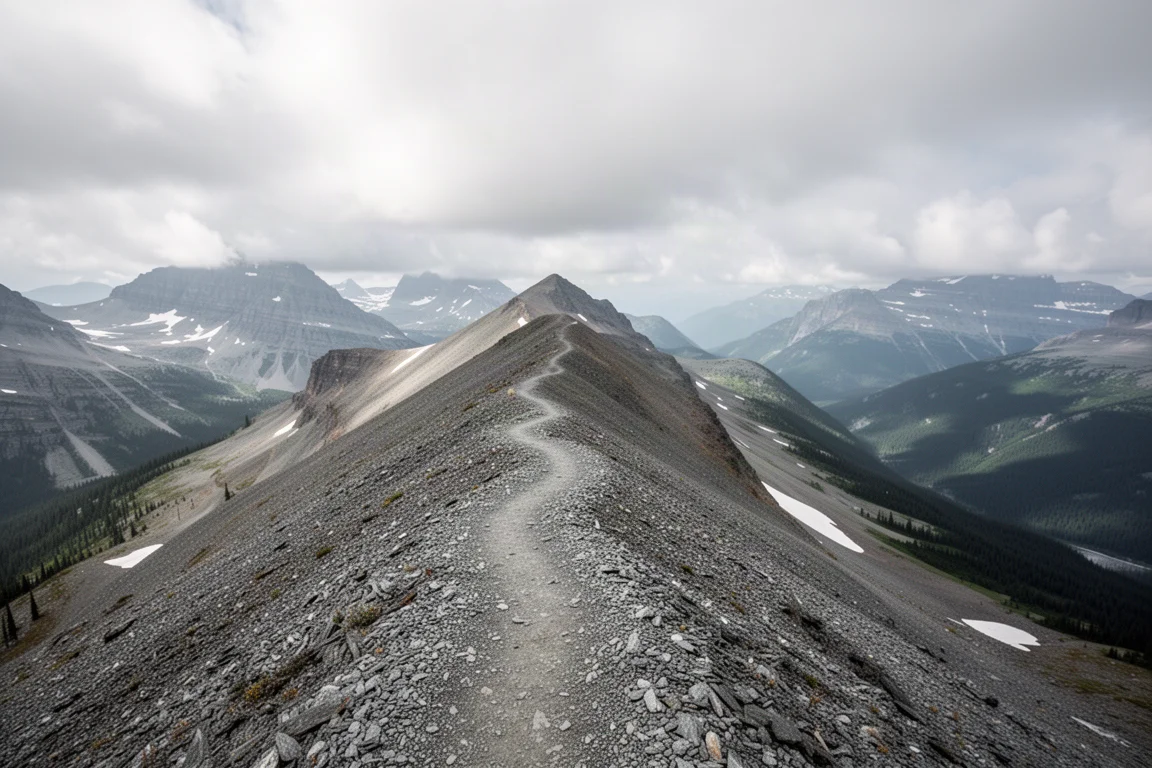
Thirty-six days and roughly 1,100 km across the Great Divide Trail in the Canadian Rockies is long enough for gear to either earn its place or get left behind. The pieces below earned it. Each one solved a specific problem on a route that mixes long food carries, navigation where no trail exists on the ground, cold rain, snow, hail, and dozens of creek crossings.
Not every item here is the obvious choice. A frameless pack with no hip belt and a shelter built from a very thin fabric both invite fair questions, and both turned out to be the right call for this hike. The footwear combination, shoe plus insole plus sock, was the standout of the entire trip.
What Mattered Most on This Route
Three things separated useful gear from dead weight here: carried weight, weather protection, and foot care. Base weight stayed around 11 pounds, which kept the load manageable even with an eight-day food carry. Conditions swung between cold, humid nights and wet, exposed passes, so anything that absorbed water became a liability. And with days stretching past 60 km and around 30 creek crossings, feet had to stay dry and blister-free.
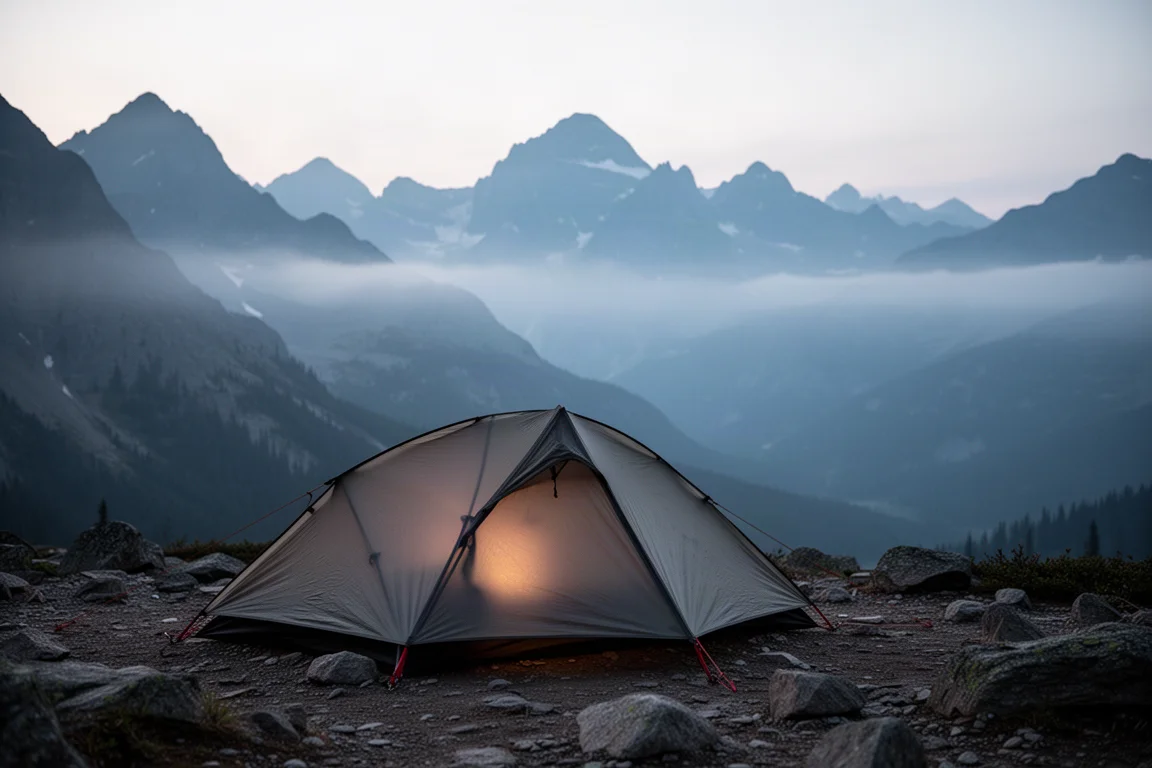
That combination of low weight, fast-drying materials, and dependable foot support is the thread running through every pick below. None of these items is exotic for its own sake. Each one removes a specific friction point that shows up repeatedly on a long, wet, remote route.
Zpacks Ultraplex: Shelter That Handles Real Weather
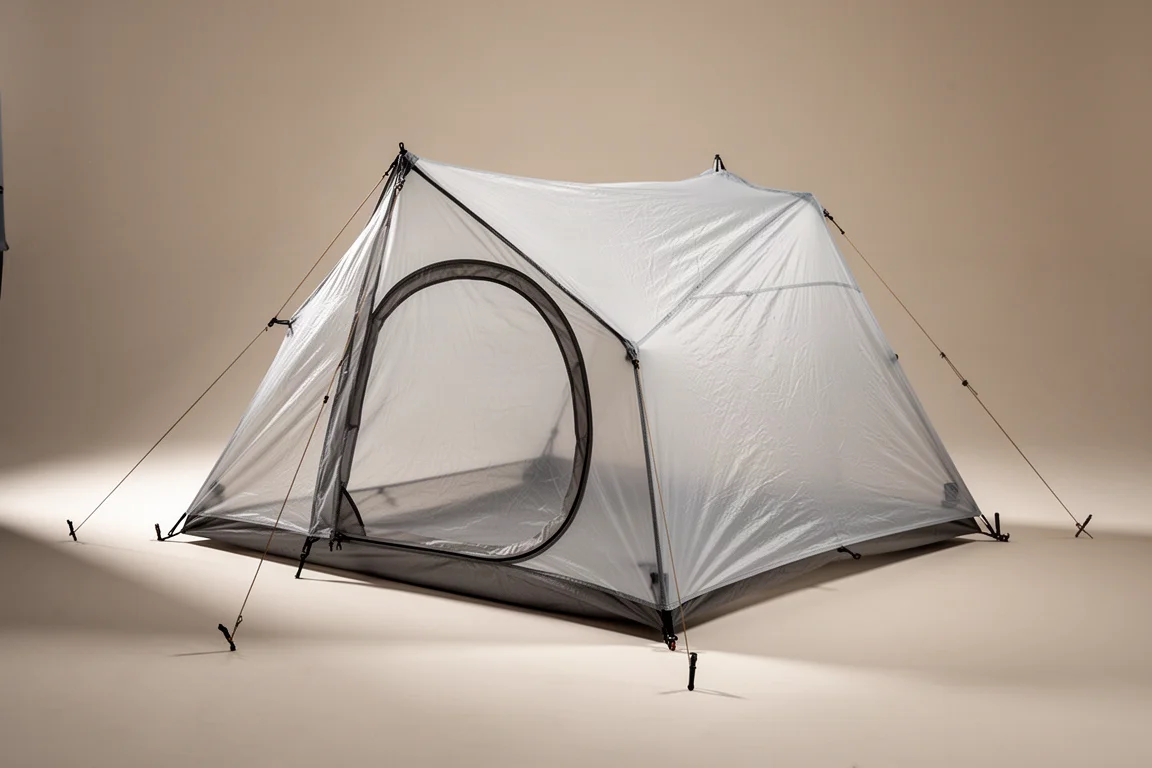
Rain, snow, and hail all hit this shelter during the hike, and it handled every one of them at a weight of only 450 grams. Setup stayed manageable in the rain and in cold, humid conditions when hands were cold and motivation was low.
Condensation was the bigger test. On damp nights the interior collected a lot of moisture, but the Dyneema Composite Fabric construction does not absorb water or hold it in the material. A quick wipe with a small cloth and a squeeze was enough to clear it, which meant no extra water weight was carried the next day. Interior space was generous enough that neither gear nor a sleep system ever brushed the walls.
Zerk 40: A Frameless Pack Built for Movement
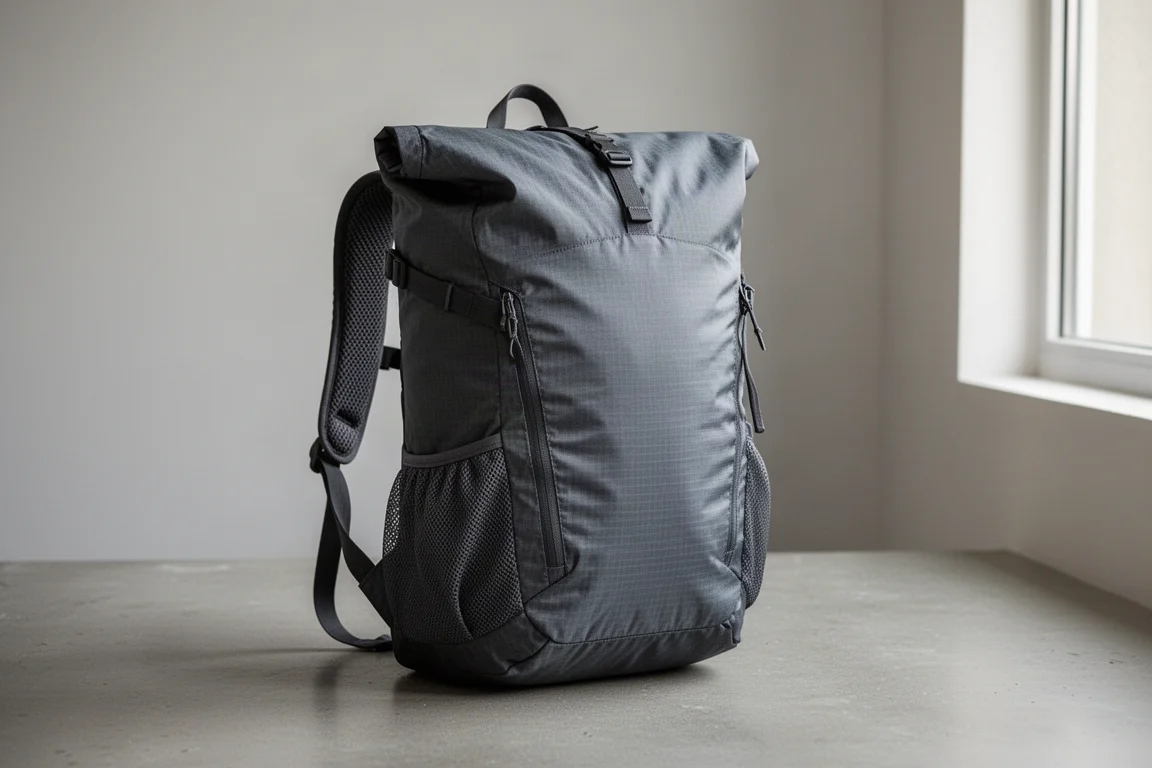
The Zerk 40 has no frame and no traditional hip belt, and that is exactly why it was chosen. Without a hip belt and its pockets, the hips stay freer to move and can sit closer to the ground when scrambling or closer to the wall when climbing, which this route demanded more than once.
Concerns about an eight-day food carry turned out to be manageable. With a base weight near 11 pounds, the pack rarely felt heavy, and at its maximum of just over 30 pounds it still carried well. It was the only frameless, hip-belt-free pack that stayed comfortable above 30 pounds, where others started putting pressure on the shoulders.
Organization is a genuine strength: generous pockets, extra side pockets that worked well for snacks, and useful shoulder strap pockets for items needed on the move.
Garmin Fenix 6 Pro: Navigation on the Wrist
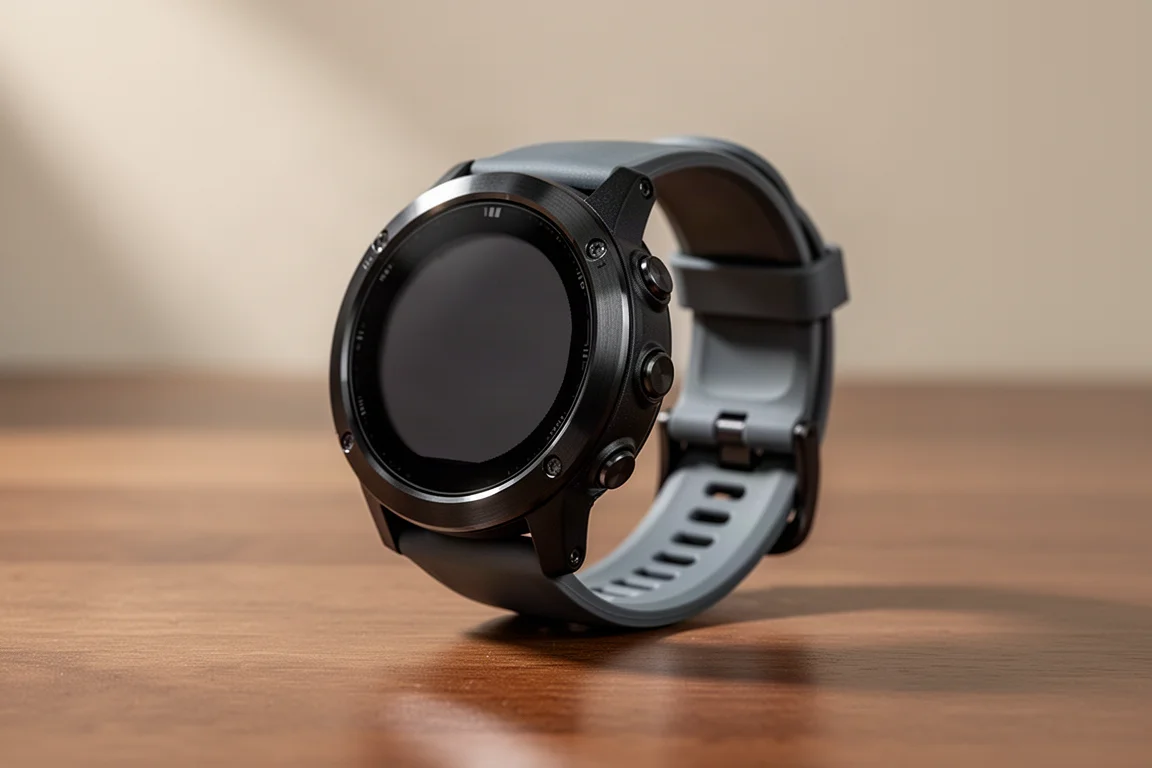
Large stretches of the Great Divide Trail have no trail on the ground at all, so navigation tools are not optional. Routes were planned each day in a GPS app such as Gaia GPS, then exported and uploaded to the watch day by day.
Loading the day’s track and following it on the wrist removed the constant stop-and-check cycle of pulling out a phone or unfolding a map and compass. When the route disappeared, a glance at the wrist showed whether the line was still being followed, and an adjustment could be made immediately rather than after several minutes of standing still.
Mayfly Sandals: Camp Shoes at 50 Grams
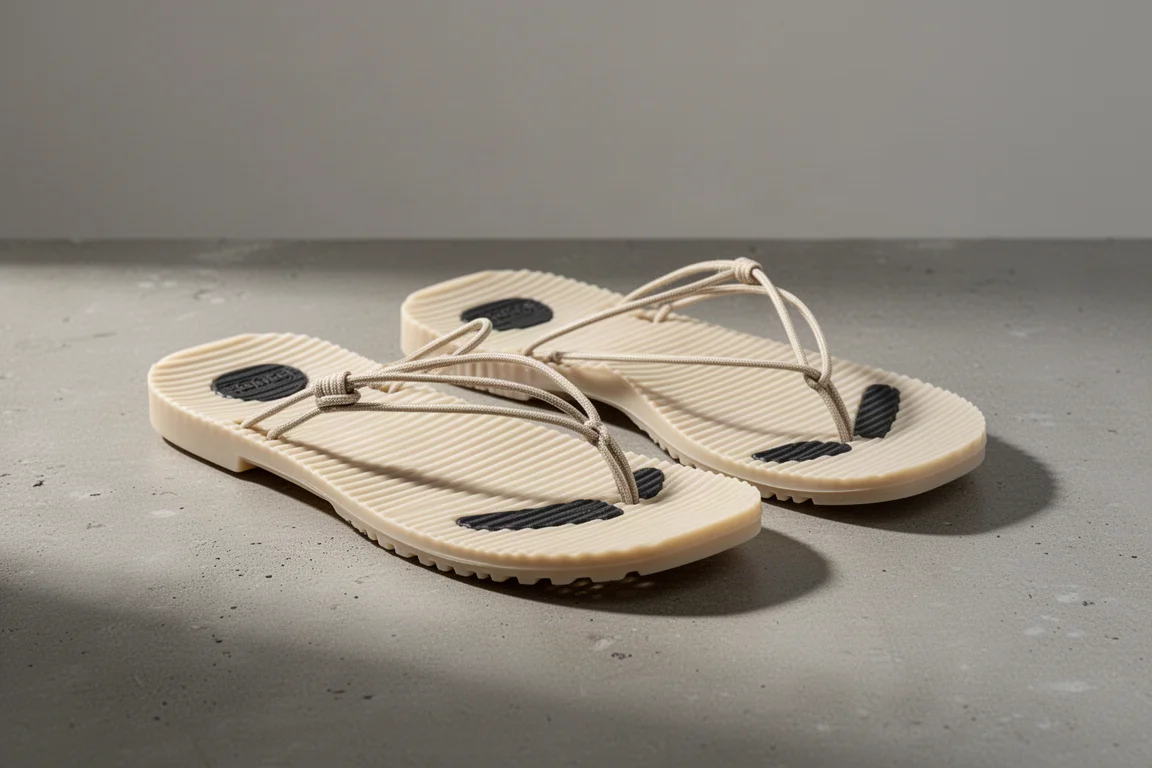
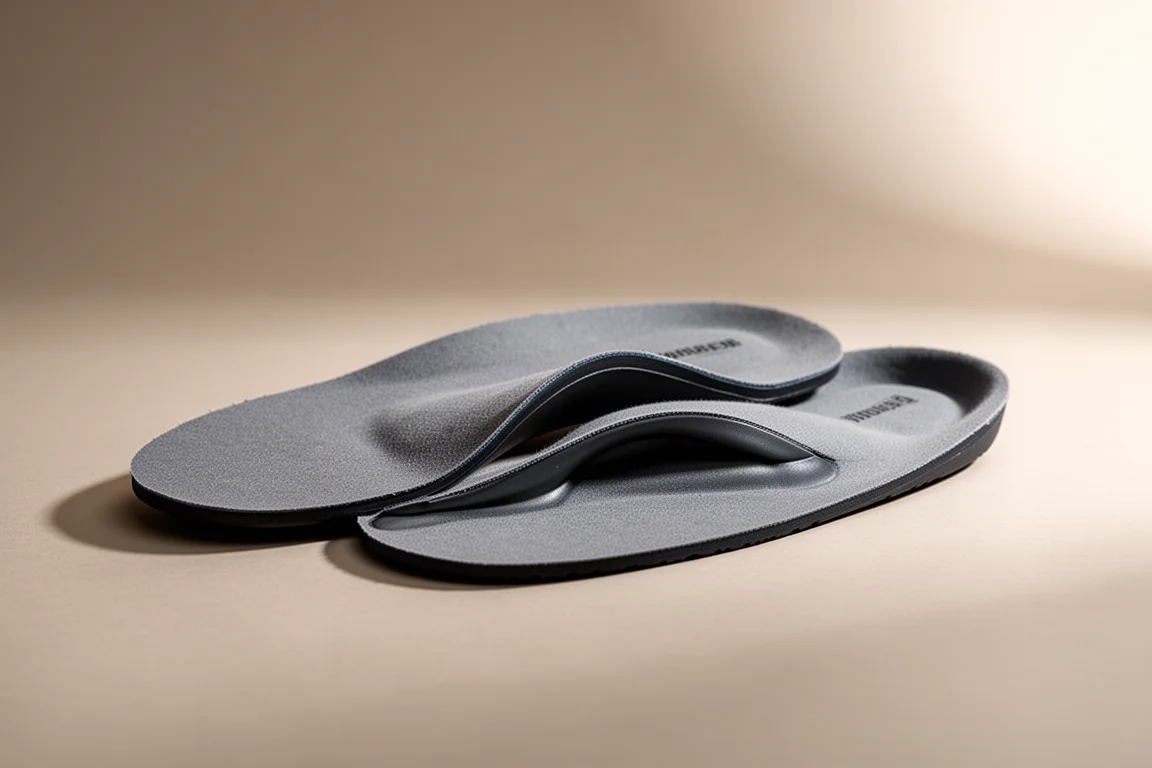
Camp shoes are a love-hate item for most backpackers. Feet want out of wet, sweaty shoes at the end of the day, but the weight is hard to justify. At 50 grams, the Mayfly sandals are a fraction of the weight of any other camp shoe or sandal, which makes the trade-off easy.
The base is a plastic, cardboard-like material with string used to hold it to the foot. That construction makes them a little sloppy on the move, but walking around camp was never a problem, and they were comfortable enough to wear around town on resupply days. The bigger benefit came after washing feet each evening: slipping into sandals instead of damp, smelly hiking shoes helped feet dry out.
Hoka One One Speedgoat 4: Cushioning for Long Days
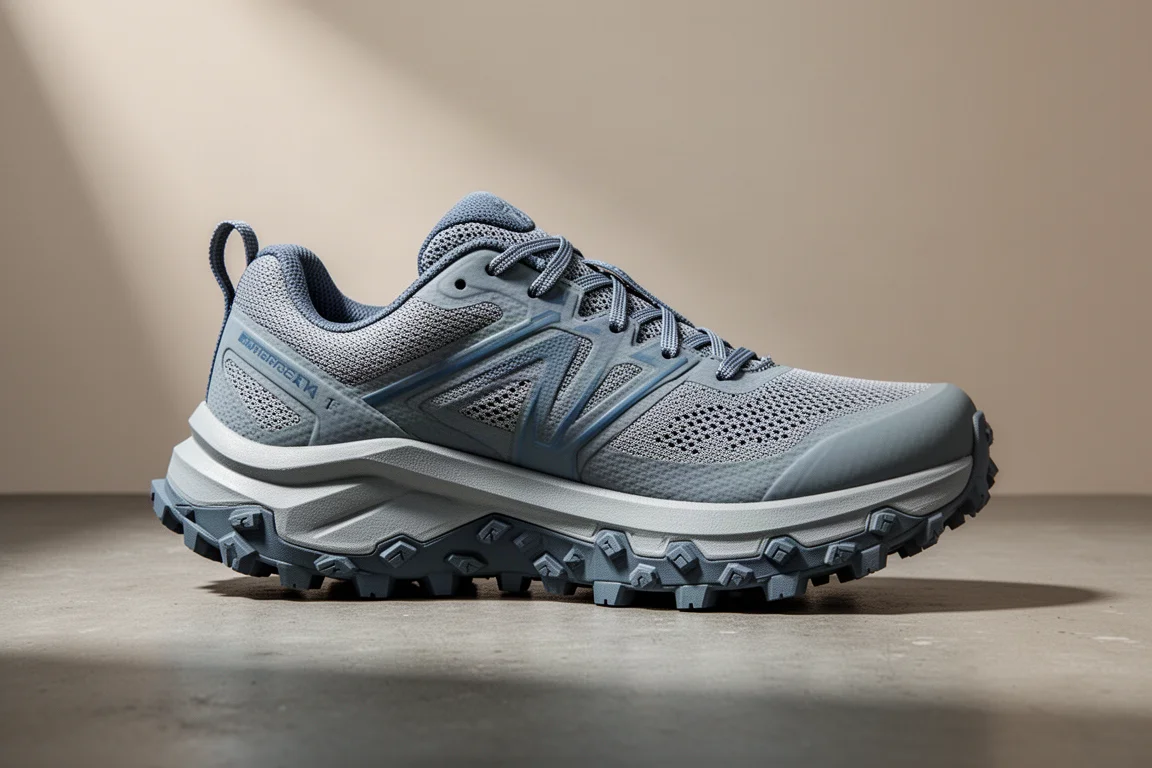
Ahead of the hike, a lot of strength training went into the feet specifically to avoid plantar fasciitis and blisters. Over the full 1,100 km, including days beyond 60 km and around 30 creek crossings, no blisters appeared and feet were never sore.
The Speedgoat 4 is heavily cushioned, which reduced stress on the feet and on the rest of the body across long days. The Vibram MegaGrip sole proved sticky and durable, the toe box is slightly wider than average and suited a slightly wider foot, and the heel cup locked the heel in place with minimal slipping.
Superfeet Carbon: Stiff Support for Tired Feet
Inside the Speedgoat 4, the Superfeet Carbon insoles added a notably stiff arch support. On a route where days regularly ran long, that firmness mattered more than extra cushioning alone.
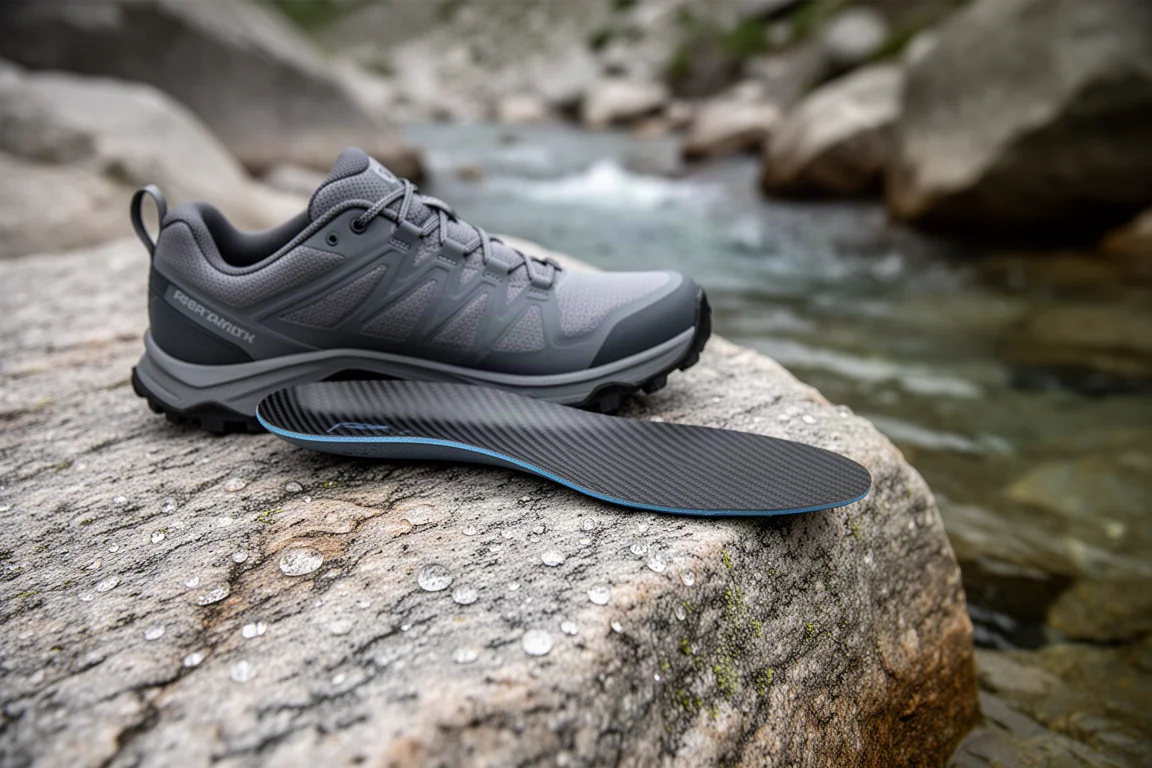
The value of a stiff arch is in how it holds the foot once fatigue sets in. Instead of letting the arch collapse as the hours add up, the insole keeps the foot in a supported position, which is what made it worth carrying through the entire hike.
Injinji Light Run Toe Socks: Blister Prevention
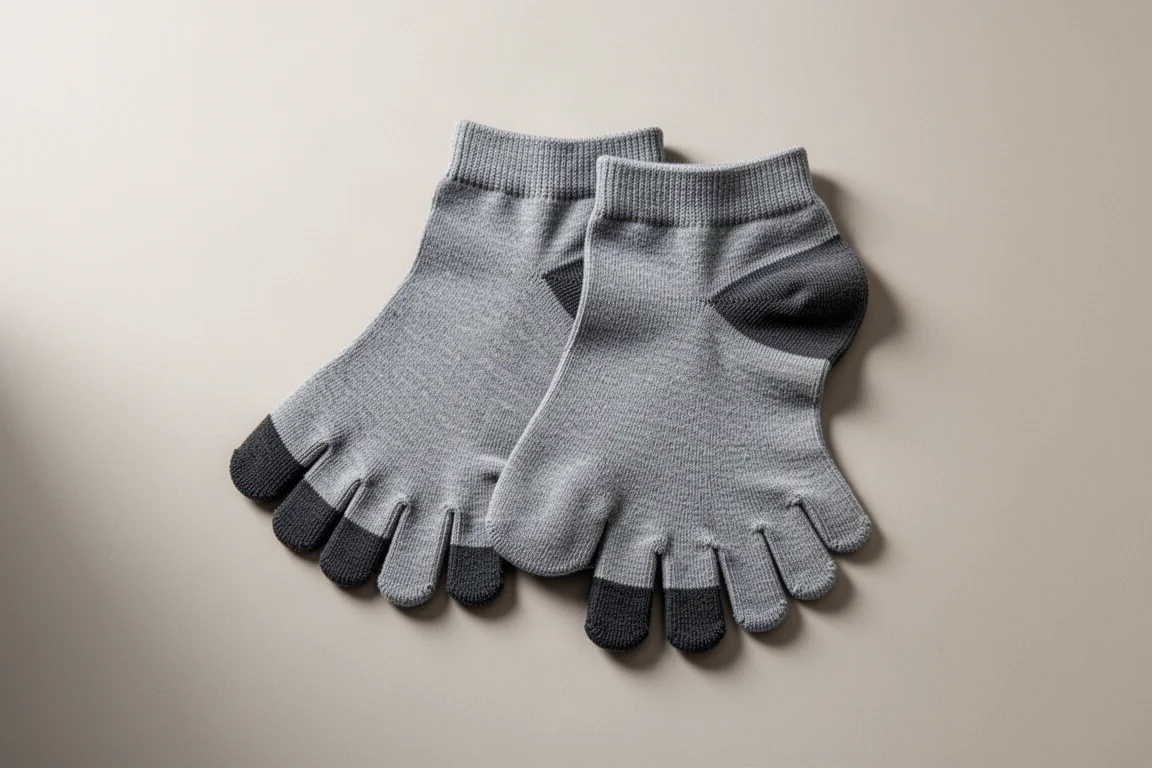
Socks completed the footwear system. The Injinji Light Run toe socks are the lightest version in the range, made from a synthetic material that is mostly polyester.
Two things make them work. The thin, synthetic fabric dries very quickly and does not hold on to much moisture. And because each toe sits in its own small sleeve, the toes stay separated instead of rubbing against each other, which removes the main source of blisters. No blisters appeared across this hike, and the same result came up repeatedly in conversations with other hikers who had dealt with blisters before making the switch.
Overall Buying Advice
The most useful lesson from this trip is that gear decisions should be made as a system rather than as isolated purchases. A frameless, hip-belt-free pack only works when base weight is genuinely low; at roughly 11 pounds it carried loads over 30 pounds comfortably, but that margin comes from everything else in the kit being light and compact.
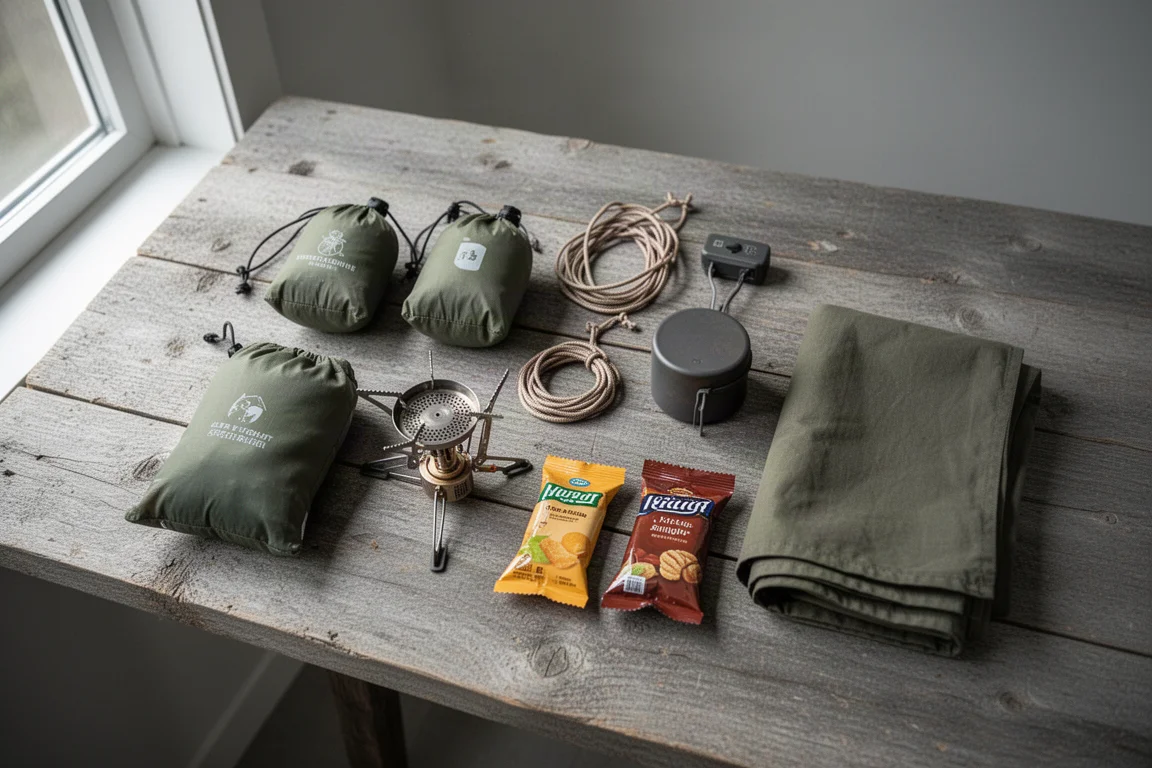
Shelter choice is the next lever. A Dyneema Composite Fabric shelter saves real weight and, just as importantly, does not absorb water or hold condensation in the fabric, so wet nights do not turn into heavy mornings. The trade-off is a very thin material that rewards careful handling and a willingness to wipe down the interior on cold, humid nights.
Foot care deserves the same system-level thinking. A cushioned trail shoe with a sticky, durable outsole, a stiff arch-supporting insole, and thin synthetic toe socks worked together across 1,100 km, more than 60 km days, and around 30 creek crossings without a single blister. Buying those three pieces to complement each other is more valuable than upgrading any one of them in isolation.
If your trips are shorter, or your base weight is higher, the priorities shift. A framed pack with a hip belt becomes the more sensible choice above roughly 30 pounds of total load, and camp shoes stay a luxury item until the comfort payoff matters more than the grams.
Conclusion
None of these seven pieces is complicated, and that is the point. A 450 gram shelter that shrugs off rain, snow, and hail, a frameless pack that carries more than it should, wrist-based navigation for stretches with no trail on the ground, 50 gram camp sandals, and a footwear combination that produced zero blisters across 1,100 km all share the same trait: they remove a recurring problem instead of adding a feature.
Match each pick to the conditions you actually ride or hike in, keep your base weight honest, and the gear stops being something you think about. That is the highest compliment a piece of equipment can earn on a long trail.
Further reading
Related Reviews

Backpacking Gear
Building a 10 lb Base Weight: An Ultralight Backpacking Gear List
A practical walkthrough of the ultralight pieces behind a 10 lb base weight, from a 765 g pack and a roomy one-person tent to a full camp chair and a dependable water filter.

Backpacking Gear
A 15-Pound Lightweight Backpacking Gear List for Solo Trips
A beginner-friendly 15-pound backpacking setup built from easy-to-find gear, with notes on what each piece does, how it packs, and where to spend your attention.
Backpacking Gear
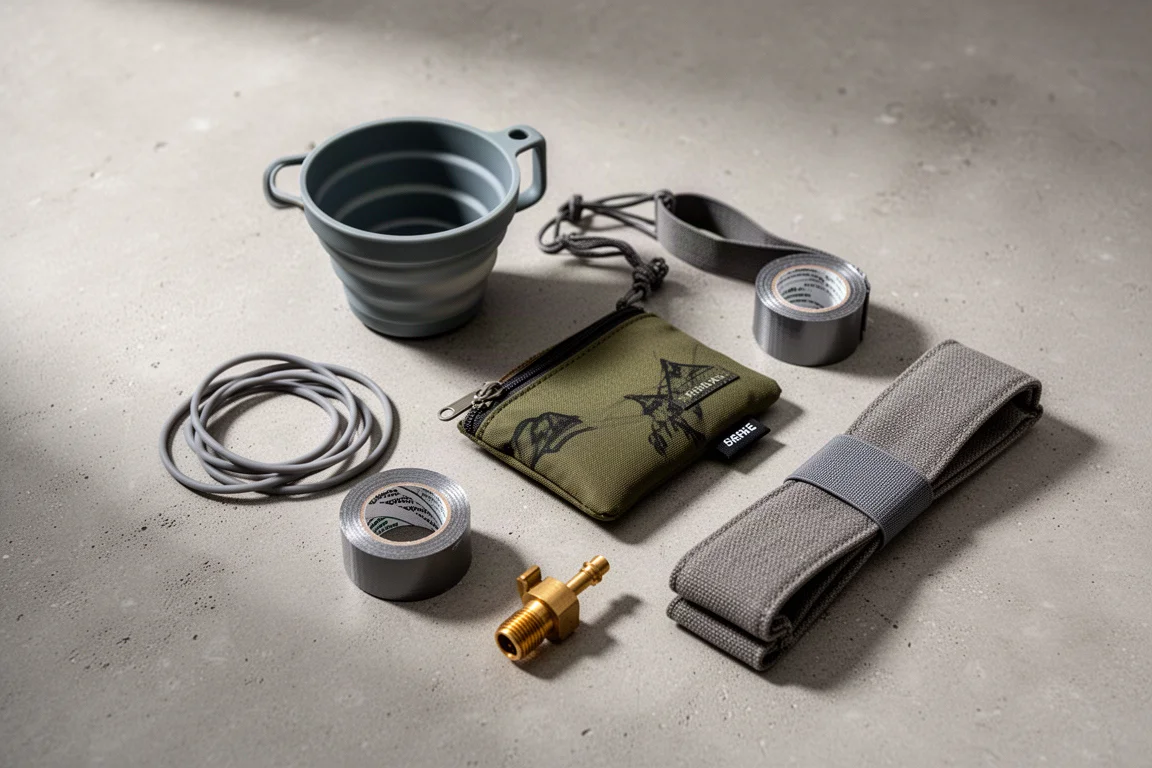
8 Ultralight Backpacking Gear Upgrades Worth Carrying
Eight small, affordable backpacking upgrades that solve real trail annoyances, from a pillow that stays put to a fuel valve that rescues leftover canister gas.