Hiking Gear
Great Divide Trail Gear: Favorite Pieces From 36 Days and 1,100 km
Seven ultralight pieces that held up over 1,100 km in the Canadian Rockies, from a 450 g Dyneema shelter to a frameless pack and a blister free footwear system.
Introduction
Thirty six days and roughly 1,100 km across the Great Divide Trail in the Canadian Rockies is enough time to learn which gear actually earns its place in a pack. Rain, snow and hail all showed up along the way, and the pieces below are the ones that made daily life on trail easier and more comfortable. A few of them were close to essential: without them, finishing the route would have been far harder, and possibly not possible at all.
The list runs to seven products, though the footwear pick is really a three part system that only worked as a unit. Everything else is a single item that solved a specific problem.
The Shelter: Zpacks UltraPlex Tent
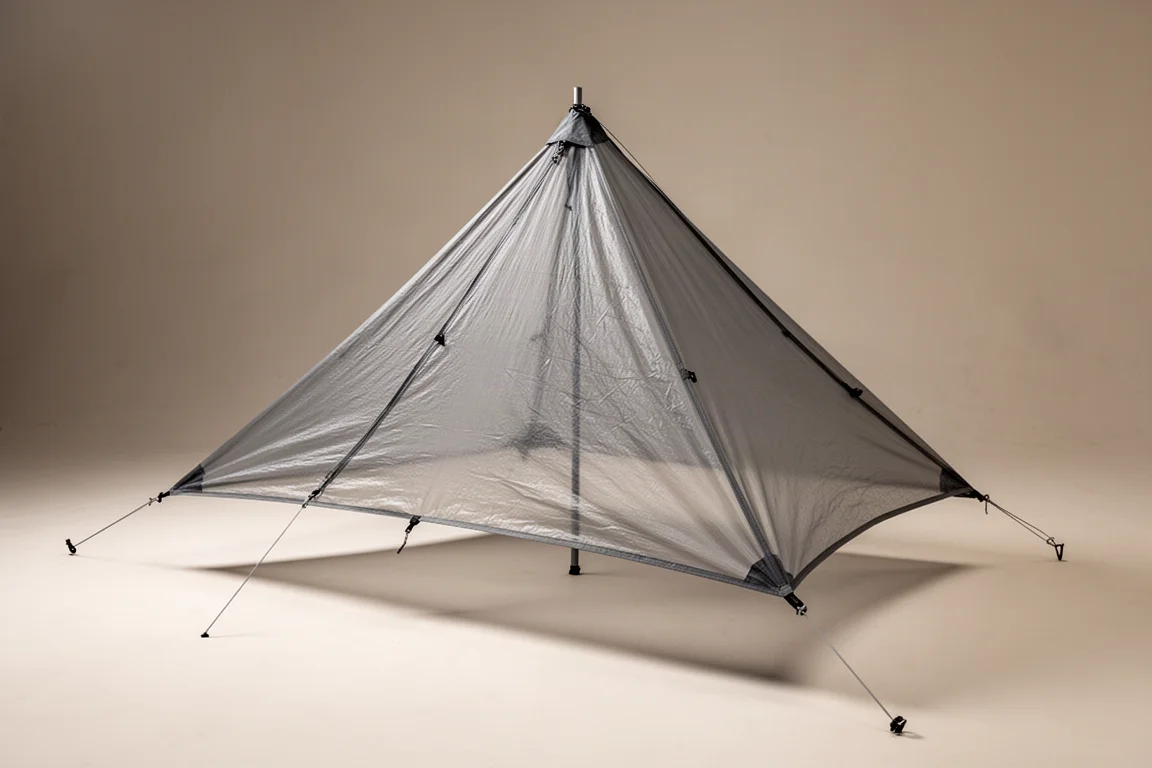
The UltraPlex was thrown a lot of weather and handled all of it: rain, snow and hail. At only 450 g it stays genuinely light in a pack, and it went up easily in the rain and in cold, humid conditions when everything around it was damp.
The fabric matters as much as the weight. The tent is built from Dyneema Composite Fabric, a very thin and light material that does not absorb water or moisture. On humid nights when condensation built up heavily inside, a quick wipe with a small cloth and a squeeze was enough to clear it. That meant no extra water weight being carried the next day, and over a long route those savings add up.
Roominess was the other surprise. Even with a sleep system and gear inside, the walls stayed clear, so nothing ended up pressed against wet fabric overnight.
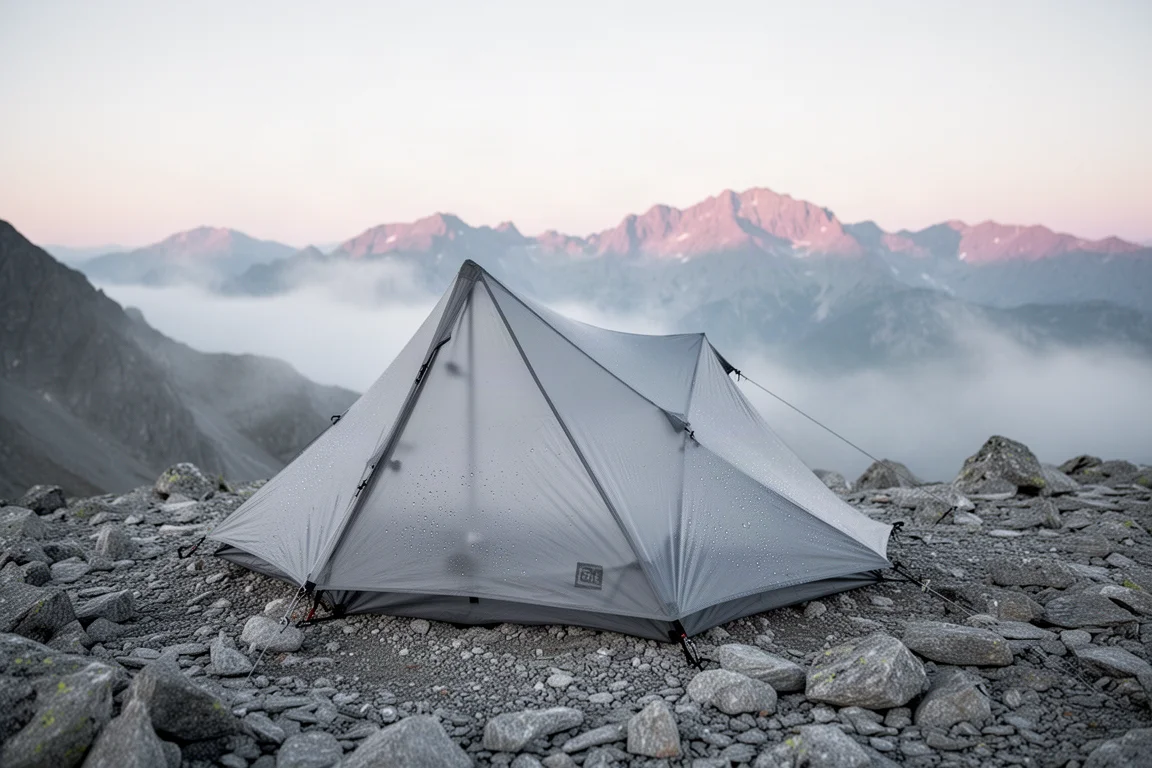
This is a shelter for hikers who count grams but still want dependable protection when mountain weather turns. If you regularly camp in cold, humid conditions, expect to wipe the interior down before you pack up.
The Pack: Zerk 40
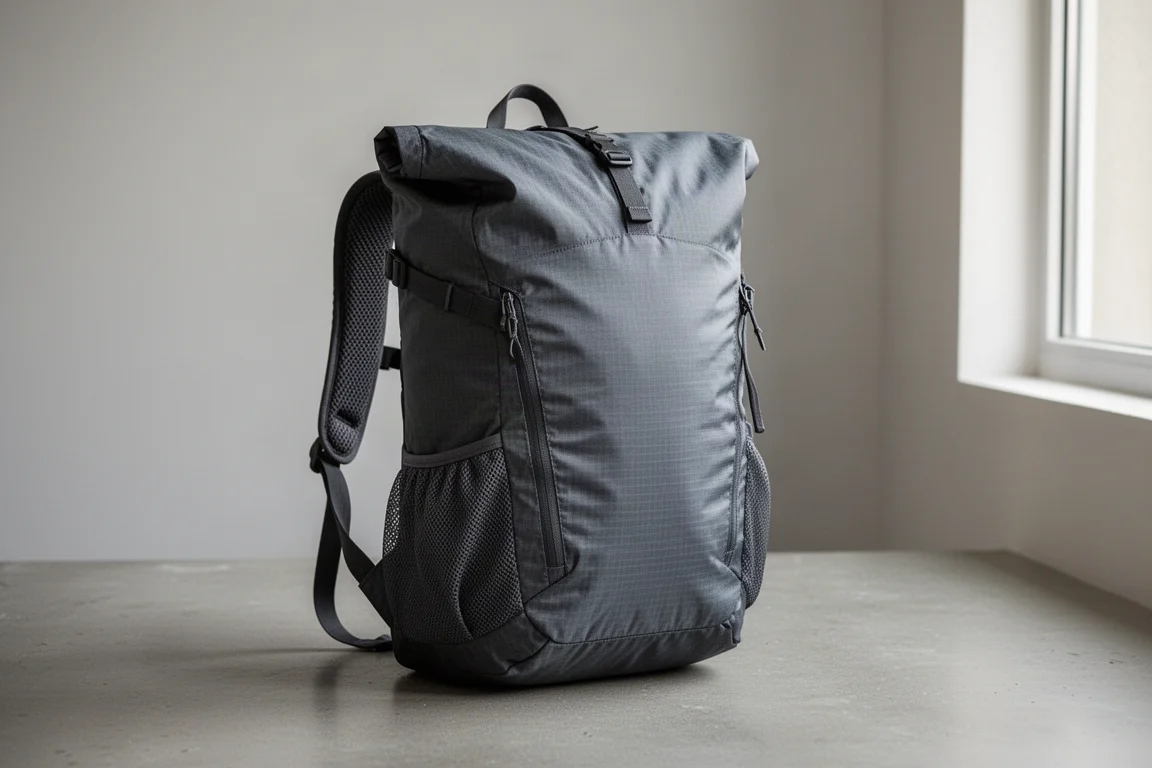
The Zerk 40 is a frameless pack with no traditional hip belt, which raises eyebrows for a thru hike that includes an eight day food carry. It worked because of what the missing hip belt allows: more range of motion through the hips, and no hip belt pockets to get in the way when scrambling low or climbing close to a rock wall, both of which this route demands.
Base weight sat around 11 pounds, so the pack rarely carried much. At its heaviest it held just over 30 pounds, and it carried that load well. It was the only frameless, hip belt free pack found that stayed comfortable past 30 pounds; others left shoulders sore well before that point.
Organization is a strong point too, with side pockets that kept snacks within reach and useful pockets built into the shoulder straps for the items you want constantly available.
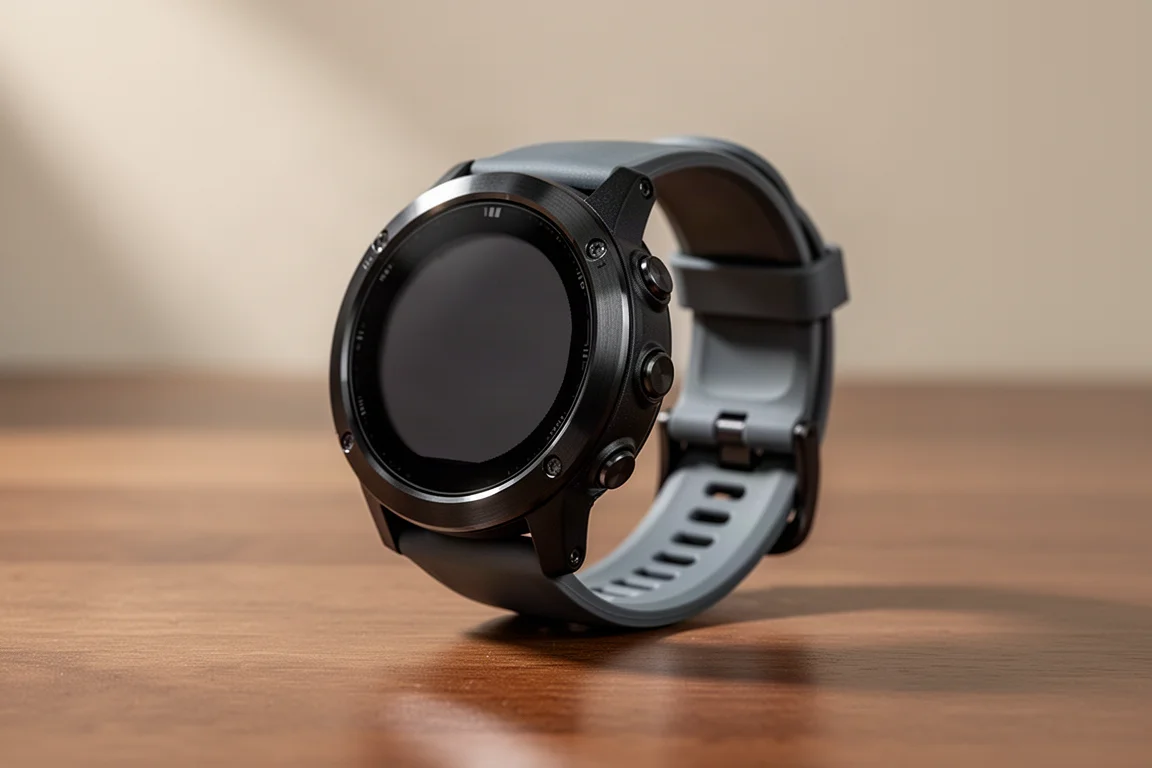
The Navigation Tool: Garmin Fenix 6 Pro
Large sections of the Great Divide Trail have no trail on the ground at all, so navigation becomes a tool question: compass and paper map, a phone app, or something on the wrist. The Fenix 6 Pro was the preferred option.
The workflow was simple. Each day’s route was planned ahead of time and downloaded, then uploaded to the watch. At the start of each day the track was loaded and followed from the wrist. When there was no visible trail for long stretches, a glance down confirmed position without stopping to dig out a phone or unfold a map and compass.
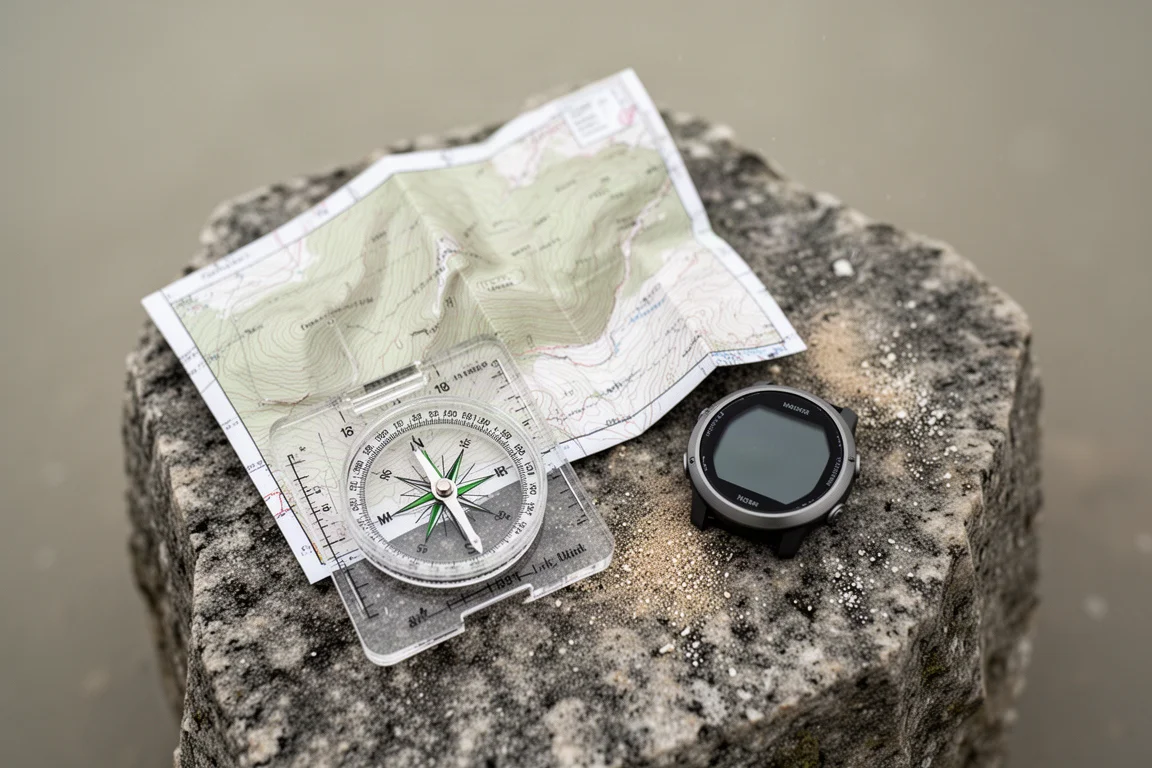
That matters most in exactly the terrain where a wrong turn costs the most time. The trade off is preparation: the value of the watch depends on having the day’s route planned and loaded before you set off.
The Camp Shoe: Mayfly Sandals
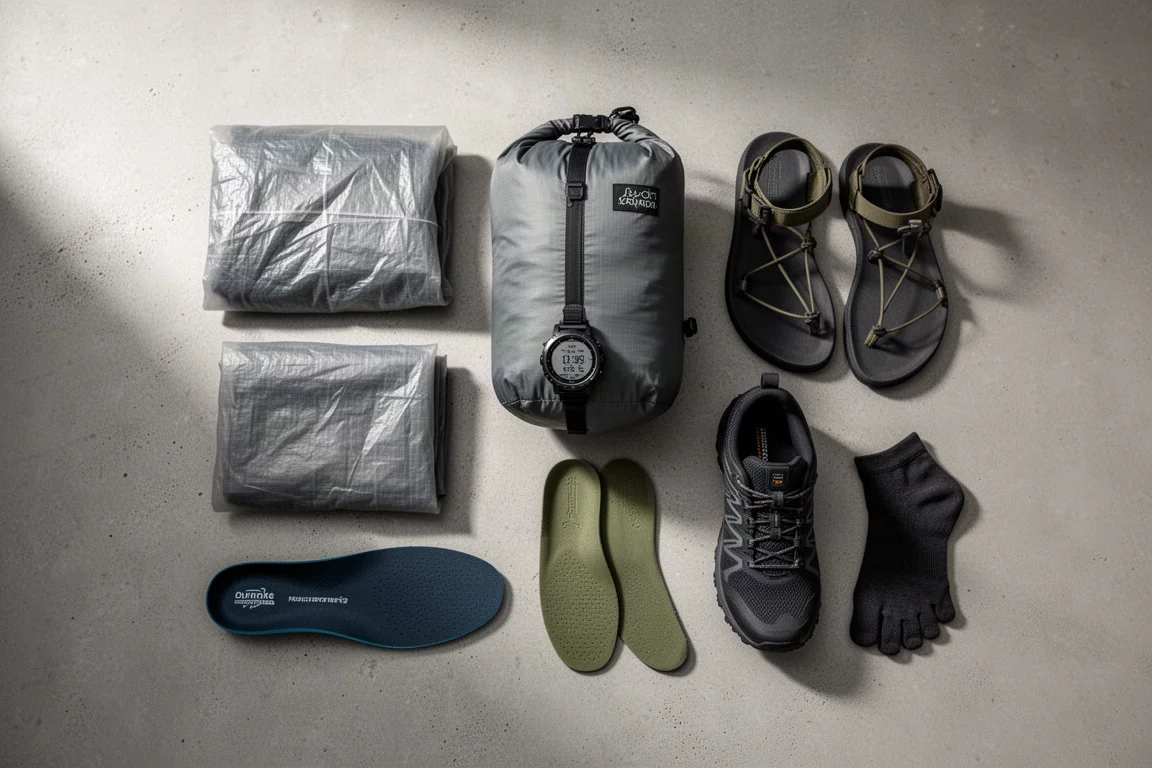
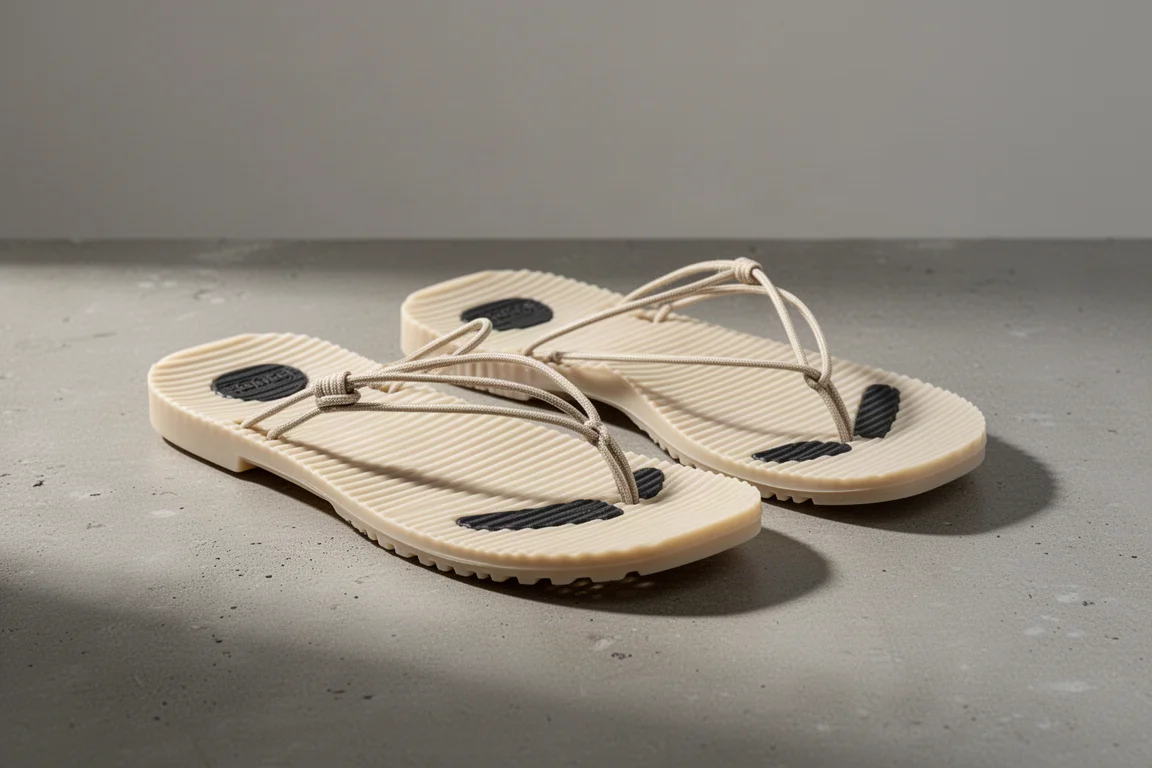
Camp shoes are a love hate item. They are wonderful for getting feet out of wet, sweaty footwear at the end of the day, and less wonderful to carry. The Mayfly sandals weigh only 50 g, a fraction of any other camp shoe or sandal considered for the trip.
The construction is unusual. A plastic, cardboard like base is held to the foot with string, which makes the fit a little sloppy. In practice that was not a problem around camp, and they were even comfortable enough to wear around town on resupply days.
The bigger benefit was foot care. After washing feet at the end of each hiking day, there was no need to force them back into damp, smelly shoes. The sandals let feet dry out properly instead, which made the whole evening routine easier.
The Footwear System That Kept My Feet Blister-Free
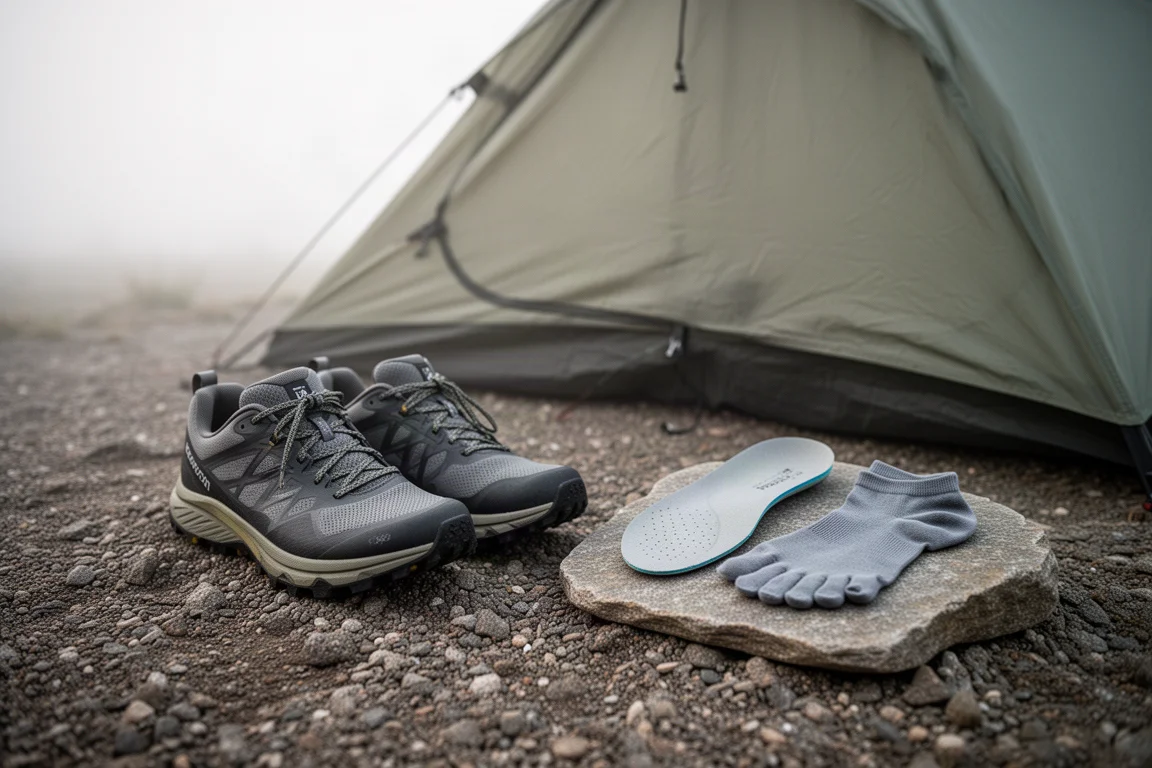
Footwear was the most valuable part of the whole setup, and it worked as a combination rather than three separate purchases. Strength training for the feet before the trail was part of the plan, aimed at avoiding plantar fasciitis and blisters. Over the full 1,100 km, including days longer than 60 km and roughly 30 creek crossings, there was not a single blister and no lingering soreness.
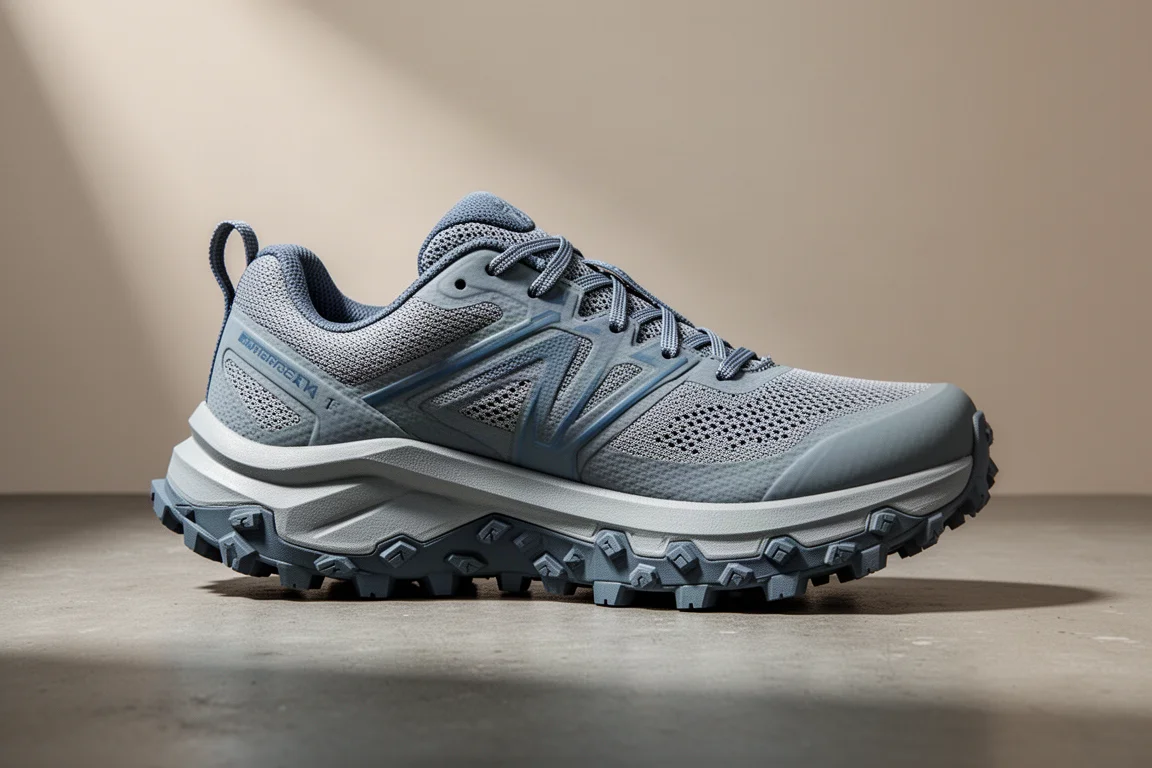
Hoka One One Speedgoat 4
The Speedgoat 4 brought heavy cushioning, which reduced stress on the feet and on the rest of the body over long days. The Vibram MegaGrip sole proved sticky and durable across mixed terrain. A slightly wider toe box suited a slightly wider foot, and a well shaped heel cup locked the heel in place rather than letting it shift around.
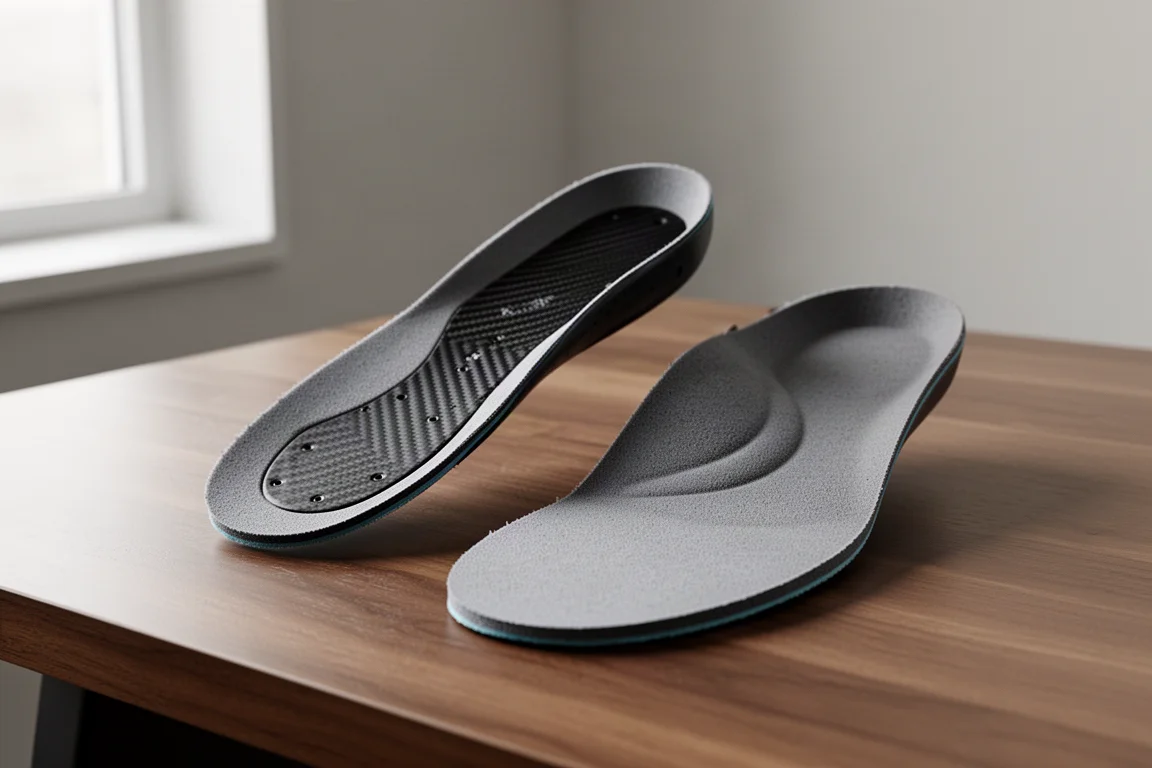
Superfeet Carbon Insoles
Superfeet Carbon insoles add a stiff arch support underfoot. That stiffness is the point: over very long days it helped support the feet and reduce fatigue through the arch, which is exactly where a long route tends to wear you down first.
They are a small addition in weight that changes how a shoe feels after hour ten. The firm arch is deliberate, so it is worth checking that your shoe has the volume to accommodate an added insole comfortably.
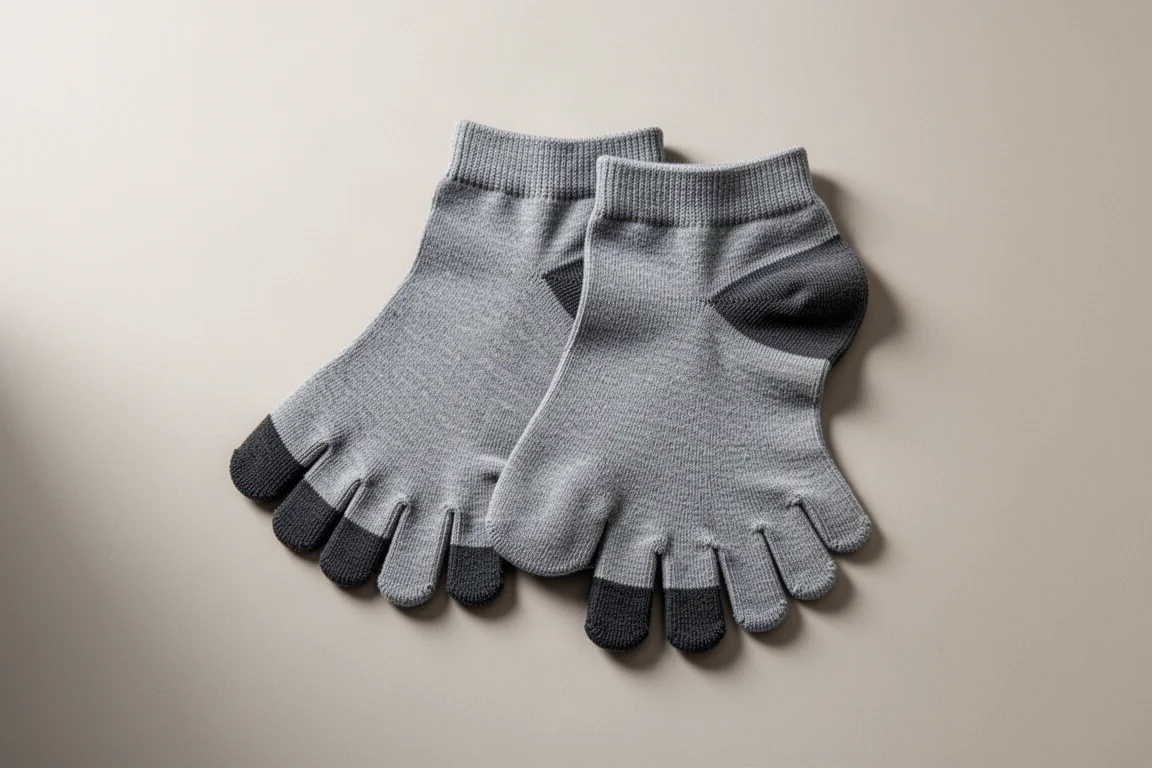
Injinji Light Run Toe Socks
The Light Run version is the thinnest toe sock in the Injinji range. A mostly polyester synthetic build dries quickly and holds very little moisture, and each toe sits in its own sleeve so toes never rub against each other. Combined with the shoes and insoles, that separation is what kept blisters away entirely across the whole route.
Overall Buying Advice
If there is a theme here, it is that each piece removed a specific source of daily friction: weather protection that stays light, a pack that moves with the hips, navigation readable at a glance, dry feet at camp, and a footwear system that prevents blisters rather than treating them.
Start with the problem you actually have on your own trips. Long food carries and long off trail sections change which items matter most. A shelter that sheds condensation and a footwear combination that prevents blisters were the two highest value decisions on this route, with the pack and the watch close behind for anyone covering serious distance on rough ground.
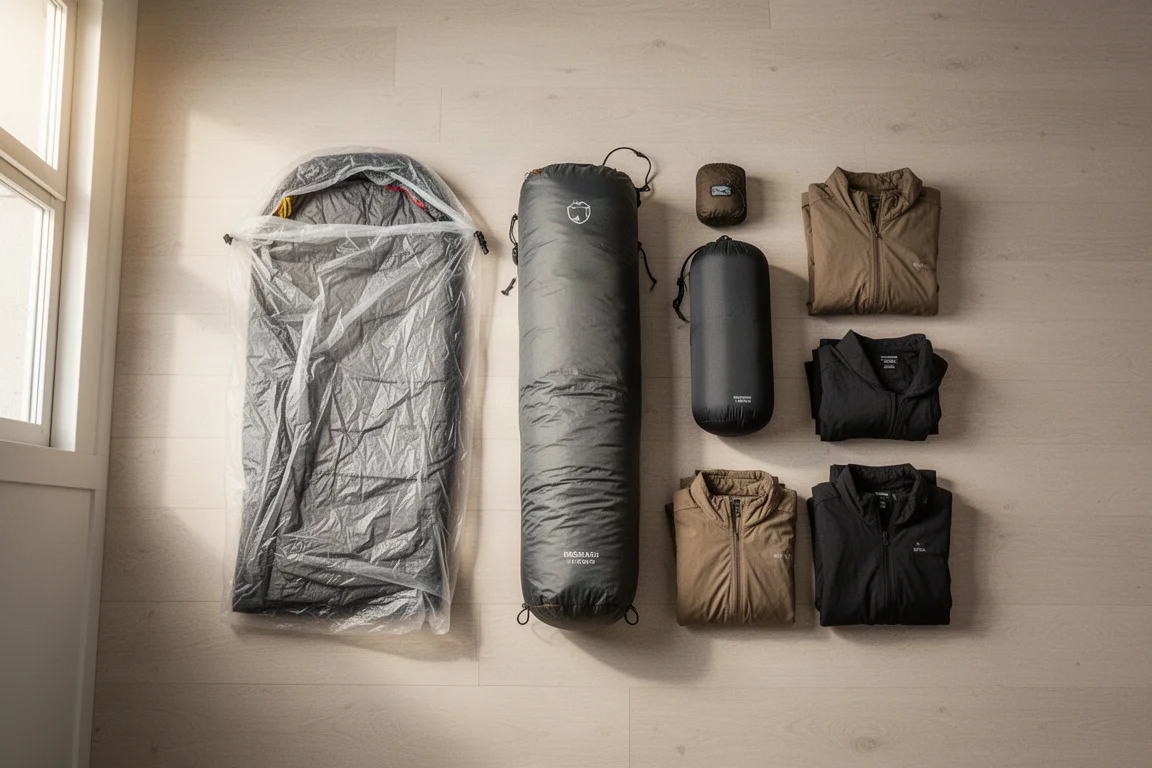
Nothing on this list is a novelty. Each item was chosen for a specific job and then tested over 36 days of real weather and real terrain, which is the only test that counts.
Conclusion
Gear choices like these are personal, and the right mix depends on your terrain, your weather and the weight you are willing to carry. These seven pieces made a 1,100 km route through the Canadian Rockies more comfortable and, in a few cases, more achievable. If your trips look anything like this one, they are worth a closer look.
Further reading
Related Reviews
Hiking Gear
Best Hiking Pants on Amazon: Five Practical Options for Different Needs
A practical review of five hiking pants with clear strengths and trade-offs, from lightweight convertible styles to durable work-ready trousers.
Hiking Gear
Best Hiking Poles 2026: Five Options for Different Trail Needs
A practical review of five hiking poles, from lightweight carbon designs to versatile all-terrain options, with clear strengths and trade-offs for each.
Hiking Gear
Best Hiking Socks 2026: Five Top Choices for Different Trail Needs
A practical roundup of five hiking socks, from lightweight merino options to heavy-duty compression styles, with clear guidance on which suits your outdoor activity.