Hand Tools
Gray Pneumatic 10mm Surface Drive Socket Review: A Different Take on Running Nuts
A low-cost surface drive socket built for engaging fasteners while the tool is still spinning. Here is how it works, where it helps, and what to check before buying.
Introduction
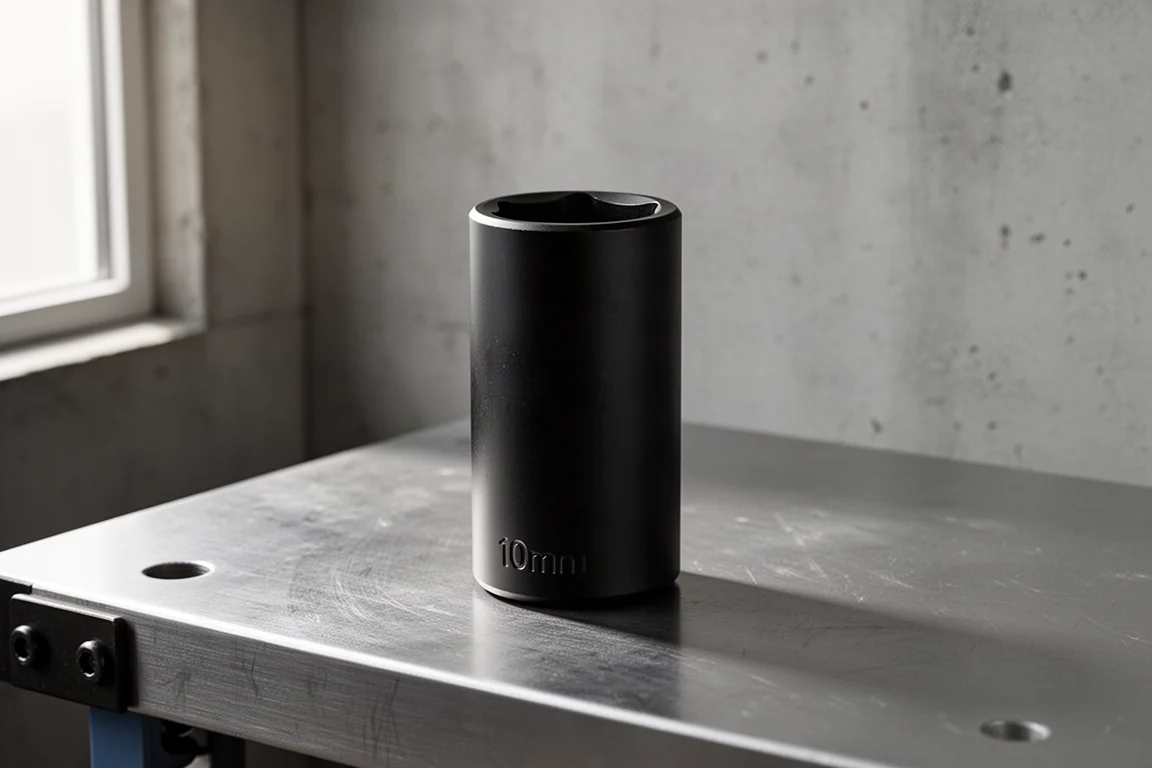
Nut running has quietly become one of the more interesting corners of the tool world. The idea is simple: when you are running nuts a long distance up or down a threaded rod, you do not want to stop and start the tool for every fastener. You want to keep it spinning and drop it onto each nut in turn. That is exactly the job a surface drive socket is designed for, and the Gray Pneumatic 10mm surface drive socket is a good example of the type at a friendly price.
The design departs from a standard socket in a few noticeable ways, and those differences are the whole point of the tool.
Who This Socket Is For
If you spend time building racks, cable trays, ceiling grids, or anything else that involves running nuts along threaded rod, this socket makes sense. The idea is to engage the fastener while the socket is already spinning. Instead of letting the tool stop, you keep it running and hit every nut or bolt in sequence.
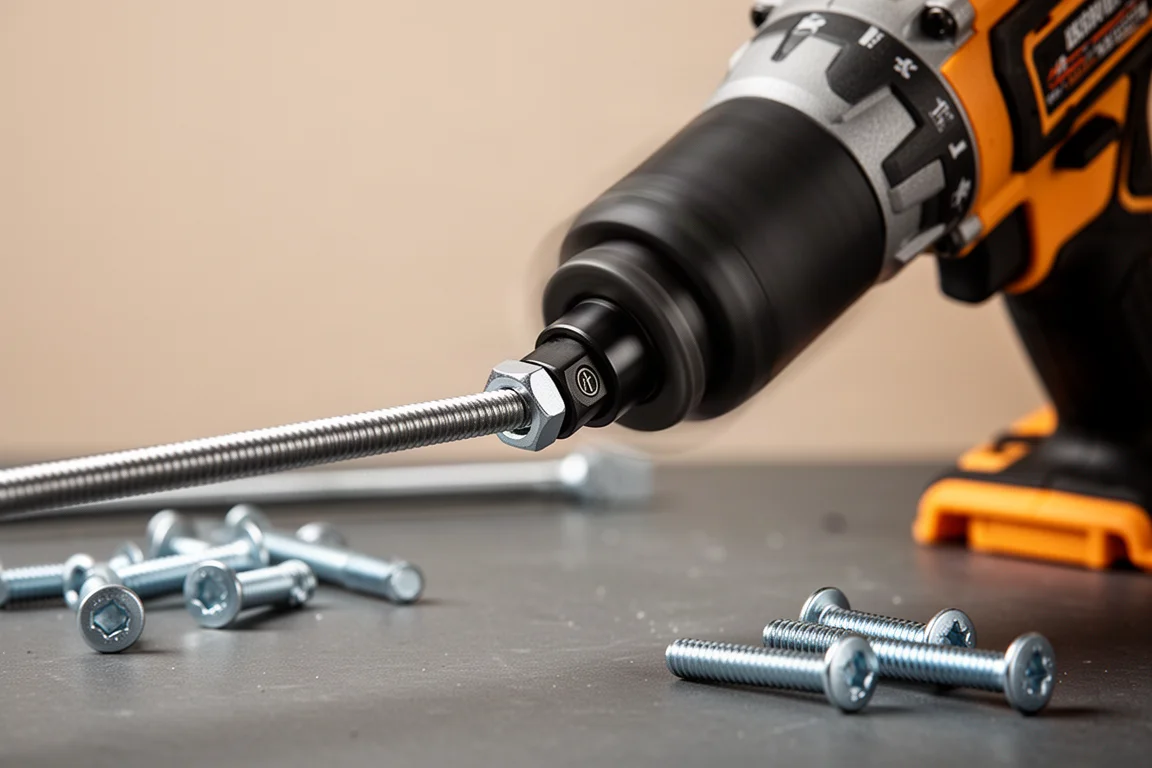
There is real practice involved. Getting consistent results comes down to eye-hand coordination, and an assembly-line style setup with fasteners in fixed positions makes it much easier to drop the socket right on. Once you are anywhere near the fastener head, it tends to slip on and go, while a standard socket asks for a bit more precision and patience.
Main Strengths
The defining trait of a surface drive socket is its forgiving, deliberately loose fit. Where a standard socket is pretty snug on the fastener, a surface drive has noticeable play. The edges are not very sharp either, and for good reason: this socket is coming in hot, engaging the fastener at speed. It is not a precision socket, and it is certainly not a low-torque or impact-rated design.
In side-by-side testing against a standard 10mm impact socket, running nuts in opposite directions, the surface drive showed a slight but real difference in how quickly it could pick up each fastener without the tool spinning down. It is not a dramatic gap, but for repetitive work it adds up.
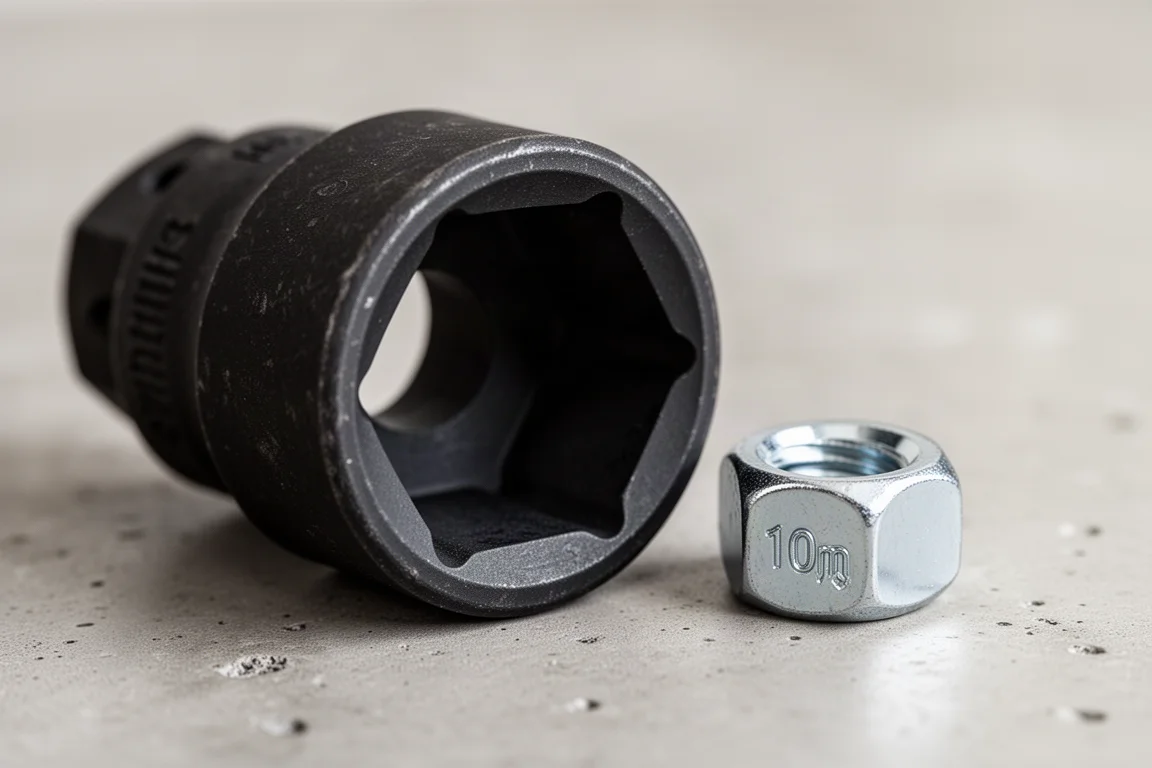
Another practical point: the walls are fairly thin compared to the thicker walls of an impact socket, which helps in tighter spaces. And at roughly eleven dollars, the Gray Pneumatic version is a very inexpensive way to try the concept. If you would rather build your own, a cheap socket ground down into a flush profile is a common DIY alternative, but a purpose-made surface drive saves the grinding work.
Things to Consider Before Buying
This is a niche tool, and it is worth being honest about that. The loose tolerance that makes it forgiving also makes it sloppy compared to a standard socket, so it is not something you would reach for when you want a precise, high-torque engagement.
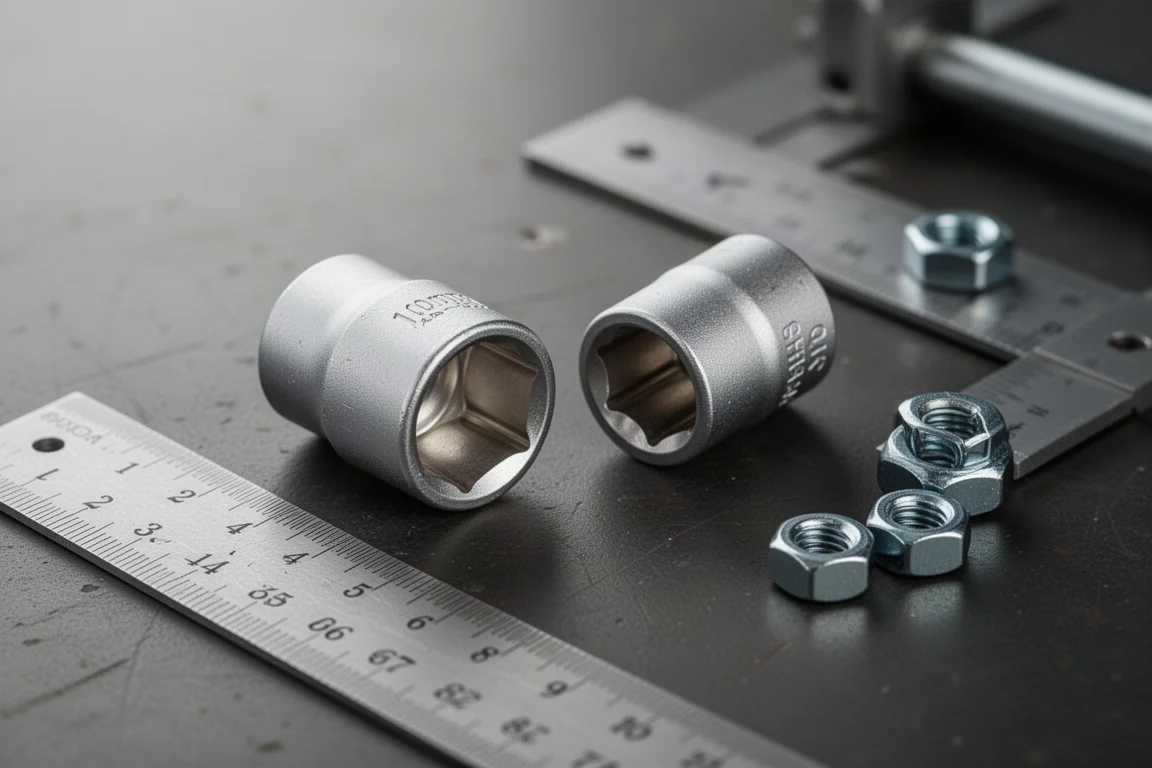
There is also a simpler alternative worth knowing about. Some users find that a 12mm deep socket can grab right onto a nut or bolt quite quickly too, which can be a workable substitute for a surface drive in many situations. If you do repetitive manufacturing-style work where surface drives are required, this socket fits that bill, but if you only occasionally run nuts, a deep socket may cover you first.
Buying Advice
At around eleven dollars, the Gray Pneumatic 10mm surface drive socket is a low-risk addition to a 10mm collection that is already probably larger than it needs to be. Ten millimeter sockets seem to multiply in every toolbox anyway, and this one earns its place by doing a job the others cannot: engaging a fastener that is already spinning.
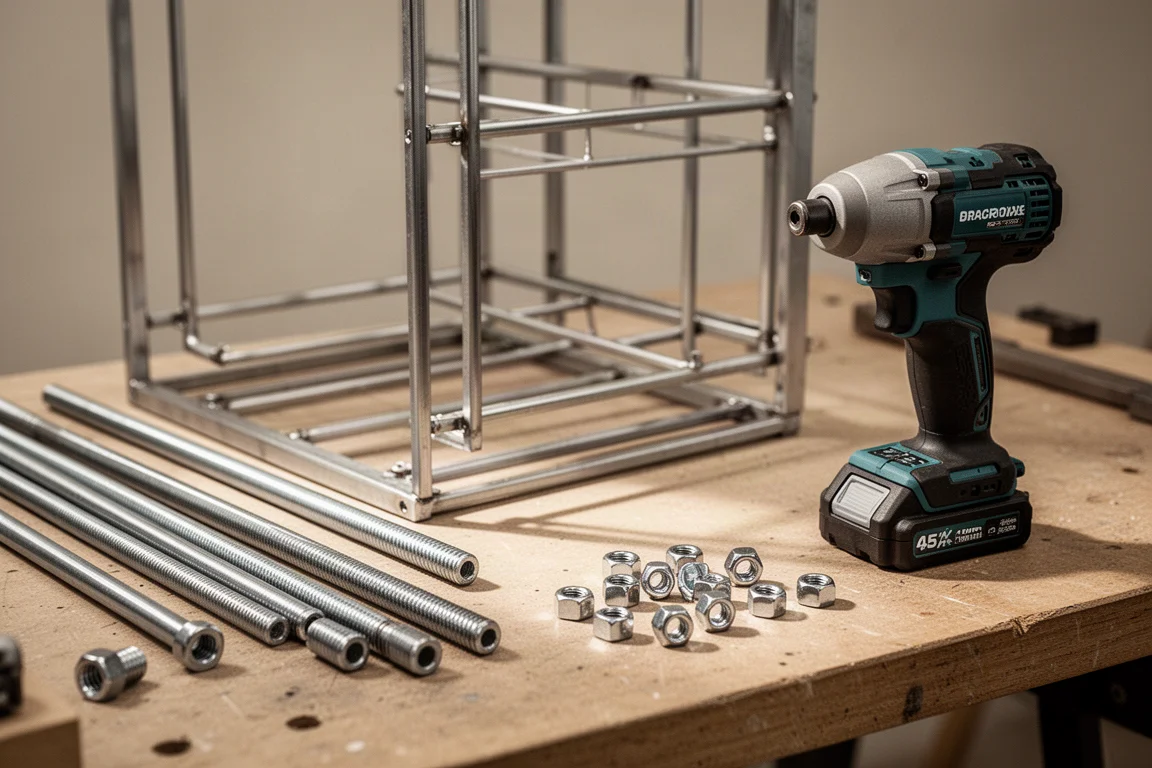
Buy it if you do repetitive nut running on threaded rod, especially in a semi-fixed assembly setup where you can build a rhythm. Skip it if you need a precision fit or high torque, since that is explicitly not what this socket is about.
Conclusion
The Gray Pneumatic 10mm surface drive socket is an inexpensive, cleverly forgiving tool for a very specific workflow. It trades snug precision for speed of engagement, and in repetitive nut running that trade can be exactly what you want. For the price, it is an easy experiment for anyone who keeps the tool spinning and drops onto fasteners all day.
Product link
View more details for Gray Pneumatic 10mm Surface Drive Socket
This product is mentioned in the review. Check the specifications, options, and compatibility before buying.
View more details for Gray Pneumatic 10mm Surface Drive SocketFurther reading
Related Reviews
Hand Tools
Best Diagonal Cutters 2026: 16 Pliers Tested for Cutting Power and Durability
We put 16 diagonal cutters through nail, screw, drill bit, and hex key tests to find the best value picks for your toolbox.
Hand Tools
Best Hex L Key Sets 2026: Nine Sets Tested for Real-World Torque
Nine hex L key sets from budget to premium, tested for torque, fit, and durability. See which sets deliver real performance and which ones to skip.
Hand Tools
Best Locking Pliers 2026: Top Picks Tested for Grip and Durability
We tested 18 brands of 10-inch locking pliers for grip strength, jaw bite, build quality, and ease of release to find the best options for tough jobs.