Gravel Bikes
Gravel or Endurance? Five Bikes and Components for a One-Bike Garage
How gravel and endurance bikes really differ, plus five platforms and components worth considering if you want one machine to cover road and off-road riding.
Introduction
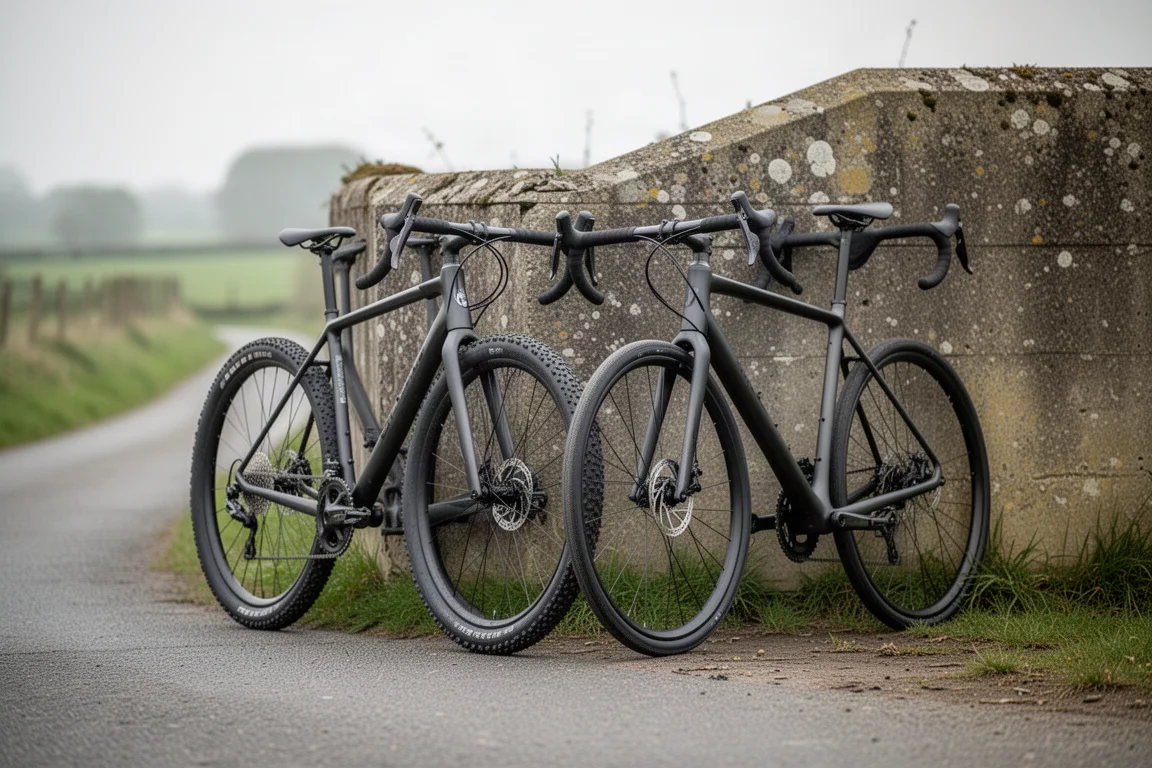
Gravel bikes have become popular for a straightforward reason: many riders want a single machine that handles tarmac, towpaths, and rougher tracks without feeling compromised. Most gravel platforms are derived from endurance road bikes, so the riding position is often closer than the category labels suggest. The real differences sit in the details: wheelbase, chainstay length, head angle, tyre clearance, frame storage, and drivetrain layout.
This guide covers what actually changes between an endurance bike and a gravel bike, then looks at five options worth considering for a one-bike setup: the Pinarello X, the Pinarello Dogma Gravel, the 3T Palta 3, the Enve MOG, and the Shimano GRX groupset family.
What Separates a Gravel Bike from an Endurance Bike
The most visible difference is geometry. Gravel frames generally run a longer wheelbase, which improves stability at speed both on and off the road, and longer chainstays, which create clearance for wider tyres around the chainstay yoke. Head angles are typically slacker, which throws the front wheel further ahead of the rider. That slows the steering slightly and adds stability on loose surfaces.
Stack and reach, the vertical and horizontal coordinates measured from the bottom bracket, tend to be very similar between an endurance bike and its gravel counterpart. In practice, that means the rider’s position is often close to identical across the two categories, whether the frame comes from Pinarello, Specialized, Trek, or another brand.
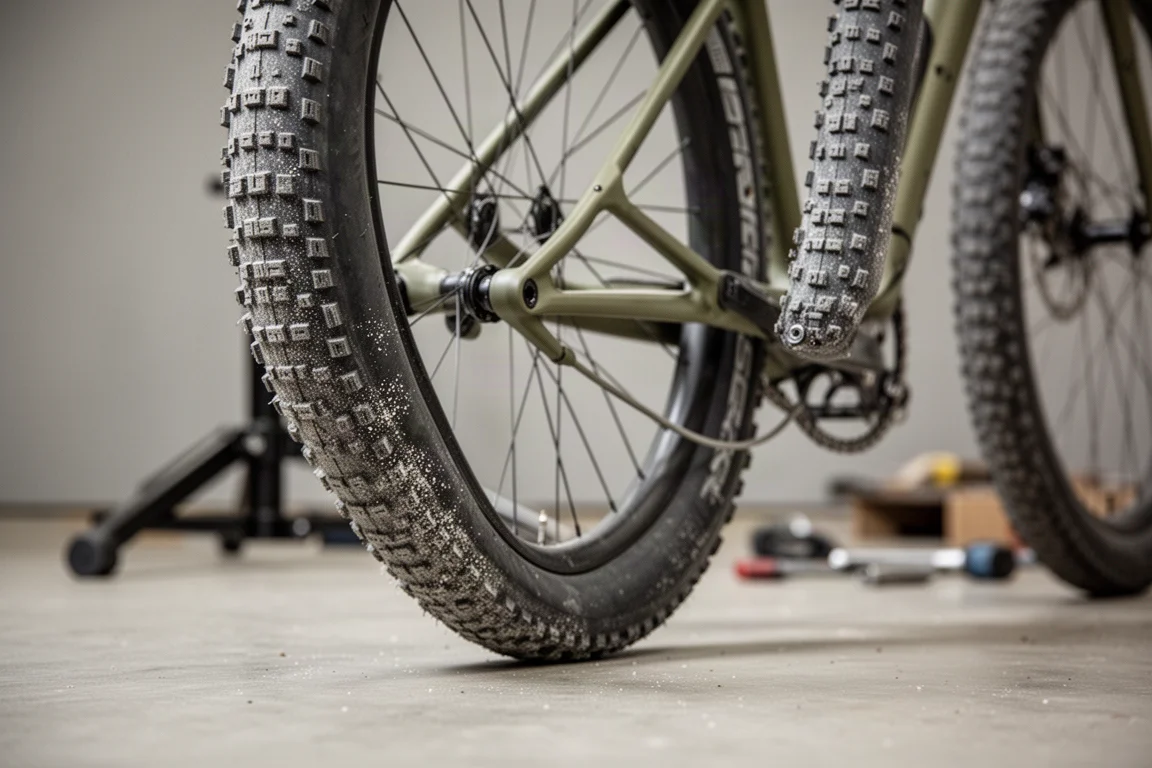
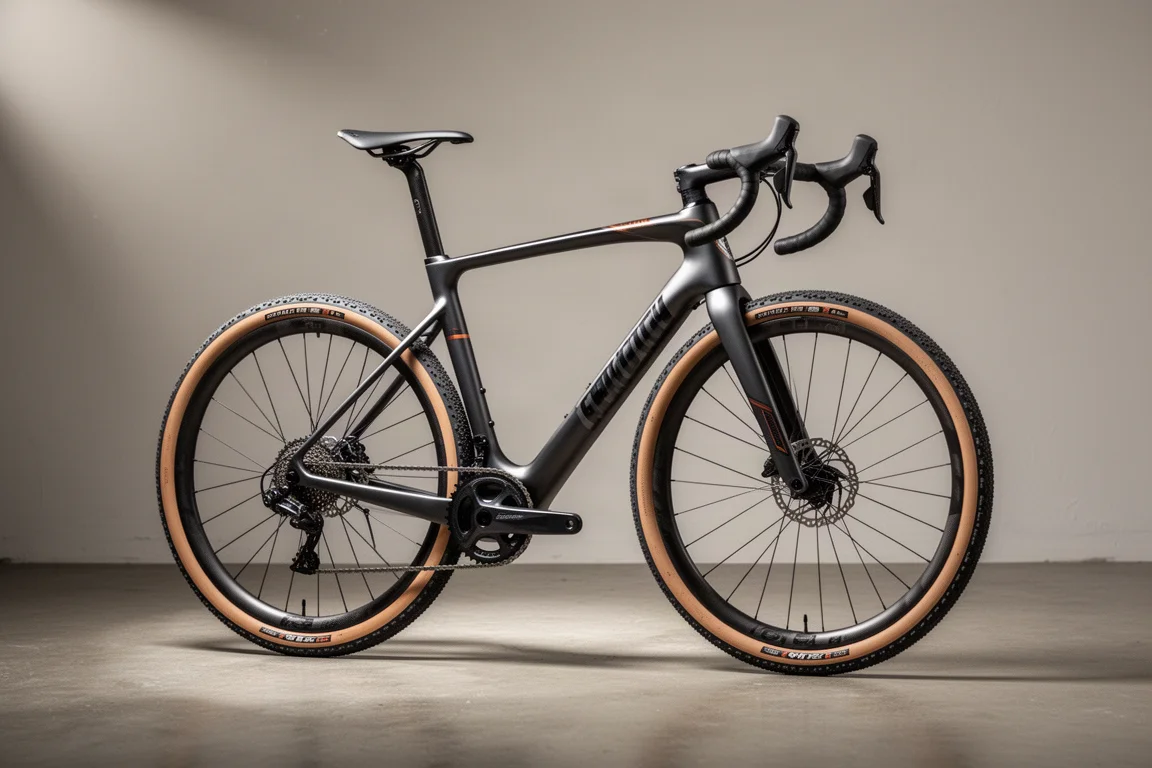
Tyre clearance is the next dividing line. Most endurance bikes max out at around 35 mm, which is plenty for road riding and light, smooth gravel. Gravel bikes go considerably wider, and clearance keeps growing as rims and tyres get bigger. The gap is now large enough that some gravel builds run tyres that would once have looked out of place on a drop-bar bike.
Storage and mounting points also differ. Gravel frames increasingly include internal frame storage, plus extra mounts on the top tube and down tube for bags, bottles, and accessories. Those details turn a gravel bike into a more capable machine for long days and overnight trips.
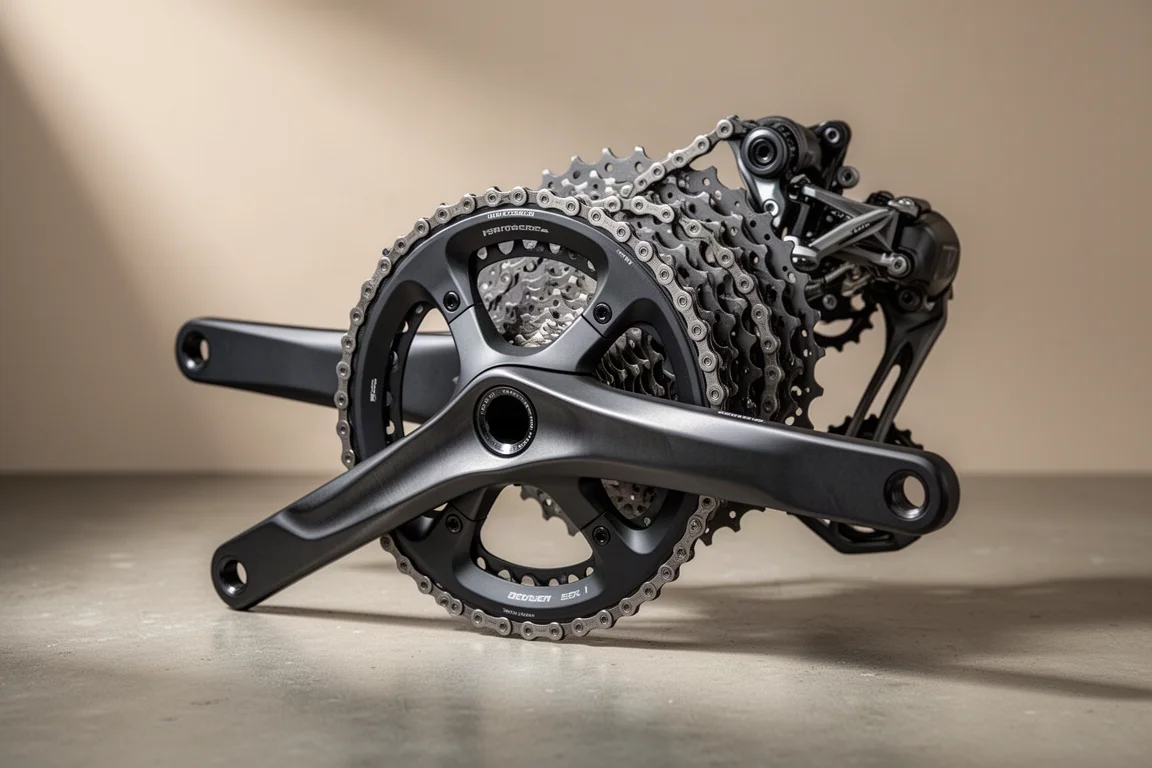
Drivetrain layout matters too. Many gravel frames use a wider bottom bracket shell and wider chainstays, which suits 1x transmissions and can make a 2x crank physically difficult to fit. Endurance bikes are almost always built around 2x, which gives finer control over gearing and cadence.
Handlebars are the last piece. Wide flared bars are common on gravel bikes and can add a sense of stability on descents. For smaller riders, though, a very wide bar can make the brake levers harder to reach and can contribute to neck, shoulder, and wrist discomfort. If a bar feels too wide, it is worth changing rather than adapting to it.
Pinarello X: The Endurance Benchmark
The Pinarello X is an endurance road bike, and it works well as a reference point when comparing categories. Measured against a gravel frame, its stack and reach sit close, so the position is not dramatically more upright or more aggressive than a gravel setup.
What the X offers is a road-first character: lighter overall, quicker to respond, and built around a 2x drivetrain that lets you hold a steady cadence. Its tyre clearance follows the endurance norm of roughly 35 mm, which covers tarmac and light gravel comfortably. Riders who spend nearly all their time on sealed roads will find that trade-off easy to accept.
Pinarello Dogma Gravel: Race-Bred Gravel Geometry
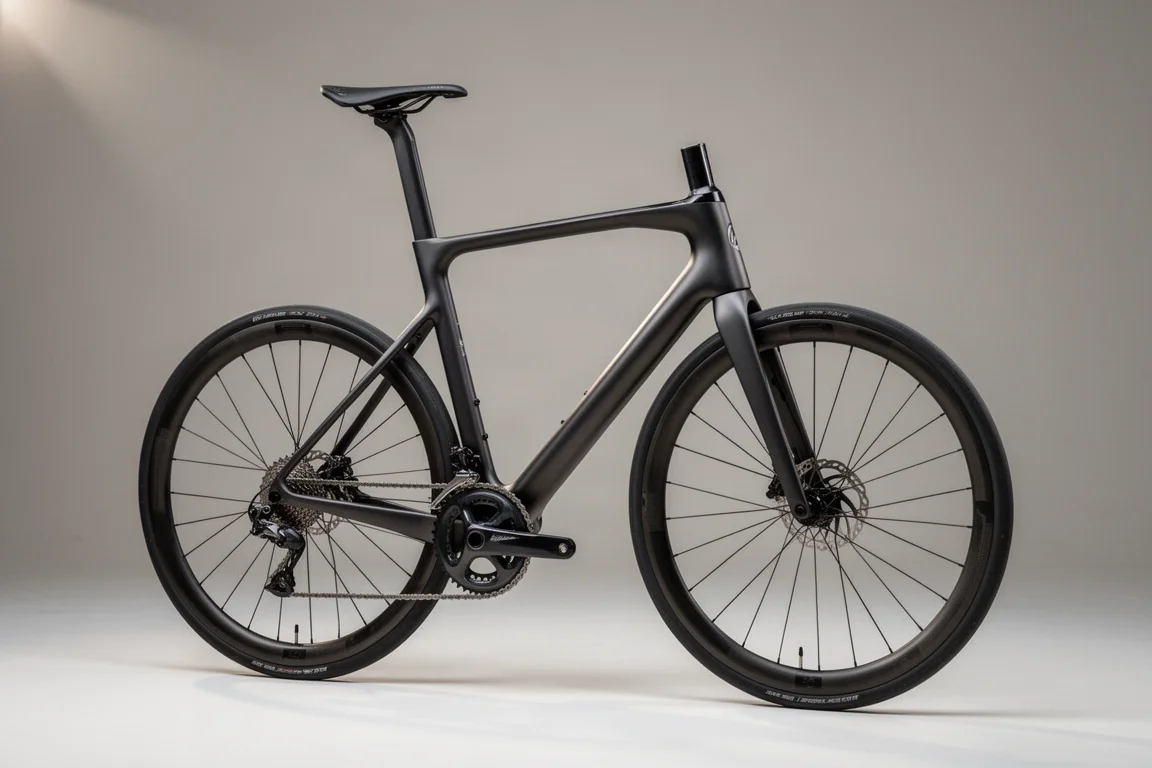
Not every gravel bike follows the endurance template. The Pinarello Dogma Gravel is a race-oriented platform, much longer and much lower than endurance-derived gravel frames, and much closer in shape to Pinarello’s road racing bikes.
That geometry produces a more stretched, aerodynamic position and sharper handling for riders who treat gravel as a race discipline. It is a different proposition from a relaxed all-day gravel bike, and it rewards riders who want a fast front end and are comfortable with a lower stack.
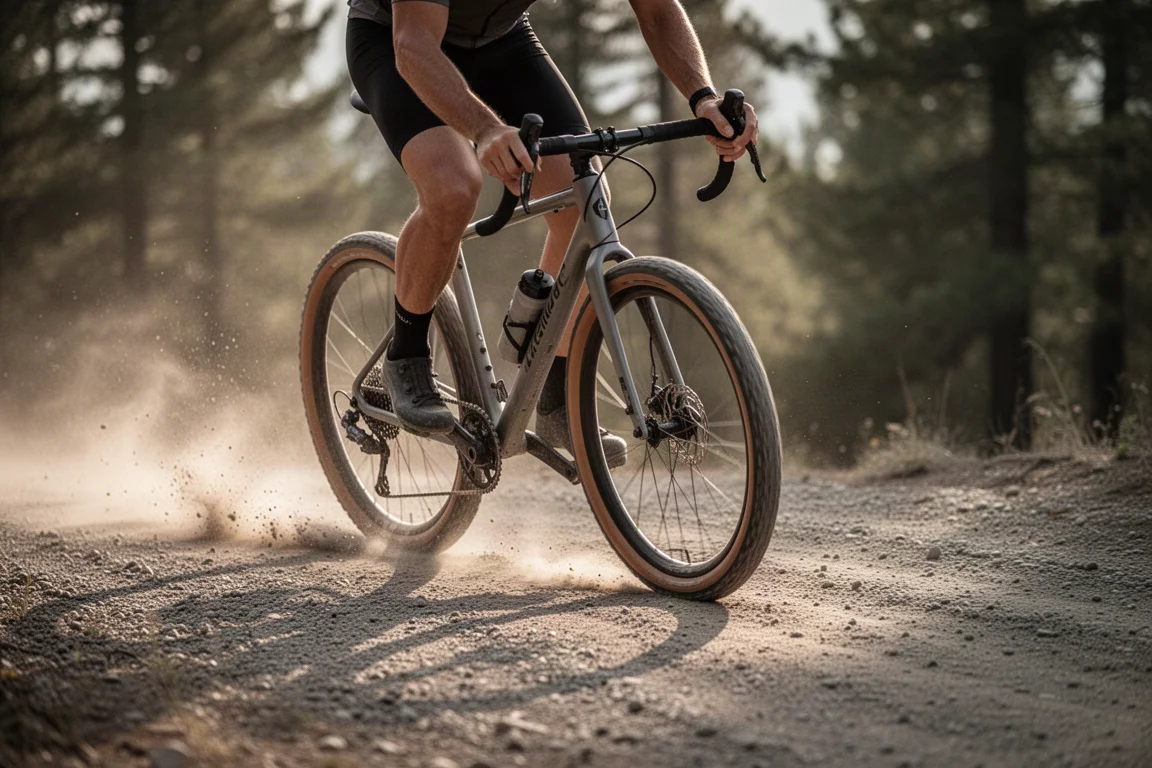
If your priority is covering rough ground quickly, this is the kind of geometry to look at. If you want a more upright position for long, unhurried days, an endurance-based gravel frame will usually suit you better.
3T Palta 3: A One-Bike Platform
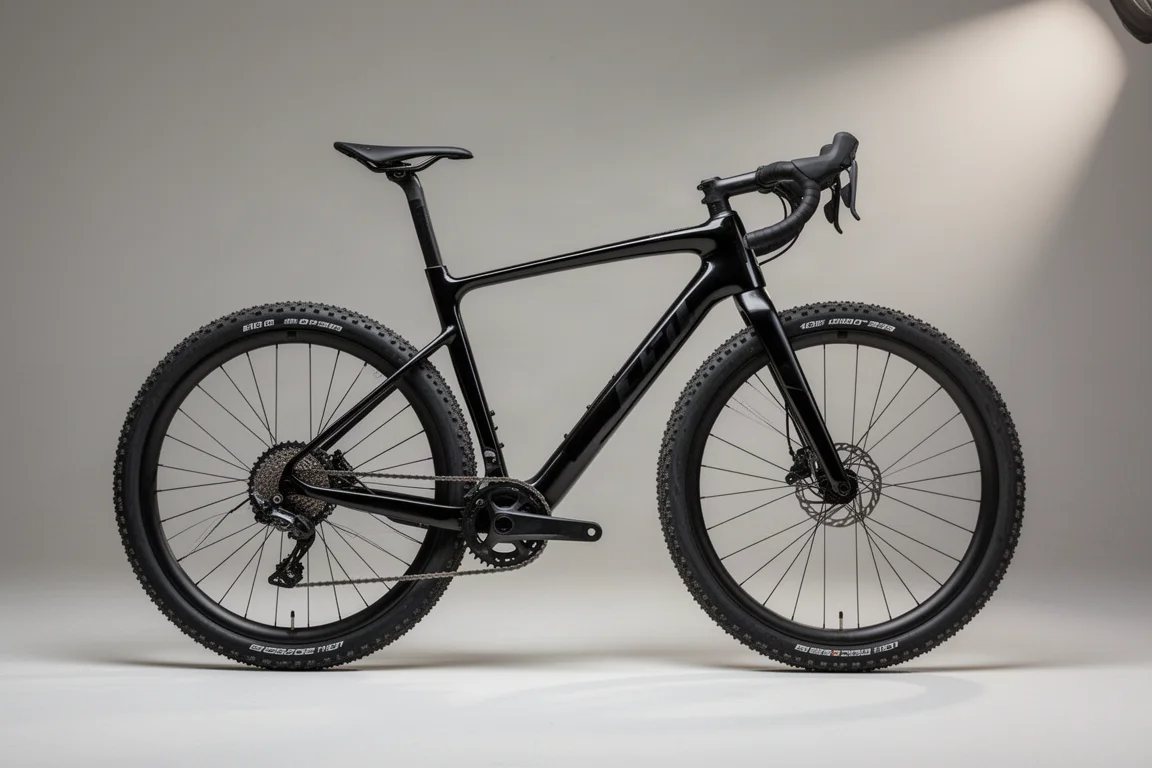
The 3T Palta 3 is built around the idea of a single bike that covers a lot of ground. This build pairs a full carbon frame with a fully integrated cockpit, carbon fibre wheels, and a Shimano GRX Di2 groupset, and the frame includes on-board storage.
Mounting points add to the versatility: a top tube mount for a bento box and an additional down tube mount for bottles or extra kit. The result is a bike that works for commuting, long excursions, and light bikepacking without needing a second machine.
Wheel choice changes its character significantly. Fitted with road wheels and tyres, the Palta 3 reads much like a road bike; swap to gravel wheels and it heads off the beaten track. That flexibility is exactly why this style of bike appeals to riders who want one machine rather than a full stable. The brand states the frame is handmade in Italy, and the platform is positioned as good value for a fully integrated carbon build.
Enve MOG: Generous Tire Clearance
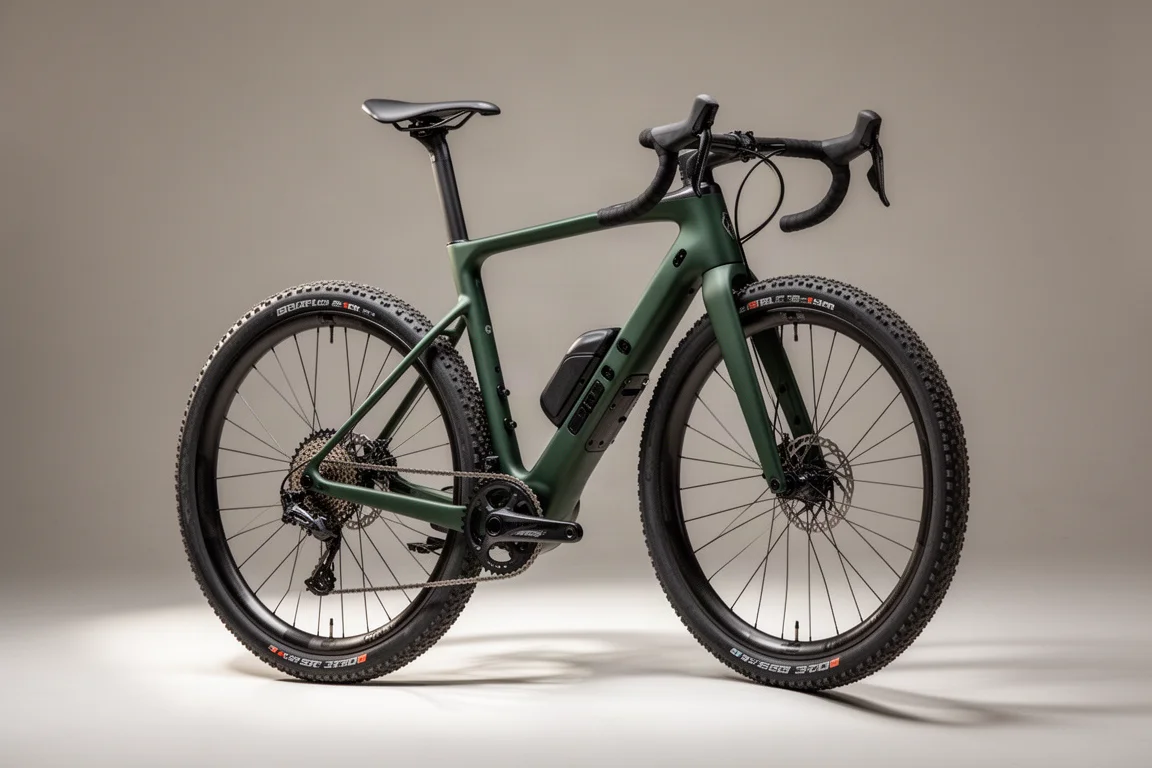
The Enve MOG shows how far gravel tyre clearance has moved. One example in regular use runs 55 mm tyres, a size that would have looked out of place on a drop-bar bike only a few years ago.
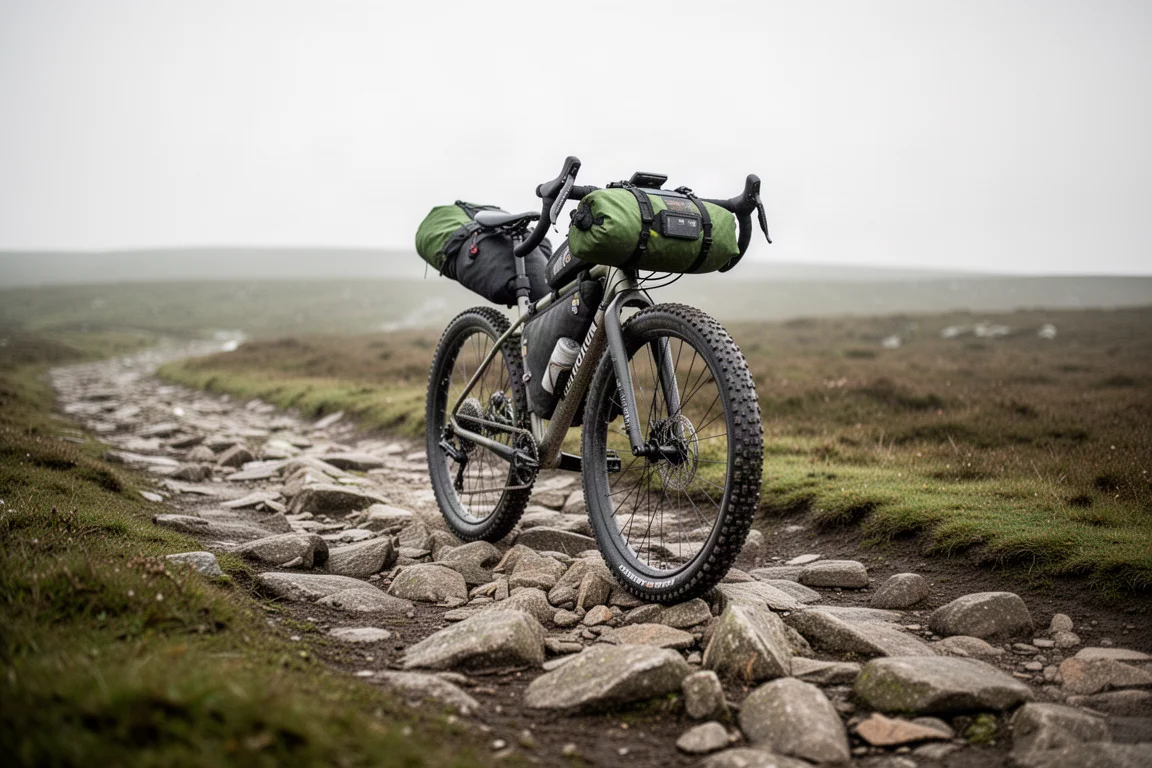
That much volume changes the ride. Very wide tyres bring extra grip and comfort on rough, loose surfaces, and they let a gravel bike handle terrain that would otherwise call for a mountain bike. The trade-offs are weight, rolling resistance on tarmac, and a look that takes some getting used to.
Shimano GRX: The Gravel Drivetrain
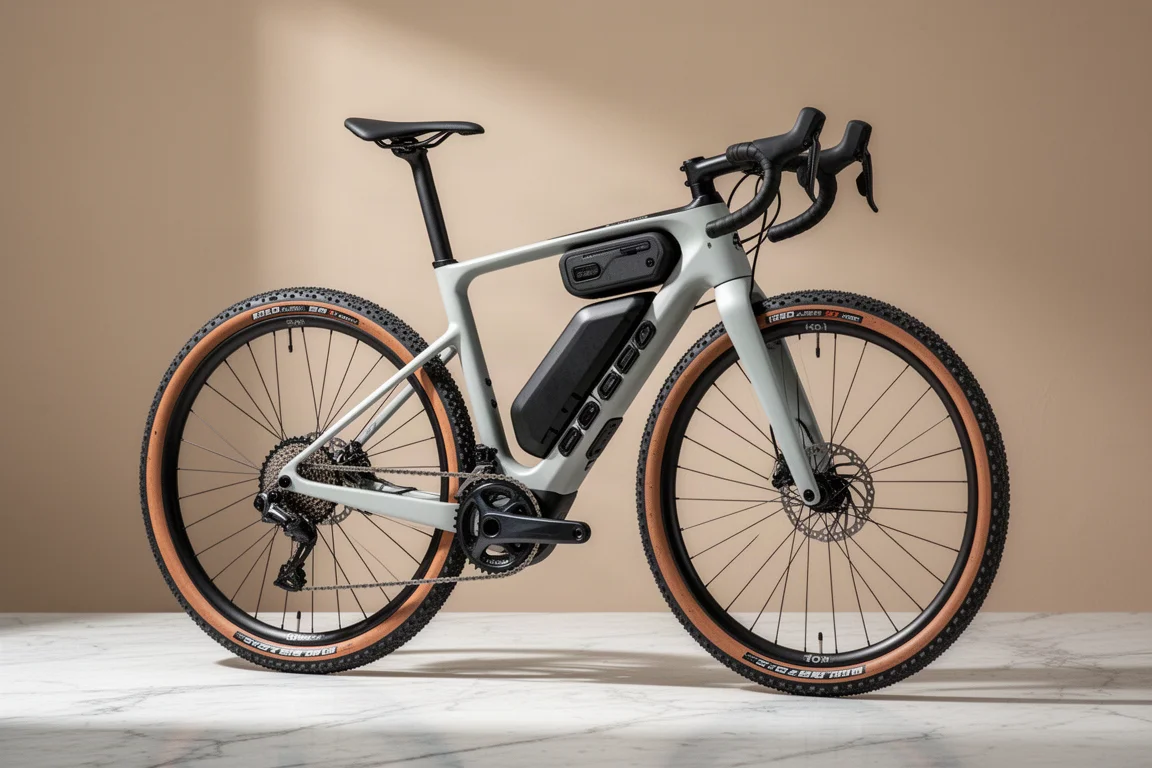
Shimano GRX is a gravel-focused groupset family, available in mechanical 11-speed and Di2 electronic versions. The mechanical 11-speed version has proven itself over long service on a bike used for winter training, commuting, and off-road riding, while the Di2 version is specified on the 3T Palta 3 above.
Gravel groupsets are designed around the realities of gravel frames: wider bottom bracket spacing and wider chainstays that suit 1x setups. That is worth knowing before planning a build, because a 2x crank will not always fit a gravel frame. For riders replacing a worn drivetrain or building up a frame from scratch, matching the groupset to the frame’s spacing is the first step.
Buying Advice: Which One Fits Your Riding
If you ride almost exclusively on the road, an endurance bike is the more natural choice. It is typically lighter and more sprightly, and it comes with a 2x drivetrain that lets you fine-tune gearing without upsetting your cadence. Around 35 mm of tyre clearance covers tarmac and light gravel well.
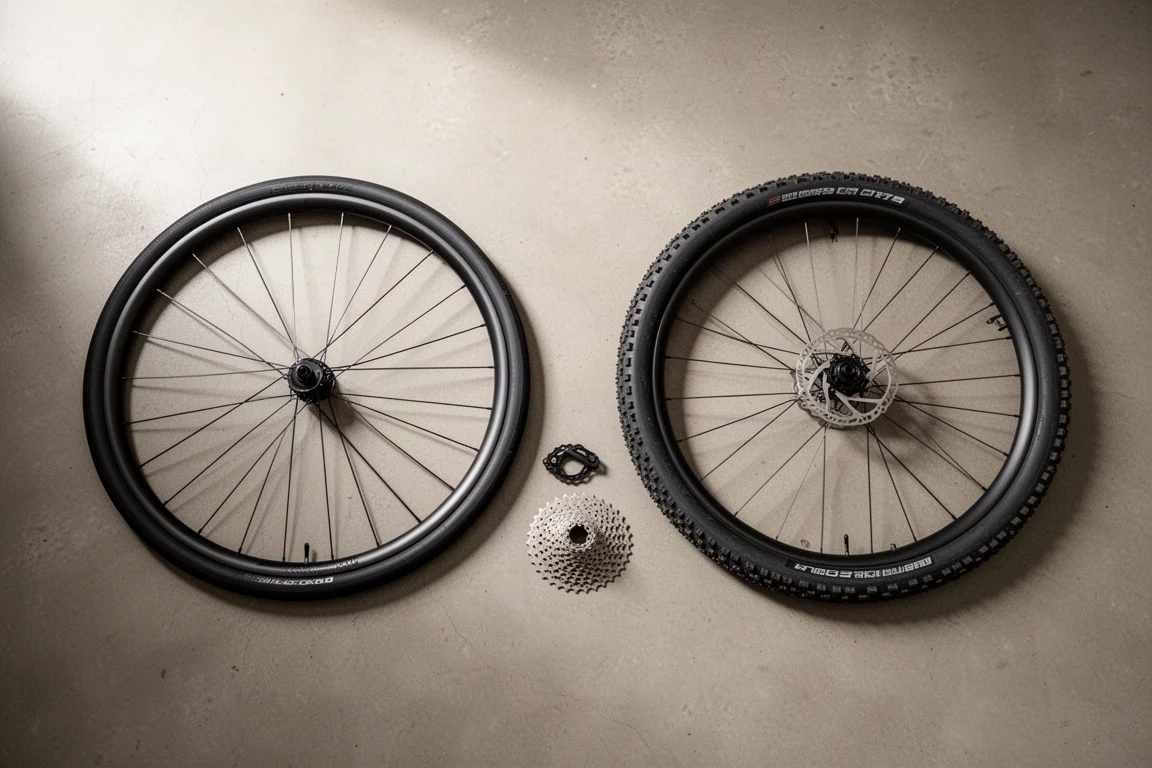
If you want a bike that handles rougher surfaces, carries luggage, and can be reconfigured for road use, a gravel bike is the more flexible option. It offers a wider gear range, more tyre clearance, and mounting points for bags and bottles. Positioning is likely to feel similar to an endurance bike, so the decision usually comes down to terrain and versatility rather than fit.
For riders who want the fastest possible gravel geometry, a race-oriented frame like the Dogma Gravel makes sense. For riders who want one bike to do as much as possible, an integrated, storage-equipped platform like the Palta 3 is the closer match, and generous-clearance designs such as the Enve MOG suit those who spend most of their time on rough ground.
Conclusion
Endurance and gravel bikes sit closer together than their categories suggest, sharing similar stack and reach while diverging on wheelbase, chainstays, tyre clearance, and drivetrain layout. Choosing between them is really about where you ride and how much versatility you want from a single machine.
Further reading
Related Reviews
Gravel Bikes
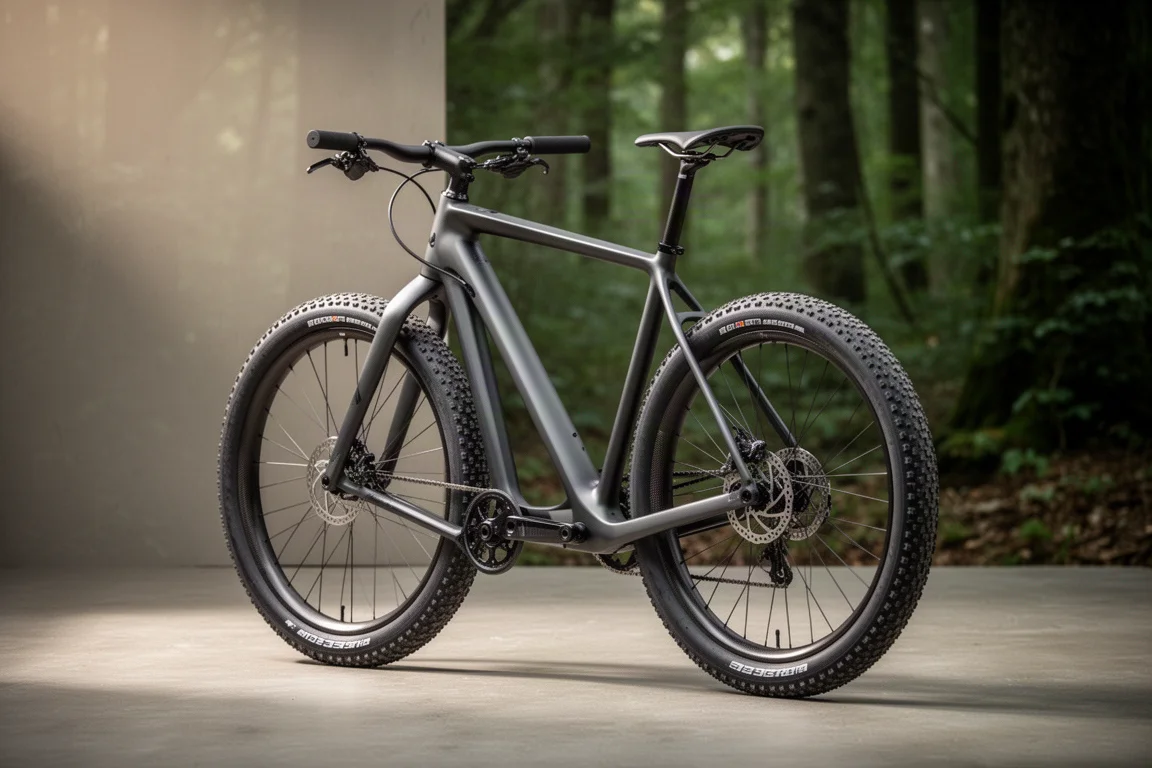
3T Exploro Ultra Review: A Fast Gravel Bike Built for Big Tyres
A close look at the 3T Exploro Ultra, an aero carbon gravel bike designed around wide tyres, with road-like handling, a 980 g frame and genuine rough-terrain capability.
Gravel Bikes
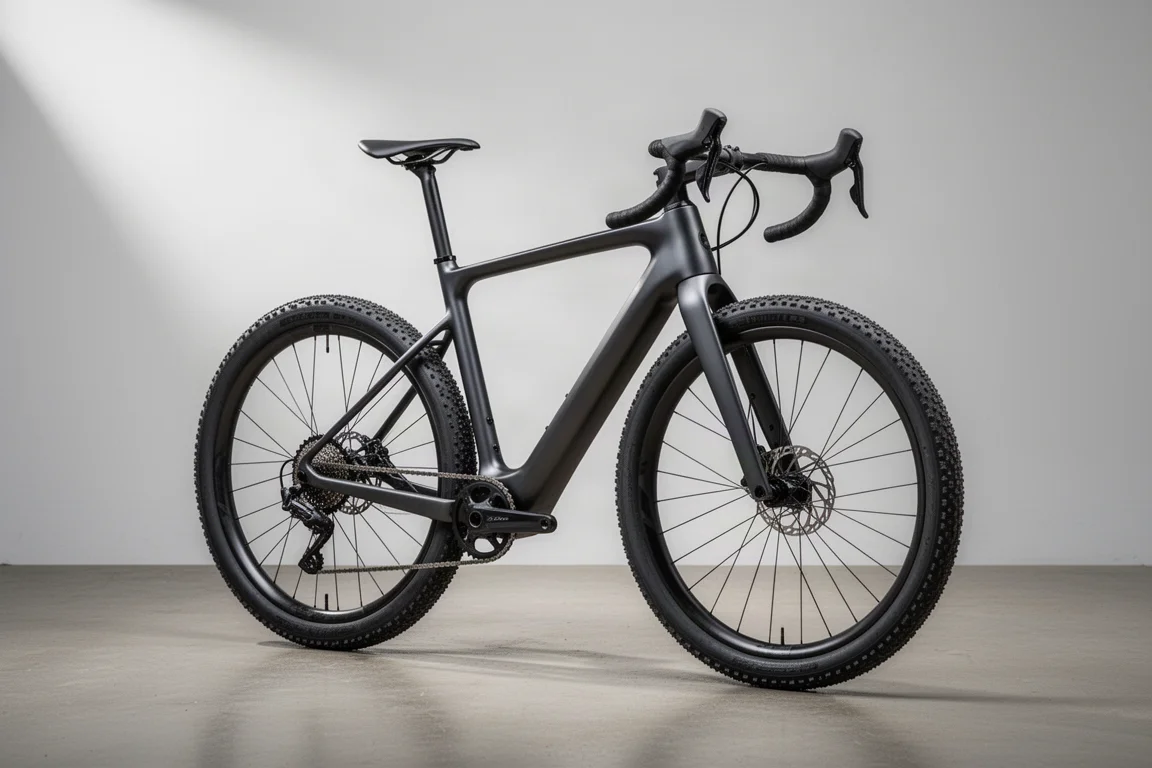
3T Extrema Italia Review: Aero Gravel Speed With Room for 57 mm Tires
The 3T Extrema Italia pairs an aero frame with huge tire clearance, Italian-made carbon and a more comfortable ride than the RaceMax. Here is what to know before buying.
Gravel Bikes
3T Race Max 2 Italia Review: An Aero Gravel Race Bike Made in Italy
A closer look at the second-generation 3T Race Max 2 Italia, covering its aero updates, ride character, tire clearance, internal storage and who it suits.