Gravel Bikes
Gravel Race Bikes Compared: Trek Checkpoint SL6, Specialized S-Works Crux and Wilier Rave SLR
Three race-ready gravel bikes with very different priorities: load-carrying versatility, low weight and speed, and road-like manners.
Introduction
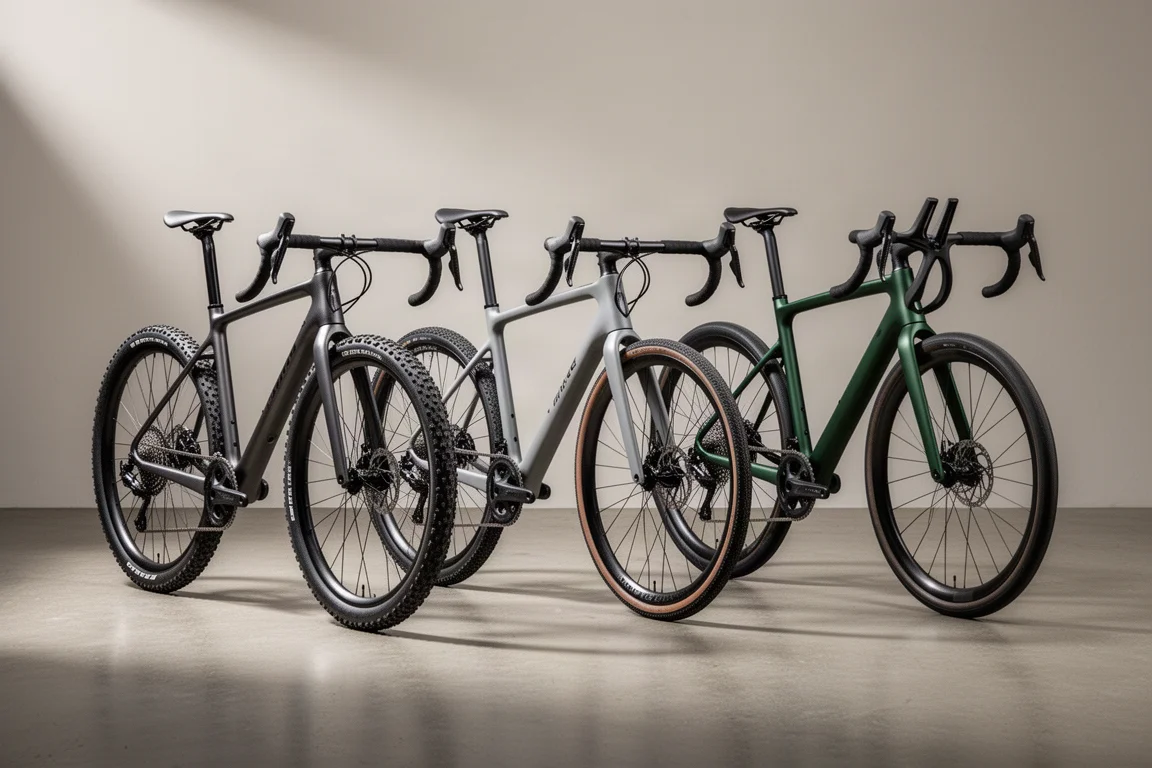
Gravel racing has grown into a category of its own, and the bikes built for it have diversified quickly. Some lean toward load-carrying versatility, others toward low weight, and others still toward road-like speed on hard-packed surfaces. This comparison puts three race-ready gravel bikes side by side: the Trek Checkpoint SL6, the Specialized S-Works Crux and the Wilier Rave SLR.
All three sit in the gravel race bracket, yet subtle design decisions push each one toward a different kind of riding. Availability and pricing vary widely across the category, so the price spread here reflects the market rather than a like-for-like spec match.
What Defines a Gravel Race Bike Today
A gravel race bike generally means drop bars, clearance for wider tires, and geometry tuned for speed over mixed surfaces. Beyond that, the category fragments. Some framesets carry mounts for bikepacking bags, mudguards and extra bottles. Others strip those away to save weight and sharpen the handling.
Tire clearance is another dividing line. A frame that accepts 2.1 inch rubber on 650b wheels is a very different proposition from one capped at 42mm on 700c wheels. Ride character matters just as much: two bikes of similar weight can feel entirely different once the surface turns loose, and cockpit design plays a bigger role than a spec sheet suggests.
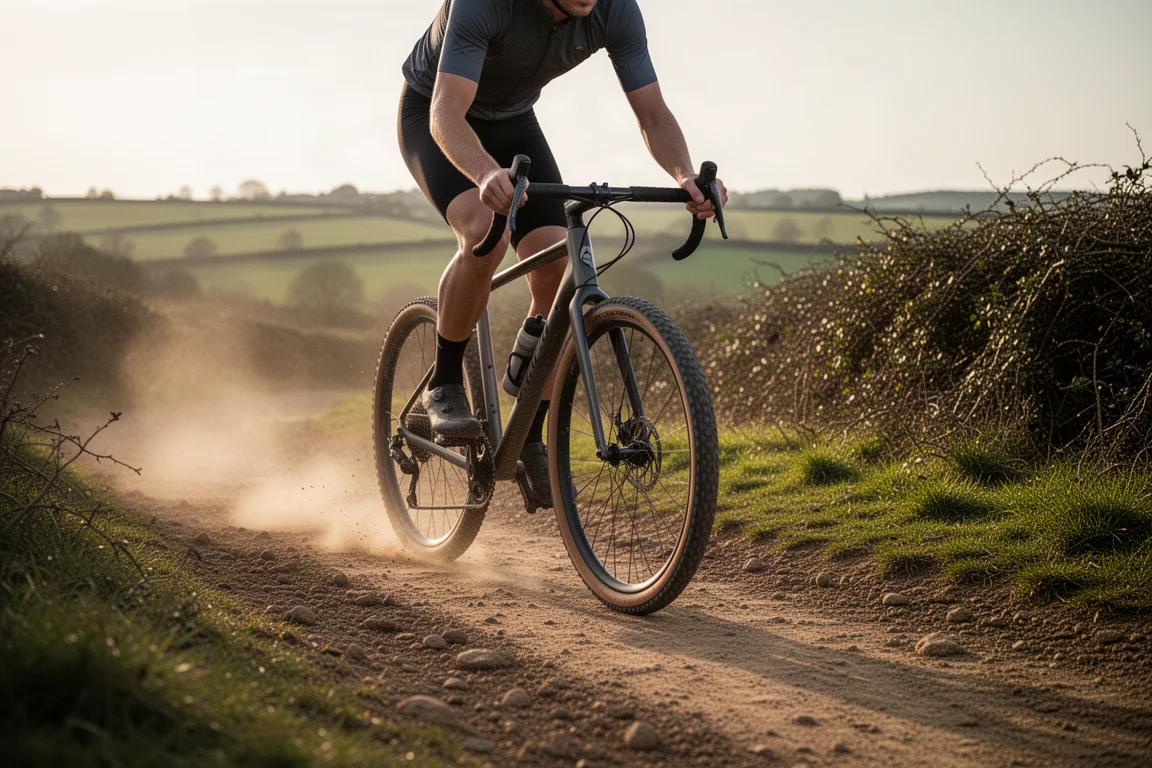
Knowing which of those priorities you actually care about is the fastest way to narrow down a shortlist, because each of these three bikes is excellent at a slightly different version of gravel.
Trek Checkpoint SL6: The Most Versatile of the Three
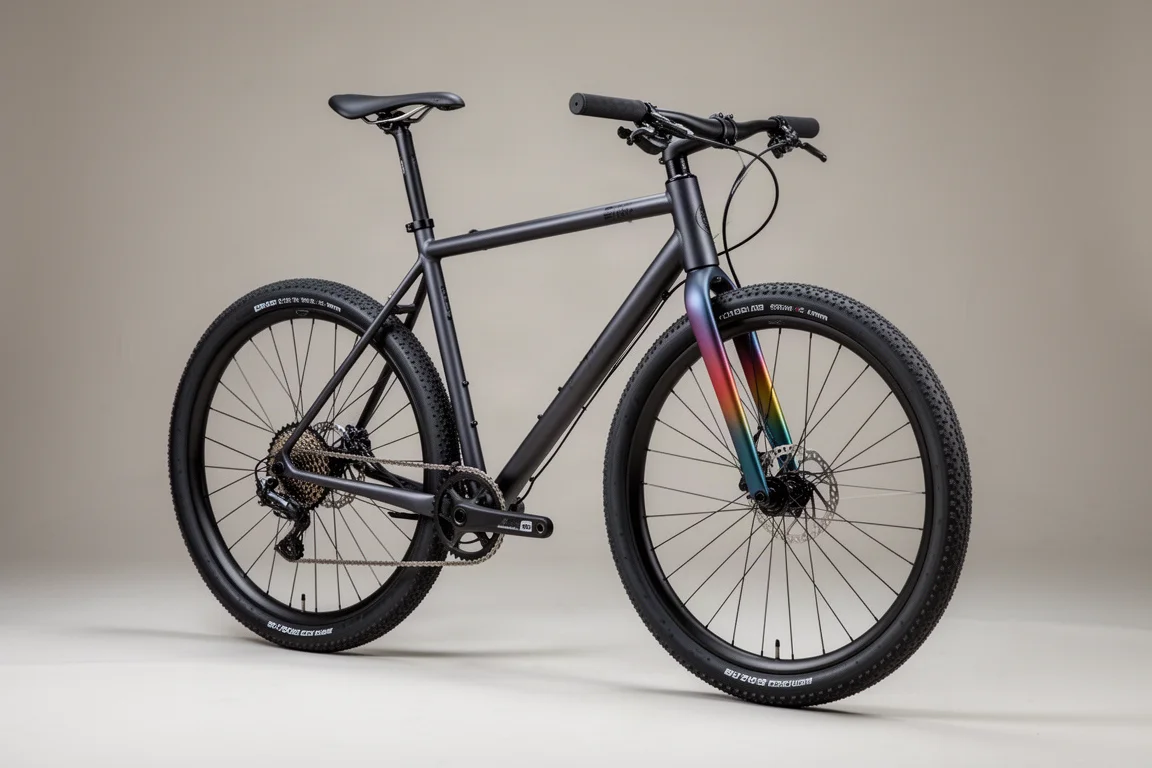
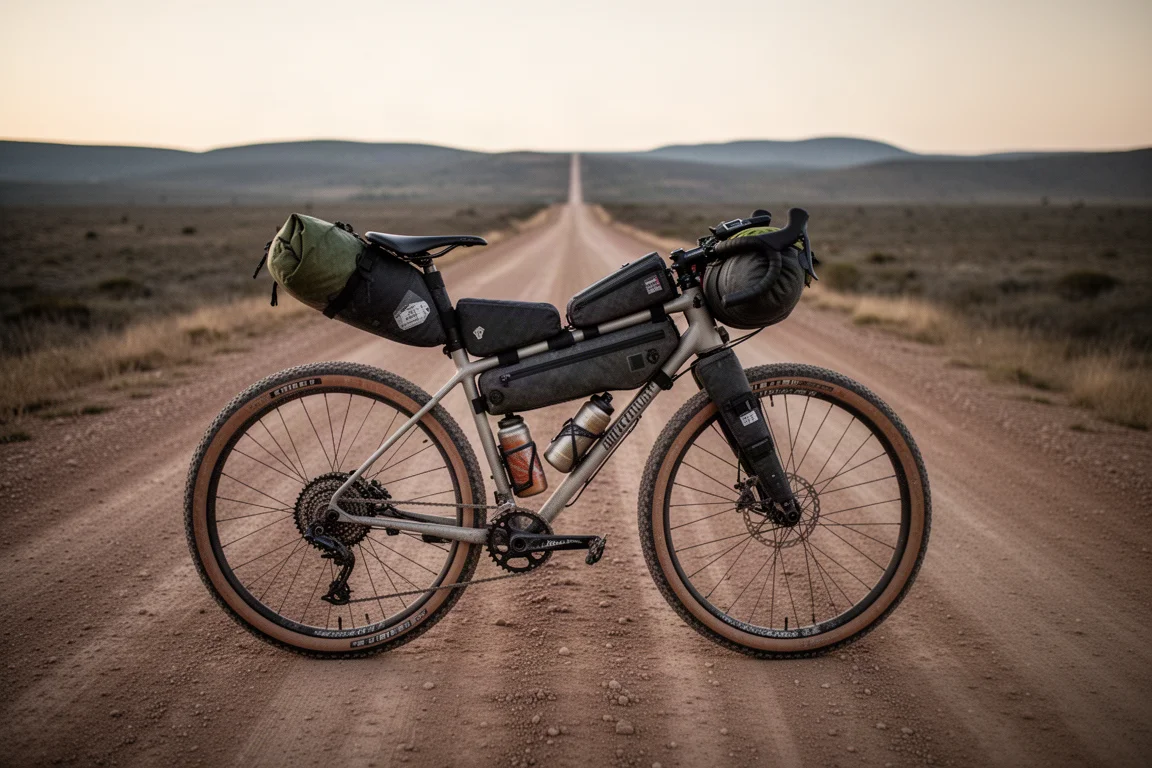
The Checkpoint SL6 is the most bikepacking-friendly bike of this trio. It bristles with mounts: triple boss fittings, mudguard points, pannier rack mounts, extra bottle positions and a top tube bento box mount are all present, so there is very little you cannot bolt onto it.
At 9.47 kg it is around 2.17 kg heavier than the S-Works Crux, and it runs SRAM Rival AXS XPLR with chunky alloy wheels. The frame itself gives away less than the complete build suggests, which makes the overall package a notably more versatile proposition.
The defining feature of the Checkpoint family is Trek’s IsoSpeed decoupler. It separates the seat tube from the top tube so the assembly can flex around a pivot, and the upper headset cup also sits on a pivot to let the steerer flex. The effect is hard to quantify, but it does take the sting out of bumps, particularly when seated, and it helps reduce fatigue on rough climbs.
Comfort also comes from the 40c Bontrager GR1 tires on 25mm internal width Bontrager Paradigm Comp wheels. The tread uses nine rows of tightly packed knobs that grow larger toward the shoulders. Like most tires of this style they do not shed sticky mud well, but grip is plentiful on drier surfaces, and at lower pressures they are more predictable on tarmac than the tread pattern suggests.
Clearance allows up to 2.1 inch tires on 650b wheels or 45mm on 700c, so genuinely wilder riding is within reach. The ride is calm, confident and fun on singletrack and at speed. It is not a pseudo mountain bike, but of the three it behaves best on rough trails, and a more aggressive tread would improve control further.
The Bontrager Elite gravel handlebar is close to ideal. Long drops give your hands room to move without jamming into the hooks, and at 42cm on 54cm and 56cm frames it is not excessively wide. The Bontrager saddle should please most riders too.
Two small criticisms stand out. Cable routing runs the cables close to the underside of the stem, so they can slap and rattle over rough ground, and zip ties or heat shrink would likely silence it. The external seat clamp also sits above a stepped transition from the wider frame tube, which works perfectly well but detracts slightly from an otherwise premium looking frameset. In the context of wider price rises across cycling, the Checkpoint SL6 still presents decent value for money.
Specialized S-Works Crux: The Lightest Race Build
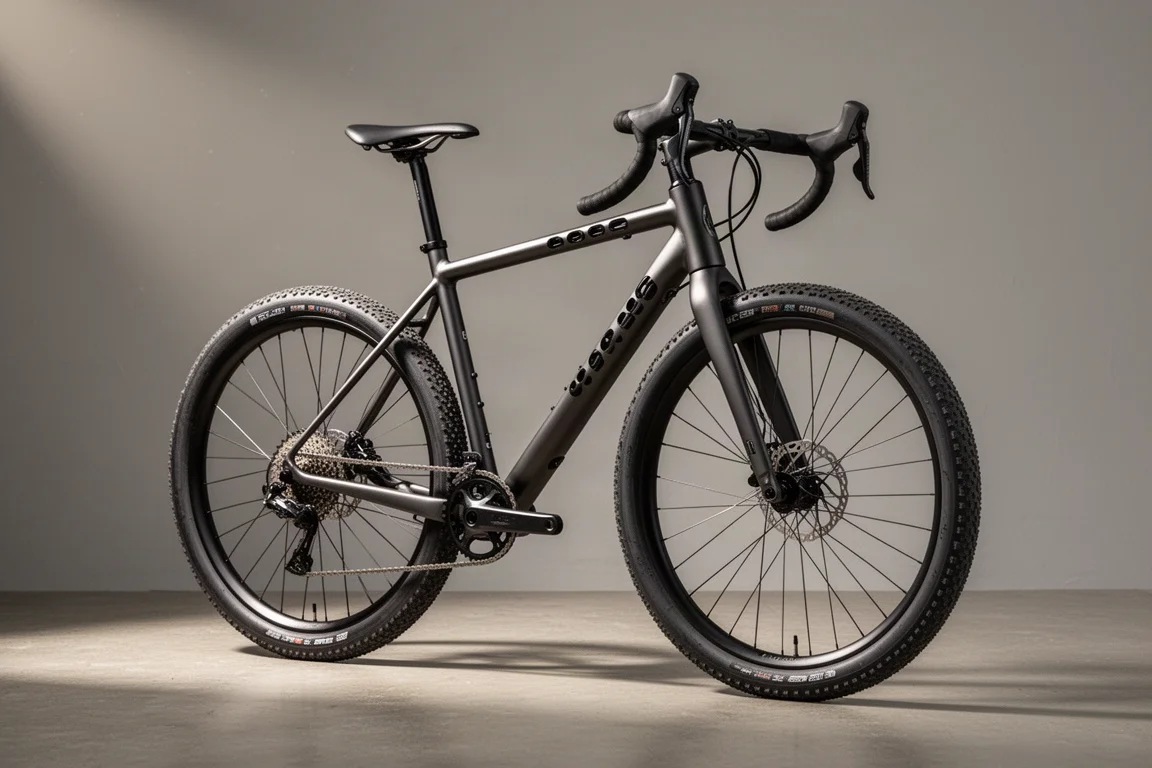
The Crux is built around Specialized’s lightest and stiffest 12r carbon layup. The 56cm frame is claimed at 725 grams, which Specialized describes as the world’s lightest gravel bike. The complete bike came in at 7.3 kg with SRAM’s range-topping Red eTap AXS XPLR groupset, Roval Terra CLX wheels and Specialized finishing kit.
That low weight is immediately obvious on the road. The Crux is eager on steep climbs and lively rather than effortless, and the feathery frame makes it responsive over lower-speed terrain. Lifting the rear wheel to throw the bike around is easy, and late hops over potholes and obstacles are dispatched without drama.
Despite the low weight it does not feel flexy or hesitant at speed. It is among the stiffer feeling gravel bikes around, though the Roval Terra CLX carbon wheelset likely plays a part. The slender fork gives a slightly harsh front end on bigger hits, and thin handlebar tape adds to that. Seated comfort at the rear is better, helped by a long exposed length of Roval Alpinist seatpost that flexes noticeably under load.
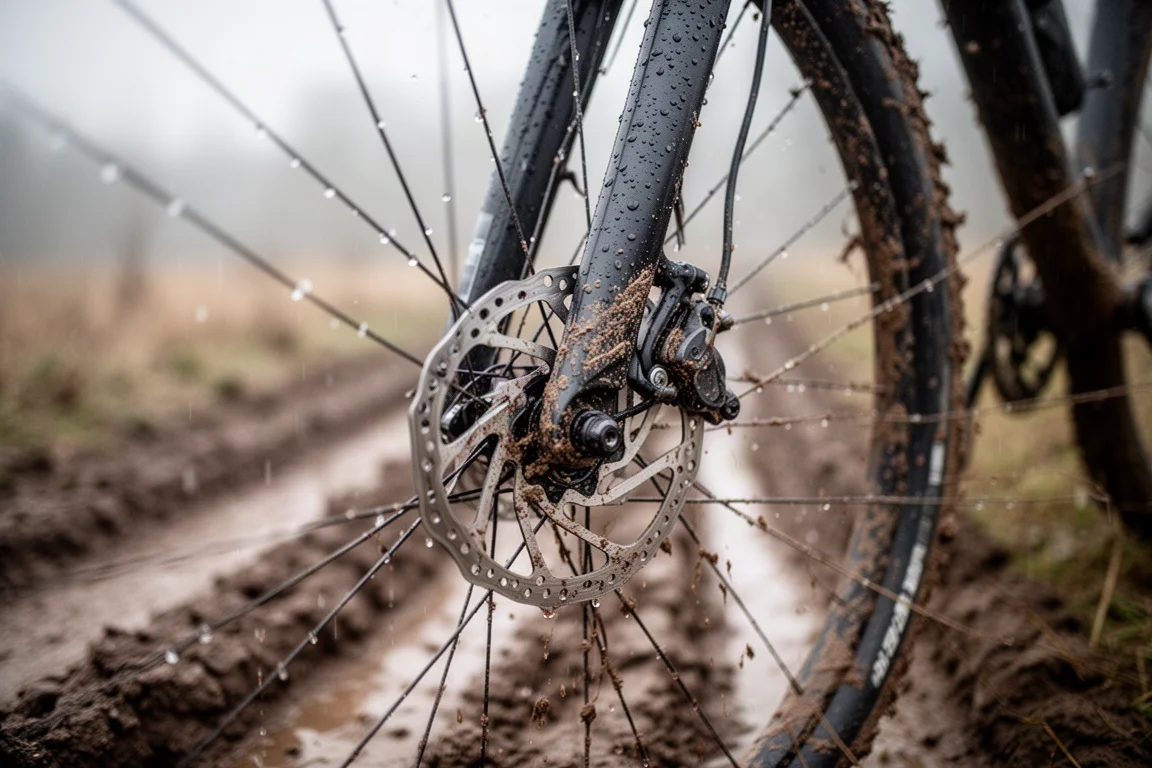
Stock tires are 38mm Specialized Pathfinders with a slick central section. They roll fast on smooth surfaces and have proven hard wearing with a tough, abuse-resistant sidewall. On the road they squirm in a way that can feel unsettling when cornering, and they clog quickly on damp ground and are essentially useless in mud.
Geometry is the raciest of the three. A lower stack height pitches more weight over the front wheel, which makes steep descents less confidence-inspiring than on the Checkpoint, though the payoff is a sharp, quick feel. The bike is also notably quiet over rough terrain, helped by the wireless electronic groupset.
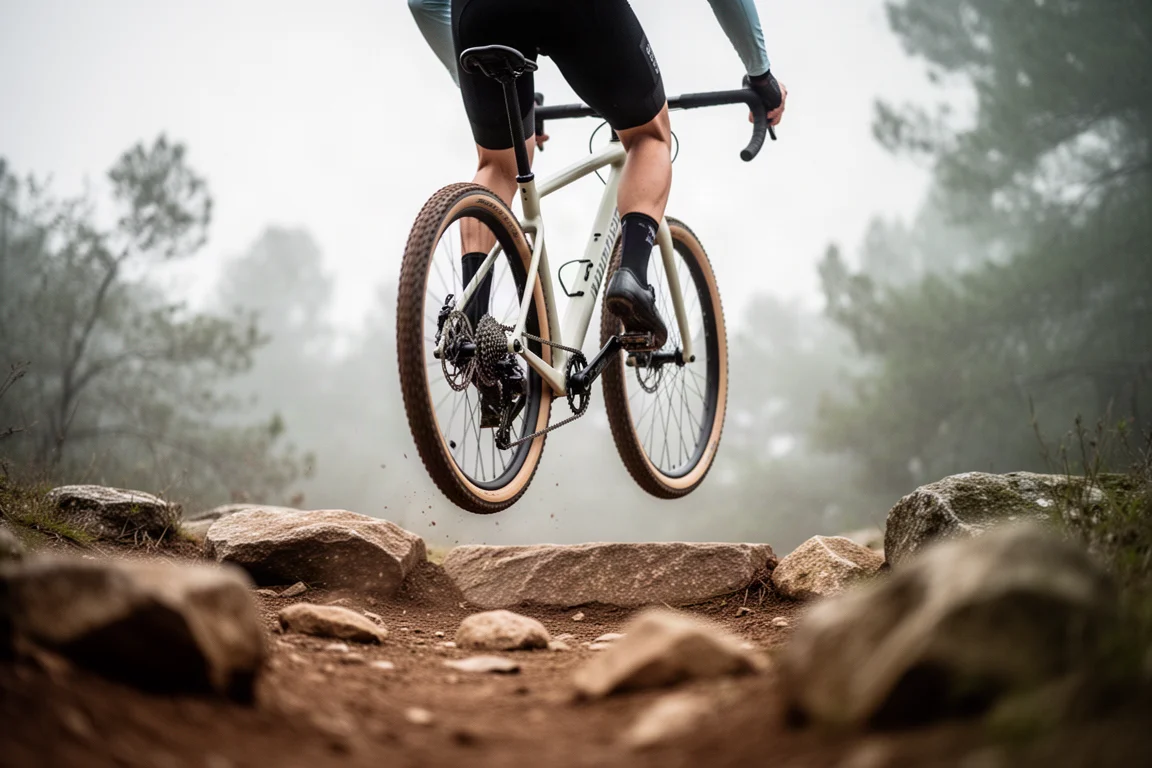
For cyclocross racing, the Crux would be the natural pick of this group. The catch is price: the S-Works build costs £11,300 as tested. A lower-tier build such as the Crux Pro gives up little in performance while freeing up a significant amount of budget.
Wilier Rave SLR: The Road-Like Gravel Racer
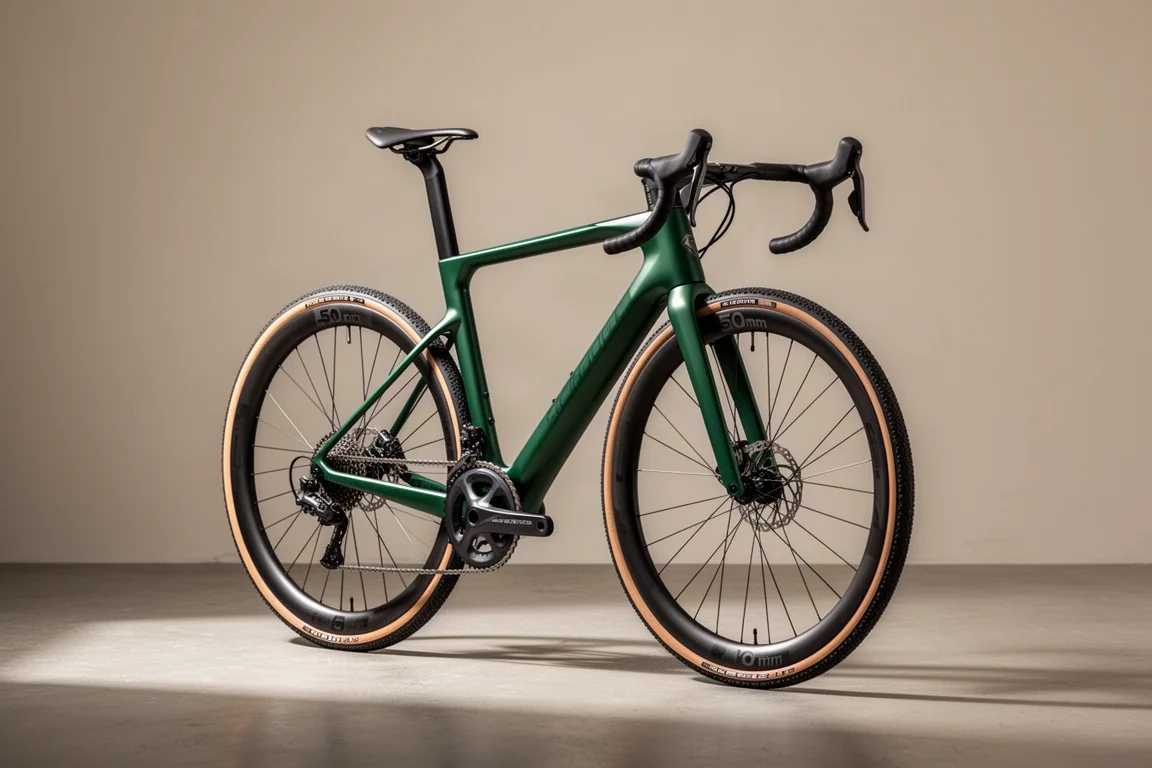
The Rave SLR is the most road-oriented bike here, and it rides that way. Handling is nippy and planted for a gravel bike, helped by 38mm Vittoria Terreno Dry tires with an almost slick profile. They feel very fast on hard-packed gravel and tarmac, and are useless once conditions turn muddy.
Every gravel build of the Rave uses Wilier’s J-Bar integrated cockpit, a v-shaped split stem reminiscent of the bull moose bars seen on early mountain bikes. It uses a normal steerer and is offered in two sizes, both with a zero degree rise stem that places the bars higher than a typical negative-rise setup. The shape looks tidy and gives generous rise without the ungainly stack of spacers a two-piece cockpit would need. The trade-off is adjustability: the setup is fixed, the stem cannot be flipped, and there is no option to run Wilier’s regular two-piece cockpit instead.
Stack on the size large test bike is 570mm, the shortest of the three, but combined with the cockpit the front end actually sits fairly high. Climbing out of the saddle on the hoods feels slightly unwieldy as a result, lacking the connected feel a lower position provides, while the upright fit is very comfortable on flat trails in the drops.
For a road-adjacent gravel bike the Rave is surprisingly comfortable when rattling along at high speed, though it is fair to question how much the liquid crystal polymers infused into the frameset contribute. Tire clearance is more limited than the other two: 42mm maximum for 700c wheels, with no 650b figure quoted. Fitting chunkier tires would also work against the go-fast character of the bike.
Practicality is the weak point. There are only two water bottle mounts and no top tube bag mount, despite a third bottle and a bento box being common equipment in gravel racing. The matte finish is delicate as well. Wilier’s washing instructions advise against a pressure washer, and a band-on light left visible marks on the cockpit after just two rides. The integrated seat clamp is fiddly too, with the access port for the four millimetre hex bolt sitting close to the seatpost and requiring considerable torque to stop it slipping, even with carbon paste. A small ratcheting multi-tool is worth carrying if you adjust saddle height regularly.
Versatility and Practicality Compared
The differences between these three become clear once you look past the shared gravel race label. The Checkpoint SL6 carries mounts for just about everything, accepts the widest rubber, and uses its IsoSpeed system to soften rough surfaces. It is the most adaptable of the trio by a wide margin.
The S-Works Crux goes the other way, stripping back practicality in pursuit of low weight and a pure, simple ride. The Rave SLR splits the difference in ride character, blending road speed with gravel capability, but it gives up accessory mounts and cockpit adjustability to get there.
Tire Clearance and Mounts Compared
Clearance tells you how far each bike can be pushed. The Checkpoint SL6 takes up to 45mm on 700c or 2.1 inch tires on 650b wheels. The Rave SLR is quoted at a 42mm maximum on 700c. The Crux ships with 38mm tires and is designed around chunky rubber within a lightweight race package.
On mounting points, the Checkpoint SL6 is in a class of its own, with triple boss fittings, rack and mudguard mounts and a top tube bag position. The Rave SLR offers two bottle mounts and no top tube bag mount. The Crux keeps concessions to practicality to a minimum in service of weight.
Buying Advice: Which Gravel Race Bike Fits Your Riding
Start with an honest assessment of what you actually ride. If long-distance gravel racing, touring or bikepacking are on the table, the Checkpoint SL6 is the sensible choice. Its build is well judged for the money, the ride is comfortable, and it can carry enough water and luggage for long days out. At £7,450 less than the S-Works Crux on test, it also leaves a considerable budget margin.
If the priority is a light, lively race bike for cyclocross or fast gravel, and budget is not the constraint, the S-Works Crux is the most entertaining of the three. A lower-tier Crux build gets you close to the same performance for a lot less money. If you want one bike that doubles as a genuinely good all-road machine, the Rave SLR serves that role well, provided you can live with limited mounts, a fixed cockpit and a delicate finish.
Conclusion
Lumping these three into a single gravel race category hides real differences in design intent. The Crux is the sharpest and lightest, the Checkpoint SL6 is the most versatile and comfortable, and the Rave SLR is the most road-like. Matching the bike to your riding, rather than to the category label, is what makes a purchase hold up over the years.
Further reading
Related Reviews
Gravel Bikes
3T Exploro Ultra Review: A Fast Gravel Bike Built for Big Tyres
A close look at the 3T Exploro Ultra, an aero carbon gravel bike designed around wide tyres, with road-like handling, a 980 g frame and genuine rough-terrain capability.
Gravel Bikes
3T Extrema Italia Review: Aero Gravel Speed With Room for 57 mm Tires
The 3T Extrema Italia pairs an aero frame with huge tire clearance, Italian-made carbon and a more comfortable ride than the RaceMax. Here is what to know before buying.
Gravel Bikes
3T Race Max 2 Italia Review: An Aero Gravel Race Bike Made in Italy
A closer look at the second-generation 3T Race Max 2 Italia, covering its aero updates, ride character, tire clearance, internal storage and who it suits.