Gravel Bikes
Gravel Race Bikes and Setups: Six Builds From a Brutal Scottish Qualifier
Six gravel race builds from a world championships qualifying event in Scotland, plus the tire, insert, gearing and hydration choices that helped riders reach the finish.
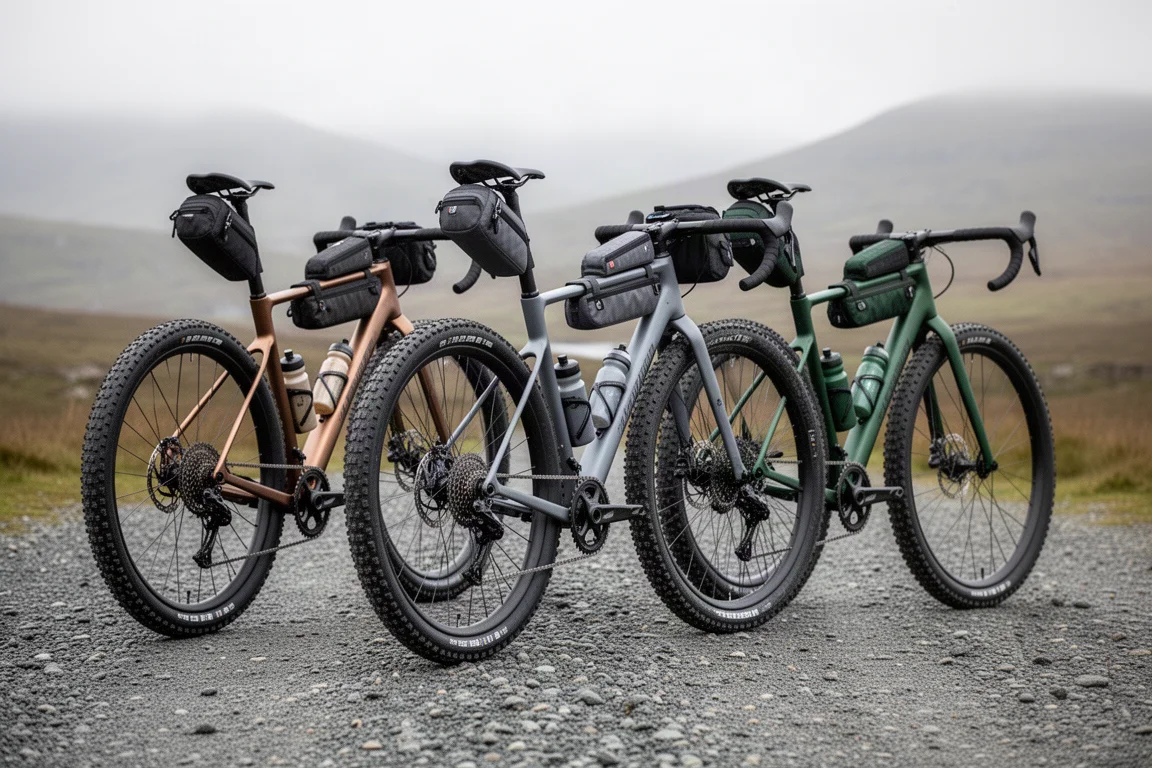
Introduction
A world championships qualifying gravel race in Scotland delivered chunky rock, genuine heat and an unusually high number of punctures. Walking the event village afterwards made one thing clear: the setups that survived the day were built around reliability first and speed second.
This roundup covers six gravel builds seen at the race, from a brand new long-and-slack frame running a suspension fork to a rigid, chunky-tired race bike its owner would not change. Each entry focuses on what the rider actually ran and why, so you can judge which approach fits your own terrain.
What Riders Were Running, and Why It Mattered
Wide rubber dominated. A 45mm tire was the common baseline, and more than one rider said they would happily move to 50mm if their frames allowed it. The course punished narrower setups: one rider who raced the event last year on 40mm tires had moved up to 45mm and 47mm casings that measured around 50mm on his rims.
Tire inserts appeared on several bikes, usually front and rear, and riders described them as protection for the rim as much as for the tire. Pressures ranged from around 15 PSI on a very compliant front setup to 28 and 30 PSI on 45mm tires. Drivetrains were almost entirely single-ring with wide-range cassettes, and hydration plans ranged from two bottles to bottles plus a two-litre bladder.
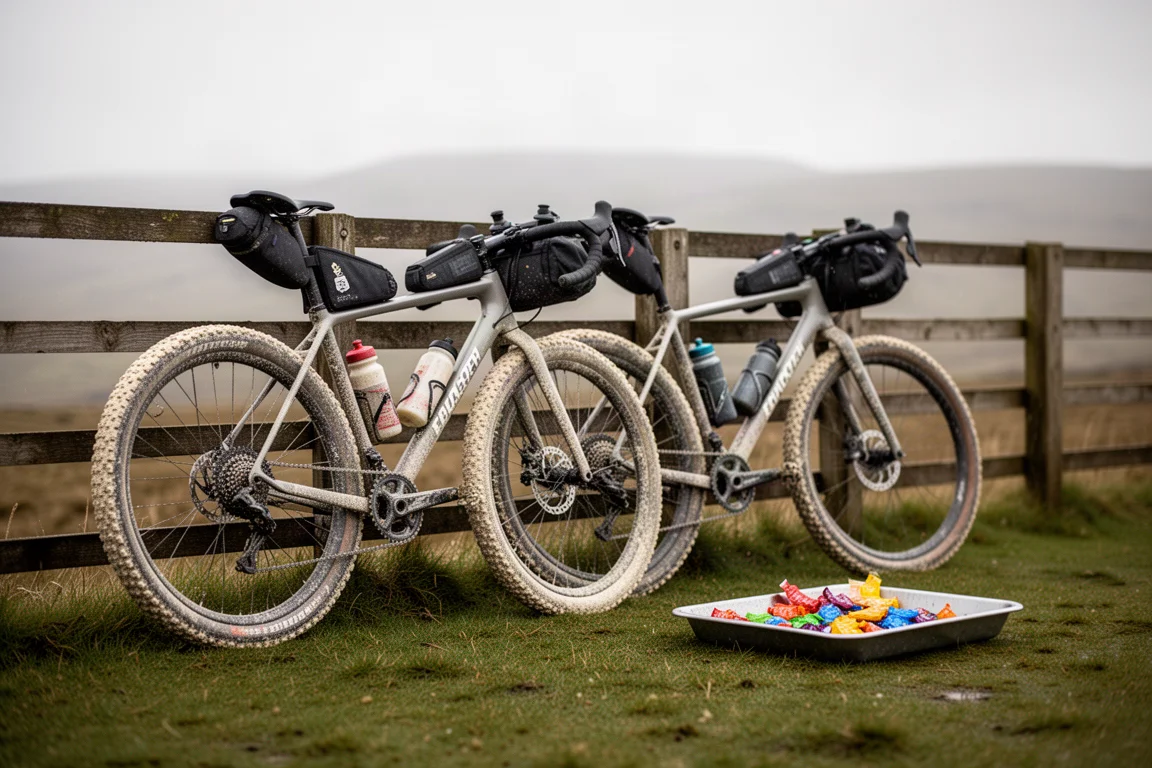
The recurring theme was puncture management rather than outright performance. Flinty rock produced a high number of flats, and several riders said their day came down to how well they handled them.
BMC Kaius: A Steady, Puncture-Aware Build
The BMC Kaius at the race was a deliberately conservative build: a SRAM group, Zipp 303 S wheels and a set of bombproof all-round Schwalbe tires in 45mm, chosen to soak up the constant hits from the rock. Its rider had raced the event three times and pointed out that the same course rides differently every year, which is why he favoured durable rubber over the fastest option available.
He rode to protect his tires rather than chase the win, picked up a slight puncture and had to re-inflate his rear tire, and still described the day as a good one. For riders whose priority is reaching the finish on rough ground, this is the template: a dependable frame, sensible wheels and a tire that gives up a little speed in exchange for survival.
Argon 18 Dark Matter: Long, Slack and Suspension-Ready
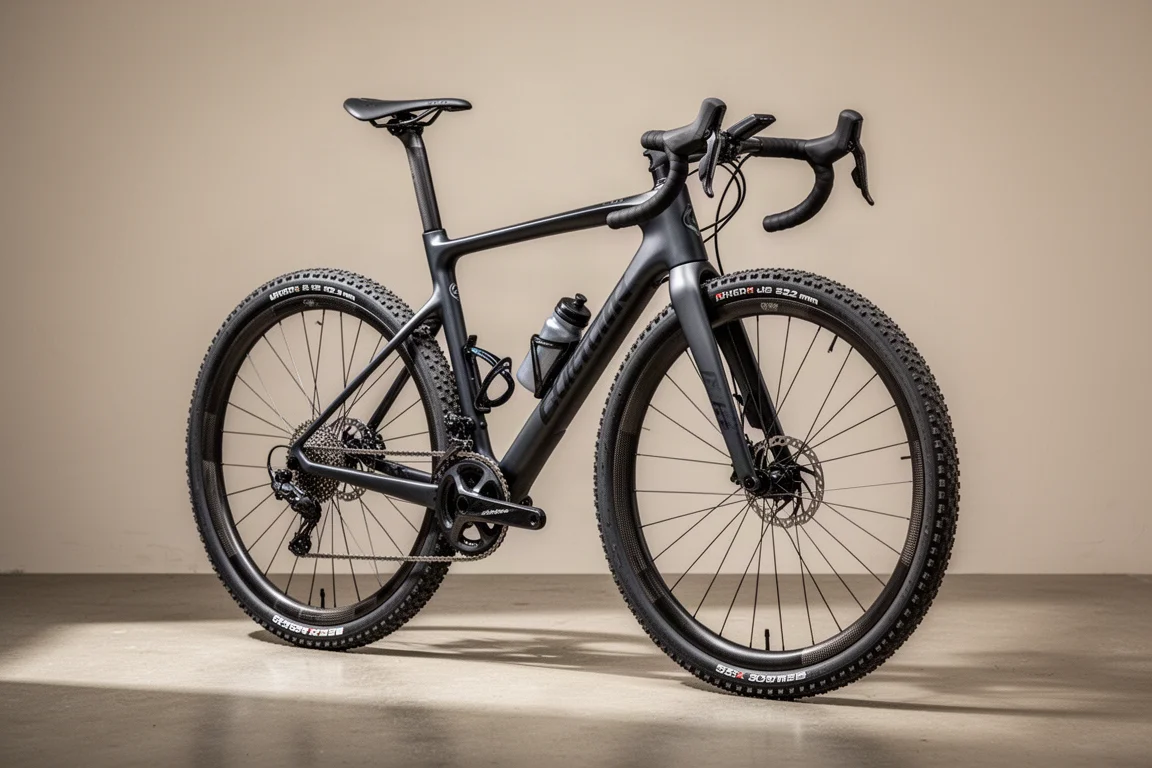
The Argon 18 Dark Matter was the newest bike in the line-up, a frame that had been on sale for only about two weeks and that blurs the line between a gravel bike and a drop-bar mountain bike. It is a long frame in size medium, with geometry its owner described as closer to a mountain bike, and he leaned into that by fitting a suspension fork with a stated 50mm of travel.
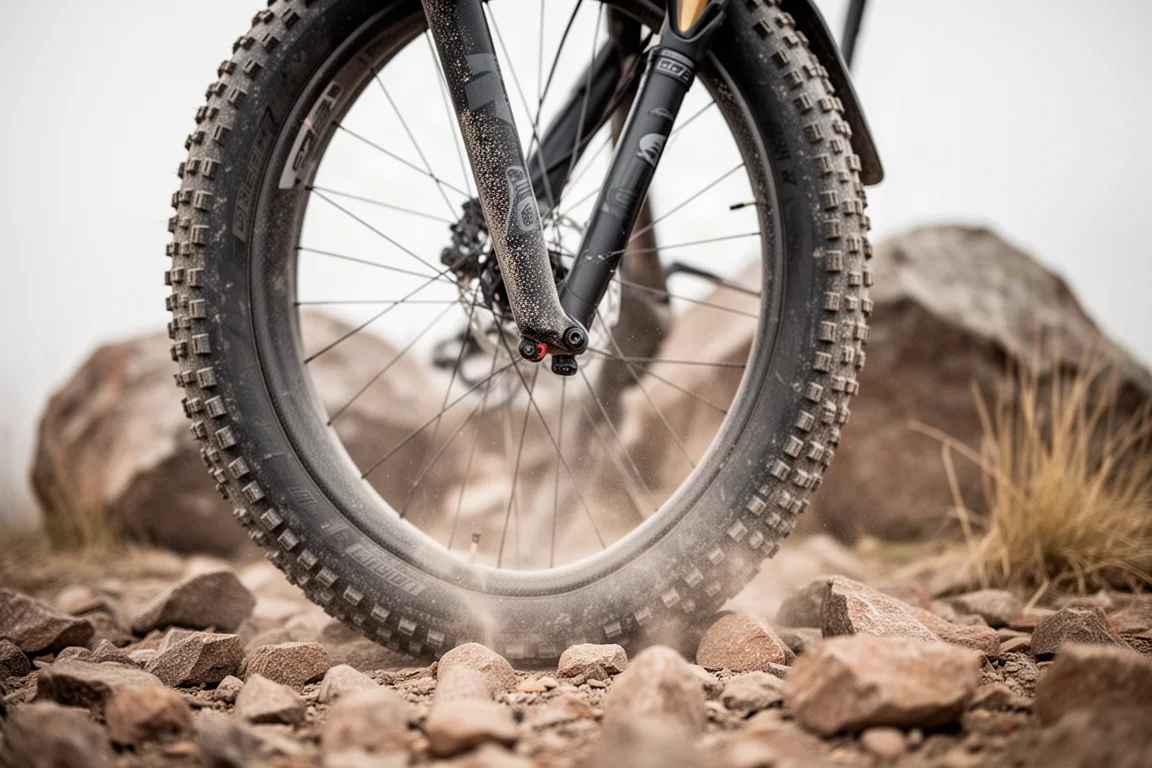
Tire choice was split front and rear: a 50mm Schwalbe RX Pro up front for grip and an R Pro at the back for speed. The frame will comfortably take 2.1 inch tires, and the rider even squeezed a 2.2 inch tire into the fork, although he was clear that this sits outside the stated tolerances.
The drivetrain mixed SRAM Red shifters and a Red XPLR crank with a power meter with an XX SL rear derailleur and a large cassette. After roughly a decade away from the brand, he found the shifting very intuitive, especially the harder and easier logic. Small 3D printed flips under the bars let him shift from the tops, and the build was finished with an ENVE stem, gravel bars, seat post and a 3.4 wheelset running the brand’s new hub. Trick Stuff brake pads and rotors were his standout recommendation regardless of groupset, and the root beer finish, renamed shortly before launch, was one of the most striking on course.
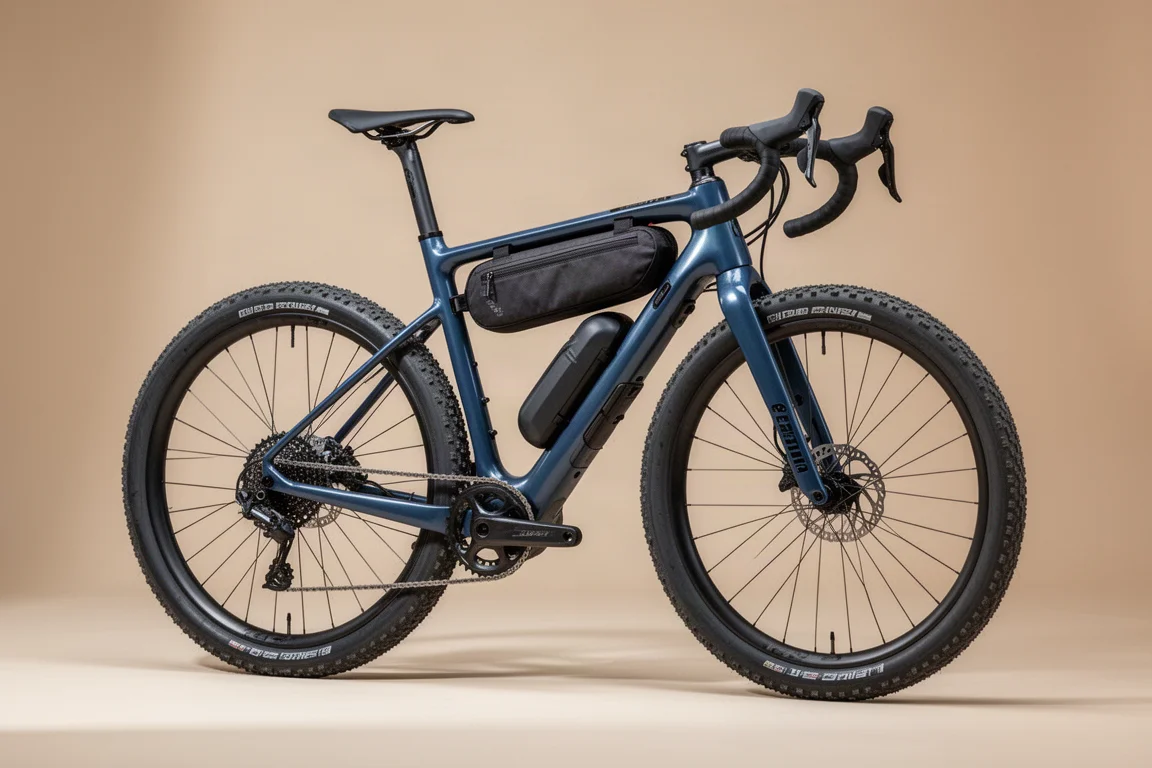
Scott Addict Gravel RC: Rigid, Chunky and Fast
The Scott Addict Gravel RC belonged to a rider with a mountain bike background who has no interest in suspension on a gravel bike. His setup was rigid: 45mm Schwalbe tires front and rear, Kush Core inserts in both wheels and 28 PSI. He called the inserts essential, not because they are cheap, but because they protect the rim as well as the tire. He had hit a rock hard enough to write off the tire, and the carbon rim survived.
The bike ran the new 13-speed SRAM transmission with a wide cassette. His verdict on the course was blunt: it was as rough as ever, even though two car rallies have smoothed the worst of the surface since his first ride there three years ago. Riders weighing up inserts should note his caveat. They are expensive, and getting them off at the roadside is awkward, so it pays to carry them home rather than ditch them.
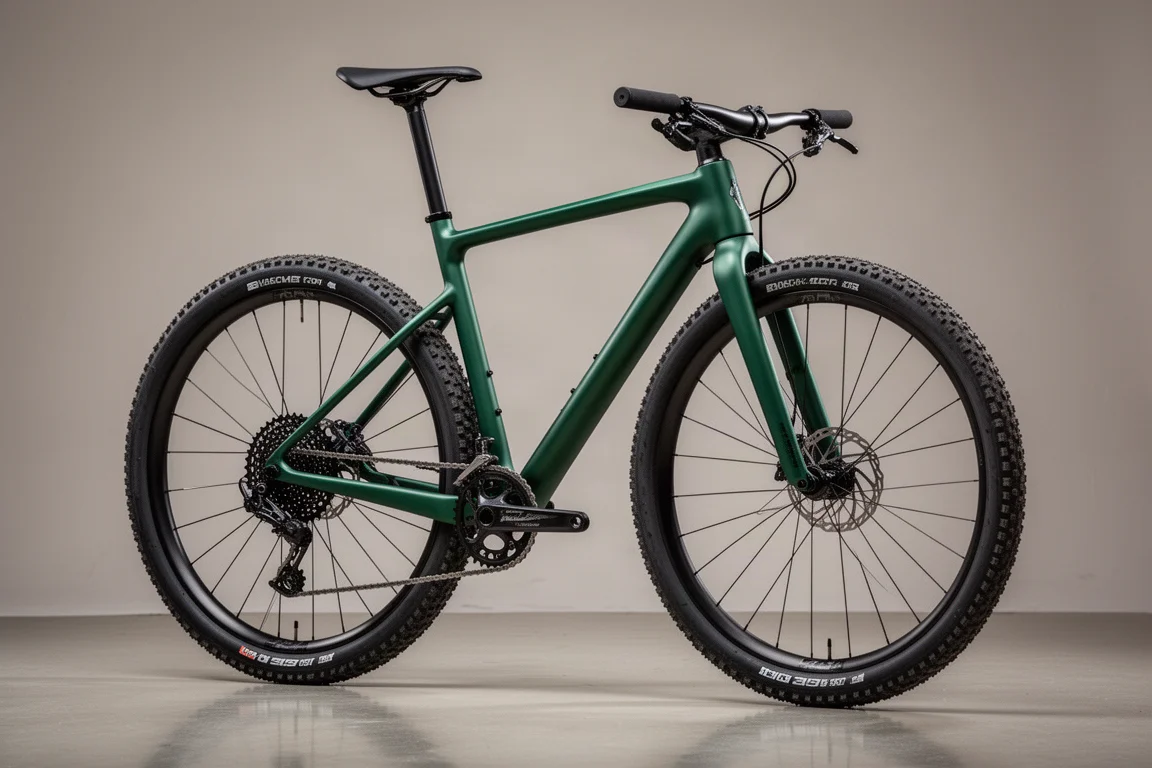
Specialized Crux: The Most Common Choice on Course
The Specialized Crux was, by the reckoning of more than one rider, the most common bike of the weekend. Two riders in the same group were both on Crux frames, and both had moved to wider rubber. One had raced the event the previous year on 40mm tires and was now on 45mm and 47mm casings that measured around 50mm on his rims. The other simply said bigger tires are better here, and the conditions backed that up.
Neither rider was precious about the result. One admitted he gave up racing after an hour, found his legs again after about three hours and finished nine minutes slower than the previous year, which he was quietly pleased with given the number of punctures around him. If you want a widely used gravel race platform that takes generous rubber, this is the safest reference point in the group.
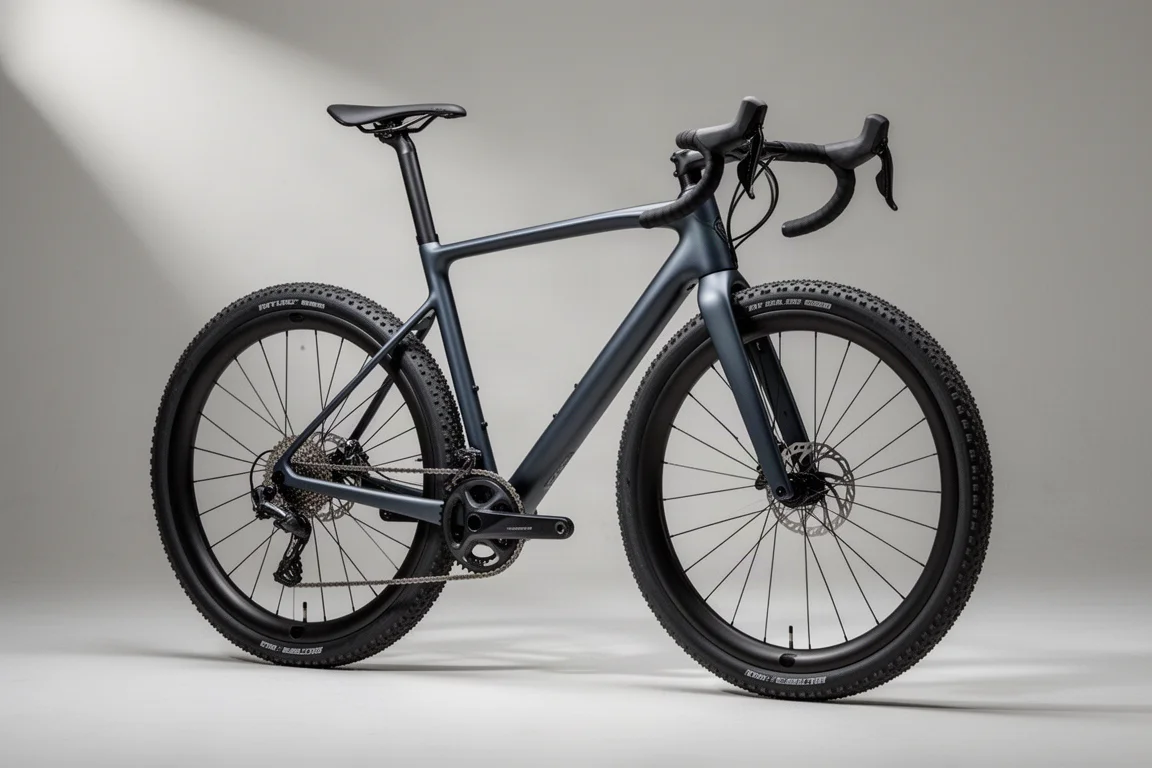
Orbea Terra: Comfort First on a Rough Day
The Orbea Terra was a first gravel race for its owner, and his setup leaned hard towards comfort. He ran a large front tire with plenty of clearance, having found that the same size would not fit at the back, and pressures around 15 PSI made the roughest sections feel, in his words, like carpet. The trade-offs were the occasional bottom-out on the rim and a puncture that would not seal, which cost him six stops and 16 minutes.
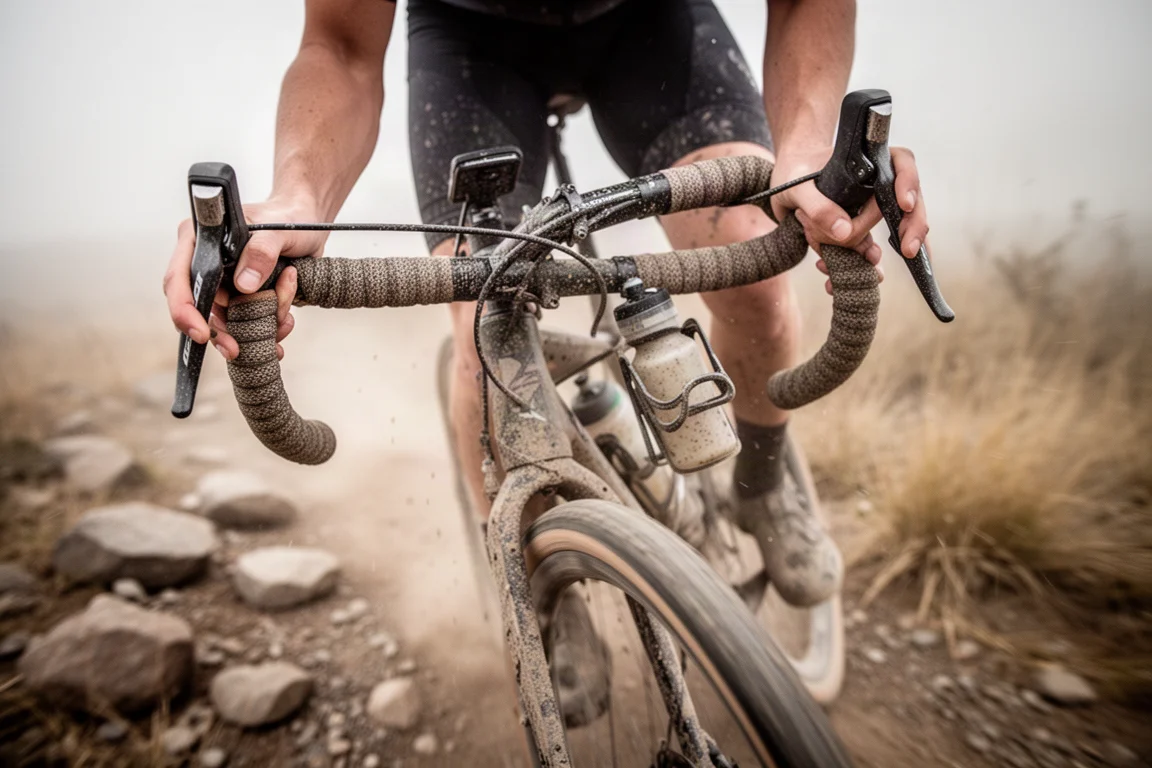
A road bike cassette caused shifting trouble and the chain came off once, a reminder that component matching matters as much as frame choice on rough ground. He also ran a small mud and dust guard and, despite back pain and the lost time, finished close to the last possible qualifying position.
Ribble Gravel SL: A Carefully Planned Race Setup
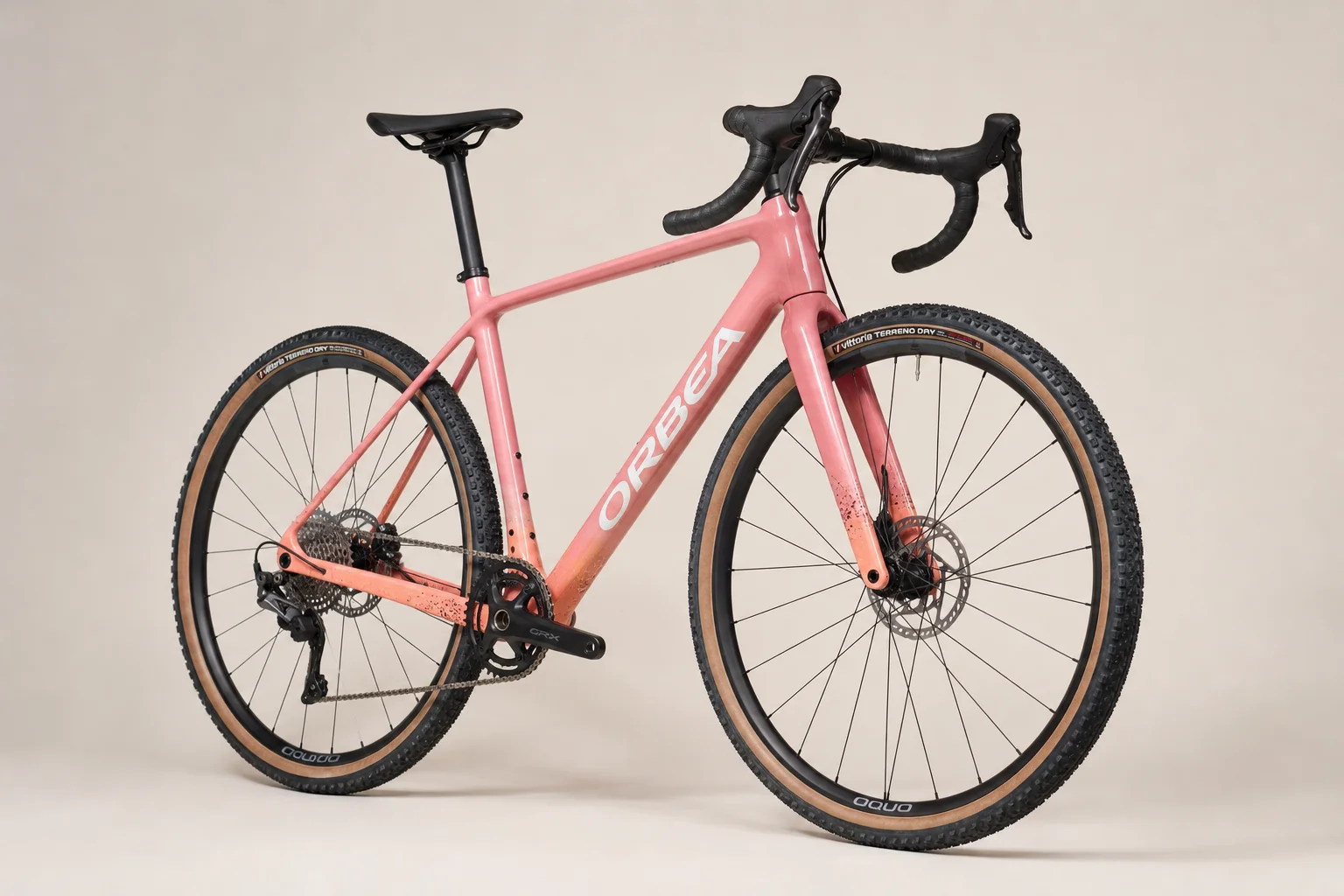
The Ribble Gravel SL was the most carefully planned build in this roundup, finished in a custom colorway and running a SRAM Force AXS 12-speed group with a 44 tooth chainring and a 10-44 cassette. The owner called 45mm tires the perfect compromise between speed, durability and comfort, ran them at around 30 PSI, and added tire inserts plus around 100ml of sealant per wheel to cut the chance of losing minutes to a flat.
Comfort details mattered as much as drivetrain: a 3D printed saddle that spreads weight across the whole saddle, and upgraded bar tape for a long day with hands on the bars. His race plan included an aero helmet and a gravel skinsuit, plus a hydration strategy of roughly a litre of liquid an hour, two bottles on the bike, a two-litre bladder on his back and two spare bottles at the feed station. The target was a top 25 percent finish in category to qualify for the world championships.
Overall Buying Advice
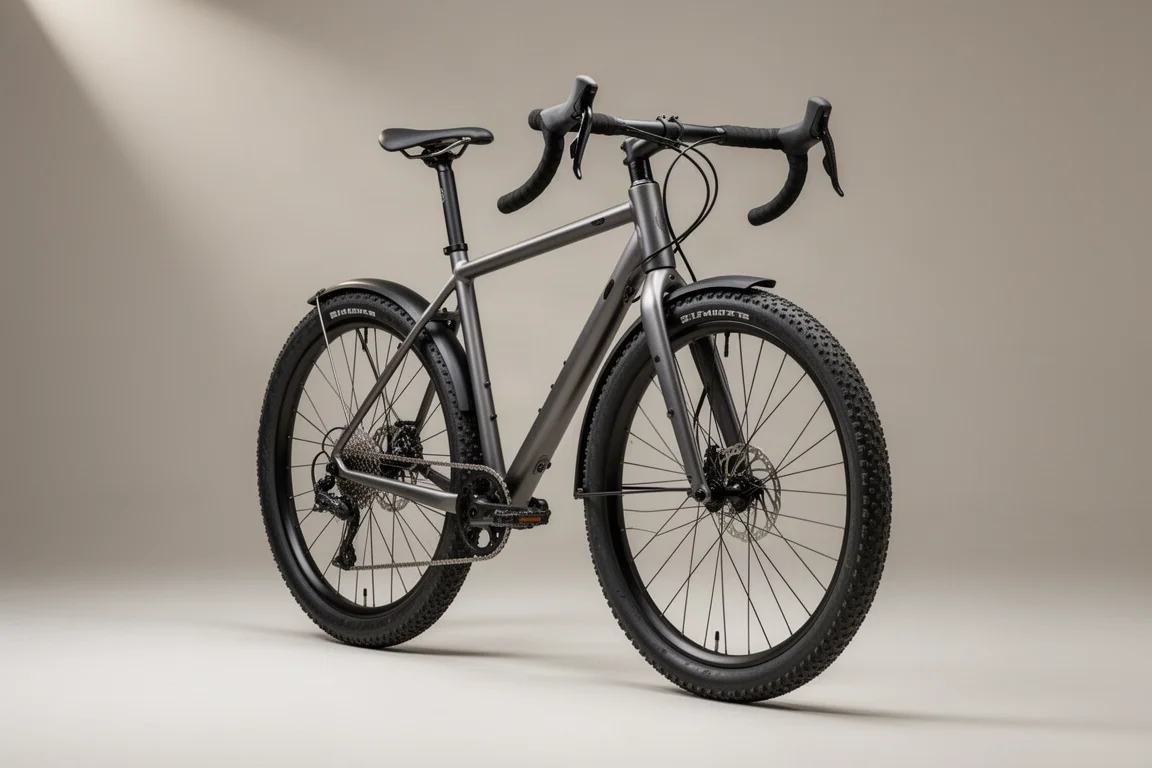
If you are building for rough gravel, start with tires and work backwards. A 45mm casing was the sensible baseline at this race, and every rider with the clearance wanted more, so check frame and fork clearance before anything else.
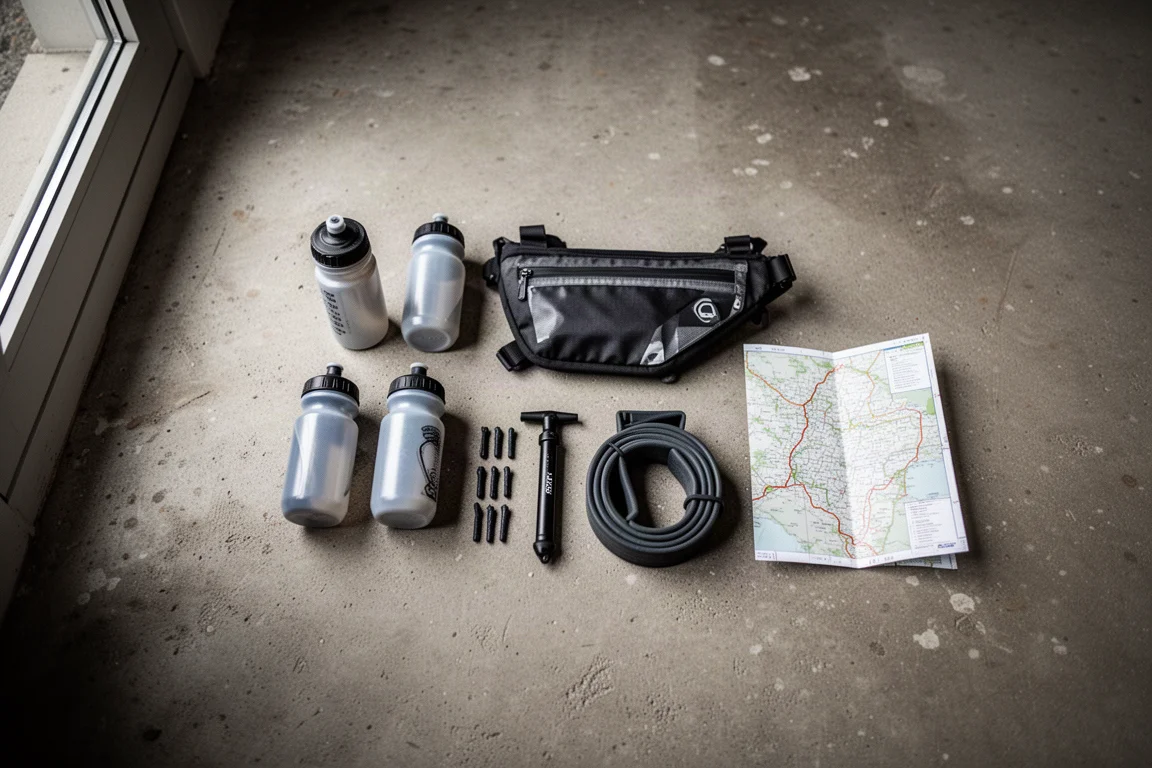
Inserts and sealant are the cheapest insurance against a day-ending flat, particularly if you run carbon rims. Budget for the hassle as well, because inserts are awkward to remove at the roadside.
Suspension divides opinion sharply. One rider called it a priority after a first rough edition, while another said he would not put it on a gravel bike at all, so treat it as a personal choice based on your terrain and your body. Beyond that, prioritise gear range over gear count, match components to the frame, and spend on contact points such as saddle and bar tape. Plan hydration before the start line too, since a fuelling strategy is often what separates a strong finish from a very long day.
Conclusion
The bikes in this roundup share one trait: none was set up for outright speed at the expense of reliability. The BMC Kaius and the Scott Addict Gravel RC show how far a disciplined tire and insert strategy can take you, the Argon 18 Dark Matter shows what a long, suspension-ready frame can do on the roughest descents, and the Specialized Crux proves that a familiar platform with wide rubber is hard to beat. The Orbea Terra and the Ribble Gravel SL show two very different approaches to comfort and planning. Match the build to your terrain, plan for punctures, and the finish line takes care of itself.
Further reading
Related Reviews
Gravel Bikes
3T Exploro Ultra Review: A Fast Gravel Bike Built for Big Tyres
A close look at the 3T Exploro Ultra, an aero carbon gravel bike designed around wide tyres, with road-like handling, a 980 g frame and genuine rough-terrain capability.
Gravel Bikes
3T Extrema Italia Review: Aero Gravel Speed With Room for 57 mm Tires
The 3T Extrema Italia pairs an aero frame with huge tire clearance, Italian-made carbon and a more comfortable ride than the RaceMax. Here is what to know before buying.
Gravel Bikes
3T Race Max 2 Italia Review: An Aero Gravel Race Bike Made in Italy
A closer look at the second-generation 3T Race Max 2 Italia, covering its aero updates, ride character, tire clearance, internal storage and who it suits.