Gravel Bikes
Five Gravel Bikes With Mountain Bike Tire Clearance
Five gravel bikes that officially accept a 700c 2.2-inch tire, with notes on frame design, clearance figures, and which one suits racing versus loaded exploration.
Introduction
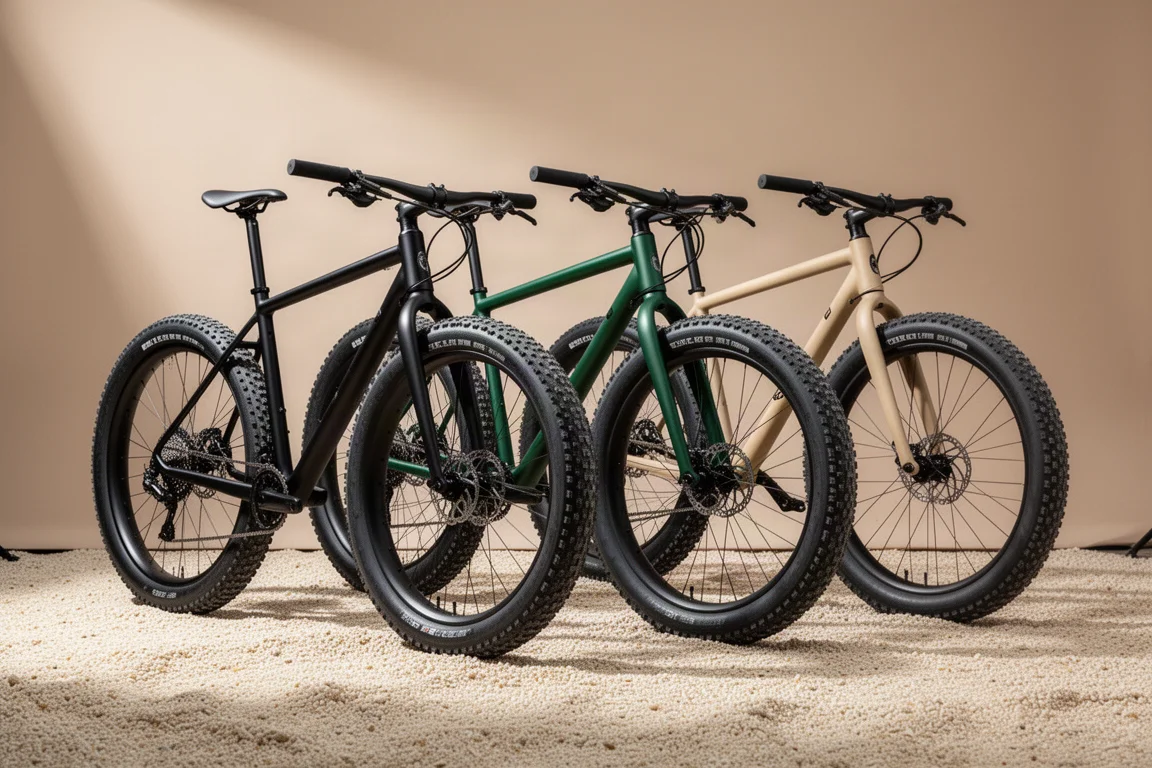
Gravel bikes have been pushing tire clearance further with every season, and the racing scene has made one thing clear: 2.2-inch mountain bike tires are no longer an oddity on drop-bar bikes. Most gravel tires are manufactured up to around 50 mm, so riders who want more width than that have to look at mountain bike rubber.
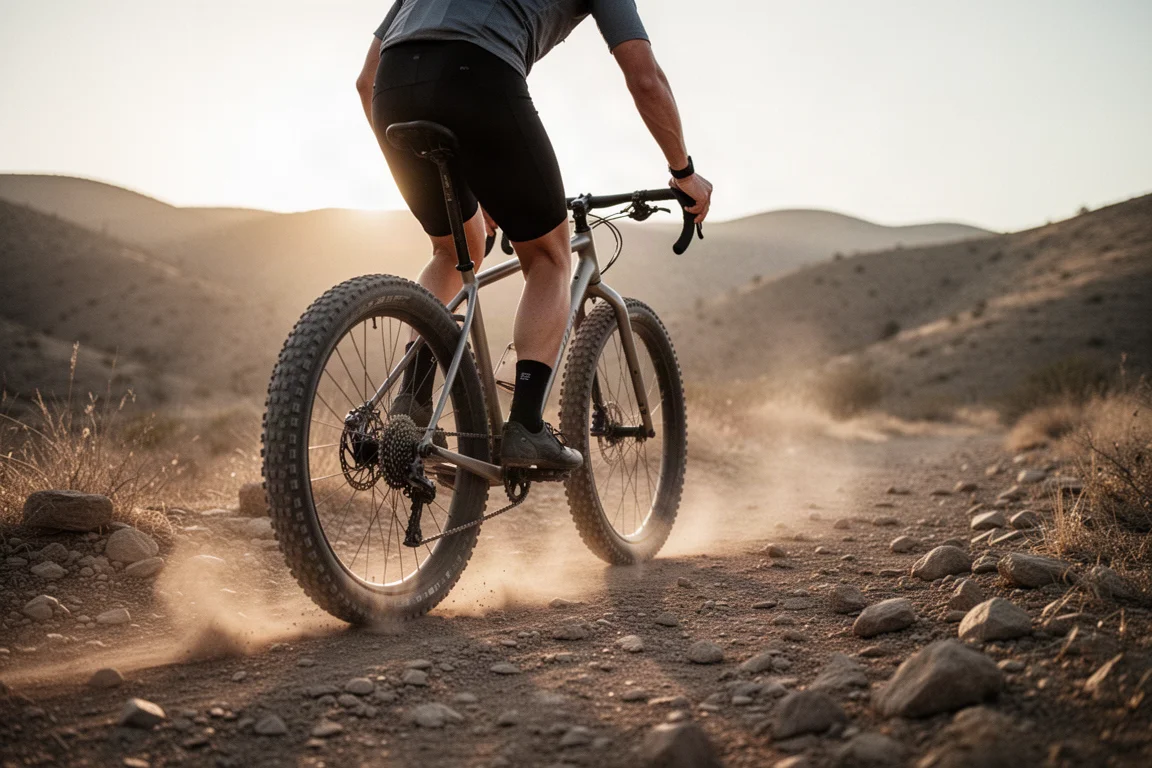
The case for going wider is straightforward. Wider tires are faster on rougher courses, they smooth out the bumps, and they let more of your energy go into moving the bike forward. Fitting a wider tire also means you can take a gravel bike further into the outback and explore trails that used to be reserved for mountain bikes.
This roundup applies one strict filter: every bike here officially accepts a 700c 2.2-inch, or 56 mm, tire. That rules out several well-known frames. The Giant Revolt quotes 53 mm of clearance, the Cannondale SuperX quotes 51 mm, and the Felt Breed officially accepts a 2-inch tire. All of them are capable bikes, but none of them clear the 56 mm bar.
Why 2.2-Inch Clearance Is the New Benchmark
Tire width is only part of the story. What matters is whether a frame officially supports a 700c 2.2-inch tire as standard, without trimming knobs or modifying anything, because clearance figures are quoted with a margin for mud, frame flex and wheel deflection.
Gravel tire manufacturing has largely settled around a 50 mm ceiling, which is why anything wider means borrowing from the mountain bike world. The payoff shows up on rough surfaces first: a wider tire floats over chatter instead of bouncing off it, and it keeps more momentum on loose, rocky courses.
Where this trend really earns its place is exploration. A bike that clears a 2.2-inch tire is more versatile by default, so you can ride wherever you want rather than staying on surfaces the frame was designed around.
Lauf Seigla
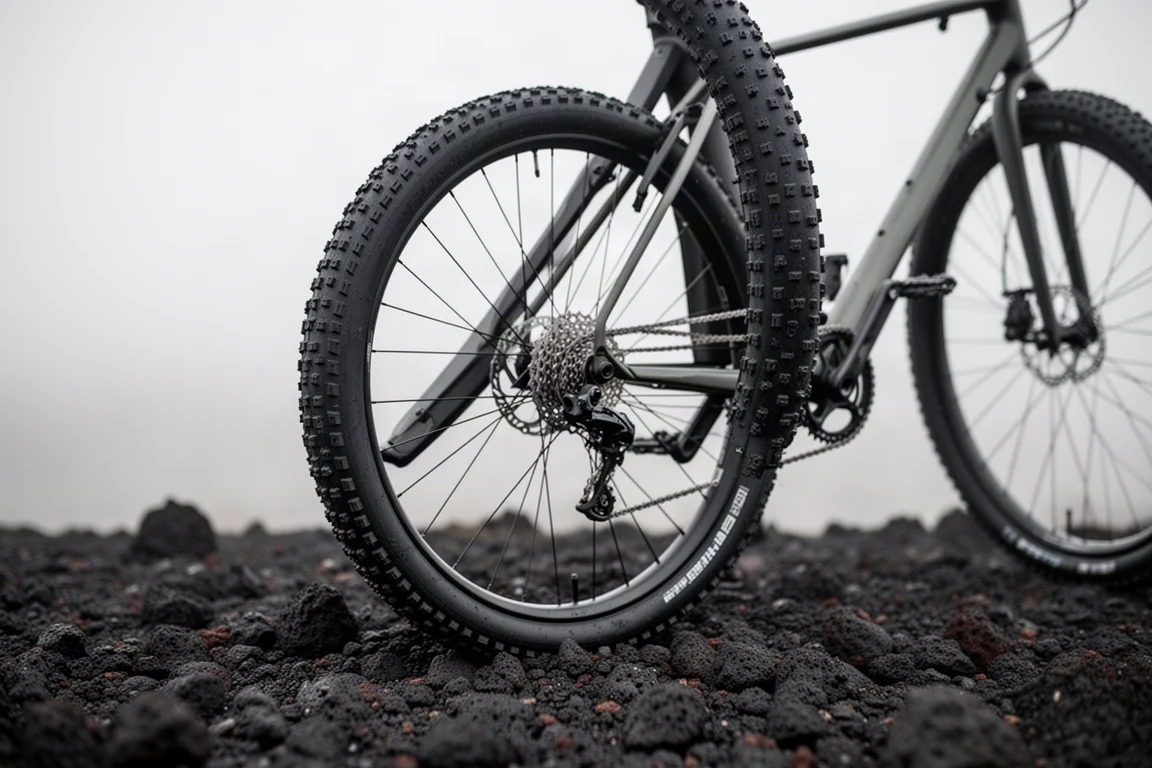
The Lauf Seigla comes with a hefty 57 mm of tire clearance. Lauf states that it achieved this without resorting to an elevated or dropped chainstay, and it kept a nimble 425 mm rear end that helps the bike feel racy and fast rather than stretched out.
With 2.25 inches available, there is room for pretty much whatever mountain bike tire you want. The bike was built with brutal gravel races in mind, such as The Rift in Iceland, a 200 km epic that sends riders through volcanic boulder fields where big tire clearance is a must.
Lauf has been one of the early adopters of mountain bike tires on gravel bikes. Back in 2017 the predecessor to the Seigla, the True Grit, launched with 45 mm of tire clearance. That reads as midpack by modern standards, but it was huge at the time: the 2017 Specialized Diverge was specced with 28 mm tires and a maximum clearance of 35 mm, which shows how far ahead of the curve Lauf was.
Allied Able
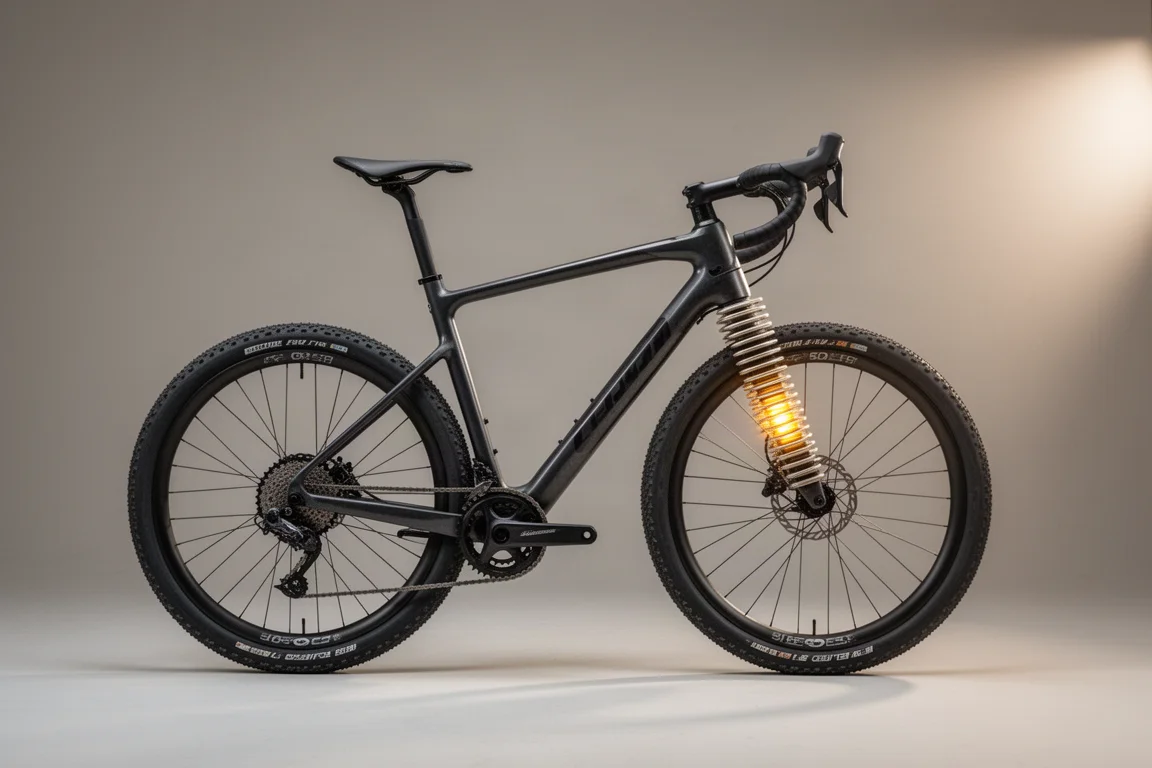
US brand Allied has recently updated its Able gravel race bike, and from the ground up it has been designed around fitting a 57 mm tire.
The current frame uses dropped stays to make room for bigger rubber, and it still looks completely normal while doing it. The previous iteration of the Able had 42 mm of clearance and a raised drive-side chainstay that sat above the chain, a layout that looked unusual. The new Able replaces that with sleek lines, integrated hoses and a genuinely racy look.
It has been raced hard at some of the biggest gravel events in the world, which is a useful signal for riders who want wide rubber without a frame that looks like a compromise.
Argon 18 Dark Matter
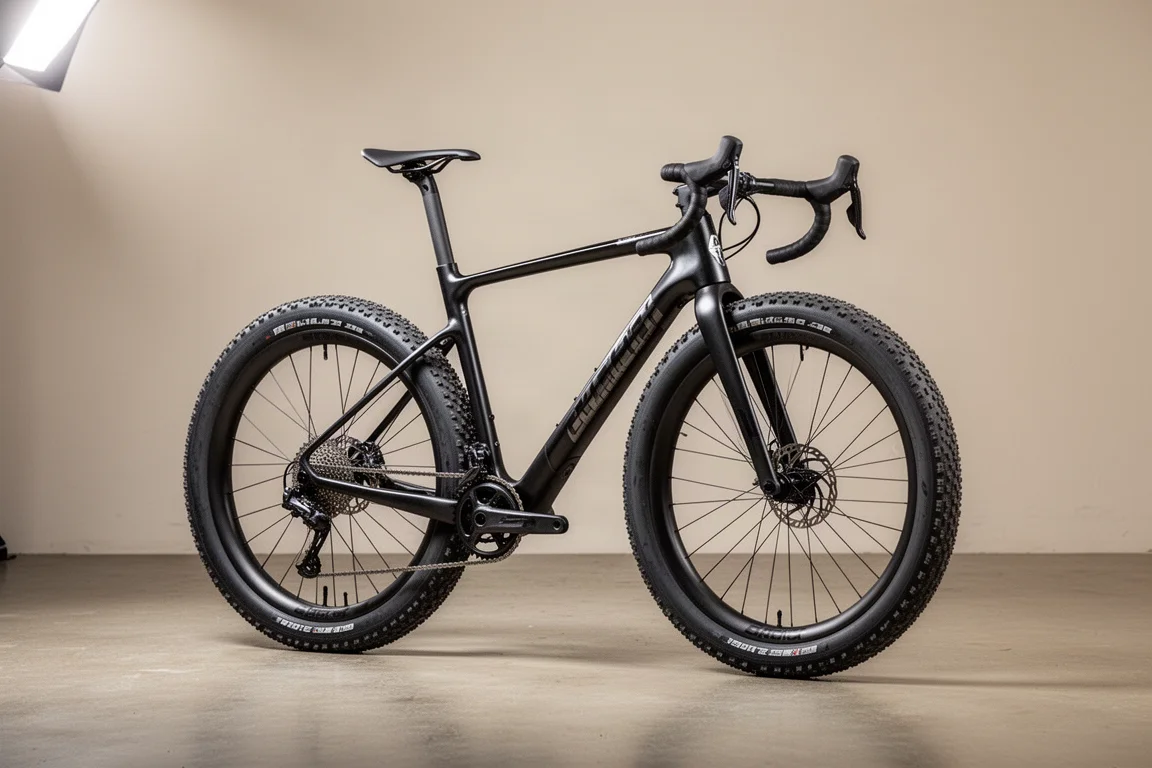
The 2025 Argon 18 Dark Matter is a thoroughly current gravel bike. It offers UDH compatibility for the latest SRAM drivetrains, integrated frame storage, and plenty of bosses for additional cargo carrying. And, of course, massive tire clearance.
Argon 18 quotes it as fitting up to a 57 mm or 2.2-inch tire. That makes it ready for anything from large gravel races such as The Traka in Girona or Unbound in the US to being loaded with bags and ridden off into the wilderness for weeks at a time.
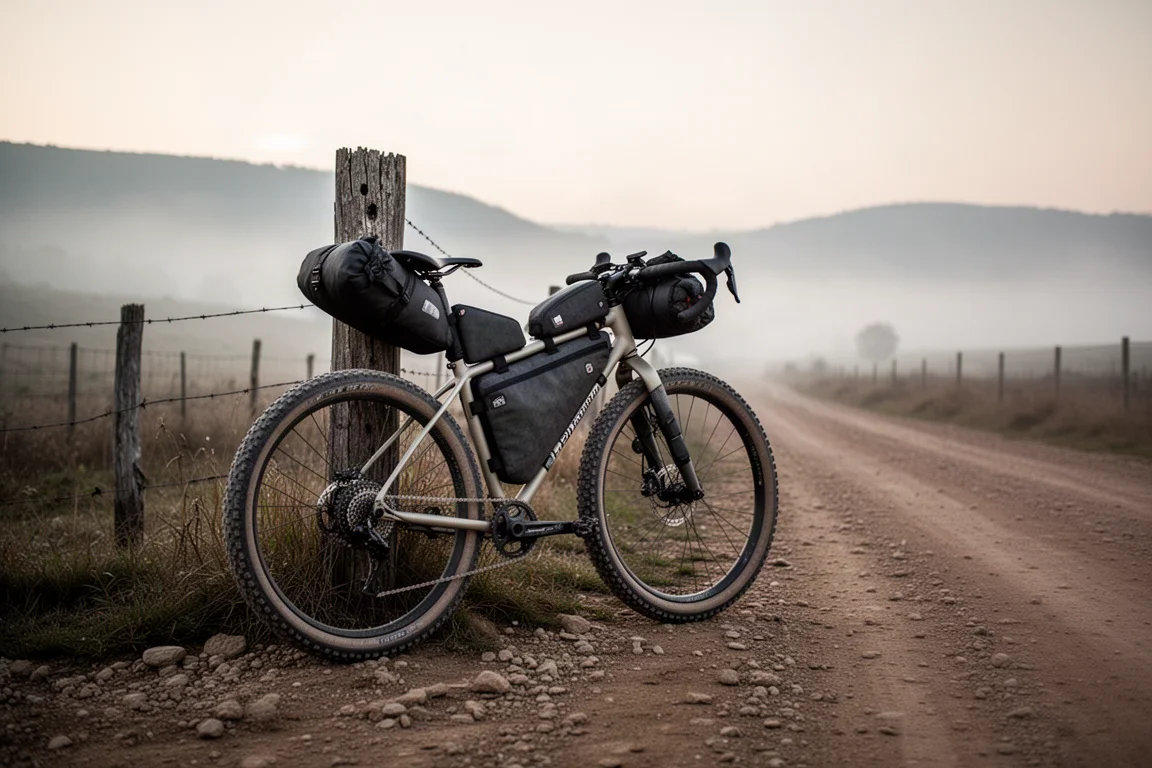
The combination of race-ready geometry and load-carrying hardware is what separates the Dark Matter from frames built purely for fast racing.
Salsa Cutthroat
Gravel in its purest form is about exploration: getting off the tarmac, getting lost, and riding wherever you like. Salsa arguably created the gravel-specific bike category with the Warbird back in 2013, and while the Warbird still sits in the range as a slightly sportier model, the Cutthroat is all about exploration.
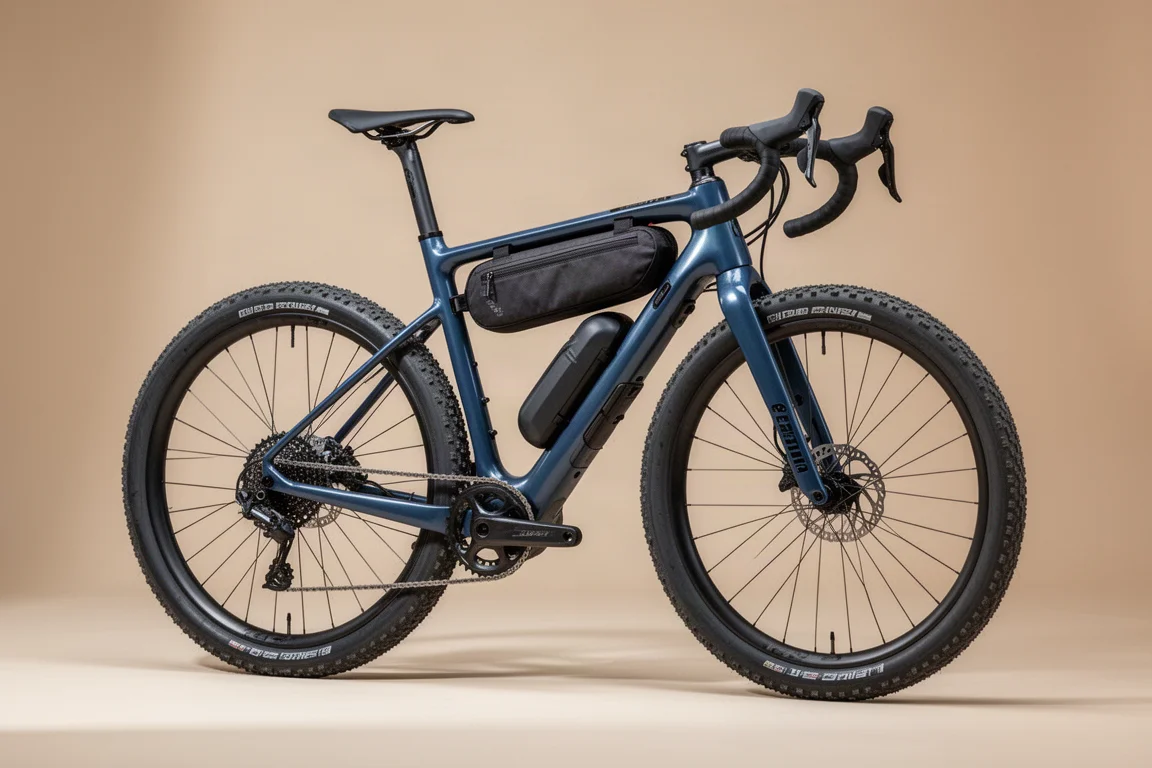
Inspired by races like the Tour Divide, the Cutthroat is Salsa’s ultra-endurance mixed-surface bike, designed to go almost anywhere. It is quoted with a maximum tire clearance of 2.4 inches, and it can fit a full-on mountain bike tire thanks to the use of mountain bike boost spacing.
The frame also carries more mounting points than almost anything else in the category, so you could carry the kitchen sink and the rest of the kitchen with it.
Santa Cruz Highball
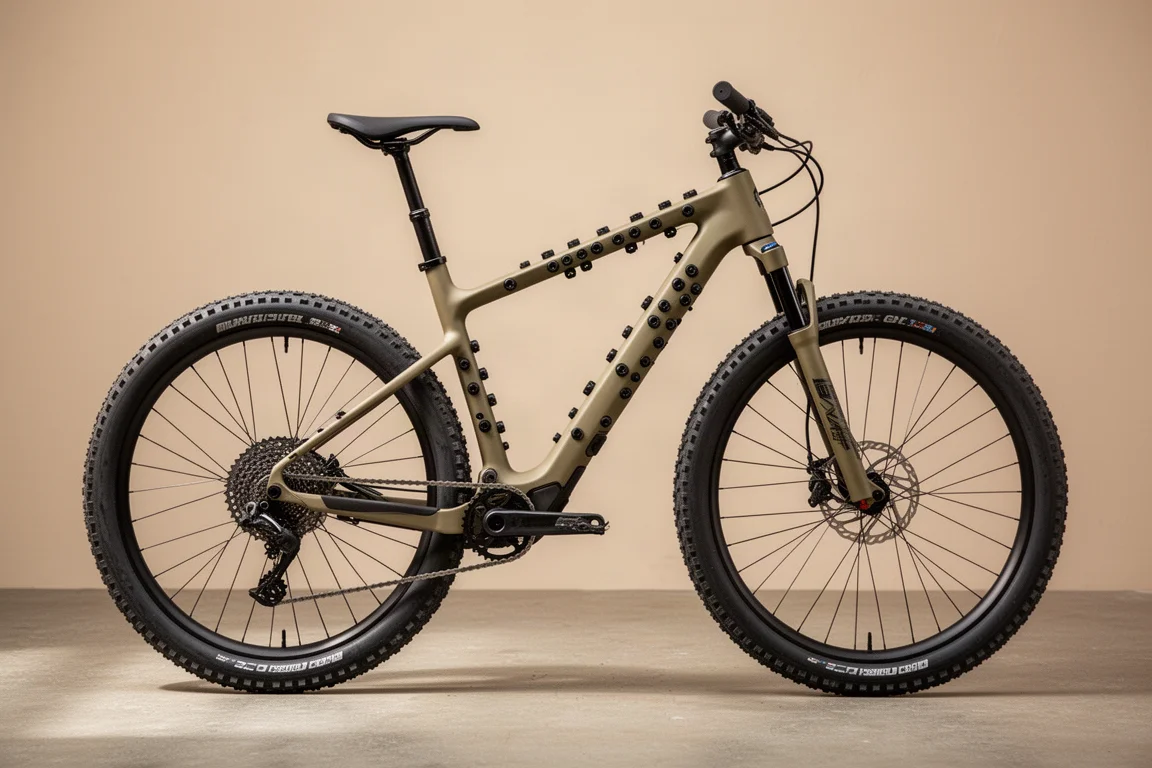
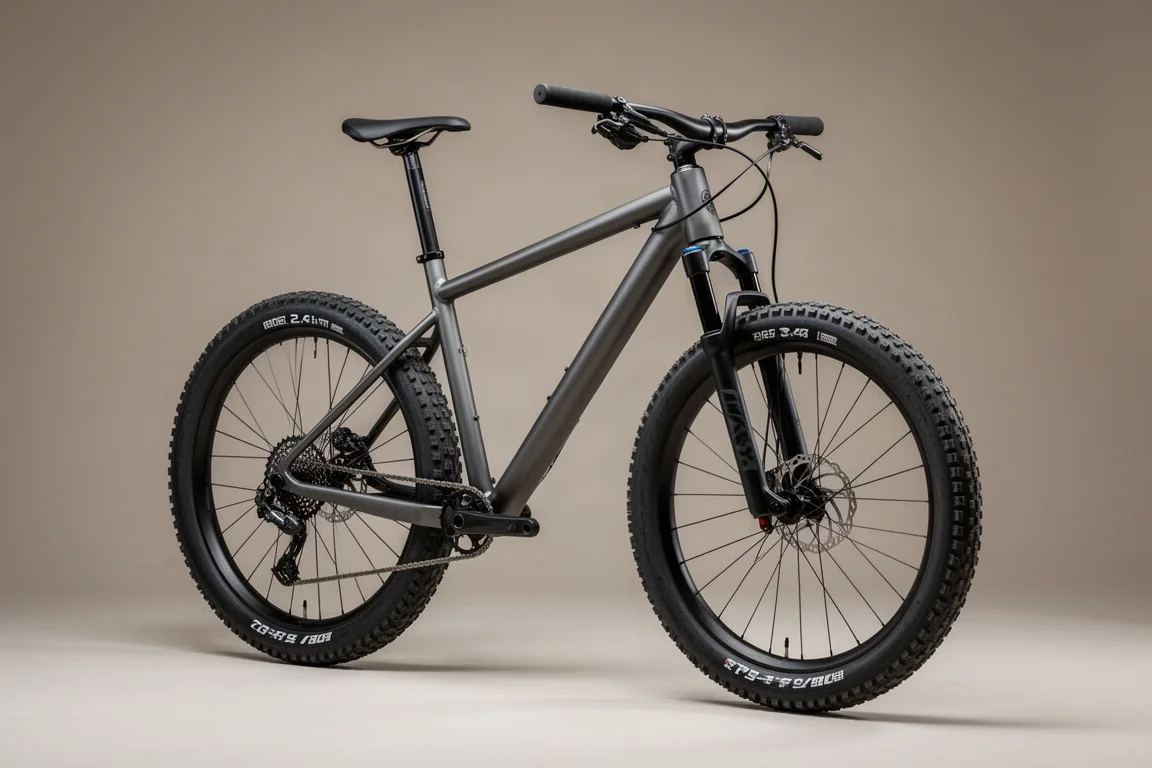
There is one more angle worth considering: the drop-bar mountain bike. After all, what is a gravel bike if not a drop-bar mountain bike? No brand explicitly offers this as a stock build yet, but conversions have become common, particularly in the lead-up to the Leadville 100, the 100-mile mountain bike race that forms part of the Lifetime Grand Prix.
The most recent edition of that race was won on a Santa Cruz Highball hardtail fitted with drop handlebars and wireless electronic shifting. The frame has 2.4 inches of clearance, which is unsurprising for a mountain bike, and it is the most extreme option on this list for riders who want maximum width.
With gravel bike tire clearance getting wider and wider, it is fair to ask whether this is where the category is heading anyway.
How to Choose Between Them
Start with the clearance number, because it is the one specification you cannot change later. All five bikes here officially accept a 700c 2.2-inch tire, and the Salsa Cutthroat and Santa Cruz Highball go further with quoted clearance for 2.4 inches.
If you want the raciest feel with wide rubber, the Lauf Seigla and Allied Able are the most direct answers. Both are designed around a 57 mm tire, and both keep conventional frame layouts: the Seigla holds a nimble 425 mm rear end without an elevated or dropped chainstay, while the Able uses dropped stays with integrated hoses and clean lines.
If you plan to race and then keep riding loaded, the Argon 18 Dark Matter’s integrated frame storage and cargo bosses make it the more flexible choice. For pure exploration and long-distance events, the Salsa Cutthroat’s boost spacing and huge number of mounting points are hard to argue with.
Finally, if maximum clearance matters more than anything and you are happy to build the bike yourself, a drop-bar conversion based on a hardtail such as the Santa Cruz Highball is the most extreme route on this list.
Conclusion
The 2.2-inch threshold is a useful filter because it separates bikes that genuinely support wide mountain bike rubber from bikes that only come close. Every model here clears that bar officially, and the differences between them come down to how you intend to ride.
Choose the Lauf Seigla or Allied Able for a race-focused feel with 57 mm of clearance, the Argon 18 Dark Matter for a race bike that can also carry luggage, the Salsa Cutthroat for loaded ultra-endurance exploration with 2.4 inches of quoted clearance, and the Santa Cruz Highball if you want the widest setup and are ready to build a drop-bar conversion yourself.
Further reading
Related Reviews
Gravel Bikes
3T Exploro Ultra Review: A Fast Gravel Bike Built for Big Tyres
A close look at the 3T Exploro Ultra, an aero carbon gravel bike designed around wide tyres, with road-like handling, a 980 g frame and genuine rough-terrain capability.
Gravel Bikes
3T Extrema Italia Review: Aero Gravel Speed With Room for 57 mm Tires
The 3T Extrema Italia pairs an aero frame with huge tire clearance, Italian-made carbon and a more comfortable ride than the RaceMax. Here is what to know before buying.
Gravel Bikes
3T Race Max 2 Italia Review: An Aero Gravel Race Bike Made in Italy
A closer look at the second-generation 3T Race Max 2 Italia, covering its aero updates, ride character, tire clearance, internal storage and who it suits.