Gravel Bikes
Gravel Bike of the Year Contenders: Five Gravel Bikes Compared
Five gravel bikes from a shortlist of the year's best, covering suspension-equipped trail capability, all-round balance, low weight and value.
Introduction
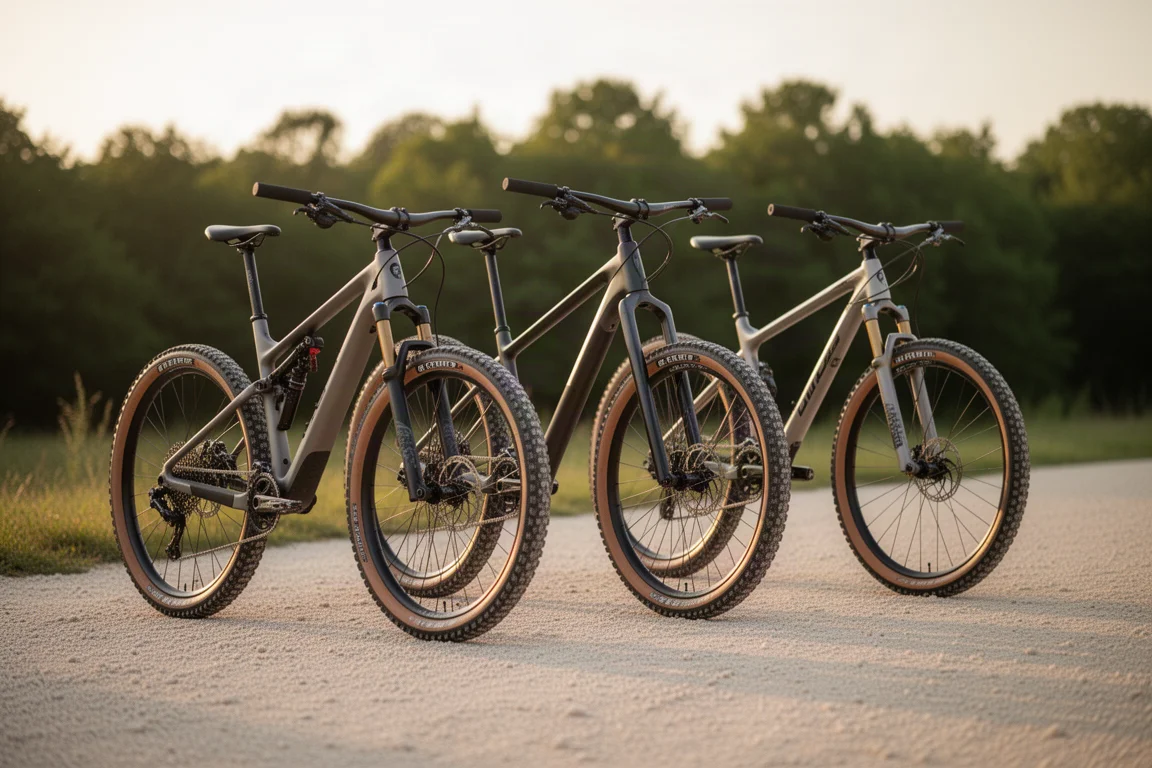
Gravel bike design has widened into a genuinely broad category, and the shortlist for gravel bike of the year reflects that. Five bikes stand out here, three of which progressed to a final head-to-head: the Santa Cruz Stigmata, the GT Grade Carbon Pro LE and the Orro Terra. Two more, the Canyon Grail CF SLX 8 Di2 and the Merida Silex 7000, did not make the final three but remain strong, well-regarded bikes in their own right.
That spread is useful for buyers. The three finalists cover three distinct price points and three different design philosophies, from a premium suspension-equipped build to a value-focused all-rounder, while the two that missed out show how sharply a bike can be tuned toward racing or comfort.
The GT Grade Carbon Pro LE eventually took the title, but the right bike for you still depends on where you ride and what you are willing to spend.
What Separates These Gravel Bikes
Four things do most of the work in this group: tire clearance, geometry, frame compliance and the build kit.
Tire clearance is the headline number. The Santa Cruz Stigmata offers a generous 50 mm on its 1x builds, dropping to 45 mm on 2x drivetrains to preserve the optimal chain line. The GT Grade Carbon Pro LE matches that 50 mm with either drivetrain, reduced to 45 mm if you want to run mudguards up front. The Orro Terra is the most conservative at 45 mm on both 1x and 2x builds. Every bike here has mudguard mounts.
Geometry follows the same pattern. All three finalists use progressive, mountain-bike-inspired numbers. The Santa Cruz runs a 69.5 degree head angle with a steep 74 degree seat angle, creating a slack, long and low ride position. The Orro uses a 71.5 degree head tube and a 73 degree seat angle. The GT sits between its rivals at 70 degrees for the head and 73 for the seat. The practical result is that the Santa Cruz is the most capable and most extreme on trails, the Orro is excellent on tarmac and fast on smooth gravel, and the GT is calm in the handling and noticeably better off road.
Suspension is a dividing line too. The Santa Cruz Stigmata is the only bike here with a suspension fork as tested, and the Orro is the only one of the three where a suspension fork is not offered from stock.
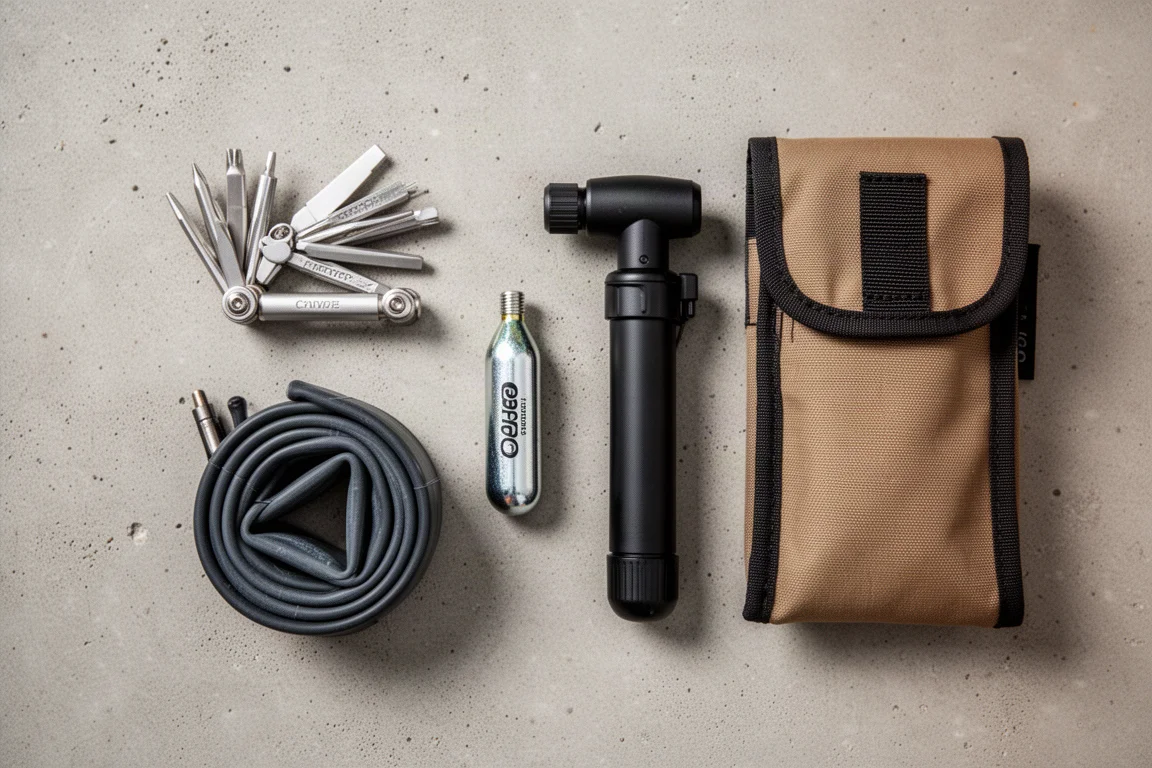
Frame features differ as well. The Santa Cruz keeps things stripped down and simplified, without the complex internal routing of the Orro and without as many fixtures and fittings as the GT. It has three sets of bottle bosses and no top tube bag mounts or fork leg mounts, but it does include a down tube storage compartment, as does the Orro. That compartment takes tools, a CO2 inflator and a pump comfortably.
Santa Cruz Stigmata: Premium Suspension and Trail Capability
The Stigmata is the fourth generation of Santa Cruz’s carbon gravel frame, and the redesign is deliberately simpler than before. There are no top tube bag mounts or fork leg mounts, just three sets of bottle bosses and a roomy down tube storage bay. Tire clearance reaches 50 mm on 1x builds or 45 mm with a 2x drivetrain.
The build tested is the range-topping Stigmata Force AXS RSV, which pairs a SRAM Force AXS Explorer groupset with a RockShox Rudy Ultimate 40 mm gravel suspension fork and a Reverb AXS wireless dropper. Shifting and braking are excellent, and the wireless connection is impressively easy to set up. At 69.5 degrees for the head angle and 74 degrees for the seat angle, the geometry is the slackest here, giving a long, low position that is superb on fast gravel and remarkably composed on technical dirt.
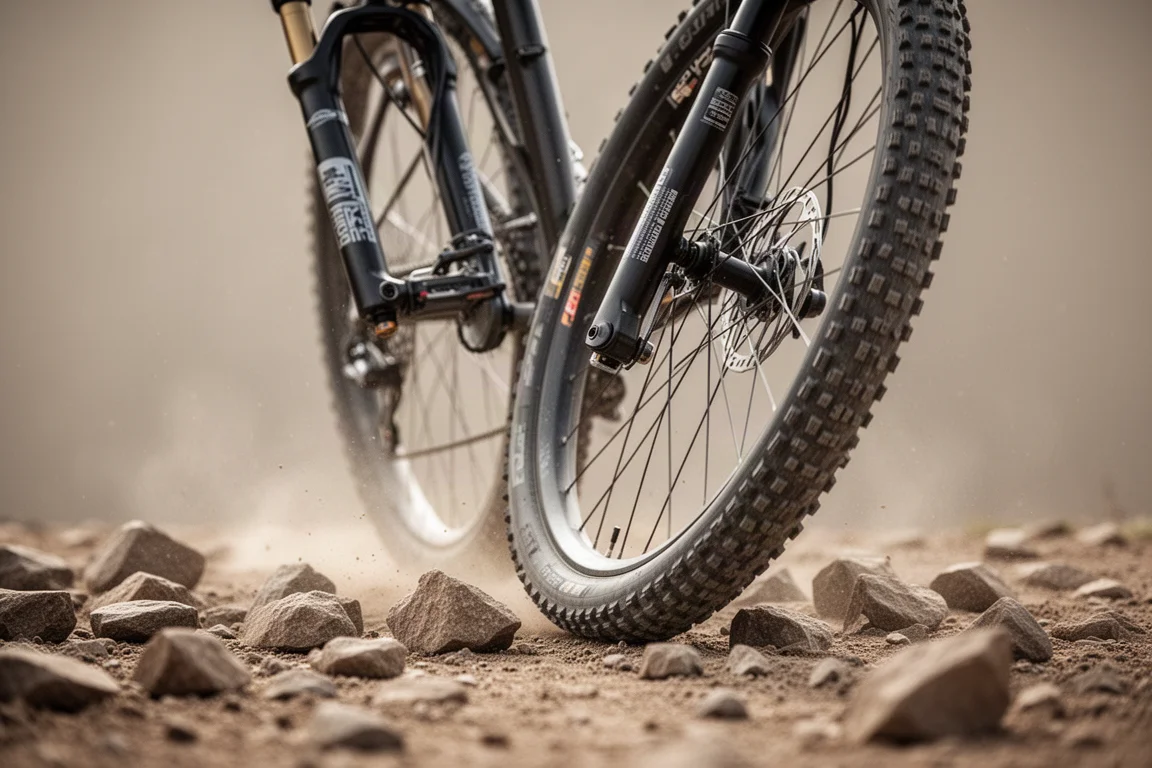
The Reserve 25 carbon gravel wheels are the lightest in this group at 1,360 g for the pair and come wrapped in Maxxis Rambler tires in a 45 mm width, a combination that feels extremely fast. The trade-off is stiffness. With the fork locked out and the dropper fully extended, the Stigmata’s chassis feels seriously rigid, and the very stiff Reserve wheelset amplifies that at lower speeds. Get it up to a quick pace, though, and everything comes together. The supple fork, high-volume tires and dropper post let it glide over rough terrain, and the package is priced at $9,999.99 or £7,695.
GT Grade Carbon Pro LE: The Best All-Round Balance
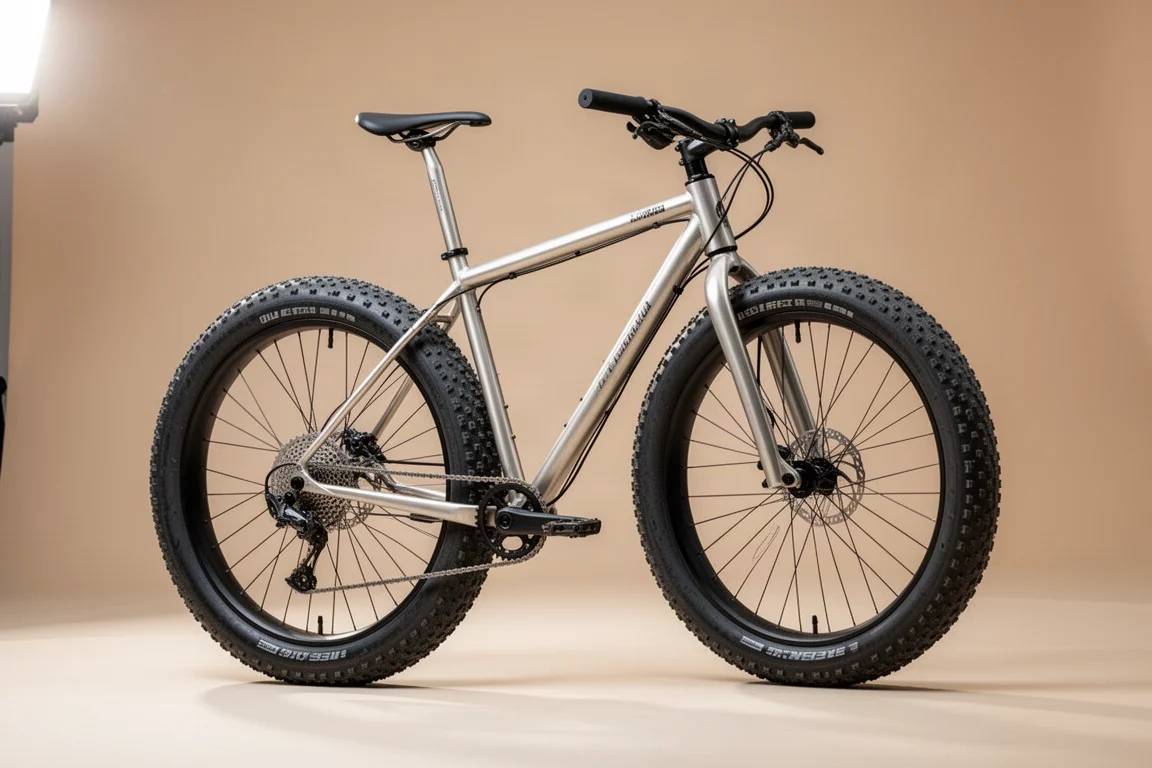
The third iteration of the Grade brings bigger tire clearance, more progressive geometry and a value-packed build. The Carbon Pro LE runs WTB’s newest alloy gravel wheels, built around the ST i23 rim with a wider 23 mm internal width that suits broad gravel tires well. They weigh just under 1,800 g, heavier than the Reserve wheels on the Santa Cruz, but they ride very well. Shimano’s 1x12 mechanical GRX gravel groupset handles shifting with real dependability, and the GRX hydraulic disc brakes with 160 mm rotors are close to the benchmark for gravel braking, giving enough confidence to push hard through technical sections.
The frame is where the Grade separates itself. Its floating triple triangle works with the seat tube and seat stays to allow up to 30 mm of travel at the saddle, so the rear end smooths rough ground in a way that previously required expensive, heavy suspension designs. It achieves this without pivots or suspension units, and the long, slender carbon fork knocks the edge off jarring roots and bumps at the front. A short stem keeps steering sharp despite the more relaxed head angle, and the overall handling is a beautiful balance of nimble, flickable and eager to go quicker, never feeling anything less than in control.
At 9.22 kg it is not as light as the Orro, which is expected at the price, though it still undercuts the suspension-equipped Santa Cruz. Tire clearance is 50 mm with either drivetrain, or 45 mm with mudguards fitted up front. The stock tires lack the grip needed for soggy, muddy early spring conditions, and that is the main limitation. Otherwise the Grade is a superb all-round gravel bike, rapid on smooth tarmac and lighter gravel, and it costs £3,600 or $4,200.
Orro Terra: Light, Fast and Road-Friendly
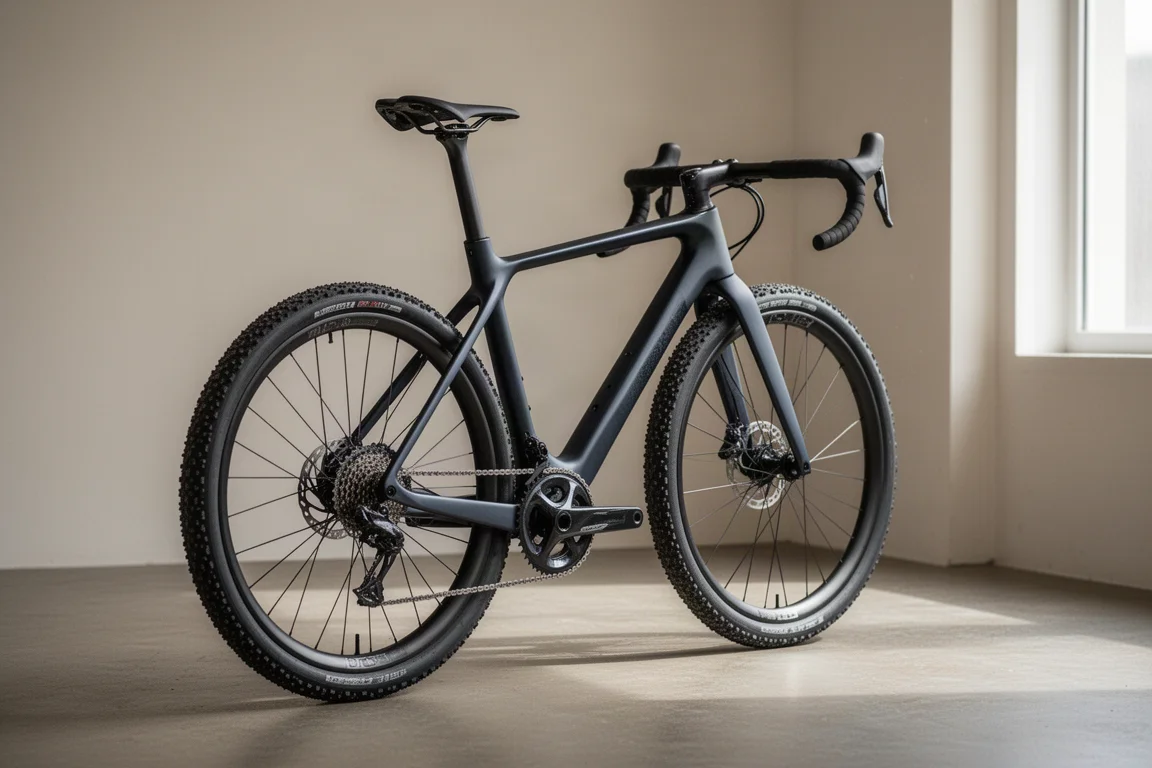
The Terra is a slick, swift bike, and the build tested is the M41 E Team one-by with a SRAM Apex Explorer groupset and carbon components. Orro’s semi-custom online ordering allows buyers to choose the finish and paint scheme and to upgrade to the brand’s Aqua carbon gravel wheels, which is how this particular build is specified. The Apex Explorer groupset packs a lot of features from the more expensive Force groupset at a lower price for a small weight penalty, which makes it a tempting combination.
Tire clearance is the smallest of the finalists at 45 mm on both 1x and 2x builds, and a suspension fork is not available from stock. The Aqua carbon wheels weigh a respectable 1,425 g for the pair with a 25 mm internal rim width, and the rounded profile of the 40 mm tires makes cornering on the road very smooth while the tread still bites on trails. Those tires were the only weak point in the setup for very wet conditions, where a softer or more open compound would have been better.
The ride is the Terra’s real strength. Its frame shape combines a low, long top tube with plenty of exposed seat post and slim road-influenced stays, and the long slender fork works with the frame to create a brilliantly smooth bike. At 8.77 kg it feels properly rapid climbing off road, frame compliance reduces chatter to a minimum, and the long fork takes the edge off bigger hits. Across exposed routes it tracks well too. It is more versatile than most bikes, sitting outside the race-rig and rowdy-gravel camps, and it is lively, quick and swift in the handling. The price is £4,518.
Canyon Grail CF SLX 8 Di2: A Dedicated Gravel Racer
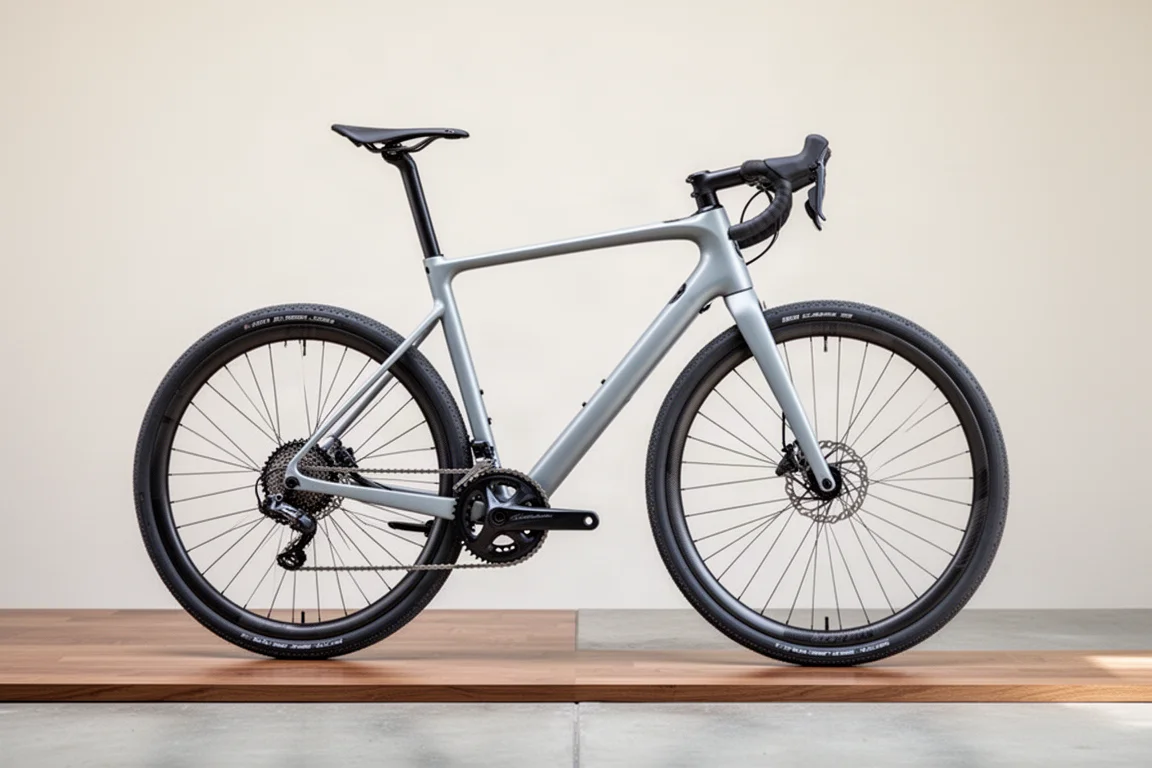
The Grail CF SLX 8 Di2 is a great bike, but it is very much focused on being a gravel racer. Against a shortlist that was looking for all-rounders, that focus counted against it. It is aggressive, stiff and hard riding compared with the best bikes in this group, which makes it a compelling option for racing and a less natural fit for riders who want one bike to cover everything.
Merida Silex 7000: Comfort and Value
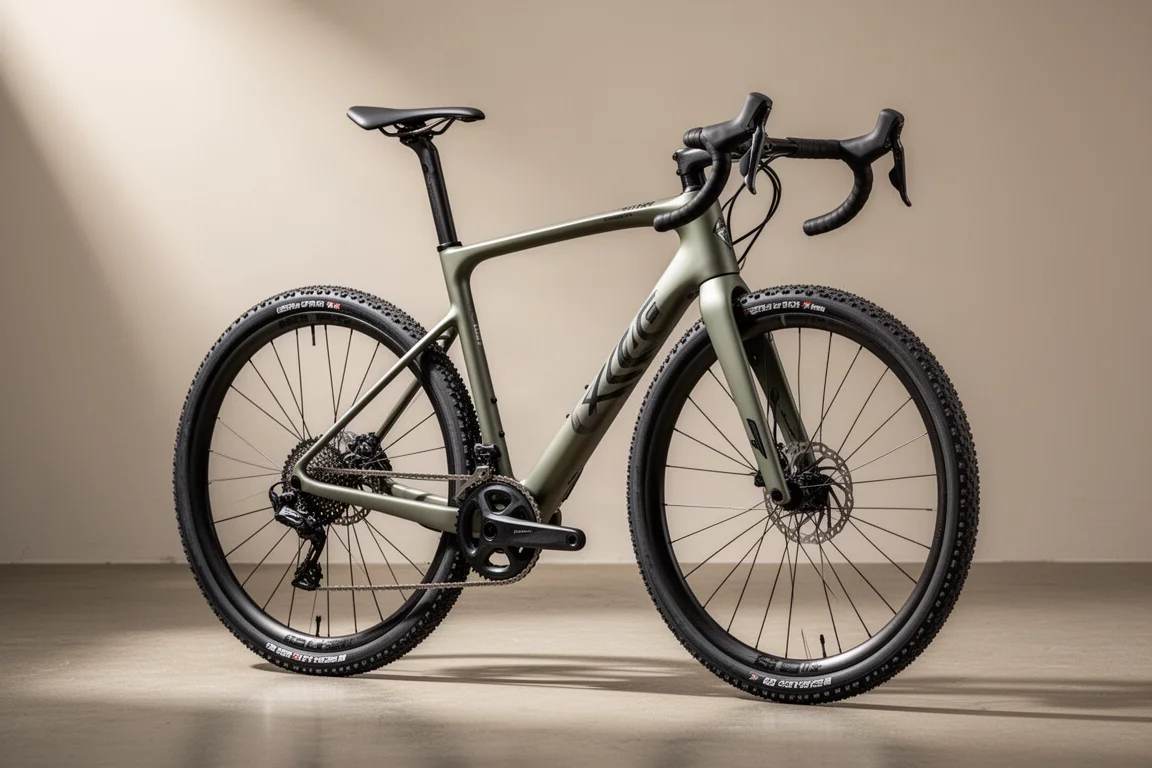
The Silex 7000 is versatile, comfortable and great value, and those are qualities that matter to a lot of riders. The reason it did not reach the final three is weight: it carries a penalty over the top three bikes that is hard to ignore when the rest of the field is this competitive.
Buying Advice
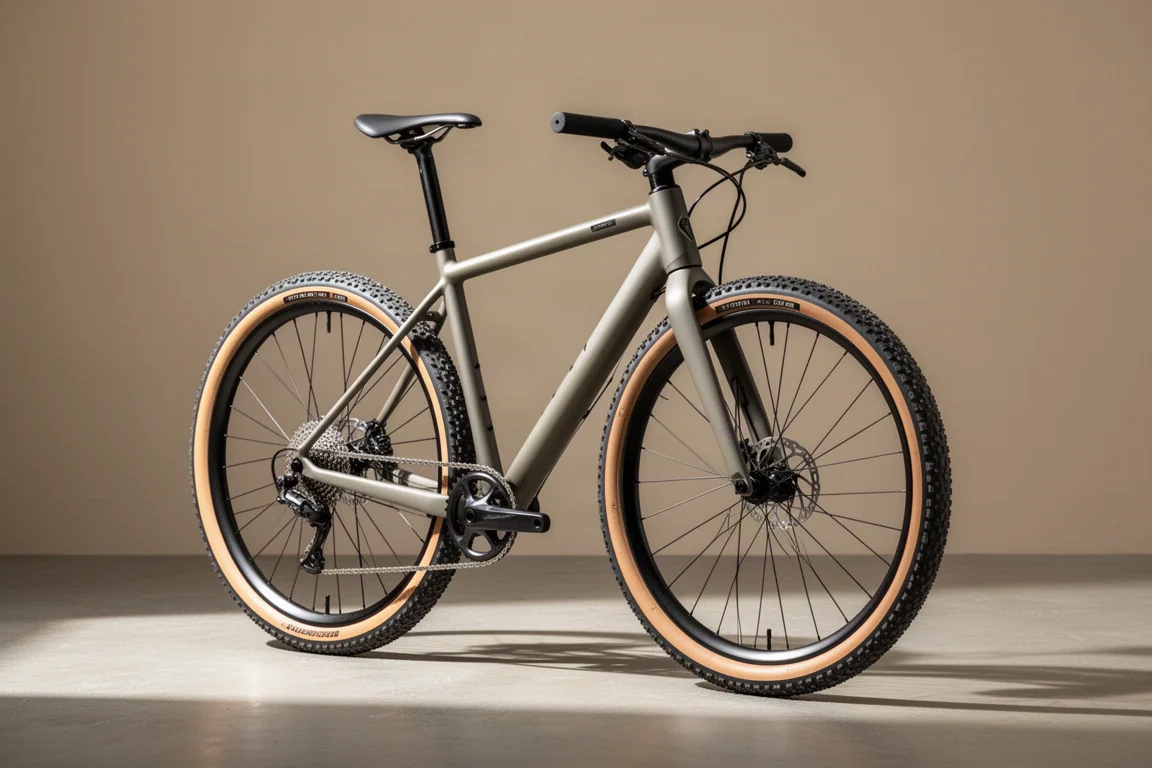
Start with the surface you actually ride. If your weeks mix smooth tarmac, light gravel and the occasional rough track, the GT Grade Carbon Pro LE is the most balanced choice here, and its 30 mm of saddle travel delivers a smoothing quality normally associated with far more complex designs. It also offers 50 mm of clearance with either drivetrain and remains relatively affordable, with plenty of scope to upgrade parts over time.
If your riding leans toward technical trails and you want maximum capability, the Santa Cruz Stigmata is the most trail-focused bike in the group. The RockShox Rudy Ultimate fork, high-volume tires and dropper post combine to make rough ground feel easy, and the geometry is sublime once the pace rises. The cost is the highest price here, along with a chassis and wheelset that feel noticeably stiff at slower speeds, plus fewer mounts for bags and accessories.
For riders who prize low weight and a fast, smooth feel on tarmac and smooth gravel, the Orro Terra is the standout at 8.77 kg, and the semi-custom ordering route lets you shape the finish and wheel choice. Just accept the 45 mm clearance limit and the absence of a stock suspension option.
Clearance is worth thinking through before you buy. Riders who want to run mudguards in winter will lose some tire width on the GT, and anyone planning to move between 1x and 2x drivetrains should check how clearance changes on the Santa Cruz. If racing is the priority, the Canyon Grail CF SLX 8 Di2 is a purpose-built option, while the Merida Silex 7000 remains a versatile, comfortable and genuinely good-value choice for riders who do not mind the extra weight.
Conclusion
The GT Grade Carbon Pro LE takes the title because it fully embraces progressive geometry without taking it to extremes. It pairs 50 mm of tire clearance with a well-judged build at a fair price, and its floating triple triangle rear end delivers a ride quality that used to require heavy suspension hardware. The frame is as good as it gets, and there is plenty of room to upgrade it into a true gravel superbike. The Santa Cruz Stigmata is the more capable and more expensive trail machine, the Orro Terra is the lightest and most road-friendly of the three, and the Canyon Grail and Merida Silex each make sense for a narrower, clearly defined rider.
Further reading
Related Reviews
Gravel Bikes
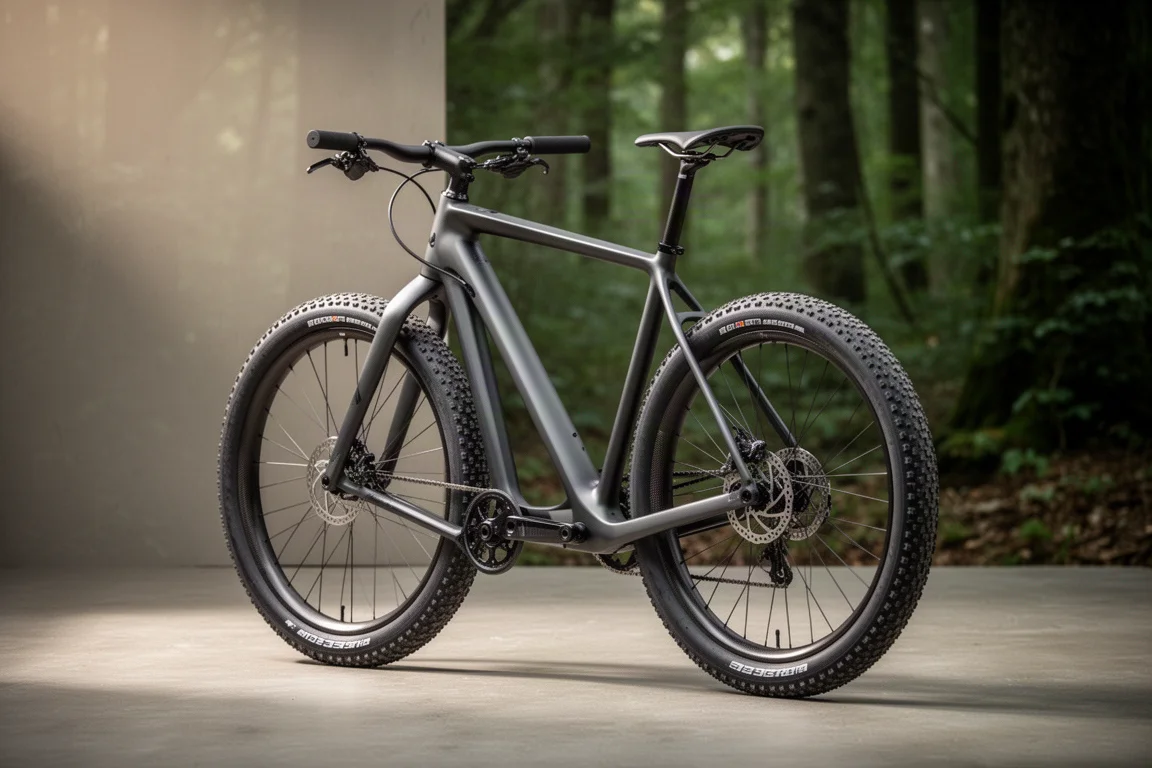
3T Exploro Ultra Review: A Fast Gravel Bike Built for Big Tyres
A close look at the 3T Exploro Ultra, an aero carbon gravel bike designed around wide tyres, with road-like handling, a 980 g frame and genuine rough-terrain capability.
Gravel Bikes
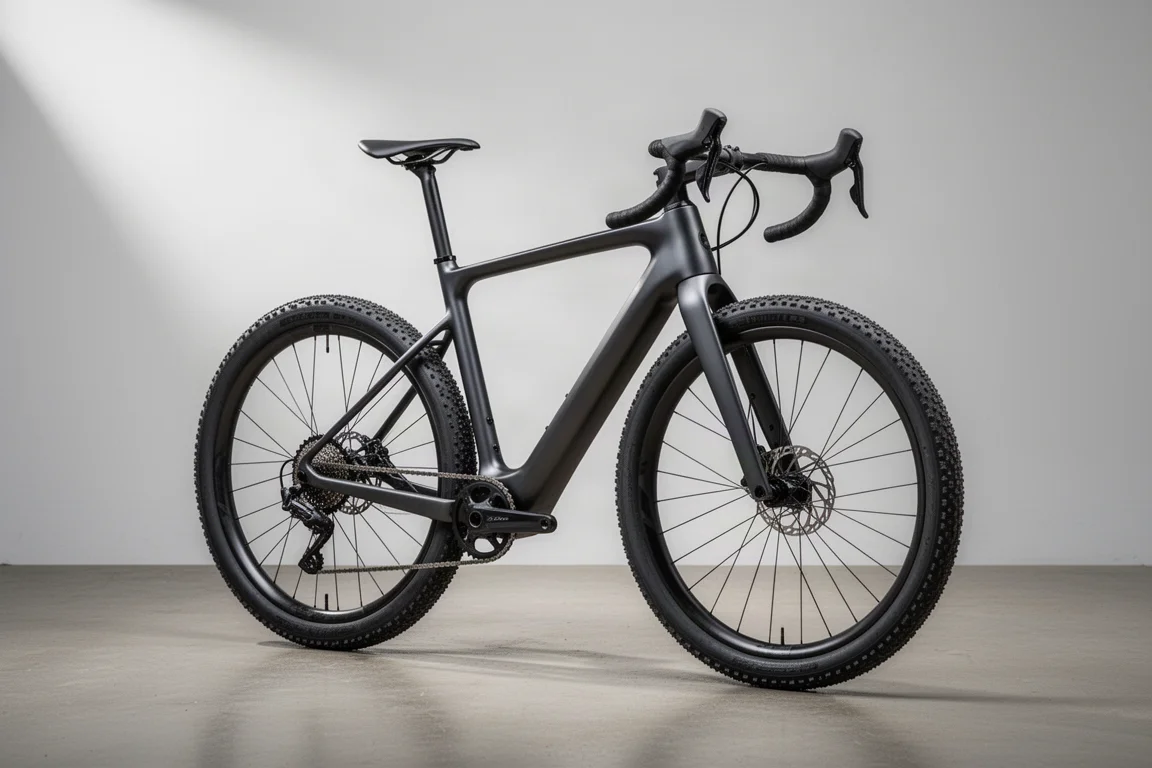
3T Extrema Italia Review: Aero Gravel Speed With Room for 57 mm Tires
The 3T Extrema Italia pairs an aero frame with huge tire clearance, Italian-made carbon and a more comfortable ride than the RaceMax. Here is what to know before buying.
Gravel Bikes
3T Race Max 2 Italia Review: An Aero Gravel Race Bike Made in Italy
A closer look at the second-generation 3T Race Max 2 Italia, covering its aero updates, ride character, tire clearance, internal storage and who it suits.