Gravel Bikes
Gravel Bike Buying Guide: Five Options and the Details That Matter
A practical look at three gravel bikes, one cyclocross bike sold as gravel, and a budget brake upgrade, plus the clearance and parts standards worth checking first.
Introduction
Gravel is a loose term. Two bikes sold under the same label can behave like completely different machines once you are actually riding them on loose, rough, or muddy surfaces. Over the past few years that gap has become more obvious, and plenty of buyers only discover it after their first full season.
This guide covers five options worth understanding before you spend: three gravel bikes, one cyclocross bike that gets sold as a gravel bike, and one brake upgrade that changes the value equation on budget builds. Each one illustrates a decision that matters more than the badge on the down tube.
What to Look For in a Gravel Bike
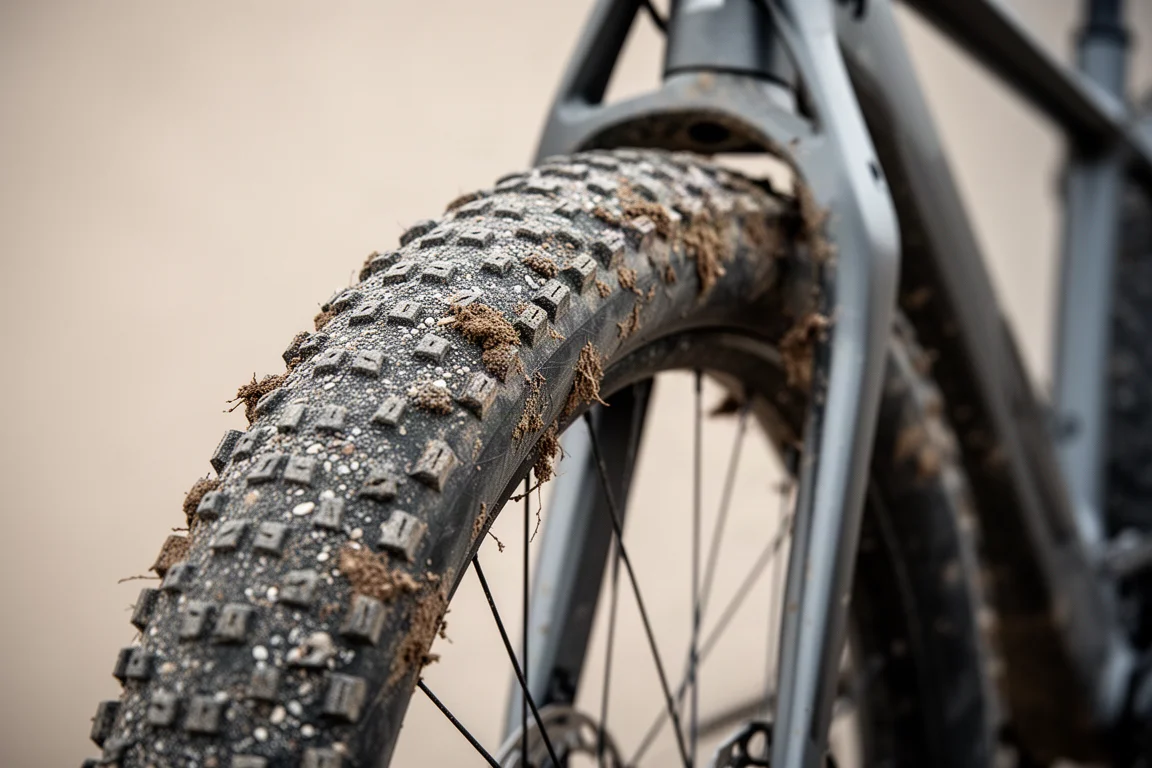
The single most useful number on a gravel bike specification sheet is tire clearance, meaning how large a tire the frame can physically accept. Older gravel and cyclocross frames were often limited to around 35mm, which is roughly what road bikes offer now. Modern gravel frames routinely go much wider.
More clearance buys more than one option. Bigger tires let you ride rougher surfaces with more control, run lower pressures for a smoother and more comfortable ride, and get more grip on loose surfaces such as sand or mud. A frame with generous clearance can always be fitted with smaller tires, but a frame with tight clearance can never take bigger ones. Frames with more room may give up a little aerodynamic efficiency compared with tight, race-oriented designs, which is a fair trade for most riders.
Clearance is usually quoted in millimeters, and some frames are rated for two wheel sizes. On modern drop-bar bikes that is most commonly 700c and 650b. The 650b wheel is smaller in diameter and usually allows slightly wider tires, but not every 700c frame is officially rated for 650b wheels, and fitting them may void the warranty. Check the frame documentation before assuming anything.
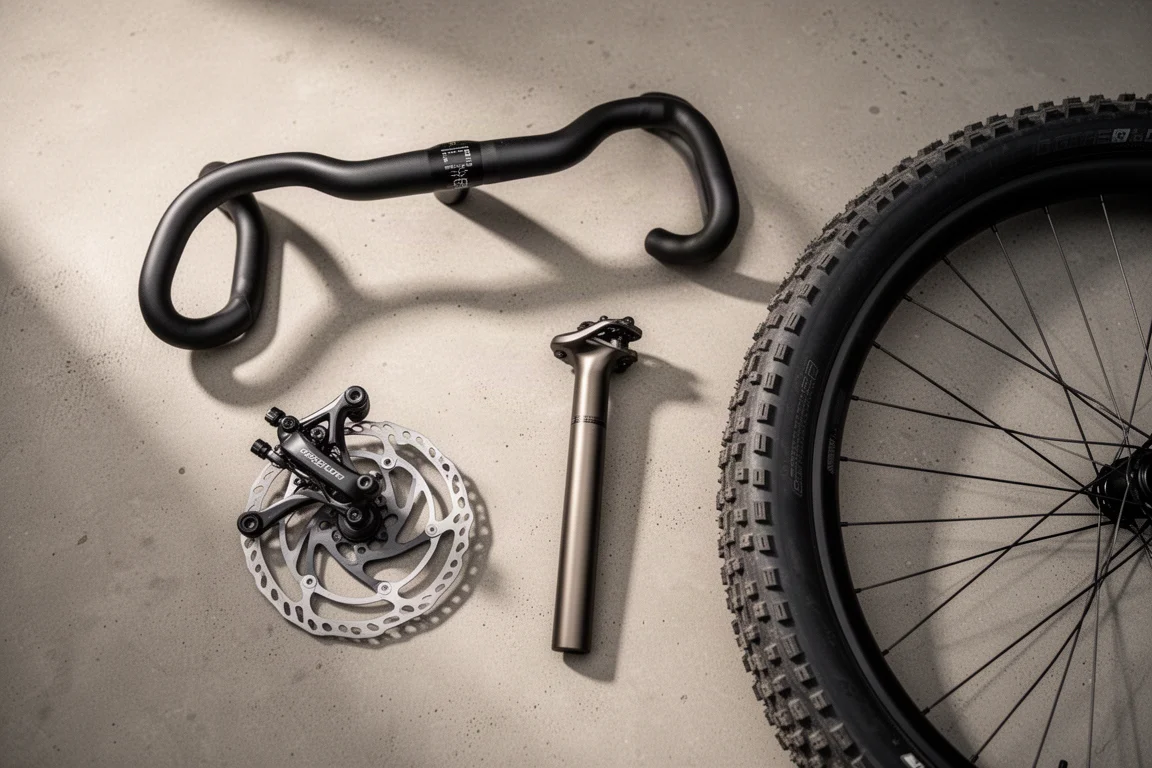
Two other details are worth checking before you buy. The first is the seatpost standard. A round seatpost can be swapped for a dropper post, while a proprietary shape such as a D-shaped aero post locks you into one brand and usually rules a dropper out entirely. A dropper lets you drop the saddle out of the way on technical terrain, which lowers your center of gravity and gives you room to shift your weight around. The second is the cockpit and steerer standard. A normal handlebar and stem can be rotated, replaced, or swapped for a suspension stem, while a one-piece bar and stem or an oversized eccentric steerer tube limits you to specific parts and makes servicing far more involved. On a mid-range or entry gravel bike, that flexibility is usually worth more than a marginal aerodynamic gain.
Hydraulic disc brakes deserve their own line. Most modern gravel bikes use disc brakes, but cable-actuated and hydraulic systems are not equal in performance. Hydraulic brakes are more powerful, and high-end versions can be operated with a single finger, which matters for riders with less grip strength and for anyone carrying loads while commuting, touring, or bikepacking.
Cannondale CAADX: A Cyclocross Bike Used as a Gravel Bike
The CAADX is a useful cautionary example. It is a cyclocross bike rather than a gravel bike, and its tire clearance tops out at 35mm, which is not enough for the surfaces most gravel riders seek out.
Cyclocross bikes are built for cyclocross racing. Tight frame angles and a high bottom bracket make them excellent for riding around tight corners at low speed and starting to pedal out of them without striking the ground. The same geometry makes them twitchy when you want to ride fast in a relatively straight line on loose ground.
This bike also came with cable-operated disc brakes, which on steep, rocky trails demanded a lot of hand strength to keep under control. Cable discs have improved since, but the experience is a reminder that the frame category matters as much as the component list.
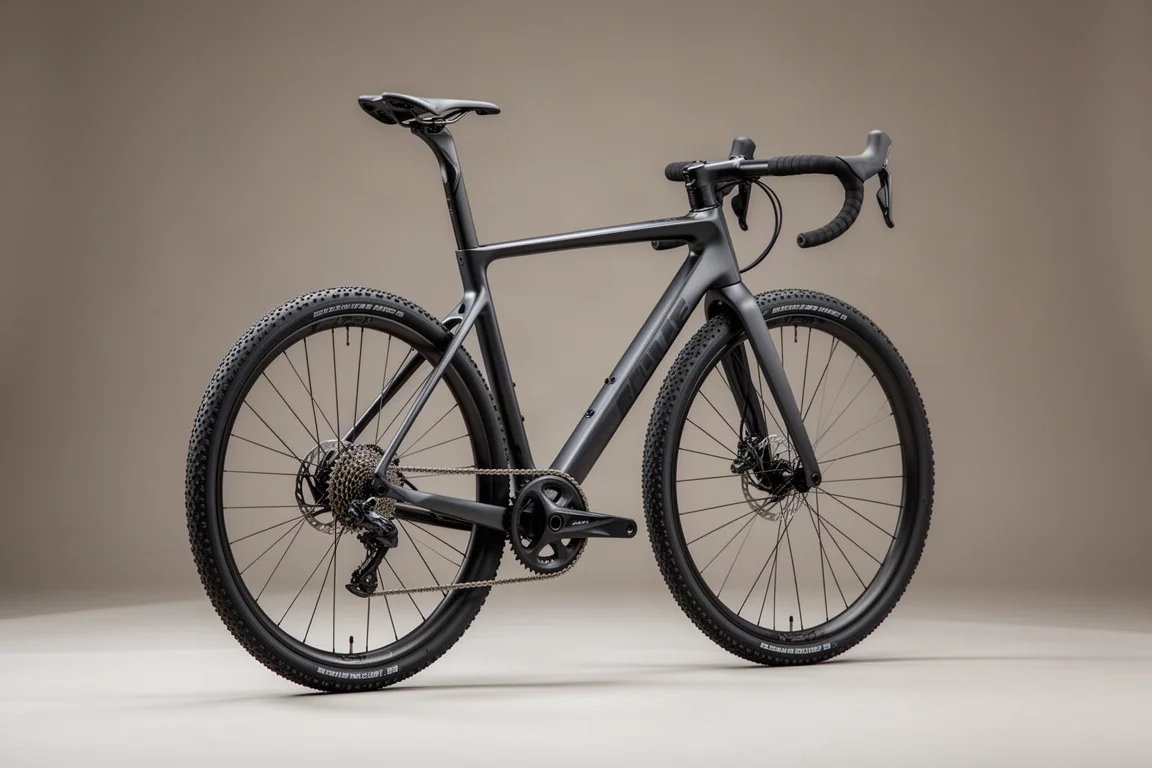
Scott Addict Gravel: Modern Clearance, Proprietary Seatpost
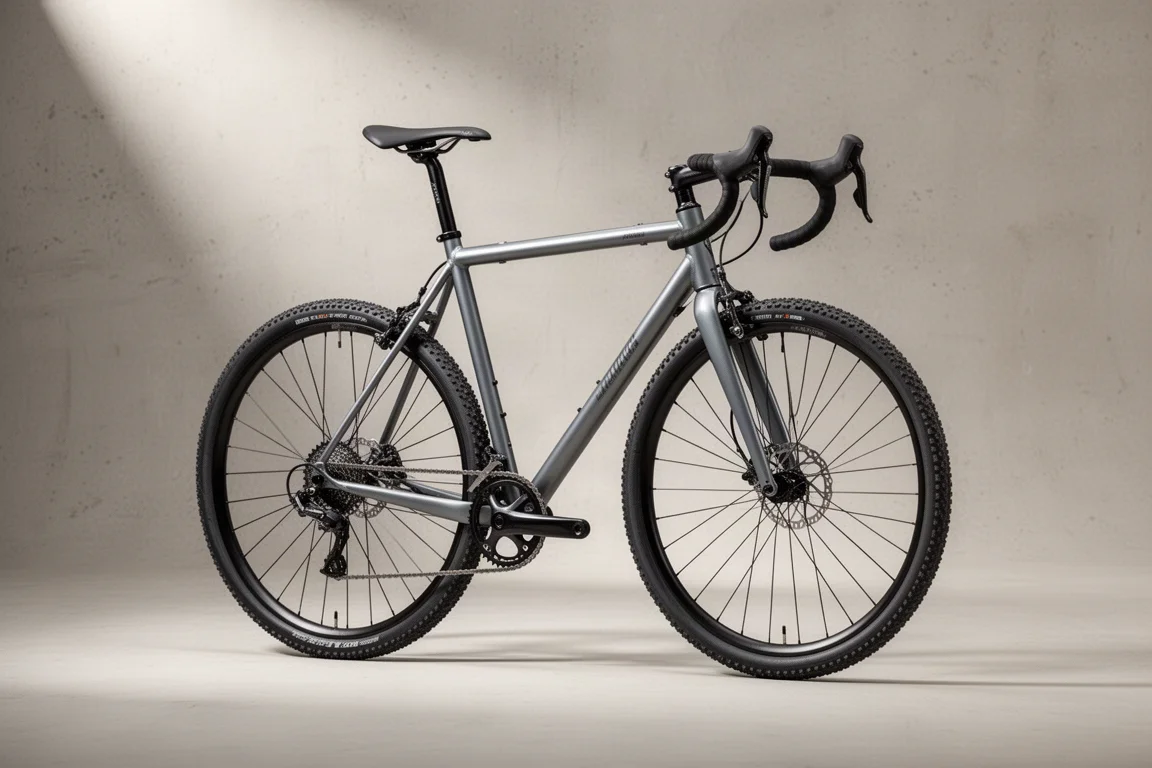
This is a much more modern gravel frame, with an official maximum tire clearance of 45mm. That is a big step up from 35mm and covers a wide range of gravel tires, though riders who push into rougher terrain often find themselves wishing for a little more. Running tires larger than the rated maximum can wear material on the inside of the chainstays, so treat the quoted figure as a real limit rather than a suggestion.
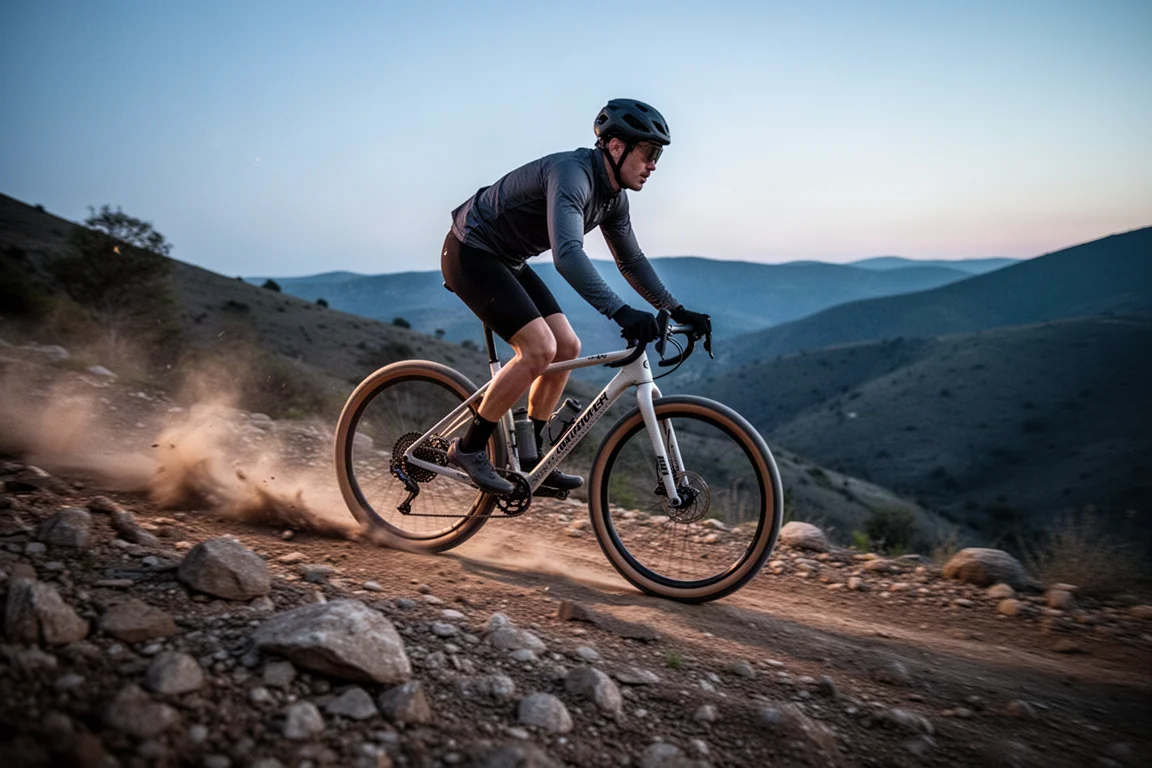
The D-shaped aero seatpost is the other thing to know about. It is secure and cannot accidentally be set up on the wonk, but it also means no other seatpost will fit, including dropper posts. That is a meaningful limitation on a bike that is otherwise well suited to technical terrain, because a dropper post is one of the most effective upgrades you can make to a gravel bike.
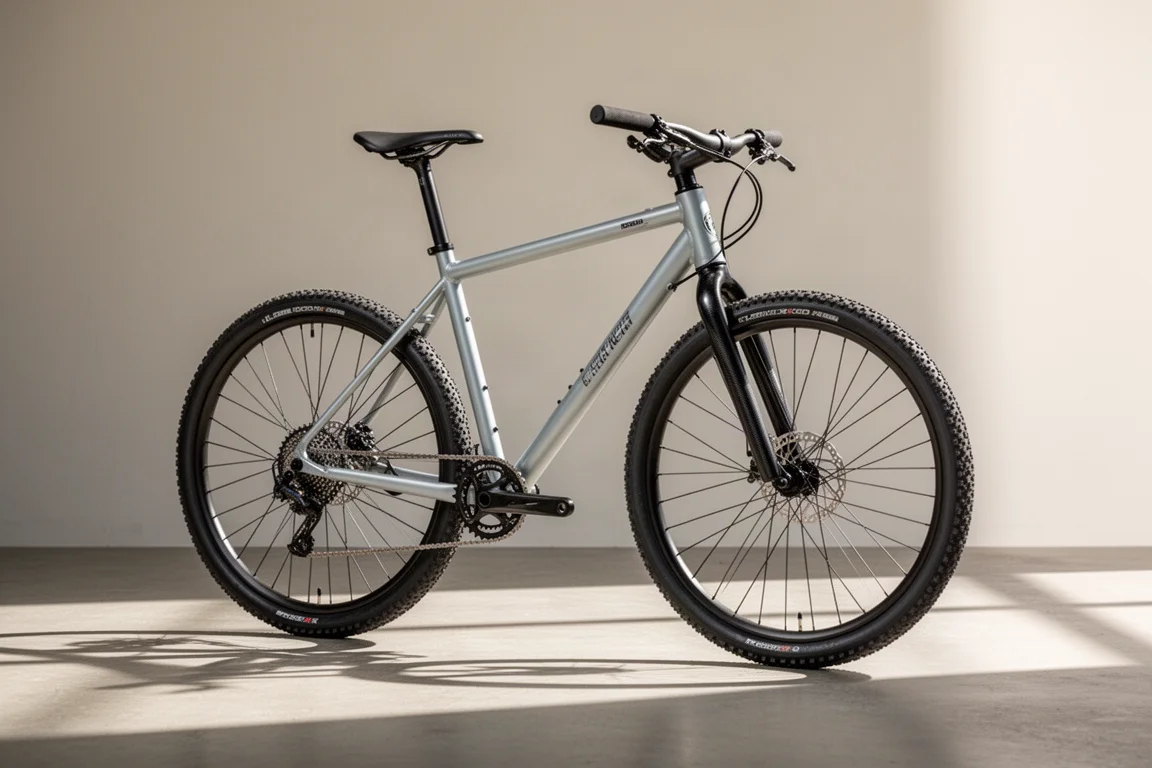
Scott Speedster Gravel: A Capable Alloy Option
The Speedster Gravel is a normal aluminium gravel bike in most respects, and a good one, which makes its fork detail more frustrating than it needs to be. From 2022 to 2026 the model uses a tapered carbon fork with a 1 1/4 inch to 1 1/2 inch eccentric steerer tube. That upper dimension is non-standard and oversized, so the stem has to be a specific model from the brand.
On a performance road bike, a narrower head tube and unusual standards can be justified as aerodynamic gains. On a mid-range or entry-level gravel bike, the trade-off rarely pays off. Gravel riding tends to involve more adjusting and swapping of parts than road riding, and proprietary cockpit dimensions make that harder rather than easier.
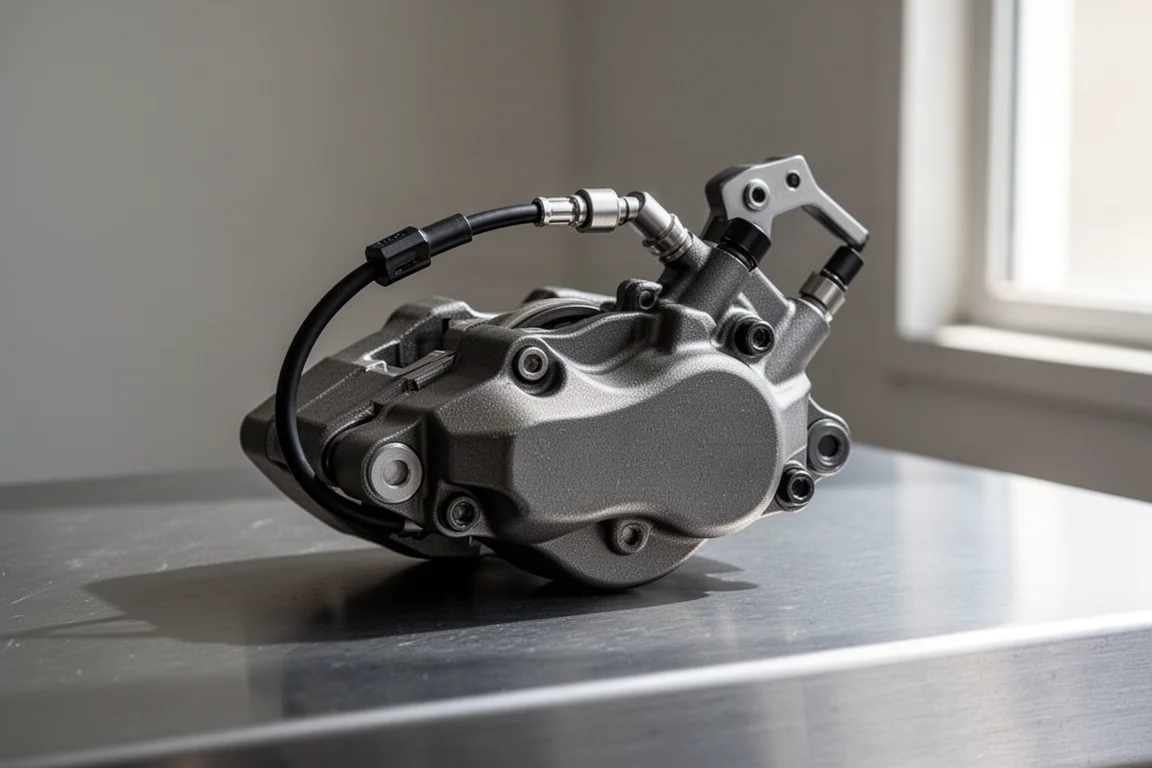
TRP HyRd: Cable-Operated Hydraulic Braking
Full hydraulic brakes are the goal, but they are also more expensive, and upgrading a bike that came with cable discs normally means replacing levers, hoses, and calipers. TRP HyRd calipers offer a middle path: they contain hydraulic fluid and are operated by a standard cable and mechanical lever.
That hybrid arrangement gets much closer to full hydraulic power than a purely mechanical caliper, for a lot less money, and because it works with existing mechanical levers it will often fit a bike that already has cable disc brakes. Compatibility should still be checked carefully before buying, and the result is not identical to a full hydraulic system, but for riders on a tight budget it is one of the more sensible upgrades available.
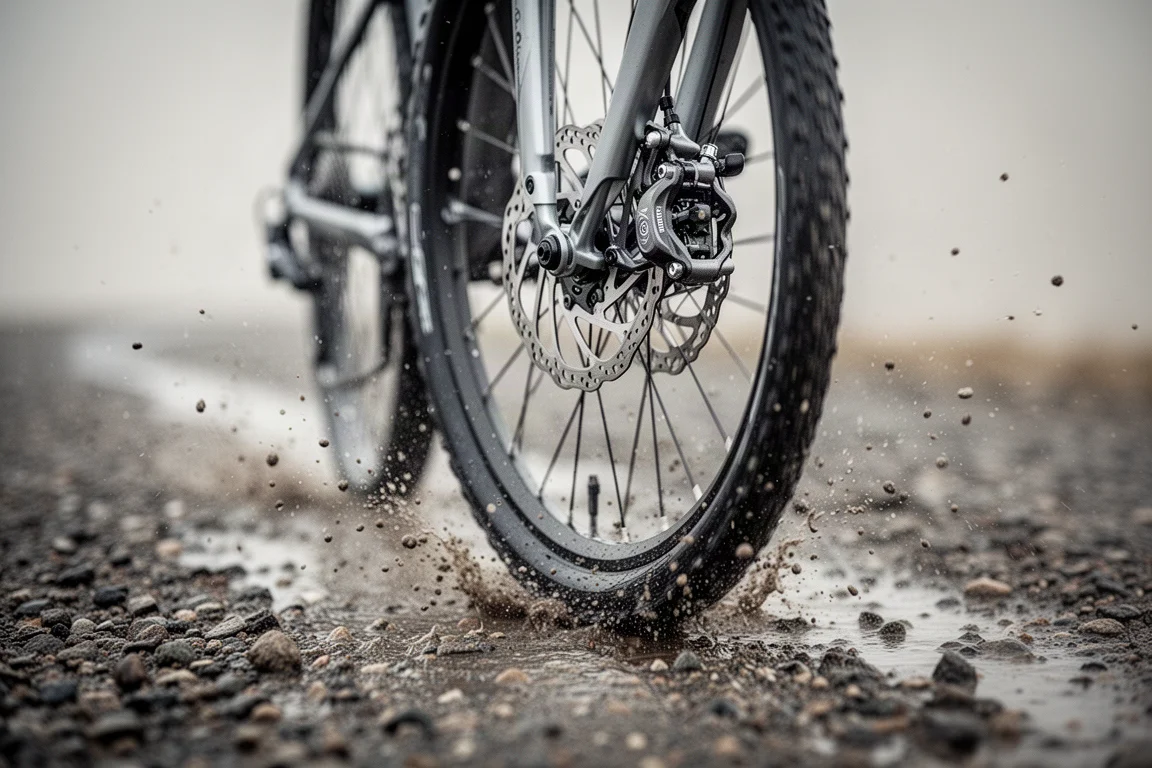
For anyone carrying loads, whether commuting, touring, or bikepacking, stronger braking is not a luxury. A loaded bike takes more effort to slow down, and braking confidence is what makes a long day on mixed surfaces enjoyable rather than exhausting.
Cannondale SuperX: A Racing Gravel Bike
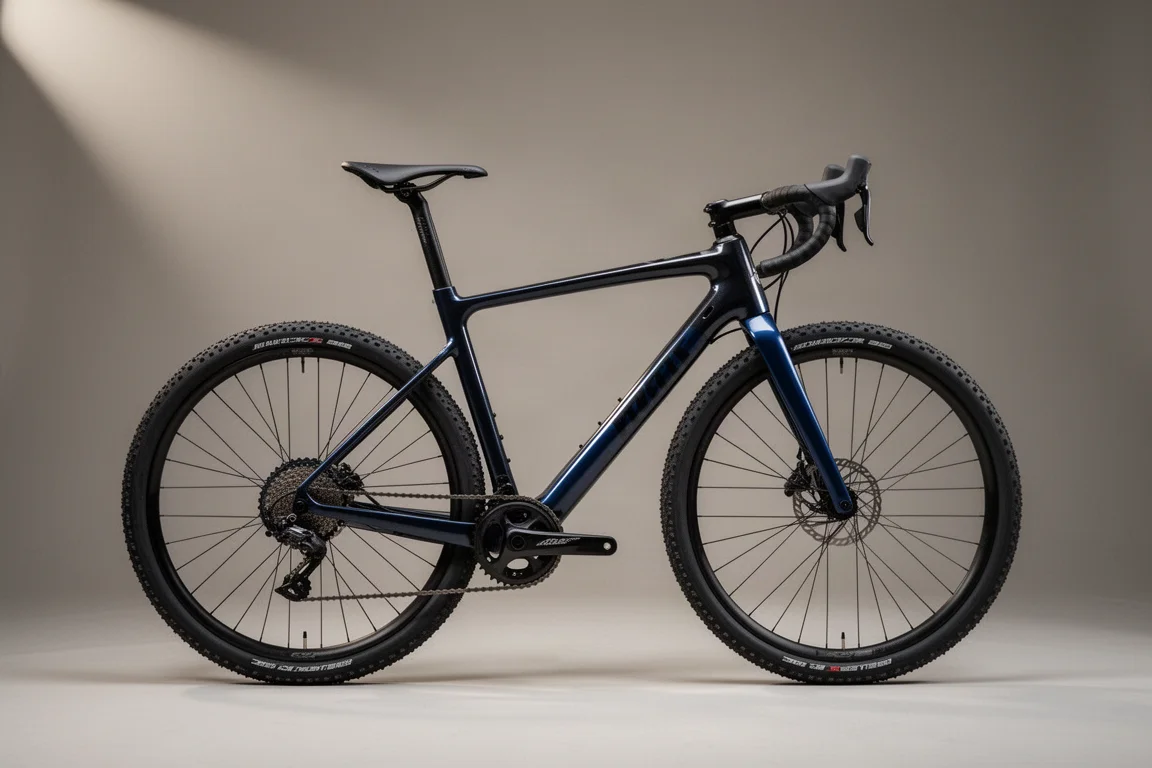
The SuperX is a racing gravel bike, and it is unapologetic about it. The frame is long and low, closer in feel to an aero carbon road bike with slightly knobby tires than to a general-purpose gravel machine. Tire clearance is actually quite generous for a race-focused frame.
That makes it excellent at going fast and less suited to everything else. You could ride it across a country over three weeks, but a less aggressive frame with more mounting options, and possibly suspension and a dropper post, would be the better tool for that job. Bikes like the SuperX are niche by design, which is fine as long as the niche is where you actually ride.
Versatile or Specialist: How to Choose
The hardest question is not which bike is best but what kind of riding you will really do. Gravel bikes now span a wide range, from race machines to loaded touring platforms, and the right answer depends on which end of that range you spend most of your time.
A useful target for most riders sits in the middle: a racy frame, ideally carbon, with very large tire clearance of at least 50mm, a round seatpost so a dropper can be fitted, and a normal handlebar and stem so the cockpit can be adjusted. That combination stays fast while remaining easy to live with. A shorter stem can be swapped in for a long ride, or an alloy bar fitted if you need to clamp luggage to the front.
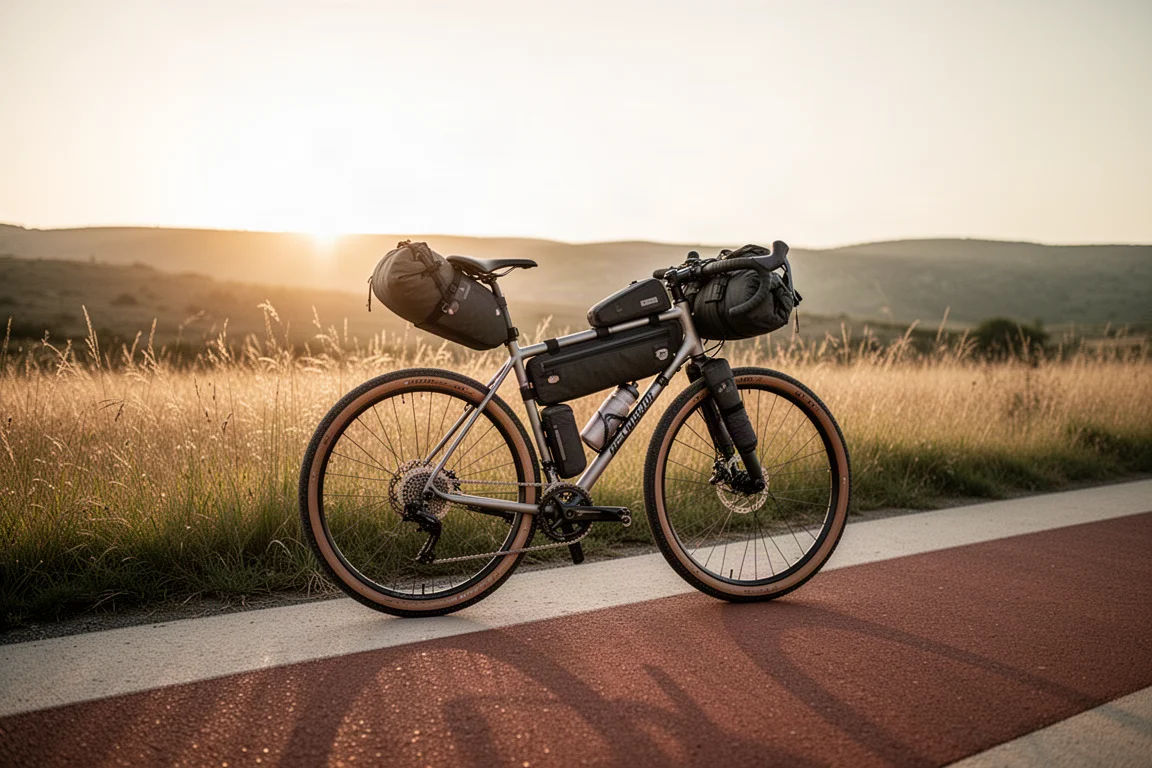
Specialist bikes still make sense when they match a genuine focus. If your season revolves around cyclocross racing, a cyclocross bike is the right purchase, and a handful of true cyclocross models are still available. If you are chasing results on fast gravel courses, an aggressive race frame earns its keep. Most riders, though, will get more use and more enjoyment out of something in between.
Conclusion
The most expensive mistakes in gravel bikes are rarely about components. They are about clearance, standards, and intended use. Prioritize a frame that accepts the tires you want to ride, avoid proprietary parts that block dropper posts and cockpit changes, and stretch to hydraulic braking if the budget allows, with a cable-operated hydraulic caliper as a sensible middle step.
Then match the bike to the riding you actually do, not the riding you imagine. A versatile frame with generous clearance and standard parts will serve more riders well than any single-purpose machine.
Further reading
Related Reviews
Gravel Bikes
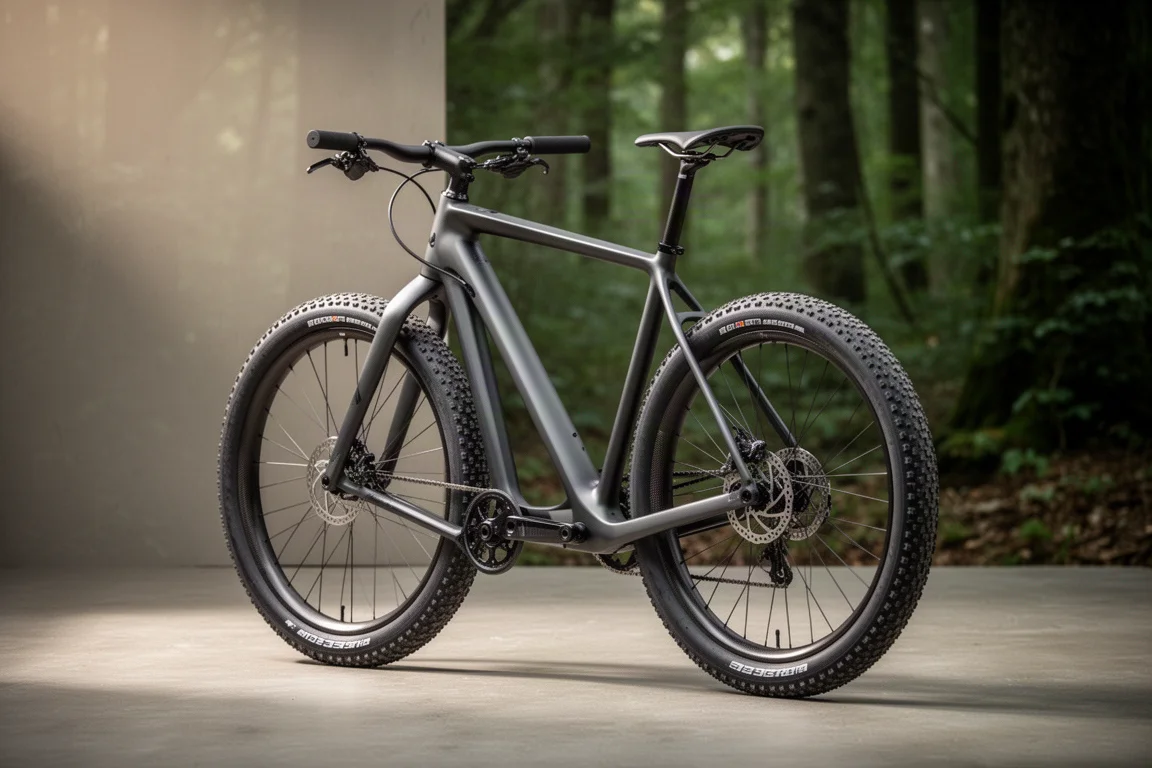
3T Exploro Ultra Review: A Fast Gravel Bike Built for Big Tyres
A close look at the 3T Exploro Ultra, an aero carbon gravel bike designed around wide tyres, with road-like handling, a 980 g frame and genuine rough-terrain capability.
Gravel Bikes
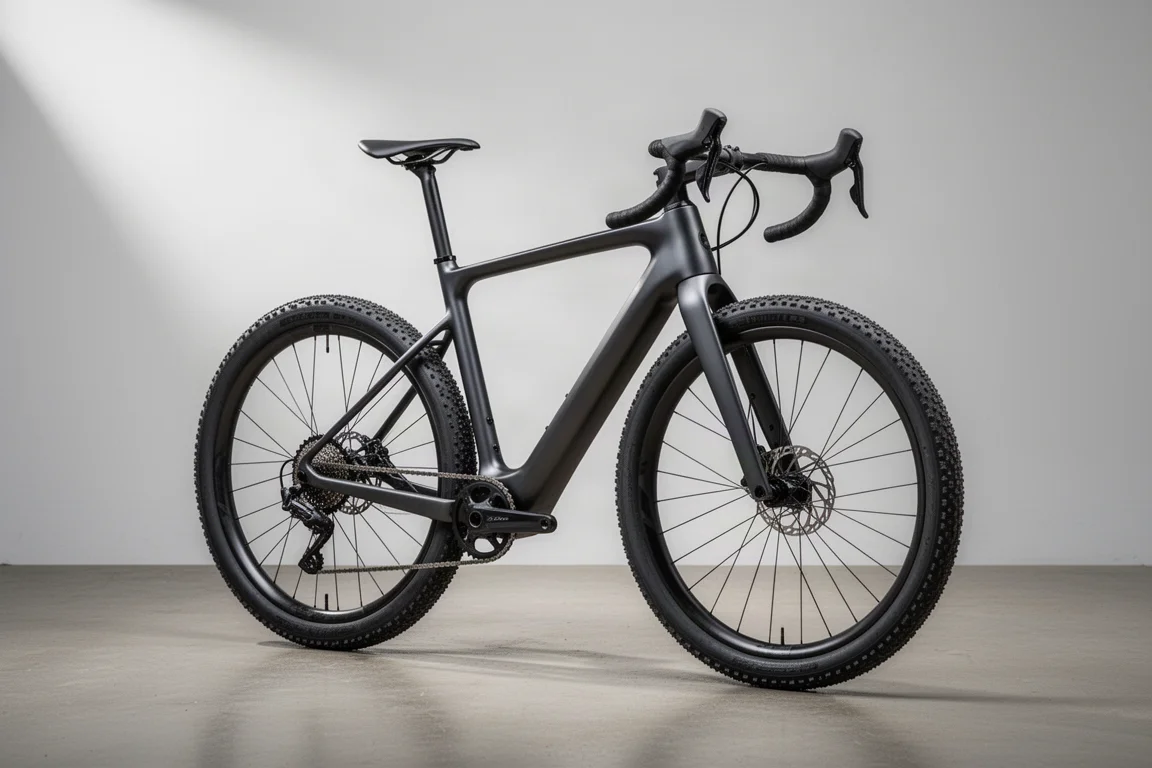
3T Extrema Italia Review: Aero Gravel Speed With Room for 57 mm Tires
The 3T Extrema Italia pairs an aero frame with huge tire clearance, Italian-made carbon and a more comfortable ride than the RaceMax. Here is what to know before buying.
Gravel Bikes
3T Race Max 2 Italia Review: An Aero Gravel Race Bike Made in Italy
A closer look at the second-generation 3T Race Max 2 Italia, covering its aero updates, ride character, tire clearance, internal storage and who it suits.