Gravel Bikes
Gravel Bike Buying Guide: Five Bikes and Brakes Worth Knowing Before You Buy
A practical look at tire clearance, seatpost and steerer standards, brake type and geometry, using five real gravel bikes and one smart brake upgrade as examples.
Introduction
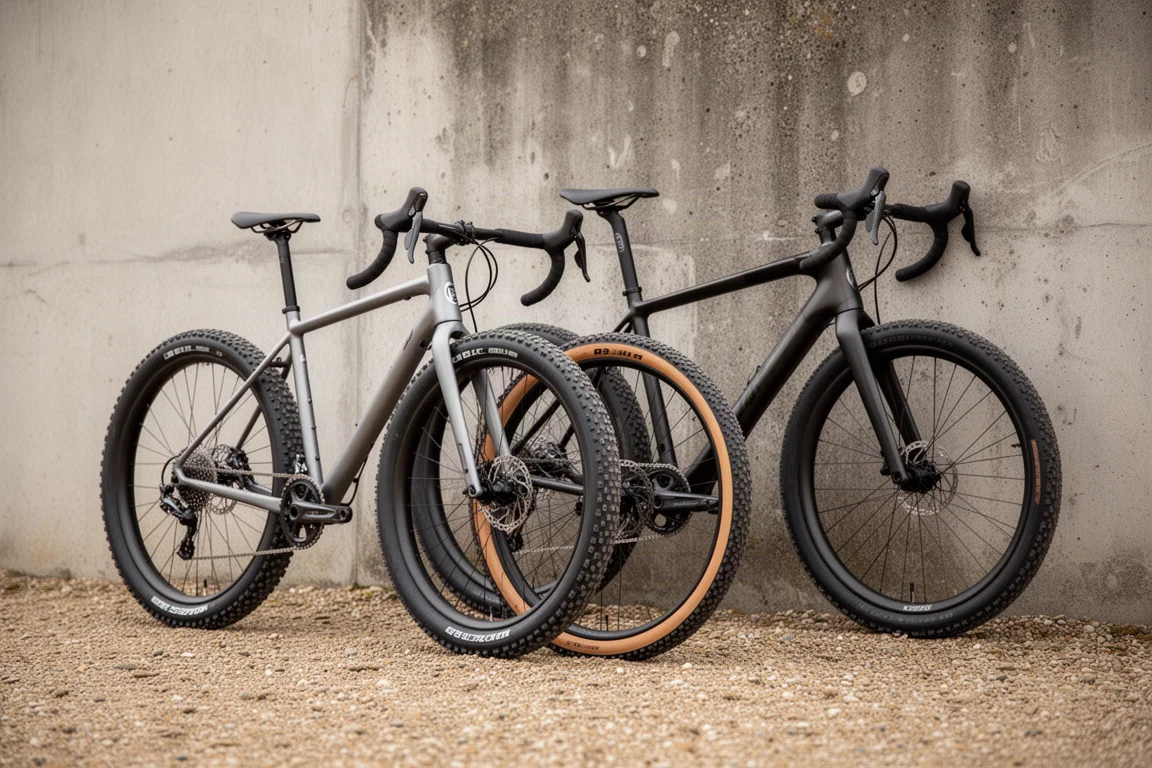
Gravel is a loose term. One gravel bike can be a light, low racing machine built around narrow knobbly tires, and another can be a relaxed alloy workhorse that swallows wide rubber and accepts a dropper post. They share a label and very little else.
That stretch of the category is exactly why so many first gravel purchases end up slightly wrong. A few seasons of buying and riding different bikes make the useful criteria much clearer: tire clearance, seatpost standards, steerer and cockpit standards, brake type, and how much adjustability a frame leaves you. The five products below illustrate each of those points in practice.
Tire Clearance and Versatility
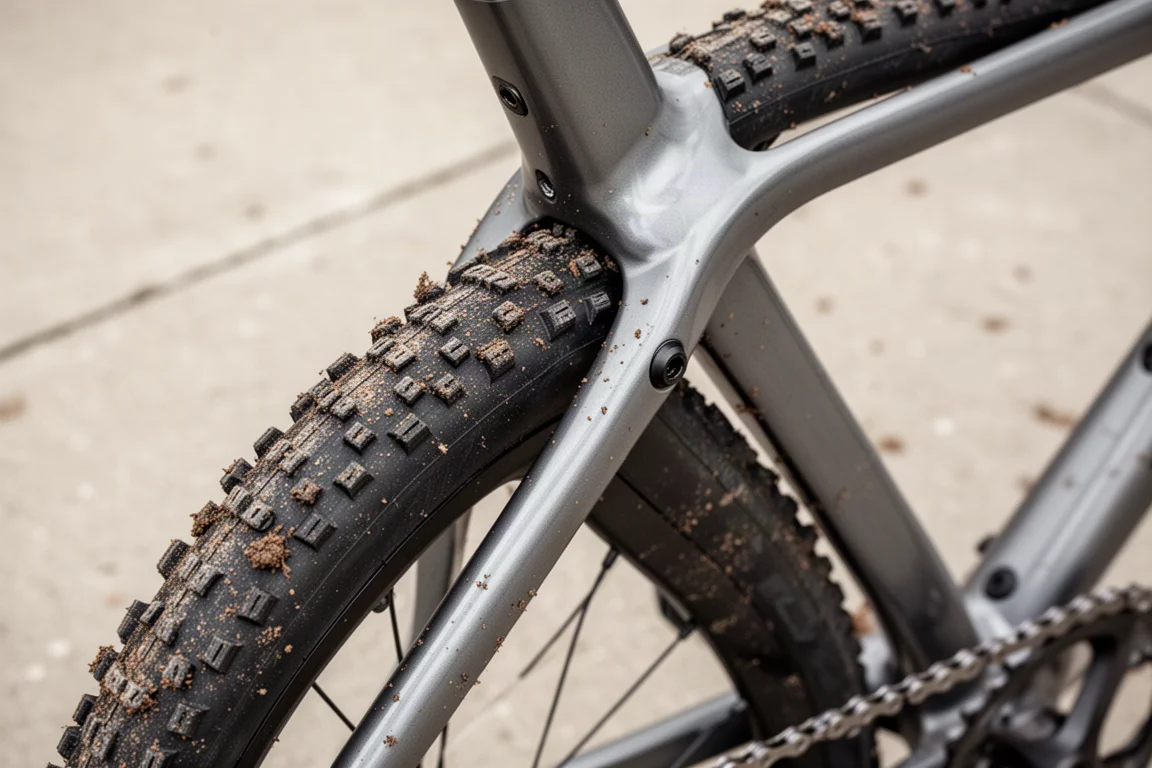
Tire clearance means how big a tire the frame and fork can physically accept. It is usually quoted in millimeters on product pages, and it is the single most useful number to check first. A frame that maxes out at 35 mm sits at the same figure many modern road bikes now offer, and it leaves no room for the surfaces that make gravel riding interesting.
More clearance brings real benefits. Bigger tires let you ride rougher surfaces with more control, run lower pressures for a smoother and more comfortable ride, and find more grip on loose ground such as sand or mud. A frame with generous clearance can always be fitted with smaller tires, while the reverse is not possible.
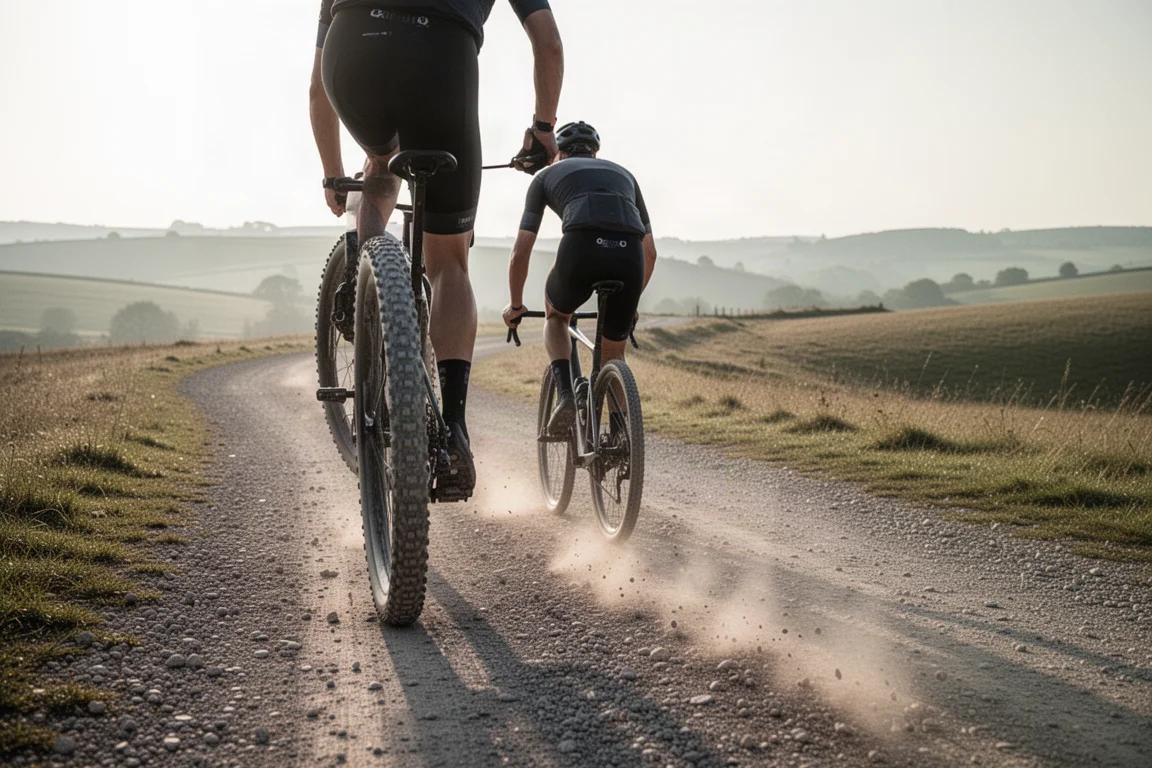
Clearance also interacts with wheel size. Modern drop bar bikes are often rated for 700c and 650b, and the smaller 650b diameter usually allows slightly wider tires. Not every 700c frame is officially rated for 650b wheels, though, and fitting them can void a warranty, so check the frame specification before assuming.
Frame storage is a quieter advantage, and it is easy to underestimate until you have lived with it. Compartments inside the frame, or even in the ends of the handlebars, keep tools and spares out of the way. That matters more on gravel than on road bikes, because gravel rides generally involve more gear and the inner tubes are bigger.
Droppers, Proprietary Parts and Brake Feel
Three smaller details decide how much a gravel bike can grow with you.
A dropper seatpost does exactly what its name suggests. It lowers the saddle on demand so you can shift body weight, drop your center of gravity and move around on technical terrain without the saddle getting in the way. Dropper posts started on mountain bikes, and they are now a common gravel upgrade. Externally routed droppers fit almost any frame with an outer cable run to a handlebar lever. Neat internally routed droppers need ports in the frame, and wireless options exist for riders who want no cables at all.
Proprietary parts are the opposite of that flexibility. A D-shaped aero seatpost means no other seatpost will fit, including a dropper. A non-standard steerer tube means stems have to come from one supplier. A one-piece bar and stem makes rotating the bars or fitting a suspension stem impossible, and servicing internally routed one-piece cockpits is far more work than a two-piece setup. On a mid-range gravel bike ridden in poor conditions, that servicing burden adds up quickly.
Brakes matter just as much. Cable disc brakes pull a cable to close the caliper, while hydraulic brakes push fluid through a hose for a much more powerful and consistent feel. Cable discs have improved, but they remain some way behind hydraulic systems. High-end hydraulic brakes can be operated with a single finger, which matters for riders with less grip strength and for anyone riding a loaded bike on a commute, a tour or a bikepacking trip.
Flared handlebars split opinion. Wide drops give you room for a bigger handlebar bag but feel like a parachute when you get down on them. A conventional road bend is a perfectly reasonable choice on a gravel bike.
Cannondale CAADX: A Cyclocross Bike in Disguise
The Cannondale CAADX is a useful cautionary example, because it is a cyclocross bike rather than a gravel bike. Its tire clearance stops at 35 mm, and it came with cable disc brakes.
Cyclocross geometry is built for a different job. Tight frame angles and a high bottom bracket make it sharp around slow, tight corners and let you pedal out of them without striking the ground. The trade-off is stability at speed in a straight line, which is exactly the kind of riding most gravel riders actually do. Riding a bike like this down steep, rocky trails becomes a test of grip strength rather than a pleasure, and long descents force stops to rest tired arms.
If cyclocross racing is your priority, a cyclocross bike remains the right tool. If it is not, the CAADX shows what a narrow clearance figure and an older brake specification cost you.
Riders who want one bike for mixed surfaces are better served elsewhere, but for cyclocross duties it still does the job it was designed for.
Scott Addict Gravel: Modern Clearance, Proprietary Seatpost
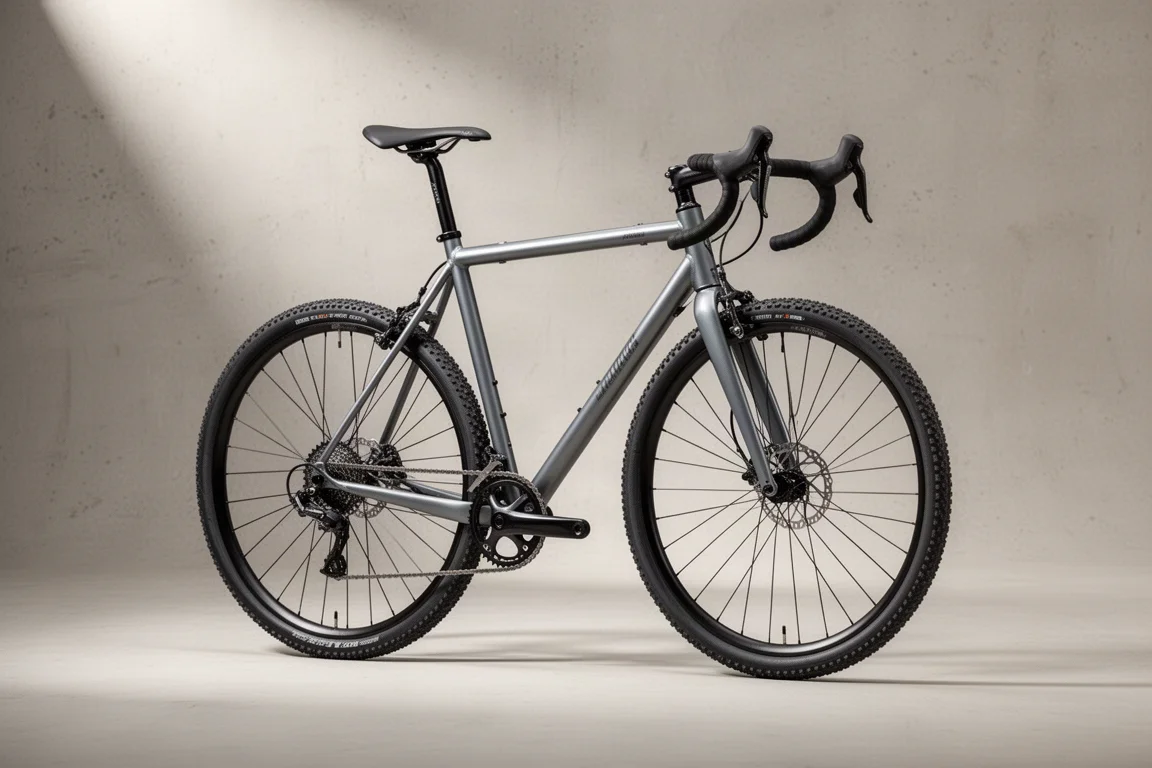
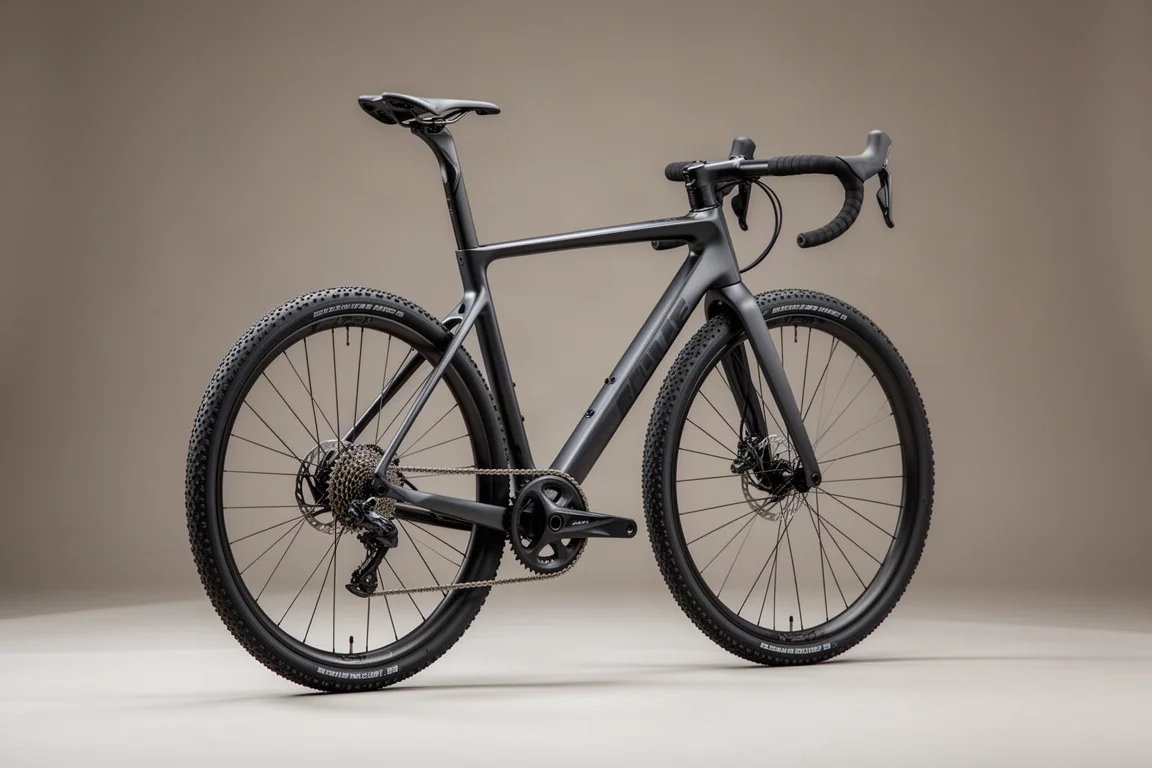
The Scott Addict Gravel is a much more modern gravel frame with an official maximum tire clearance of 45 mm, and even that can feel a little tight when conditions turn muddy. Running tires beyond the rated limit can rub material away inside the chainstays, so the official figure is worth respecting.
The bigger practical limitation is the proprietary D-shaped aero seatpost. It is a tidy design that removes any chance of setting the saddle up crooked, but nothing else fits in that frame, including a dropper post. For a rider who wants to lower the saddle on technical descents, that is a meaningful loss of capability.
Clearance of 45 mm is a reasonable starting point, and the frame handles mixed surfaces well. Riders who know they want a dropper should weigh that seatpost standard heavily before choosing this frame.
Scott Speedster Gravel: A Proper Alloy Gravel Bike
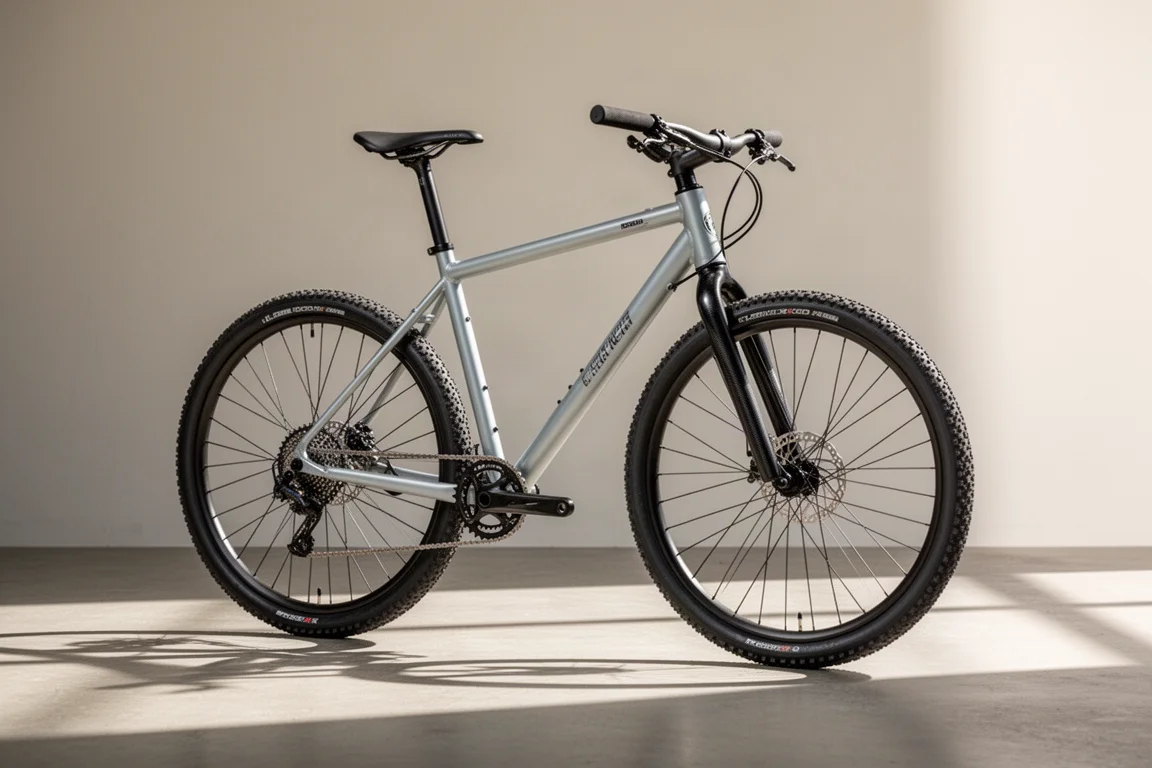
The Scott Speedster Gravel is a straightforward aluminium gravel bike, and on the surface it looks free of the quirks that make some frames hard to live with. It largely is, with one exception: the fork.
The 2022 to 2026 Speedster Gravel uses a tapered carbon fork with a 1-1/4 inch to 1-1/2 inch eccentric steerer tube. It is non-standard and oversized, and the upper dimension requires a specific stem. Narrower head tubes make sense on performance road bikes chasing aerodynamic gains, but this is a mid to entry level gravel bike, and the same reasoning does not really apply here.
There is nothing wrong with how the bike rides. The issue is what happens later, when you want a different stem length, a different bar, or a suspension stem for rough ground. If you tend to leave your setup well alone, this is a fine alloy gravel bike. If you like adjusting things, a standard steerer will serve you better.
Cannondale SuperX: A Racing Gravel Bike
The Cannondale SuperX sits at the specialist end of the category. It is long and low, closer to an aerodynamic carbon road bike with slightly knobbly tires than to a general purpose gravel machine, and its tire clearance is genuinely generous.
That shape makes it fast. It also makes it a narrower proposition than a versatile all-rounder. A rider could cross a country on one over three weeks, but a less aggressive frame with more mounting points, and perhaps room for suspension and a dropper, would be the more sensible choice for a trip like that.
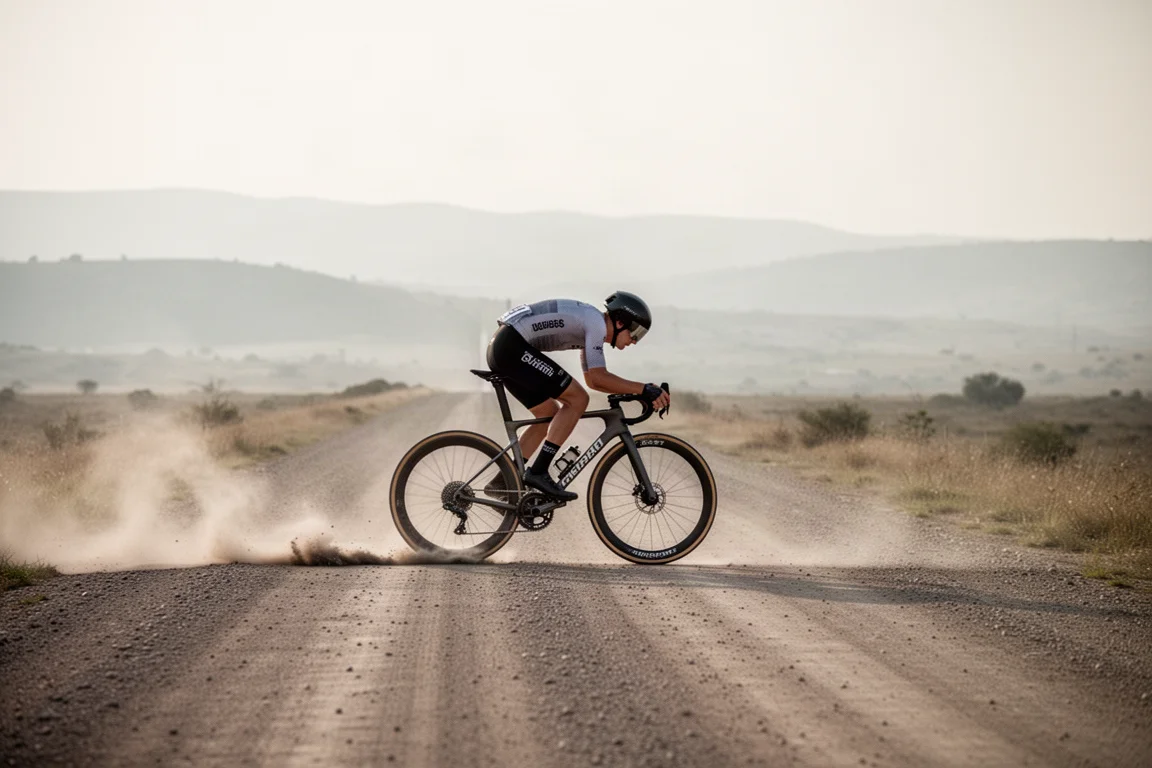
For gravel racing and fast, short efforts, the SuperX makes a lot of sense. For everything else, it is a reminder that the fastest gravel bike is not automatically the best gravel bike for you.
TRP HyRd: Hydraulic Power for Cable Brake Bikes
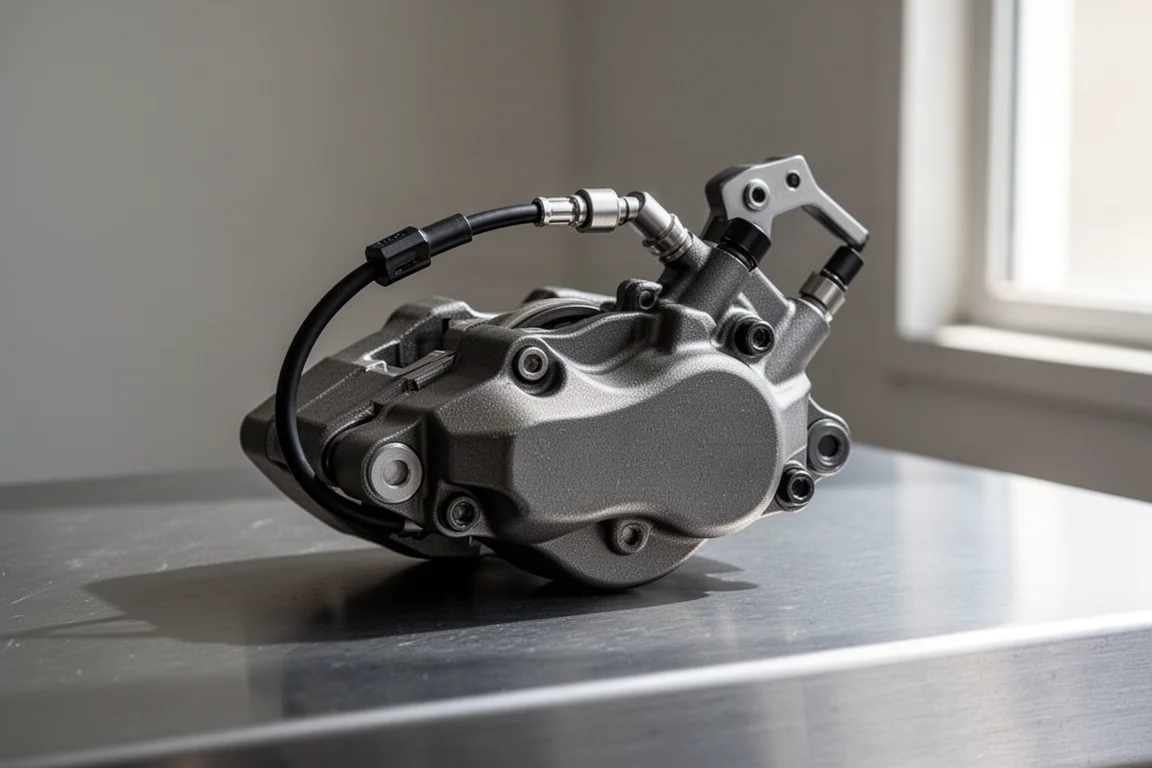
The TRP HyRd is a hybrid brake caliper, and it is one of the most useful upgrades on this list. The caliper holds hydraulic fluid, but it is operated by a cable and a regular mechanical lever at the handlebar.
That combination brings the feel much closer to a full hydraulic setup than a standard cable disc brake, for a lot less money, and it will usually fit a bike that already runs cable discs. For riders on a tight budget, it is a sensible way to close the biggest gap in braking performance without replacing an entire groupset.
Compatibility is the main thing to check. Other brands make similar hybrid calipers and specifications vary, so confirm the caliper matches your frame, rotor and lever before buying.
Overall Buying Advice
If you are choosing a gravel bike now, work from the outside in.
Start with tire clearance. Aim higher than you think you need, ideally at least 50 mm, because it costs you very little and buys flexibility for mud, sand and rough tracks. Confirm which wheel sizes the frame is officially rated for before planning a 650b build.
Then check the standards. A round seatpost keeps dropper posts on the table. A normal bar and stem lets you change stem length, rotate the bars, fit a suspension stem, or swap in an alloy bar when you need to clamp luggage to the front. Those small decisions keep a bike useful for years.
Finally, budget for brakes. Hydraulic discs are the target, and a hybrid caliper such as the TRP HyRd is the sensible compromise if the budget will not stretch that far.
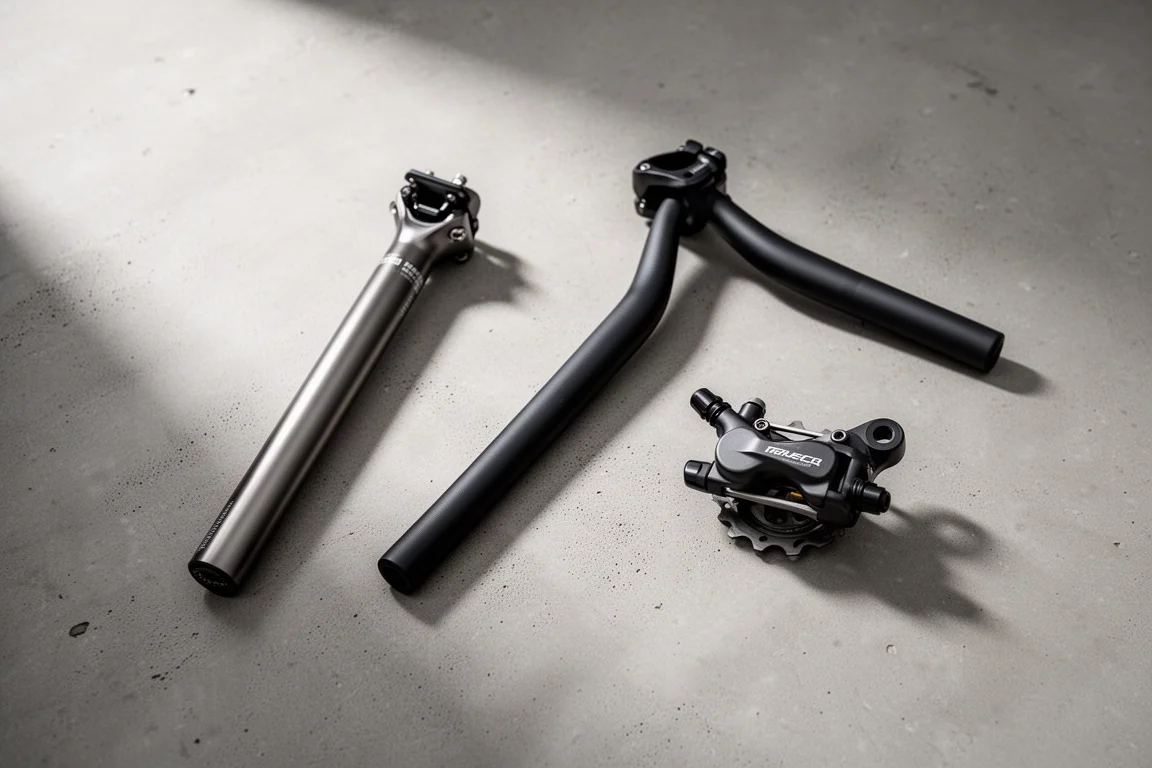
A racy carbon frameset with generous clearance, a round seatpost and a conventional cockpit covers a very wide range of riding, and it stays adjustable as your riding changes. That combination of a light, quick frame with genuinely practical standards is the sweet spot worth hunting for.
Conclusion
Most gravel buying mistakes come down to standards rather than performance. Tire clearance, seatpost shape, steerer size and brake type decide how a bike fits your riding now and how easily it can be adapted later. Get those four right and the rest of the specification matters far less.
Aim for generous tire clearance, keep your options open on the seatpost and cockpit, and stretch to hydraulic braking if you can. That combination is worth more than any single headline component.
Further reading
Related Reviews
Gravel Bikes
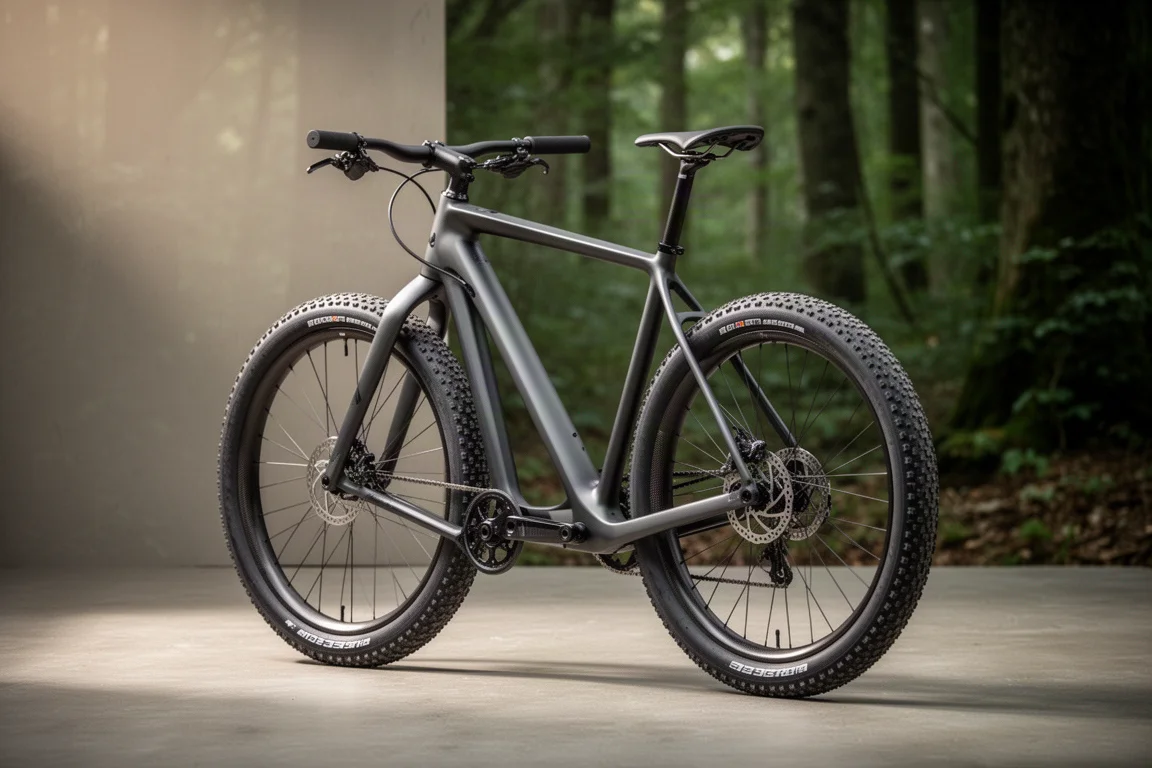
3T Exploro Ultra Review: A Fast Gravel Bike Built for Big Tyres
A close look at the 3T Exploro Ultra, an aero carbon gravel bike designed around wide tyres, with road-like handling, a 980 g frame and genuine rough-terrain capability.
Gravel Bikes
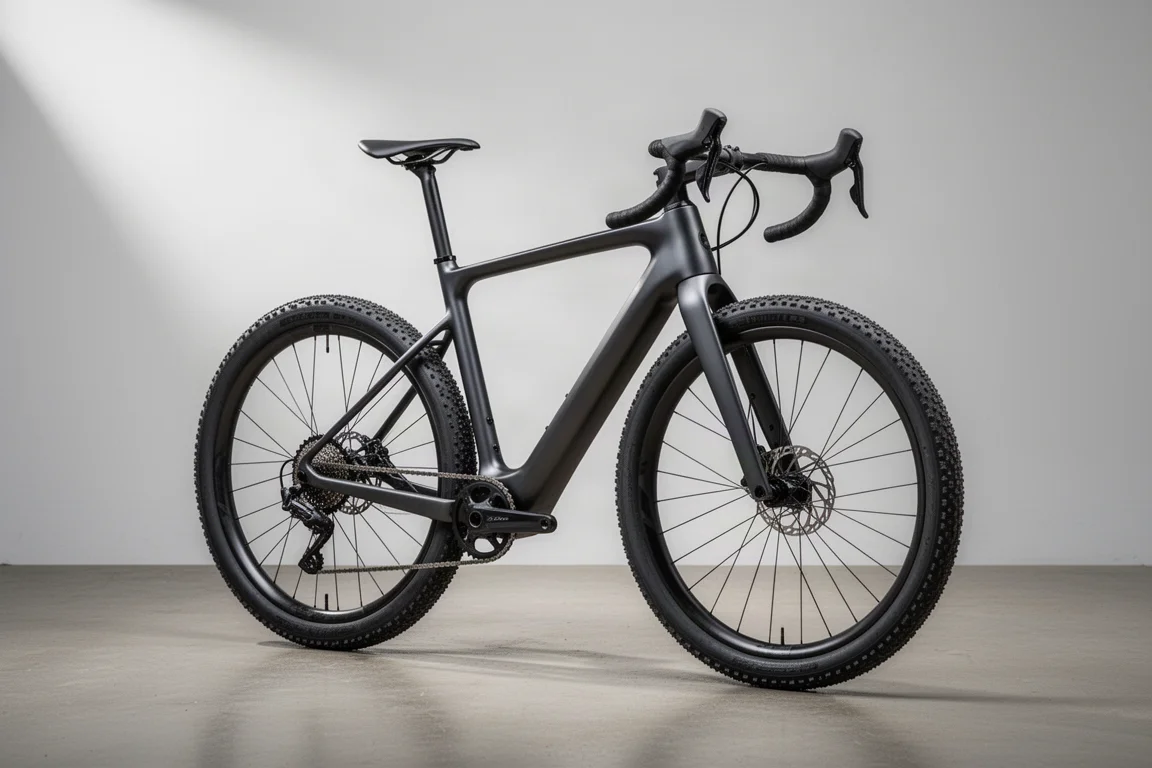
3T Extrema Italia Review: Aero Gravel Speed With Room for 57 mm Tires
The 3T Extrema Italia pairs an aero frame with huge tire clearance, Italian-made carbon and a more comfortable ride than the RaceMax. Here is what to know before buying.
Gravel Bikes
3T Race Max 2 Italia Review: An Aero Gravel Race Bike Made in Italy
A closer look at the second-generation 3T Race Max 2 Italia, covering its aero updates, ride character, tire clearance, internal storage and who it suits.