Camera Batteries
GoPro Enduro Battery Review: How It Handles Extreme Cold
A close look at the GoPro Enduro battery, including how it behaves in deep sub-zero cold compared with the standard GoPro battery.
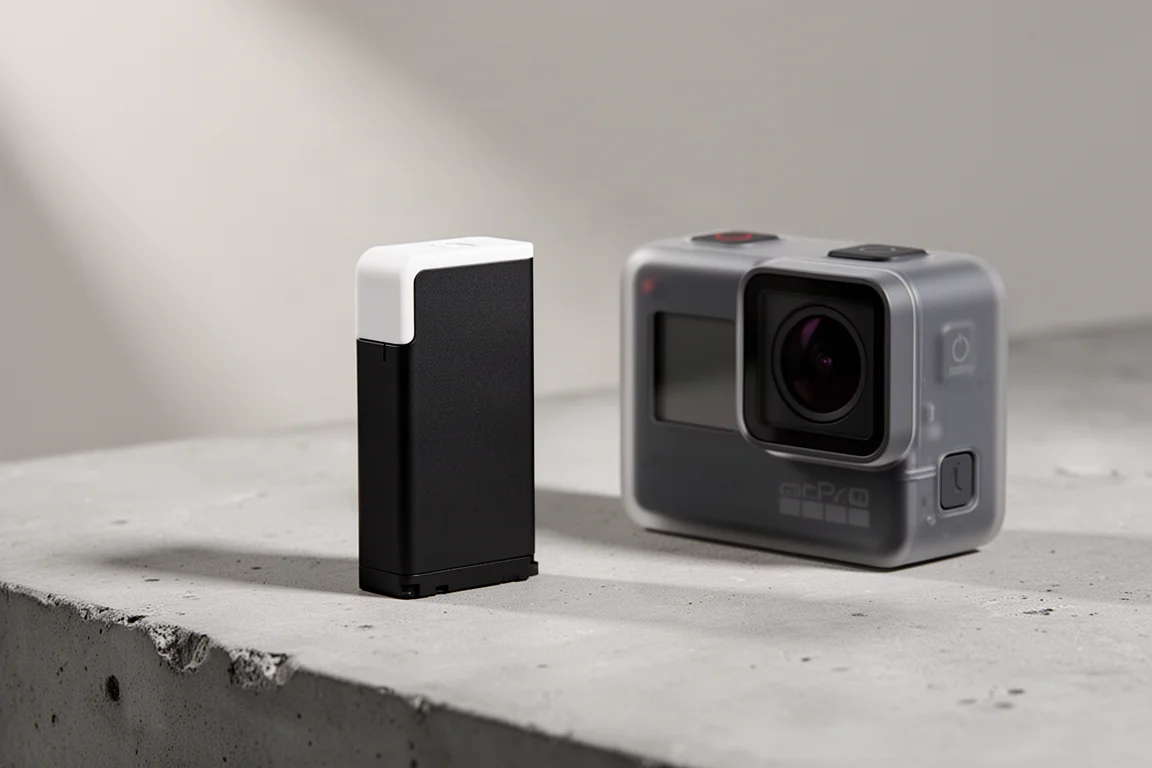
Introduction
Cold weather has long been the weak point of action camera batteries. Once temperatures drop below roughly -10°C, standard packs often refuse to power a camera on, and footage is lost exactly when the conditions are most interesting. GoPro’s Enduro battery is positioned to address that, with a promise of improved performance at and below -10°C.

This review looks at what the Enduro battery actually delivers in deep cold, how it differs from the standard GoPro battery, and whether the small price difference between the two is worth paying.
Who this product is for
The Enduro battery is aimed at anyone who films in genuinely cold conditions: skiers, snowshoers, winter campers, and anyone whose camera tends to shut down partway through a sub-zero day. The difference matters most below -10°C, where standard GoPro batteries regularly fail to start a camera at all.
It is not only a winter product. The Enduro is also a straightforward replacement for a standard GoPro battery in normal temperatures, so it makes sense as a default spare for year-round shooting as well.
Main strengths
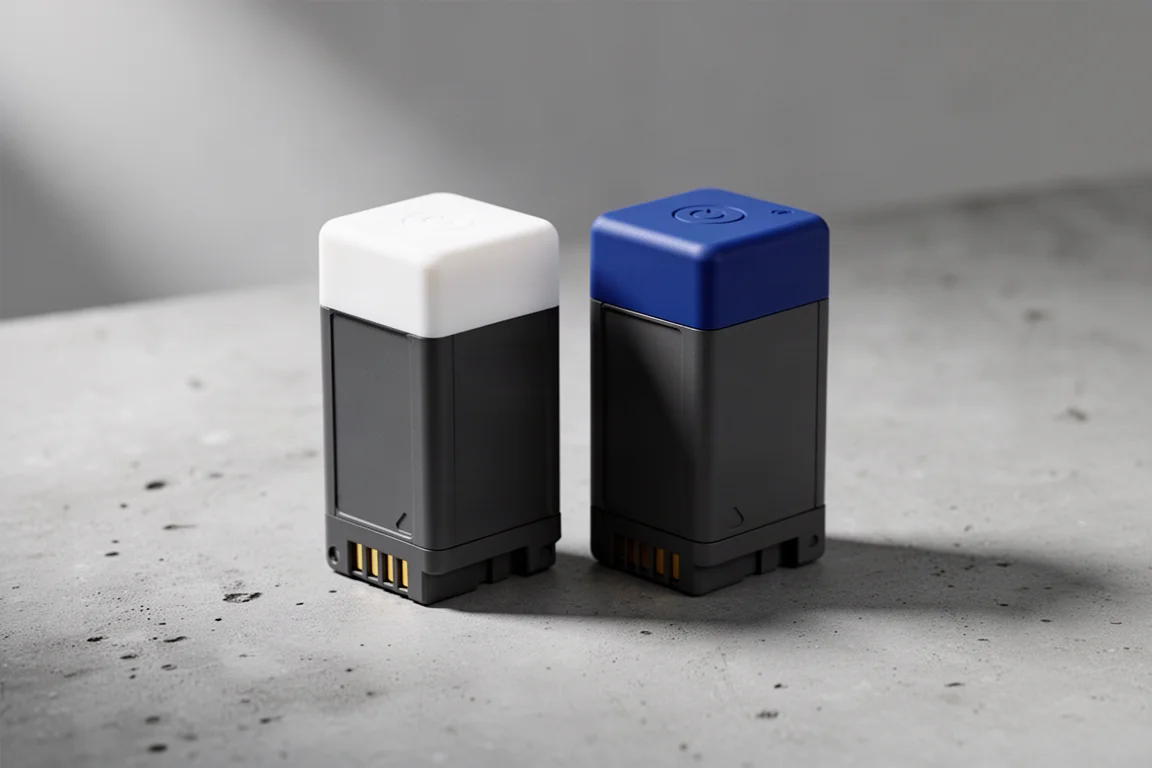
The Enduro battery keeps the same physical size as the standard GoPro battery, and the same 1720 mAh capacity, which means it fits existing cameras and chargers without any change. GoPro has not detailed the technology behind the improved cold performance, but the practical difference is easy to spot. The clearest visual identifier is the end cap: the Enduro uses a white cap, while the standard battery is blue.
The cold-weather behaviour is where it separates itself. In an independent freezer test, both batteries were held at -18°C for more than six hours and then loaded into cameras. The standard battery died immediately, while the Enduro powered the camera on and recorded for close to a full hour.

In field conditions at around -30°C, with both batteries left outside for just over an hour, the standard battery would not even attempt to turn on. The Enduro powered the camera up and displayed the usual cold battery alert, shut down on the first recording attempt, then restarted and managed a brief recording before stopping. At roughly -20°C, after prolonged exposure to the cold, it still recorded for a full hour, which the standard battery simply cannot do. That combination of cold-weather reliability and normal-temperature performance is what makes it the better choice of the two.
Things to consider before buying
The Enduro is a meaningful improvement, not a fix for every extreme. At -30°C it will power a camera on but shut down as soon as recording begins, so deep-cold shooting still has limits. The standard battery failed completely at the same temperature.
Expect the cold battery alert to appear in low temperatures. It is normal behaviour and the camera continues to run afterwards. Recording settings also affect how long the battery lasts: the cold-weather test used 4K 60 in wide mode with minimal stabilisation, and stabilisation-heavy modes will draw more power. In the cold, the battery indicator also dropped quickly after powering on, falling to around 90 percent almost immediately.
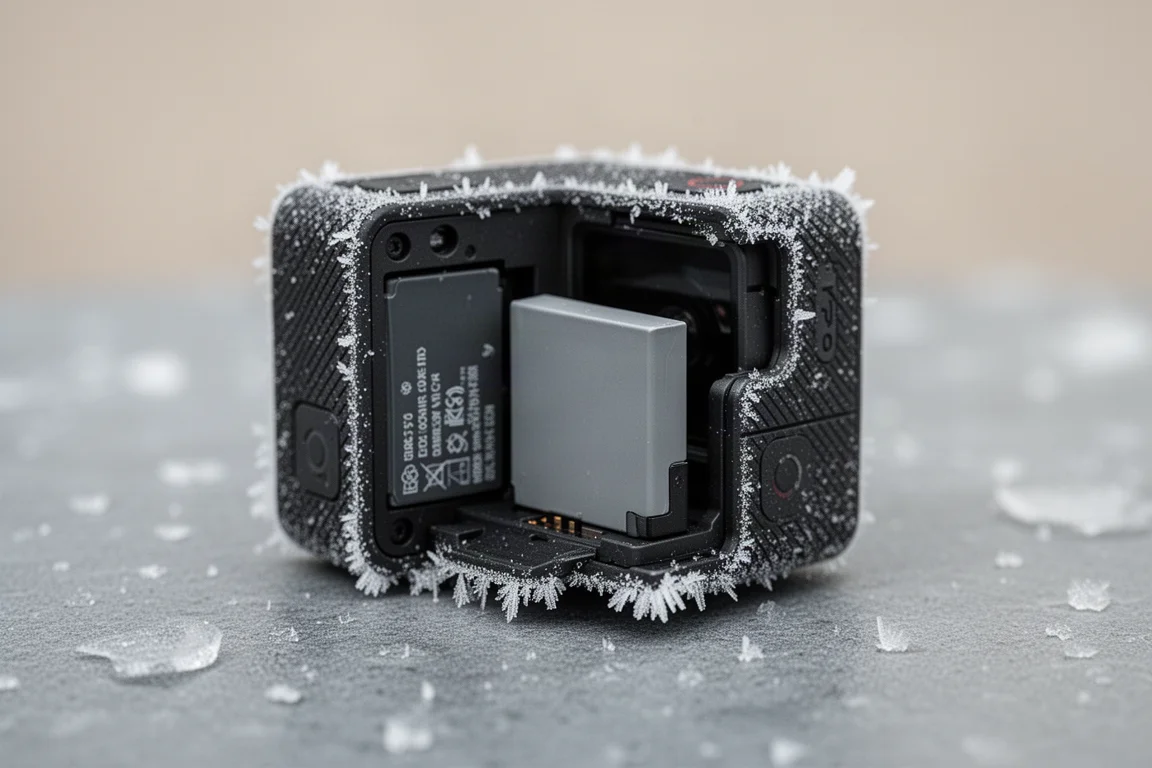
Compared with the standard battery, though, those caveats are minor. The Enduro turns on and records in conditions where the standard pack does neither, and it does so after long periods of cold exposure rather than only on a freshly warmed battery.
Buying advice
The Enduro battery costs about five dollars more than the standard GoPro battery, which is a small premium for a pack that works in conditions where the standard one does not. For anyone who shoots in winter, at altitude, or in any consistently cold climate, that difference is easy to justify.
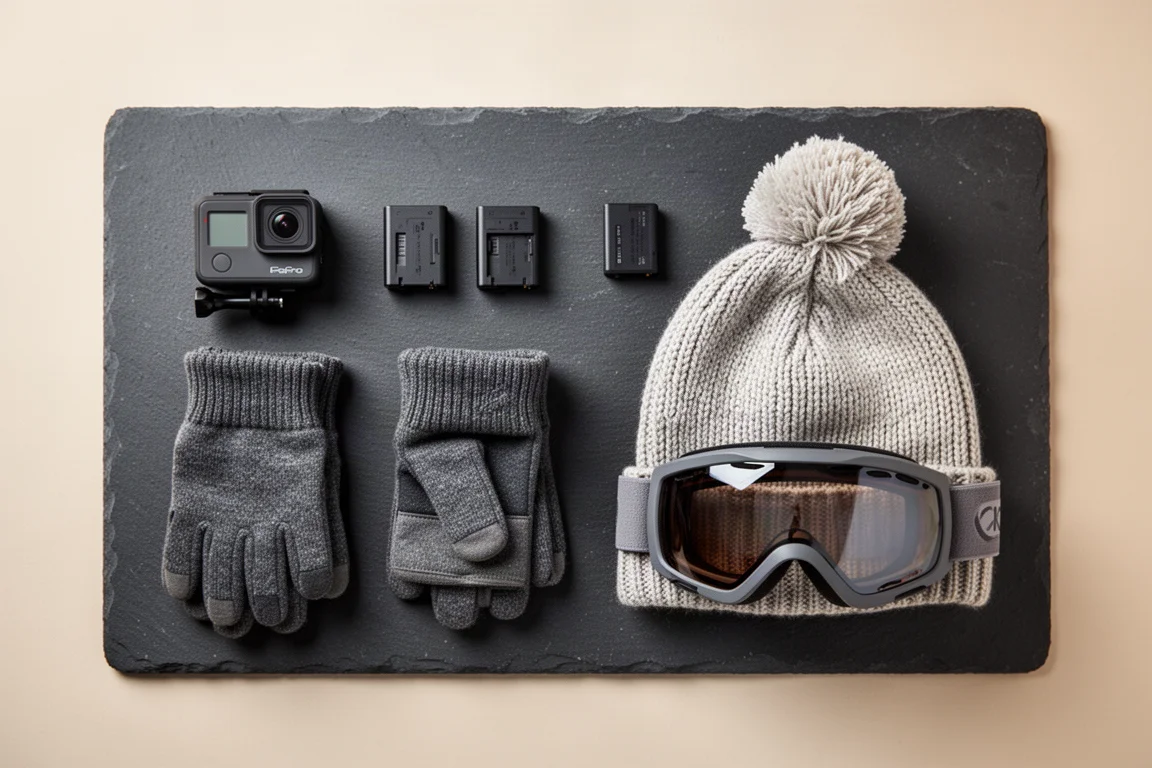
If your camera never sees temperatures below freezing, the standard battery remains perfectly usable and the upgrade is optional. For everyone else, the Enduro is the more sensible purchase, both for cold-weather shooting and for everyday use.
Conclusion
The GoPro Enduro battery does not make cold-weather filming effortless, and at around -30°C it still gives up once recording starts. What it does deliver is a genuine step forward at temperatures where the standard battery fails outright, including an hour of recording at roughly -20°C after long cold exposure. Given the modest price difference, it is the battery to choose for cold-climate shooting and a safe default for the rest of the year.
Product link
View more details for GoPro Enduro Battery
This product is mentioned in the review. Check the specifications, options, and compatibility before buying.
View more details for GoPro Enduro BatteryFurther reading
Related Reviews
Camera Batteries
GoPro Enduro Battery Review: Cold-Weather Performance Down to Minus 30
A cold-weather battery for GoPro action cameras that can record for a full hour at around minus 20 degrees Celsius, with clear limits once temperatures fall near minus 30.

Action Cameras
360 Cameras for Adventure Motorcycling: Insta360 X5 vs DJI Osmo 360
Two 360-degree action cameras designed for off-road and adventure riding. A detailed comparison of features, stabilization, and real-world performance for motorcycle touring.
Action Camera Accessories
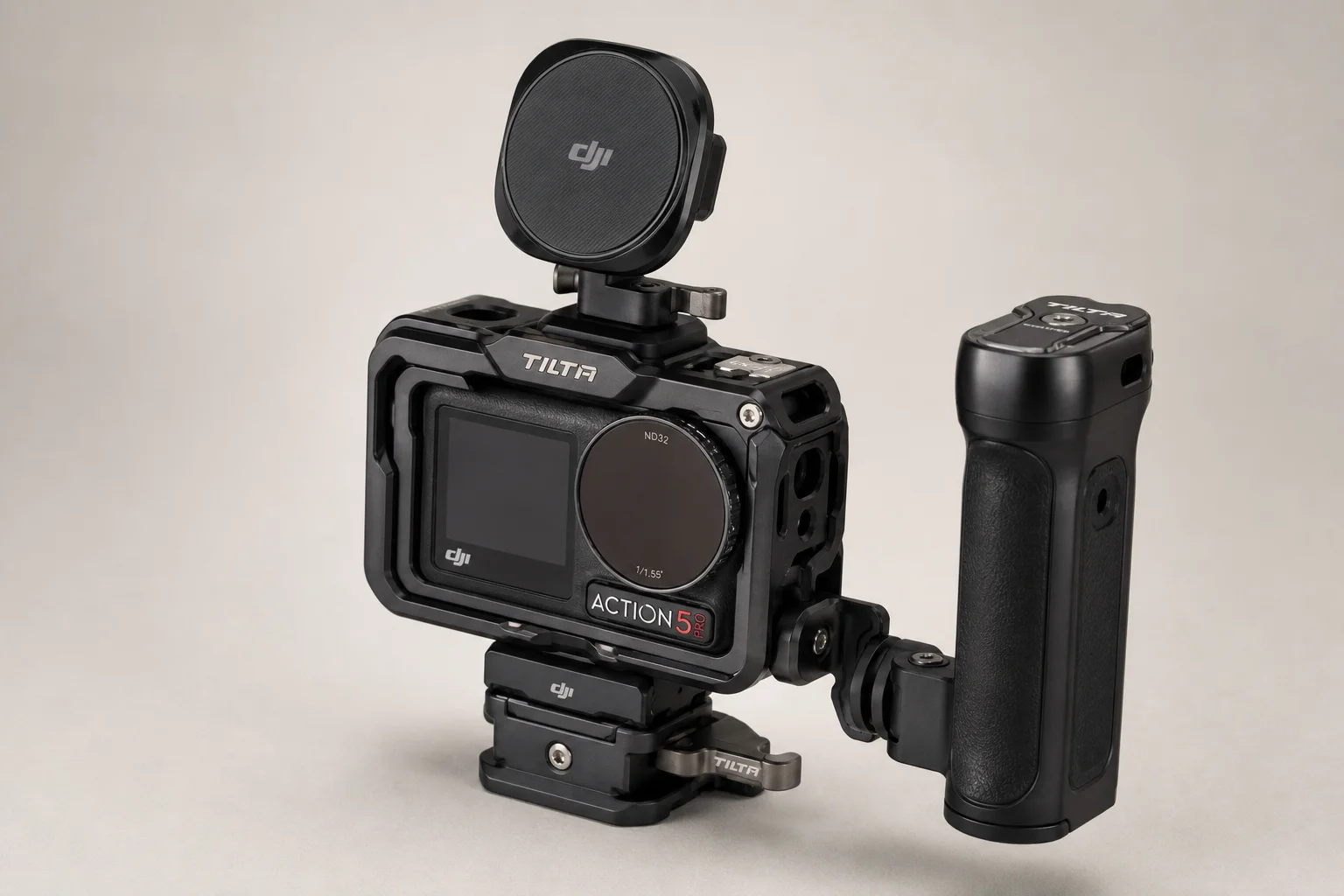
Action Camera Accessories Guide: 8 Upgrades for the DJI Action 5 Pro
A practical breakdown of eight accessories that expand the DJI Action 5 Pro's capabilities, from stabilization rigs to mounting solutions and audio gear.