Smartwatches
Google Pixel Watch vs Fitbit Sense 2: Which One Deserves Your Wrist?
A close look at the Pixel Watch's design, Wear OS apps, GPS and heart rate accuracy, and why it edges out the Fitbit Sense 2 for most Android users.
Introduction
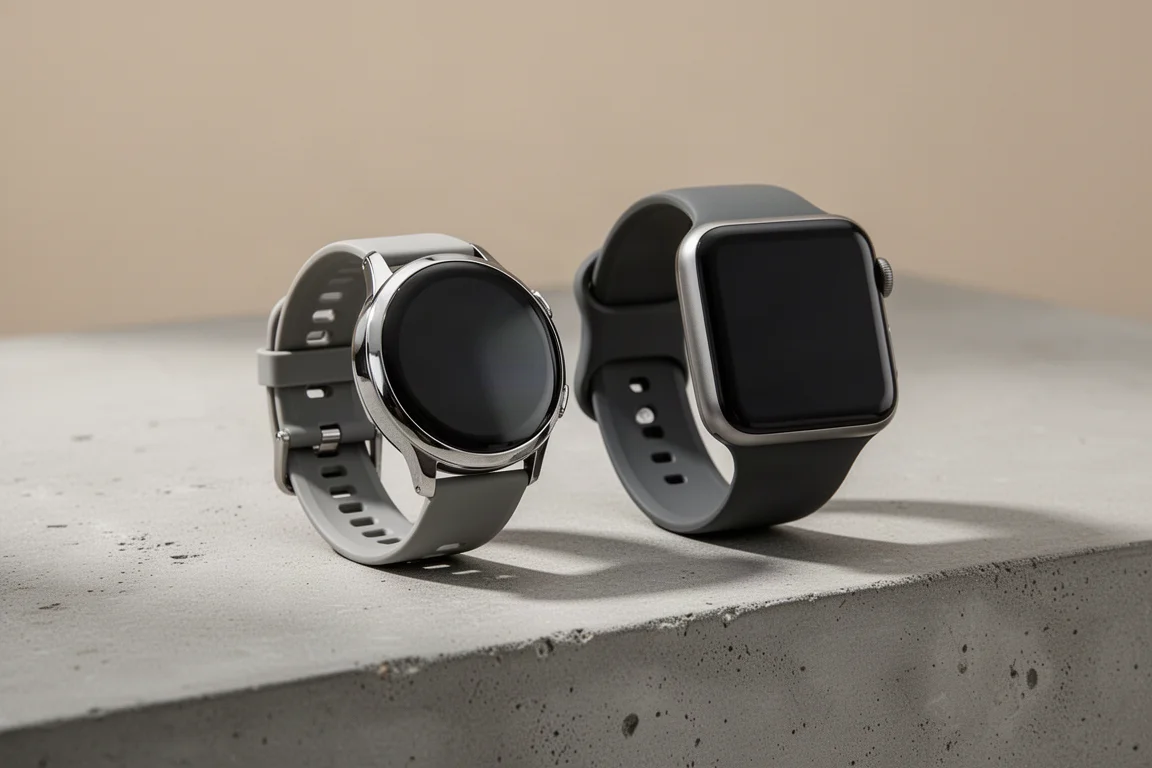
The Google Pixel Watch is Google’s first serious swing at a modern smartwatch, and after a week of use alongside the Fitbit Sense 2, a clear picture emerges: this is a promising first-generation product with genuinely strong fundamentals, a few frustrating gaps, and a fitness sibling that fares surprisingly poorly in comparison. Here’s how the two stack up.
Design, Display and Hardware
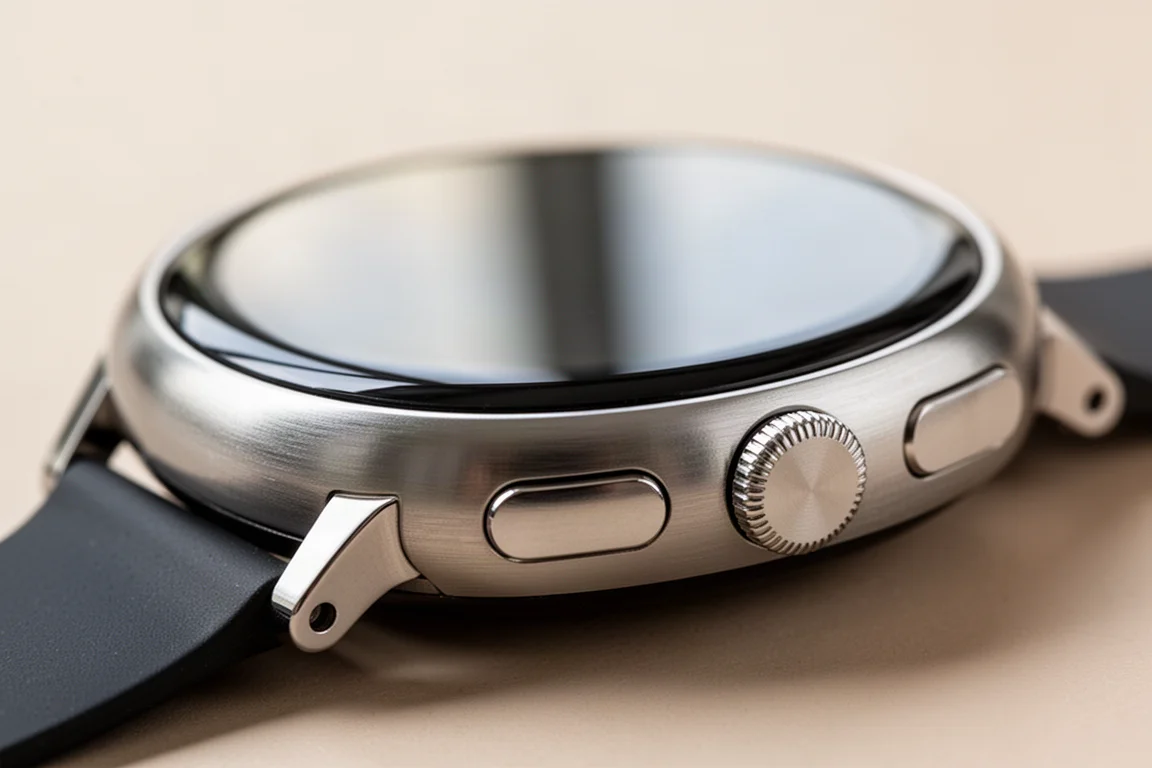
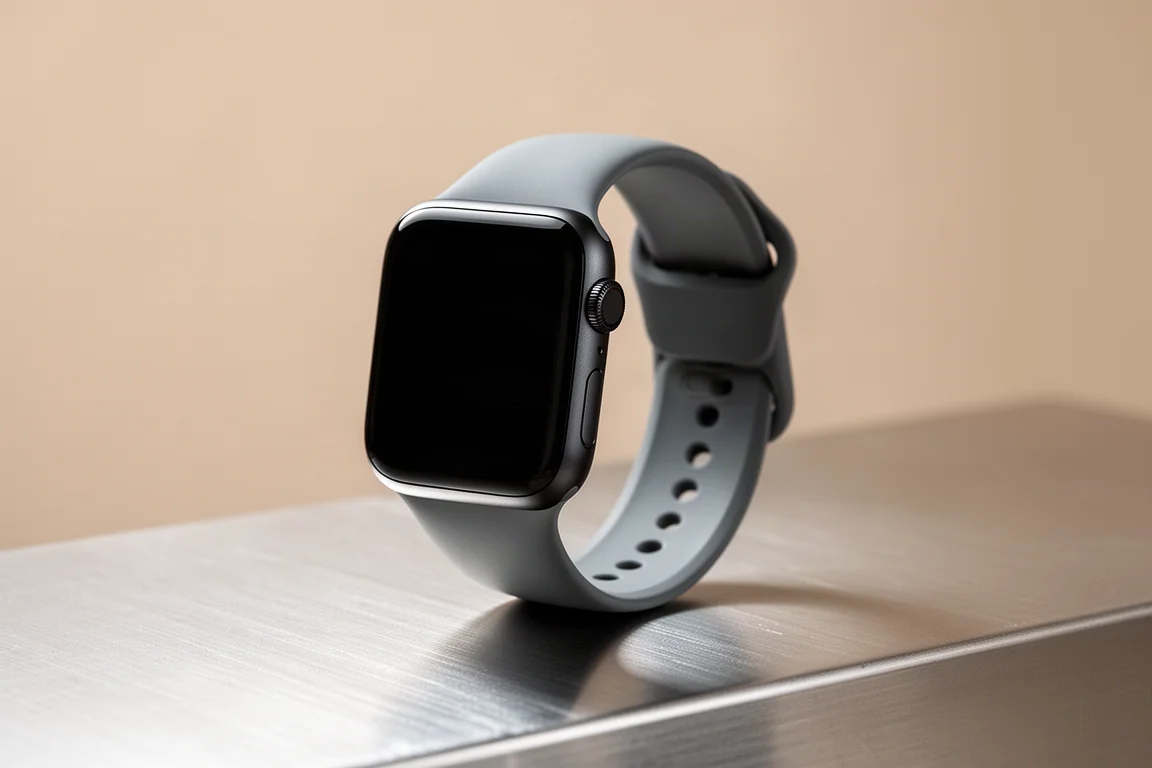
The Pixel Watch costs $349, or $399 with LTE, and comes in a single 41 mm case size, which is on the small side for today’s smartwatches. There are three stainless steel chassis colors and seven band types, each available in a huge range of colors. The defining design trait is how clean and modern it looks: the band flows directly into the watch body with the latch mechanism hidden inside. The catch is band swapping. You press tiny buttons beside the band to release it, and it genuinely sucks. Even after extended use, the mechanism remains fiddly, so expect refinement in a future version.
The display is bright at up to 1,000 nits, with a toggle for full brightness outdoors in sunny conditions. Gorilla Glass 5 protects the front, and it held up well against everyday knocks with no scratches. It is water resistant to 50 meters, so swimming and showering are fine.
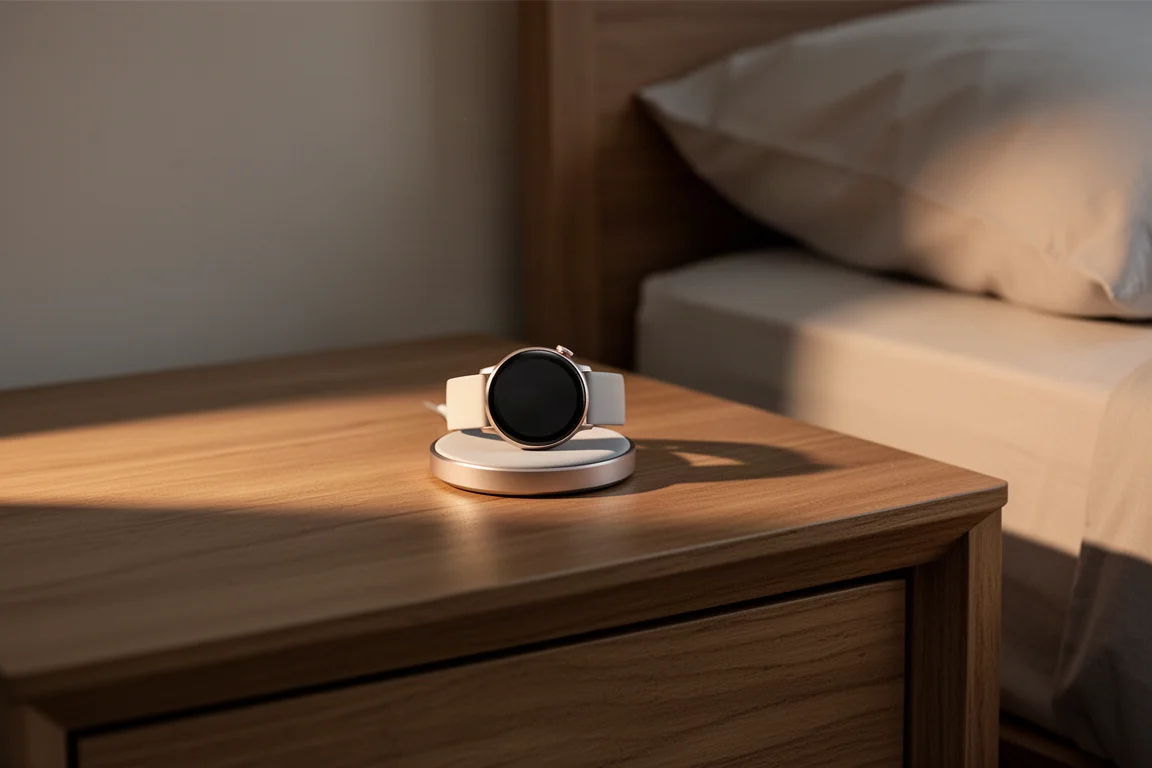
Battery life is claimed at 24 hours, in line with comparable always-on AMOLED smartwatches. Real-world use with the always-on display confirms it: daily charging, with charge times matching the stated figures.
Daily Use and the Fitbit Experience
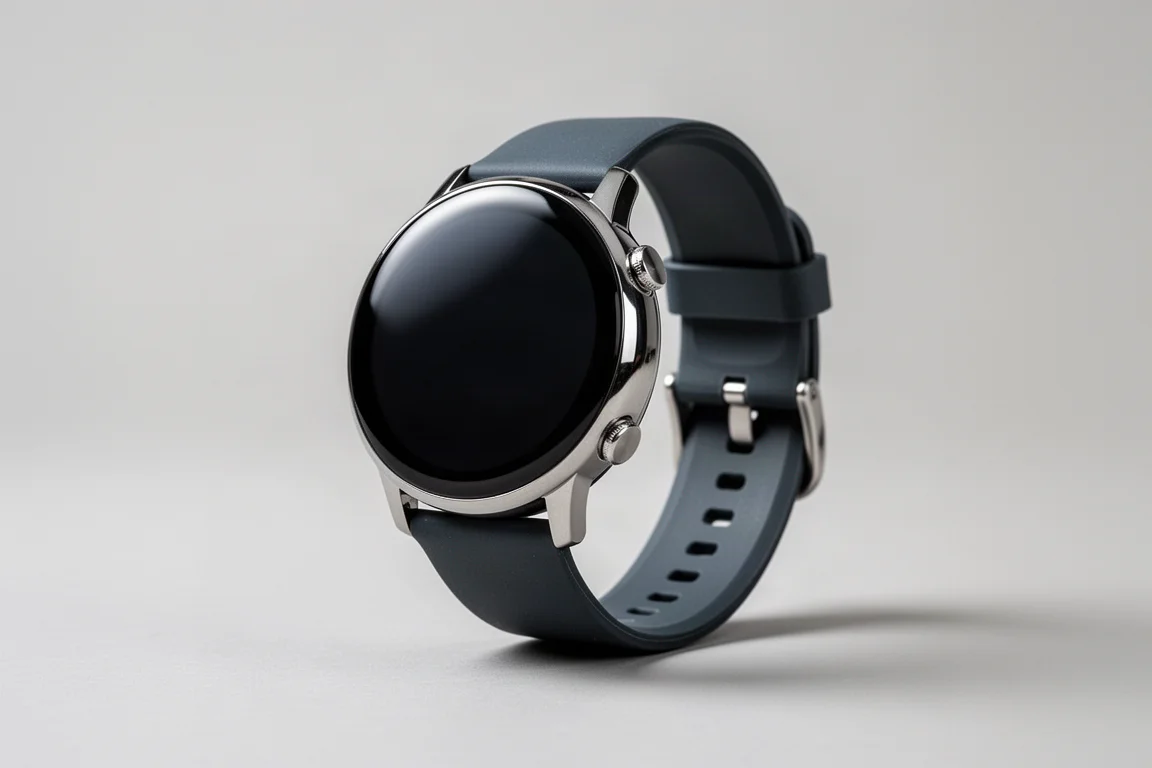
Wear OS 3.5 runs the show, the same version found on the Samsung Galaxy Watch 5 series. The touchscreen handled sweat and water without issue, the digital crown opens the app list and doubles as a back button, and the second button gives quick access to recent apps or, with a long press, Google Assistant via the built-in microphone and speaker.
Watch faces are customizable, and tapping the Fitbit icon opens a dashboard of health metrics like steps and flights. Notably, each tile can be tapped for more detail, something the Fitbit Sense 2 cannot do. Swipe gestures bring up heart rate history and a carousel of tiles from Google, Fitbit, and third-party apps like Strava and Komoot.
On the health side, there are gaps. There are no SpO2 readings or skin temperature data, despite the hardware sensor being present. The Fitbit Sense 2 and even the $99 Fitbit Inspire 3 offer both. Sleep tracking shows stages on the watch and app, but added restlessness and sleeping heart rate require Fitbit Premium, and the six-month trial is easy to forget to cancel. Restlessness is unique to Fitbit, so skipping it is no real loss, but sleeping heart rate is free on most competitors.
Workouts and Sports Features
Workout access comes via swipe, with three quick-select options and a long list of sport modes. Data pages can be customized per sport, but the selection is limited: about four data fields with a handful of metric options, far less than Garmin or even Apple Watch with watchOS 9. GPS acquisition is refreshingly quick, a stark contrast to the Fitbit Sense 2, which is slow to lock, forgets the signal, and drifts badly once running.
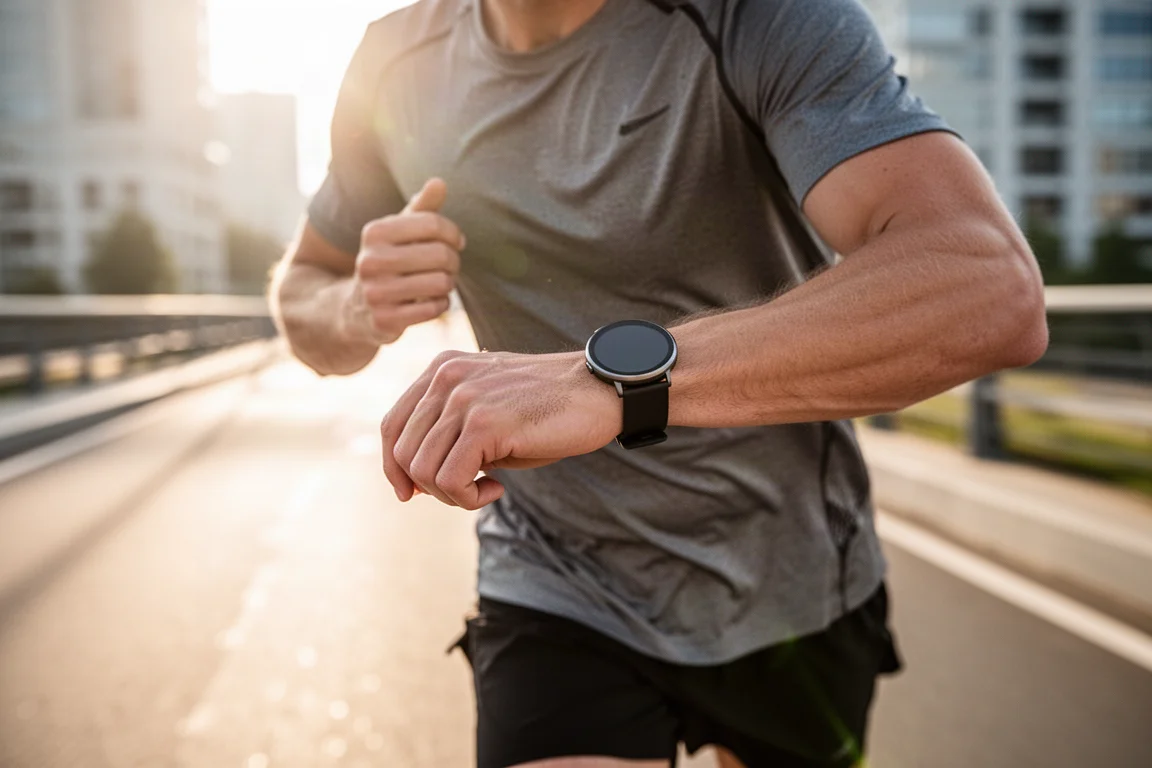
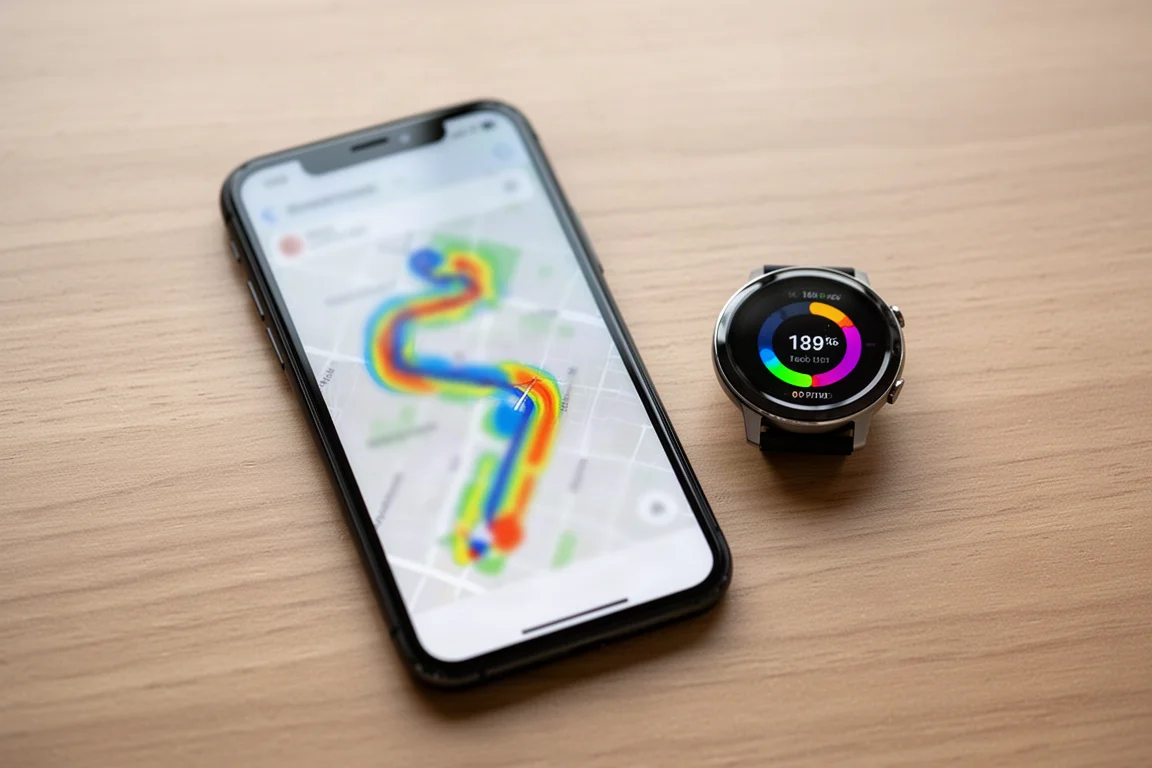
One oddity: during a run, swiping up reveals an Instagram-style list of workout summary tiles instead of a proper data page, and the tiles cannot be tapped for more detail. It makes little sense and hopefully gets replaced with standard data pages. On the plus side, the screen stayed readable in bright sunlight, wrist-raise detection worked reliably, and sweaty-finger swipes hit the pause button without trouble. Post-workout summaries show Active Zone Minutes, with full pace, zone, and GPS route data in the Fitbit app, which syncs instantly to connected third-party services like Strava.
Third-Party Apps and Platform Gaps
Because it runs Wear OS, you get a real app store, and it has improved considerably since Wear OS 3 launched. Spotify supports offline music playback without a phone, YouTube Music does the same, Strava can start workouts and enable live-tracking beacons, and Komoot handles trail navigation that Google Maps does not offer. Google Maps, Google Wallet, and Google Assistant all work as expected.
Still, gaps remain. The native workout experience lacks interval training that Fitbit watches support, there is no way to pair a heart rate sensor with the native Fitbit app, and heart rate broadcasting to devices like a Peloton bike is not supported natively. These are software gaps Google appears aware of, and most seem likely to close over the coming year.
Accuracy: GPS and Heart Rate
GPS accuracy is excellent. On an easy course, tracking matched higher-end GPS watches, with only a momentary wobble near a pond. On a tough city course with tall buildings and bridges, it held its own against units costing far more, and handled bridge underpasses far better than the Fitbit Sense 2.
Heart rate accuracy is similarly strong. On easy runs with sprints and full interval sessions, readings tracked closely against a chest strap, even beating newer premium alternatives in testing. The only miss came while stopping to take photos, a rare and understandable edge case.
Battery Life and Everyday Wear
The bezels that draw criticism online simply do not register in real life, largely because the curved glass tapers so smoothly. The bigger issue is size: the single 41 mm case feels small and dainty on larger wrists. A multi-size second generation seems likely, following Apple and Samsung. Daily charging is the routine here, which matches the category norm but will not suit anyone wanting multi-day battery.
Conclusion
The Pixel Watch is not a mature eighth-generation product, but it is a very solid first effort with class-leading GPS and heart rate accuracy, a growing Wear OS app ecosystem, and strong everyday polish. Compared with the Fitbit Sense 2, which is $50 cheaper but weaker on app support, GPS, and heart rate accuracy, the Pixel Watch is the easy pick for Android users, with the caveat that it requires an Android phone. Hardcore sports enthusiasts should look elsewhere for now, but as a starting point, this is a promising one.
Further reading
Related Reviews
Smartwatches
Best Budget Smartwatches 2026: Five Affordable Options That Actually Work
Five budget smartwatches tested for real daily use. From entry-level options to premium features at fraction of the cost, here's what actually delivers.
Smartwatches
Best Smartwatches on AliExpress 2026: Five Practical Options for Different Needs
Five smartwatches with strong customer feedback and competitive pricing, each suited to different priorities: premium design, battery life, outdoor durability, advanced health tracking, and sports versatility.
Smartwatches
Best Smartwatches Under $300: 9 Practical Options for Every Need
A curated selection of nine smartwatches under $300, each excelling in health tracking, durability, battery life, or fitness features. Find the right match for your lifestyle.