Smartwatches
Google Pixel Watch Review: A Strong First Smartwatch With Fitbit Built In
Google's first smartwatch pairs polished Wear OS 3 hardware with genuinely integrated Fitbit tracking, though size and battery life give some buyers pause.
Introduction
The Pixel Watch is Google’s first in-house smartwatch, and it makes a strong first impression. It delivers on most of what it promises, especially on the fitness side, where Fitbit functionality is built directly into the experience rather than bolted on. It is a very good first attempt that will suit some buyers well, but it is not necessarily for everyone. This review covers the smartwatch features, real-world battery life, and a deep look at the health, fitness, and sports tracking.
Design and Build Quality
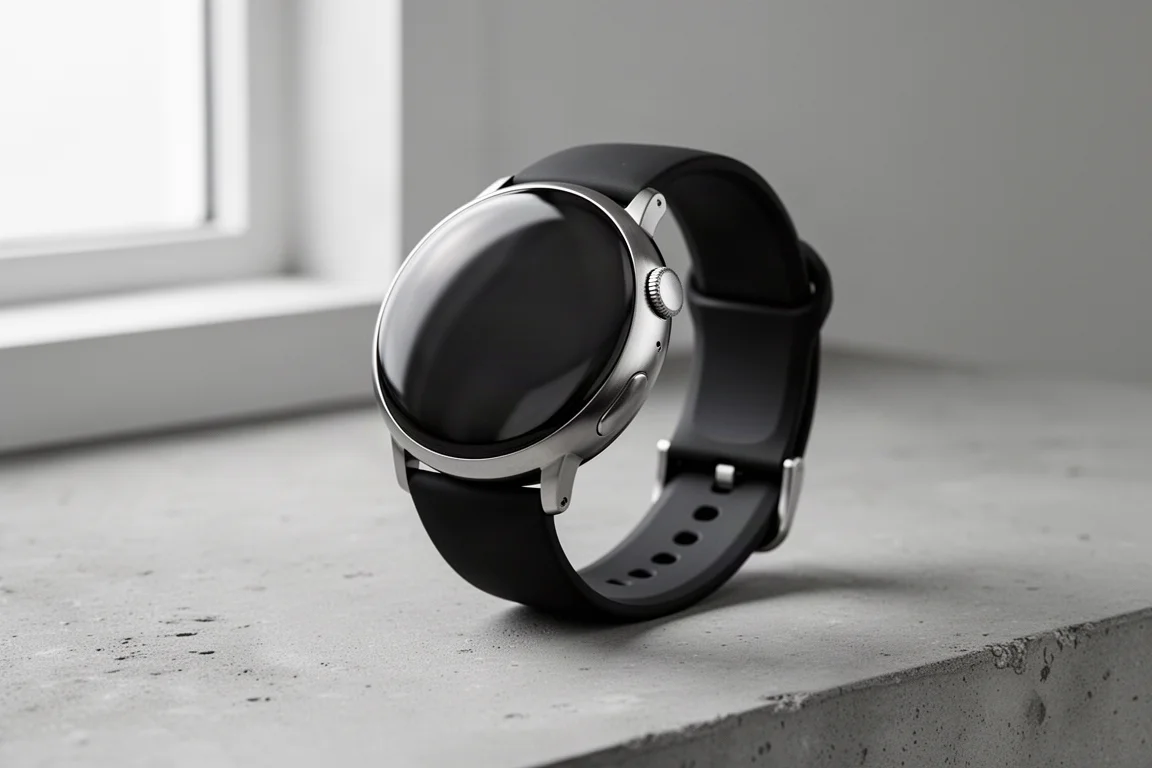
Google chose a classic, subtle look: a smooth little pebble on your wrist. It may not be obvious at first glance, but this is genuinely nice hardware. The display is protected by Gorilla Glass 5 and blends seamlessly into the stainless steel case, with polished accents on the back and on the rotating crown. It feels solid without being overly heavy and sits firmly on the premium end of construction quality.
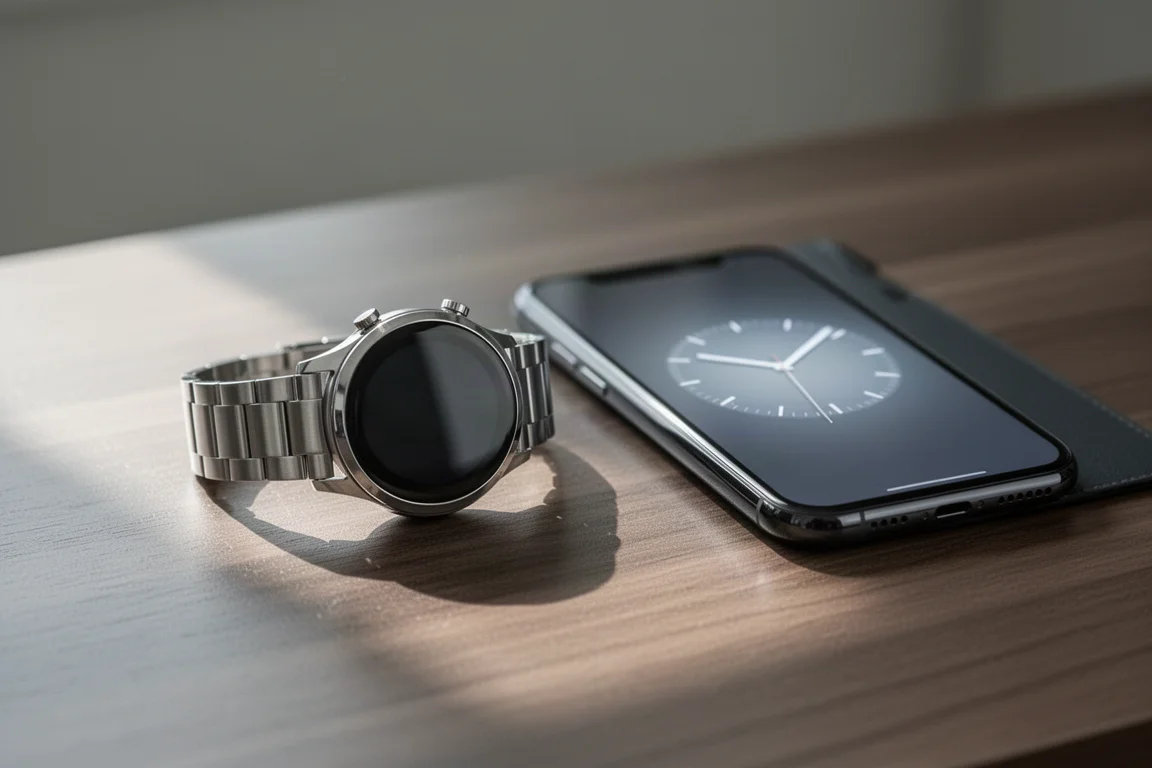
The display itself is fantastic: very bright, with plenty of contrast, and it remains legible outdoors. There is a somewhat large bezel surrounding the screen, though you only really notice it if you look closely. Google has designed the interface to hide the bezel edge well, so much so that even the flashlight app has no hard edges. In everyday use over several weeks, the bezel never stood out as a problem.
Software and Smartwatch Experience
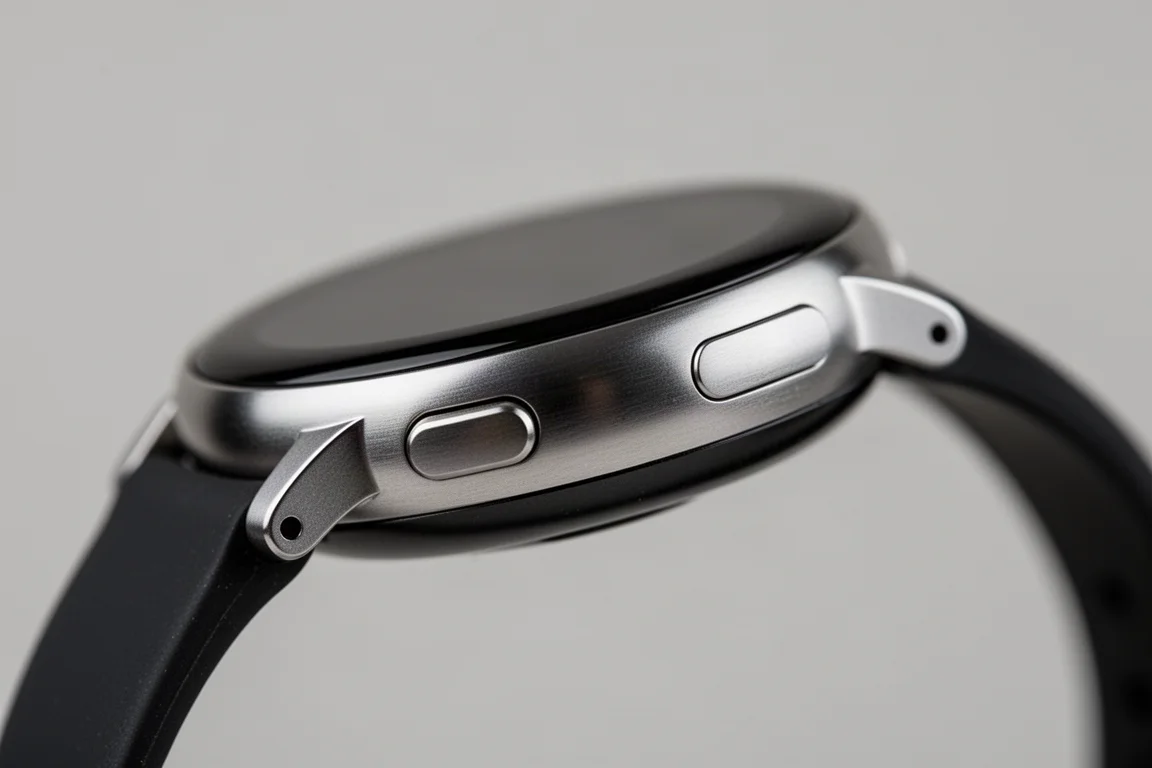
Using the Pixel Watch is a good experience thanks to Wear OS 3. Navigation is fast and intuitive with the touchscreen, while the digital crown double-serves for accessing apps and scrolling through long menus. A secondary button above the crown opens recently used apps. Performance is snappy throughout, with little to no delay as you fly through the interface.
The smartwatch experience feels polished. Alerts come with nice tones and haptic vibrations for texts and calls, and you can answer calls directly from the watch using its built-in microphone and speaker, either with your phone in range or on the LTE version. Google Assistant and Google Pay for contactless payments are on board as well.
Because it runs Wear OS 3, you can download plenty of apps from the Google Play Store, including Strava and Spotify for offline music playback, and YouTube Music comes pre-installed. One critical caveat: the Pixel Watch is only compatible with Android phones. There is no iPhone support, unlike the Fitbit Sense 2 or Versa 4.
Straps and the One-Size Question
The biggest physical limitation is that the watch comes in only one size, and it is a small one at 41mm. That is great for smaller wrists, but on larger wrists it can look a little out of place. Both a small and a large band are included, and the large band still had plenty of room to spare even on an 185mm wrist, but the watch itself may not suit everyone.
The straps themselves are soft, slightly stretchy, and comfortable. The attachment mechanism, however, is genuinely odd. You press a button on the case to release the strap, then rotate the strap, but counterintuitively you rotate it toward your finger rather than away. Getting the strap back on also requires just the right angle to snap into place. The design does create a seamless look where the strap blends into the case, but anyone buying extra straps should think hard, since this mechanism seems likely to be reworked in future generations.
Battery Life
Google rates the battery at around 24 hours, and in practice that holds up, with roughly 20 to 26 hours depending on how many outdoor activities were tracked. That is not the multi-day battery of a sports-focused watch, but it is comparable to what you get from an Apple Watch.
What is more impressive is battery life during activity recording: outdoor activities used about six percent per hour, which means you could in theory record an activity up to around 16 hours long. That is not bad at all for a watch this size.
Fitbit Integration and Health Tracking
The headline feature is built-in Fitbit functionality. Even on the watch face there are widgets and complications for steps, floors climbed, distance covered, calories burned, Active Zone Minutes, your weekly exercise streak, hourly activity, current and resting heart rate, and sleep from the night before. Dedicated tiles provide exercise shortcuts, your last workouts, daily steps, and sleep stats.
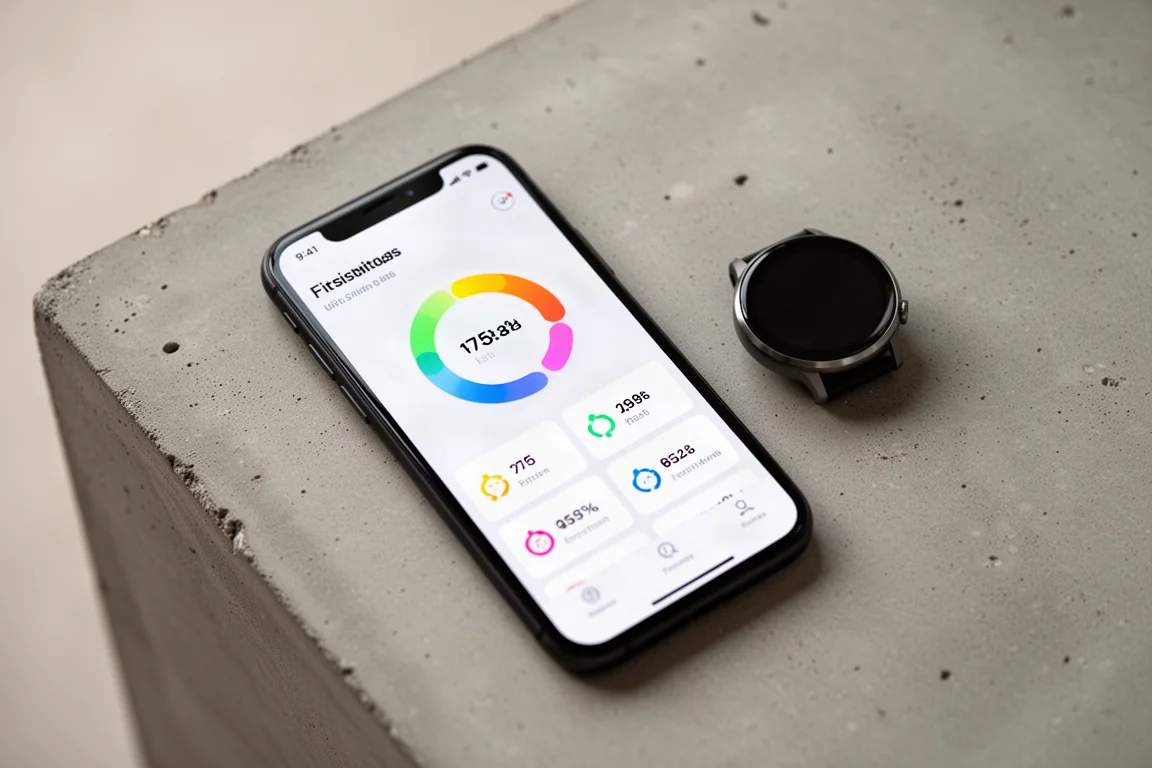
On the phone side you get two apps: the Fitbit app for health and activity data, and the Google watch app for managing watch faces, tiles, and settings. The Fitbit app is well laid out, presenting Active Zone Minutes, steps, floors, distance, and calories up top, with stress scores, sleep scores, readiness scores, and exercise history below.
Some features require a Fitbit Premium membership, mainly the Daily Readiness Score, long-term historical health data beyond one week, and some additional workouts. The watch includes six free months of Fitbit Premium; after that it runs about ten dollars per month, or around 80 dollars for a full year at a substantial discount. That said, the watch still does a lot without Premium. Steps, calories, workouts, and sleep tracking all work without it, and heart rate variability (HRV) is included, which is a useful recovery indicator. The Readiness Score is helpful but not essential, so it may be worth trying the free experience before committing.
Sensor hardware covers the essentials: a heart rate sensor, SpO2 blood oxygen measurement, ECG, built-in GPS for phone-free outdoor tracking (on both the standard and LTE versions), and a barometric altimeter.
Sports Tracking Accuracy
The range of trackable activities is extensive: gym workouts, running, biking, pool swimming, golf, indoor climbing and bouldering, stand-up paddleboarding, skiing, and snowboarding, among others.
For outdoor activities, GPS accuracy was solid. Total distances on runs and long road bike rides were consistently very close to reference devices, and the barometric altimeter did a good job tracking elevation gain on the ride. Looking at GPS track detail, the runs lined up well with the map and other devices. On the bike ride, some corners were slightly cut or overshot, nothing drastic, just not quite as precise as the reference devices.
Heart rate accuracy was decent overall. On an indoor interval ride, readings were mostly good, with a few brief dips at interval starts that recovered, and some shakiness during steady-state sections. On runs, readings were good for the majority with occasional brief spikes. Weight training, always the hardest test for a wrist-based optical sensor, showed mixed results: struggles during bicep curls, good performance on tricep extensions, one large spike on hammer curls, and good tracking on high-intensity intervals at the end.
The overall picture is a usable, decent heart rate sensor that is not the most accurate available, but it is notably more accurate than the Fitbit Sense 2.
Things to Consider Before Buying
There are some first-generation quirks worth weighing: the single, diminutive 41mm size, the awkward strap mechanism, a bezel that some will consider a little large, and battery life that could be better. None of these ruin the experience, but together they define who this watch is for.
Buying Advice
If you have a smaller wrist and want the best Android smartwatch currently available, with genuinely good fitness capabilities built in, the Pixel Watch is certainly worth a look. If you can wait, a next generation seems very likely to improve on these quirks, and a larger size option for bigger wrists seems like an obvious addition.
Conclusion
The Pixel Watch is a capable smartwatch and activity tracker that gets the fundamentals right: premium build, a polished Wear OS 3 experience, and deeply integrated Fitbit health tracking. Its shortcomings, the small single size, the strap design, and modest battery life, are typical first-generation trade-offs. For the right wrist and the right phone, it is an easy recommendation.
Product link
View more details for Google Pixel Watch
This product is mentioned in the review. Check the specifications, options, and compatibility before buying.
View more details for Google Pixel WatchFurther reading
Related Reviews
Smartwatches
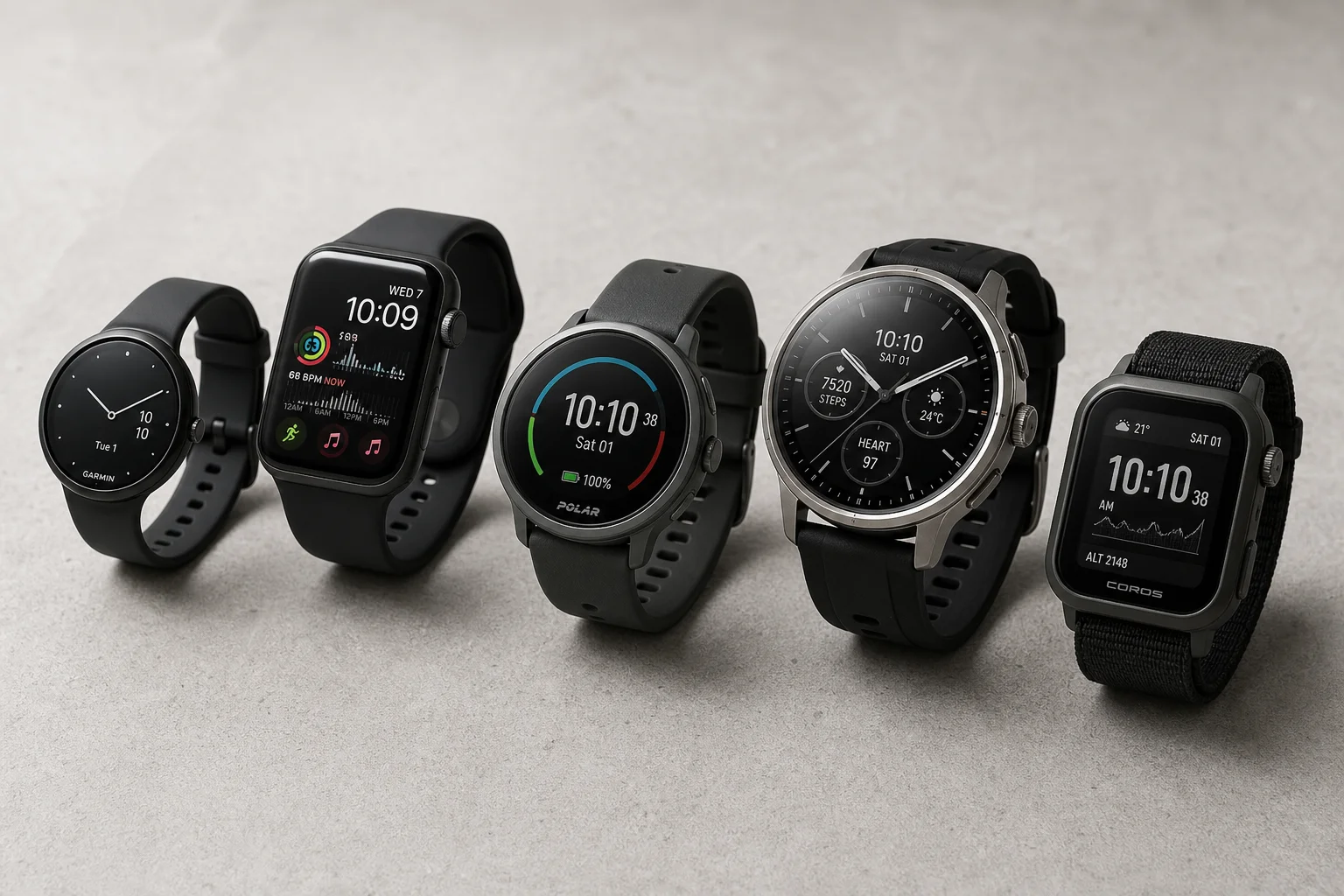
Best Budget Smartwatches 2026: Five Affordable Options That Actually Work
Five budget smartwatches tested for real daily use. From entry-level options to premium features at fraction of the cost, here's what actually delivers.
Smartwatches
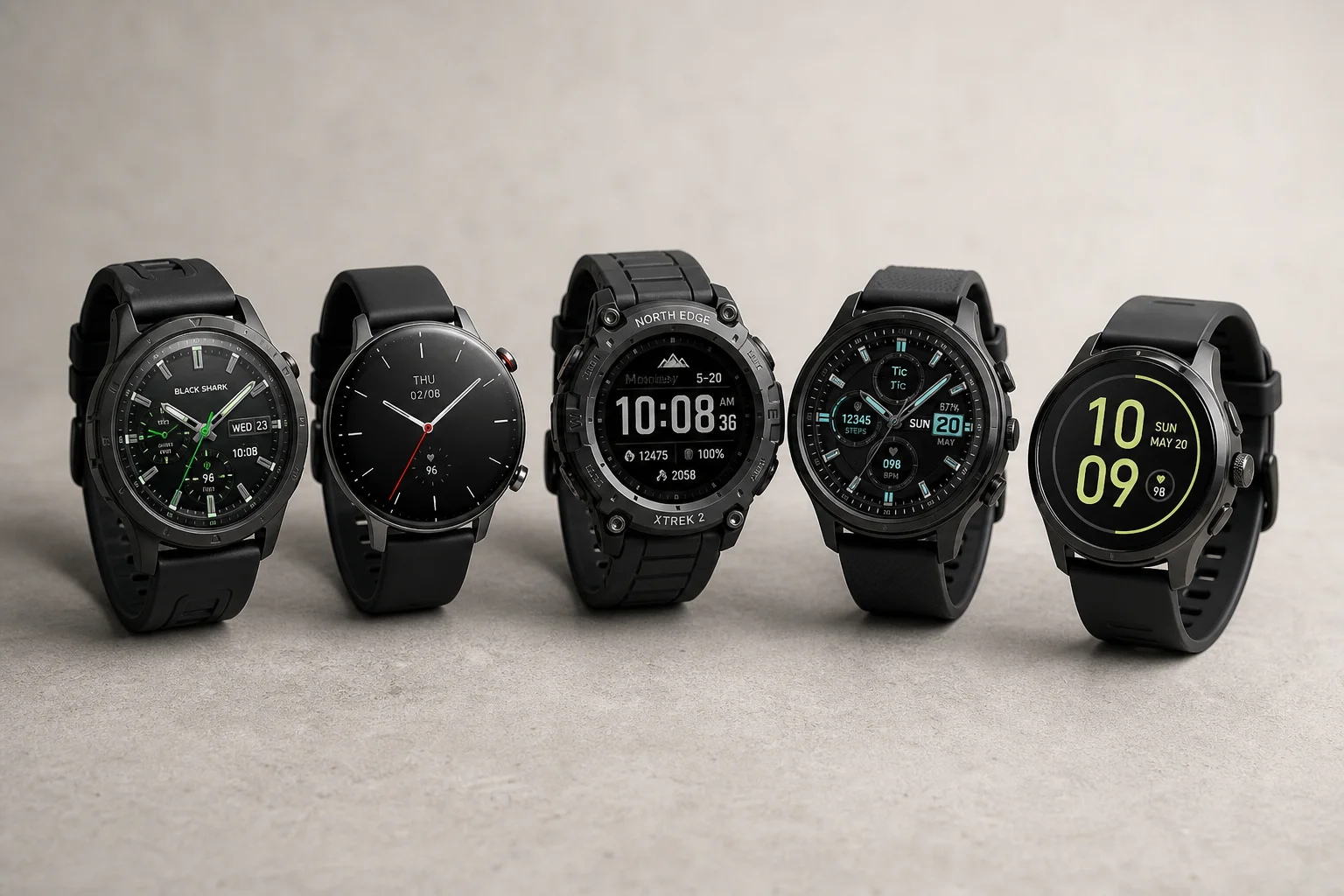
Best Smartwatches on AliExpress 2026: Five Practical Options for Different Needs
Five smartwatches with strong customer feedback and competitive pricing, each suited to different priorities: premium design, battery life, outdoor durability, advanced health tracking, and sports versatility.
Smartwatches
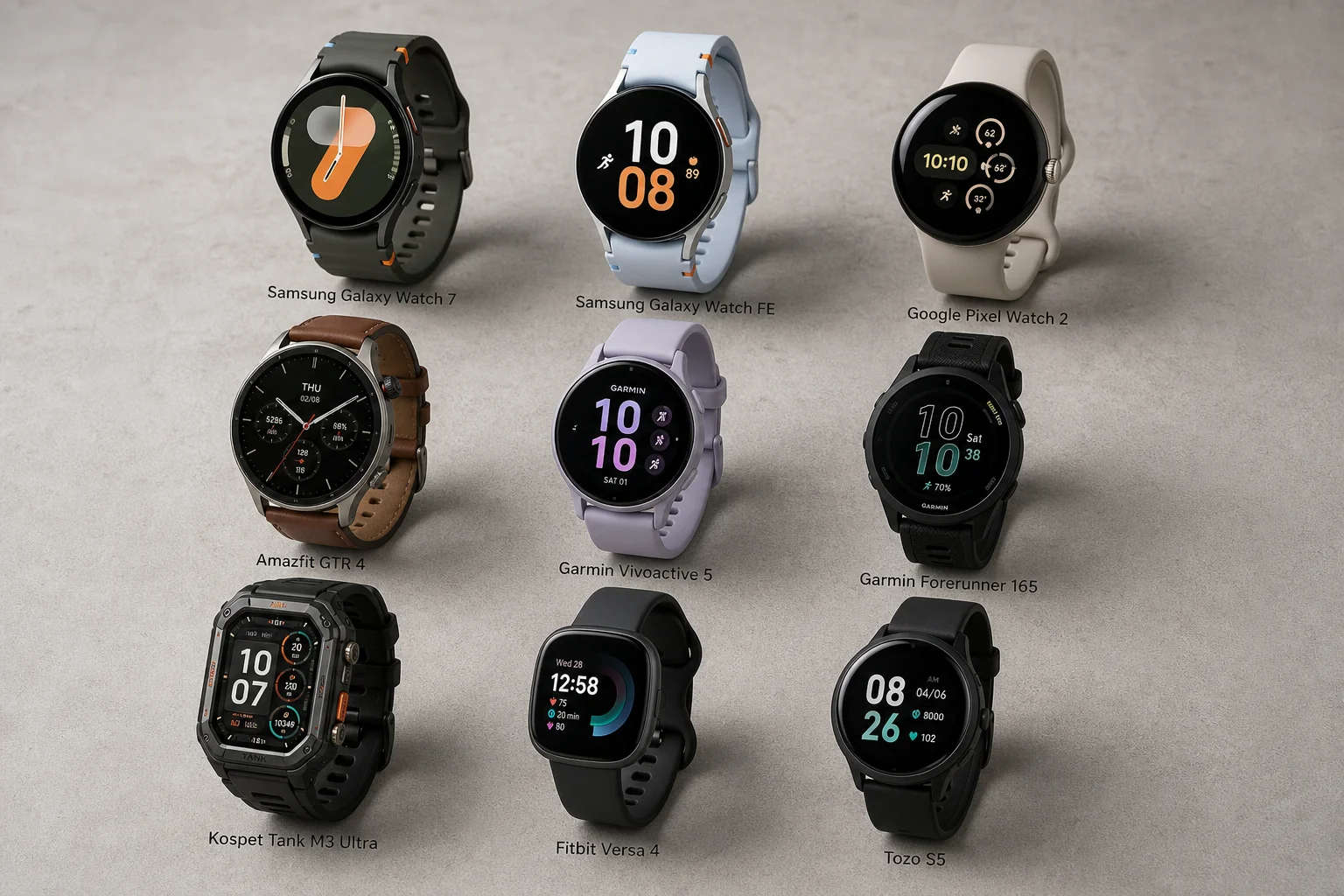
Best Smartwatches Under $300: 9 Practical Options for Every Need
A curated selection of nine smartwatches under $300, each excelling in health tracking, durability, battery life, or fitness features. Find the right match for your lifestyle.