Smartwatches
Google Pixel Watch 4: First Look at the Smarter, Brighter, Satellite-Connected Smartwatch
A new domed display, longer battery life, AI workout detection, and a first-of-its-kind satellite SOS feature make the Pixel Watch 4 a substantial update over the Pixel Watch 3.
Introduction
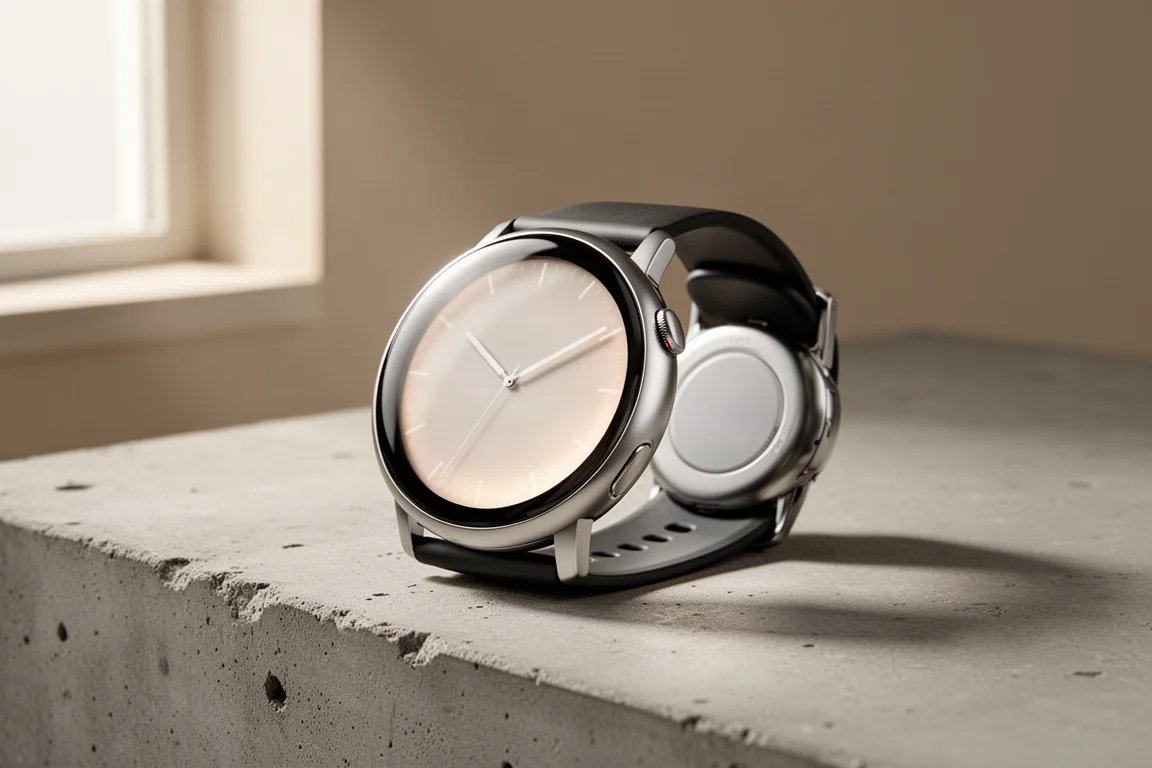
The Pixel Watch 4 may look familiar at first glance, but Google has made meaningful changes across the board: a brighter domed display, longer battery life, a more efficient processor, AI-powered workout detection, and, most notably, built-in emergency satellite communications, a first for a smartwatch in this category. After spending extended time with the watch ahead of full in-depth testing, the picture that emerges is of a refined and genuinely more capable wearable.
Design and Display
The Pixel Watch 4 comes in two sizes, a larger 45mm model and a smaller 41mm model, with an aluminum case. The case shape has been slightly refined with rounder corners, and the back is now completely smooth, unlike the Pixel Watch 3 where you could feel the edges of the heart rate sensor. The display is protected by Corning Gorilla Glass.
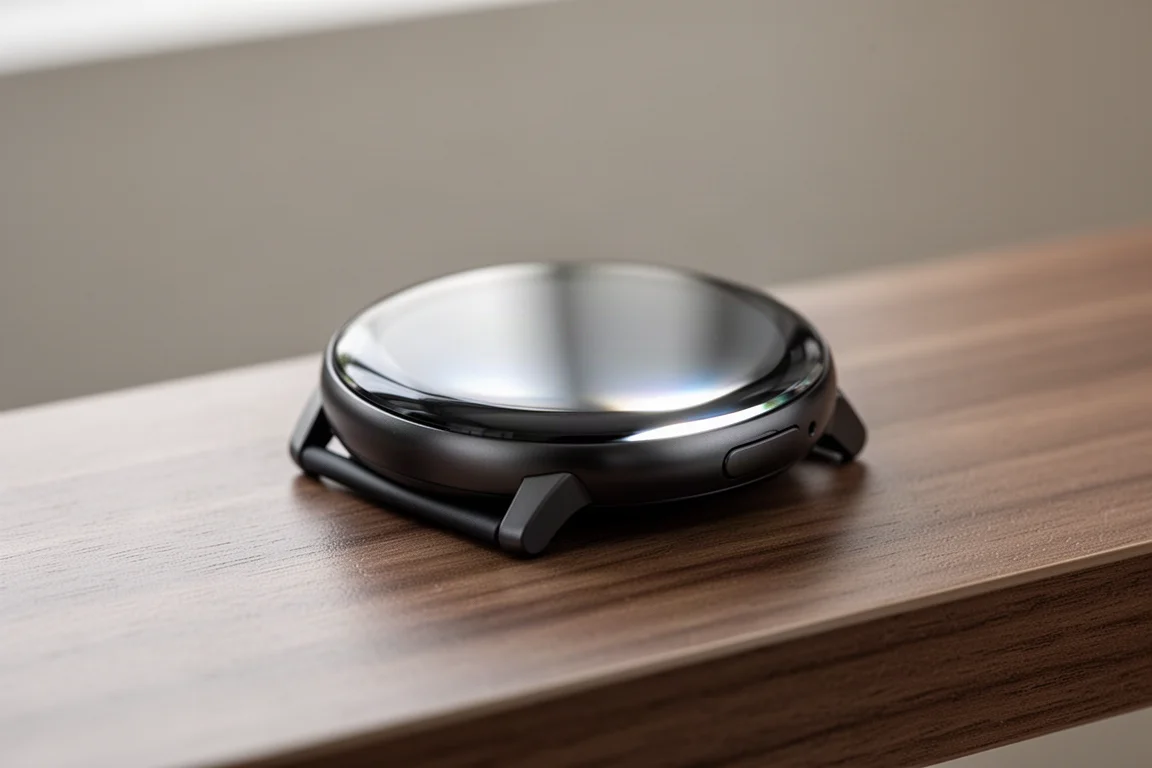
The big display story is the new Actua 360 panel. It is genuinely domed, not just the glass but the display itself, which adds about 10% more screen real estate that spills over the edge. The panel is also 50% brighter than before with a peak brightness of 3,000 nits, and the bezel has been reduced by roughly 15%. Combined, these changes address one of the most common complaints about earlier Pixel Watches.
Battery Life and Charging
The 45mm model is rated for up to 40 hours of battery life, while the 41mm model manages up to 30 hours. That is not quite two full days, but it should reduce daily battery anxiety: you can track activity and sleep without charging every single night.
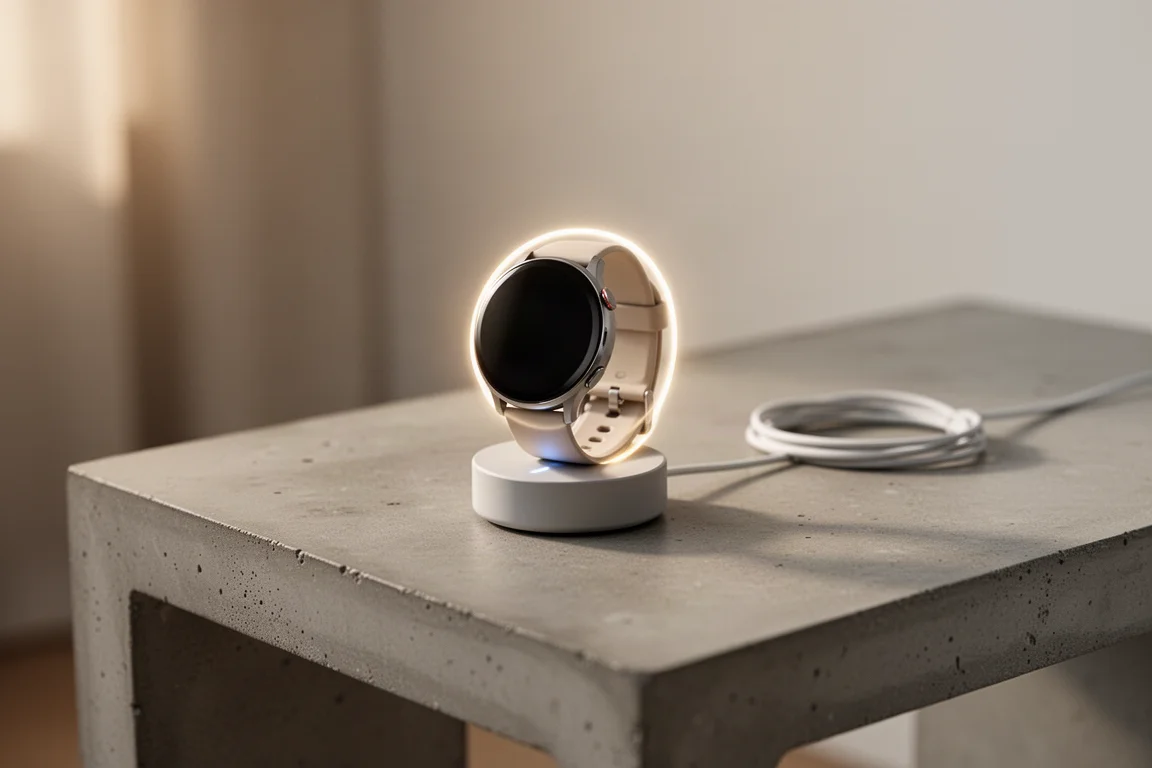
Charging moves to a new dock, replacing the previous magnetic cable. Charging is up to 25% faster with the dock, and the stand format makes it easier to glance at the time, battery level, and remaining time to a full charge.
Smartwatch Experience
Under the hood, the updated processor is around 25% faster and, more importantly, uses 50% less power, which directly supports the improved battery life. Gemini AI is accessible simply by raising your wrist, no wake phrase required. Beyond simple queries like the weather, you can start a bike ride, pull up information from your email, and send smarter, context-aware smart replies to texts. Note that Gemini still requires a data connection through your phone; the processing does not happen on the watch itself.
Google has also improved the speaker, which is louder and clearer, and boosted haptic feedback by around 15%. The new Material UI theme brings a more expressive, personalized interface that feels more fluid. One neat touch: changing your watch face color carries that color through the rest of the interface.
Health and Fitness Features
The heart rate sensor hardware is essentially unchanged from the Pixel Watch 3, which was already accurate in real-world testing. Sleep tracking is claimed to be 18% more accurate than before, and a new skin temperature sensor joins the existing blood oxygen saturation tracking.
On the fitness side, there are now 50 sport profiles, up by 10. The headline addition is AI-powered activity detection: the watch monitors your heart rate and accelerometer to figure out what you are doing without manually starting an activity, then sends a recap afterwards that you can confirm or correct. The system is designed to learn your habits over time and should get more accurate.
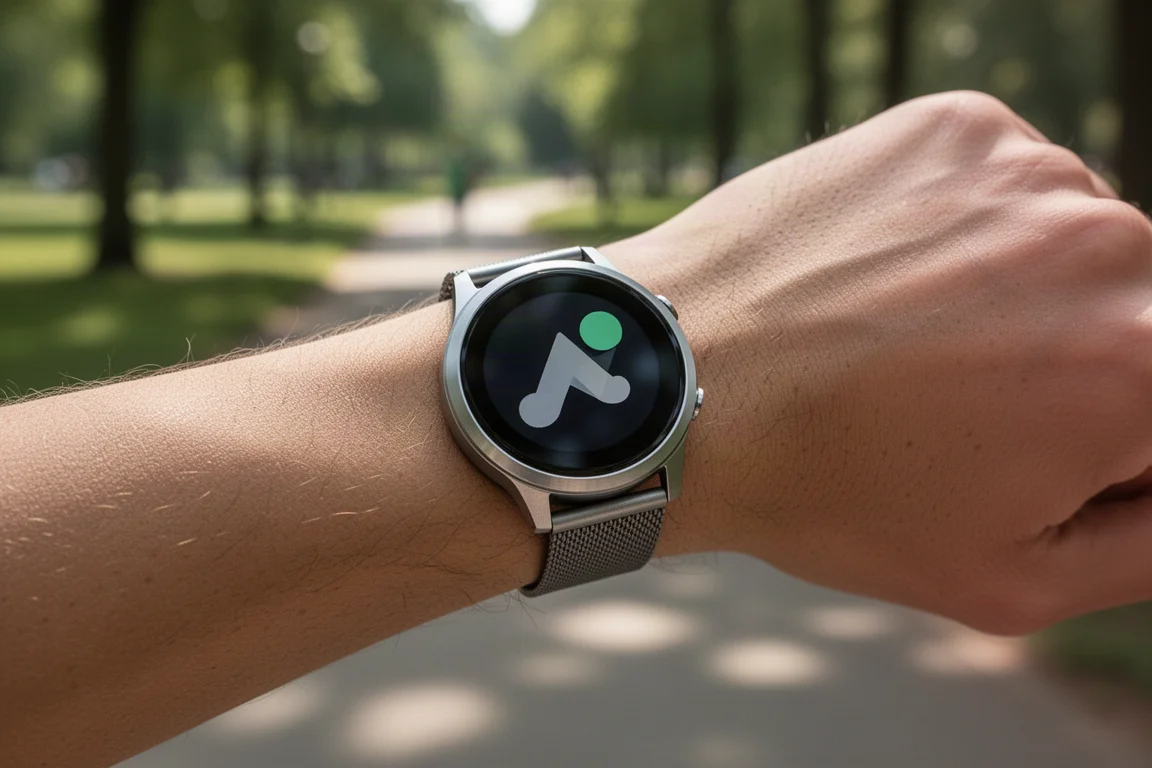
For outdoor activities, the Pixel Watch 4 adds a dual-frequency (dual-band) GNSS chipset, aimed at better accuracy in challenging environments where obstacles interfere with the sky view. Cyclists also get a new screen mirroring feature, officially called bike realtime streaming, which shows your watch data live on a phone mounted to your handlebars. There is no simultaneous Google Maps integration, though navigation pop-up alerts still appear over your watch data.
Emergency Satellite Communications
The standout feature is built-in emergency satellite SOS, available directly on the watch with no smartphone, Wi-Fi, or cell signal required. This puts Google ahead of both Apple and Garmin in this specific respect, which is notable given Garmin’s reputation for satellite communication devices.
The flow works like this: initiating an SOS first checks your GPS position so your location can be sent to emergency services, then runs through a short list of questions about your situation, whether you are lost, hurt, or witnessed a crime, whether you are alone, and how long it has been going on. You can then opt to alert your personal emergency contacts.
Connecting requires a clear view of the sky. You orient the antenna, located on the left side of the watch, using on-screen guidance, rotating your arm and body into position. Your body actually acts as an extension of the antenna and can amplify the signal. Once connected, you can exchange typed messages with responders, and the watch can also transmit health information such as medical conditions, blood type, and battery level. In SOS mode the watch switches to a low-power mode, dimming the screen and turning off the always-on display.
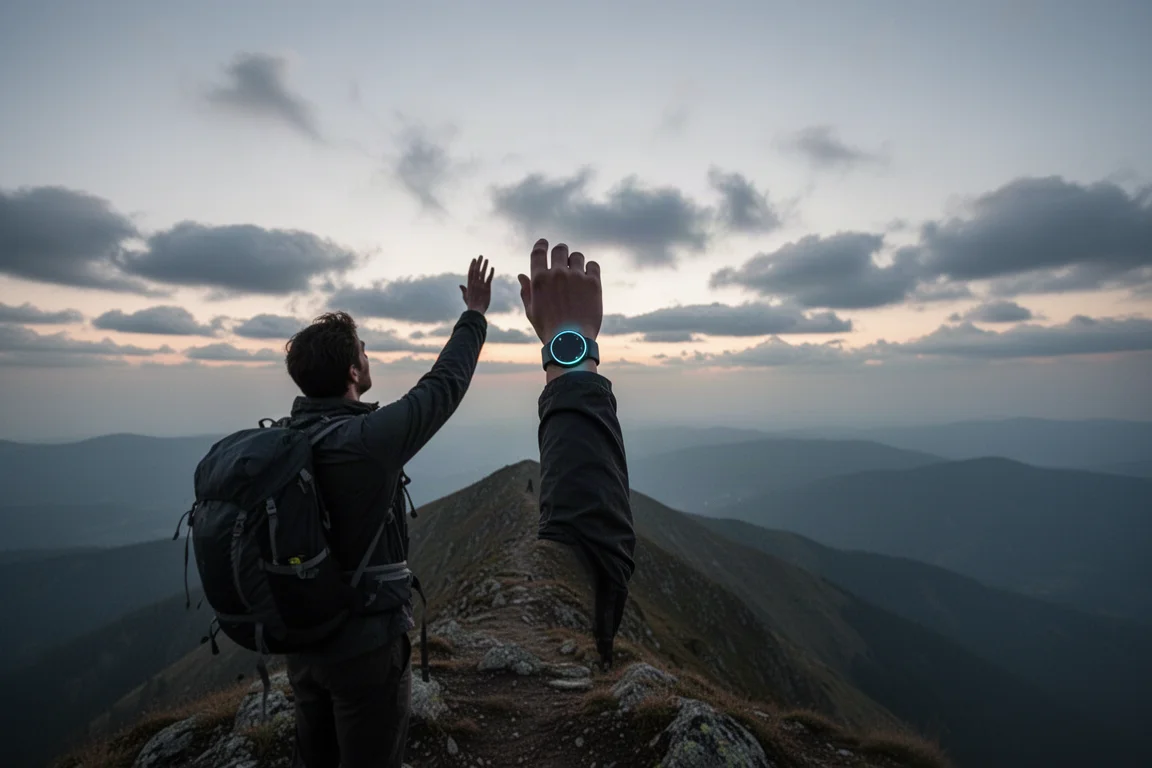
Notably, Google is leveraging Garmin’s emergency response center, so you are communicating with real humans who can determine the appropriate response. This is an interactive feature, meant to be used like dialing emergency services without a signal; it is not designed to work alongside automatic safety features like loss of pulse detection, fall detection, or car crash detection, where you may not be able to position your arm.
At launch, satellite SOS is available in the contiguous United States, with other regions planned. It is included free for two years, with no follow-up pricing announced yet. It works on all LTE models of the watch, and you do not need an active cell plan, just the LTE hardware. If you buy an LTE model abroad and travel to the US, the feature still works.
Repairability and Software
The Pixel Watch 4 is also repairable. The display, battery, and other parts can be replaced, using small screws hidden beneath the watch strap attachment to open the case.
Alongside the hardware, Google is rolling out a major Fitbit Health Coach update shortly after the watch ships. The revamped Fitbit app splits into four tabs: Today, Fitness, Sleep, and Health. The Today view highlights steps, daily readiness, sleep score, and, usefully, a weekly cardio load progress bar toward your target. The coach, powered by Gemini, adapts throughout the day: morning sleep insights, post-workout summaries, and end-of-day recaps with sleep suggestions. You can ask questions like how your HRV is trending or what workout suits a poor night of sleep, request custom workout plans, and those plans adapt when life intervenes, shifting a planned run to another day if you do strength training instead. This is a genuinely adaptive system rather than a simple redesign.
Conclusion
The Pixel Watch 4 earns its generation jump with a brighter domed display, meaningful battery gains, smarter on-wrist assistance, and a satellite SOS feature that no other smartwatch currently matches at this level. Add the adaptive Fitbit Health Coach and improved repairability, and the package looks compelling for Android users who want both everyday polish and genuine off-grid safety capability. A full in-depth review will follow once complete testing is possible, but the early picture is promising.
Product link
View more details for Google Pixel Watch 4
This product is mentioned in the review. Check the specifications, options, and compatibility before buying.
View more details for Google Pixel Watch 4Further reading
Related Reviews
Smartwatches
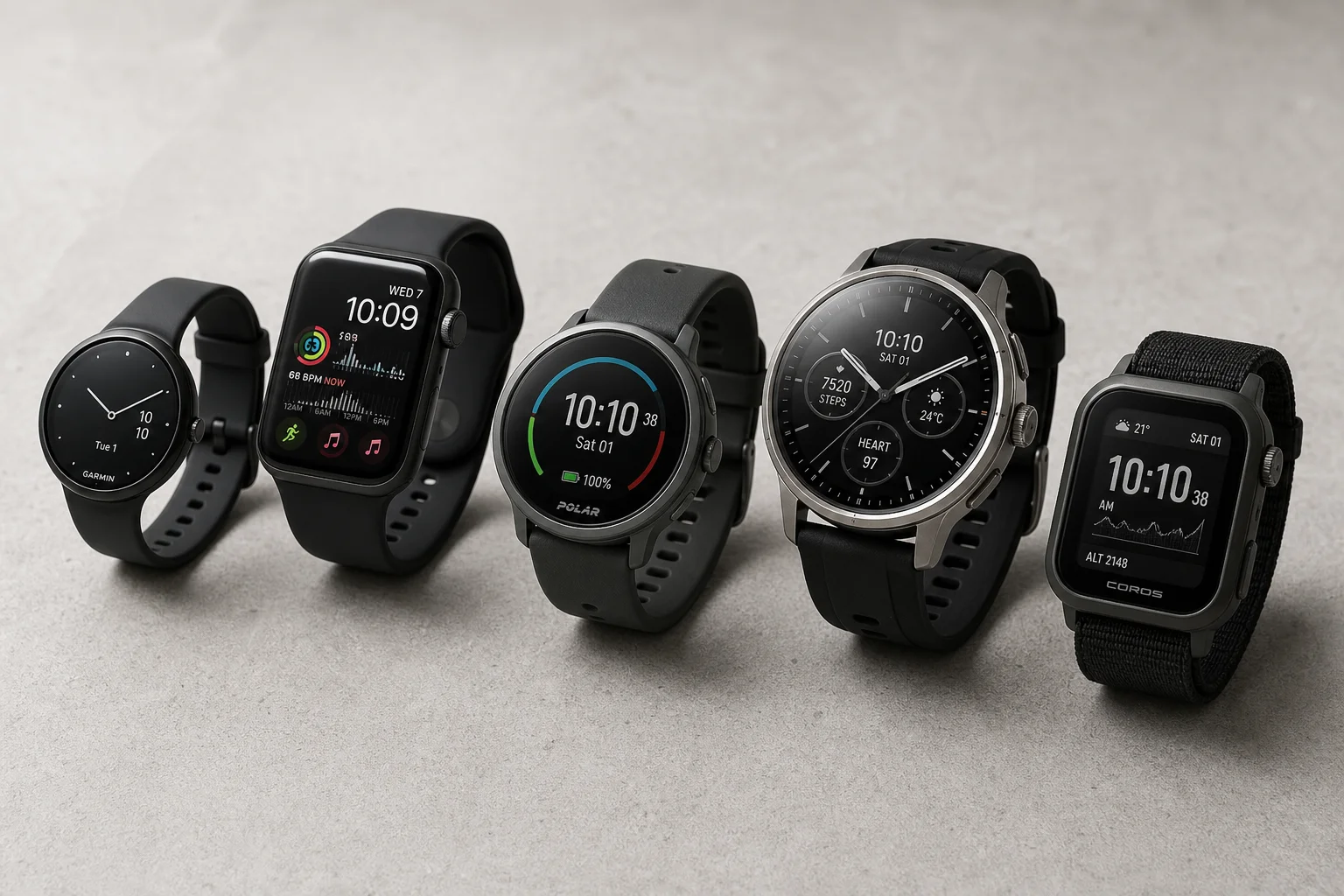
Best Budget Smartwatches 2026: Five Affordable Options That Actually Work
Five budget smartwatches tested for real daily use. From entry-level options to premium features at fraction of the cost, here's what actually delivers.
Smartwatches
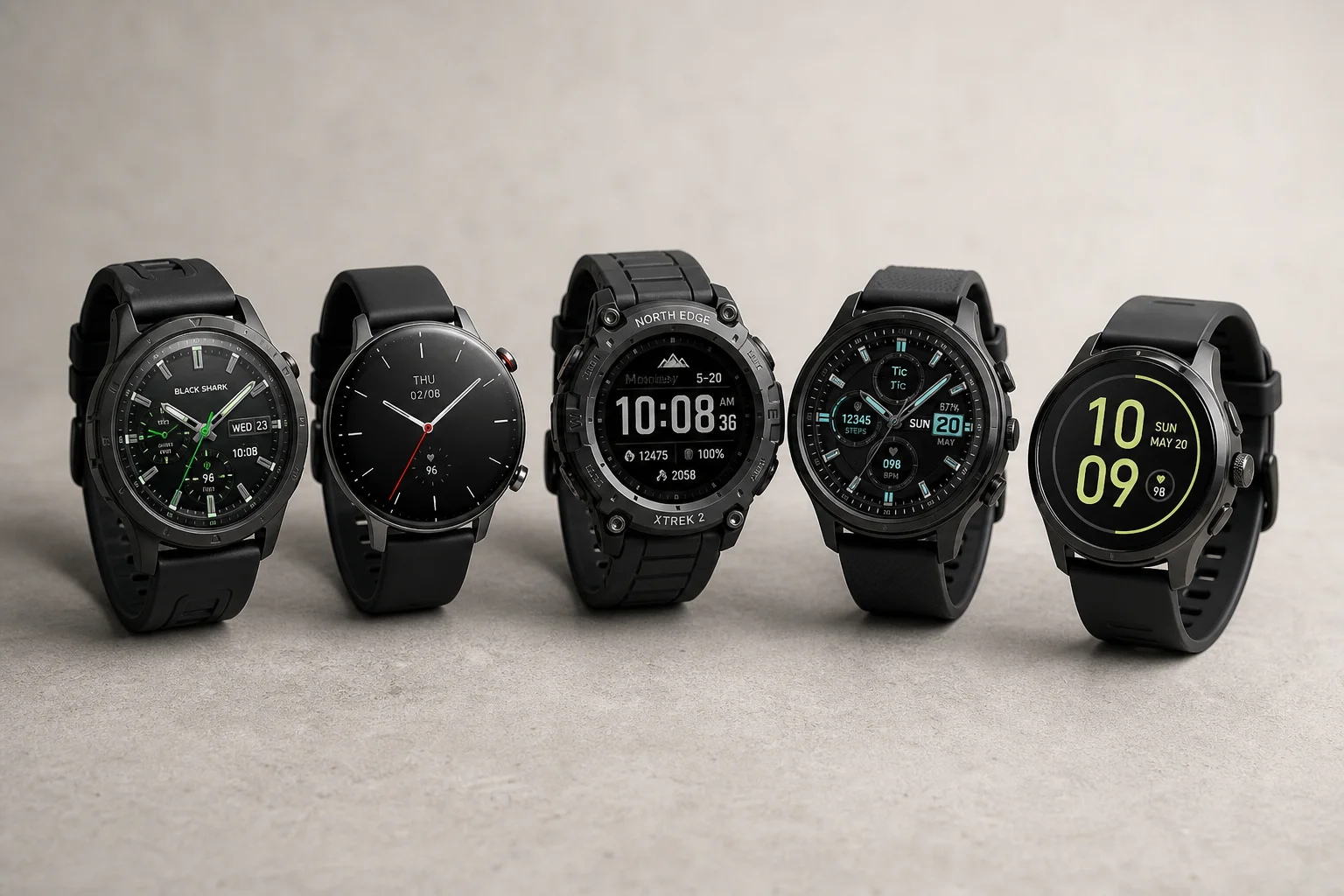
Best Smartwatches on AliExpress 2026: Five Practical Options for Different Needs
Five smartwatches with strong customer feedback and competitive pricing, each suited to different priorities: premium design, battery life, outdoor durability, advanced health tracking, and sports versatility.
Smartwatches
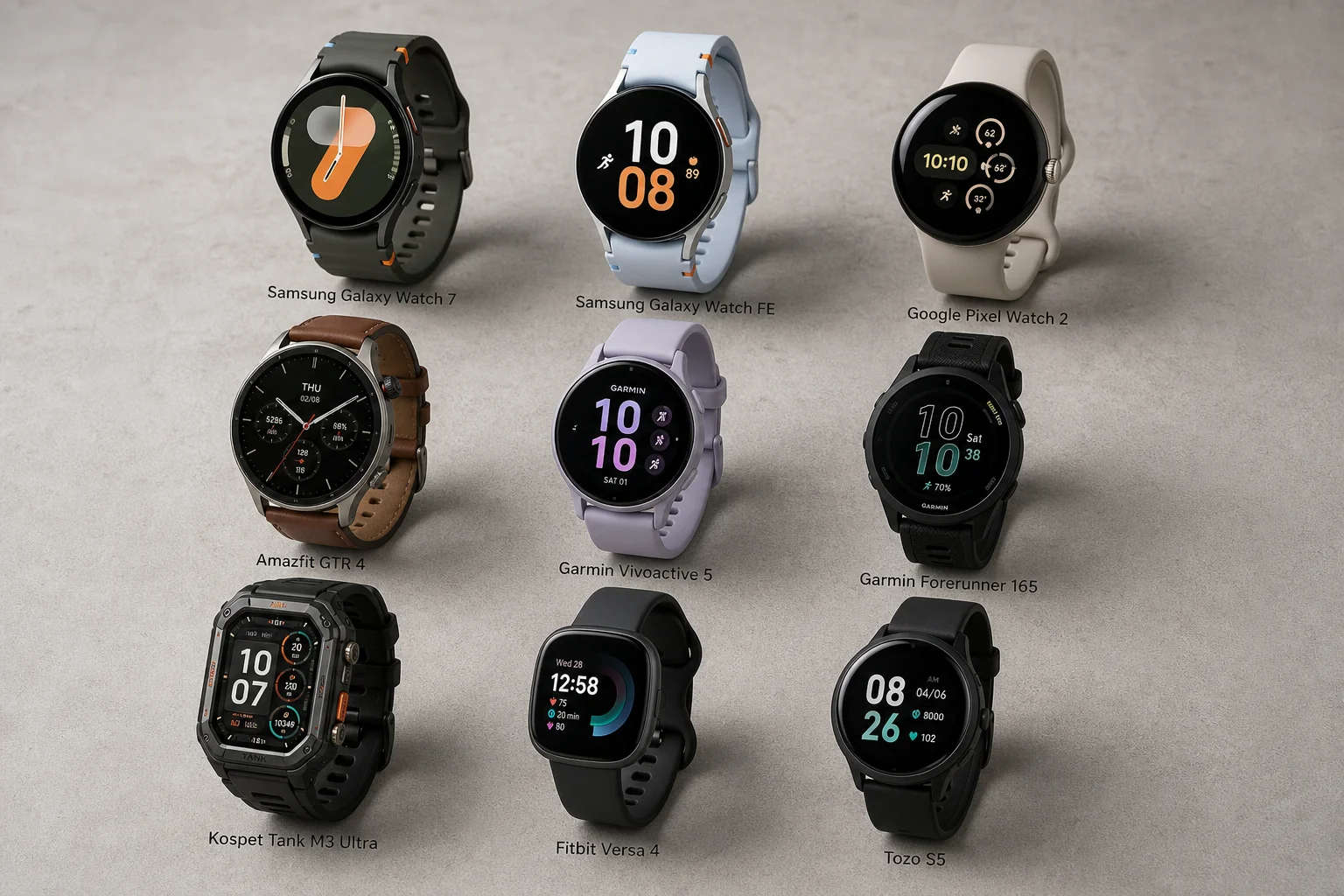
Best Smartwatches Under $300: 9 Practical Options for Every Need
A curated selection of nine smartwatches under $300, each excelling in health tracking, durability, battery life, or fitness features. Find the right match for your lifestyle.