Camping Stoves
Go Out Springill The Force Alcohol Stove Review: A Unique Design With Real Trade-Offs
A genuinely unusual alcohol stove with telescoping legs and gasifier pipes, plus the wind, heat, and durability issues worth weighing before you buy.
Introduction
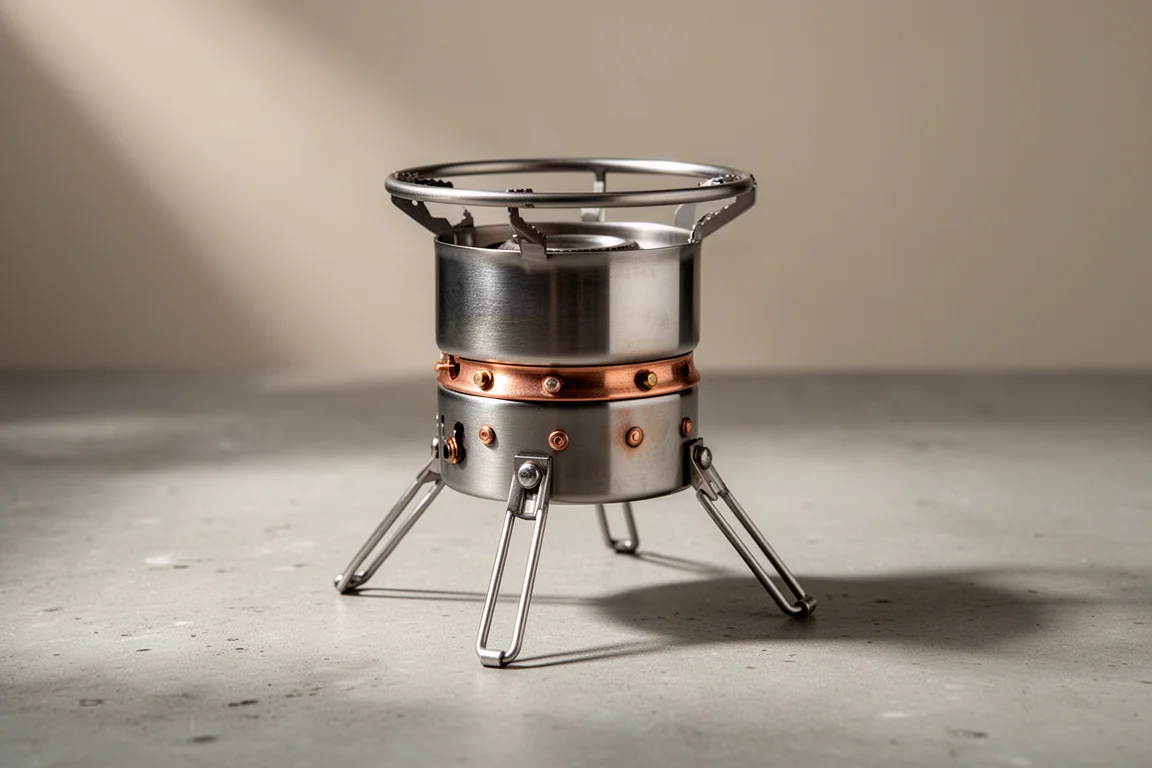
Alcohol stoves earn their place in a pack by being simple, light, and dependable in cold conditions. The Go Out Springill The Force Alcohol Stove takes that familiar formula and rebuilds it with telescoping legs, three gasifier pipes, and a body made from stainless steel and copper. The result looks like nothing else on the trail, and even the naming is unconventional.
The presentation matches the design. The stove arrives in a storage case with a sealing ring around the lid, the kind of closure usually found on a tin of car wax, and the lid has to be unsealed rather than unscrewed. Inside the case there is a flame extinguisher cap, a keychain, a velvet storage bag, a cleaning cloth, and a set of instructions. It is a memorable unboxing for a piece of camping equipment.

That sense of occasion sets expectations high, and the stove does not fully meet them. The design is distinctive, but distinctive is not the same as better, and several practical details get in the way of everyday cooking. What follows is a clear look at what this stove does well, where it falls short, and who should realistically consider it.
Who This Product Is For
Alcohol stoves as a category suit backpackers who prioritize simplicity, low weight, and reliable performance in cold weather, and who accept the trade-offs that come with the format: modest heat output and fuel inefficiency compared with canister or liquid fuel stoves.
The Go Out Springill The Force is aimed at a narrower audience. Its small footprint and pot supports work best with small to medium pots and cups, which points to solo cooks and compact setups rather than group cooking. Anyone who wants an alcohol stove they can light and largely forget may find the extra parts and setup steps work against the whole point of the category.
It is also a natural fit for gear enthusiasts who enjoy unusual designs and do not mind carrying a separate windscreen to make them work. If you are new to alcohol stoves and want the simplest possible introduction to how they behave, this is not the most forgiving starting point.
Main Strengths
The construction is the most convincing part of the package. The stove uses 304 stainless steel, 204 stainless steel, and copper, and it weighs 9.8 oz. The company rates it for a load of up to 33 lb, which is a striking figure for something this small, and the pot supports at the top give cookware a stable place to sit.
Three gasifier pipes sit on the upper section of the stove, and they are designed to deliver a consistent level of heat output once they reach temperature. The fuel chamber in the centre of the top plate holds 47 ml of fuel. Setup is straightforward once you understand it: the legs telescope out, and the stove is ready.
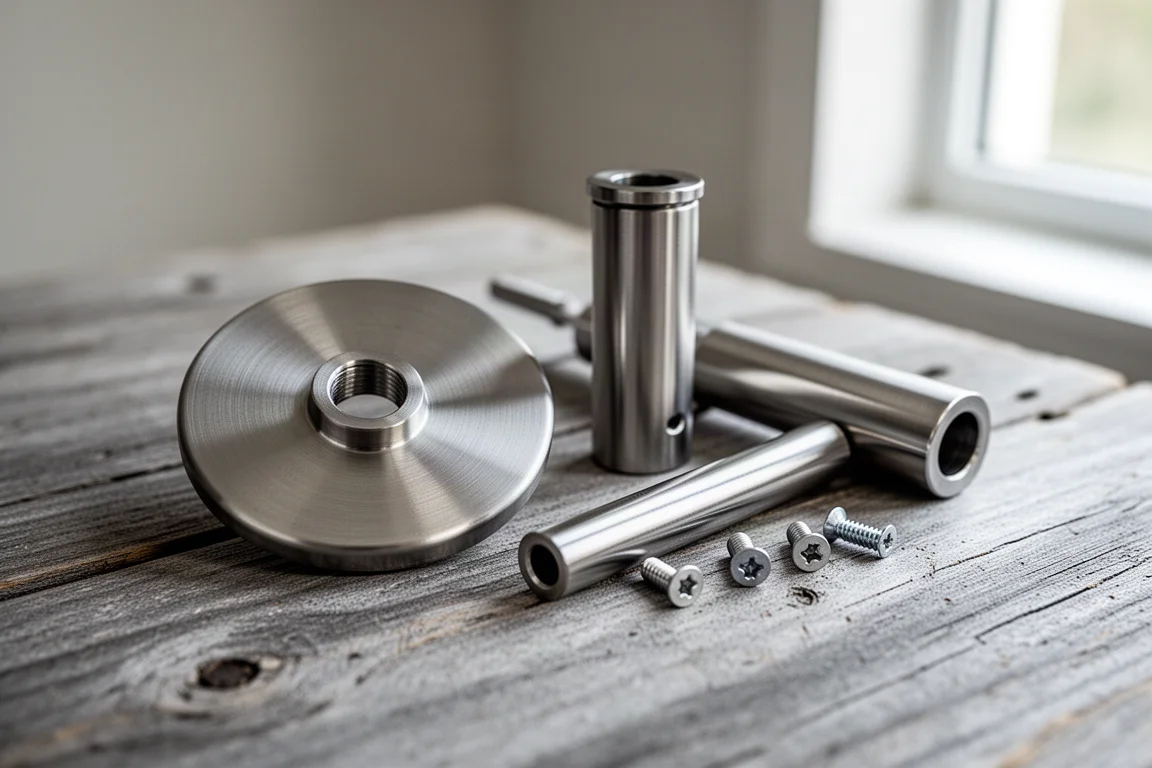
The accessories round out the package nicely. Alongside the storage case and flame extinguisher cap, there is a keychain that the company suggests attaching to a backpack while hiking, plus the velvet bag and cleaning cloth. Overall build quality is good rather than excellent. Most edges have been smoothed out, though a few remain a little sharp.
Things to Consider Before Buying
The biggest practical limitation is wind. There is essentially no windshielding built into the stove, and during testing two cups of water only came to a boil with a person standing in front of the stove to block the breeze. Anyone buying this should plan on adding a separate windscreen, which is an extra cost and an extra item in the pack.
Heat management is the second concern. The entire stove gets very hot during use, including the legs and the base, and because of the materials it takes a long time to cool down afterwards. That combination is a genuine fire risk if you set the stove on dry leaves or other combustible ground.
Fuel capacity is rated at 47 ml, and the company claims a burn time of 27 minutes from a full chamber. In practice, with fuel filled close to the top plate, the stove ran for roughly 15 minutes. The metal cover over the top of the chamber also makes it difficult to judge how much fuel has actually gone in, which makes planning burn times harder than it needs to be.
There are other details to note. Only nine holes feed the three gasifier pipes, compared with the many openings found around more conventional alcohol stoves that release flames and heat, and the performance reflects that restricted flow. Several screws were already working loose out of the box, so expect to tighten them with a small tool kit. Cookware larger than a small to medium pot does not sit well on the supports.
Performance in Real-World Conditions
The boil test is the clearest measure of what to expect. Two cups of water reached a boil in 9 minutes 44 seconds in breezy, on-and-off wind conditions, with the stove shielded by hand. That is slow, and it is broadly characteristic of alcohol stoves, although stove design is usually the single biggest factor in how quickly one performs.
Burn time in real use came in well short of the company figure. Filled near the top plate, the stove burned for around 15 minutes rather than the claimed 27, which matters if you are relying on a single fill to cook a meal. The gap between the two numbers suggests the claimed figure reflects ideal conditions that are hard to reproduce outdoors.
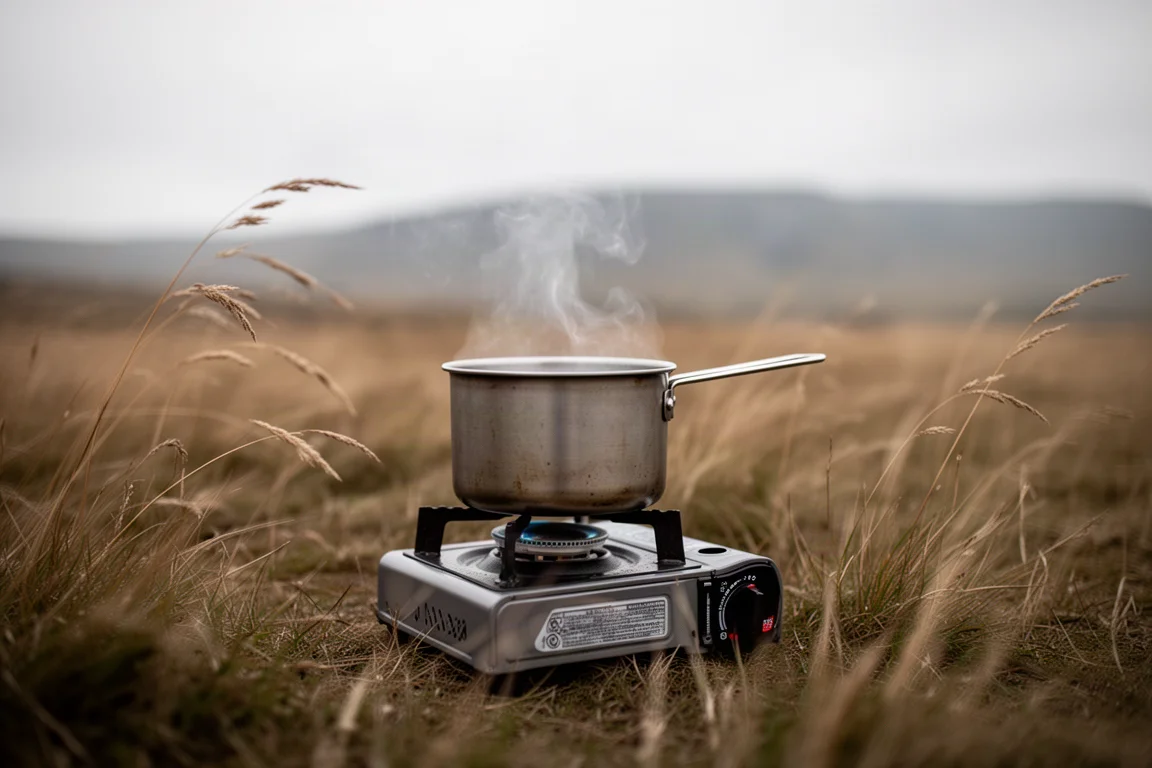
The wind sensitivity shapes the whole experience. Without a screen, the stove loses heat to the breeze and the cook ends up improvising a shield. Simpler, more conventional alcohol stove designs generally perform better than this one, and their advantage comes down to how freely they release heat around the body rather than through a small number of openings.
Buying Advice
At $36, this is an expensive alcohol stove, and that price sits awkwardly against a design that needs a windscreen to work well and a tool kit to stay tight. The price alone would not rule it out for someone who genuinely enjoys unusual gear, but it does raise the bar for what the stove should deliver.
It makes the most sense for backpackers who cook for one, use small pots, already carry a windscreen, and appreciate a design that stands apart from the usual stamped metal disc. For anyone who wants the traditional alcohol stove virtues of simplicity and predictable behaviour, a more conventional model is the safer and cheaper route.
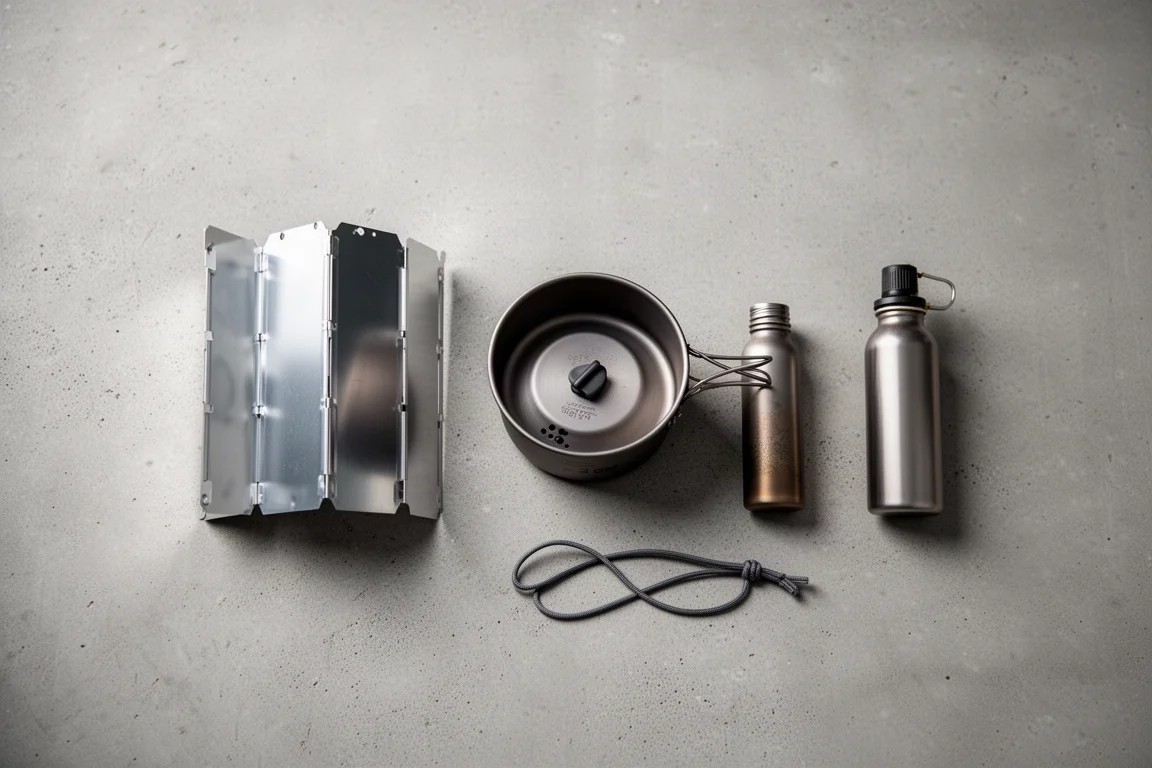
The practical advice is straightforward. If you buy this stove, budget for a windscreen at the same time, keep a small screwdriver handy for the fasteners, and never set it down on dry vegetation. Treat the 47 ml chamber as a guide rather than a promise, and plan on roughly 15 minutes of burn time from a full fill.
Conclusion
The Go Out Springill The Force Alcohol Stove is a fascinating object. The telescoping legs, the three gasifier pipes, and the stainless and copper body make it one of the most distinctive alcohol stoves available, and the storage case and accessories give the whole package a premium feel.
The problem is that the complexity does not translate into better cooking. Performance is middling, wind protection is absent, the stove runs hot and cools slowly, and the fasteners were already loosening when it came out of the case. For a category built on simplicity, that is a meaningful step in the wrong direction.
Buy it if you enjoy unusual designs and are prepared to work around its quirks. Skip it if you want an alcohol stove that is simple, predictable, and ready to go out of the box, because plenty of conventional options deliver exactly that for less money.
Product link
View more details for Go Out Springill The Force Alcohol Stove
This product is mentioned in the review. Check the specifications, options, and compatibility before buying.
View more details for Go Out Springill The Force Alcohol StoveFurther reading
Related Reviews
Camping Stoves
BCB Fire Dragon Mini Cooker Review: A Tiny Folding Stove With Real Trade-Offs
A palm-sized, fuel-flexible folding stove that heats water well enough, but brings flame control, stability, and fuel cost questions worth understanding first.
Camping Stoves
Boundless Voyage Titanium Alcohol and Wood Stove Review: Ultralight Cooking, Two Ways
A titanium alcohol and wood burning stove kit that weighs 4.5 oz complete, boils two cups of water in about 10 minutes, and costs $36.
Camping Stoves
BRS 32 Dual Burner Stove Review: A Folding Two-Burner That Packs Down Flat
A detailed look at the BRS 32, a slim folding dual burner camping stove that expands into a stable cooking platform for around $60.