Camping Stoves
Go Out Springill Force Alcohol Stove Review: A Unique Design With Real Trade-Offs
A close look at the Go Out Springill Force alcohol stove, covering its telescoping legs, gasifier pipes, boil-test performance, build quality, and who should consider it.
Introduction
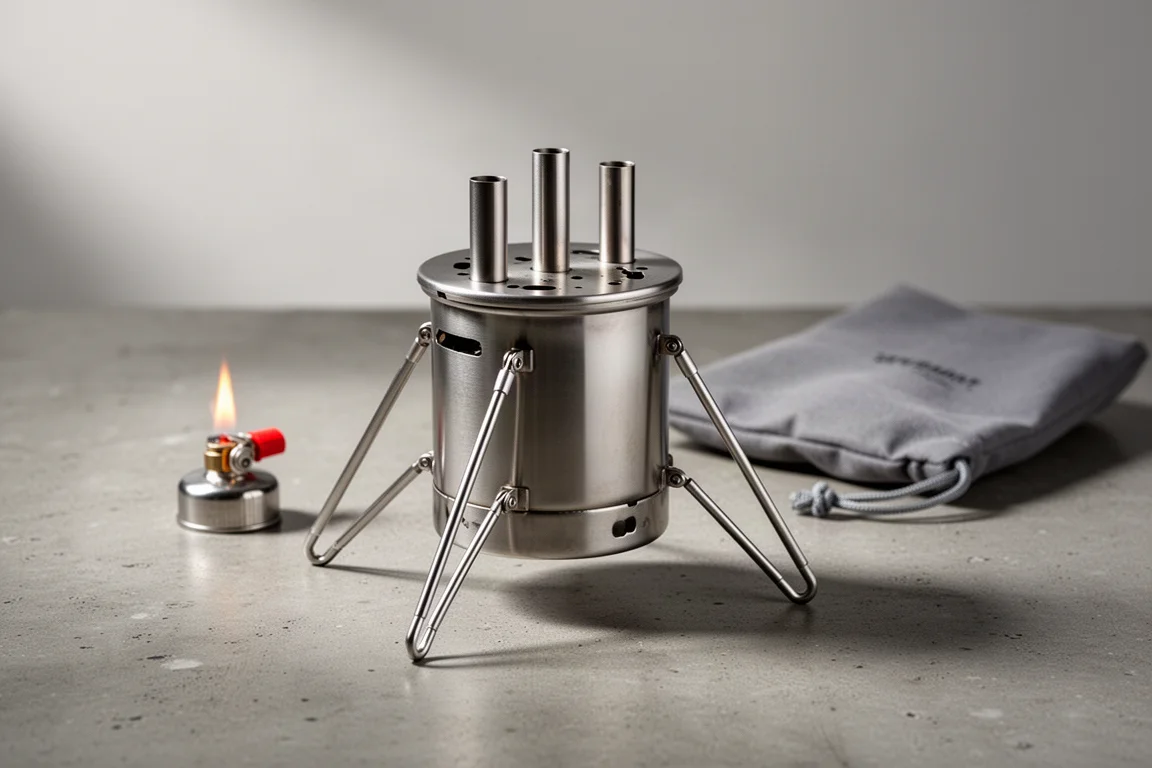
Alcohol stoves earn their place in a pack by being simple, light, and dependable in cold conditions. The Go Out Springill Force takes that familiar formula and rebuilds it with a far more elaborate design, and the result looks unlike anything else in the category.
The shape is the first thing that stands out. Three pot supports sit at the top, three gasifier pipes run down the inside, and the whole unit rests on telescoping legs that extend outward when it is time to cook. The packaging follows the same theme: a sealed storage case with a monkey graphic on the lid, a velvet storage bag, a cleaning cloth, instructions, a flame extinguisher cap, and a keychain ring that the company suggests using to hang the stove from a backpack while hiking.
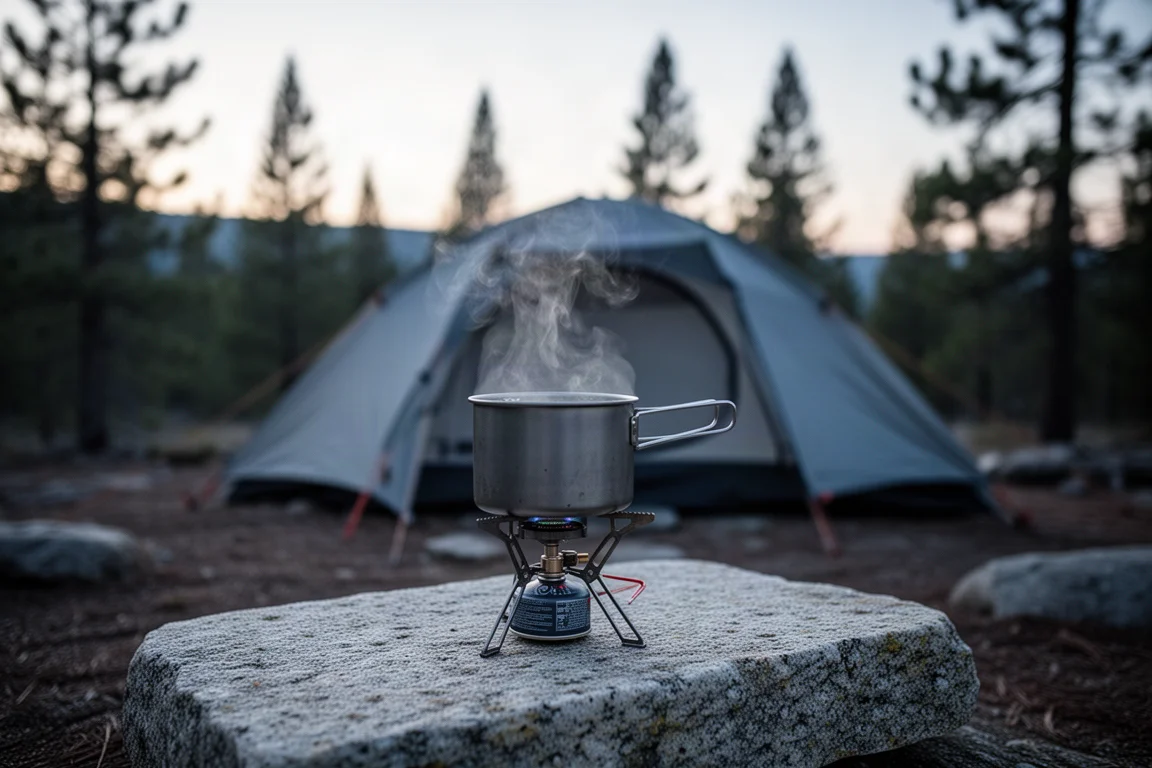
This review covers what that design delivers in practice, including a real boil test, the build details worth knowing, and the trade-offs that decide whether this stove belongs in your kit.
Who This Stove Is For
The Force is aimed at hikers and campers who want something compact and different from a standard alcohol burner. It suits small to medium pots and cups rather than large cookware, so it fits a solo or minimalist cooking setup where the job is boiling water for a hot drink or a dehydrated meal.
Fans of unusual designs will find plenty to examine here, but the stove asks for a specific approach: a separate windscreen, small cookware, and a willingness to check and tighten hardware. Anyone who wants a straightforward burner that works without extra attention is likely to be happier with a conventional alcohol stove.
Main Strengths: A Genuinely Distinctive Design
The standout feature is the three gasifier pipes inside the burner. Once the stove is up to temperature, these are designed to provide a consistent level of heat output, which is the idea behind the gasifier layout. The telescoping legs are equally unusual: they fold away for storage and extend to lift the burner off the ground, and setup takes only a moment.
The stove weighs 9.8 oz and is built from 304 stainless steel, 204 stainless steel, and copper. The company rates it to support up to 33 lb, a figure far beyond what this footprint would normally suggest. The included storage case and velvet bag make the stove easy to pack and protect, and the keychain ring offers an optional way to carry it on the outside of a pack.
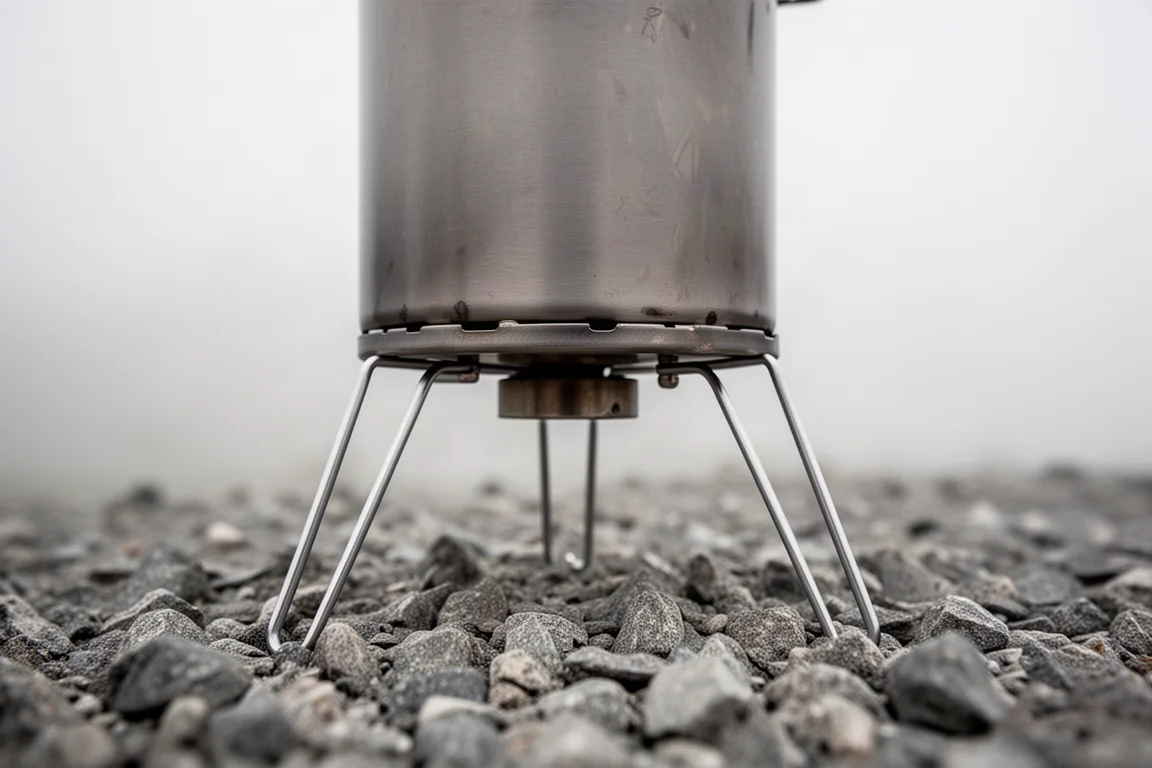
For a small burner, that combination of materials and hardware gives the Force a substantial feel in the hand.
Real-World Performance: The Boil Test
Two cups of water came to a boil in 9 minutes and 44 seconds, with the stove set up in breezy, on-and-off wind. Blocking the wind was necessary to get there, and that is the clearest signal about how this stove behaves outdoors: it needs shelter to perform at its best.
Fuel handling has its own quirk. The metal plate across the top makes it difficult to see how much fuel has gone into the 47 ml chamber, so filling is more of a guess than a measurement. With the chamber filled close to the top plate, the burn lasted roughly 15 minutes, well short of the 27 minutes the company claims for a full load.
Alcohol stoves are not known for speed, and low heat output is a normal part of the trade-off for their simplicity and cold-weather reliability. Even against that baseline, the Force lands in the middle of the pack.
Things to Consider Before Buying
Wind protection is the biggest gap. There is essentially no windshielding built into this stove, so a separate windscreen is a practical requirement rather than an optional extra.
Heat management is the second consideration. The legs and the base of the stove get very hot during use and stay hot for a long time afterward, which makes it a poor match for dry leaves, grass, or other flammable ground cover. Give it a hard, clear surface and handle it with care once the flame goes out.
Output is limited by the design. The gasifier pipes provide nine holes for flame and heat to escape, while a traditional alcohol stove releases heat through many holes around the body. That difference shows up in cooking speed and in how well the stove handles larger pots, so small and medium cookware works best here.
Hardware is worth checking on arrival. Several screws on the body were already working loose out of the box, and tightening them requires a small tool kit.

Some edges are smoothed and others are noticeably sharper, so a quick inspection before the first trip is a sensible habit.
Build Quality and Design Trade-Offs
The materials are decent, and the overall quality lands somewhere between good and great. The real issue is complexity. A simple burner has been rebuilt with a dozen screws around the body, more fasteners at the top, a sealed case, gasifier pipes, and telescoping legs. Each element adds something to look after, and none of it makes the stove easier to live with in the field.
That is the central tension with the Force. A design can be unusual and still be an improvement, but here the extra engineering works against the simplicity that makes alcohol stoves appealing in the first place. Conventional alcohol stoves remain simpler to use and generally perform better.
Buying Advice
At $36, the Force sits at the expensive end of the alcohol stove market, and the price is hard to justify on performance alone. If your goal is a dependable, fuss-free burner for boiling water, a conventional alcohol stove is the safer and more efficient choice.
If the design itself appeals to you, go in with clear expectations. Budget for a windscreen, stick to small and medium pots, plan to tighten the hardware, and use the stove on surfaces that will not catch fire. The Force is best treated as a curiosity for campers who enjoy unusual gear rather than a performance upgrade over the stoves they already own.
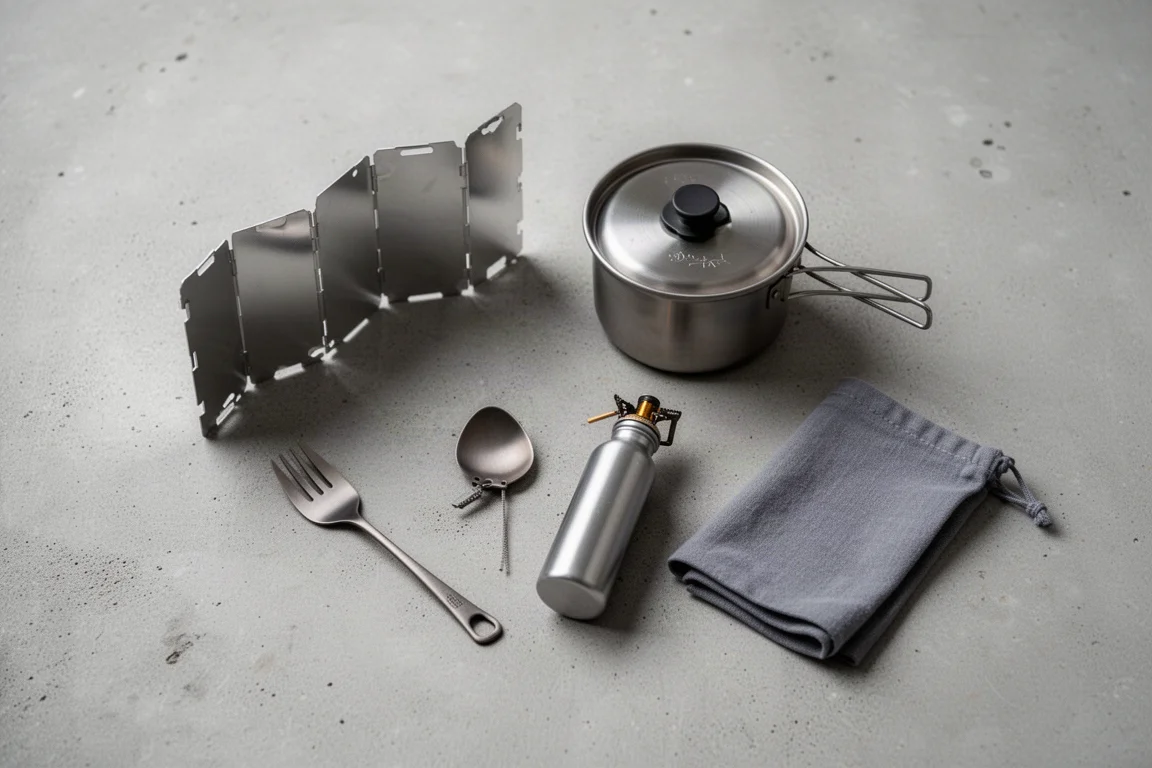
That way the purchase becomes a deliberate choice about the design instead of a bet on better cooking results.
Conclusion
The Go Out Springill Force is one of the most unusual alcohol stove designs you will come across, with telescoping legs, gasifier pipes, and a presentation that is genuinely memorable. What it does not offer is better performance. Boil times are slow, wind protection is absent, burn time falls short of the company’s claim, and the hardware needs attention from day one.
For most campers, a simpler alcohol stove will be the better buy. For those who value a distinctive piece of gear and are happy to work around its quirks, the Force is an interesting experiment rather than a practical step forward.
Product link
View more details for Go Out Springill Force Alcohol Stove
This product is mentioned in the review. Check the specifications, options, and compatibility before buying.
View more details for Go Out Springill Force Alcohol StoveFurther reading
Related Reviews
Camping Stoves
BCB Fire Dragon Mini Cooker Review: A Tiny Folding Stove With Real Trade-Offs
A palm-sized, fuel-flexible folding stove that heats water well enough, but brings flame control, stability, and fuel cost questions worth understanding first.
Camping Stoves
Boundless Voyage Titanium Alcohol and Wood Stove Review: Ultralight Cooking, Two Ways
A titanium alcohol and wood burning stove kit that weighs 4.5 oz complete, boils two cups of water in about 10 minutes, and costs $36.
Camping Stoves
BRS 32 Dual Burner Stove Review: A Folding Two-Burner That Packs Down Flat
A detailed look at the BRS 32, a slim folding dual burner camping stove that expands into a stable cooking platform for around $60.