Snowboarding
GNU Rider's Choice C3 Review: A Freestyle Board That Trades Power for Playfulness
The RCC3 gets softer tips and a more approachable ride. Great for buttering and presses, but it gives up some pop and drive compared to the older version.
Introduction
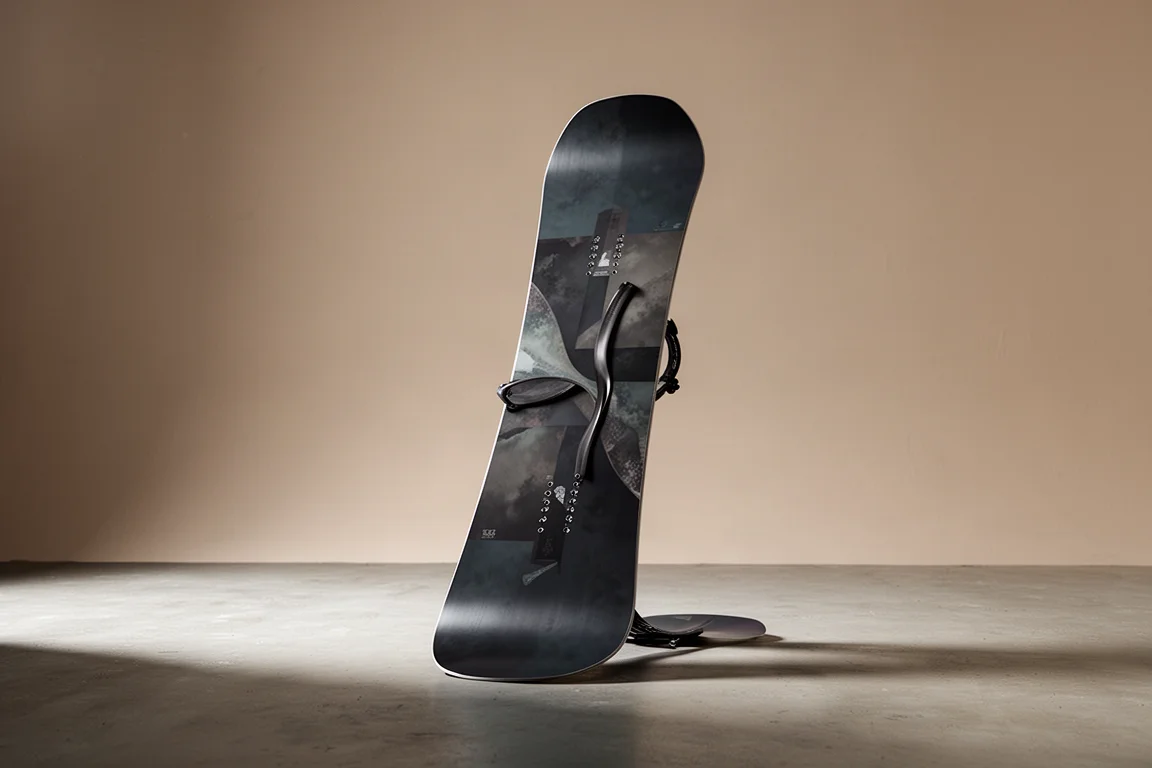
The GNU Rider’s Choice C3, or RCC3, is a freestyle snowboard built around GNU’s Magnetraction C3 camber profile. This year’s version takes a noticeably different direction from the previous one: softer tips, a more playful character, and a ride that feels more approachable overall. That shift makes it a strong fit for laid-back freestyle riders, but it also costs the board some of the snap and drive that made the old RCC3 such a strong charger. Here is how it all breaks down.
Camber Profile and Flex
The board uses GNU’s C3 camber profile: flat into camber 2.0 with a slight dip between the inserts. That dip adds a bit of torsional play, and the overall profile rides like a broken-in camber board, so you still get load, pop, and drive out of it.
Out on the snow, the tips are softer and stiffen up right outside the insert pack until you reach the dead centre of the board. Right where the dip sits, you get noticeably more play, which activates the torsional flex and lets you really twist the board. It is available in 154.5, 157.5, and 159.5 cm.
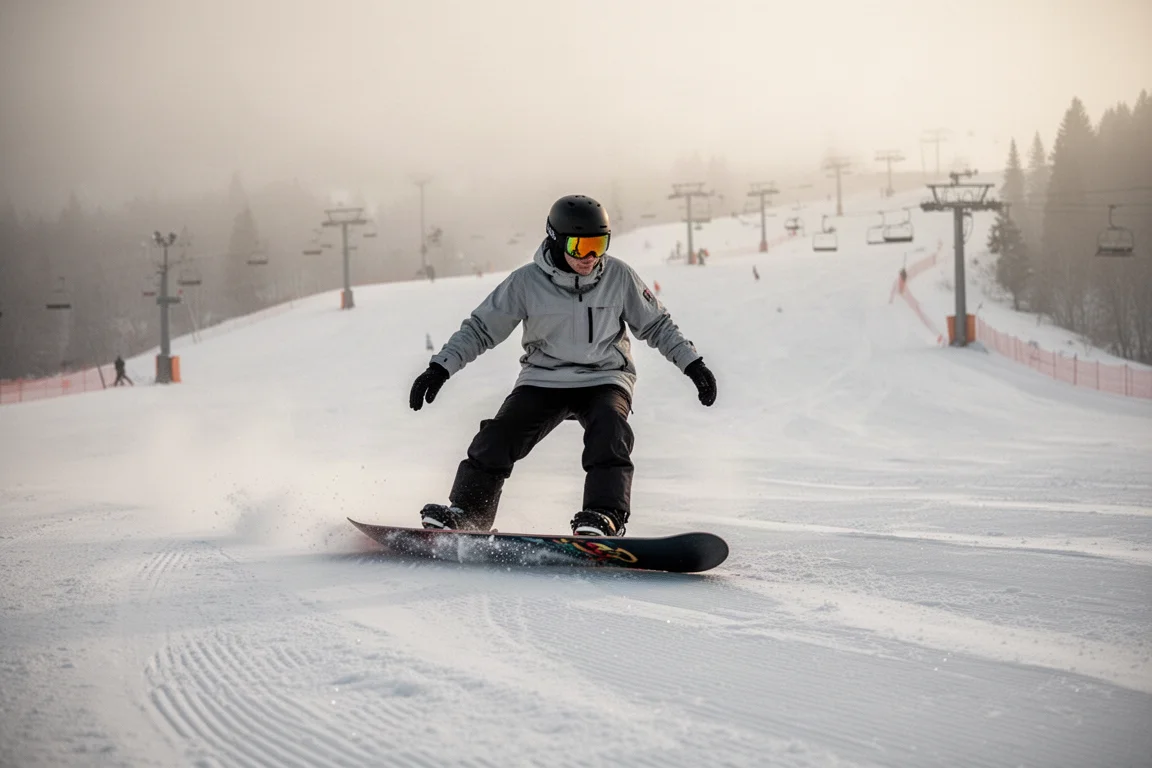
The trade-off shows up in stability. The softer tips pick up more chatter, and that reverberates back underfoot unless you stay on top of ruts and variable snow. The middle of the board is the most stable section and will plow through just about anything, but until you get there, you feel everything the nose and tail hit, especially the nose, which sends vibration straight back under the front foot.
Pop and Jump Performance
The softer tips cost the board some pop. It gets a little mushy when you load up the camber and roll back on the tail, so it does not feel designed to hit bigger features the way the old RCC3 did. It still loads up relatively easily and snaps, just with less power behind it.
On the jumps, it did okay but not great. On questionable, awkward jumps it held together without issue, but a stiffer nose and tail would have made it noticeably better. That said, the reduced pop matters less for side hits and rollers, which it handles well.
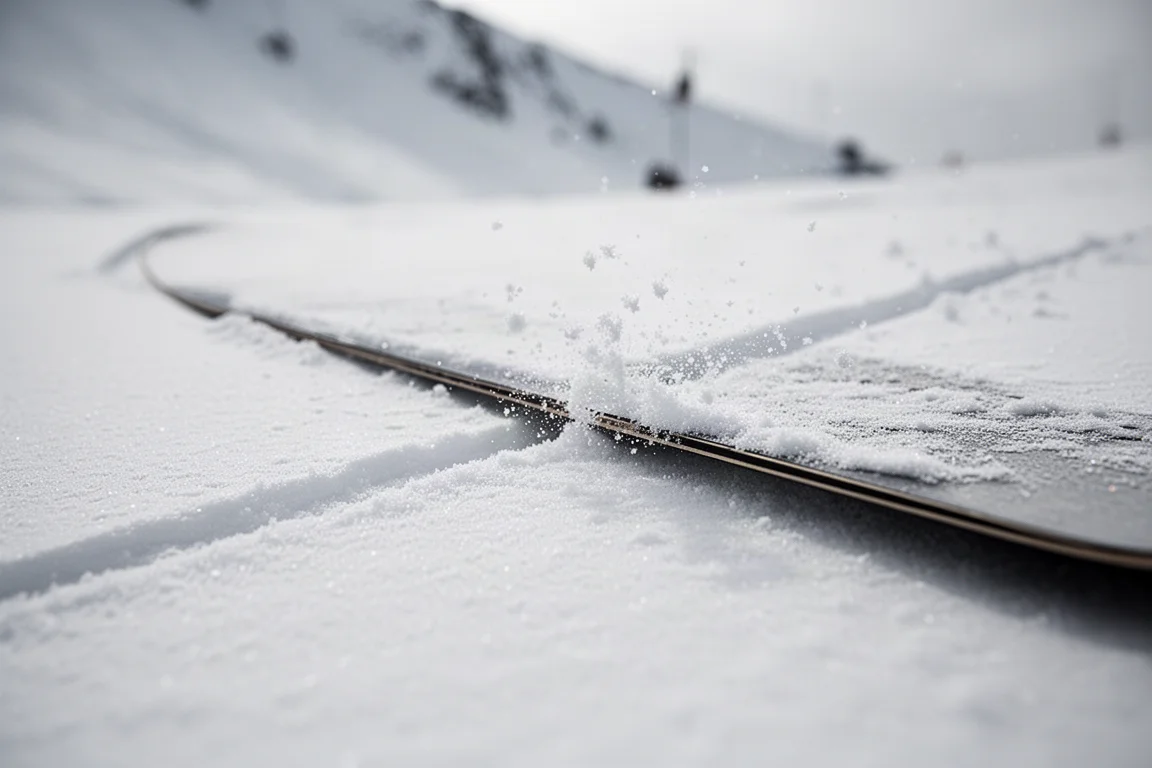
Where the board does deliver is on edge. The Asym Claw edges give more power when you come off your heel or toe, so you feel real drive when you are engaged in a turn, even if the pop out of the tail is not what it used to be.
Buttering and Jibbing
This is where the softer tips and the flat section in the C3 really pay off. The board offers an excellent platform for buttering: you can get sideways, swizzle and sizzle around, and then shift your weight toward or just outside the nose of the insert pack to engage the camber section and get some pop out of it.
For jibbing, it locks into nose and tail presses and holds them to the end of the feature. Going sideways gives you a little spring off the board. Despite the dip in the C3, it does not kick you toward the front or back foot; it simply cradles the feature and locks in perfectly.

Carving Performance
The Asym Claw edges are more elevated on the toe side than the heel side, which changes the leverage and how you engage them into a turn. When you steer underfoot, you get more power, and the difference in power distribution is genuinely noticeable and easy to use.
The problem is the softer tail. When you lay the board over hard, you lack the power to push out through the tail, so it tends to wash out on short, tight, quick carves. Medium, mellow carves are a real strength. Deep, aggressive carves are where this board falters and does not deliver what you want.
Who This Board Is For
This board is made for the all-around freestyle rider. Compared to the old RCC3, it is more approachable and better suited to a laid-back rider who charges maybe 40 to 50% of the time rather than full-time. The old version boosted harder and charged harder; this one is easier to live with.

If your riding leans heavily on buttering, presses, and jibs, with occasional jumps and moderate carving, this board makes a lot of sense. If you want maximum snap, hard-carving drive, and the ability to hit big features with confidence, you will likely miss what the previous version offered.
Buying Advice
Comparable boards to consider include the Ride Bench Warmer, the Nitro Gamma, and the Rome Agent Pro. For recommendations outside this exact style, look at the Bent Metal Transfer, the Salomon District Team Pro, and the Ride C6.
What stands out most is the Asym Claw edge design. It makes sense, it works, and you can feel the power distribution change when you engage a turn. What holds the board back is the softer nose and tail: less snap, less drive through a turn, and less confidence on bigger jumps. A slightly stiffer tip and tail would balance the board better, because the current softer ends do not compensate for what was lost.
Conclusion
The GNU Rider’s Choice C3 is a more playful, more forgiving take on a board that used to be a harder-charging freestyle weapon. Buttering, pressing, and jibbing are excellent, the Asym Claw edges add real power on edge, and the board is easy to get along with. But if you want the boost, drive, and big-feature confidence of the old RCC3, this version will leave you wanting more. Choose it if your freestyle riding is about style and flow; pass on it if you miss the old board’s raw power.
Product link
View more details for GNU Riders Choice C3
This product is mentioned in the review. Check the specifications, options, and compatibility before buying.
View more details for GNU Riders Choice C3Further reading
Related Reviews
Snowboarding
2025 Snowboard Gear List: Five Picks That Earned Their Place on the Mountain
From Zeiss-lens goggles to a hybrid step-in binding, here are five pieces of 2025 snowboard gear that held up across a full season of riding.
Snowboarding
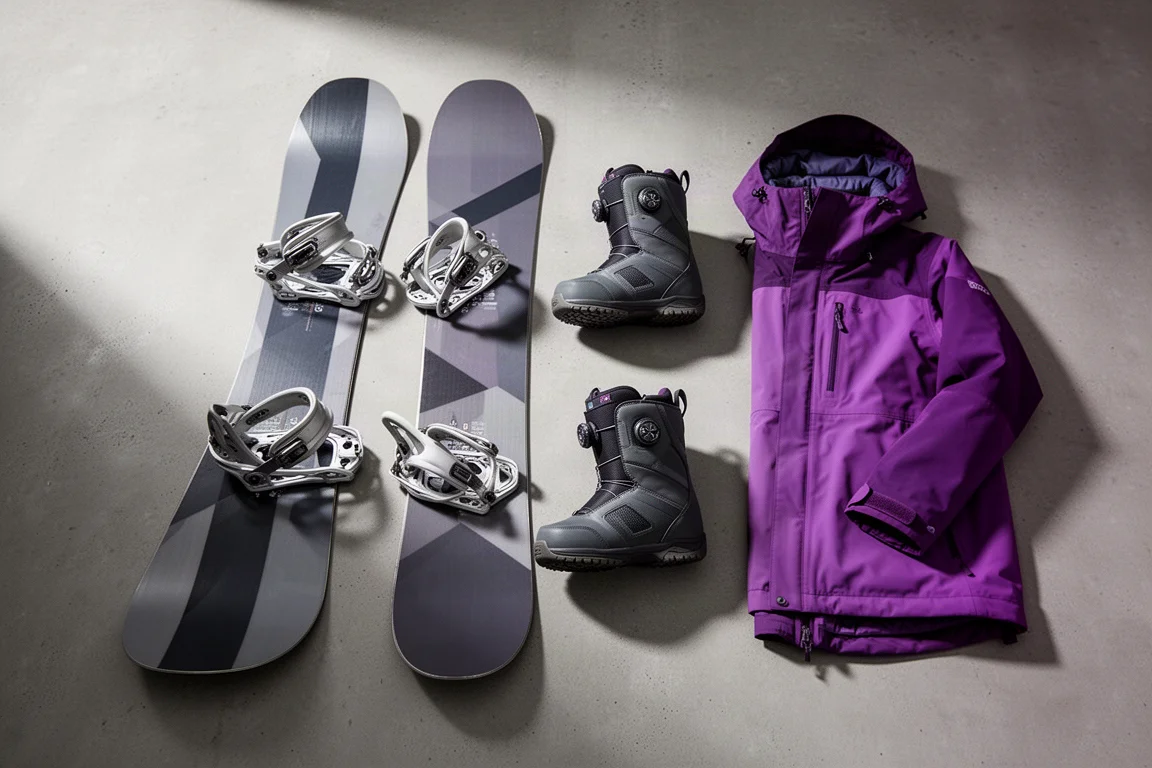
2026 Snowboard Gear List: Boards, Bindings, Boots and Outerwear Worth a Look
A season-ready snowboard setup built from the bottom up: base layers, Strafe outerwear, Ride and Union boots, Union bindings, and two new Capita boards.
Snowboarding
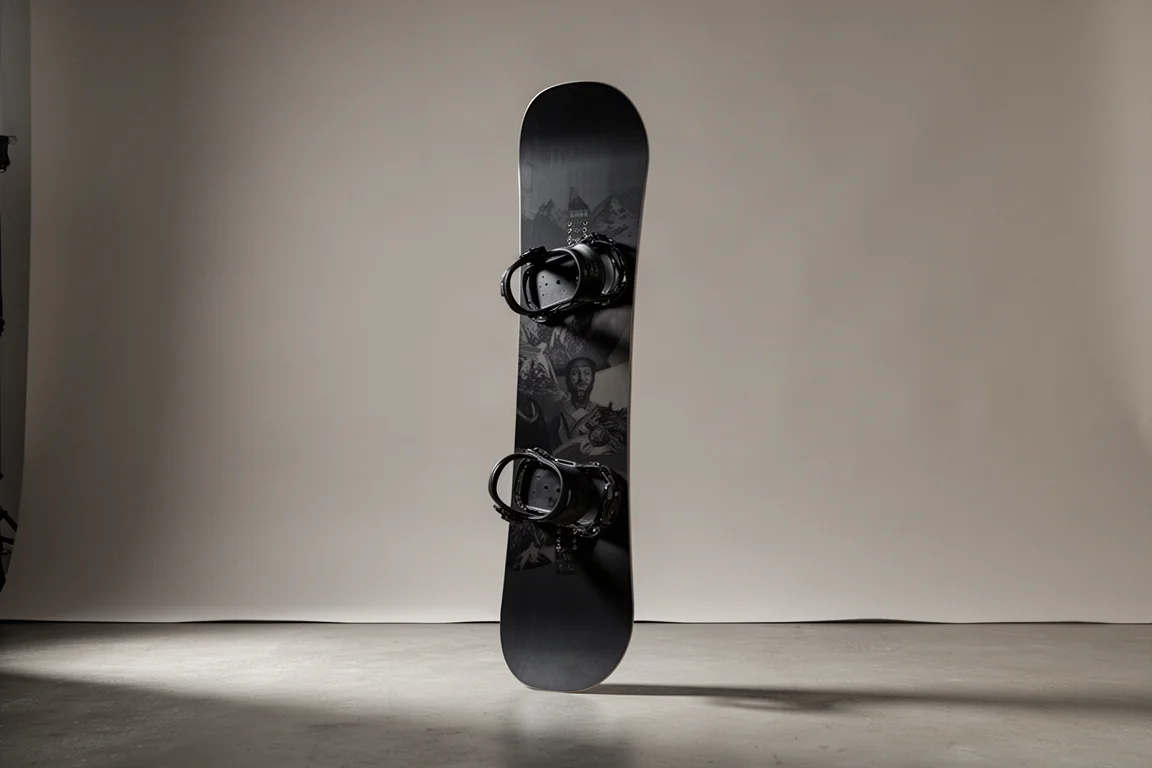
32 Cold World Review: A Playful Hybrid Camber Board for Park Laps
The 32 Cold World blends classic camber underfoot with flat nose and tail sections for a predictable, butter-friendly ride aimed at intermediate park riders.