Snowboarding
GNU Gloss C vs Burton Talent Scout: Which Park-Friendly Camber Board Rides Better?
A first day on snow with the GNU Gloss C, compared directly against the Burton Talent Scout for flex, grip, and overall ride feel.
Introduction
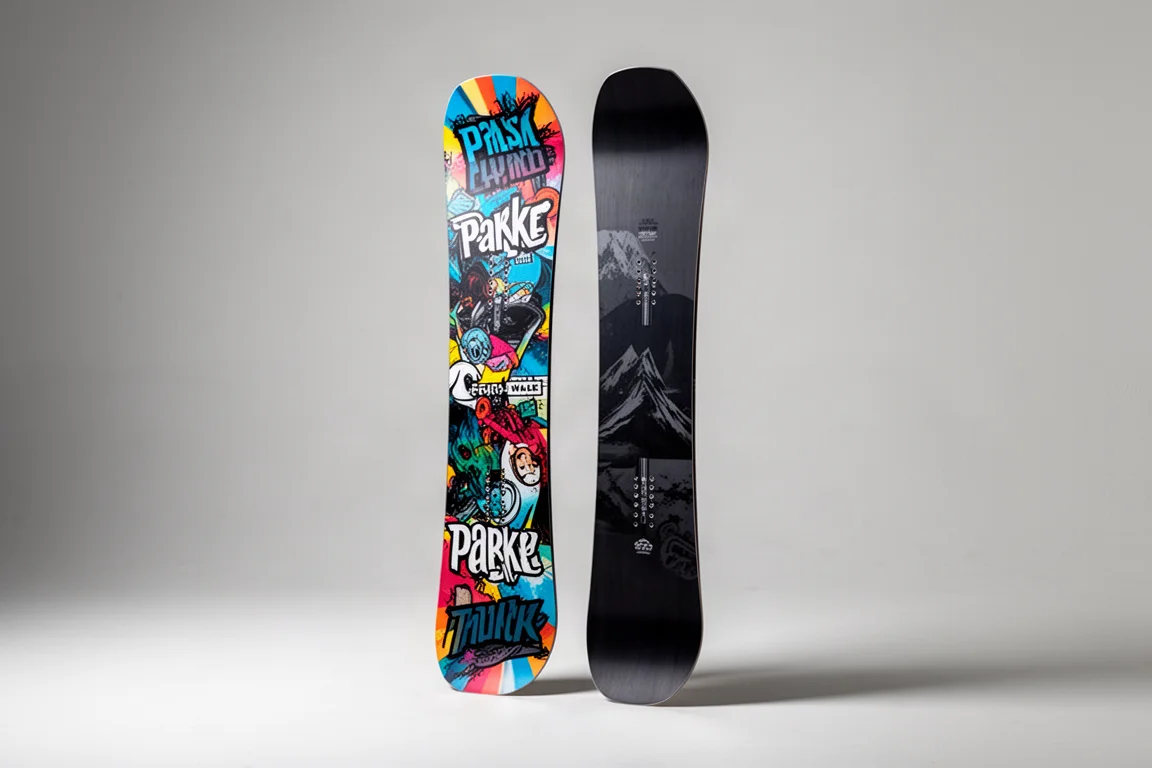
The GNU Gloss C sits in an interesting spot: it is a park-focused board with a softer flex, but it is not the softest board in the lineup. The “C” in the name points to its more camber-leaning profile, and the board adds a magnet-traction edge treatment that GNU says helps it grip the snow. We spent a first day on snow with the 2025 model to see how that combination actually feels, using the Burton Talent Scout as a familiar reference point.
First Impressions
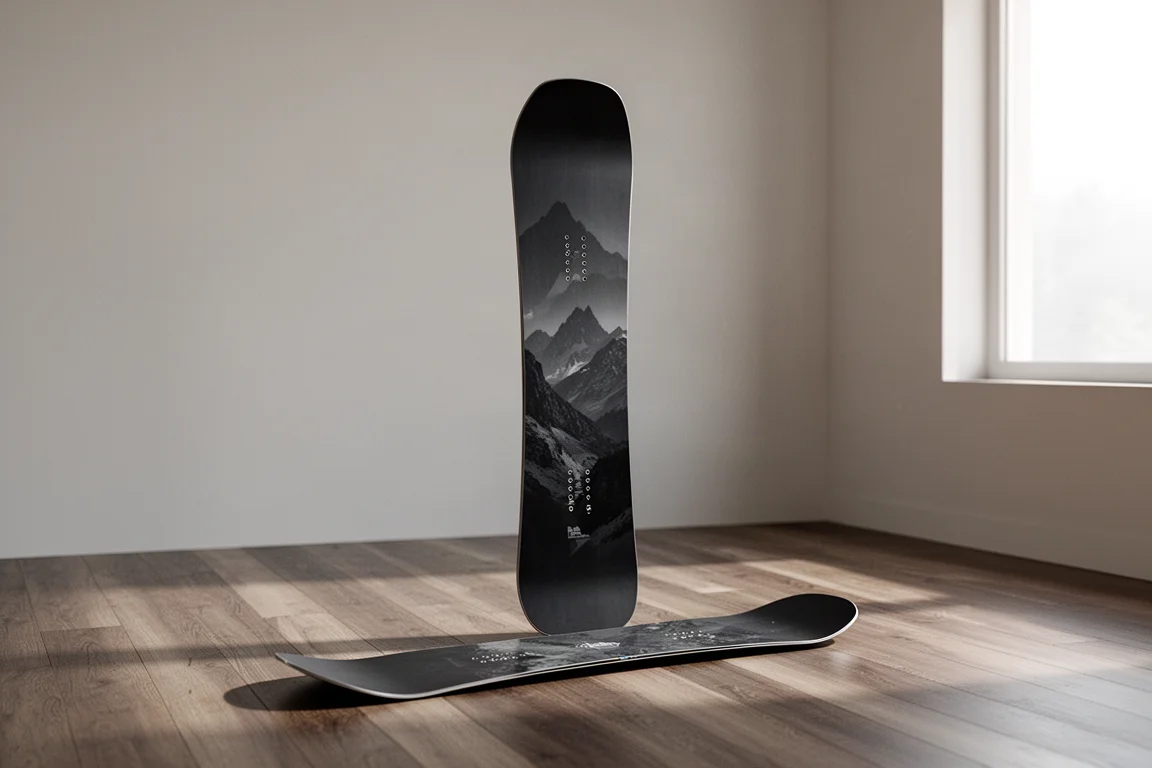
Straight out of the wrap, the first thing to know is that this is the previous year’s model, and that is part of the appeal: the graphics on the 2025 version are arguably the better-looking ones. Picking the board up, it does not feel like a heavy park deck. It is slightly heavier than the Burton Talent Scout when you lift both, but on snow that weight difference never became noticeable.
Setting Up the Board
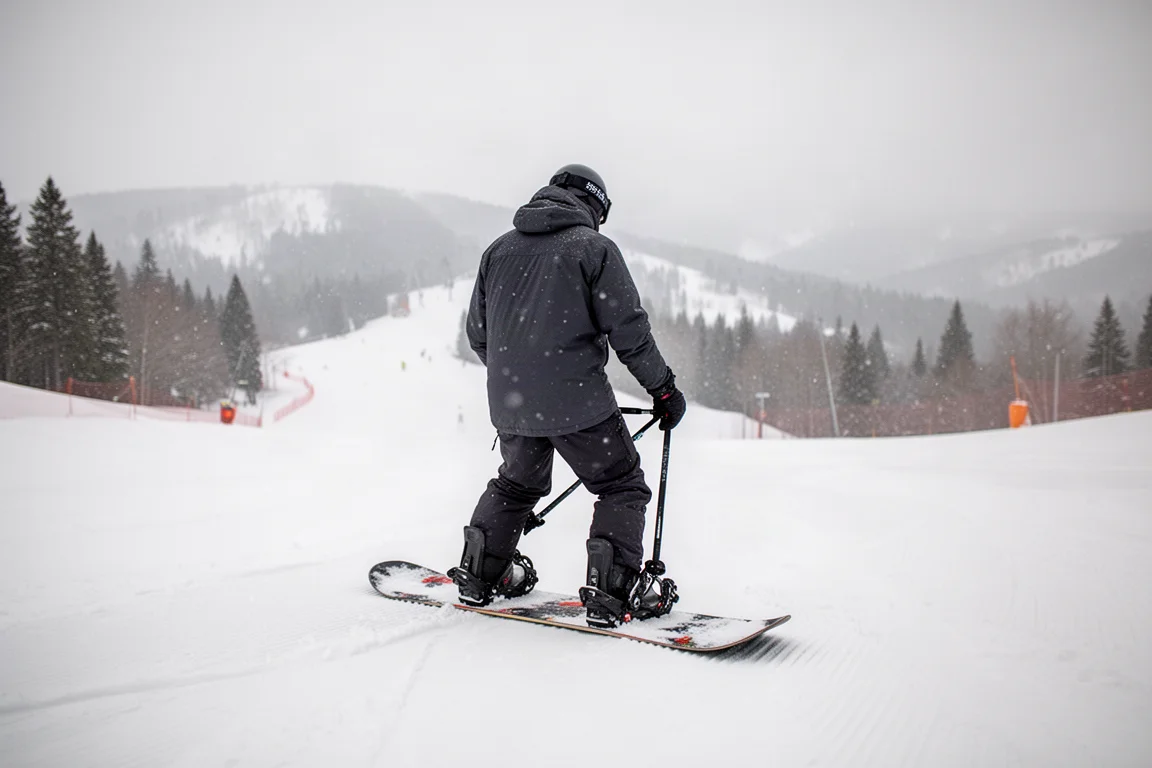
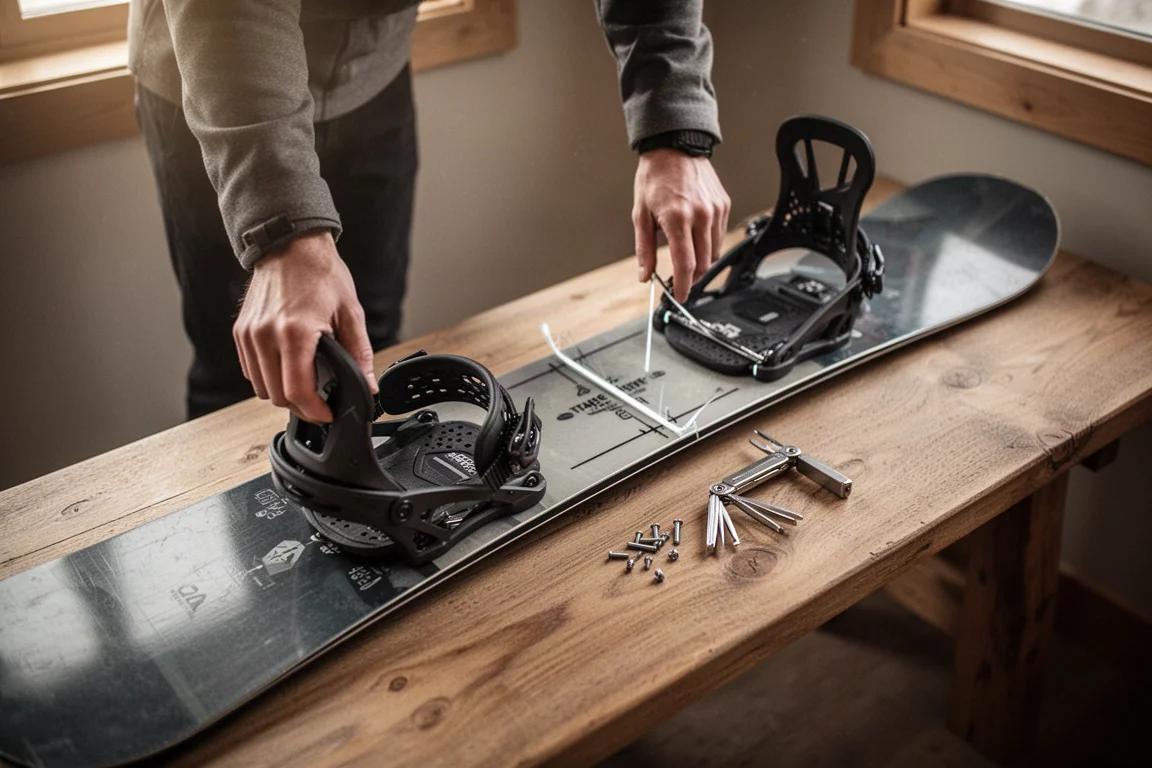
Getting the Gloss C dialed in took a few small steps. The rider runs a regular stance with the front binding angled to -9 and the rear to +15, set up slightly directional rather than fully twin for switch riding. The elbow-width test got the stance close, and then widening it by a single hole and nudging the whole setup back by a millimeter landed it perfectly.
One small detail worth remembering: the big strap on the binding always goes on the inside. Small things like that make a first-day setup go smoother.
How the GNU Gloss C Rides
The first half-day was a learning curve. The board felt catchy at first, which can be sketchy until you adjust. The reason seems to be the magnet traction: it grips the snow very well, which is great for holding an edge, but it makes the board want to track straight unless you commit.
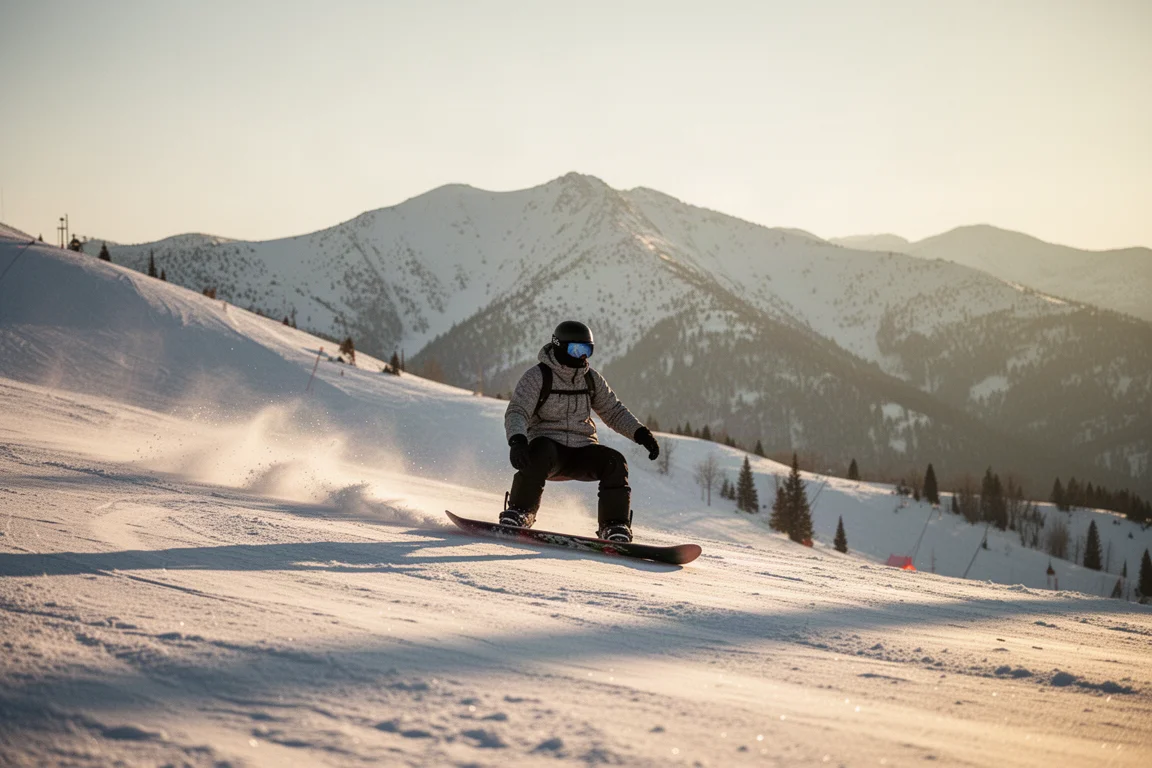
The fix is intent. On the Talent Scout, the rider already rode fairly aggressively because of its full camber profile, but the Gloss C demanded even more aggression. Once the turns were made deliberately, the board felt noticeably more controlled and confident. That midday shift is the key takeaway: this board rewards riders who ride with purpose rather than passengers who drift through turns.
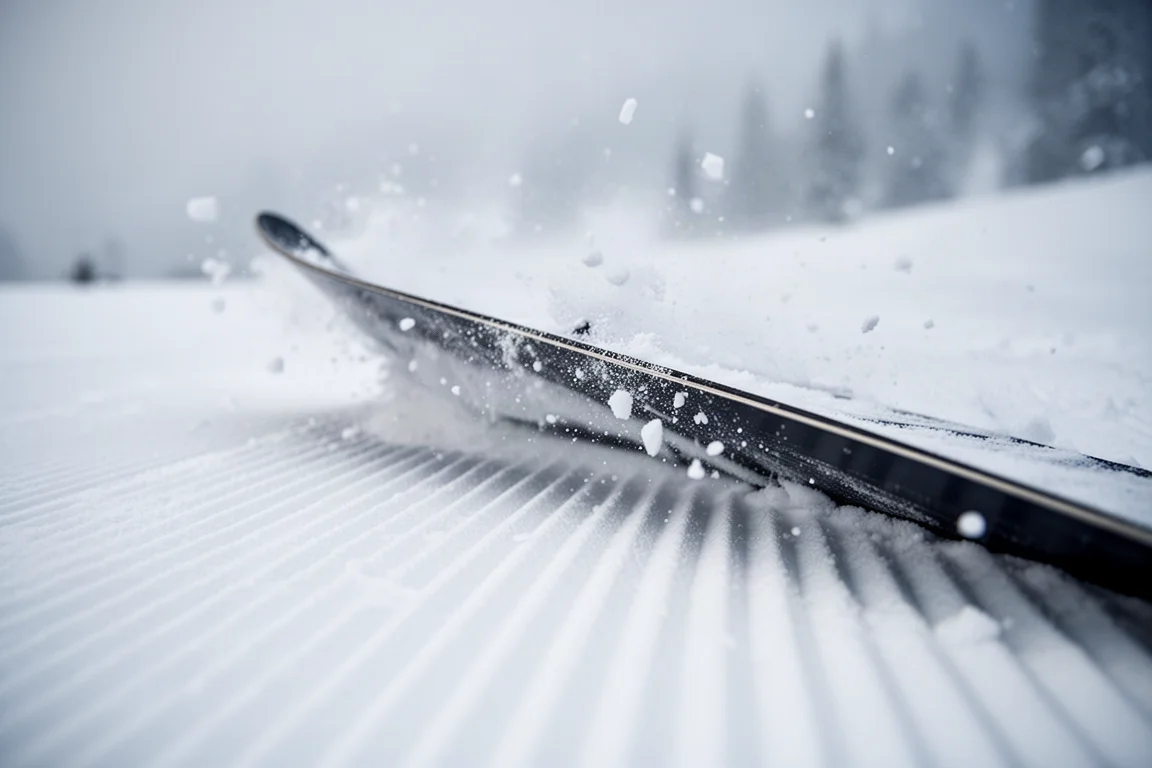
The 136cm size, ridden by someone around 103 lbs and 5’1”, proved to be just right, even though it was the shortest board that rider had ever been on. Being light for its class also helps in the park, where quick rotation and easy spins matter more than raw stability at speed.
How the Burton Talent Scout Rides
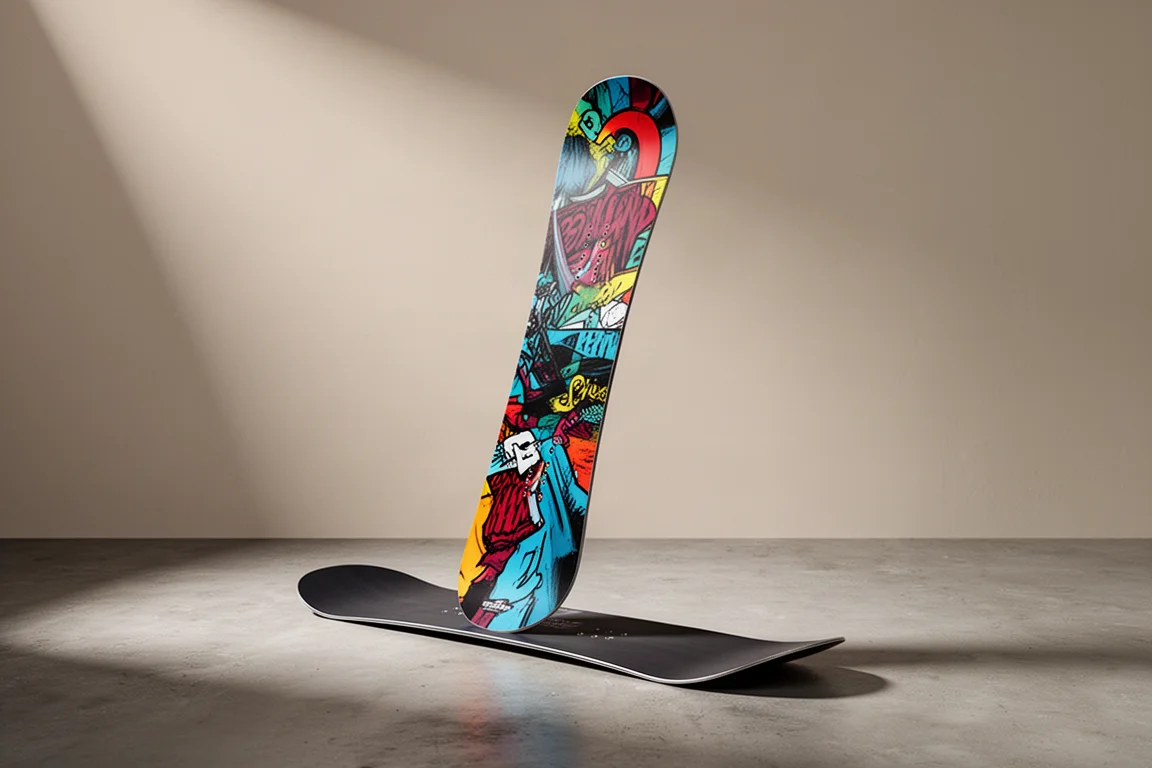
The Talent Scout is the comparison point here, and it earns that role. Its full camber profile means it already demands an aggressive riding style, and it feels a touch lighter in hand than the Gloss C. It also felt slightly less slidy on snow, although that could partly come down to fresher wax rather than the board itself.
Where the Talent Scout shines is predictability. Because it does not have the extra magnet-traction grip, it behaves the way a traditional camber board behaves: catchy only when you get lazy, forgiving once you commit. Riders coming from a conventional camber deck will feel at home immediately.
Which One Should You Buy?
If you want a park board that still grips hard and rewards aggressive, intentional riding, the GNU Gloss C is the stronger pick. The softer-than-most flex keeps it playful, the camber-leaning profile keeps it stable, and the magnet traction gives it an edge hold that stands out on firm snow. Just go in expecting a short adjustment period.
If you prefer the familiar, predictable feel of full camber without extra edge grip, and you value a slightly lighter board, the Burton Talent Scout remains an excellent choice. It is the easier board to ride casually, while the Gloss C is the more rewarding one once you put the work in.
Conclusion
Both boards are capable camber-style decks, but they ask different things of the rider. The GNU Gloss C trades a little initial forgiveness for outstanding grip and a playful park feel, while the Burton Talent Scout offers a more conventional and immediately comfortable ride. Choosing between them comes down to how aggressive you want to ride and how much edge bite you want under your feet.
Further reading
Related Reviews
Snowboarding
2025 Snowboard Gear List: Five Picks That Earned Their Place on the Mountain
From Zeiss-lens goggles to a hybrid step-in binding, here are five pieces of 2025 snowboard gear that held up across a full season of riding.
Snowboarding
2026 Snowboard Gear List: Boards, Bindings, Boots and Outerwear Worth a Look
A season-ready snowboard setup built from the bottom up: base layers, Strafe outerwear, Ride and Union boots, Union bindings, and two new Capita boards.
Snowboarding
32 Cold World Review: A Playful Hybrid Camber Board for Park Laps
The 32 Cold World blends classic camber underfoot with flat nose and tail sections for a predictable, butter-friendly ride aimed at intermediate park riders.