Guitar Reviews
Gibson Les Paul vs Fender Telecaster: A Controlled Tone Experiment
Two iconic electric guitars, identical pickups, wiring, strings, and setup. Here is what actually changes the sound.
Introduction
The debate over where electric guitar tone comes from has fueled countless arguments. Some insist that only the pickups and wiring matter, while others argue that the wood, construction, and physical design of the guitar shape the sound in meaningful ways. This experiment was designed to settle that question with a controlled comparison.
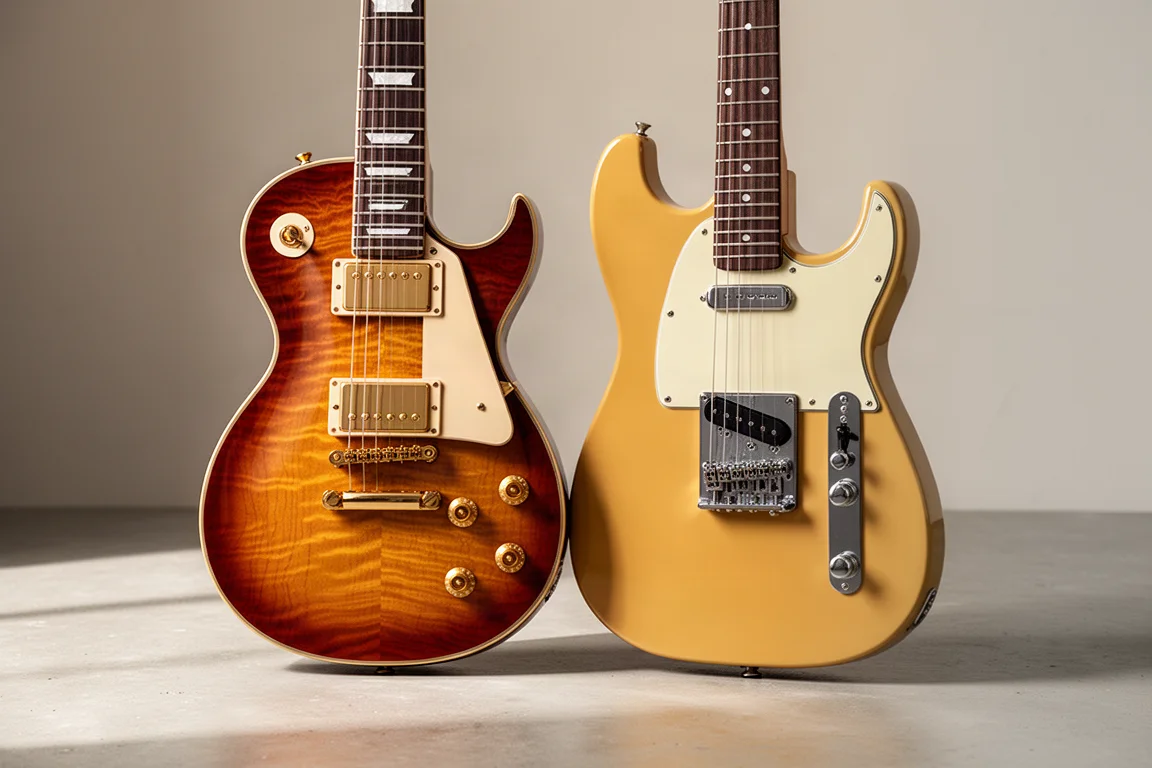
Two iconic guitars, a Gibson Les Paul and a Fender Telecaster, were prepared with the exact same pickups, the exact same wiring, the exact same strings, and the exact same setup. The only remaining variables were the physical guitars themselves. The goal was simple: hear the essence of each instrument when every electronic component is identical.
The Experiment Setup
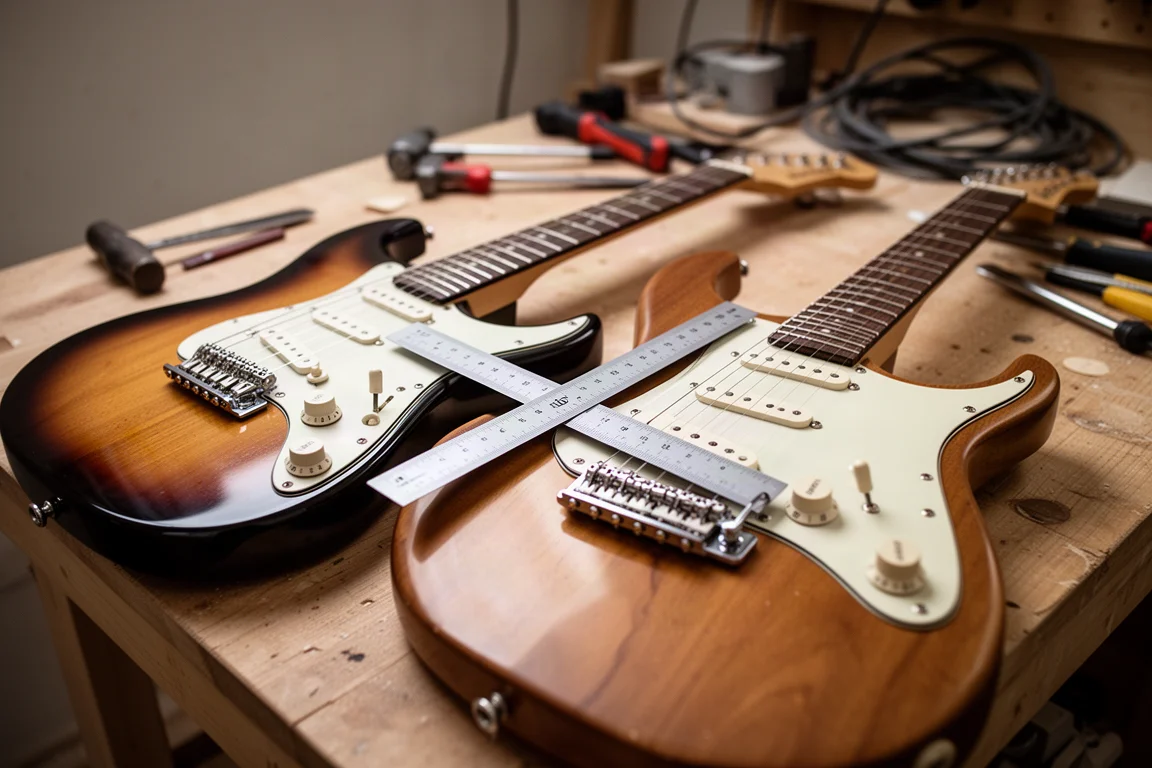
The preparation for this test was meticulous. Both guitars were fitted with the same set of Fender Wide Range humbuckers. That alone was a significant operation, but the work did not stop there. The pickup height was matched exactly on both instruments using a flat ruler, ensuring the distance from the strings to the pickups was identical.
The string height was also matched precisely from one guitar to the other. Both guitars received the same set of strings, installed within the same hour. Over the following days, each guitar received the same amount of playing time so that both sets of strings would be broken in equally. Every effort was made to eliminate variables that could skew the results.
Removing the Electronics
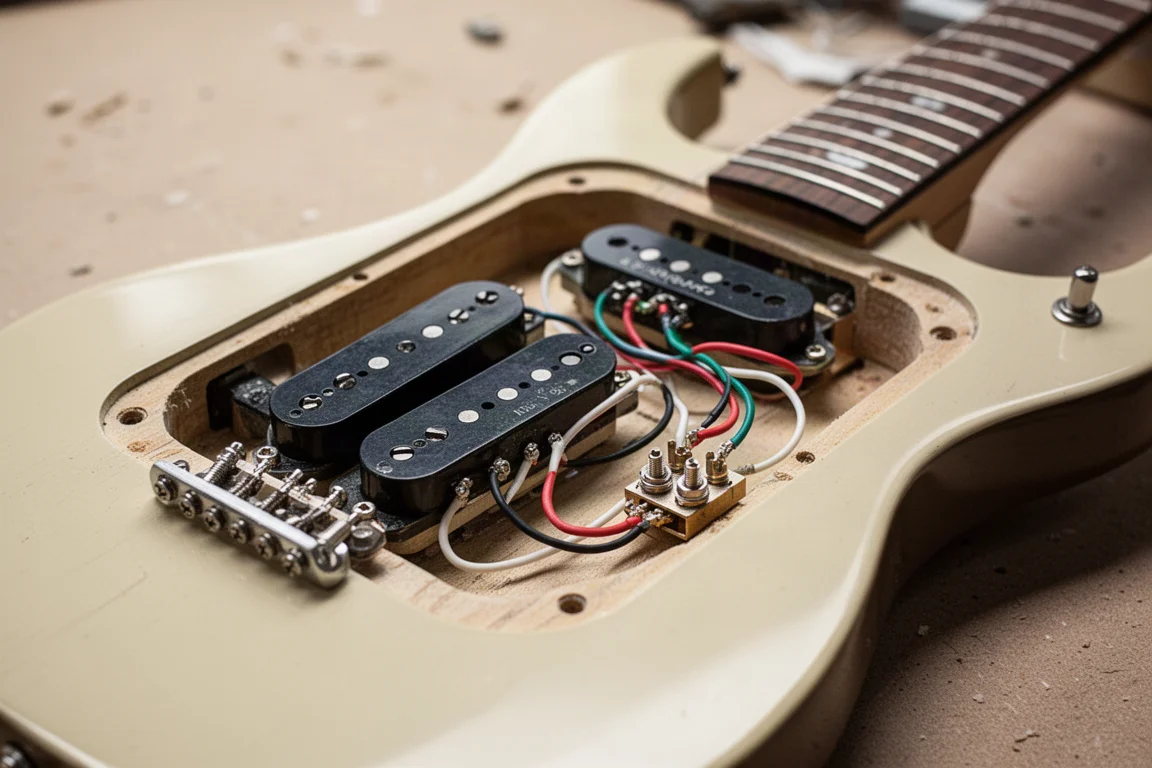
To take the experiment even further, both guitars were completely gutted. The volume pots, tone pots, and capacitors were removed from each instrument. The wiring was simplified to run from the two pickups directly to a three-way switch and straight to the output jack. No tone controls, no volume controls, no capacitors. Just the raw signal from the pickups.
This stripped-down configuration meant that any differences heard between the two guitars could not be attributed to the electronics. The pickups were the same, the wiring was the same, and the signal path was identical. What remained was the physical character of each guitar.
Listening for the Differences
With both guitars prepared, the listening test began. The first step was an acoustic test. A microphone was aimed at the 12th fret of each guitar, and a G chord was strummed and allowed to ring. Even unplugged, the two instruments sounded different.
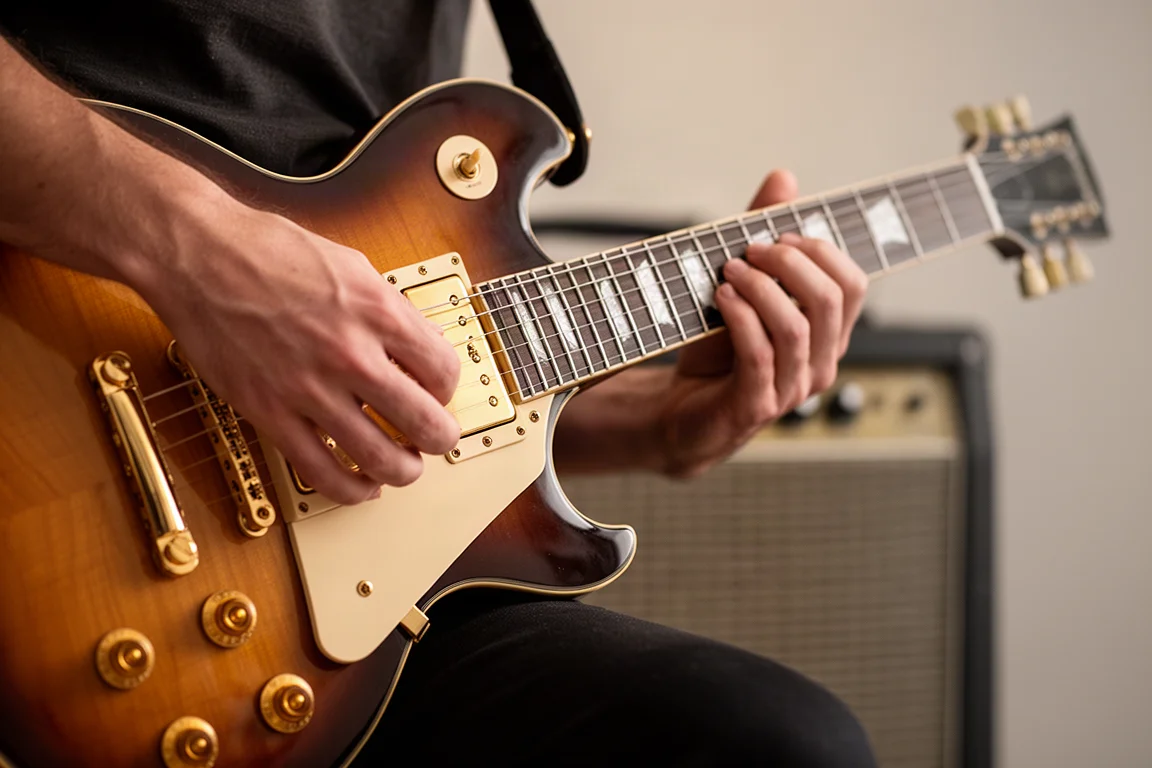
When plugged in, the differences became more apparent. Through a series of riffs, chord tests, and chugging tests, the two guitars displayed distinct personalities despite sharing the same electronics. The Les Paul felt more compressed and pulled back, while the Telecaster felt more open, raw, and wide. The Telecaster seemed to have more frequencies, more volume, and a faster attack.
The Twang Factor
The most noticeable difference between the two guitars was twang. The Telecaster twanged, while the Les Paul sang. This distinction held up across clean tones, distorted tones, and heavily processed sounds. Even when stacking multiple pedals, including overdrive, delay, and reverb, the Telecaster retained its breathy, open quality while the Les Paul maintained a more controlled, compressed character.
To rule out the possibility that the pickups were wound differently or had different magnet strengths, a multimeter was used to measure both sets. The readings were the same across all positions. The pickups were identical. The difference in clarity, EQ range, and perceived compression was coming from the physical qualities of the guitars themselves.
Reintroducing the Pots
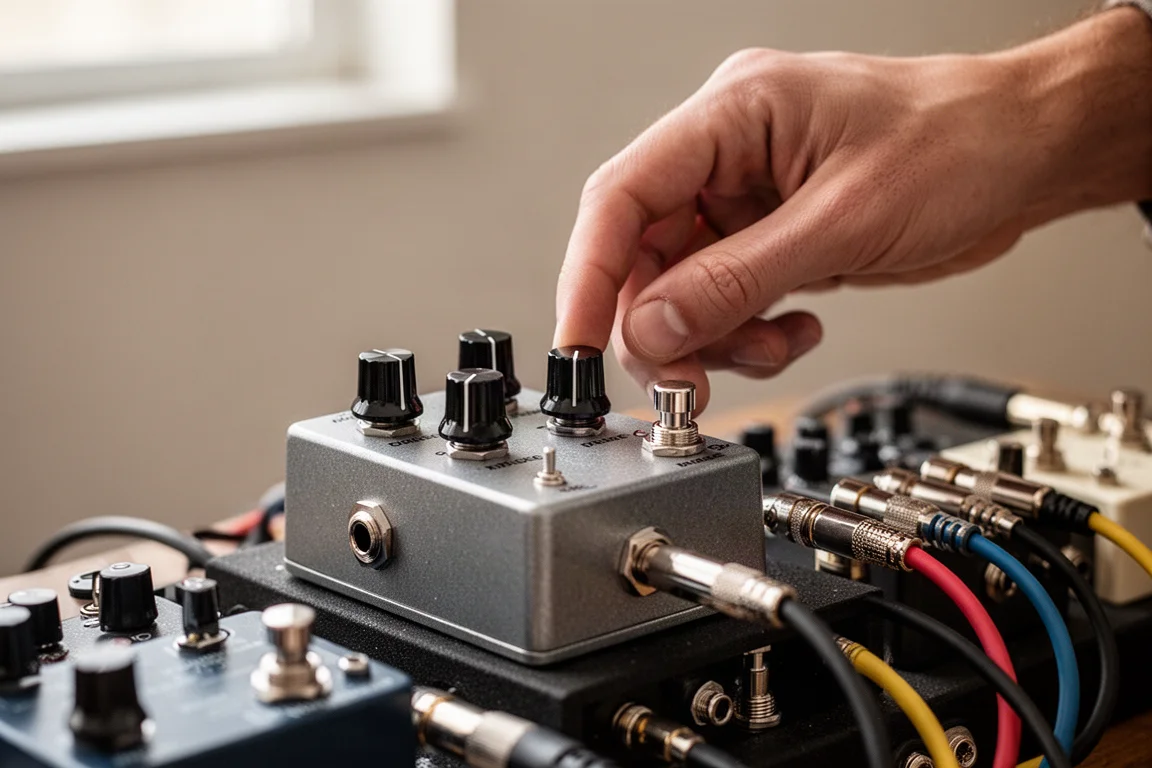
After listening to both guitars running raw into the pedalboard, the experiment moved on to reintroducing volume and tone pots. Three custom pedals were built, each with a different pot value: 250k, 500k, and 1 meg. Each guitar was tested through each pedal to hear how the different load values affected the sound.
The results were revealing. The 500k pot seemed to land most naturally with both guitars. The raw, wide-open sound was also appealing, and the idea of adding push-pull knobs to bypass the pots entirely became an attractive option. The differences between the guitars remained consistent regardless of the pot value, reinforcing that the physical construction of each instrument was the primary factor shaping the tone.
What This Means for Guitarists
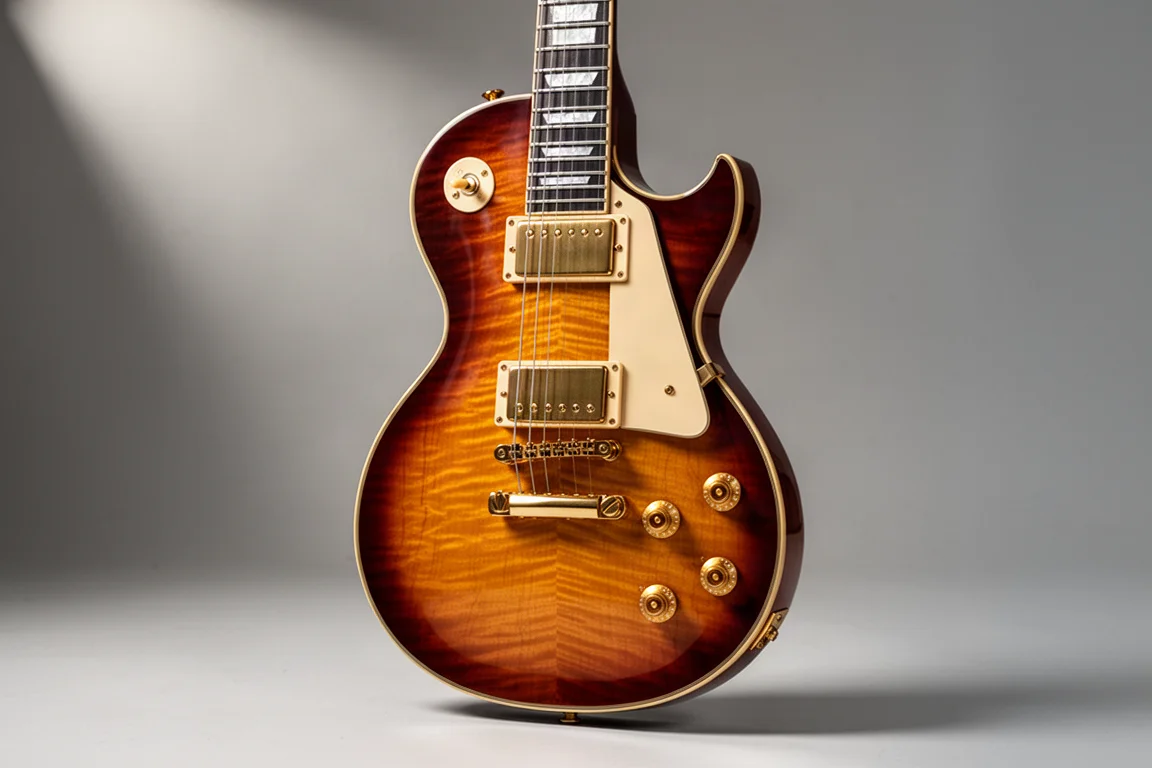
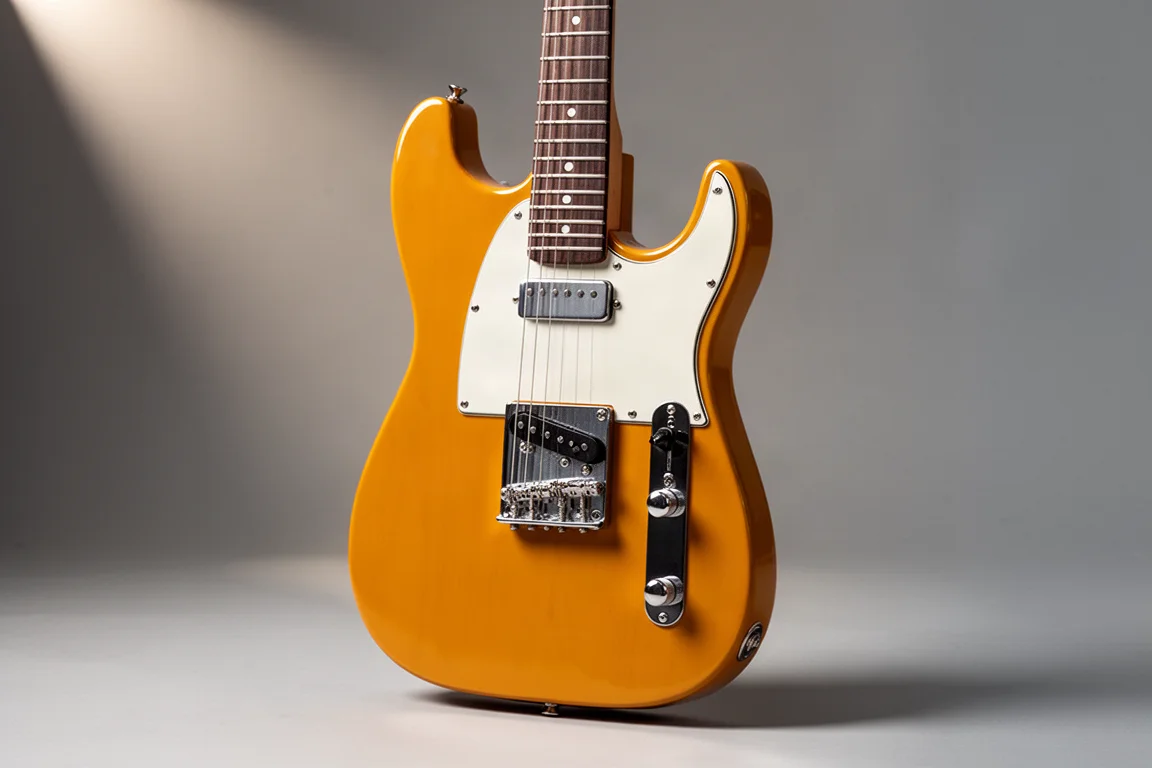
This experiment demonstrates that the body, construction, and physical qualities of a guitar affect how it sounds in ways that electronics alone cannot explain. The Les Paul, with its arched top, mahogany neck, and heavier weight, produced a sound that felt more compressed and controlled. The Telecaster, with its flat body, maple neck, and lighter weight, delivered a sound that was more open, raw, and twangy.
The scale length difference, 24.75 inches on the Les Paul versus 25.5 inches on the Telecaster, likely plays a role. The bridge designs are also very different. The density and thickness of the woods contribute as well. All of these factors combine to give each guitar its own voice.
Buying Advice
For guitarists choosing between a Gibson Les Paul and a Fender Telecaster, this experiment offers useful insight. If you want a guitar that sings with a compressed, controlled character that sits well in a mix, the Les Paul is a strong choice. If you want a guitar that twangs with an open, raw, and breathy quality, the Telecaster delivers that in spades.
Both guitars are capable of a wide range of tones, and the pickups you choose will have a significant impact. But the physical character of each instrument will always come through. The Les Paul feels heavier and more substantial, while the Telecaster feels lighter and more immediate. Your playing style and tonal preferences should guide your decision.
Conclusion
This controlled experiment shows that the physical qualities of a guitar matter. With identical pickups, wiring, strings, and setup, a Gibson Les Paul and a Fender Telecaster still sound clearly different. The Les Paul sings with a compressed, controlled voice, while the Telecaster twangs with an open, raw energy. The source of these differences likely comes from a combination of wood, scale length, construction, and hardware. For guitarists, this means the instrument you choose will always bring its own character to your sound, no matter what electronics you install.
Further reading
Related Reviews
Guitar Reviews
AKLOT Mini Kids Guitar Review: A Compact Project Guitar With Real Potential
The AKLOT mini kids guitar offers a rare 22.8-inch scale length and a lightweight offset body, but it needs setup work before it is ready for beginners.
Guitar Reviews
Cardinal Guitars Review: A $499 Pre-Order Electric Guitar Worth Watching
A detailed look at the Cardinal Guitars electric guitar, covering build quality, playability, sound, and whether the pre-order price makes sense.
Guitar Reviews
Donner Junior Series Review: A Cute Little Guitar With Big Potential
The Donner Junior series is a compact electric guitar that charms at first sight, but it needs real work to become playable. Here is what to expect.