Gravel Bikes
Giant Revolt Advanced SL Review: Can a Gravel Race Bike Keep Up on the Road?
We fitted narrow road tires to the Giant Revolt Advanced SL and joined a fast group ride to find out how a modern gravel race bike copes with road race pace.
Introduction
Gravel race bikes have become genuinely fast machines, and the gap between them and road race bikes keeps narrowing. That raises a practical question. If you fit a set of narrow road tires to a modern gravel bike, do you get a road bike that can hold its own in a fast group, or do you get a compromise that works better on paper than it does on tarmac?
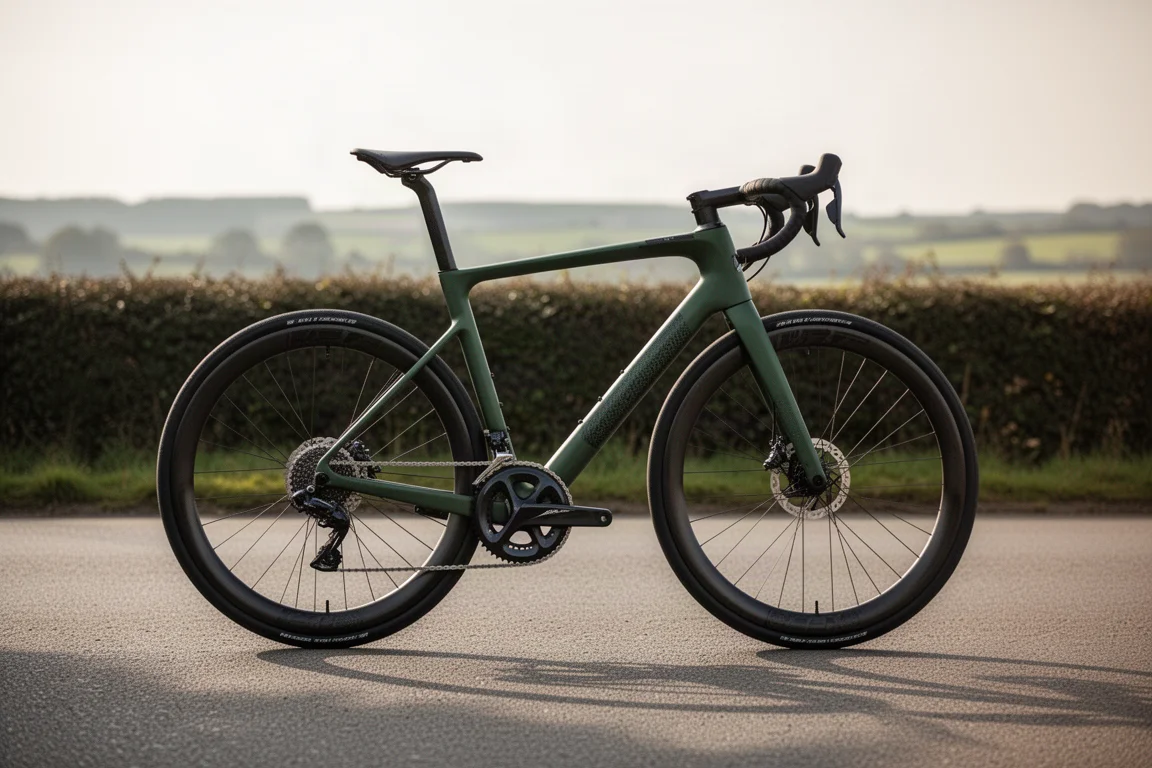
The Giant Revolt Advanced SL is a brand new gravel race bike built for riding off-road. To find out how a bike like this copes with road pace, we fitted it with a second set of wheels and a pair of narrow race tires, then took it to a fast local group ride where speeds are high and the attacks are relentless, the kind of ride normally done on a road race bike.
Three changes were made to prepare the bike for road use. The pedals were swapped from mountain bike pedals to Wahoo Powrlink pedals so power could be measured consistently against a previous road ride on the same route. The wheels and tires were changed too, with the original gravel wheels set aside in favour of lightweight carbon rims of the same internal width, slightly shallower but broadly similar. The tires chosen were Pirelli P Zero Race TLR RS, a high-end race tire marked 30 mm on the sidewall that measured 31 mm once mounted. That width was deliberate, because it matches the tires normally used on a road race bike and makes the comparison more meaningful. It is also about as narrow as you would want to go on a frame like this.
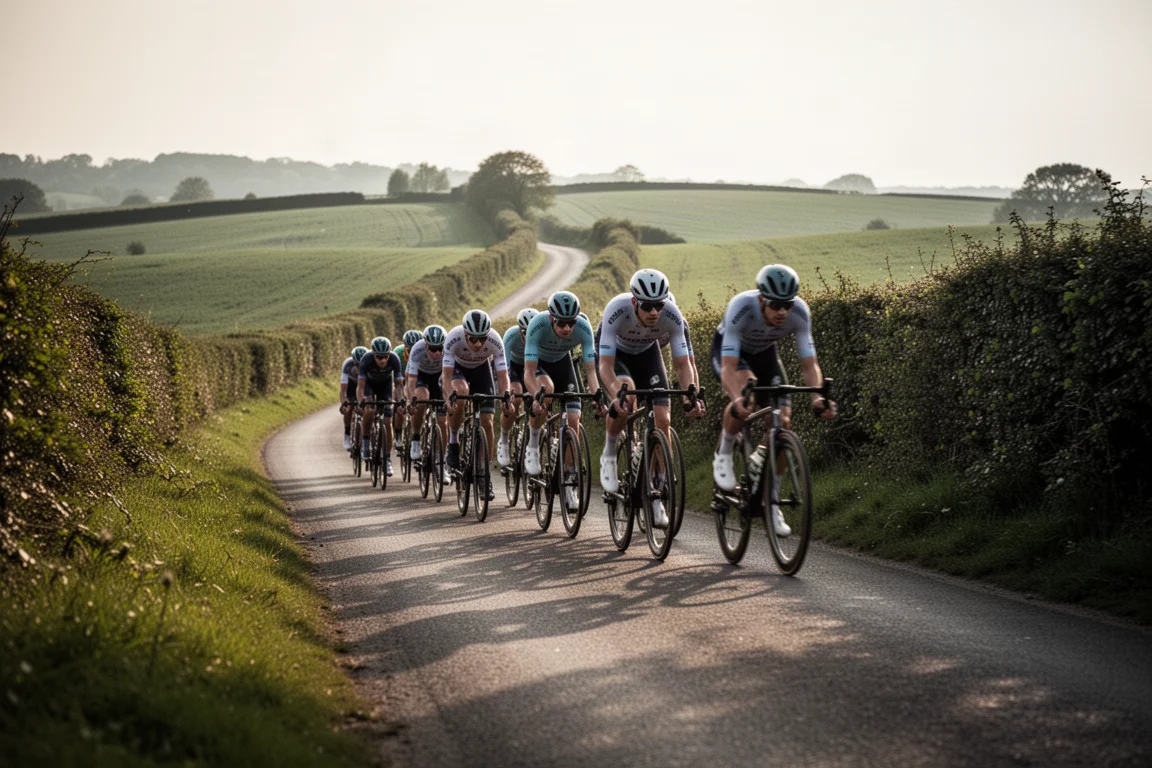
Swapping tires on the original wheels was an option, but with sealant already inside them it is a messy job, so running a second wheelset made far more sense.
Who this product is for
This is a bike for riders who want one machine to cover two very different jobs. If you ride fast on the road and also race or train on gravel, and you would rather own one good bike than two, the Revolt Advanced SL is a credible answer. In testing it was fast, it handled well, and it did not hold us back compared with a road race bike.
It also makes sense for riders who take on gravel racing and long local gravel rides, then want the same bike to turn up for quick road rides with a change of wheels. The frame is built around the clearances and geometry that off-road riding demands, and the road conversion is a matter of tires rather than a different bike.
It is a less natural fit for riders who prize razor-sharp, immediate handling above everything else, or who spend most of their time in high-speed bunch situations where every gear step matters. Those riders will notice the differences more than most.
Main strengths
Speed is the headline. On the group ride the bike was rapid, and we did not get dropped, which is always a bonus. It delivered a genuinely fun, fast workout rather than a frustrating one, and it never felt like it was holding us back compared with a road race bike.
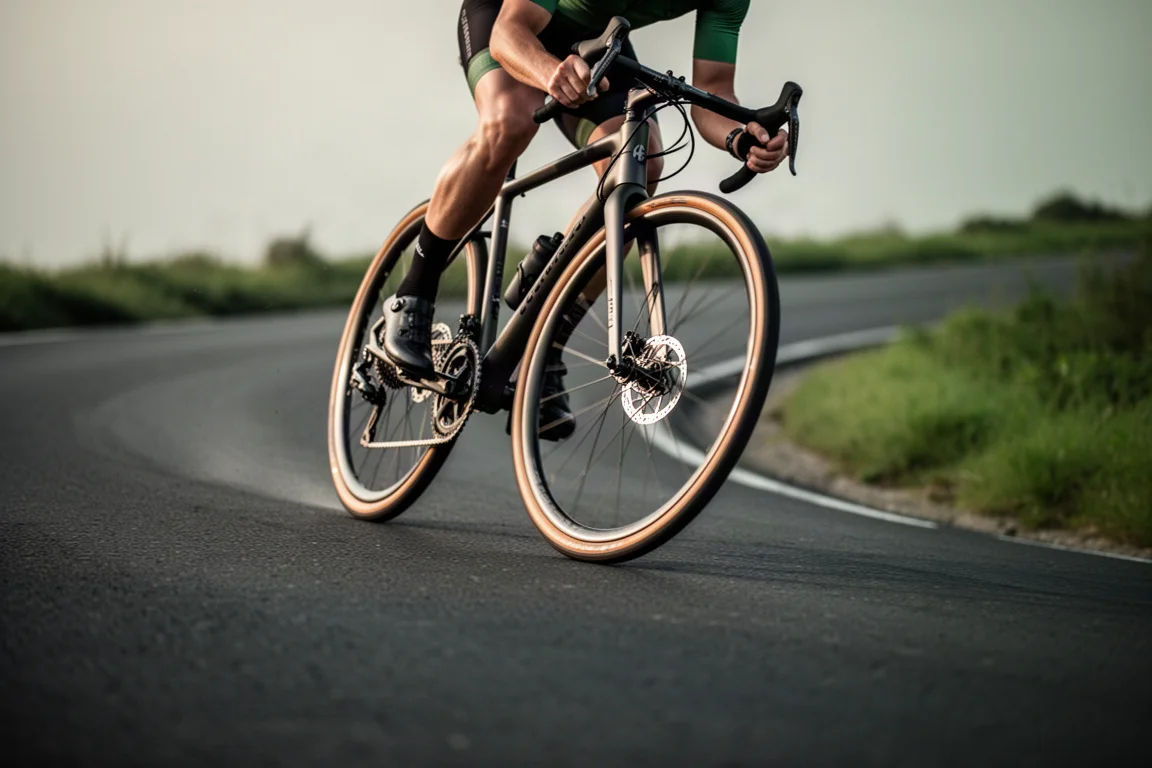
Handling was better than the geometry numbers might suggest. The Revolt dealt well with rolling roads, fast high-speed corners, a few climbs and a couple of sprints. The lower bottom bracket height caused no issues at all, and although cornering felt a touch more measured, that is not a deal breaker for most riders.
The gearing also worked well in solo riding. On rolling roads, the 1x13 setup with a 10-46 cassette and a 42-tooth chainring was fine, with no complaints about the cadence steps between gears.
Things to consider before buying
The comparison data deserves a careful read. Average speed was 2 km/h higher on the road race bike over the same route, while average and maximum heart rate were much lower. Normalized power on the road race bike was higher than on the Revolt, which suggests more effort was needed on the gravel bike to hold the same or slightly lower speeds. Two things temper that result. The ride was never intended as a scientific test, and a section of the route had just been resurfaced and was loose, which cost time. Conditions were otherwise consistent, with the same group of riders, similar fitness, the same power meter, the same clothing and the same helmet. Even so, 2 km/h is small in isolation, though it matters a great deal to riders who chase marginal gains.
Handling feel is the second consideration. Compared with a race bike, the Revolt feels a little lazier and slower to react. That is most obvious at high speed in a bunch, where you move around the road constantly and respond to attacks and sprints. A road race bike has a more immediate sense of reactiveness, and in a final sprint up a hill the race bike was faster and more willing to answer the power put through the pedals. None of this is dramatic, and it is something most riders would adapt to.
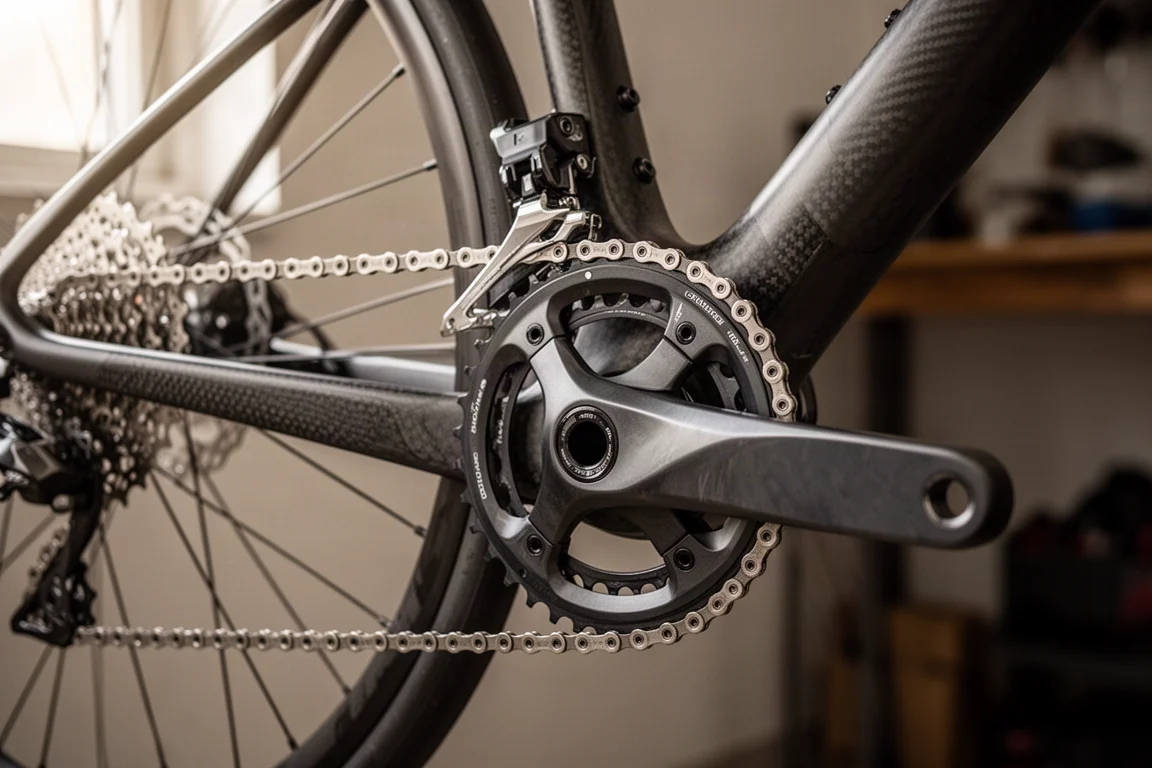
Gearing in a group is the third point. The 1x13 drivetrain with a 42-tooth chainring left us between two gears at times when the pace was dictated by the rider in front, particularly on steady drags of two to four percent at around 38 to 40 km/h, where cadence sat slightly above or below the sweet spot. A larger chainring, likely a 46 or a 48, would probably reduce that. Top speed told a similar story: 60 km/h on the Revolt in a section where the road race bike reached 62 km/h, with the top gear starting to spin out.
Then there is geometry. Compared with a race bike such as the Giant TCR Advanced Pro, the Revolt has a wheelbase nearly 15 mm longer, chainstays nearly 30 mm longer to allow for bigger tire clearance, a slacker head tube angle, a steeper seat tube angle and a longer reach designed around shorter stems. Bottom bracket height changes with tire size, sitting higher than a road race bike on 45 mm tires and lower on 30 mm tires, a drop of around 2 cm. That contributes to the calmer, more measured cornering feel.
Finally, practical points. With 30 mm tires fitted, the empty space around the tires inside the fork and rear stays looks a little odd. Swapping wheels also required adjusting the calipers around the rotors to avoid rub, something that would be less of an issue with matching wheel brands.
Buying advice
The core decision is one bike or two. Two bikes, each set up perfectly for its own discipline, are far easier to live with than swapping wheels and tires on a single frame, but they cost more. Whether two bikes at around £5,000 each beat one bike at around £10,000 is a personal call, and it depends entirely on what you want from your riding.
If you want a single bike that can handle fast road rides and gravel events, the Revolt Advanced SL works. If you race on the road and value immediate, agile handling, a road race bike remains the better tool. A middle path is to keep a second wheelset with the same brand and hub specification as the original, which reduces rotor alignment fiddling, and to consider a larger chainring if high-speed group riding is a regular part of your week.
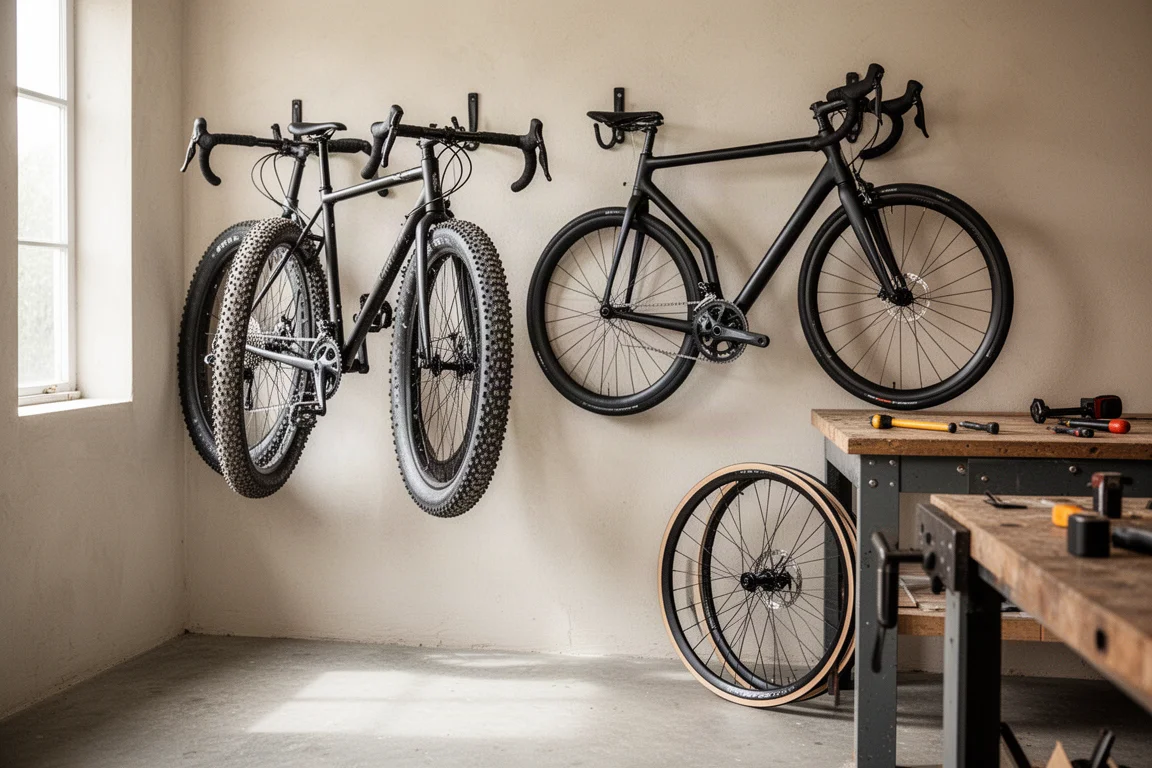
Riders who mostly head out solo on rolling roads will find the gearing perfectly adequate as it stands, and the handling differences will fade into the background with familiarity.
Conclusion
A modern gravel race bike can work as a road race bike, and the Revolt Advanced SL proves the point. It is fast, it handles well, and the gearing is mostly fine. The caveats are real but manageable: slightly lazier handling, a small speed deficit, a wider gear gap in fast group situations, and the practical annoyance of swapping wheels between disciplines. For riders who can only have one bike, that is an easy set of trade-offs to accept. For those who race on the road and want the sharpest possible feel, a dedicated road race bike still makes more sense.
Product link
View more details for Giant Revolt Advanced SL
This product is mentioned in the review. Check the specifications, options, and compatibility before buying.
View more details for Giant Revolt Advanced SLFurther reading
Related Reviews
Gravel Bikes
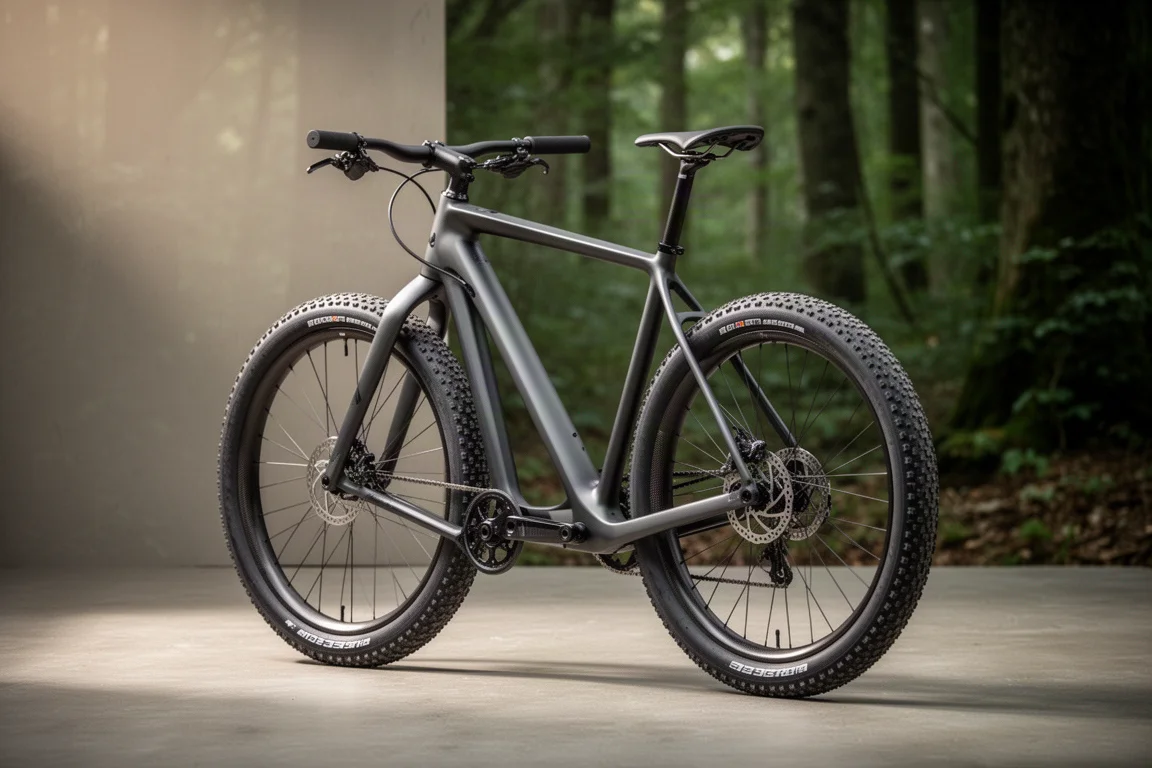
3T Exploro Ultra Review: A Fast Gravel Bike Built for Big Tyres
A close look at the 3T Exploro Ultra, an aero carbon gravel bike designed around wide tyres, with road-like handling, a 980 g frame and genuine rough-terrain capability.
Gravel Bikes
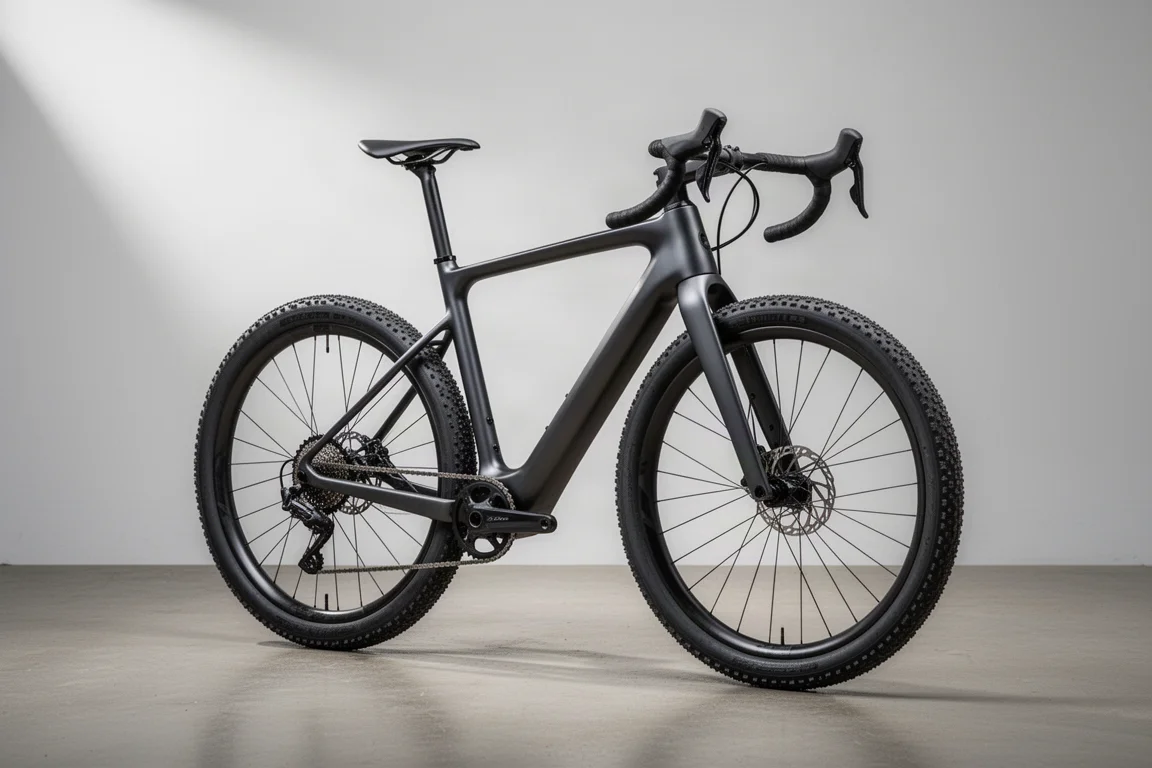
3T Extrema Italia Review: Aero Gravel Speed With Room for 57 mm Tires
The 3T Extrema Italia pairs an aero frame with huge tire clearance, Italian-made carbon and a more comfortable ride than the RaceMax. Here is what to know before buying.
Gravel Bikes
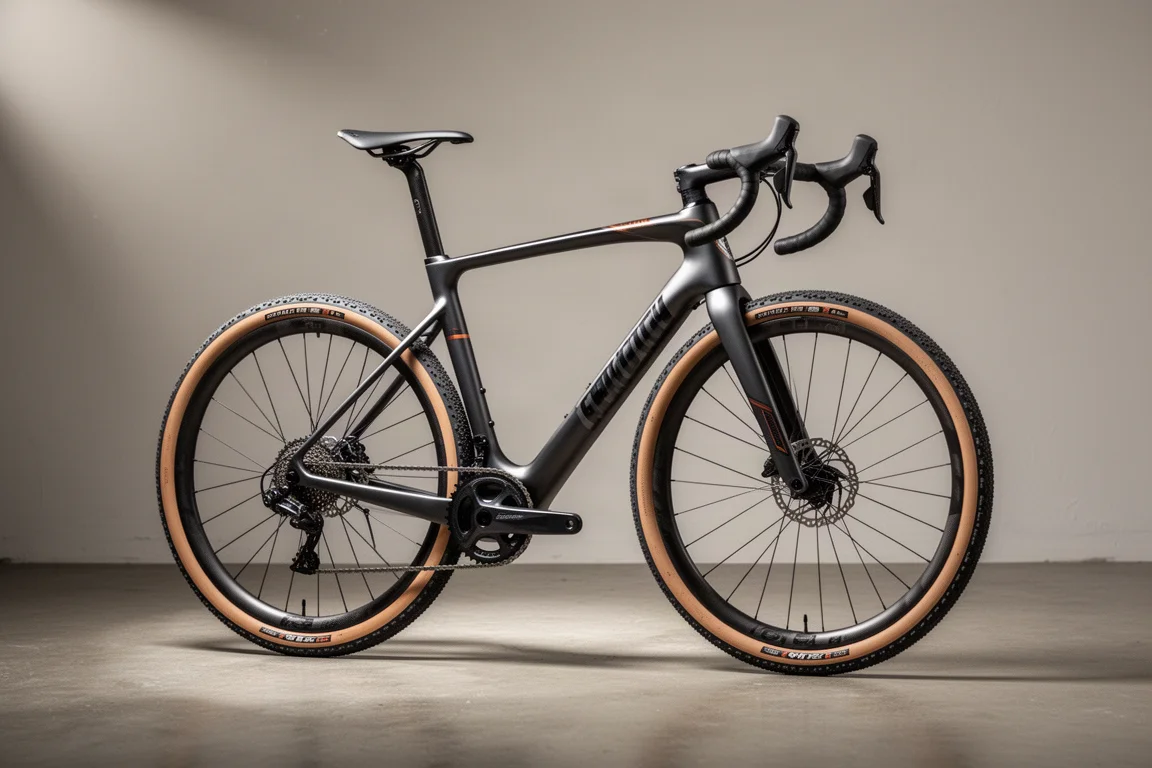
3T Race Max 2 Italia Review: An Aero Gravel Race Bike Made in Italy
A closer look at the second-generation 3T Race Max 2 Italia, covering its aero updates, ride character, tire clearance, internal storage and who it suits.