Gravel Bikes
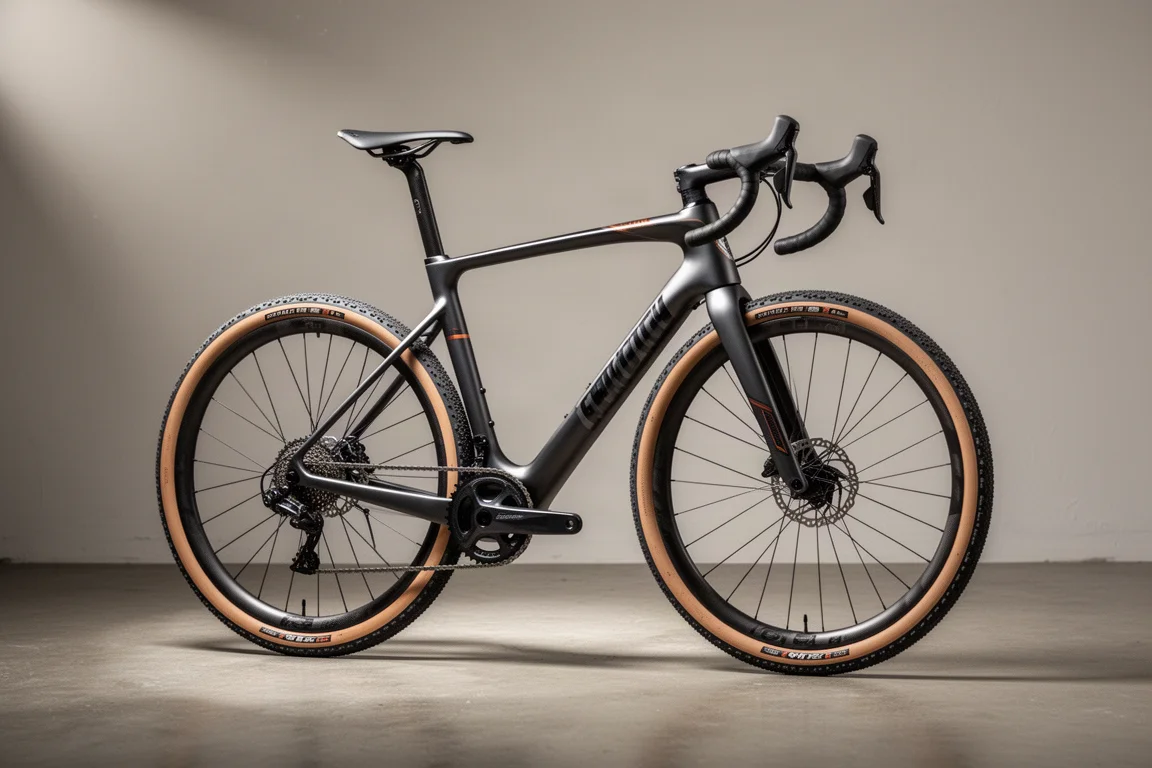
Giant Revolt Advanced SL Review: Giant's First Gravel Race Flagship
A lighter frame, a claimed aero gain, and a longer, lower geometry make the Giant Revolt Advanced SL the brand's most race-focused gravel bike yet.
Introduction
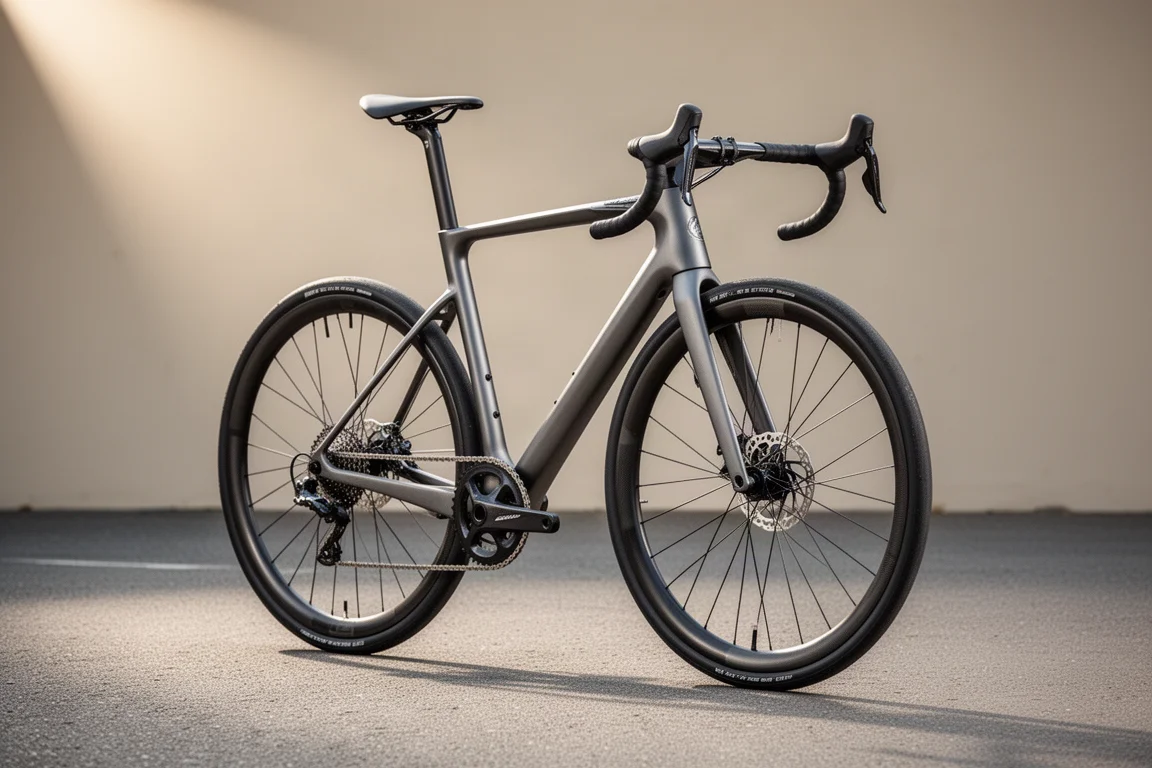
Giant has added a new flagship to its gravel range. The Revolt Advanced SL is the first Revolt to carry the SL badge, placing it above the Advanced Pro as the brand’s top carbon tier alongside the existing Advanced and Advanced Pro models. It arrives as a race-focused machine rather than an all-rounder.

The headline changes are easy to summarise. The frame is lighter, the complete bike is claimed to be more aerodynamic than the current Revolt Advanced Pro, and the geometry is longer and lower. At the same time, Giant has dropped some of the practical touches that made the standard Revolt so adaptable, including in-frame storage and bikepacking and fender mounts.
Giant positions the Revolt Advanced SL as its answer to what gravel racing has become: faster average speeds over very long distances, with riders chasing the same aerodynamic gains and low weight that define modern road race bikes. It sits in a growing group of race-first gravel bikes, including the Specialized Crux and the Argon 18.
Who This Bike Is For
This is a bike for riders who race gravel, or who ride gravel with a road-race mindset. The longer and lower geometry is designed to put the rider in a more aerodynamic position, closer to what they would run on a road race bike, and the weight and aero claims are aimed squarely at the pointy end of fast gravel events.
It also suits riders who want a fast gravel bike for its own sake, without a race number on the bars. If your priority is covering ground quickly on dirt and mixed surfaces, the combination of a low frame weight, a one-piece cockpit and deep-section carbon wheels makes a clear case.
If you are not racing, the current Revolt remains a compelling option. It keeps its in-frame storage, its fender mounts and a more conventional handlebar and stem, and its geometry is less extreme. Giant has left the rest of the Revolt range unchanged, so the SL joins the line-up as a specialised addition rather than a replacement.
Main Strengths
Frame Weight and Stiffness
Weight is one of the clearest improvements. Giant claims the new frame is 151 g lighter than the current Revolt Advanced Pro, dropping from 990 g to 839 g, with the fork another 10 g lighter. That adds up to a claimed 176 g frameset saving. For context, the new frame is quoted as 50 g heavier than a Specialized Crux.

Giant credits the savings to owning the entire manufacturing process and optimising each stage of it, from the resin used in its carbon laboratory to the internal moulding process and the cold blade cutting technology used to cut the carbon plies. The new bike is also claimed to be stiffer, particularly around the head tube for steering precision and around the bottom bracket for sprinting and power transfer, which is a notable combination given the lower weight.
Aero Performance
Aerodynamics is the other major theme. Giant claims the Revolt Advanced SL delivers a 16 W drag reduction over the current Revolt Advanced Pro, with the frameset alone accounting for 3.72 W of that figure. A significant share of the remaining gain comes from the new one-piece carbon fibre handlebar and stem, the first time this style of cockpit has appeared on a Revolt.
The wheels contribute as well, with a claimed 2.18 W saving. They are wide on the outside at a 50 mm external profile, though the internal width is a more conventional 25 mm rather than the wider internal dimensions some brands are now pushing.
Wheels, Tires, and Cockpit
The new CADEX Max GR 45 wheelset carries a claimed weight of 1,280 g, a 118 g saving over the previous top-end gravel wheels. The matching CADEX tires move up from 40 mm on the old bike to 45 mm, with a lower-profile tread block shape intended to reduce drag, and Giant claims rolling resistance has improved by 3 W.
Up front, the Contact SLR XL one-piece handlebar and stem is a first for the Revolt line. It is central to both the aero claim and the weight story, and it reinforces how road-race thinking has shaped this bike.
Geometry and Ride Position
The geometry is where the race focus is most obvious. On a medium frame the stack drops 29 mm, from 586 mm to 557 mm, while reach extends to 395 mm, which Giant describes as essentially the same as a 56 cm road race bike. The seat tube angle has been steepened by one degree to 74.5 degrees, rotating the rider forward over the bottom bracket into a more aerodynamic position.
Comfort has not been abandoned entirely in the pursuit of speed. The D-Fuse seat post carries over from the Revolt Advanced Pro, which should help take the edge off rough surfaces on longer rides. Even so, this is a deliberately aggressive fit, and riders used to a more upright gravel position will notice the change.
UDH Dropouts and Groupset Compatibility
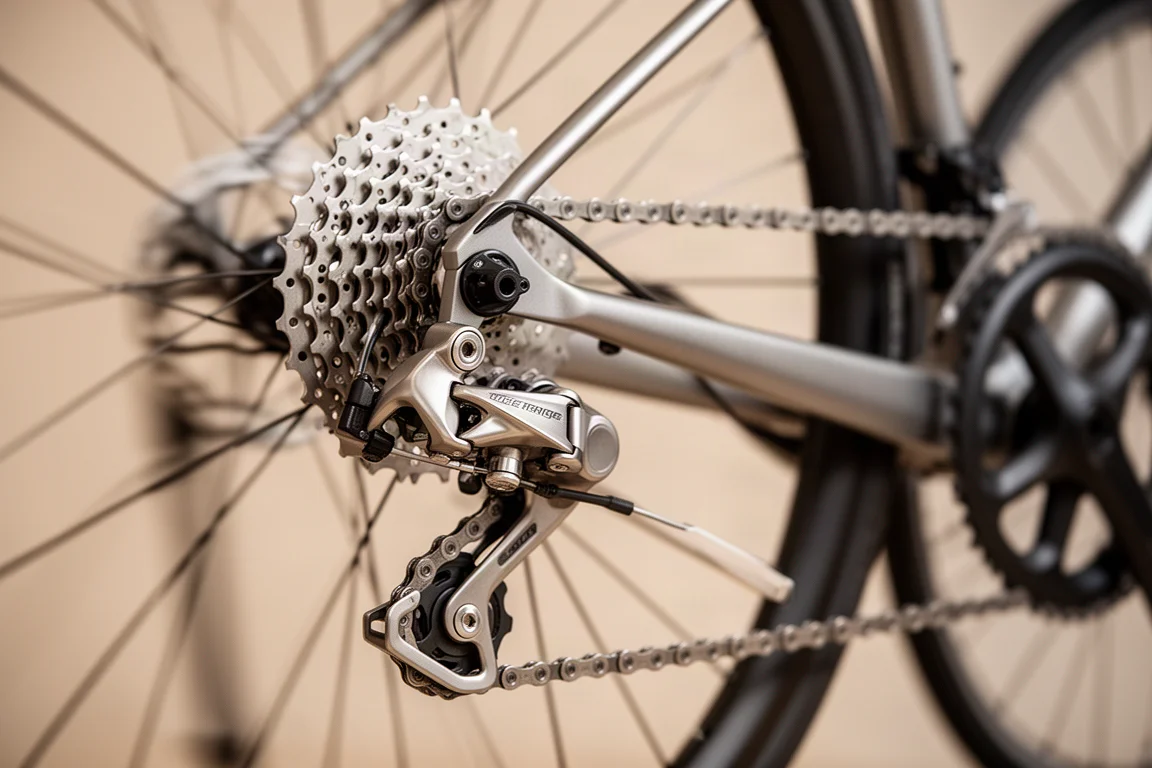
One of the most consequential changes is the switch to a UDH dropout, which means the latest SRAM Explore groupsets will fit. The previous Revolt used flip chips that allowed the wheelbase and therefore tire clearance to be adjusted, but that design ruled out SRAM’s newer drivetrains. Giant has followed the wider industry in adopting UDH, and the change reflects how quickly those groupsets have been taken up in gravel.
There is no indication that a UDH-compatible Shimano groupset is coming soon, but if one does arrive, the new frame will be able to accept it.
Things to Consider Before Buying
Tire clearance is claimed at 53 mm, the same as the current Revolt, and a 2.1 inch mountain bike tire should fit. That is less than the 55 mm quoted for the Argon 18 and Specialized Crux, and more than several other race-focused gravel bikes. It is a workable figure rather than a class-leading one.
The removal of in-frame storage, bikepacking mounts and fender mounts is a deliberate trade-off. If you commute, tour or ride in wet conditions where mudguards matter, this is a genuine limitation rather than a minor detail.
The aggressive geometry deserves honest consideration too. A 29 mm lower stack on a medium is a significant drop, and it is a fit that rewards flexibility and a racing posture. Riders who value long-distance comfort over outright speed may be better served by the standard Revolt.
Complete bikes are built exclusively around SRAM Explore groupsets, with Rival, Force and Red versions. There is no Shimano or Campagnolo option at launch, which is a departure from what many riders expect from Giant.
Finally, this is a very new bike and we have not yet ridden it. The weight, stiffness and aerodynamic figures quoted here are Giant’s own claims, so they are worth treating as such until independent ride impressions are available.
Buying Advice
Giant will offer three complete bikes and a frameset. The complete builds span SRAM Rival, Force and Red Explore groupsets, priced from 5,500 pounds to 10,000 pounds, with the frameset available for just under 4,000 pounds. On value, the top-end model is quoted at two thousand pounds less than a comparable Specialized Crux build with a similar groupset, which is a meaningful gap at this level.
The range-topping bike pairs a SRAM Red Explore groupset with the CADEX carbon wheels and tires, the carbon handlebar and stem, a CADEX AMP saddle, and 170 mm cranks on the ML sizes. Shorter cranks across the size range are a welcome detail.

If you are shopping in this bracket, the sensible approach is to start with fit rather than spec. The geometry is the defining feature of this bike, so confirm you can live with the longer, lower position before comparing groupset tiers. From there, the frameset route makes sense if you already own wheels and components you trust, while the complete bikes offer the full CADEX and SRAM package in one purchase.
Conclusion
The Revolt Advanced SL is a logical move for Giant. Gravel racing has become faster and more serious, and the brand now has a bike that competes directly with the most focused race gravel machines on the market. The claimed 176 g frameset weight saving, the 16 W drag reduction figure and the road-race-inspired geometry give it a clear identity.
It is not the right bike for every gravel rider, and it is not meant to be. The loss of in-frame storage and mounts, the aggressive fit and the SRAM-only build options are all part of the same decision to prioritise speed. For racers and fast-riding gravel enthusiasts, that trade-off is the point, and on the numbers alone the Revolt Advanced SL looks like a convincing first attempt at a flagship gravel race bike. For everyone else, the existing Revolt still makes a great deal of sense.
Product link
View more details for Giant Revolt Advanced SL
This product is mentioned in the review. Check the specifications, options, and compatibility before buying.
View more details for Giant Revolt Advanced SLFurther reading
Related Reviews
Gravel Bikes
3T Exploro Ultra Review: A Fast Gravel Bike Built for Big Tyres
A close look at the 3T Exploro Ultra, an aero carbon gravel bike designed around wide tyres, with road-like handling, a 980 g frame and genuine rough-terrain capability.
Gravel Bikes
3T Extrema Italia Review: Aero Gravel Speed With Room for 57 mm Tires
The 3T Extrema Italia pairs an aero frame with huge tire clearance, Italian-made carbon and a more comfortable ride than the RaceMax. Here is what to know before buying.
Gravel Bikes
3T Race Max 2 Italia Review: An Aero Gravel Race Bike Made in Italy
A closer look at the second-generation 3T Race Max 2 Italia, covering its aero updates, ride character, tire clearance, internal storage and who it suits.