Gravel Bikes
Giant Revolt Advanced SL and Revolt Advanced Pro: Which Gravel Bike Fits Your Riding?
Giant's new race-focused Revolt Advanced SL brings a lighter frame, more aero shapes, and longer, lower geometry, while the versatile Revolt Advanced Pro stays in the range.
Introduction
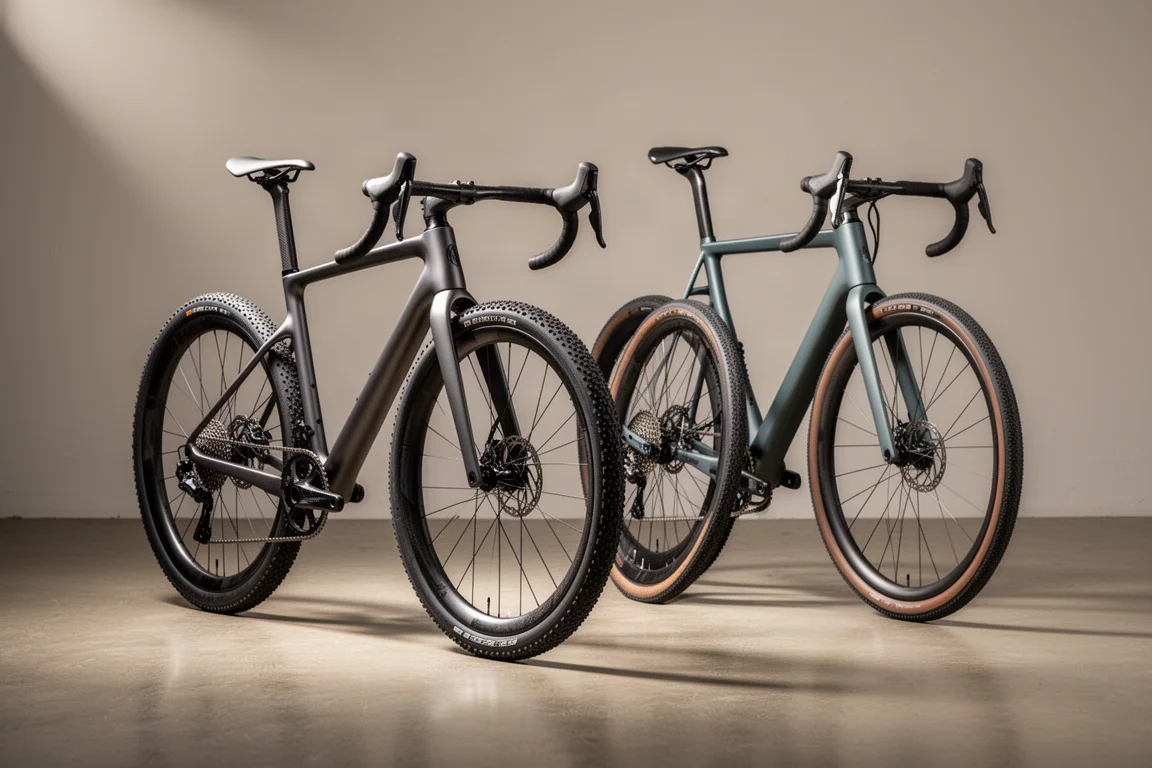
Giant has expanded its gravel range with the Revolt Advanced SL, the first Revolt to sit at the brand’s top SL tier. The existing Revolt Advanced Pro has been a well-rounded, do-everything gravel bike, and it stays in the line unchanged. The new SL takes a different path: it is lighter, more aerodynamic, and longer and lower than the bike it sits above, with in-frame storage, bikepacking mounts, and fender mounts removed in the name of race focus.
That makes the two bikes complementary rather than interchangeable. One is built for the sharp end of gravel races, the other for riders who want a single bike that can race, carry gear, and run fenders. This guide breaks down what changed on the SL, what the Advanced Pro still does better, and which one makes more sense depending on how you ride.
What to Look For in a Gravel Race Bike
Modern gravel race bikes have converged on a familiar checklist. Tire clearance is the first item, because it sets how much comfort and grip you can add without changing frames. UDH dropout compatibility is the second, because it decides whether the frame can run the latest SRAM Explore groupsets. Weight and aerodynamic efficiency come next, followed by geometry, which is where race bikes separate from all-rounders.
The Revolt Advanced SL addresses all four. It keeps the 53 mm tire clearance of the current Revolt, which is enough for a 2.1-inch mountain bike tire, and it adds a UDH dropout so the newest SRAM Explore drivetrains fit. Some rivals offer up to 55 mm of clearance, so the figure is competitive rather than class-leading.

Stack and reach matter just as much as clearance. A lower stack and a longer reach rotate the rider forward into a position that holds speed on flat and rolling terrain, and a steeper seat tube angle helps keep power going through the bottom bracket. That combination is the main reason race gravel bikes feel so different from adventure-oriented gravel bikes.
Giant Revolt Advanced SL: Frame, Weight and Stiffness
The SL frame is new from the ground up. Every tube shape and profile has been redesigned, and the carbon layup beneath the paint is different from the current Revolt. Giant claims a frame weight of 839 g, which is 151 g lighter than the 990 g Advanced Pro frame. The fork saves another 10 g, for a total frameset saving of 176 g.
Those savings come from controlling the whole manufacturing process in-house. Giant works on the resin used in its carbon lab, builds frames around molds with an inner molding process, and cuts carbon plies with cold blade cutting technology. Stiffness has moved in the same direction as weight: the new frame is stiffer around the head tube for steering precision and around the bottom bracket for sprinting and power transfer.
Giant Revolt Advanced SL: Aero, Wheels and Tires
Aerodynamics is the headline change. Giant claims a 16 W drag reduction for the new Revolt Advanced SL compared with the current Revolt Advanced Pro. The frameset itself accounts for 3.72 W of that, with the new one-piece carbon handlebar and stem responsible for much of the rest. The new CADEX Max GR 45 wheels contribute a claimed 2.18 W.
The wheelset is also light, at a claimed 1,280 g, which is 118 g less than the previous top-end gravel wheels. The rims are 50 mm deep on the outside but 25 mm wide internally, so they favor aerodynamic depth over the very wide internal widths used on some other gravel wheels. The CADEX tires have grown from 40 mm to 45 mm, with lower profile tread blocks for aero and a claimed 3 W improvement in rolling resistance.
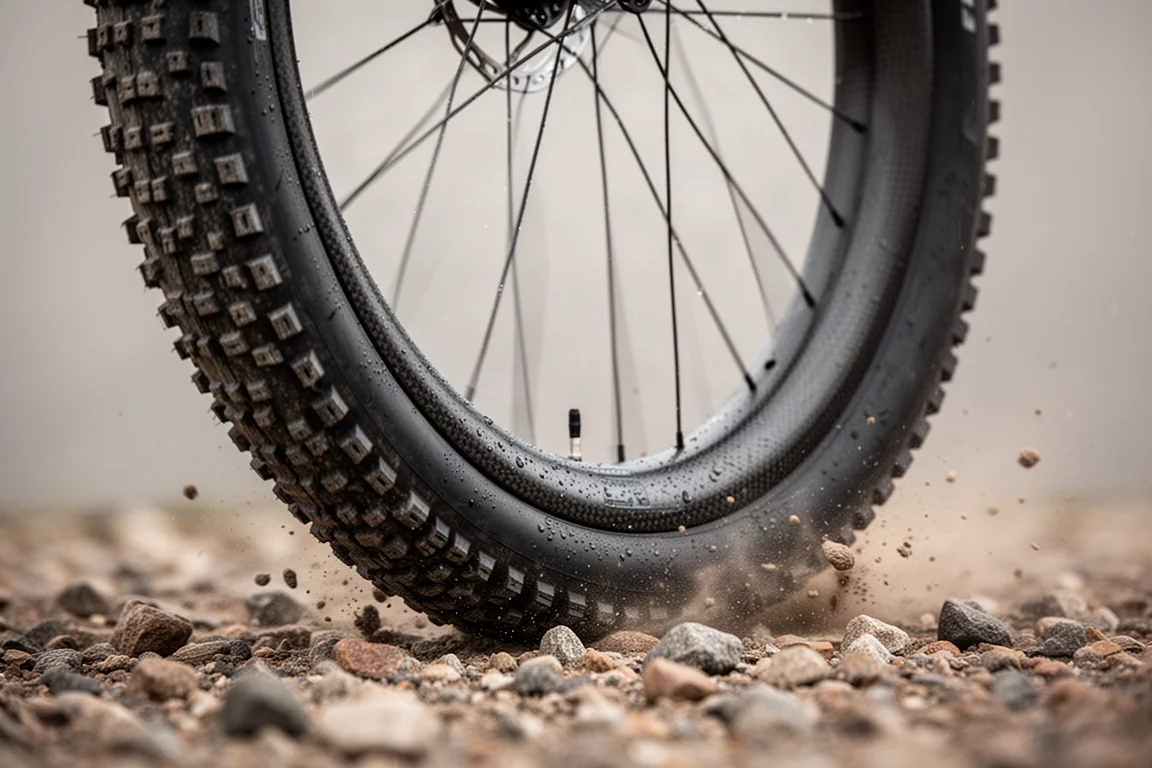
For riders chasing average speed over long distances, these are the numbers that matter most. A deeper, lighter wheelset paired with a one-piece cockpit is exactly the combination that shows up on fast, rolling race courses, even if the gains are harder to feel on technical terrain or on a fully loaded bike.
Giant Revolt Advanced SL: Geometry and Rider Position
The geometry has moved decisively toward road race territory. Stack drops 29 mm on a medium frame, from 586 mm to 557 mm, and reach extends to 395 mm, which matches a 56 cm road race bike. The seat tube angle is 1 degree steeper at 74.5 degrees, a change that rotates the rider over the bottom bracket and supports a more aerodynamic position.
Comfort has not been abandoned entirely. The D-Fuse seat post carries over from the Revolt Advanced Pro, which should keep some compliance at the rear of the bike. The top build also uses 170 mm cranks on ML sizes, with shorter crank lengths across the size range, a detail that suits the lower, more aggressive riding position.
Riders used to a road race fit will feel at home immediately. Riders coming from a more upright gravel bike should expect to spend some time adjusting, because a 29 mm drop in stack is a significant change in how the front of the bike feels.
Giant Revolt Advanced Pro: The Versatile Alternative
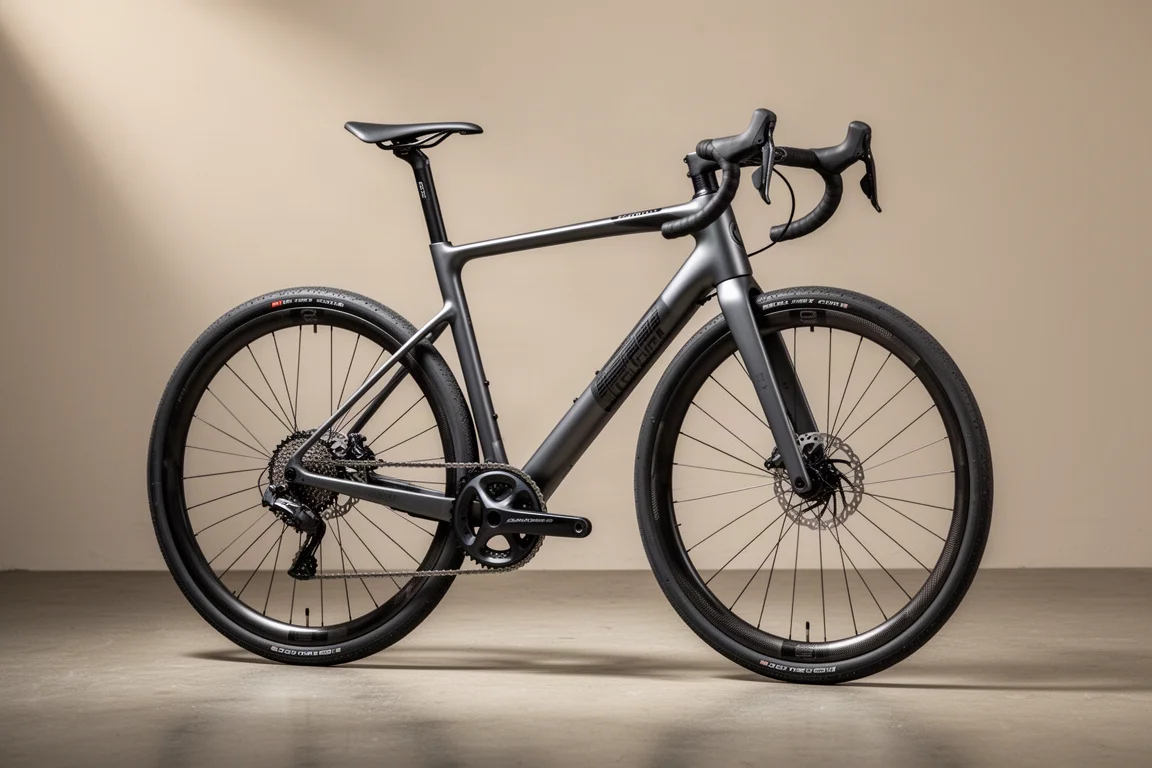
The Revolt Advanced Pro remains the more adaptable option, and it stays in the range unchanged. It keeps in-frame storage, fender mounts, and bikepacking mounts, and it uses a standard handlebar and stem with external routing, which makes fit changes and travel simpler. Its geometry is less extreme, so it works as a daily gravel bike as well as a race bike.
The trade-offs are weight and drivetrain compatibility. The Advanced Pro frame is claimed at 990 g, 151 g heavier than the SL frame. It also uses flip chips to adjust wheelbase and tire clearance rather than a UDH dropout, which means the latest SRAM Explore groupsets do not fit. For riders who do not race, or who want one bike for everything from fast group rides to multi-day trips, those compromises are usually easy to accept.

That versatility is the reason the Advanced Pro remains a sensible default for most riders. It gives up a small amount of speed and a few watts of aerodynamic advantage in exchange for storage, mounting points, and a position that suits long days rather than race-day speed alone.
Pricing and Value
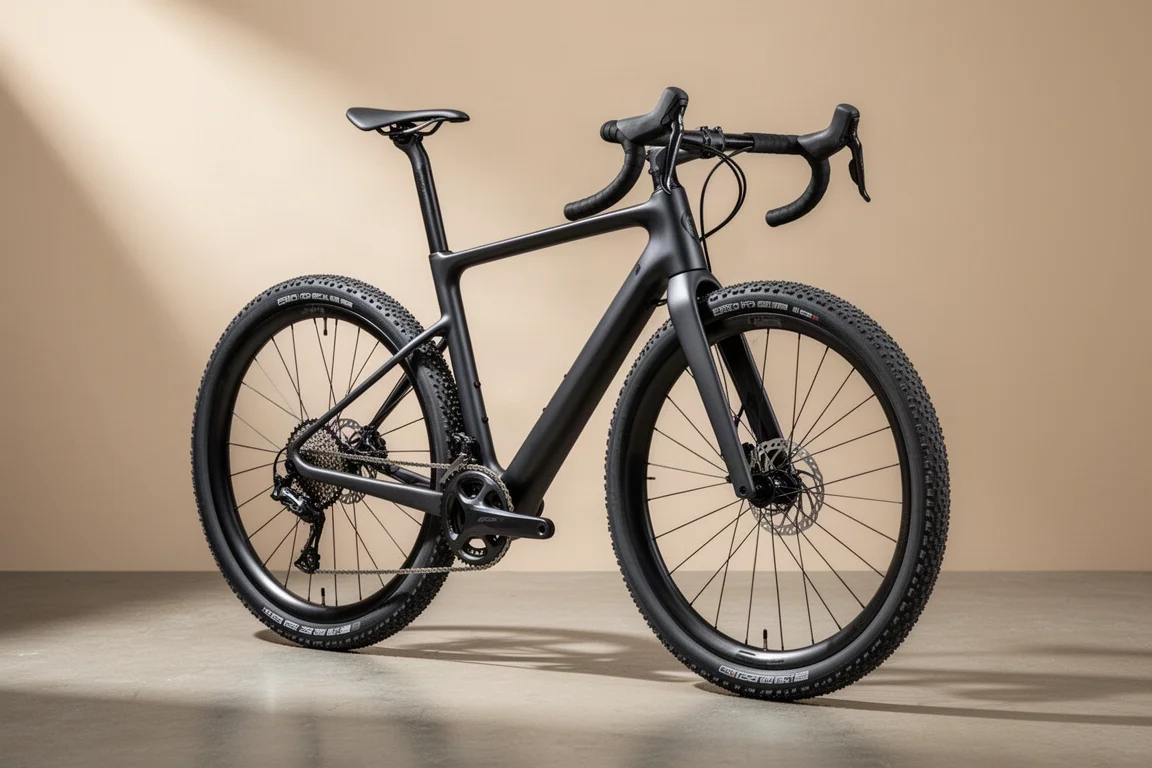
Giant offers three complete Revolt Advanced SL builds, all based on SRAM Explore groupsets spanning Rival, Force, and Red, with prices from 5,500 to 10,000 pounds. A frameset option sits just under 4,000 pounds. There is no Shimano or Campagnolo build in the SL range, which reflects how thoroughly SRAM’s Explore groupsets have been adopted in gravel racing.
The top model pairs a SRAM Red Explore groupset with the CADEX carbon wheels and tires, the one-piece carbon cockpit, a CADEX AMP saddle, and 170 mm cranks on ML sizes. Giant has traditionally been strong on value, and that flagship build is around 2,000 pounds less than a comparable Specialized Crux build with a similar groupset.
Buying Advice: Which Revolt Suits Your Riding
Start with the type of riding you actually do. If your calendar is built around gravel races and fast, hard group rides, the Revolt Advanced SL delivers the lower weight, the aerodynamic gains, and the aggressive position that make a difference at race pace. If you want one bike that handles racing, bikepacking, and everything in between, the Revolt Advanced Pro is the more sensible purchase.
Two details are worth checking before you commit. First, confirm your drivetrain plans: the SL’s UDH dropout is what allows the latest SRAM Explore groupsets to fit, while the Advanced Pro relies on flip chips instead. Second, think about fit. The SL’s 29 mm lower stack and 395 mm reach put it close to a road race bike, so riders who prefer a taller front end may be happier on the Advanced Pro.
Tire clearance is the same 53 mm on both frames, which is enough for a 2.1-inch mountain bike tire, so that is unlikely to be the deciding factor. The choice really comes down to race focus versus versatility, and both bikes remain in the range, so you are not forced into one or the other.
Conclusion
The Revolt Advanced SL is Giant’s most focused gravel race bike, with a claimed 839 g frame, a 176 g frameset saving over the Advanced Pro, a 16 W claimed aerodynamic improvement, and geometry that mirrors a road race bike. It trades storage and mounting points for speed, and it brings UDH compatibility to the Revolt line.
The Revolt Advanced Pro keeps doing what it has always done well: one bike that can race, carry gear, and take fenders, with a more forgiving position. For most riders, that is still the smarter buy. For riders who race, or who simply want to ride fast on gravel, the SL is the version worth the upgrade.
Further reading
Related Reviews
Gravel Bikes
3T Exploro Ultra Review: A Fast Gravel Bike Built for Big Tyres
A close look at the 3T Exploro Ultra, an aero carbon gravel bike designed around wide tyres, with road-like handling, a 980 g frame and genuine rough-terrain capability.
Gravel Bikes
3T Extrema Italia Review: Aero Gravel Speed With Room for 57 mm Tires
The 3T Extrema Italia pairs an aero frame with huge tire clearance, Italian-made carbon and a more comfortable ride than the RaceMax. Here is what to know before buying.
Gravel Bikes
3T Race Max 2 Italia Review: An Aero Gravel Race Bike Made in Italy
A closer look at the second-generation 3T Race Max 2 Italia, covering its aero updates, ride character, tire clearance, internal storage and who it suits.