Gravel Bikes
Giant Revolt Advanced Pro Review: A Gravel Bike Built for Rough Terrain
A practical look at the fourth-generation Giant Revolt Advanced Pro, from its flip-chip tyre clearance to its flex-tuned D-Fuse cockpit and round-seatpost adapter.
Introduction
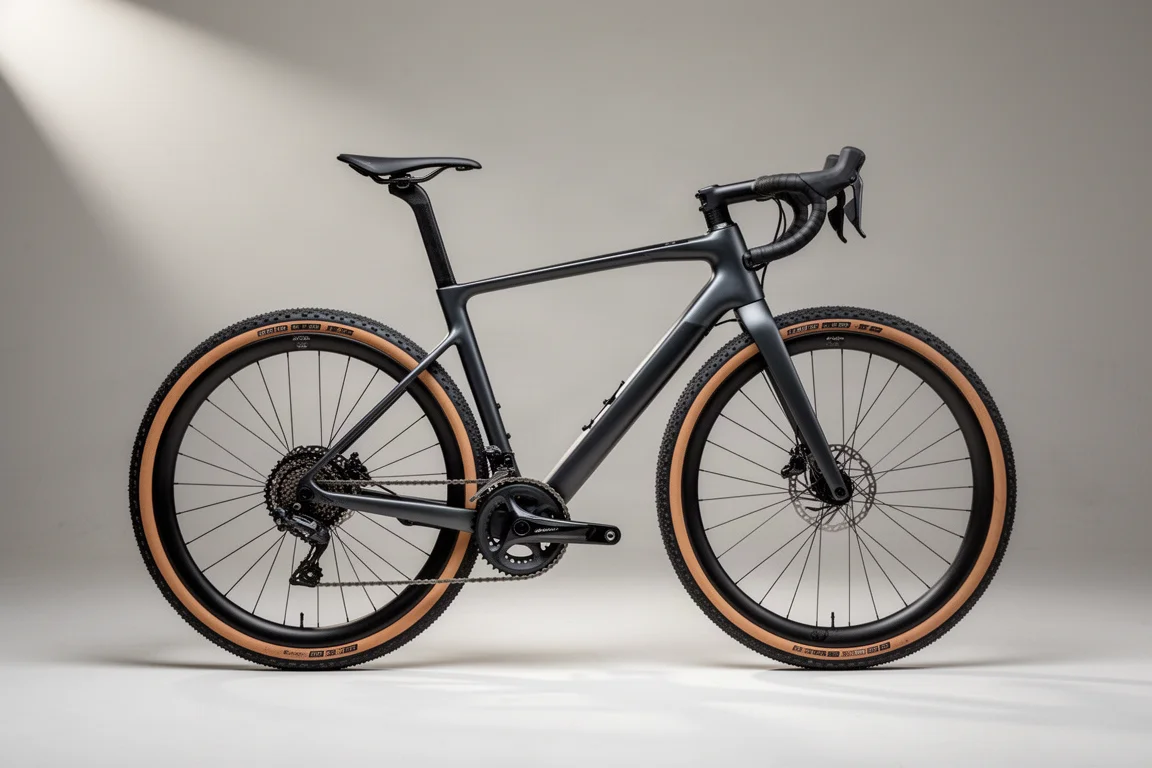
The fourth-generation Giant Revolt Advanced Pro is the newest version of the brand’s carbon gravel platform, and the changes are more about everyday usefulness than a dramatic redesign. The frame now runs internal cable routing and adds storage inside the frame for tools and spares, two features that have become common across gravel bikes in recent years. The D-Fuse handlebar and seatpost have been reshaped to work with the new routing.
The bike we spent time on was a size small Revolt Advanced Pro built with Giant CXR 700c carbon wheels, Pirelli Cinturato gravel tyres in 45 mm, a SRAM Force AXS 2x groupset, and Redshift inserts under the bar tape. With a front mount and two bottle cages fitted, it weighed 9.14 kg.
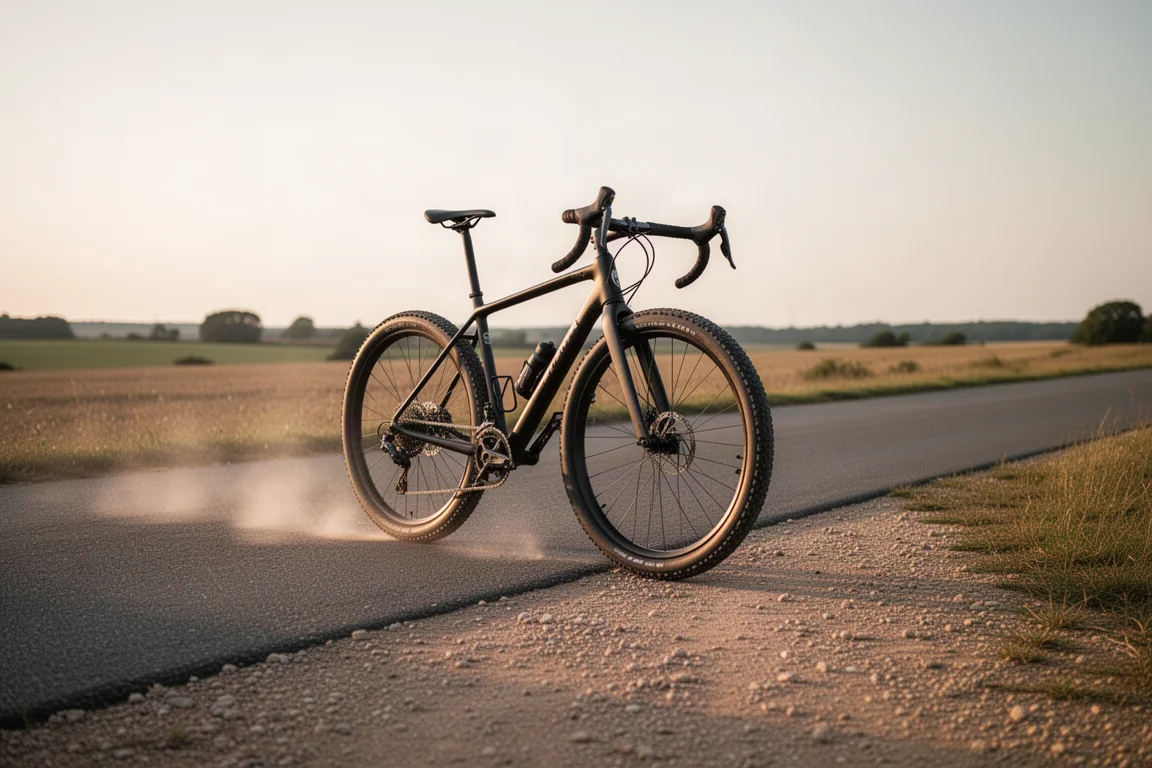
Ride quality is where this bike makes its case. The D-Fuse seatpost and handlebar use shaped carbon rather than pivots or moving parts, and the claimed figures are 12 mm of flex at the seatpost and 10 percent more compliance at the drops than a round handlebar. On gravel tracks and potholes the effect is noticeable, and the bike feels smooth rather than harsh.
Who the Giant Revolt Advanced Pro Is For
This is not a pure gravel race bike, and that is the most useful thing to understand before buying. The riding position is upright, the bars are wide, and the rear end can be set up for stability rather than sharpness. Riders who want a drop-bar bike that behaves closer to a mountain bike on rough ground are the natural audience here.
It also suits long, rough days out. The platform was ridden through a four-day gravel stage race in the Masai Mara, over washboard and genuinely punishing terrain, and it came through that kind of use still riding well.
If your priority is outright speed on fast, smooth gravel courses, this is probably not the bike you are looking for.
Main Strengths
The strongest arguments for this bike are adjustability, comfort, and the way it handles rough surfaces. The flip chip is the standout feature, and the frame’s storage and routing updates make it easier to live with day to day.
Flip Chip Geometry and Tyre Clearance
The rear dropout carries a flip chip with two positions, a design that is more familiar from mountain bike suspension linkages than from drop-bar gravel frames. Flipped to the rear position, tyre clearance opens up to 53 mm and the wheelbase lengthens, which makes the bike more stable at high speed. In the forward position, clearance is 42 mm and the wheelbase shortens, which tightens the handling for more technical riding.
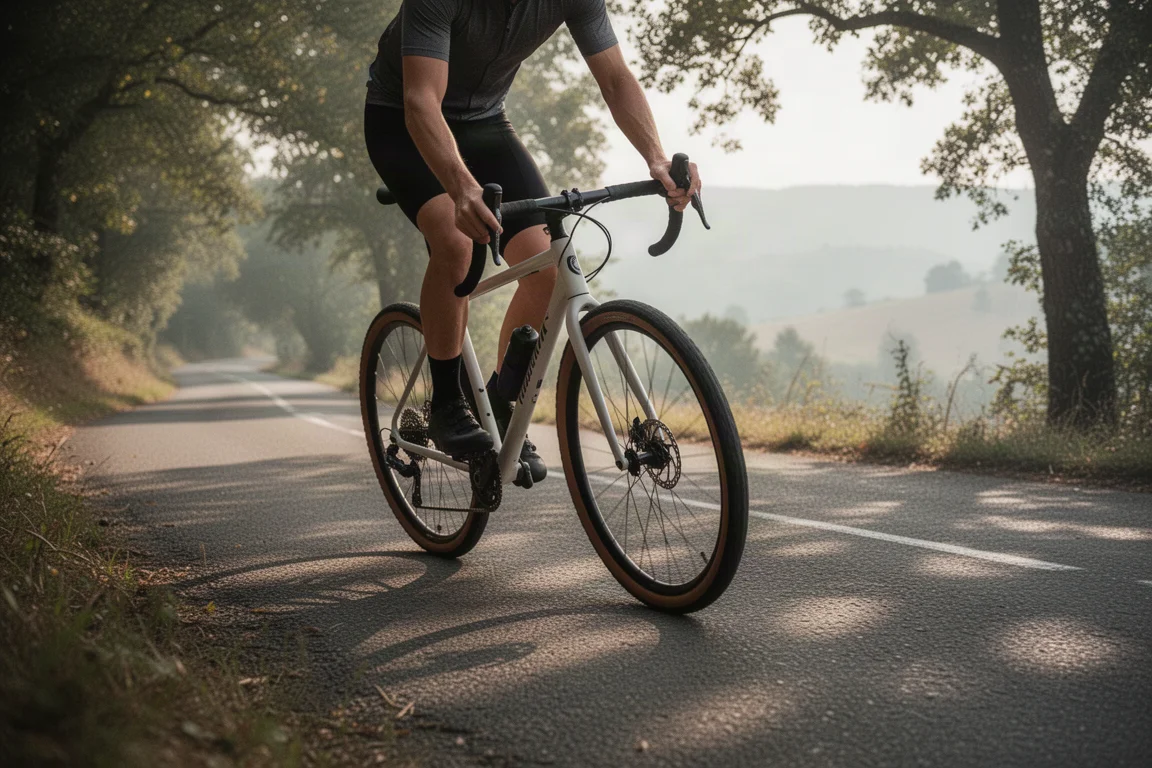
The short setting suits faster, less aggressive gravel, while the longer setting is likely to be the better default for most riders given how upright the geometry already is. A rear wheel that can be run short or long gives you a genuine choice about how the bike behaves rather than a cosmetic marketing feature.
Fifty-three millimetres of clearance is a big number for a gravel bike, and it is the clearest signal of what this platform is designed to do.
Frame Storage, Routing, and Practicality
The frame now includes internal cable routing and a storage compartment for tools and spares. The routing is semi-internal rather than a one-piece bar and stem setup: the hoses run underneath the stem and then down into the frame, which keeps the front end neat without locking you into proprietary parts.
That matters because the bar and stem are standard items. There is one bolt on top for preload and two on the sides to fasten the stem, and the bar and stem can be separated normally. The front end and the axles are straightforward to work with, which is not something every modern gravel bike can claim.
Seatpost, Shim, and Round Post Compatibility
The D-Fuse seatpost is designed to flex, and it ships with a shim at the back that makes the post round. The genuinely useful part is the adapter that lets you fit a standard round seatpost, or a dropper post if you prefer one. Being able to swap in a round post is a real advantage, and it is something we would like to see on more bikes with proprietary seatposts.
The trade-off is serviceability. The shim can fall out of the frame or get stuck inside it, and it sometimes needs to be tilted at an awkward angle to seat properly. Removing the seatpost is a fiddly job rather than a quick one, though it is far from a dealbreaker.
Things to Consider Before Buying
Comfort is a strength: the suspension effect built into the handlebar and seatpost works, and the bike feels smooth over gravel tracks and potholes. It is light, it functions well, and it is genuinely enjoyable to ride.
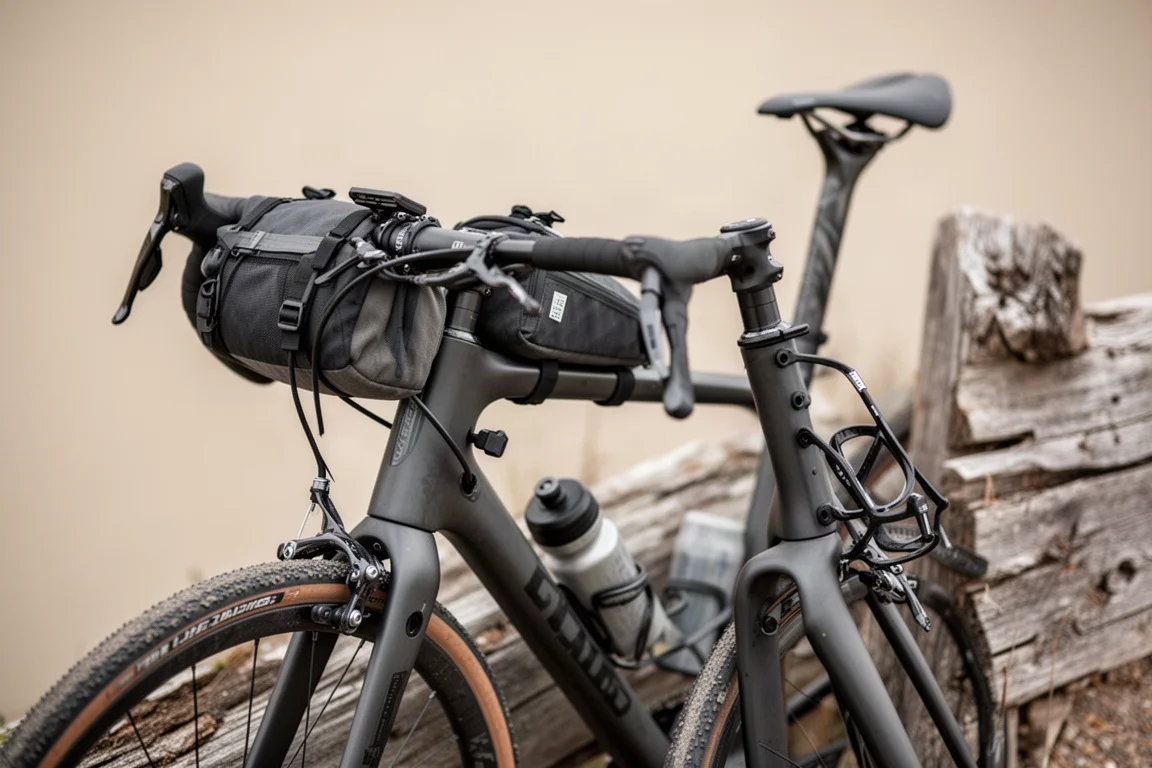
The question is whether the geometry suits you. The position is upright, to the point where it feels closer to a town bike than a race bike, and the wide bars push that further. The bike is at its best on singletrack, technical terrain, and muddy surfaces, which is exactly what the tyre clearance and the flip chip are there to support. For gravel racing on fast courses, it is the wrong tool.
Sizing and Handlebar Width
Sizing deserves attention. The geometry chart lists the extra small and small frames with the same reach, which is unusual and worth checking carefully if you sit at the smaller end of the range.
Handlebar options are limited as well, and the bars are wide. The women’s-specific line goes down to 40 cm, which is still not narrow. You can fit a third-party drop bar, but you lose the compliance that the D-Fuse bar provides. You can also fit a normal stem, including one with a negative rise, though the front end still sits fairly high even with the steerer fully slammed.
Buying Advice
There is no confirmed pricing for the Revolt Advanced Pro at the time of writing, since the bike is so new. The expectation is that it will land close to the women’s-specific version of the same bike, which is listed at £5,599 for a comparable build.
Buy it if you want a drop-bar bike with mountain bike manners, a comfortable ride over rough ground, and the flexibility of a flip chip, 53 mm of tyre clearance, and the option to run a standard round seatpost. It also makes sense if you ride a mix of singletrack, technical trails, and mud rather than fast gravel roads.

Look elsewhere if you race gravel seriously, want a lower and longer front end, or need narrow handlebars. The bike is very good at what it does, but what it does is a fairly specific kind of off-road riding, and plenty of riders will be better served by a faster, more aggressive gravel platform.
Conclusion
The fourth-generation Giant Revolt Advanced Pro is a comfortable, well-rounded gravel bike with a genuinely useful flip chip, generous tyre clearance, and sensible details like in-frame storage and round-seatpost compatibility. It is not the fastest gravel bike you can buy, and the upright position and wide bars will not suit everyone. But if your riding leans towards rough terrain, technical trails, and mud, and you want a drop-bar bike that stays calm and comfortable when the surface gets difficult, it is a strong option worth considering.
Product link
View more details for Giant Revolt Advanced Pro
This product is mentioned in the review. Check the specifications, options, and compatibility before buying.
View more details for Giant Revolt Advanced ProFurther reading
Related Reviews
Gravel Bikes
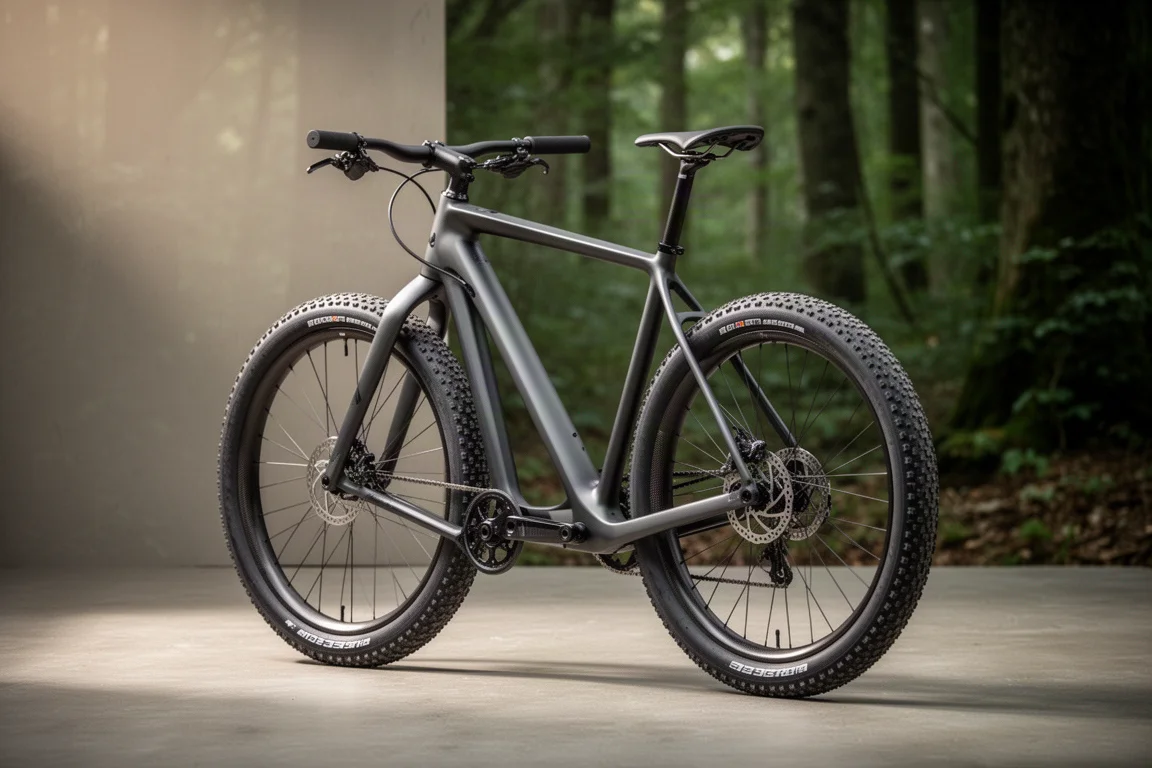
3T Exploro Ultra Review: A Fast Gravel Bike Built for Big Tyres
A close look at the 3T Exploro Ultra, an aero carbon gravel bike designed around wide tyres, with road-like handling, a 980 g frame and genuine rough-terrain capability.
Gravel Bikes
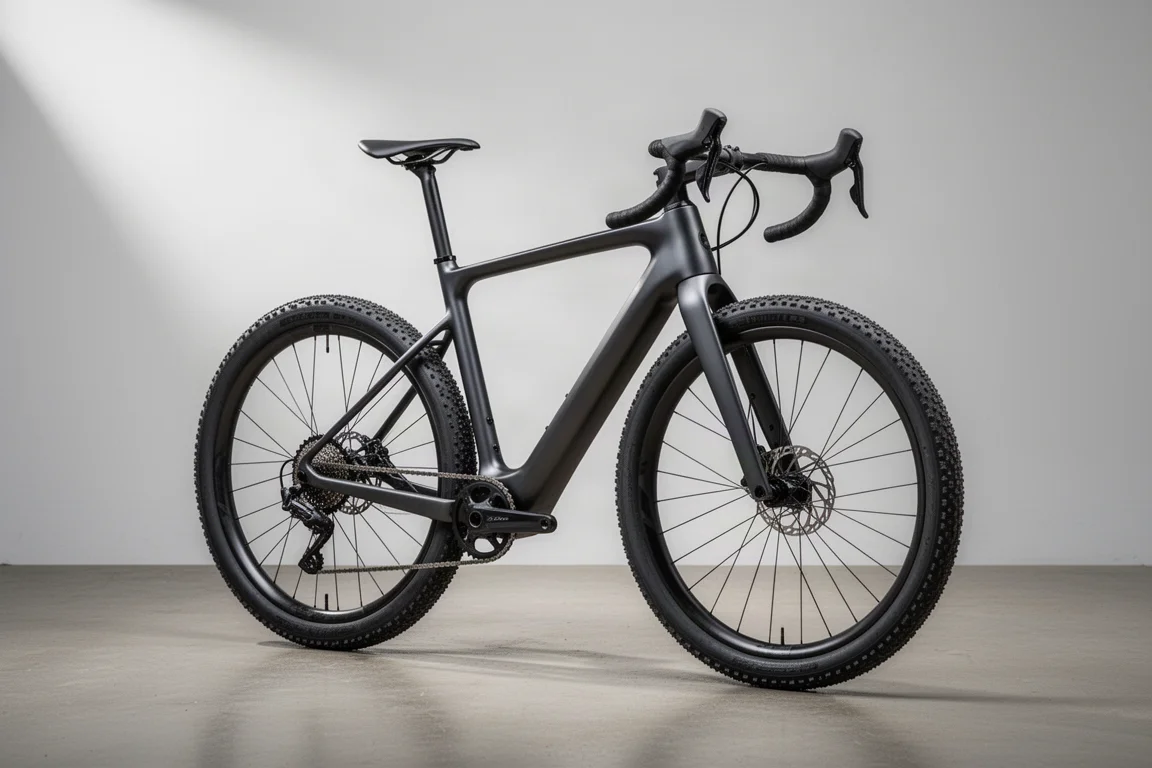
3T Extrema Italia Review: Aero Gravel Speed With Room for 57 mm Tires
The 3T Extrema Italia pairs an aero frame with huge tire clearance, Italian-made carbon and a more comfortable ride than the RaceMax. Here is what to know before buying.
Gravel Bikes
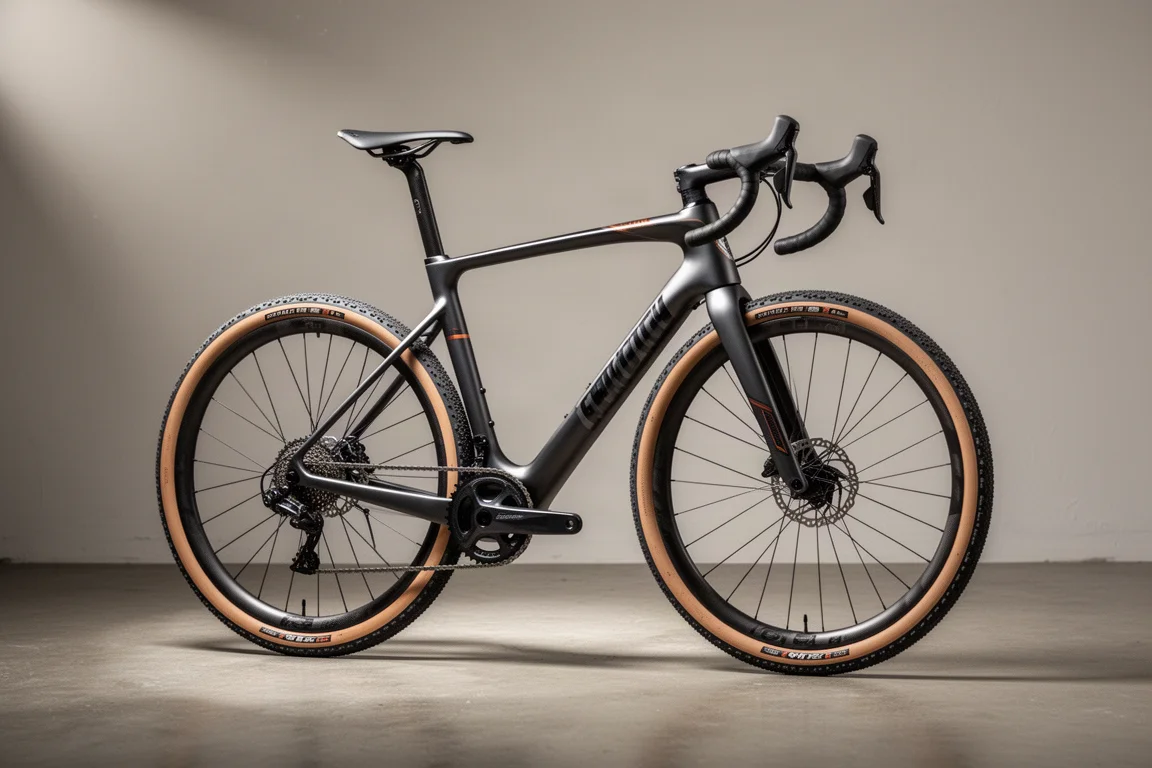
3T Race Max 2 Italia Review: An Aero Gravel Race Bike Made in Italy
A closer look at the second-generation 3T Race Max 2 Italia, covering its aero updates, ride character, tire clearance, internal storage and who it suits.