Gravel Bikes
Giant Revolt Advanced Pro 0 Review: A Flagship Gravel Bike Built for Mixed Terrain
The Giant Revolt Advanced Pro 0 pairs a redesigned carbon frame set, a 1,398g carbon wheel set and Shimano GRX Di2 with genuine all-surface versatility. Here is what it does well and what to check first.
Introduction
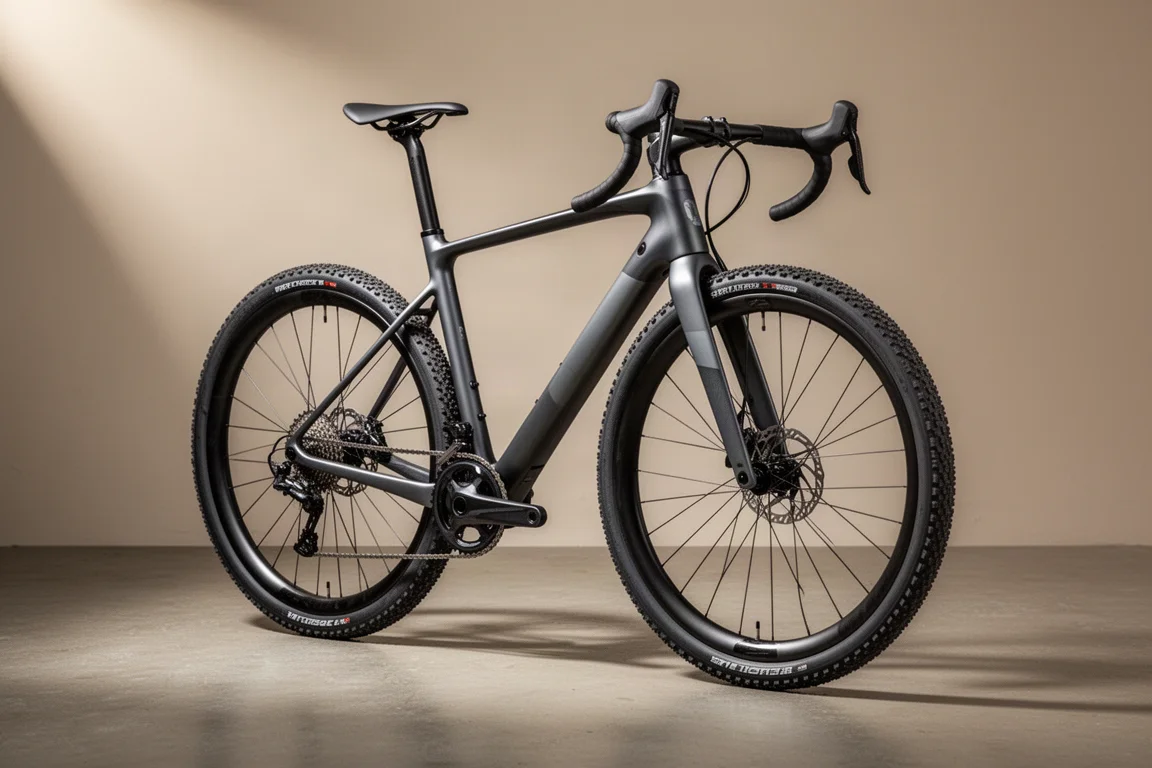
Gravel bikes have become the default answer for riders who want one drop-bar machine that covers smooth tarmac, fire roads and everything in between. The Giant Revolt Advanced Pro 0 sits at the very top of the Revolt range, and the 2022 flagship arrives with a redesigned frame set, a new lightweight gravel-specific carbon wheel set and Shimano GRX Di2 in a two-by configuration.
The outgoing Revolt had already earned a reputation for composure when surfaces turn rough, so the real question is whether the new version sharpens the ride without sacrificing the comfort and versatility that made the platform appealing in the first place. On paper, the changes look like thoughtful refinements rather than a redesign for its own sake.
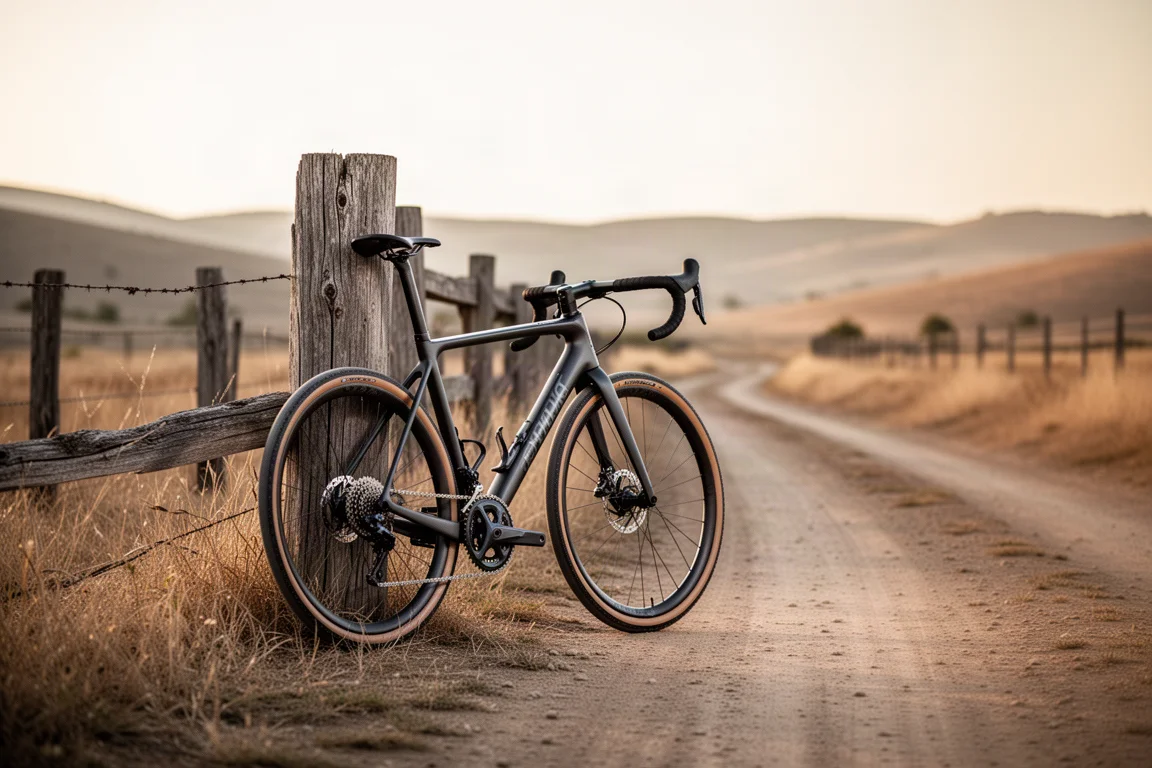
In practice, the flagship delivers on that promise. The front end is quicker to react, the rear of the frame is noticeably more compliant, and the frame details show a level of attention that is unusual even in this part of the market. It is a bike built to reward riders who want a single machine to handle a wide range of terrain and riding styles.
Who this product is for
This is a bike for riders who want one versatile drop-bar machine rather than a specialist tool. The frame keeps a generous set of mounts and fittings, which makes it a natural choice for riders with bikepacking ambitions or anyone who likes to carry luggage on longer days out.
It also suits riders who split their time between tarmac and unpaved surfaces. On-road manners feel close to a dedicated endurance road bike, even on 40c tyres, while the geometry and tyre clearance are set up to stay composed on technical terrain. Riders who prioritize climbing response and a lively feel will appreciate how the complete build carries its weight.
The Revolt is less obviously aimed at riders chasing the stripped-down, aggressively aerodynamic end of the gravel spectrum. This is a bike that keeps practicality and adaptability at the centre of the design rather than trimming every fixture in the name of aero efficiency.
Main strengths
The headline strength is how well the details hang together. The frame set borrows recognizable design language from the road range, yet every borrowed cue has been adapted to make the bike more capable off the smooth stuff, and the result is a machine that feels deliberately engineered rather than assembled from a parts catalogue.
Frame, geometry, and handling
The frame shares several signature design cues from the road lineup, including a triangulated head tube junction, a low-slung sloping top tube that makes the bike easy to move around on when the terrain gets technical, and an aero-style cutaway at the seat tube. The dropped seat stays are slimmer than before, and the yoke where they meet the seat tube is flattened to add a little more flex.
At the rear, the D-shaped seatpost is lighter than the previous generation and more flexible with it. The fitment has changed too: the post now seats into a round fitting with a wedge, which means the frame can accept a round dropper post if you want to change the setup later.
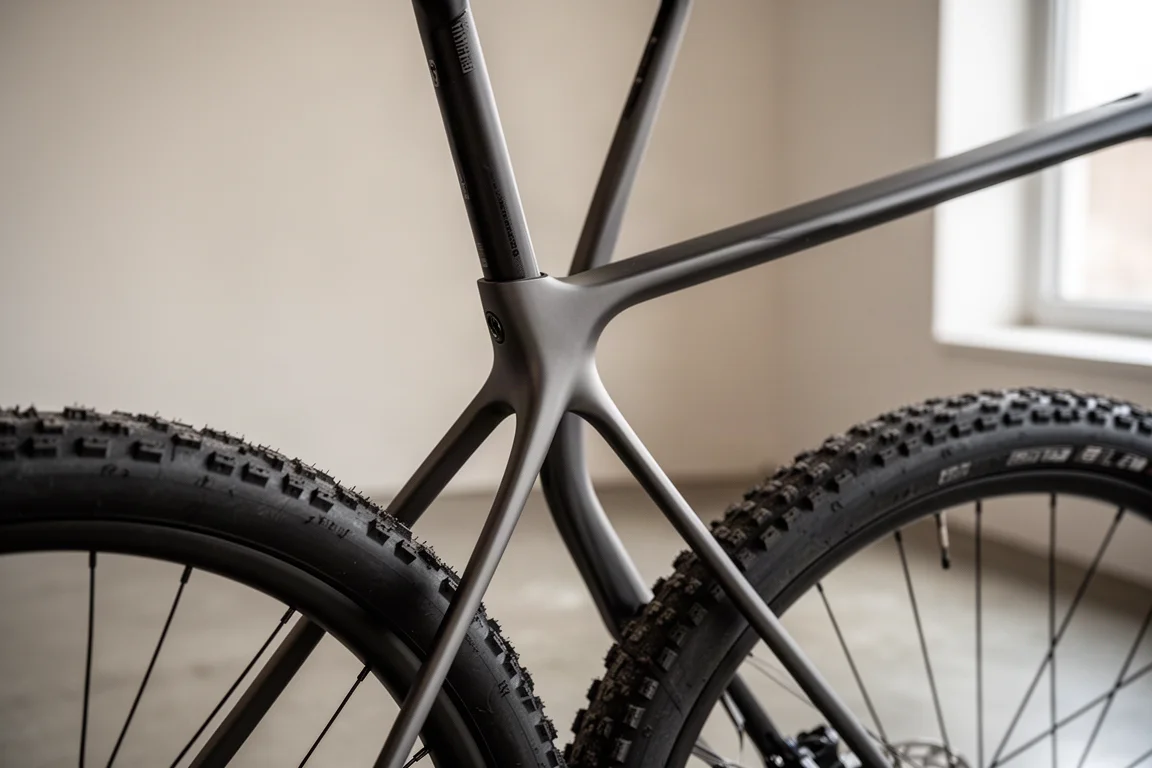
Handling has been sharpened deliberately. The head angle has been steepened to 71.5 degrees, the bottom bracket height has dropped, and reach has been extended to 397mm from 391mm for a slightly racier position. Stack has grown by 14mm, which made it easy to run the stem low on the test build. The front end feels sharper and nimbler than before and quicker to react.
That sharpness costs a little stability in absolute terms, but the bike compensates by being more exciting to ride. The new fork is lighter and provides clearance for a tyre up to 53mm at the rear, where a flip chip dropout lets you extend the wheelbase to accommodate a tyre that size. Leave the chip in its short setting and clearance sits at 42mm. The longer setting also pushes trail out to 68mm on a large frame from 65mm, which in theory adds stability when you are making the most of the bigger rubber.
Ride comfort and the CXR wheel set
Comfort is where the new Revolt has improved most noticeably. The wearying vibration of hardpack gravel is smoothed away by the D-Fuse bar, which soaks up bumps and buzz with ease while still feeling stiff under hard efforts out of the saddle and on climbs. At the rear, the combination of skinny stays and the new D-Fuse post gives the rider an almost floaty feel over rough ground.
The complete bike weighs 8.33kg, which sounds fairly average on paper, yet it rides like something much lighter. Much of that comes down to the new CXR wheel set at 1,398g for the pair, which is quality road wheel territory rather than the tougher, heavier hoops often fitted to gravel bikes. The wheels accelerate well, and the 54-point engagement from the DT Swiss internals in the hubs makes for a snappy, immediate response when you put down a big effort.
Giant also deserves credit for shipping its bikes set up and sealed tubeless. Too many brands still supply tubeless-ready wheel sets and tyres but fit inner tubes, which delivers the worst of both worlds.
Drivetrain and braking
The build runs 11-speed Shimano GRX RX815 throughout. The levers are shaped to fit the hands better when braking on the hoods, and combined with the servo wave technology in the calipers, the brakes offer an excellent mix of outright power and progressive feel. Shifting is exact and precise every time, and the clutch-equipped rear derailleur keeps chain bounce firmly in check on rough ground.

The two-by setup gives a wide spread of gears for mixed terrain, and the semi-wireless 12-speed updates that have appeared elsewhere have not yet reached this groupset. For many riders the 11-speed GRX package remains an excellent thing, and the ergonomics and brake feel are a large part of why.
One caveat is worth knowing about. Wiring and gravel do not always mix well. In one instance a fall in a corner twisted the left STI unit, and in the process of fixing it the Di2 wire was pulled from its connection, which left the system dead. Diagnosing that trailside and reconnecting the cables took time and turned a 22-speed bike into a single-speed one until it was sorted.
Things to consider before buying
Tyre choice is the most important thing to think about. The stock Maxxis Receptor tyres are a mixed bag. The tight checkered tread through the midsection is about as fast as gravel rubber gets on tarmac, and the small shoulder knobs do not hinder on-road cornering much. In wet mud, greasy rotting leaves and deteriorating trails, though, they can be a handful, drifting in corners and spinning out on even slightly greasy climbs.
Because tyre choice is so dependent on where you ride and in what season, that is not a flaw in the bike so much as a prompt to budget for a second set of mud-capable gravel tyres if your conditions trend wet. Riders in drier climates may find the stock rubber entirely adequate.
It is also worth being clear about what this bike is not. It does not chase the stripped-back, aero-optimized direction that some gravel race bikes have taken. The Revolt keeps its fixtures and fittings, which is a real benefit for bikepacking and everyday practicality, but riders who want the lightest possible race package should weigh that trade-off honestly.
Buying advice
Buy the Revolt Advanced Pro 0 if you want one bike that covers road rides, hardpack gravel and rougher technical terrain without feeling compromised in any of those settings. The sharpened front end and improved rear comfort make it a genuinely fun bike to ride, and the CXR wheel set and tubeless setup mean it arrives ready to perform rather than needing immediate upgrades.
Plan your tyre strategy around your local conditions, since a set of mud-capable tyres will unlock more of the bike’s potential in wet weather. If you want the option of a dropper post, the round seatpost fitment with the wedge makes that straightforward. And if you ride in areas where a fall or a knock is likely, take a moment to learn how the Di2 connections seat together, because knowing how to reseat a pulled wire can save a long walk home.

Riders who mostly want a dedicated race machine with minimal fittings, or who ride almost exclusively in dry, fast conditions where the stock tyres are in their element, may find a more single-minded option suits them better. For everyone else, this is a versatile, comfortable and genuinely quick gravel bike that earns its place at the top of the range.
Conclusion
The Giant Revolt Advanced Pro 0 takes the strongest parts of the previous design, refines them and adds a sharper, more engaging ride character. The frame set is well thought out, the geometry changes make the bike nimbler without ruining composure, and the CXR wheel set and GRX Di2 build give it the feel of a much lighter machine than its 8.33kg figure suggests.
The reservations are practical rather than fundamental: stock tyres that struggle in wet, greasy conditions, an 11-speed groupset rather than the latest semi-wireless update, and Di2 wiring that is worth understanding before you head somewhere remote. Address those and the Revolt Advanced Pro 0 stands out as one of the most enjoyable and versatile drop-bar bikes you can buy.
Product link
View more details for Giant Revolt Advanced Pro 0
This product is mentioned in the review. Check the specifications, options, and compatibility before buying.
View more details for Giant Revolt Advanced Pro 0Further reading
Related Reviews
Gravel Bikes
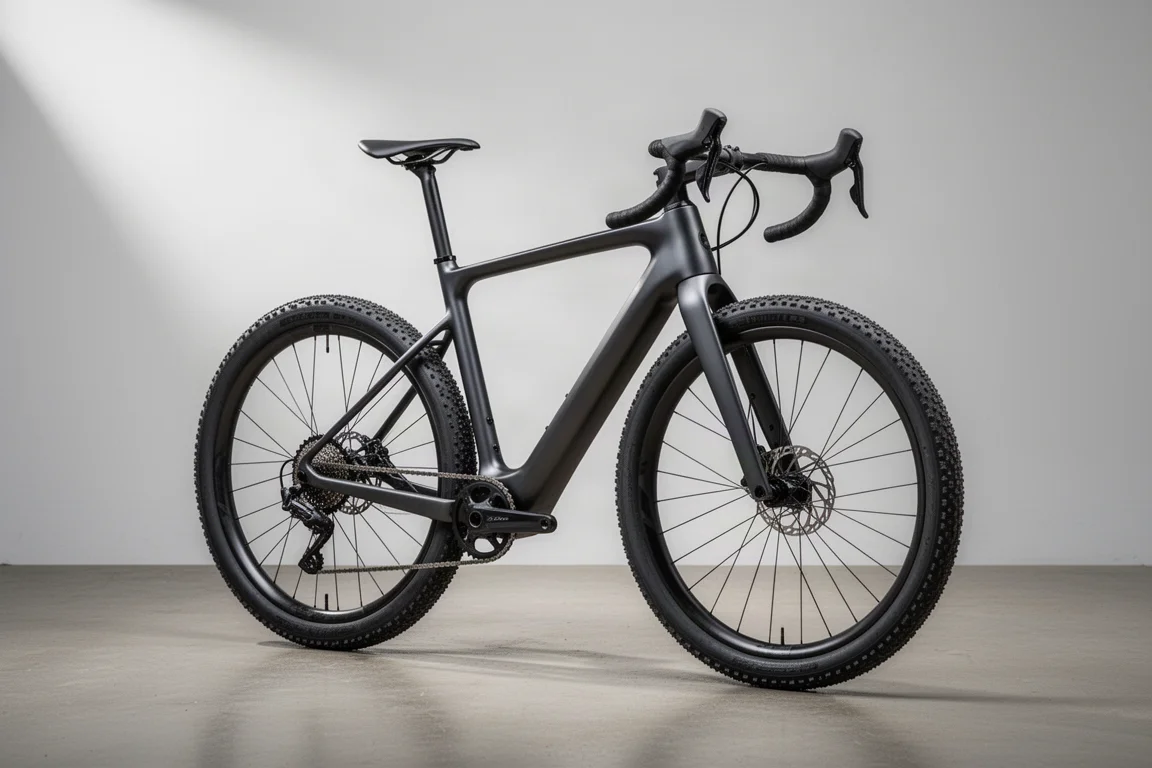
3T Exploro Ultra Review: A Fast Gravel Bike Built for Big Tyres
A close look at the 3T Exploro Ultra, an aero carbon gravel bike designed around wide tyres, with road-like handling, a 980 g frame and genuine rough-terrain capability.
Gravel Bikes
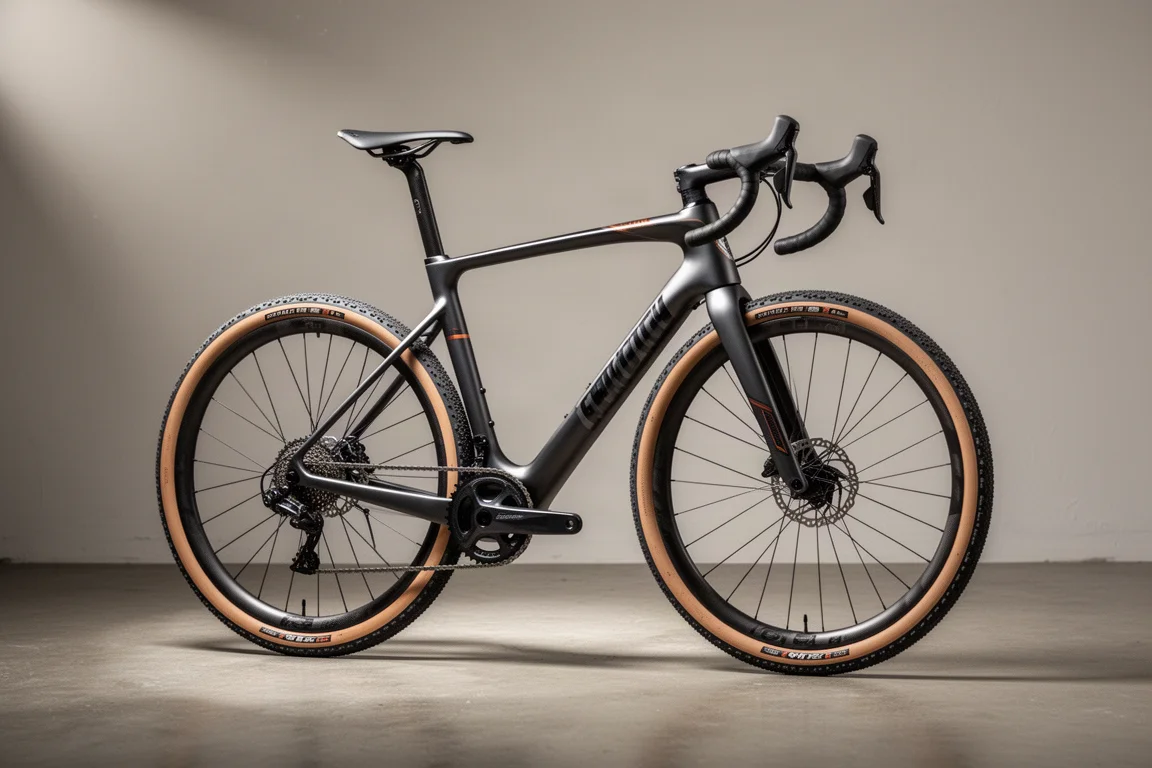
3T Extrema Italia Review: Aero Gravel Speed With Room for 57 mm Tires
The 3T Extrema Italia pairs an aero frame with huge tire clearance, Italian-made carbon and a more comfortable ride than the RaceMax. Here is what to know before buying.
Gravel Bikes
3T Race Max 2 Italia Review: An Aero Gravel Race Bike Made in Italy
A closer look at the second-generation 3T Race Max 2 Italia, covering its aero updates, ride character, tire clearance, internal storage and who it suits.