Gravel Bikes
Giant Revolt Advanced 0 Review: A Versatile Gravel Bike That Comes Close to a Road Race Bike
A carbon gravel bike with flip-chip geometry, 53mm tyre clearance, and a surprising turn of speed against a dedicated road race bike.
Introduction
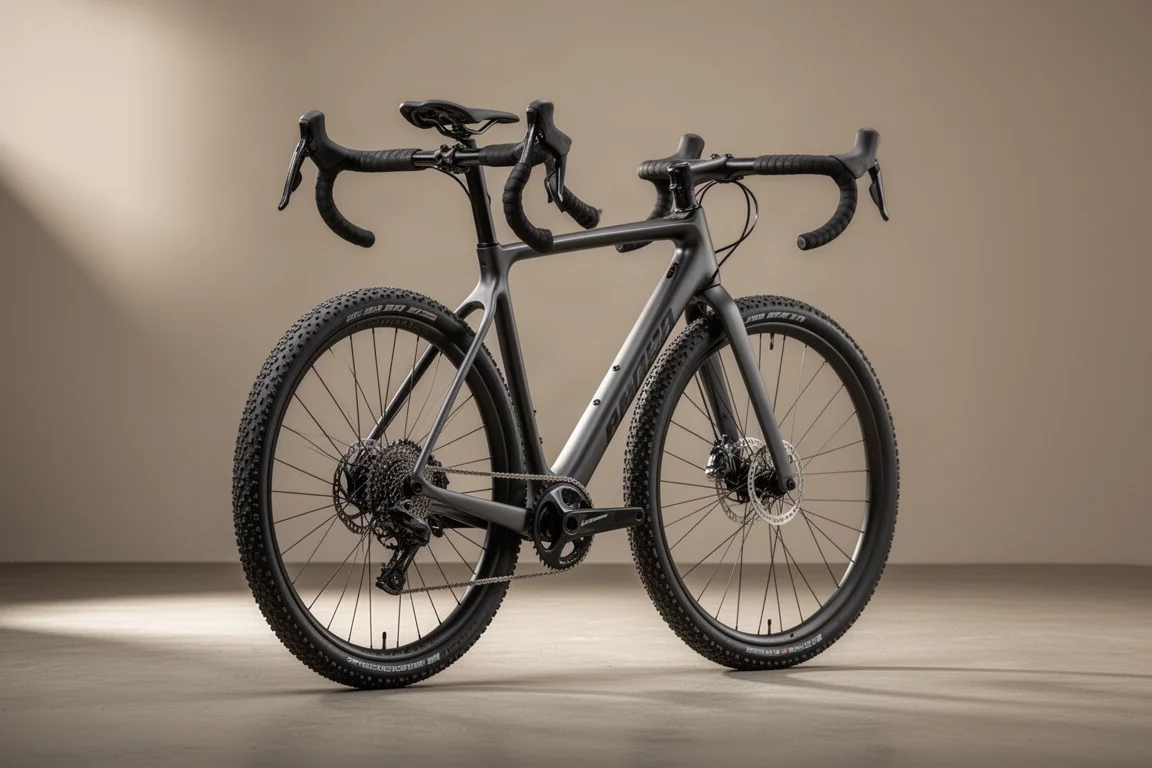
The Giant Revolt Advanced 0 is a carbon gravel bike positioned a clear step below the range-topping model, yet it shares the same frame and fork design as its more expensive sibling. That is the interesting part. Where the flagship version sits above £5,000, this one lands at around £3,500, and the gap in the ride comes down to relatively small details rather than a completely different platform.
The idea behind a bike like this is versatility. Change the tyres, swap the components, add the right bags, and the same frameset can lean toward gravel racing, bikepacking, touring, or something closer to a road bike. That claim is easy to make and harder to prove, which is exactly what makes this model worth a closer look.
Who the Giant Revolt Advanced 0 Is For
This bike suits riders who want one capable machine for mixed surfaces rather than several specialised bikes. The revised geometry is a touch more agile and tighter than before, which pushes it toward faster-paced gravel riding and gives it a nimble feel through wooded, twisty terrain.
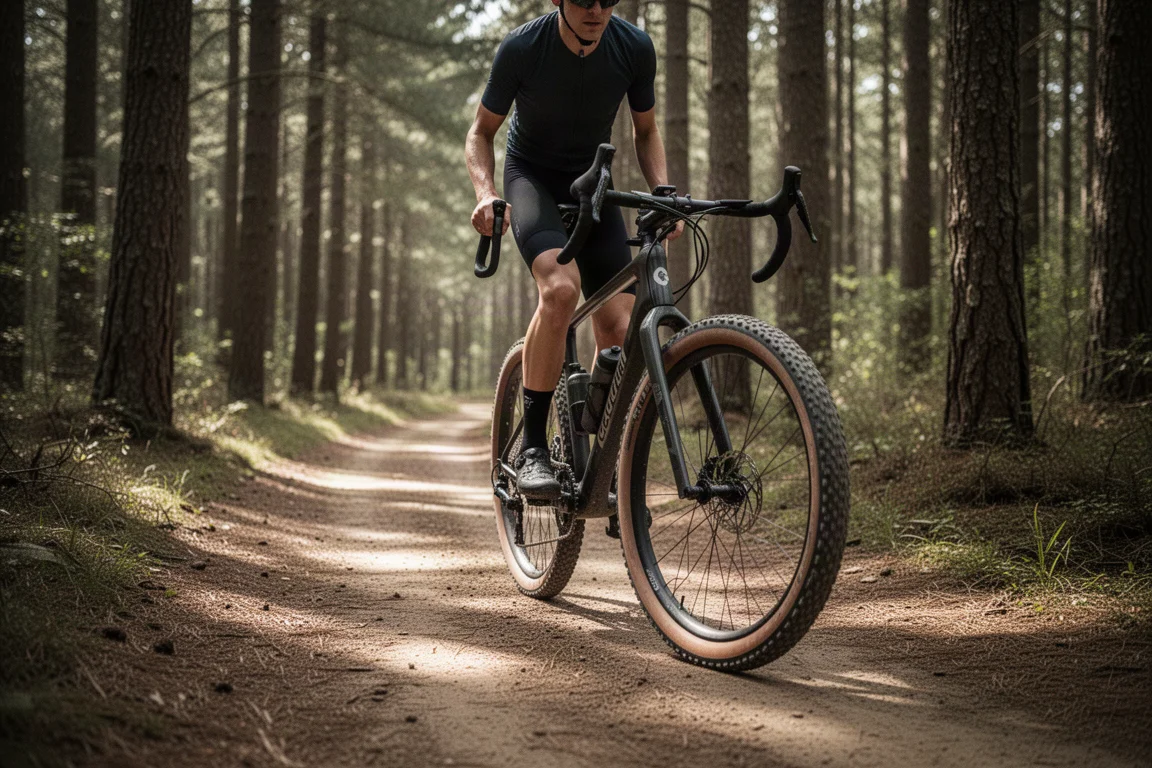
It is also a sensible choice for road riders who want to explore rougher surfaces without giving up too much pace. The comparison with a dedicated road race bike is closer than many people would expect, so anyone weighing up a single do-it-all bike should find this relevant.
Frame, Geometry, and the Flip Chip
The frame and fork are shared with the more expensive model in the range. The weight saving on the top-tier Advanced Pro is claimed at around 200 grams thanks to more advanced carbon fibre, while this version saves roughly 160 grams. That is a small difference, and whether it matters depends entirely on how much you care about the lightest possible build.
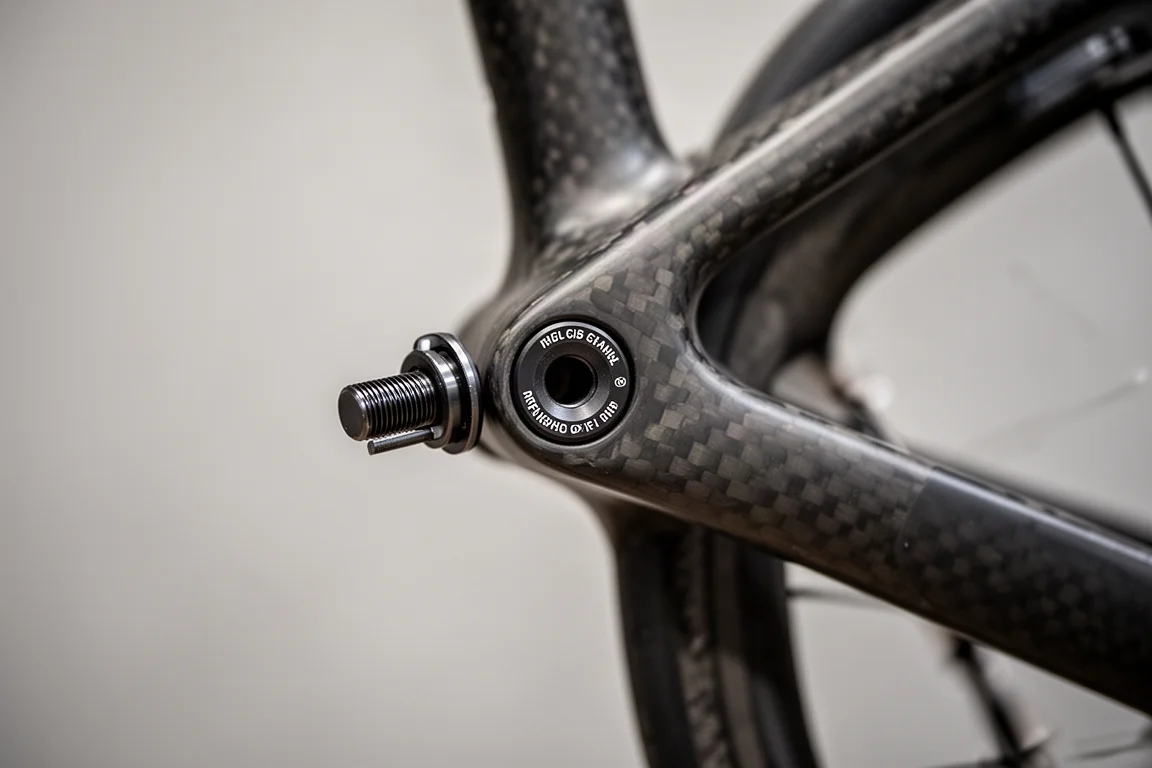
The standout feature sits at the rear dropouts. Flip chips let you move the rear wheel forward or backward, which lengthens or shortens the wheelbase to tune the bike toward either agility or stability. The same adjustment changes tyre clearance, and at its maximum the frame accepts a generous 53 millimetres. That leaves plenty of room to run narrow or wide rubber depending on the terrain and the kind of riding you have planned.
Drivetrain, Wheels, and Cockpit
For the money, the specification is strong. The bike runs Shimano’s GRX mechanical groupset in a 2x11 configuration with a 34-tooth cassette on the back, which means plenty of gears for steep climbs and long days. Some riders might prefer a single-chainring setup, but that option is not offered in this range.
The wheels are a genuine highlight rather than a cost-saving compromise. They are full carbon fibre with a wide profile, fitted with wide semi-slick Maxxis Receptor tyres that sit somewhere between fast-rolling road rubber and proper gravel tread.
Up front, the handlebar is wide and flared, measuring 44 centimetres on the size ML and offering more width in the drops than on the tops. The stem is deliberately short at 80 millimetres on the same size, which pairs with the longer top tube to keep reach to the hoods comfortable while improving control in corners. A carbon seat post with D-shaped D-Fuse technology handles comfort at the rear, and it can be swapped for a round post if you ever want to fit a dropper.
Ride Feel and Speed Against a Road Bike
The most revealing part of testing this bike was a direct comparison with a dedicated road race bike on the same short loop. The route was simple: climb up, descend the other side. The climb was long enough to raise the heart rate with a few gradient changes, and the descent was fast and straight rather than technical.
On the climb, the road bike was clearly quicker. It felt easier to hold speed, the position was slightly more stretched, and it had more headroom to go faster. On the gravel bike, there was a comfortable cruising speed that felt like a natural ceiling, and pushing beyond it meant fighting weight and tyre drag. On the way back down, though, the gravel bike felt noticeably safer on its wider tyres, and it recorded a higher maximum speed of 66 km/h against 60 km/h.
The overall numbers were closer than expected: 13 minutes and six seconds on the road bike against 13 minutes and 20 seconds on the gravel bike. It is not a laboratory-grade test, and plenty of variables are in play, but the stopwatch result is a useful reality check on how much a wide-tyre gravel bike actually gives away.
Main Strengths
The first strength is value within the range. Sharing a frame and fork with a bike costing well over £1,500 more, while still getting carbon wheels and a capable groupset, makes this a well-rounded package.
The second is genuine adaptability. The flip chip, the 53 millimetre tyre clearance, and the option to fit a round seat post for a dropper all point to a bike that can be reshaped around different kinds of riding rather than replaced by another bike.

The third is composure. With wider tyres fitted, the bike felt safer and more planted on fast descents, which matters for riders who split their time between tarmac and loose surfaces. At 8.69 kilograms without pedals or accessories, it is also a respectable weight for a full carbon frame, carbon wheels, and a mechanical groupset, with obvious room to trim further if you want to.
Things to Consider Before Buying
The trade-offs are worth understanding before committing. On climbs, this bike does not match a dedicated road race bike, and the difference is most obvious when you are pushing hard rather than cruising. Wider tyres can also feel slower than they are: the smoother, more isolated ride lacks the buzzy feedback of narrow road rubber, even when the clock says the gap is small.
Anyone chasing the absolute lightest build should note that the more expensive model in the range saves more weight, though the difference is modest. Riders who strongly prefer a single-chainring drivetrain will also need to look outside this range, since only a 2x11 setup is offered here.
Buying Advice
If you want one bike that handles fast gravel, forest trails, and the occasional road ride without complaint, the Revolt Advanced 0 makes a persuasive case at its price. The shared frameset, carbon wheels, and wide tyre clearance deliver most of what the flagship offers, and the flip chip gives you room to tune the handling as your riding changes.
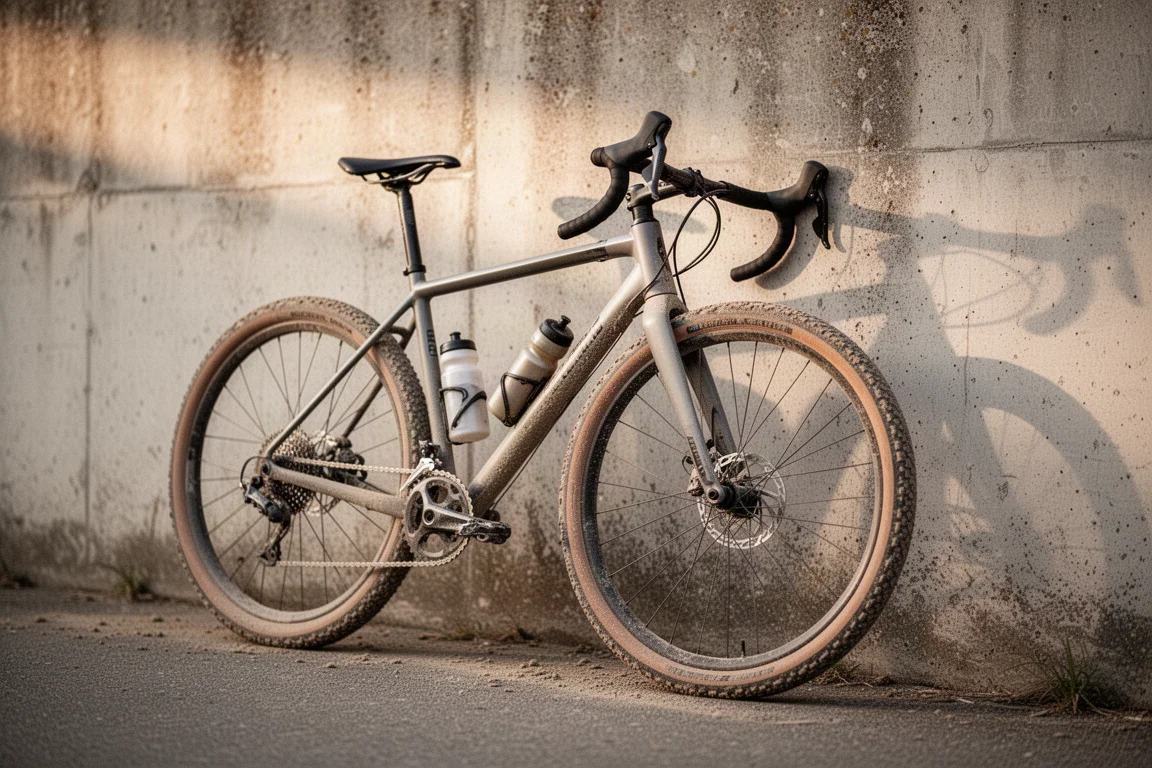
It makes the most sense for riders who value adaptability and descending confidence over pure climbing speed. If your priority is setting personal bests on tarmac climbs, a dedicated road bike will still be the faster tool. If you want a single carbon bike that covers far more ground, this one is easy to recommend trying.
Conclusion
The Giant Revolt Advanced 0 is a well-specified carbon gravel bike that shares its core design with a much more expensive model while keeping the price within reach. Its flip-chip geometry, generous tyre clearance, and strong stock build make it genuinely versatile, and the timed comparison against a road race bike suggests it gives away less pace than its wide tyres imply. For riders who want one capable bike rather than a stable of specialised ones, that combination is exactly the point.
Product link
View more details for Giant Revolt Advanced 0
This product is mentioned in the review. Check the specifications, options, and compatibility before buying.
View more details for Giant Revolt Advanced 0Further reading
Related Reviews
Gravel Bikes
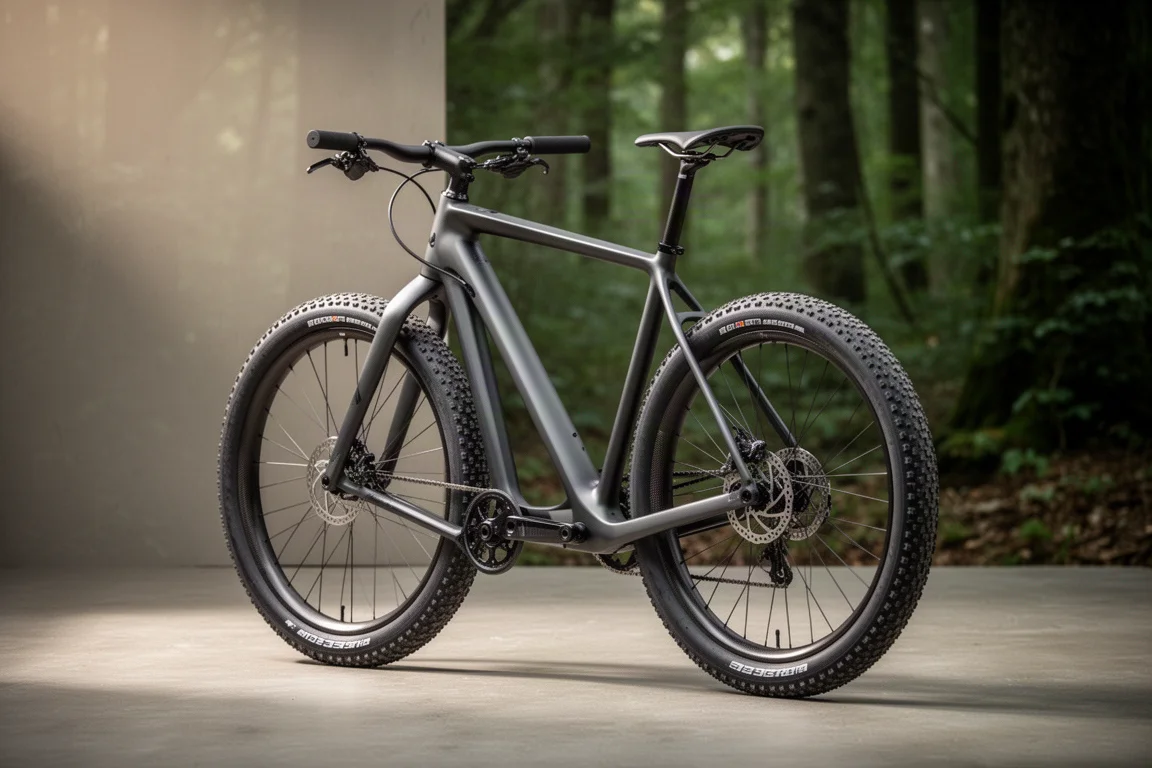
3T Exploro Ultra Review: A Fast Gravel Bike Built for Big Tyres
A close look at the 3T Exploro Ultra, an aero carbon gravel bike designed around wide tyres, with road-like handling, a 980 g frame and genuine rough-terrain capability.
Gravel Bikes
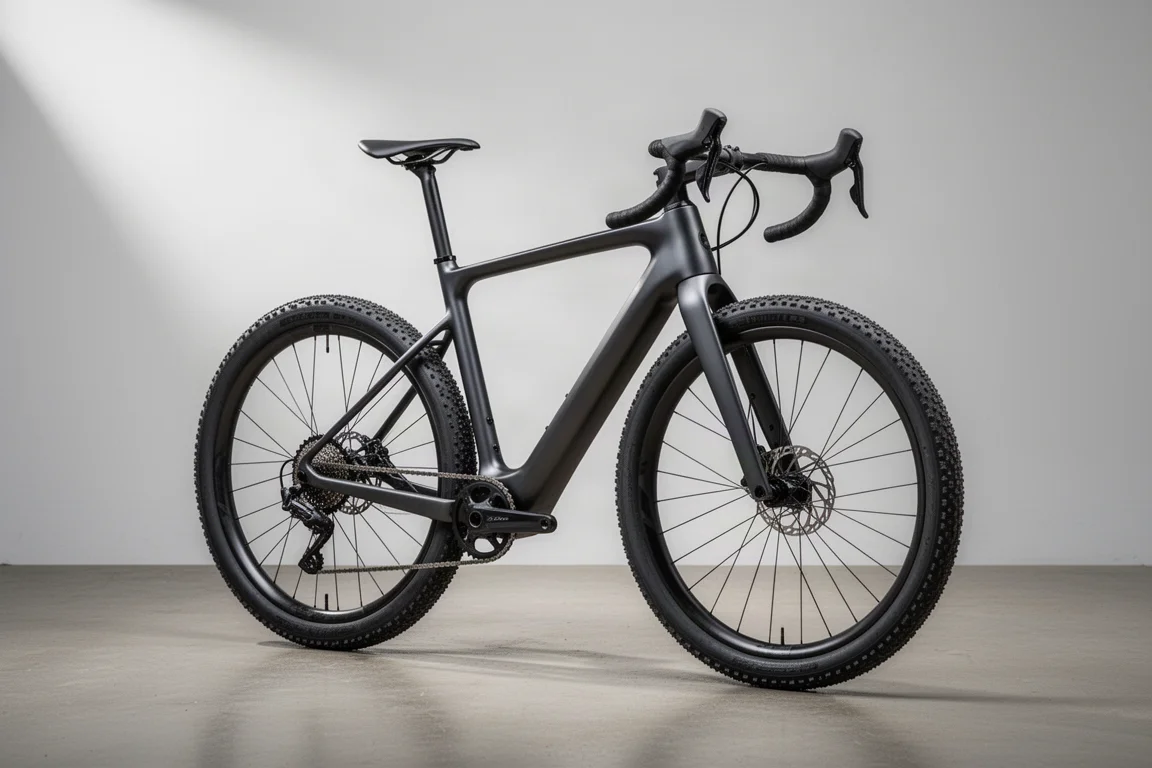
3T Extrema Italia Review: Aero Gravel Speed With Room for 57 mm Tires
The 3T Extrema Italia pairs an aero frame with huge tire clearance, Italian-made carbon and a more comfortable ride than the RaceMax. Here is what to know before buying.
Gravel Bikes
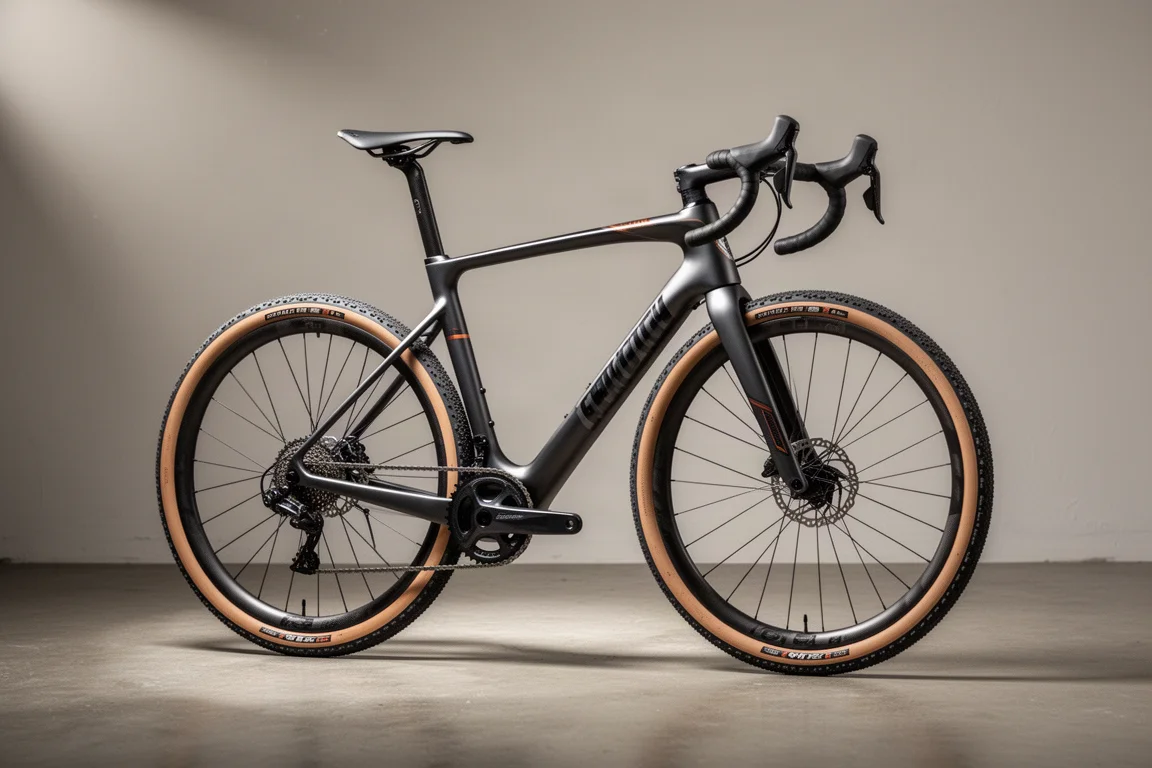
3T Race Max 2 Italia Review: An Aero Gravel Race Bike Made in Italy
A closer look at the second-generation 3T Race Max 2 Italia, covering its aero updates, ride character, tire clearance, internal storage and who it suits.