Power Tools
Genuine vs Counterfeit Impact Tools: 5 Name-Brand Power Tools Put to the Test
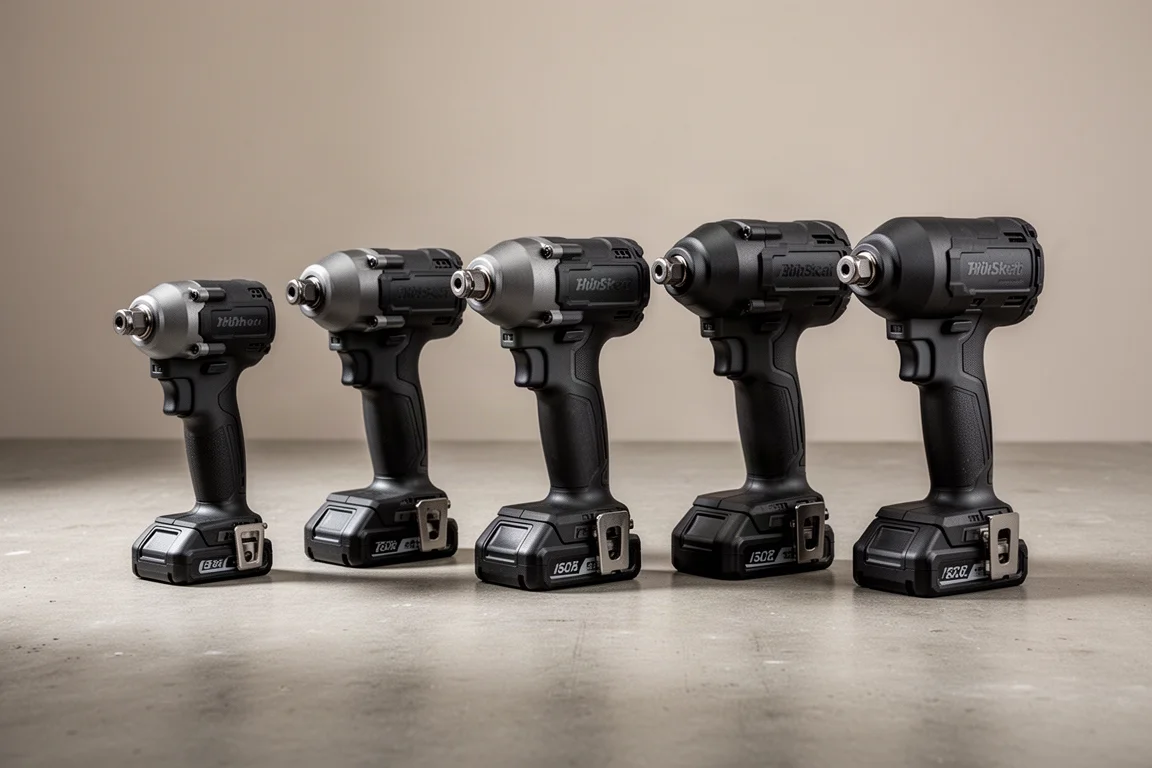
Five name-brand impact drivers and wrenches, purchased at bargain prices, were tested side by side with genuine examples to see where the cheap ones fall short.
Introduction
Bargain-priced power tools that carry familiar name-brand styling are everywhere online, and prices between $35 and $50 per tool make them tempting. The question is simple: do these discounted tools perform like the genuine articles, or are they counterfeits that fall apart under load?
To find out, five impact tools were purchased at steep discounts and tested against genuine examples of the same make and model bought from reliable sources at full price. The tools were pushed through screw driving, lag bolt driving, bolt removal, torque, and heavy-duty fastening tests, and then opened up for an internal comparison.
How the Test Was Run
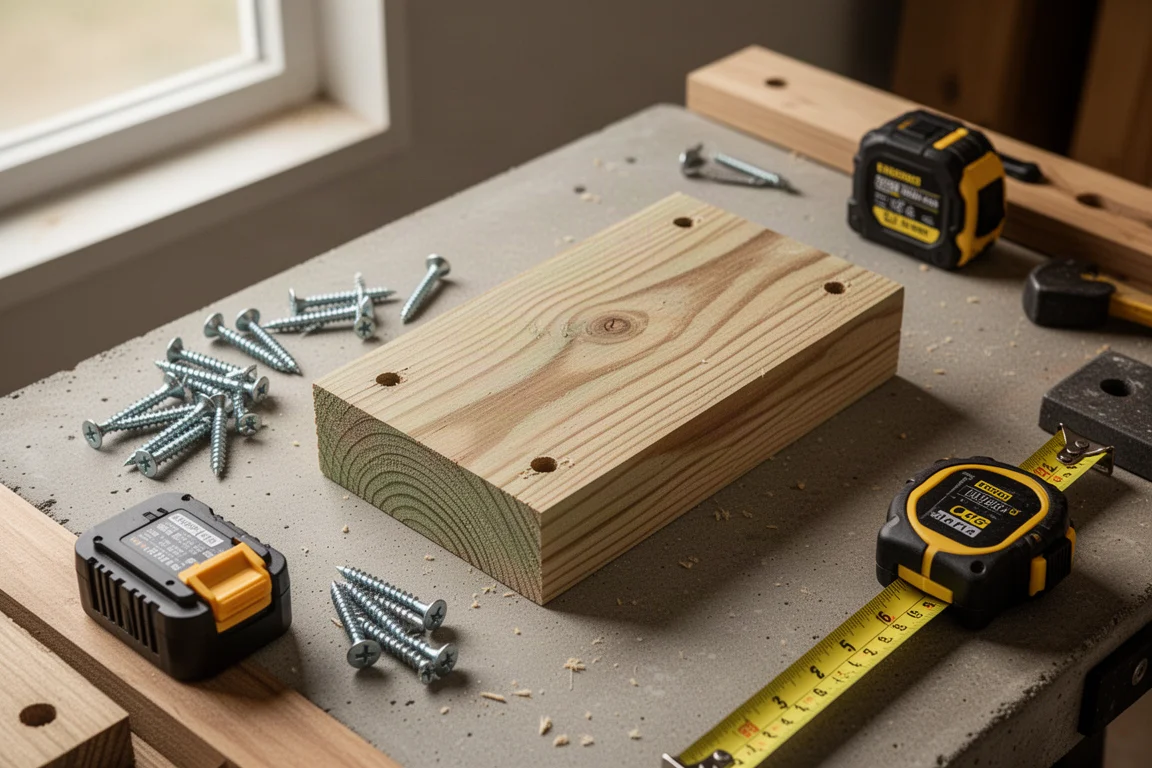
The comparison used a consistent set of challenges: driving three 5-inch deck screws into a test log, driving three 5-inch lag bolts, removing lag bolts (for the half-inch impact wrenches), a heavy 10-inch lag bolt torque test, and a maximum tightening torque test measured with a torque wrench. Weight, length, no-load RPM, and end play were also measured for every tool.
One note on methodology: wood is elastic and porous, and wood fibers act like tiny shock absorbers under every impact blow, so lag bolt tests are not an accurate way to measure maximum torque. They are still a useful way to compare tools against each other under identical conditions.
Milwaukee M18 Impact Driver
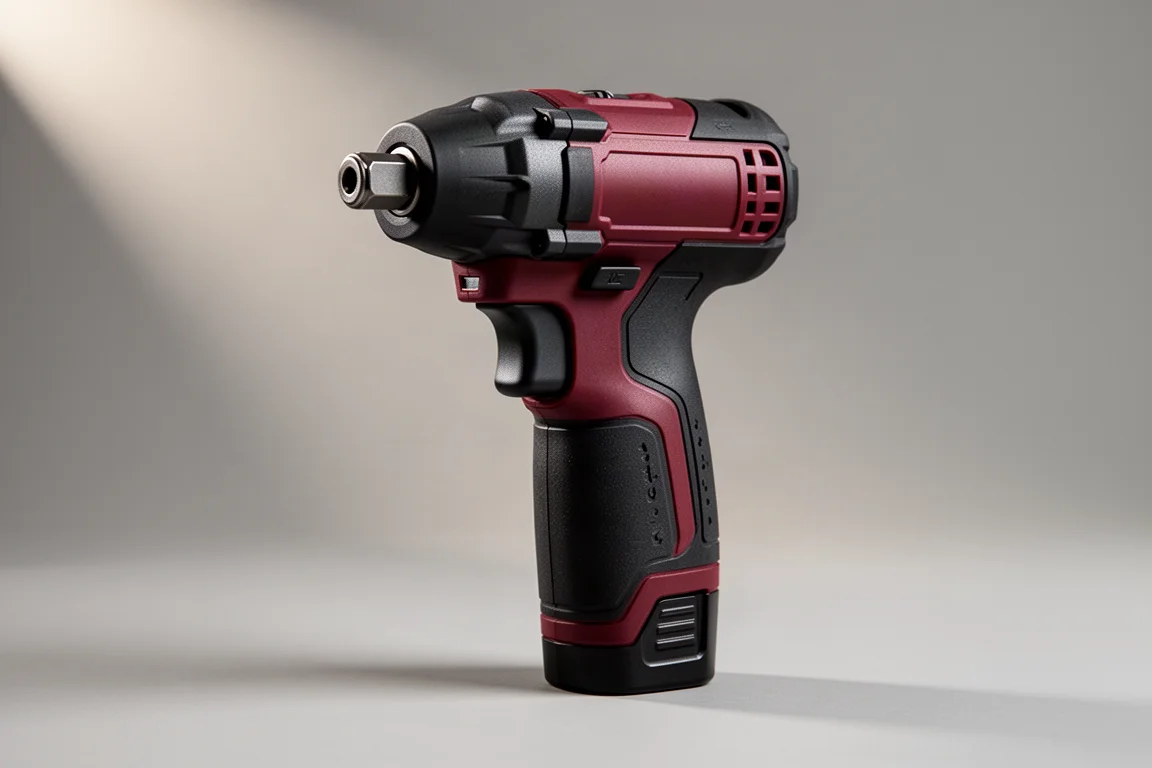
The genuine Milwaukee impact driver is claimed to deliver 2,000 inch-pounds of torque, a maximum of 3,900 RPM, the fastest driving speed in its class, and it uses a brushless motor with an 18-volt battery. It is a quarter-inch impact driver rated at 4.47 inches in length and 2.2 lb, includes a 5-year tool warranty, and is manufactured in Vietnam.
The genuine unit measured 3,835 RPM under no load, about 441 RPM more than the discounted example, which reached 3,394 RPM. In screw driving, the genuine tool finished deck screws in around 1.17 to 1.27 seconds, roughly three times faster than the budget unit. In lag bolt driving it completed bolts in about 7 seconds while staying cool at just under 140 degrees Fahrenheit, and it topped the impact driver torque test at 261 foot-pounds. It also recorded the best overall average finish of any tool tested.
DeWalt DCF860 Impact Driver
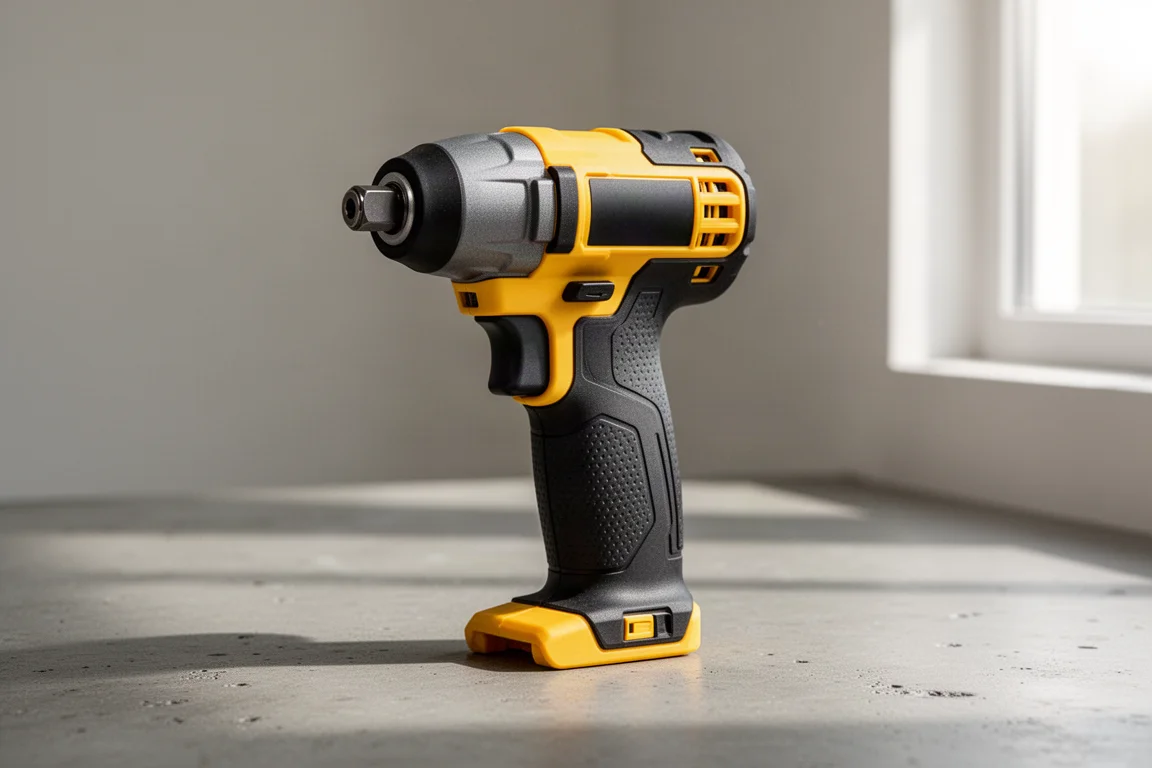
The DeWalt DCF860 is rated for up to 3,800 RPM and 2,500 inch-pounds of torque, with a brushless motor running on a 20-volt DeWalt battery. The genuine tool is made in Mexico and was around $200 when new.
On test, the genuine DCF860 measured close to 1,000 RPM more than the discounted example and drove deck screws in as little as 1.01 seconds, three times faster than the budget unit. It drove lag bolts in roughly 7 seconds per bolt, staying cool throughout, and reached 199 foot-pounds in the tightening torque test. In the lag bolt torque test it reached 472 inch-pounds. Overall it placed third among all tools tested with an average finish of 2.5.
Makita Brushless Impact Driver
The Makita brushless impact driver claims up to 1,590 inch-pounds of torque and 3,600 RPM, running on an 18-volt lithium battery. The genuine example is manufactured in Thailand and cost $249.
The genuine Makita produced 3,426 RPM under no load and drove deck screws in about 1.6 seconds. In lag bolt testing it finished bolts in the 13 to 15 second range, more than twice as fast as the discounted unit, and ran much cooler at 154 degrees versus 223 degrees for the budget tool. It reached 195 foot-pounds in the tightening torque test. It is not advertised as a torque monster, and it ran out of steam quickly on the heaviest lag bolt test, but it clearly outperformed its counterfeit counterpart in every measured category.
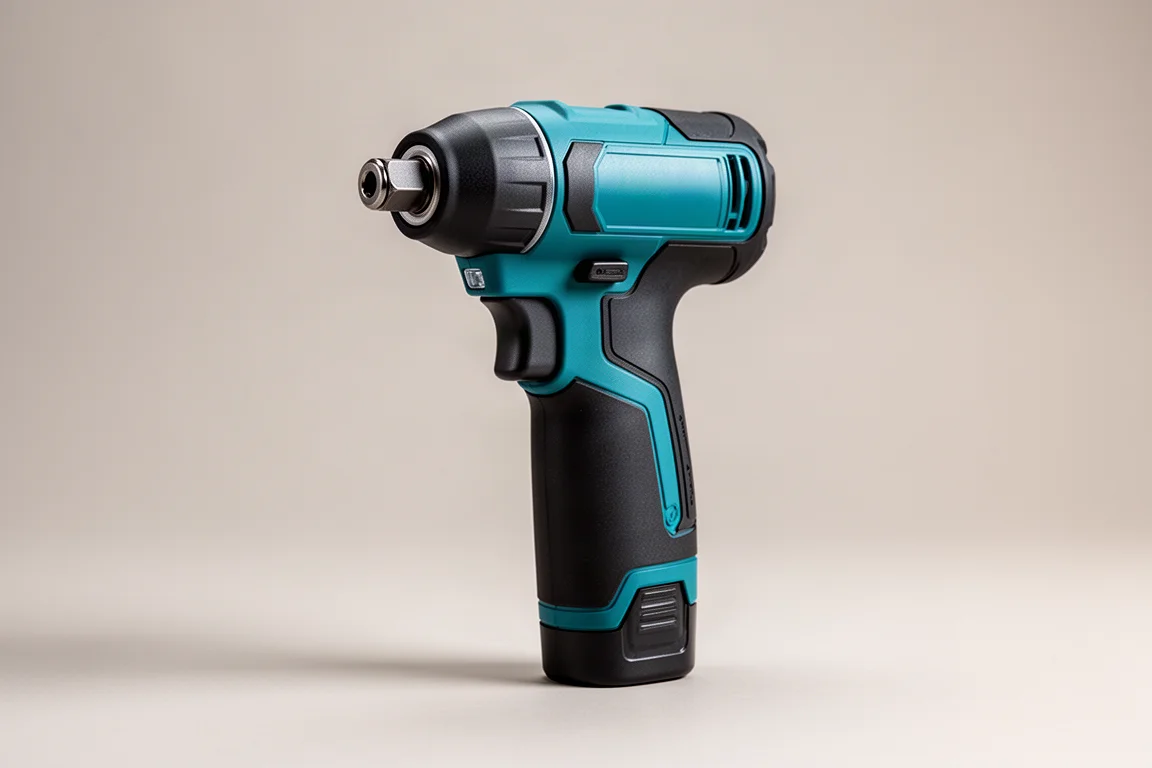
Milwaukee 1/2-Inch Impact Wrench
This half-inch Milwaukee impact wrench claims up to 250 foot-pounds of nut-busting torque, up to 2,400 RPM, a 2.4 lb weight, and a 4.9-inch length, with a brushless motor on an 18-volt battery. The genuine tool is made in Vietnam, comes with a belt clip, and offers a three-speed control pad.
In deck screw driving the genuine wrench posted times as fast as 2.46 seconds, third fastest overall. In lag bolt driving it was slower than the discounted unit at around 17 to 18 seconds, but it dominated the heavy-duty 10-inch lag bolt test, driving the bolt completely flush in 1 minute 47 seconds and reaching 865 inch-pounds to rotate the bolt, nearly twice the budget tool. In the tightening torque test it managed 199 foot-pounds, just behind the DeWalt Atomic.
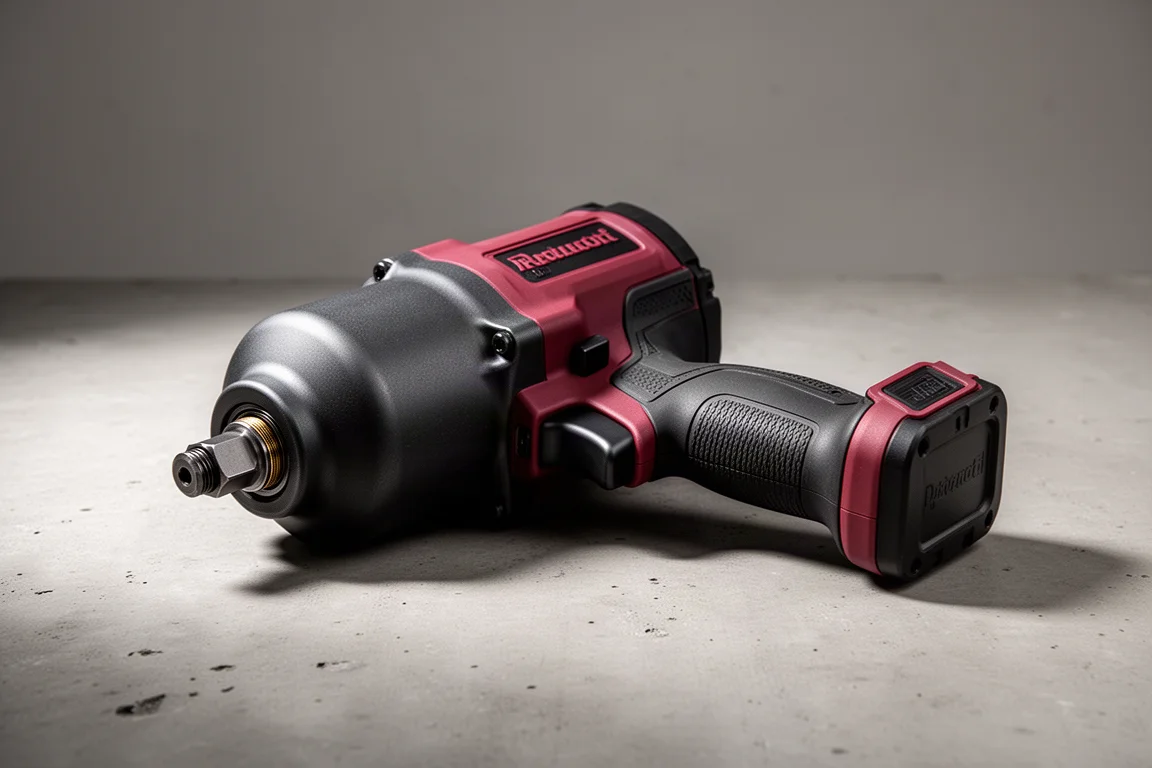
DeWalt Atomic DCF921B Impact Wrench
The DeWalt Atomic DCF921B is rated for 300 foot-pounds of maximum fastening torque, 450 foot-pounds of breakaway torque, 2,500 RPM, a 4.95-inch length, and 2.47 lb. The genuine unit is made in Mexico and cost $240.
This was the standout performer. It drove lag bolts in under 10 seconds, fastest of any tool in that test, and drove all three test bolts in around 21 seconds while remaining cool to the touch. On bolt removal it was in a class of its own at 3.29 seconds on the fastest attempt. It has a setting specifically designed for driving lag bolts, and in the 10-inch lag bolt torture test it finished in just under 1 minute 17 seconds and recorded 1,098 inch-pounds to rotate the bolt, the best result of the entire comparison. It also topped the impact wrench tightening torque test at about 200 foot-pounds.
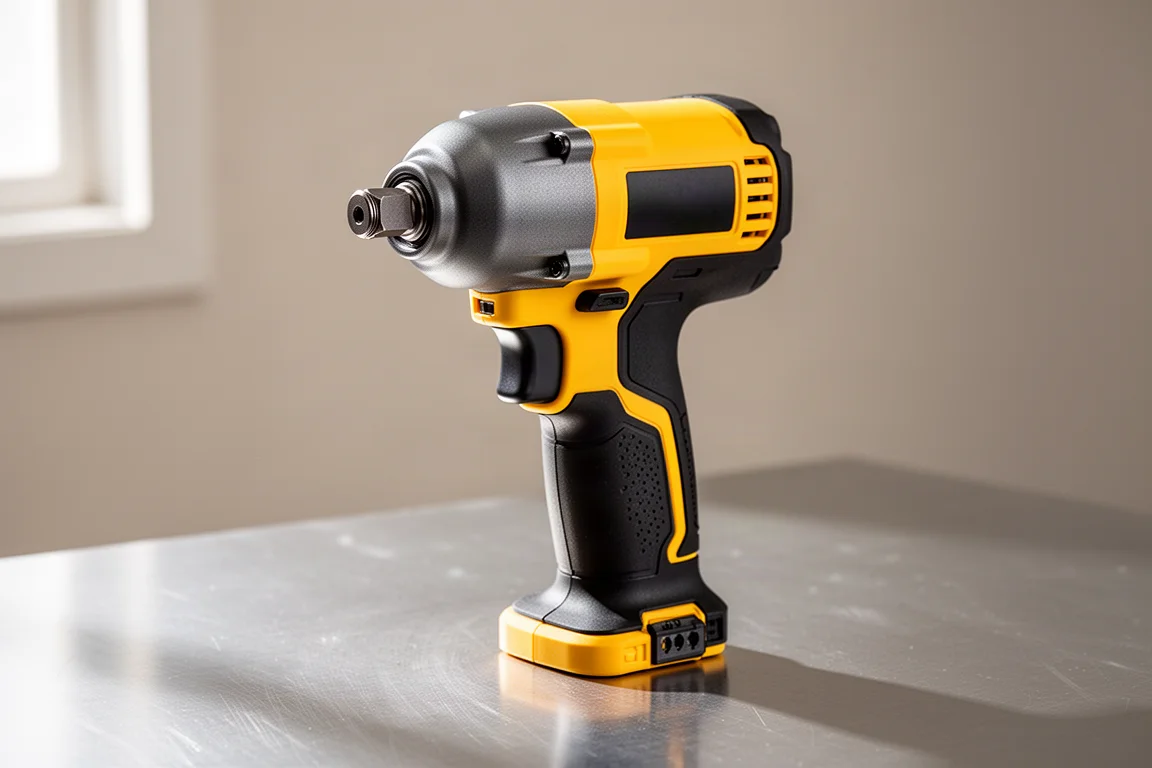
Screw Driving Speed
On 5-inch deck screws, the genuine tools were consistently around three times faster than their discounted counterparts. The genuine DeWalt Atomic led all tools at 1.43 seconds, followed by the genuine Milwaukee and DeWalt impact drivers in the 1.0 to 1.3 second range. Among the discounted tools, the DeWalt Atomic counterfeit managed a surprisingly strong 2.41 seconds, and the half-inch budget Milwaukee hit 2.82 seconds, the fastest of the budget group.
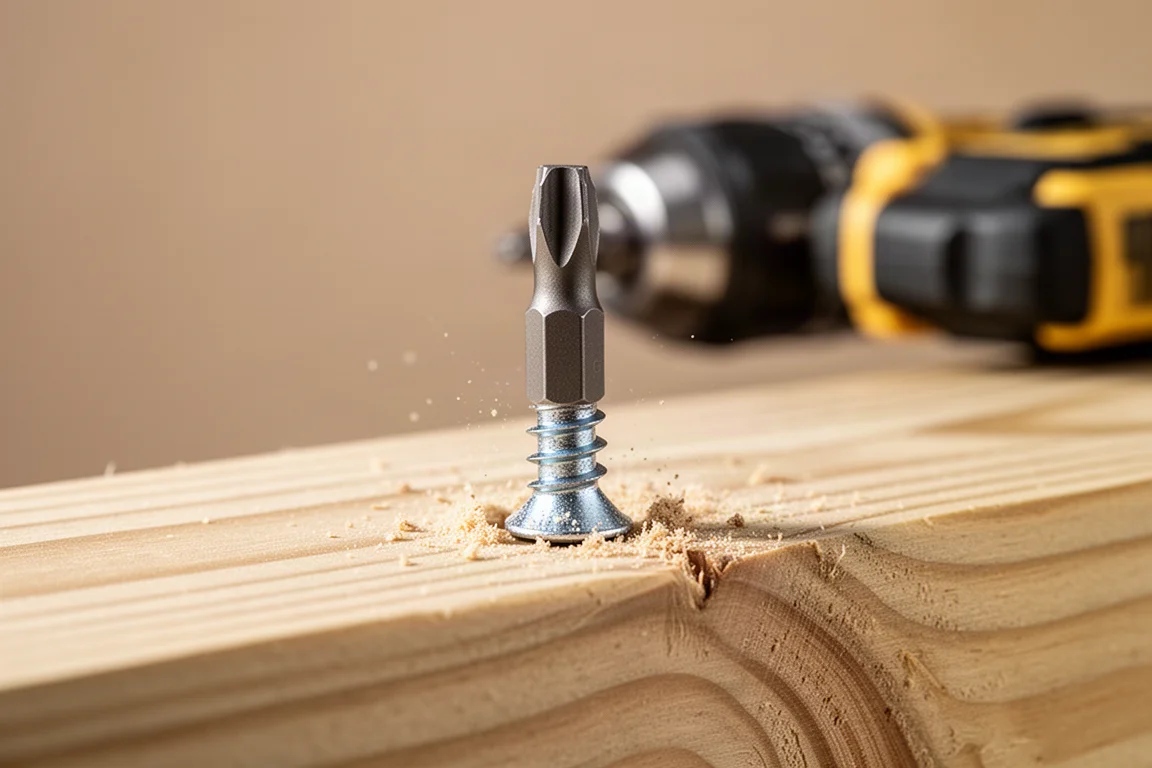
The counterfeit impact drivers struggled more. The budget Milwaukee and DeWalt drivers needed around 3.0 to 3.9 seconds per screw, and the budget Makita ranged up to 4.9 seconds when it hit a knot.
Heavy-Duty Work and Heat
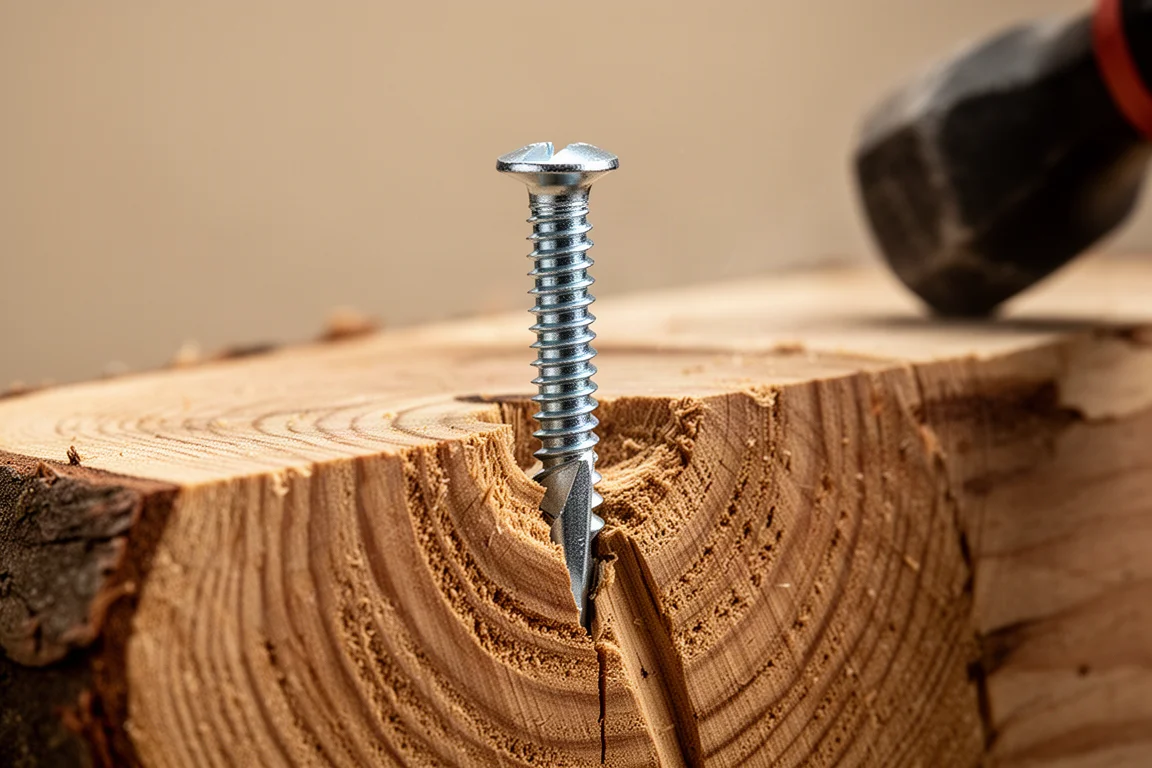
The 5-inch lag bolt driving test separated the field sharply. The genuine Milwaukee and DeWalt impact drivers finished each bolt in about 7 seconds, while the budget versions needed 20 to 33 seconds. Heat was the other story: the budget Milwaukee impact driver climbed to 289 degrees Fahrenheit, the budget Makita hit 223 degrees, and the budget DeWalt smoked during the extended torque test. The genuine tools stayed under 154 degrees throughout.
Among the half-inch impact wrenches, the results were less clear-cut in lag bolt driving, where the budget Milwaukee actually edged out the genuine unit. But on the heaviest work, the genuine tools pulled away decisively, and only the genuine Milwaukee and DeWalt Atomic could fully bury the 10-inch lag bolt.
Torque and Heavy-Duty Performance
In the maximum tightening torque test, the genuine Milwaukee impact driver came out on top at 261 foot-pounds, followed by the genuine DeWalt at 199 and the genuine Makita at 195. Among the impact wrenches, the genuine DeWalt Atomic led at about 200 foot-pounds with the genuine Milwaukee at 199.
In the 10-inch lag bolt torture test, the ranking was decisive: the genuine DeWalt Atomic at 1,098 inch-pounds, the genuine Milwaukee wrench at 865, and the genuine Milwaukee impact driver at 509. Several budget tools either stalled or suffered mechanical failure during this test.
What the Counterfeits Get Wrong Inside
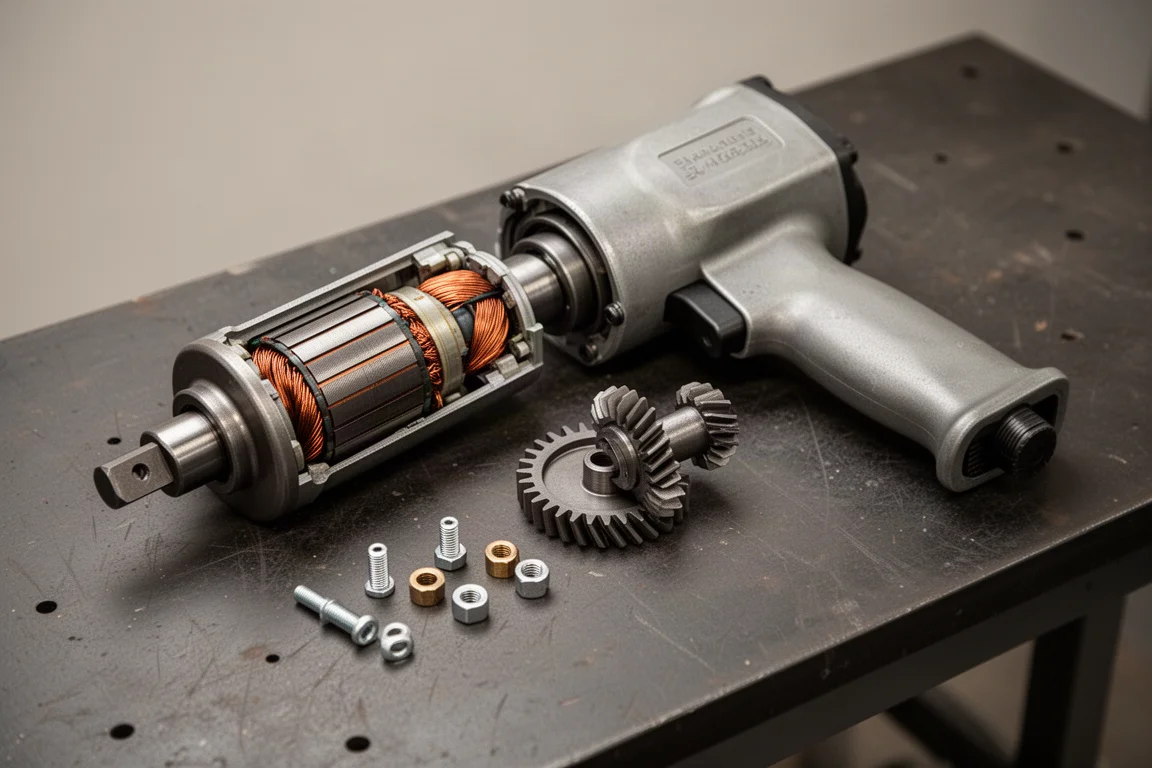
Opening the tools removed any doubt. The counterfeit Milwaukee impact wrench’s hammer assembly weighed 248.87 g versus 312.71 g for the genuine one, a 20 percent difference. The counterfeit’s brushless motor windings contained noticeably less copper, and internal parts differed substantially. Missing or wrong manufacturing markings were another common giveaway: several discounted tools had no manufacturing origin information anywhere on the tool or packaging, while genuine units were clearly marked as made in Vietnam, Mexico, Thailand, or Germany.
Buying Advice
Across every test, all five genuine tools outperformed all the counterfeits. The genuine quarter-inch Milwaukee impact driver was the overall winner with an average finish of 1.8, followed by the DeWalt Atomic at an average of 2.0 and the genuine DeWalt impact driver at 2.5. The counterfeit impact drivers fared worst, while the counterfeit half-inch Milwaukee and DeWalt wrenches managed an average finish of 5.6, respectable for tools under $50 but still clearly behind.
If your work regularly involves long fasteners, structural lag bolts, or sustained heavy use, spend the extra money up front for a genuine tool. The heat buildup, slower speeds, and failure risk of the counterfeits make them a poor value for serious work. For occasional light-duty tasks like deck screws and small fasteners, the discounted wrenches held up better than the discounted drivers, but they still trail the genuine tools in every measured category. Genuine products remain the recommended choice.
Conclusion
The five genuine impact tools tested here delivered on their claimed specifications, ran cooler, drove fasteners up to three times faster, and produced dramatically more torque than their counterfeit lookalikes. The DeWalt Atomic DCF921B stood out as the best all-around performer, with the Milwaukee M18 impact driver close behind on overall ranking. If a name-brand tool shows up at a fraction of its normal price with missing origin markings, it is worth assuming the worst before you buy.
Further reading
Related Reviews
Power Tools
Best 1-Inch Pistol Impact Wrenches: Three Heavy-Duty Options Compared
We compare three 1-inch pistol impact wrenches, from a budget-friendly Harbor Freight model to a premium Caterpillar unit, to help you choose the right one.
Power Tools
Best 3/4-Inch Impact Wrenches 2026: Five Contenders Compared
We compare five 3/4-inch impact wrenches across price and performance, from a budget Amazon option to Snap-on's most powerful model yet.
Power Tools
Best Budget Cordless Tools 2026: Walmart Finds That Punch Above Their Price
We tested five cordless tools from Walmart, including a high-torque impact wrench that trades blows with Milwaukee and a $35 duster that outperforms its price class.