Power Tools
Genuine vs Counterfeit Power Tool Batteries: What the Testing Shows
We tested genuine, counterfeit, and knockoff 5Ah batteries from DeWalt, Makita, and Milwaukee to see which ones are safe, which ones perform, and which ones you should avoid.
Introduction
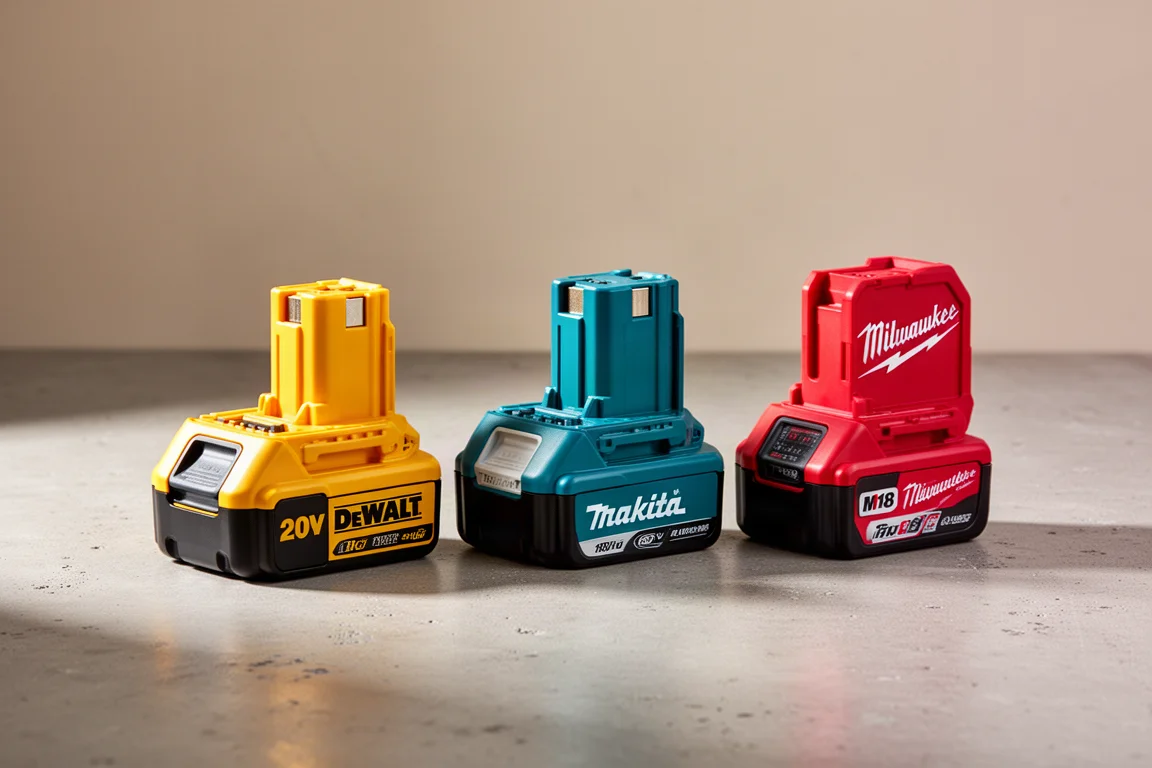
Power tool batteries are one of those purchases where a great deal can feel like a win, until it isn’t. The market is full of batteries that look like the real thing but are anything but. Some are outright counterfeits designed to fool you. Others are honest knockoffs that simply claim compatibility. The question is whether any of them are worth your money, and more importantly, whether they are safe.
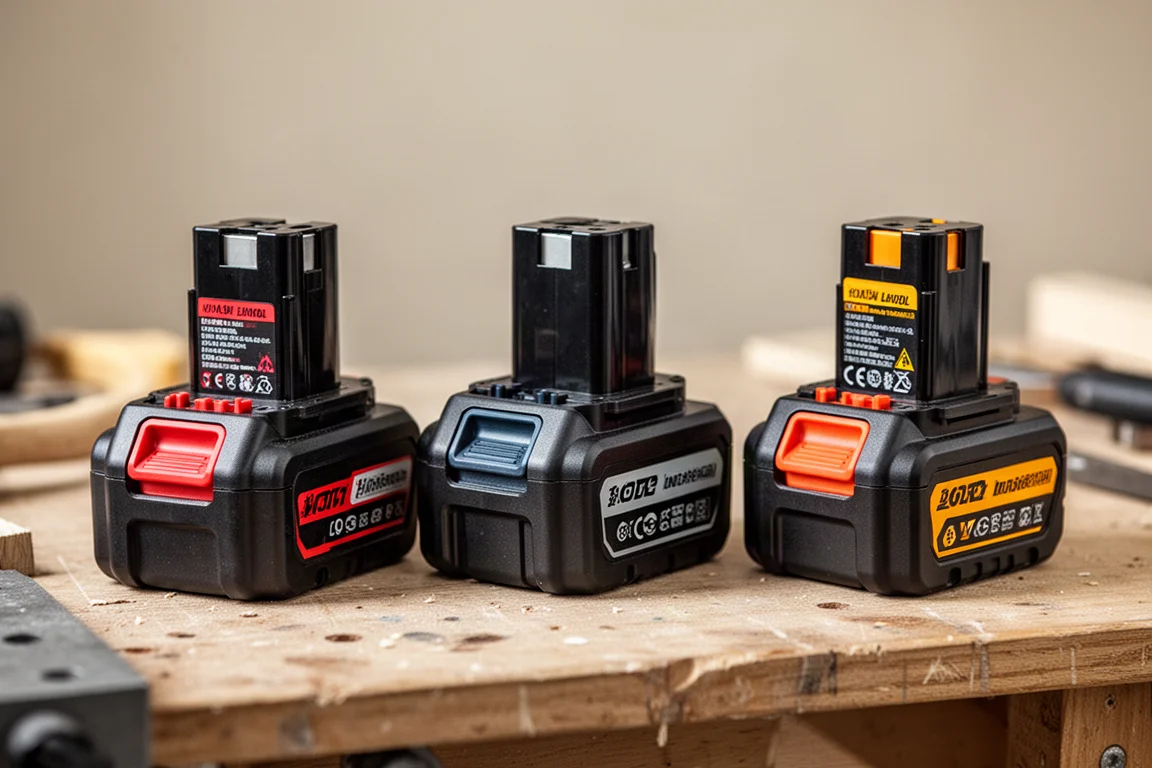
To find out, we tested 5 amp hour batteries from three major brands: DeWalt 20V, Makita 18V, and Milwaukee M18. For each brand, we compared a genuine battery with a counterfeit version and a budget knockoff. We ran them through air blower tests, drill and impact driver tests, an angle grinder test, a constant discharge test, and a dead short safety test. The results were revealing.
How We Tested
All batteries were rated at 5 amp hours. We tested each battery in three categories of real-world use: an air blower, a power drill driving lag bolts, and an impact driver. We also ran a high-drain angle grinder test, a constant 7 amp discharge test to check actual watt hour capacity, and a dead short test to evaluate safety protection.
For the air blower test, we measured airflow in cubic feet per minute (CFM) over time until each battery was drained. For the drill and impact driver tests, we measured torque and drive times. The angle grinder test added five pounds of weight on top of the grinder to simulate heavy load. Finally, the dead short test checked how quickly each battery shut down when the terminals were shorted.
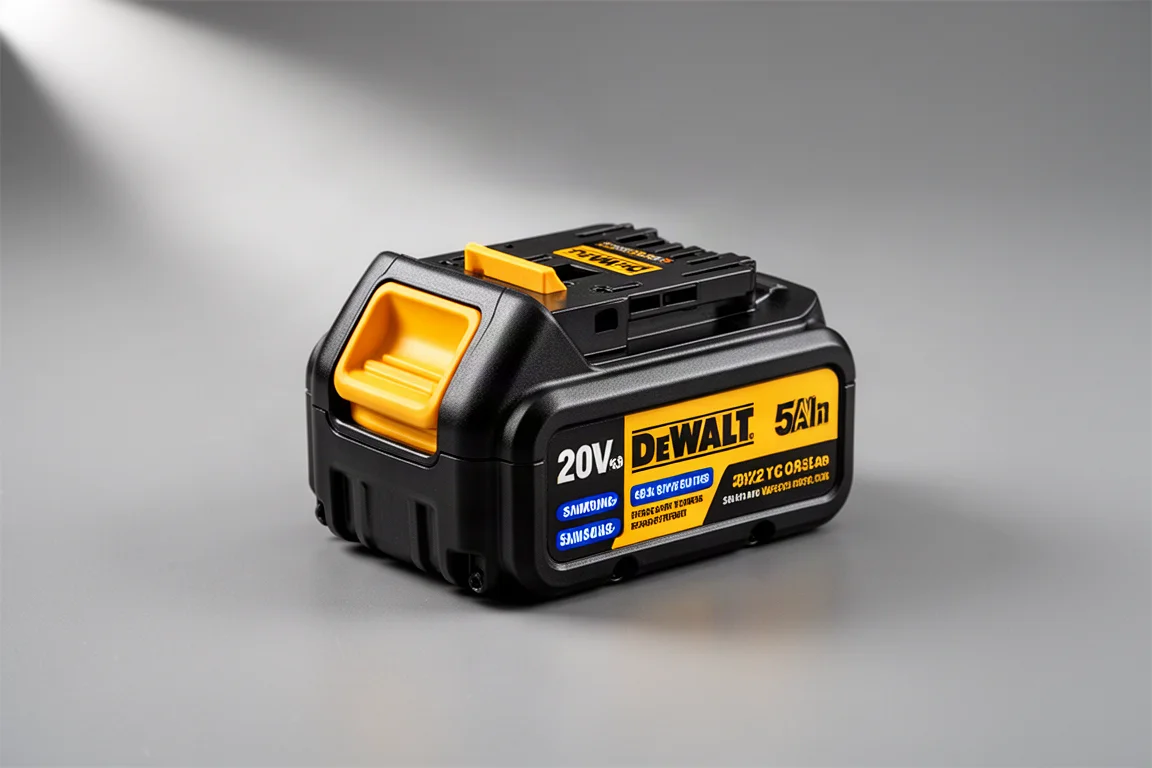
Genuine DeWalt 20V 5Ah Battery
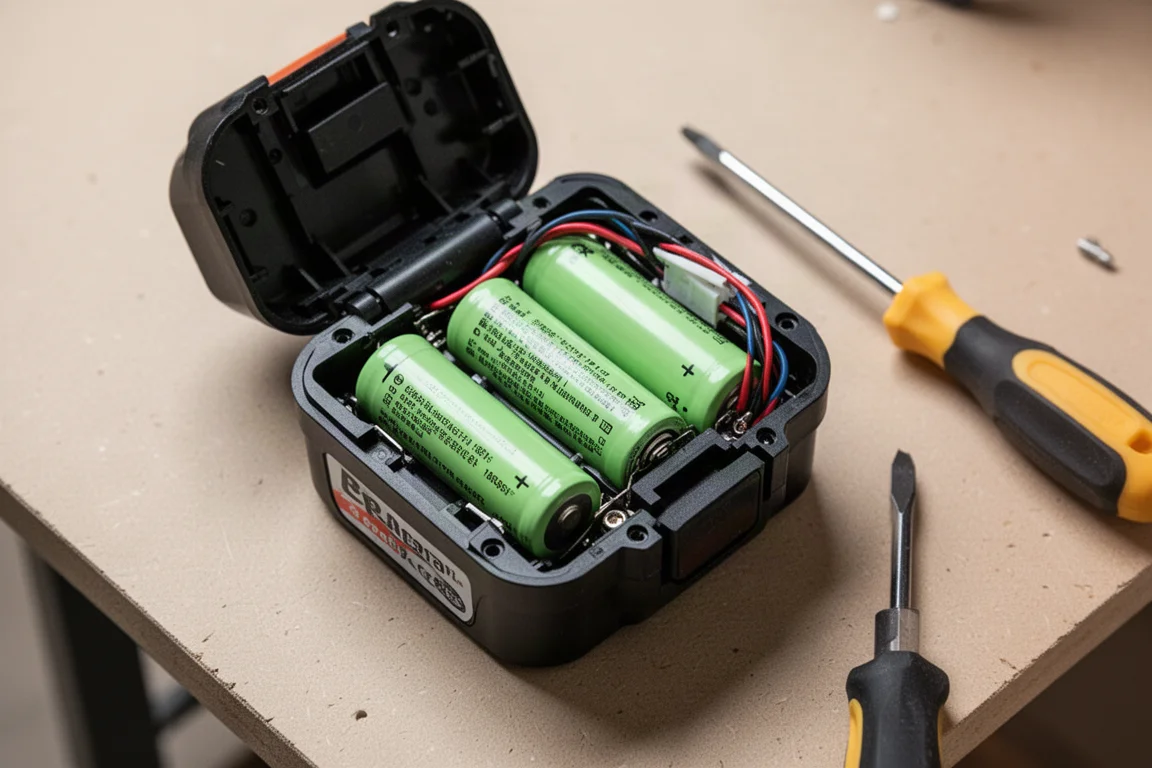
The genuine DeWalt battery weighed 646 grams and was made in Malaysia. It used Samsung INR18650-25R cells rated at 2500 mAh each, which is the correct specification for a 5 amp hour pack.
In the air blower test, the genuine DeWalt lasted 12 minutes and 11 seconds, producing approximately 3,633 CFM total. It held steady around 285 CFM for most of the test. In the drill test, it averaged 173.7 inch-pounds of torque. In the impact driver test, it drove three lag bolts in an average of 5.26 seconds each.
In the constant discharge test, the genuine DeWalt delivered just under 84 watt hours, about 6 watt hours short of its 90 watt hour rating. In the dead short test, it powered down in less than a second with no smoke or drama, thanks to an interconnect that acts as a fuse.
Genuine Makita 18V 5Ah Battery
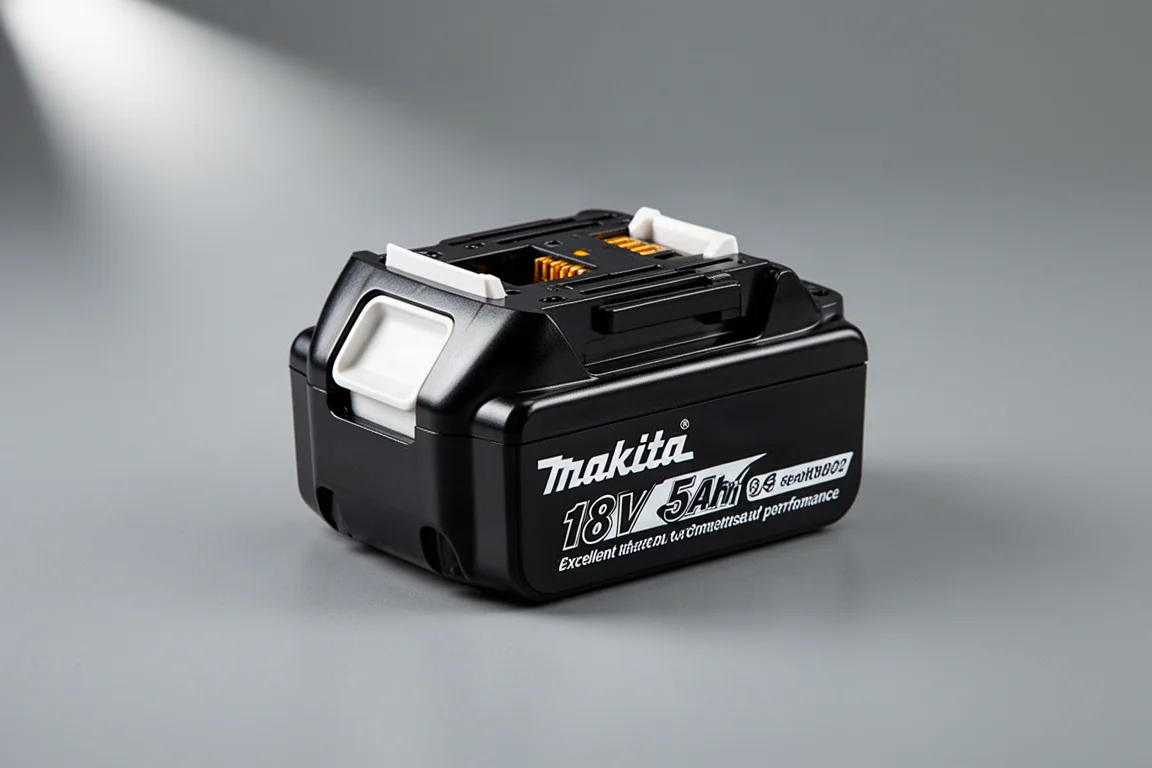
The genuine Makita battery also weighed 646 grams. Cells were made in Singapore and further processed in China. It was purchased from a major online retailer and confirmed genuine.
In the air blower test, the genuine Makita lasted 12 minutes and 8 seconds, only 3 seconds less than the genuine DeWalt, producing approximately 3,611 CFM total. It held steady around 288 to 289 CFM from 6 to 12 minutes. In the drill test, it averaged 148.7 inch-pounds of torque. In the impact driver test, it averaged 9.48 seconds per lag bolt, slower than the DeWalt but with very little vibration.
The genuine Makita delivered 83.78 watt hours in the constant discharge test. In the dead short test, it powered down immediately with no obvious sign of damage, though the battery no longer functioned properly afterward.
Genuine Milwaukee M18 5Ah Battery
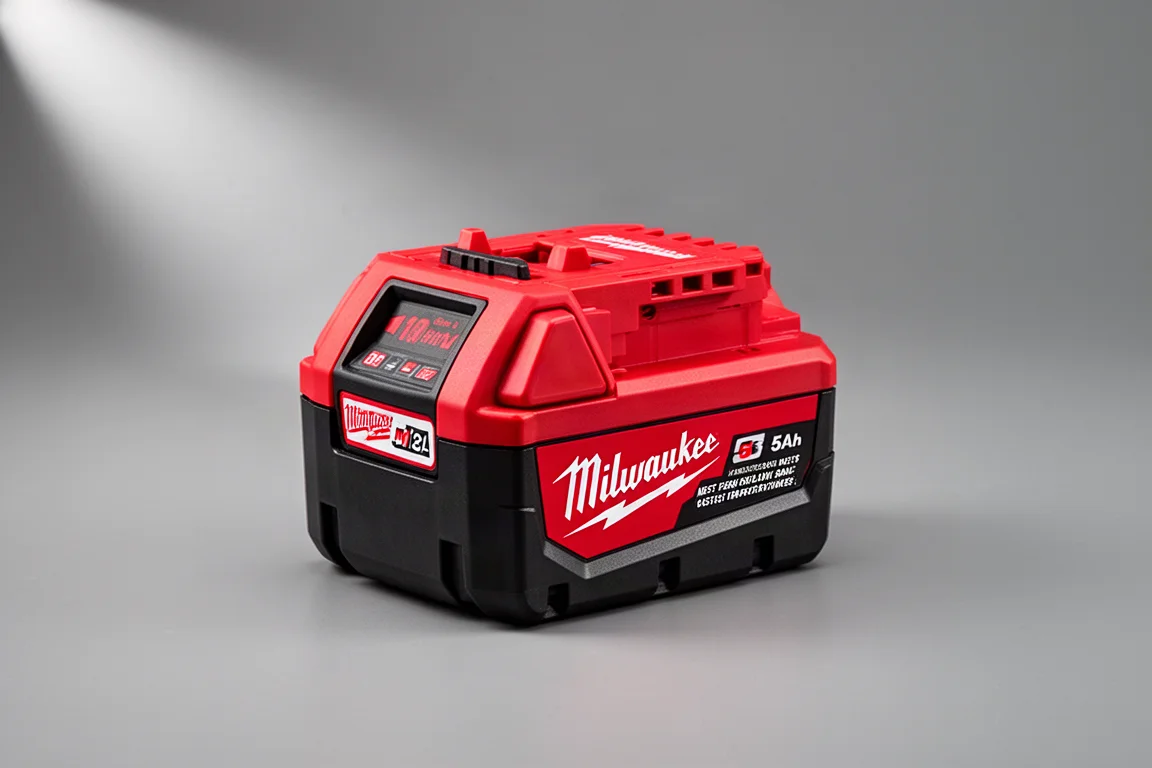
The genuine Milwaukee battery weighed 724 grams, noticeably heavier than the DeWalt and Makita. It was made in Mexico. The cells were fully encased in plastic, making internal inspection more difficult.
In the air blower test, the genuine Milwaukee lasted 12 minutes and 4 seconds, producing approximately 3,553 CFM total. It hit 330 CFM at just over a minute, the best peak of any battery tested. In the drill test, it averaged 172.7 inch-pounds of torque. In the impact driver test, it averaged 5.7 seconds per lag bolt, the fastest of all three genuine batteries.
The genuine Milwaukee delivered 84.16 watt hours in the constant discharge test. In the dead short test, it fought the short for almost 18 seconds before powering down, with a small amount of smoke from the contact point. The battery became extremely hot to the touch. This was the longest shutdown time of any genuine battery and a point of concern.
The Counterfeit Problem
Counterfeit batteries are designed to look like the real thing. The packaging often appears legitimate, complete with barcodes, serial numbers, and warranty claims. In some cases, the packaging is convincing enough to fool most people.
The counterfeit DeWalt battery we tested cost $42 each, about half the price of the genuine battery. It weighed 614 grams, 32 grams less than the genuine. Inside, it used Sun Power cells made in China rated at only 2000 mAh each, meaning the pack was really a 4 amp hour battery, not 5. It lasted only 8 minutes and 19 seconds in the air blower test, about 4 minutes less than the genuine. In the drill test, it surprisingly matched the genuine DeWalt at 173.7 inch-pounds on average. But in the dead short test, it took about 5 seconds to power down after blowing off smoke.
The counterfeit Makita cost $54 each. It weighed between 552 and 558 grams, about 90 to 100 grams less than the genuine. Inside, the cells were rated at only 1500 mAh each, making it a 3 amp hour battery instead of 5. It lasted only 6 minutes and 53 seconds in the air blower test. In the drill test, it averaged 127.3 inch-pounds, over 22 inch-pounds less than the genuine. In the dead short test, it briefly reached 190 amps and took close to 8 seconds to power down, with smoke and melted components.
The counterfeit Milwaukee cost $48 each. It weighed 634 grams, 90 grams less than the genuine. Inside, it used cells rated at 2000 mAh each, making it a 4 amp hour battery. It lasted only 7 minutes and 5 seconds in the air blower test and reached 145 degrees Fahrenheit, quite hot for such a short run. In the drill test, it averaged 134.7 inch-pounds, a disappointing 38 inch-pounds less than the genuine. In the dead short test, it powered down in about 2 seconds with the interconnect serving as a fuse.
The Knockoff Alternative
Knockoff batteries are different from counterfeits. They are honestly marketed as compatible replacements, not as genuine products. They are typically made in China and cost significantly less. The knockoff DeWalt cost $28 each, the knockoff Makita cost $24 each, and the knockoff Milwaukee cost $24 each.
The knockoff DeWalt weighed between 636 and 642 grams. Inside, it used cells rated at 2600 mAh each, which should perform better than the counterfeit. It lasted 7 minutes and 5 seconds in the air blower test, but the battery was still showing three bars when it quit, indicating it overheated rather than drained. In the drill test, it averaged 160.3 inch-pounds. In the constant discharge test, it delivered 88.67 watt hours, the best of any battery tested at 98.5% of its 90 watt hour rating. However, in the dead short test, the internal cells experienced thermal runaway. The battery leaked green fluid afterward. This is not a battery we would keep in a workshop.
The knockoff Makita weighed between 592 and 598 grams. Inside, it used 2500 mAh cells, working out to a 4.1 amp hour battery, not 5 as advertised. It lasted 8 minutes and 45 seconds in the air blower test, 2 minutes better than the counterfeit but 3 minutes less than the genuine. In the drill test, it averaged 137.3 inch-pounds. In the dead short test, it powered down in less than a second with the interconnect melting like a fuse.
The knockoff Milwaukee weighed 628 grams. Inside, it used 2000 mAh cells, making it a 4 amp hour battery. It lasted 10 minutes and 4 seconds in the air blower test, producing approximately 2,940 CFM total, not far behind the genuine Milwaukee. In the drill test, it averaged 145.3 inch-pounds. In the angle grinder test, it stalled about every 15 to 20 seconds and shut down six times before dying at 1 minute and 26 seconds. In the dead short test, it powered down in less than a second with a melted interconnect.
Real-World Performance: Drills and Impact Drivers
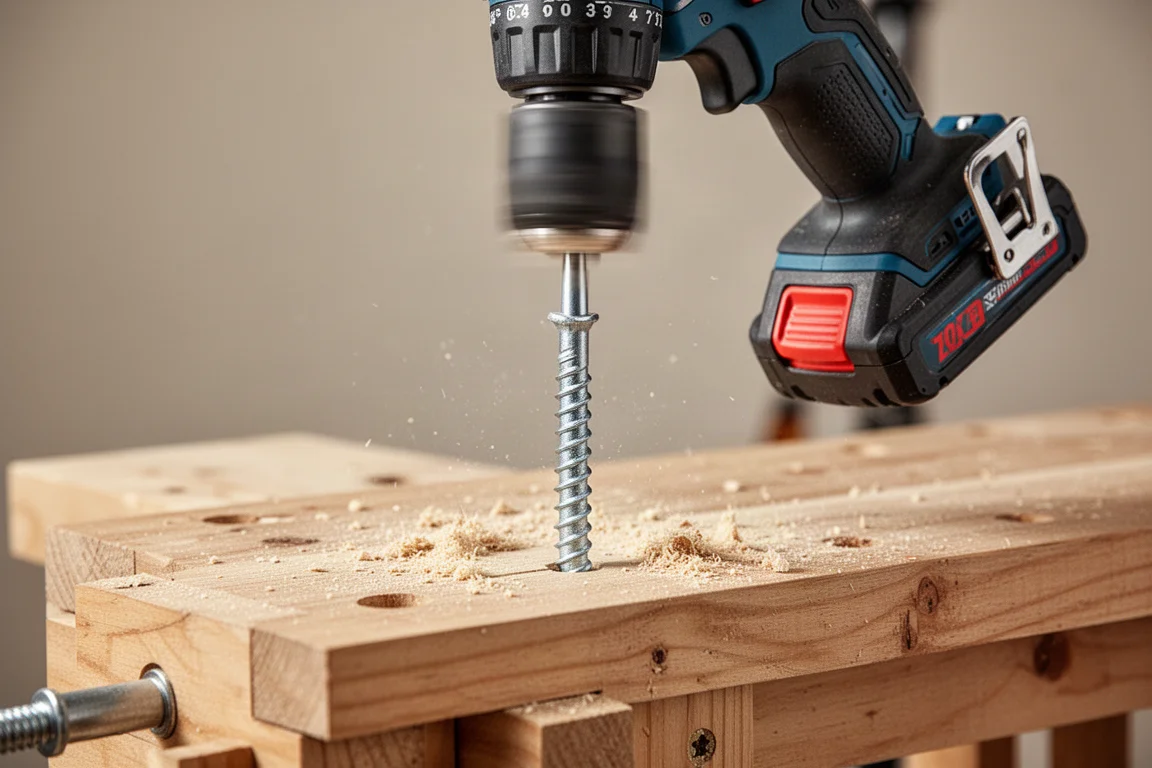
Power drills are typically less taxing on a battery than an air blower. In the drill test, we drove a 10-inch lag bolt with maximum torque and tracked the maximum torque in second gear.
The genuine DeWalt averaged 173.7 inch-pounds. The counterfeit DeWalt surprisingly matched it at 173.7 inch-pounds on a fully charged battery. The knockoff DeWalt struggled at 160.3 inch-pounds on average.
The genuine Makita averaged 148.7 inch-pounds. The counterfeit Makita, really a 3 amp hour battery, averaged 127.3 inch-pounds. The knockoff averaged 137.3 inch-pounds, 11 inch-pounds better than the counterfeit.
The genuine Milwaukee averaged 172.7 inch-pounds. The counterfeit averaged 134.7 inch-pounds, a very disappointing 38 inch-pounds less. The knockoff averaged 145.3 inch-pounds, once again better than the counterfeit.
In the impact driver test, we drove three 5-inch lag bolts and measured the time for each. The genuine DeWalt averaged 5.26 seconds per bolt. The counterfeit averaged 6.18 seconds, almost a second slower. The knockoff averaged 6.17 seconds, nearly identical to the counterfeit.
The genuine Makita averaged 9.48 seconds per bolt, slower than the DeWalt but with very little vibration. The counterfeit averaged 10.84 seconds. The knockoff averaged 10.15 seconds, about 0.7 seconds faster than the counterfeit.
The genuine Milwaukee averaged 5.7 seconds per bolt, the fastest of all. The counterfeit averaged 7.43 seconds, 1.72 seconds slower on average. The knockoff averaged 6.15 seconds, stronger than the counterfeit but still slower than the genuine.
What’s Inside: Cell Quality and Capacity
The constant discharge test at 7 amps revealed the true capacity of each battery. The genuine DeWalt delivered just under 84 watt hours, about 93% of its 90 watt hour rating. The genuine Makita delivered 83.78 watt hours. The genuine Milwaukee delivered 84.16 watt hours.
The knockoff DeWalt came out on top at 88.67 watt hours, 98.5% of its rating, thanks to its 2600 mAh cells. The knockoff Makita delivered just over 58 watt hours. The knockoff Milwaukee delivered 59.65 watt hours.
The counterfeit batteries did by far the worst. The counterfeit DeWalt delivered only 63 watt hours, well below its 90 watt hour rating. The counterfeit Makita delivered 47.23 watt hours, working out to 2.62 amp hours. The counterfeit Milwaukee delivered 42.34 watt hours, or 2.35 amp hours, just 47% of its claimed rating.
Safety: Dead Short and Overload Testing
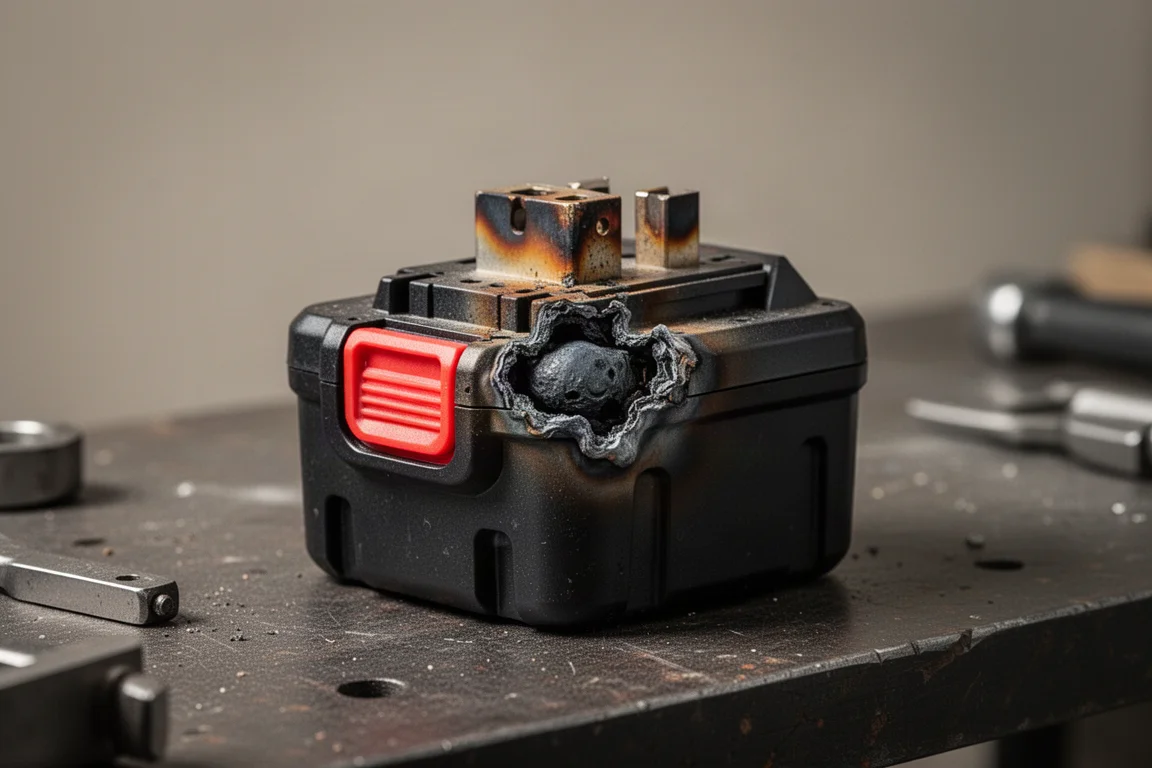
The dead short test was the most revealing. The genuine DeWalt powered down in less than a second with no smoke. The genuine Makita powered down immediately. The genuine Milwaukee fought the short for almost 18 seconds before powering down, with a small amount of smoke. While it eventually shut down, the delay was concerning.
The counterfeit DeWalt took about 5 seconds to power down after blowing smoke. The counterfeit Makita took close to 8 seconds, with melted metal and a discolored interconnect. The counterfeit Milwaukee powered down in about 2 seconds.
The knockoff DeWalt was the most dangerous. Its internal cells experienced thermal runaway, and the battery leaked green fluid afterward. The knockoff Makita powered down in less than a second with the interconnect melting like a fuse. The knockoff Milwaukee also powered down in less than a second with a melted interconnect.
Overall Buying Advice
The genuine batteries outperformed the knockoffs and counterfeits in nearly every test. The genuine DeWalt finished with an average ranking of 1.3 across all tests. The genuine Makita finished first in every category it was tested in, as did the genuine Milwaukee.
The knockoff batteries all outperformed the counterfeits in just about every category. However, the knockoff DeWalt is a safety concern due to the thermal runaway we observed. We would not recommend knockoff batteries, especially that DeWalt knockoff.
Counterfeit batteries are the worst choice. They are not safe, and you are getting ripped off. The counterfeit Makita and Milwaukee delivered only 52.5% and 47% of their claimed capacity, respectively. The counterfeit DeWalt matched the genuine in the drill test, but that was the exception, not the rule.
If you want reliable performance and safety, buy genuine batteries. The price difference is worth it when you consider the risk of fire, the reduced run time, and the fact that you are paying for capacity you never get.
Conclusion
The testing is clear: genuine batteries win on performance, capacity, and safety. Counterfeit batteries are a gamble with your money and your safety. Knockoff batteries are better than counterfeits but still fall short of genuine performance, and at least one knockoff we tested showed dangerous thermal behavior.
When you see a power tool battery at a price that seems too good to be true, it probably is. The counterfeit batteries we tested were sold to hundreds of buyers through online marketplaces. The packaging was convincing, but the cells inside were undersized and the safety protection was inadequate.
Stick with genuine batteries from reputable sellers. If you come across counterfeit batteries, consider reporting them to the tool manufacturers. The more pressure applied to those sellers, the harder it becomes for them to keep selling unsafe products.
Further reading
Related Reviews
Power Tools
Best 1-Inch Pistol Impact Wrenches: Three Heavy-Duty Options Compared
We compare three 1-inch pistol impact wrenches, from a budget-friendly Harbor Freight model to a premium Caterpillar unit, to help you choose the right one.
Power Tools
Best 3/4-Inch Impact Wrenches 2026: Five Contenders Compared
We compare five 3/4-inch impact wrenches across price and performance, from a budget Amazon option to Snap-on's most powerful model yet.
Power Tools
Best Budget Cordless Tools 2026: Walmart Finds That Punch Above Their Price
We tested five cordless tools from Walmart, including a high-torque impact wrench that trades blows with Milwaukee and a $35 duster that outperforms its price class.