Power Tools
Genuine 5Ah Power Tool Batteries Compared: DeWalt, Makita, and Milwaukee
A head-to-head look at genuine 5Ah batteries from DeWalt, Makita, and Milwaukee across runtime, power delivery, heat, and safety protection.
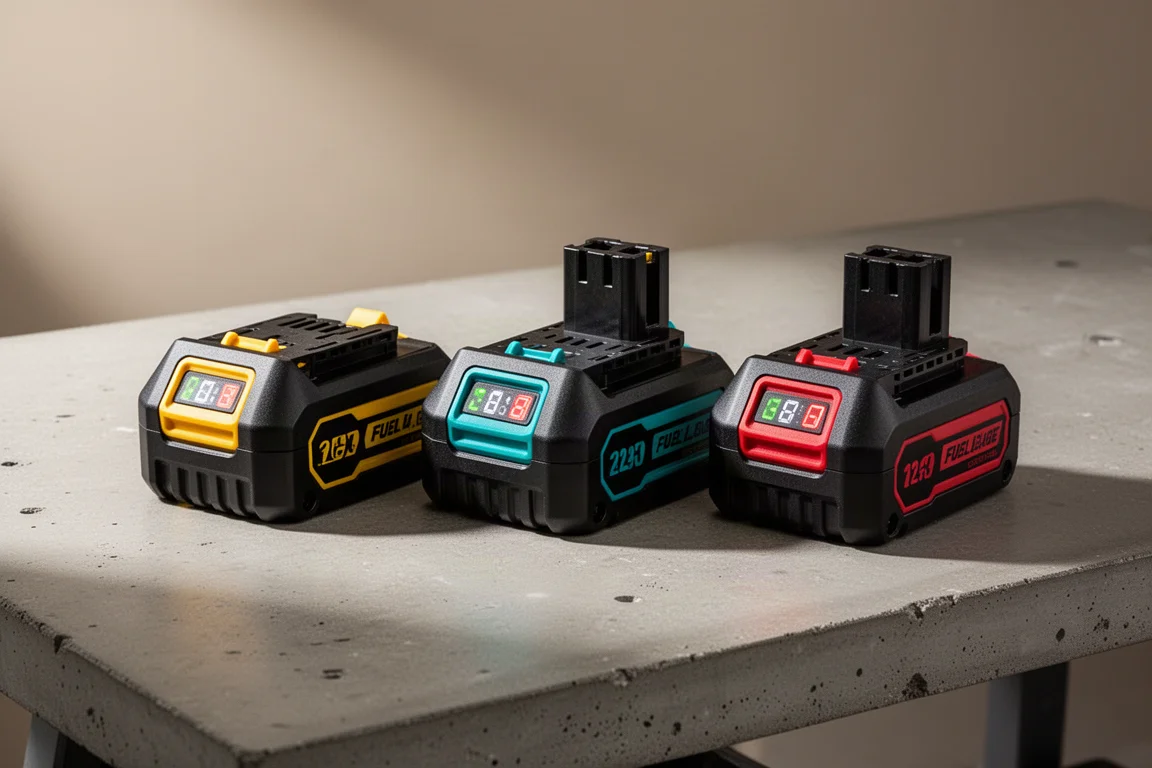
Introduction
Cordless tool batteries are easy to buy badly. Between genuine packs, counterfeits, and open knockoffs, the market is crowded, and the differences only show up under load. We compared three genuine 5Ah batteries, one each for DeWalt 20V, Makita, and Milwaukee M18 tools, to see how each one handles runtime, power delivery, heat, and safety protection.
How We Evaluated the Batteries
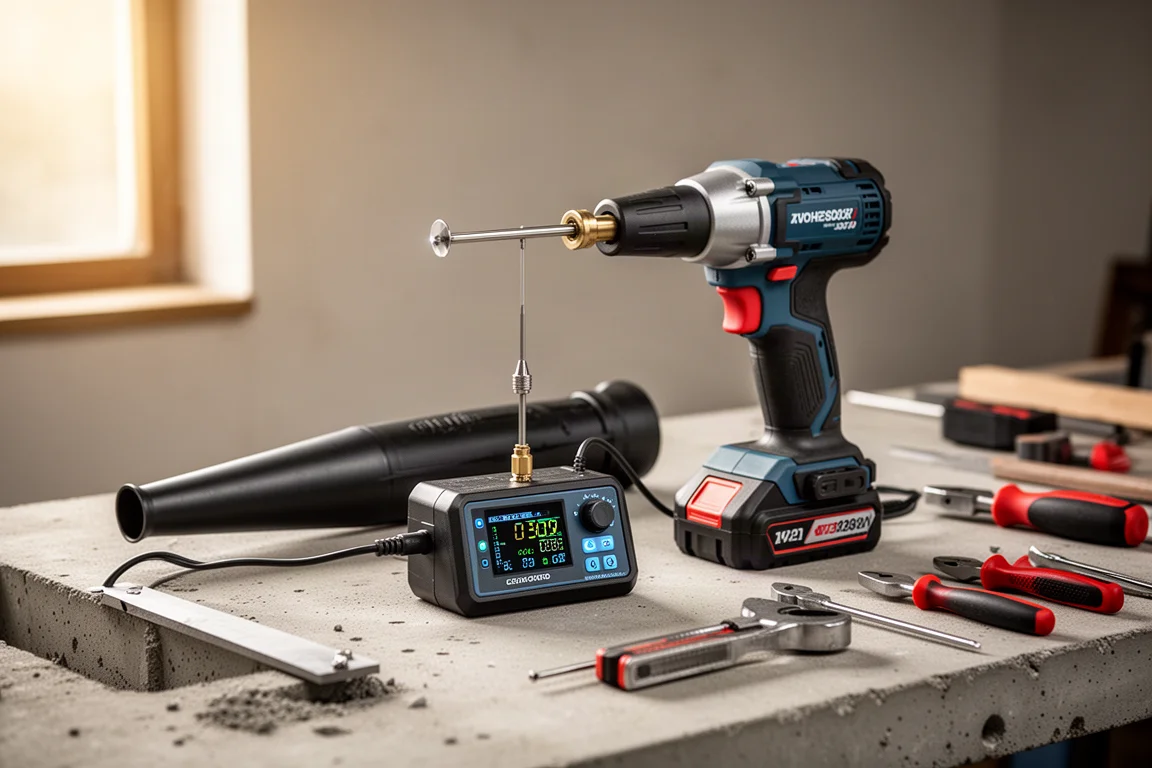
Each battery was tested through the same sequence: an air blower runtime test with airflow measured in CFM, a drill driving 10-inch lag bolts at maximum torque, an impact driver test, a grinder test under five pounds of added load, a 7-amp capacity drain to check the rated watt hours, and a controlled dead-short test to evaluate protection circuitry. Every battery was rated at 5 amp hours and fully charged before each test.
One consistent theme is worth flagging early: counterfeit packs, which mimic genuine branding, consistently delivered far less capacity than advertised and showed worrying heat behavior. Some counterfeit packs opened up to reveal undersized cells, in one case 1,500 mAh cells sold as a 5Ah pack. If a brand-name battery price looks too good to be true, it usually is.
DeWalt 20V MAX 5Ah: Strong All-Round Performance
The genuine DeWalt 20V 5Ah battery weighs 646 grams, is made in Malaysia, and uses Samsung INR18650-25R cells rated at 2,500 mAh each, exactly what the spec sheet promises. On the air blower it ran for 12 minutes and 11 seconds, finishing with a total output of roughly 3,633 CFM, the best blower result of the three. It got warm during the run, around 147 degrees Fahrenheit, which is expected for that duration.
In the drill test it averaged 173.7 inch-pounds, and in the grinder test it held high RPM for 3 minutes and 14 seconds, the longest grinder result of the group. On the capacity drain it delivered just under 84 watt hours, about 93 percent of its 90 watt-hour rating. The dead-short protection was excellent: it powered down in under a second with no smoke.
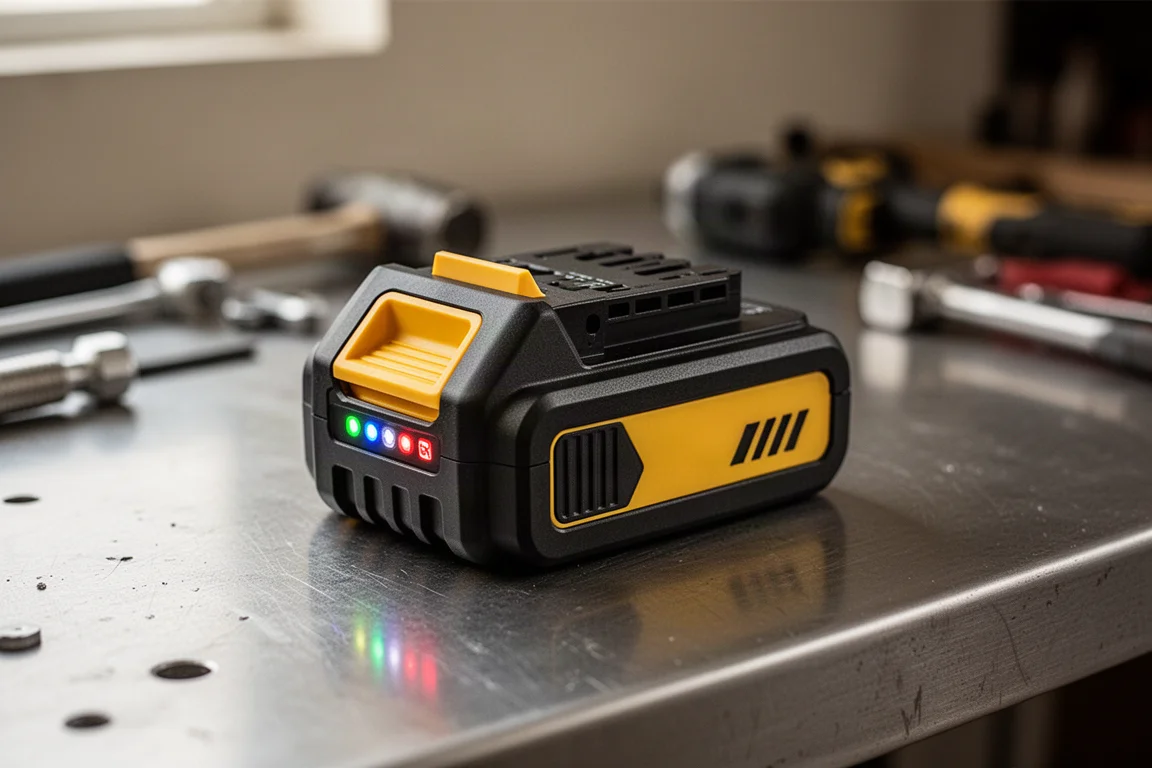
Against lookalike packs, the differences matter. A well-known counterfeit DeWalt sold for $42 per battery uses no-name SunPower cells made in China rated at only 2,000 mAh, weighs less, lacks the QR code of the genuine pack, and ran roughly four minutes shorter on the blower. A $28 knockoff with 2,600 mAh cells actually beat the genuine pack slightly on the capacity drain, but it overheated mid-test and, in the dead-short test, suffered thermal runaway and leaked green fluid. That is not a battery we would keep in a shop.
Makita 5Ah: Excellent Build and Cell Quality
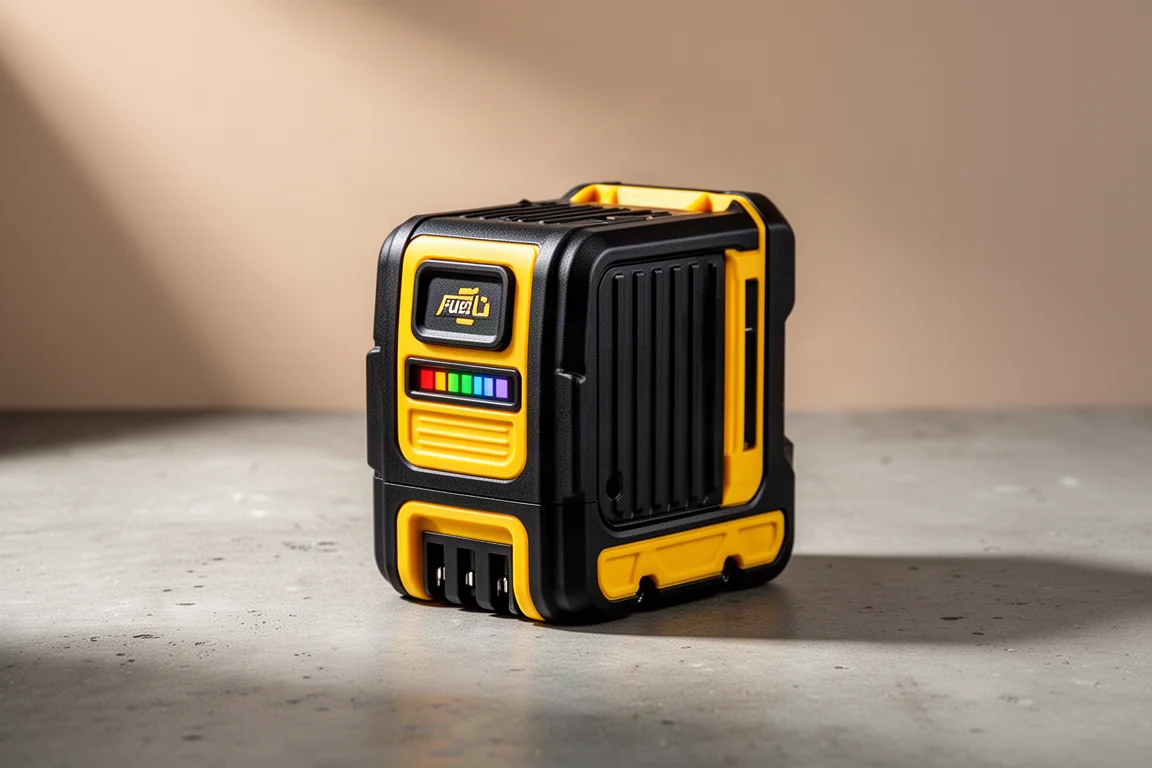
The genuine Makita 5Ah battery also weighs 646 grams, with cells manufactured in Singapore and further processed in China. It ran the air blower for 12 minutes and 8 seconds, just 3 seconds behind the DeWalt, with a total output of about 3,611 CFM. Its finishing temperature of around 139 degrees after such a long run is impressive, and Makita’s battery protection proved notably strong across the tests.
The drill test averaged about 148.7 inch-pounds in high speed, and the impact driver averaged 9.48 seconds per lag bolt. On the capacity drain it delivered 83.78 watt hours. The dead-short test showed well-designed protection: it shut down immediately with no obvious damage. One caveat: in the grinder test it cut out from overheating after only 53 seconds, so sustained high-draw grinding is not its strongest event.
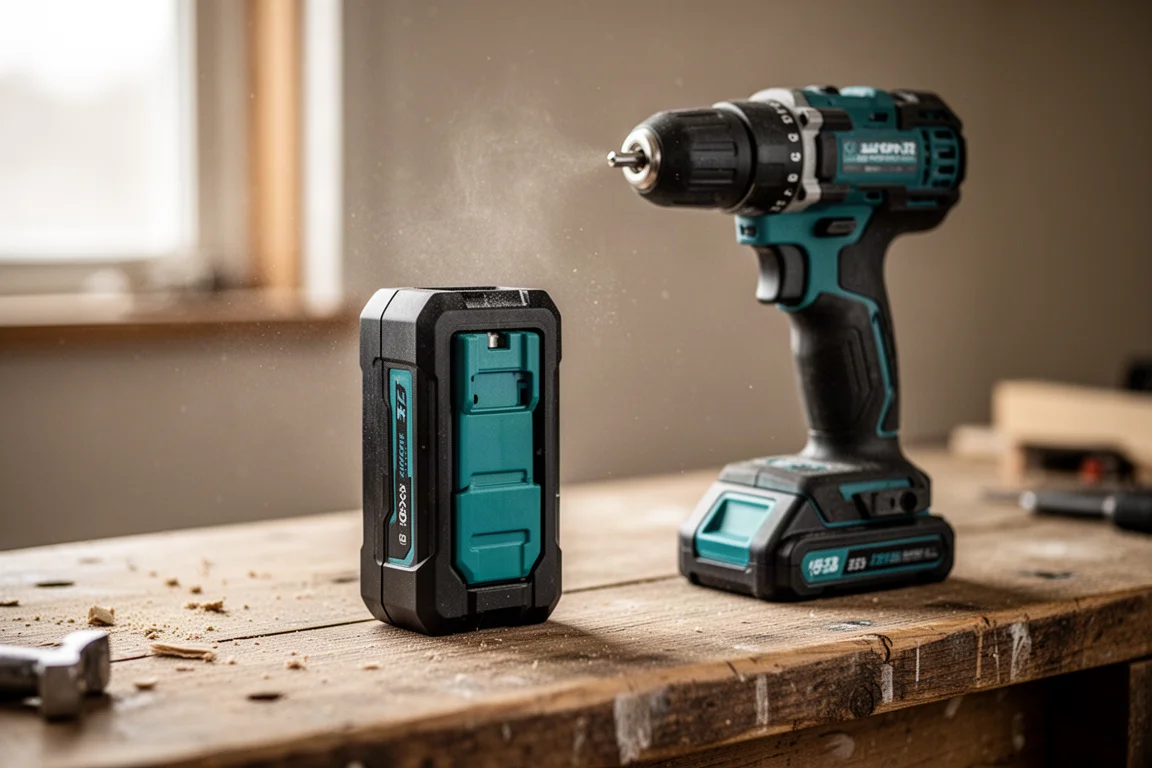
The counterfeit Makita at $54 per battery is convincing. The packaging looks authentic, the label even claims cells manufactured in Singapore, and anti-tamper plugs make the pack look legitimate. Inside, the cells are rated at only 1,500 mAh instead of 2,500, making it effectively a 3Ah pack. It delivered just 47.23 watt hours, about 52.5 percent of its rating, and took close to eight seconds to shut down during the dead-short test while smoking. A $24 knockoff Makita actually shut down safely in under a second, but it holds only about 4.1Ah despite the 5Ah label.
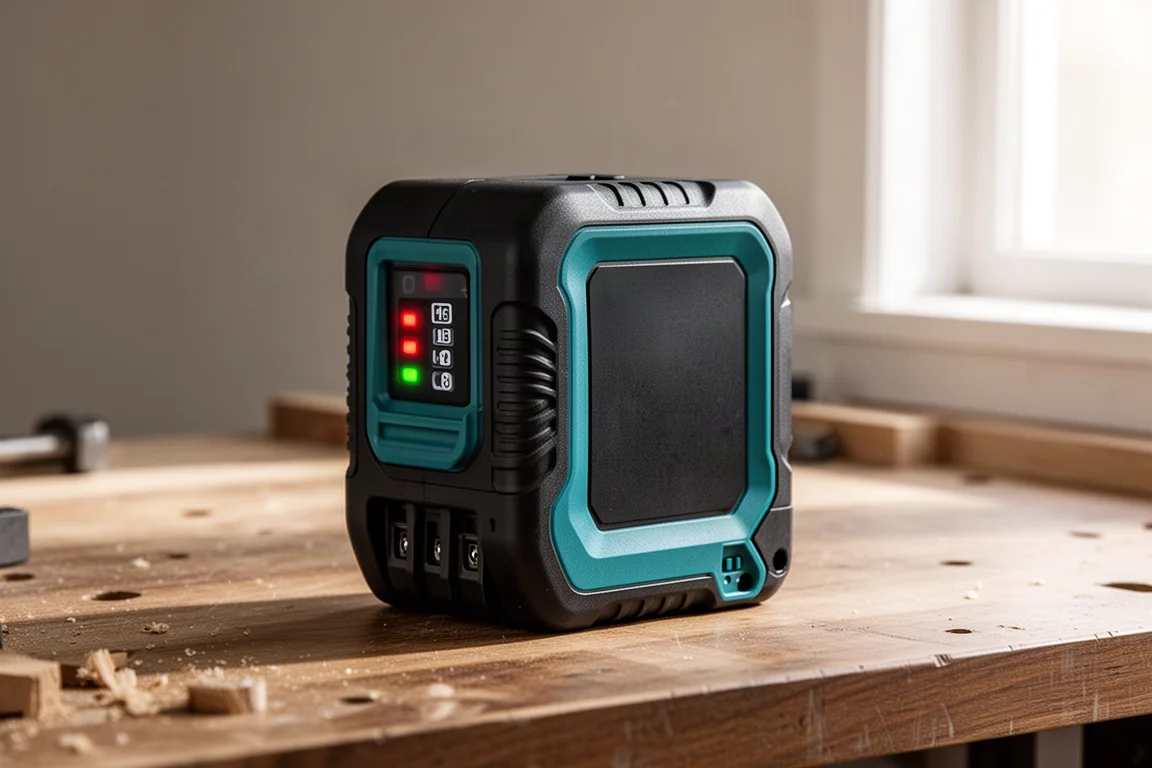
Milwaukee M18 Red Lithium 5Ah: Power Under Load
The genuine Milwaukee M18 Red Lithium 5Ah is the heaviest of the three at 724 grams and is made in Mexico. It ran the air blower for 12 minutes and 4 seconds with a total output of about 3,553 CFM, peaking at 330 CFM, the best starting airflow of the group. Its finishing temperature of around 128 degrees after a 12-minute run is genuinely good, though it is worth noting the cells are fully encased in plastic, so surface readings may understate internal heat.
Where the Milwaukee pulled ahead was high-draw work. In the drill test it averaged almost 173 inch-pounds, and it delivered the fastest impact driver average of the group at 5.7 seconds per lag bolt. On the grinder it ran for 2 minutes and 10 seconds, second only to the DeWalt. The capacity drain produced 84.16 watt hours, the highest measured figure of the three.
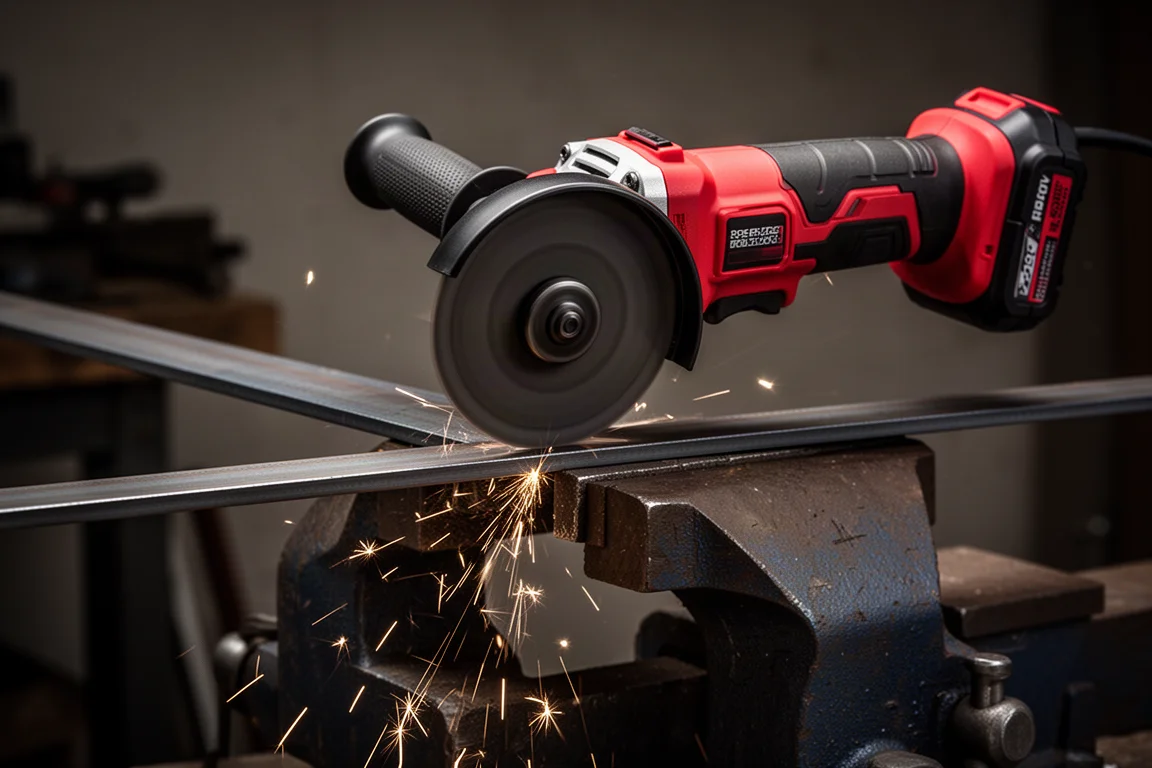
The dead-short test is the one weak point. The genuine Milwaukee fought the short for almost 18 seconds before powering down, with some smoke at the contact point, and it should arguably have cut out within a couple of seconds. The counterfeit Milwaukee at $48 per battery turned out to use 2,000 mAh cells, making it a 4Ah pack sold as 5Ah, and it managed only 42.34 watt hours. A $24 knockoff with similar 2,000 mAh cells did shut down quickly in the short test, but it also falls well short of its advertised capacity.
Buying Advice
All three genuine batteries finished on top in every test category, and each delivered just over 93 percent of its rated watt-hour capacity. Pick the DeWalt if you want the strongest all-round combination of runtime, torque, and fast short-circuit shutdown. Pick the Makita if you value excellent cell quality, cool operation, and immediate safety protection, and if heavy grinding is not your main use case. Pick the Milwaukee if high-draw tools like drills and grinders dominate your work, keeping in mind the slower dead-short response.
Whichever platform you use, avoid counterfeits. They are not safe, they deliver far less capacity than advertised, and the savings rarely justify the risk. Buying from authorized sellers and checking weight, cell markings, and packaging details against a known-genuine pack are sensible precautions.
Conclusion
The genuine DeWalt, Makita, and Milwaukee 5Ah batteries all performed as rated, with the DeWalt edging out the group on overall results and the Makita and Milwaukee each leading in specific categories. Genuine packs cost more up front, but the testing shows why: real capacity, controlled heat, and protection circuits that actually work.
Further reading
Related Reviews
Power Tools
Best 1-Inch Pistol Impact Wrenches: Three Heavy-Duty Options Compared
We compare three 1-inch pistol impact wrenches, from a budget-friendly Harbor Freight model to a premium Caterpillar unit, to help you choose the right one.
Power Tools
Best 3/4-Inch Impact Wrenches 2026: Five Contenders Compared
We compare five 3/4-inch impact wrenches across price and performance, from a budget Amazon option to Snap-on's most powerful model yet.
Power Tools
Best Budget Cordless Tools 2026: Walmart Finds That Punch Above Their Price
We tested five cordless tools from Walmart, including a high-torque impact wrench that trades blows with Milwaukee and a $35 duster that outperforms its price class.